
Melodies of the Past: How Ancient Indian Music Shaped Cultural Identity

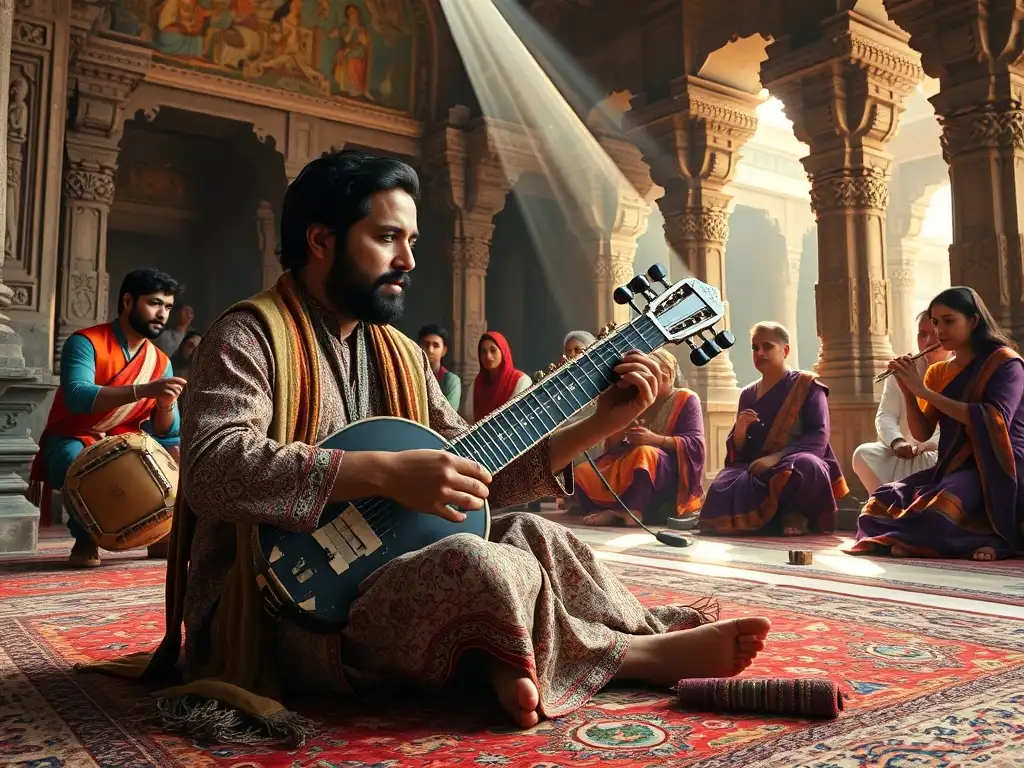
Welcome to Ancient India History, where we embark on a journey through the rich tapestry of India's past, unraveling the diverse threads of culture, civilization, and creativity that have shaped this remarkable land. In our featured article, “Melodies of the Past: How Ancient Indian Music Shaped Cultural Identity,” we delve into the enchanting realm of ancient Indian music history, exploring its profound impact on society and identity.
Prepare to be captivated as we reveal how the rhythms and melodies of the past resonate through time, influencing generations and echoing in the cultural heartbeat of India today. Are you ready to discover the sounds that defined an era?
- Introduction to Ancient Indian Music History
- The Origins of Ancient Indian Music
- Key Philosophical and Spiritual Influences
- Musical Forms and Genres in Ancient India
- The Impact of Ancient Indian Music on Cultural Identity
- Instruments and Their Evolution in Ancient Indian Music
- Prominent Figures in Ancient Indian Music History
- Conclusion: The Enduring Legacy of Ancient Indian Music
- References and Further Reading
- Frequently Asked Questions
- Final Reflection: The Enduring Legacy of Ancient Indian Music
- Explore the Rich Legacy of Ancient Indian Music!
Introduction to Ancient Indian Music History
Ancient Indian music is a profound and intricate aspect of the country’s cultural heritage, reflecting the diverse traditions, philosophies, and emotions that have shaped the Indian subcontinent over millennia. From the melodic chants of the Vedic hymns to the sophisticated compositions of classical music, the evolution of musical forms in ancient India offers a glimpse into the spiritual and social fabric of its civilizations.
Understanding the history of ancient Indian music not only enriches our appreciation of its artistic expressions but also illuminates the ways in which music has played a vital role in shaping cultural identity throughout the ages.
Overview of Ancient Indian Music and Its Importance
The roots of ancient Indian music can be traced back to the Vedic period, around 1500 BCE, where it was primarily linked to religious rituals and ceremonies. The Samaveda, one of the four Vedas, is particularly significant as it consists of melodies set to hymns, which were sung during rituals. This early form of music laid the foundation for subsequent developments in Indian musical traditions.
Key elements of ancient Indian music include:
- Ragas and Talas: The system of musical scales (ragas) and rhythms (talas) became central to the structure of Indian music, influencing both vocal and instrumental compositions.
- Instruments: Various instruments such as the veena, tabla, and flute emerged, each adding unique textures and layers to musical performances.
- Cultural Integration: Music was intertwined with dance, drama, and storytelling, making it a multifaceted art form that transcended mere entertainment and served as a means of communication and expression.
The significance of ancient Indian music lies not only in its artistic value but also in its role as a vehicle for spiritual expression and cultural continuity. Through music, ancient civilizations conveyed their philosophies, emotions, and societal values, making it an essential component of their identity.
Purpose of the Article
This article aims to delve deeper into the history of ancient Indian music, exploring its evolution, key characteristics, and the profound impact it has had on the cultural identity of India. By examining the various forms of music from the Indus Valley Civilization to the Gupta Empire, we will uncover how these musical traditions have influenced modern Indian music and continue to resonate in contemporary society.
Through this exploration, we invite readers to appreciate the depth and richness of ancient Indian music, understanding its significance not just as an art form but as a vital thread in the tapestry of India's historical narrative. Join us as we embark on a journey through the melodies of the past, discovering how they have shaped cultural identity and continue to inspire generations.
The Origins of Ancient Indian Music
Historical Context of Music in Ancient India
The history of ancient Indian music is deeply intertwined with the cultural, religious, and social fabric of the time. Emerging around 1500 BCE, music during this period was not merely an art form; it was a vital aspect of ritualistic practices and community life. The Vedas, particularly the Samaveda, which is predominantly musical, serve as one of the earliest records of musical thought in ancient India. These texts highlight the importance of music in ceremonies and spiritual practices, suggesting that early Indian music was closely linked to the divine and the cosmos.
Scholars believe that ancient Indian music evolved through various influences, including tribal music, folk traditions, and the musical practices of neighboring cultures. As the Indus Valley Civilization flourished, archaeological findings, such as terracotta figurines and seals, indicate that music played a role in their daily lives and rituals. The transition from the Vedic period to the Mauryan Empire (322-185 BCE) saw a significant development in music, where it began to be categorized into distinct forms, including vocal and instrumental music.
Early Instruments in Ancient Indian Music
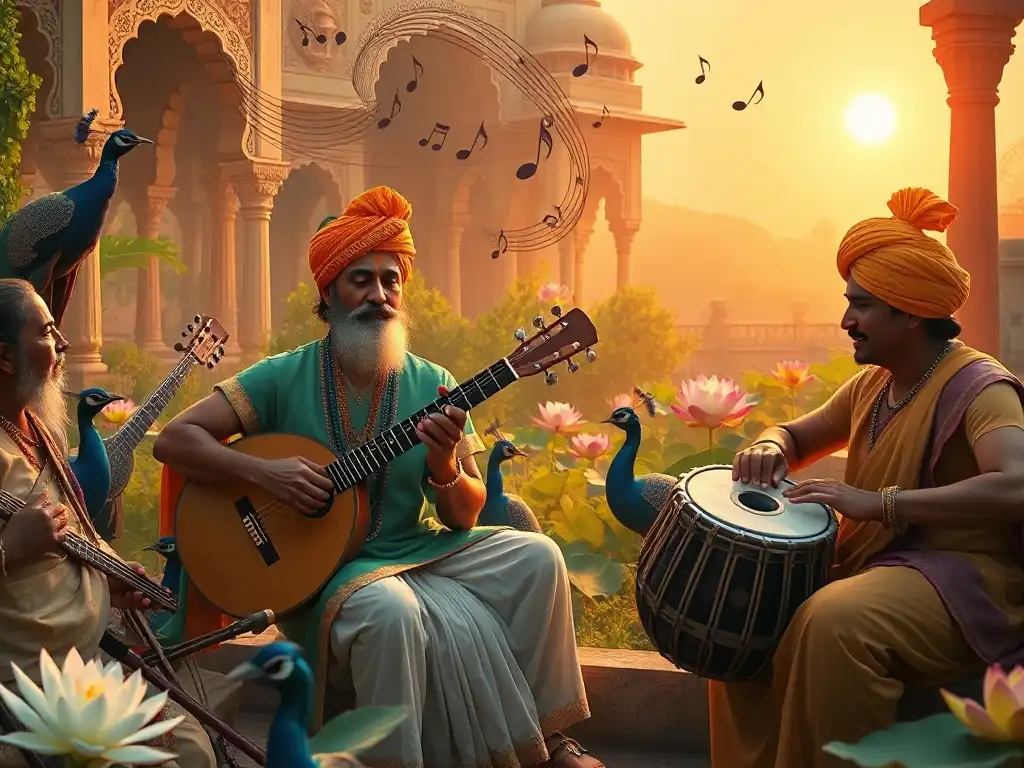
Ancient Indian music was characterized by a variety of instruments that contributed to its rich soundscape. Among the earliest instruments documented are:
- Veena: A string instrument, the veena is often associated with Saraswati, the goddess of knowledge and arts. It has a rich history, evolving through various forms over centuries.
- Mridangam: A percussion instrument that holds great significance in both classical and folk music traditions. Its origins can be traced back to the Vedic period, and it remains a staple in contemporary performances.
- Bansuri: The bamboo flute, known as bansuri, is one of the oldest wind instruments in India. It is often linked to pastoral life and the divine, notably in the tales of Lord Krishna.
- Dholak: A double-headed drum, the dholak is commonly used in folk music and celebrations, showcasing the communal aspect of music.
These instruments not only played a crucial role in the performance of music but also reflected the technological advancements and aesthetic sensibilities of the time. The craftsmanship involved in creating these instruments was often steeped in tradition, passed down through generations.
The Role of Music in Ancient Indian Society
In ancient Indian society, music was more than a form of entertainment; it was integral to the social and cultural identity of various communities. Music served multiple functions:
- Religious and Spiritual Practices: Music was an essential component of rituals and ceremonies, believed to invoke divine blessings and create a sacred atmosphere. The chanting of Vedic hymns is a prime example of how music facilitated spiritual connection.
- Storytelling and Oral Tradition: Music played a vital role in preserving history and culture through oral traditions. Bards and storytellers would often use musical narratives to relay tales of heroism, morality, and cultural values.
- Social Cohesion: Festivals, celebrations, and communal gatherings were often accompanied by music, fostering a sense of unity among participants. The collective experience of music helped strengthen community bonds.
- Artistic Expression: Music provided a platform for individual and creative expression, with various styles and forms emerging from different regions. This diversity enriched the cultural landscape of ancient India, leading to the development of classical forms like Dhrupad and Khyal.
Ancient Indian music played a pivotal role in shaping cultural identity, reflecting the complexities of social life, and contributing to the spiritual and artistic heritage of the civilization. Its influence can still be felt today, as many of these traditions continue to resonate in modern Indian music.
Key Philosophical and Spiritual Influences
Connection Between Music and Spiritual Practices
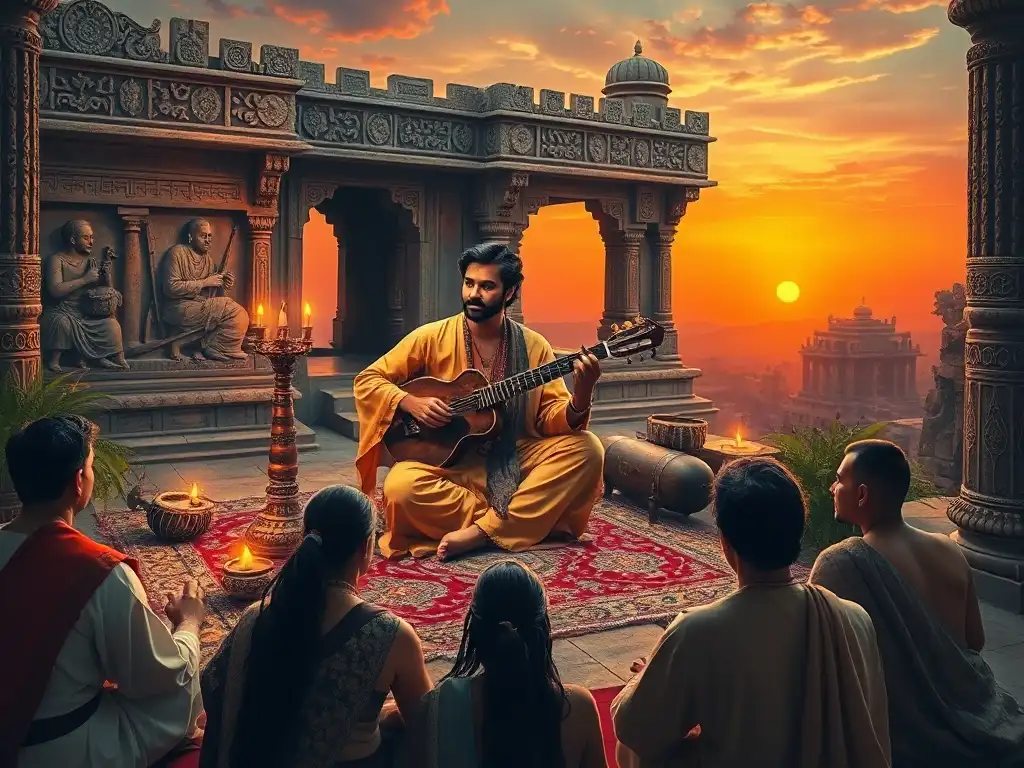
Ancient Indian music is deeply intertwined with the spiritual and philosophical practices of the time. Music was not merely a form of entertainment; it served as a vital conduit for connecting the human soul with the divine.
- Raga and Bhava: Central to the understanding of ancient Indian music is the concept of raga, which denotes a melodic framework that evokes specific emotions, or bhava. Each raga is believed to resonate with certain times of day, seasons, and even moods, enhancing devotional practices.
- Sama Veda's Influence: The Sama Veda, one of the oldest sacred texts, emphasizes the significance of chanting and musical recitation during rituals. The saman, or melodies, are structured to elevate the spiritual experience during sacrifices and ceremonies, highlighting the belief that music could invoke the presence of the divine.
This profound connection between music and spirituality illustrates how ancient Indian music served as a medium for transcendence and communion with higher realms.
The Role of Music in Hinduism and Buddhism
In both Hinduism and Buddhism, music plays a pivotal role in ritualistic practices, devotional expressions, and cultural identity.
- Hindu Worship: In Hinduism, music is integral to puja (worship) and other religious ceremonies. Instruments like the tabla, dholak, and veena accompany chants and hymns, creating an atmosphere of devotion. The use of bhajans and kirtans allows devotees to express their love for the divine, fostering a communal spirit.
- Buddhism's Chanting Tradition: Similarly, in Buddhism, chanting is a fundamental practice. Monastic communities often engage in melodic recitations of sutras to cultivate mindfulness and deepen their spiritual understanding. The rhythmic quality of these chants serves to focus the mind and encourage a meditative state.
Both traditions illustrate how music not only enhances spiritual practices but also reinforces cultural values and community bonds.
Influence of Ancient Texts on Music Theory
The development of music theory in ancient India is significantly influenced by various texts that provided guidelines on musical composition, performance, and the philosophical underpinnings of music.
- Natyashastra: Authored by Bharata Muni, the Natyashastra is a seminal text that covers various art forms, including music. It outlines the principles of raga, tala, and the emotional expressions associated with different musical elements, establishing a framework that continues to influence Indian classical music today.
- Brihaddharma Purana: This ancient text also contributes to the understanding of music by detailing the importance of gata (melody) and laya (rhythm) in performance. It emphasizes how musical elements can reflect the cosmos and human emotions, thus linking music to a broader philosophical context.
- Sangeeta Ratnakara: Written by Sharngadeva in the 13th century, this comprehensive work synthesizes earlier musical theories and practices, addressing various aspects of music, including instruments, vocal styles, and performance techniques.
These texts not only codified the principles of ancient Indian music but also enriched its cultural significance, ensuring its transmission through generations.
This exploration of the key philosophical and spiritual influences on ancient Indian music illustrates its profound role in shaping cultural identity, offering insights into how music served as a bridge between the earthly and the divine.
Musical Forms and Genres in Ancient India
Overview of Different Musical Genres
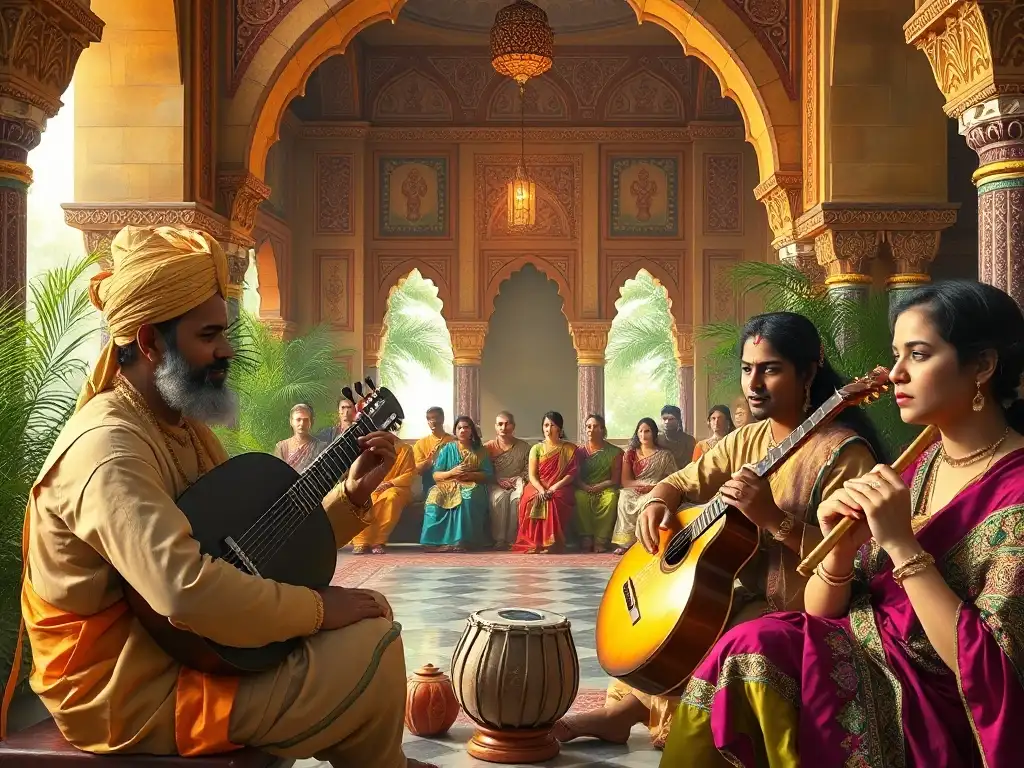
Ancient Indian music history is characterized by a rich tapestry of musical forms and genres that evolved over millennia. From the spiritual Vedic chants to the intricate rhythms of classical music, these genres not only enriched the cultural landscape of ancient India but also played a pivotal role in shaping social and religious practices. The main categories of ancient Indian music can be broadly divided into:
- Vedic Music: Rooted in the Vedic texts, this genre emphasizes the melodic recitation of hymns and mantras, serving both liturgical and educational purposes.
- Folk Music: Varied across different regions, folk music reflects local traditions and narratives, often performed during festivals and rituals.
- Classical Music: With two primary traditions—Hindustani (North Indian) and Carnatic (South Indian)—classical music showcases highly developed systems of ragas (melodic frameworks) and talas (rhythmic cycles).
Through these genres, ancient Indian music served as a medium of expression, communication, and cultural identity, reinforcing the interconnectedness of music, spirituality, and daily life.
Vedic Chanting and Its Significance
Vedic chanting is among the oldest forms of music in ancient India, with origins tracing back to the Vedic period (approximately 1500-500 BCE). These chants, primarily composed in Sanskrit, are integral to the rituals conducted by the priestly class and are characterized by their precise pronunciation and intonation.
- Purpose: Vedic chants were believed to invoke the divine and ensure harmony in the cosmos. They were performed during significant rituals, including sacrifices (yajnas) and rites of passage (samskaras).
- Structure: The chanting involves intricate melodic patterns and rhythmic structures, often governed by specific rules outlined in texts like the Natyashastra.
- Preservation: Oral tradition played a crucial role in the preservation of these chants, as they were transmitted from teacher to student over generations. This practice ensured the continuity of not just the music but also the philosophical and spiritual teachings embedded within the Vedic texts.
Vedic chanting laid the foundation for subsequent musical developments in ancient India, influencing both classical music and spiritual practices.
Classical Music Traditions: Dhrupad and Khayal
The classical music traditions of ancient India, particularly Dhrupad and Khayal, emerged as sophisticated art forms that reflect the cultural and aesthetic values of their time.
- Dhrupad:
- Historical Context: Dhrupad traces its roots to the medieval period (16th century), evolving from Vedic chanting and devotional music.
- Characteristics: Known for its solemnity and depth, Dhrupad emphasizes the purity of ragas and is performed with a focus on improvisation. It often involves a slow unfolding of melodies, allowing for an exploration of emotional nuances.
- Instruments: Primarily accompanied by instruments such as the pakhawaj (a barrel-shaped drum) and the tanpura (a drone instrument), Dhrupad performances are marked by a meditative quality.
- Khayal:
- Historical Context: Emerging in the 18th century, Khayal represents a more flexible and expressive style compared to Dhrupad.
- Characteristics: Khayal allows for greater improvisation and personal expression, often incorporating themes of love and devotion. The performance structure includes a Vilambit (slow tempo) and Drut (fast tempo) sections.
- Instruments: Khayal is typically accompanied by the harmonium, tabla, and sarangi, enriching its melodic and rhythmic complexity.
Both Dhrupad and Khayal have significantly influenced the evolution of Indian classical music, each contributing unique elements that resonate with audiences even today.
Regional Variations in Ancient Indian Music
Ancient Indian music history is marked by notable regional variations that reflect the diverse cultures and traditions across the subcontinent. Each region developed its unique musical styles, instruments, and performance practices, resulting in a rich mosaic of sounds.
- North India: The Hindustani tradition is prevalent in this region, characterized by the use of ragas and talas. Instruments like the sitar, sarod, and tabla are commonly used, showcasing a blend of Persian and indigenous influences.
- South India: The Carnatic tradition thrives here, emphasizing structured compositions and intricate rhythms. Instruments such as the veena, mridangam, and nadaswaram are prominent, with a strong focus on devotional themes.
- East India: This region is known for its folk traditions, with styles like Baul music and Chhau dance. The music often reflects local narratives, customs, and agricultural practices.
- West India: The music of Gujarat and Rajasthan showcases vibrant folk traditions, including Garba and Ghoomar, with instruments like the dhol and morchang playing a key role in community celebrations.
These regional variations not only highlight the diversity of ancient Indian music but also underscore its role as a cultural identifier, reflecting the values, beliefs, and histories of different communities. Through the lens of ancient Indian music history, we can appreciate the depth and richness of India's artistic heritage.
The Impact of Ancient Indian Music on Cultural Identity
Music as a Means of Cultural Expression
Ancient Indian music served as a profound medium for cultural expression, reflecting the diverse traditions and lifestyles across various regions. The roots of ancient Indian music history can be traced back to the Vedic period, where hymns known as Sama Veda were sung during rituals and ceremonies. These early musical forms emphasized not only the melodic and rhythmic aspects but also the spiritual and philosophical concepts inherent in the texts.
- Vedic Chants: The chanting of Vedic hymns was more than mere recitation; it was a spiritual practice that connected individuals to the divine. The use of specific ragas (melodic frameworks) was believed to influence emotions and create an atmosphere conducive to meditation and worship.
- Regional Variations: As different kingdoms and cultures emerged, unique musical styles developed. For instance, the Sanskrit drama of ancient India incorporated music, dance, and acting, highlighting the importance of music in storytelling and cultural narratives.
- Influence of Instruments: Various instruments, such as the veena and mridangam, played crucial roles in shaping musical traditions. Each instrument had its own significance and was often associated with specific deities, further intertwining music with cultural identity.
The Role of Music in Festivals and Rituals
Music was deeply embedded in the socio-religious fabric of ancient Indian society, particularly during festivals and rituals. These occasions highlighted music's role as a communal experience that strengthened social bonds and cultural identity.
- Festivals: Celebrations like Diwali and Holi featured musical performances that not only entertained but also conveyed historical and mythological narratives. During these gatherings, traditional songs and dances fostered a sense of belonging and continuity among communities.
- Rituals: The use of music in rituals was essential for invoking blessings and ensuring prosperity. For example, during weddings, specific songs and melodies were performed to honor the deities and seek their favor for the newlyweds. This practice underscored the belief in music's power to transcend the mundane and connect the spiritual with the earthly.
- Cultural Transmission: Music acted as a vehicle for transmitting cultural values and traditions across generations. Through oral traditions, songs encapsulated the wisdom, history, and experiences of communities, allowing them to preserve their identity amid changing times.
How Ancient Music Influenced Later Indian Music Traditions
The intricate tapestry of ancient Indian music laid the groundwork for diverse musical traditions that emerged in later periods. The evolution of music from ancient times can be traced through various historical developments that have shaped contemporary Indian music.
- Classical Music: The foundations of Hindustani and Carnatic classical music can be traced back to the principles established in ancient texts like the Natya Shastra and Sangeeta Ratnakara. These texts codified concepts of ragas, talas (rhythmic cycles), and the theoretical framework of music, which continue to influence classical music practices today.
- Folk Traditions: Folk music, which emerged from the cultural practices of local communities, often incorporated elements of ancient music. Traditional tales, seasonal changes, and social events were expressed through songs that echoed the melodic structures and themes found in ancient compositions.
- Integration with Dance: Ancient Indian music's relationship with dance has persisted through the ages. Traditional dance forms such as Bharatanatyam and Kathak still utilize ragas and talas rooted in ancient musical traditions, showcasing the seamless integration of music and movement in cultural expressions.
Ancient Indian music has profoundly impacted cultural identity, serving as a means of expression, a vital component of festivals and rituals, and a foundation for later music traditions. The legacy of this rich musical heritage continues to resonate in the diverse musical landscape of modern India.
Instruments and Their Evolution in Ancient Indian Music
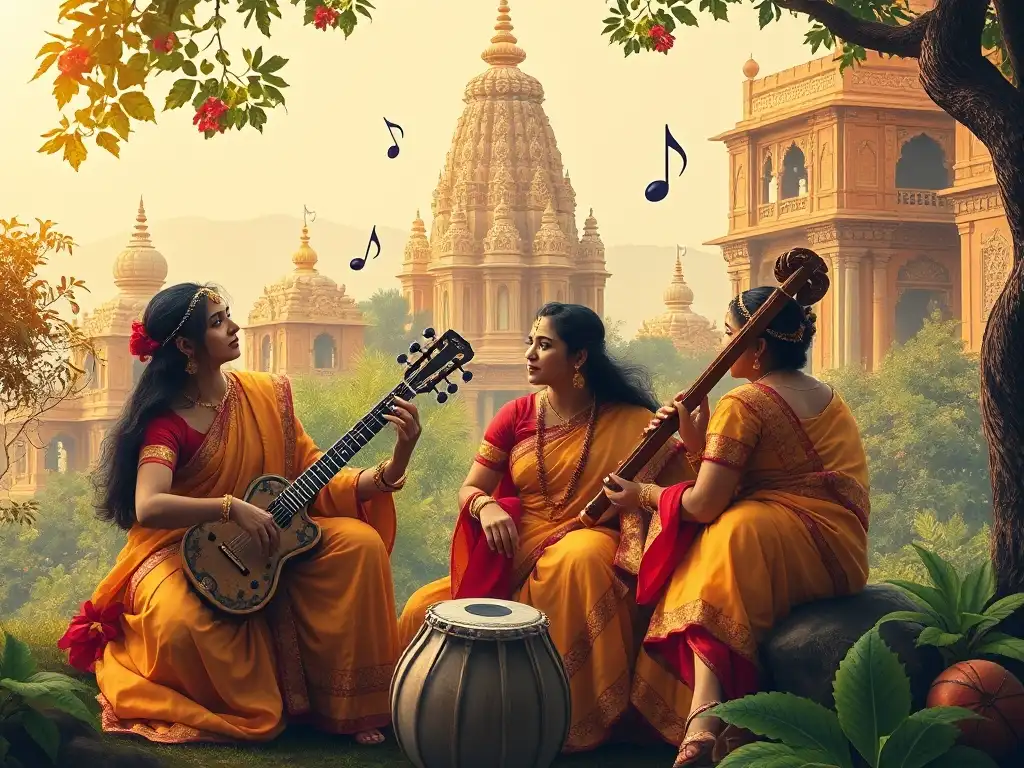
Traditional Instruments Used in Ancient Indian Music
Ancient Indian music is characterized by a rich tapestry of sounds produced by various traditional instruments. These instruments not only define the musical landscape but also hold significant cultural and historical value. The primary categories of instruments in ancient Indian music include string instruments, percussion instruments, and wind instruments, each playing a vital role in the musical expression of the time.
String Instruments: Veena and Rabab
String instruments have been central to ancient Indian music, with the Veena and Rabab being two of the most prominent examples.
- Veena:
- The Veena is one of the oldest string instruments in India, often associated with the goddess of learning, Saraswati. It has several variants, including the Saraswati Veena and Chitra Veena. The instrument typically has a long neck and a resonator made from gourd, producing a wide range of melodic possibilities. Historical texts, such as the Natya Shastra, mention the Veena's significant role in classical music.
- Rabab:
- Originating from the Persian region, the Rabab was adopted into Indian music and has undergone various modifications. It features a wooden body and usually three to five strings. The Rabab is integral to folk music, especially in regions like Punjab and Kashmir, where it complements lyrical storytelling.
Percussion Instruments: Mridangam and Tabla
Percussion instruments provide rhythm and depth to ancient Indian music, with the Mridangam and Tabla being key examples.
- Mridangam:
- A classical South Indian percussion instrument, the Mridangam serves as the primary accompaniment in Carnatic music. Made from clay, it has two heads that produce distinct sounds. Its complex playing techniques allow for intricate rhythmic patterns, making it a crucial element in performances.
- Tabla:
- The Tabla, a pair of hand-played drums, became prominent in North Indian classical music. Comprising the dayan (high-pitched drum) and bayan (bass drum), the Tabla's versatility allows it to adapt to various musical styles. Its technique of playing intricate rhythms, known as tala, showcases the sophistication of ancient Indian percussion.
Evolution of Instruments Over Time
The evolution of musical instruments in ancient India reflects the changing cultural, religious, and social landscapes over centuries.
- Material Changes:
- Initially, instruments were crafted from natural materials such as wood, animal skins, and bamboo. As trade routes expanded, metal and synthetic materials began to influence instrument-making, resulting in enhanced sound quality and durability.
- Cultural Influences:
- The arrival of various dynasties and cultures, such as the Mughals, introduced new styles and instruments. This led to the fusion of different musical traditions, as seen in the blending of Persian and Indian music, which gave rise to instruments like the Sitar.
- Technological Advances:
- With advancements in craftsmanship, the design and functionality of instruments have evolved. For instance, modern Veenas have improved resonance and playability, allowing musicians to explore new musical territories.
- Preservation and Revival:
- In contemporary times, there has been a concerted effort to preserve and revive ancient instruments. Organizations and musicians strive to educate new generations about the historical significance of these instruments, ensuring that the rich legacy of ancient Indian music continues to thrive.
The evolution of instruments in ancient Indian music not only highlights the artistic creativity of the time but also serves as a testament to the cultural identity that has been shaped through sound. By understanding these instruments and their historical context, we gain deeper insights into the ancient Indian music history that continues to resonate today.
Prominent Figures in Ancient Indian Music History
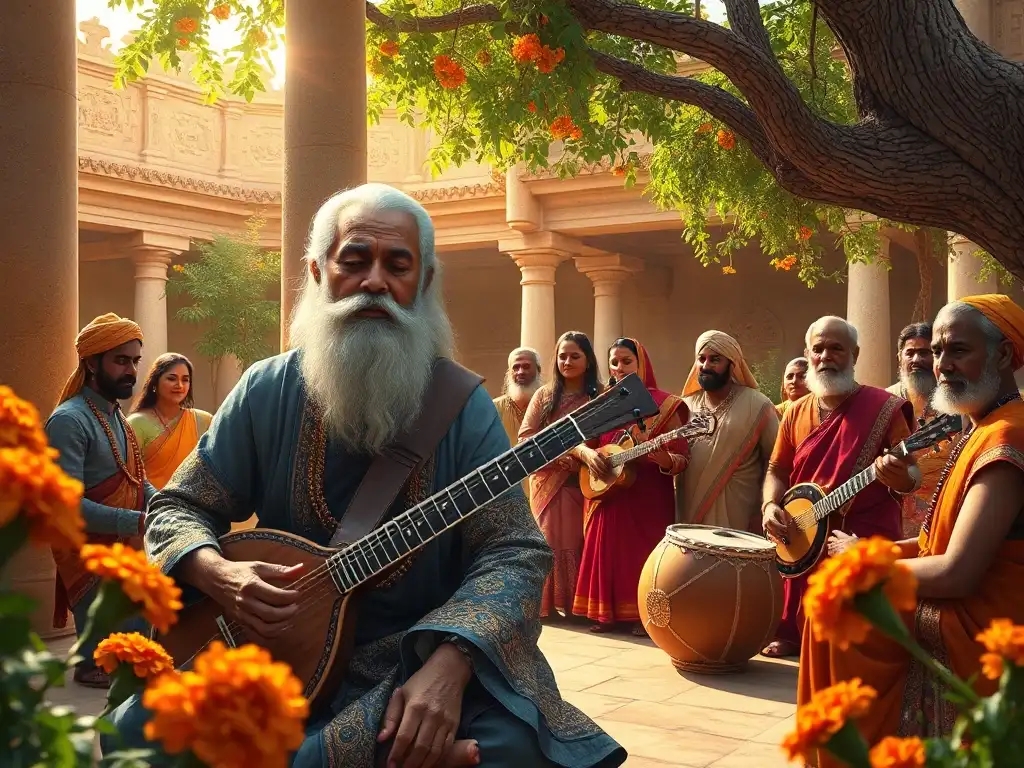
Notable Musicians and Composers
Ancient Indian music history is marked by the contributions of several prominent musicians and composers whose works have transcended time, continuing to influence music practices to this day. Among these figures, Tansen, a legendary musician of the Mughal court, stands out. He is often credited with the creation of several ragas, which are melodic frameworks essential to Indian classical music. Tansen's mastery over raag and his ability to evoke emotions through music earned him a place in the pantheon of great musicians.
Another significant figure is Bharata Muni, believed to have authored the Natya Shastra, a foundational text on performing arts, encompassing music, dance, and drama. Bharata's insights into rhythm, melody, and performance aesthetics have shaped the understanding of music as an integral part of Indian culture. His work laid the groundwork for the theoretical framework of Indian music, influencing not only musicians but also dancers and dramatists.
Additionally, Annamacharya, a 15th-century saint composer, contributed a vast body of devotional songs (sankirtanas) dedicated to Lord Venkateswara. His compositions, rich in lyrical beauty and spiritual depth, are considered a cornerstone of the Carnatic music tradition. Annamacharya's melodies reflect a deep connection between spirituality and music, showcasing the role of music in fostering cultural identity and devotion.
The Legacy of Ancient Indian Music in Contemporary Culture
The legacy of ancient Indian music continues to resonate powerfully in contemporary culture, influencing various art forms and practices. The foundational ragas established centuries ago remain vital in both classical and popular music genres, providing a framework for improvisation and creativity. Musicians today often draw inspiration from ancient texts and compositions, leading to a rich fusion of traditional and modern styles.
One of the most significant impacts of ancient Indian music is its integration into film music. Bollywood soundtracks frequently incorporate classical ragas, bridging the gap between traditional melodies and popular culture. For instance, the use of Raag Yaman in contemporary songs showcases the adaptability of ancient musical forms to modern narratives and themes. This blending not only preserves the essence of ancient Indian music history but also introduces it to new audiences.
Moreover, the resurgence of interest in classical music forms, such as Hindustani and Carnatic music, highlights a growing appreciation for the cultural heritage of ancient India. Music festivals, workshops, and educational programs dedicated to classical music are flourishing, fostering a renewed interest in the teachings and techniques of ancient masters. This revival serves as a testament to the enduring relevance of ancient Indian music history, ensuring that the melodies of the past continue to inspire future generations.
The figures who shaped ancient Indian music history and their contributions have left an indelible mark on contemporary culture, demonstrating that the past is not merely a memory but a living, evolving influence that shapes our artistic expressions today.
Conclusion: The Enduring Legacy of Ancient Indian Music
The legacy of ancient Indian music is a profound testament to the cultural richness and artistic sophistication of the subcontinent. Rooted in traditions that date back thousands of years, this musical heritage not only reflects the diverse influences of various regions and communities but also encapsulates the spiritual, social, and philosophical ethos of ancient Indian civilization. From the sophisticated melodies of the Vedic hymns to the intricate rhythms of classical dance forms, ancient Indian music has continually evolved while retaining its core essence.
Summary of Key Points
- Origins and Development: Ancient Indian music traces its roots back to the Vedic period, where it was intricately linked to rituals and spiritual practices. The Samaveda, one of the four Vedas, is particularly notable for its musical elements, showcasing the early integration of music in religious ceremonies.
- Influence of Instruments: The development of various musical instruments, such as the veena, flute, and tabla, played a crucial role in shaping the soundscape of ancient Indian music. Each instrument contributed unique timbres and textures, enriching the overall musical experience.
- Integration with Dance: Music in ancient India was not a standalone art form; it was deeply intertwined with dance. Classical dance forms like Bharatanatyam and Kathak evolved alongside music, each enhancing the other and creating a holistic artistic expression.
- Cultural Identity: Ancient Indian music was a vital component of cultural identity, reflecting the values, beliefs, and traditions of various communities. It served as a means of storytelling, preserving historical narratives and social norms through melodic compositions.
- Philosophical Underpinnings: Music was not just an art form; it was seen as a pathway to spiritual enlightenment. The philosophical ideas surrounding sound and vibration, particularly in the context of Nada Brahma (the concept that the universe is sound), underscore the depth of ancient Indian musical thought.
The Relevance of Ancient Indian Music in Modern Times
The relevance of ancient Indian music in contemporary society is multifaceted. Today, it serves as a bridge connecting the past to the present, allowing modern audiences to appreciate the depth of cultural heritage.
- Cultural Revival: There has been a resurgence in interest in traditional music forms, with many musicians and scholars working to revive ancient practices and instruments. This revival fosters a sense of pride in cultural identity and encourages the younger generation to engage with their roots.
- Fusion Genres: Modern music often incorporates elements of ancient Indian music, leading to the emergence of fusion genres that blend traditional melodies with contemporary styles. This fusion not only expands the audience for ancient music but also introduces its rich traditions to new contexts.
- Educational Initiatives: Various institutions and organizations are dedicated to the preservation and promotion of ancient Indian music. Workshops, seminars, and performances serve as platforms for educating individuals about the historical significance and techniques of this art form.
- Therapeutic Applications: The therapeutic benefits of ancient Indian music, particularly through ragas, are gaining recognition in modern wellness practices. Music therapy utilizing traditional Indian music can aid in relaxation, healing, and emotional well-being.
The enduring legacy of ancient Indian music continues to shape cultural identity, foster artistic innovation, and promote a deeper understanding of the interconnectedness of art and spirituality in our lives today. The study of ancient Indian music history not only enriches our knowledge but also inspires us to appreciate the timeless beauty of this artistic heritage.
References and Further Reading
Suggested Books on Ancient Indian Music History
- "A History of Indian Music" by Dr. R. S. Sharma
- This comprehensive work delves into the evolution of Indian music, offering insights into ancient traditions, instruments, and notable figures throughout history. Dr. Sharma's analysis helps readers understand the cultural context of ancient Indian music.
- "The Music of India: The Classical Traditions" by David Courtney
- An engaging examination of the classical music traditions of India, this book explores the historical development of musical styles from the Vedic period to contemporary practices. Courtney includes discussions on both vocal and instrumental music, providing a well-rounded perspective.
- "Ancient Indian Music and Culture" by Dr. Sunil Kumar
- Focusing specifically on the intersection of music and culture, this book highlights how ancient Indian music shaped societal norms and values. Dr. Kumar includes case studies of various regions and their unique contributions to the musical landscape.
- "Ragas and Talas: The Art of Indian Music" by S. K. Sinha
- This title provides an in-depth look at the ragas and talas that form the foundation of Indian music. Sinha discusses their historical significance and the ways they have influenced both classical and folk music traditions.
- "The Origins of Indian Classical Music" by Dr. Anjali Desai
- Dr. Desai traces the roots of Indian classical music, documenting the influences of various civilizations and cultures. This book serves as a critical resource for understanding the historical frameworks that shaped ancient Indian music.
Online Resources for Exploring Ancient Indian Music
- Digital Library of India
- The Digital Library of India houses a wealth of resources, including manuscripts, recordings, and books related to ancient Indian music history. Researchers and enthusiasts can access primary texts and rare documents that provide a deeper understanding of the subject.
- All India Radio (AIR)
- AIR offers a rich repository of audio recordings showcasing traditional Indian music. Their archives include programs dedicated to ancient compositions, interviews with musicians, and educational resources on the history of Indian music.
- YouTube Channels such as "Indian Classical Music"
- Various YouTube channels provide lectures, performances, and documentaries on ancient Indian music. These platforms allow viewers to experience live renditions of traditional pieces while learning about their historical significance.
- Online Courses on Platforms like Coursera and edX
- Several universities offer online courses focusing on Indian music history. These courses often include modules on ancient practices, instruments, and cultural significance, allowing learners to engage with the material interactively.
- Research Journals and Articles
- Journals such as the Journal of Indian Musicological Society publish scholarly articles on various aspects of ancient Indian music. These resources are invaluable for those seeking in-depth analysis and contemporary interpretations of historical data.
By exploring these resources, readers can gain a comprehensive understanding of the ancient Indian music history, its evolution, and its profound impact on cultural identity through the ages.
Frequently Asked Questions
What is the significance of ancient Indian music history?
Ancient Indian music history is crucial as it reflects the cultural identity and spiritual beliefs of various civilizations, influencing not only music but also art and literature throughout the ages.
How did the Indus Valley Civilization contribute to music?
The Indus Valley Civilization is believed to have laid the foundations of music with its use of percussion instruments, indicating an early appreciation for rhythm and melody in social and religious contexts.
What role did music play during the Gupta Empire?
During the Gupta Empire, music flourished and became a significant part of court life and religious ceremonies, showcasing the era's advancements in musical theory and performance techniques.
Are there notable instruments from ancient Indian music?
Yes, instruments such as the veena, tabla, and flute were pivotal in ancient Indian music, each contributing unique sounds that shaped the musical landscape of the time.
How did ancient Indian music influence modern genres?
Ancient Indian music has profoundly influenced various modern genres, blending traditional elements with contemporary styles, making it a vital part of India's cultural heritage today.
Final Reflection: The Enduring Legacy of Ancient Indian Music
**The echoes of ancient Indian music resonate profoundly in today's cultural landscape, reminding us that music is not just an art form but a vital thread that weaves together the fabric of identity and heritage. As we explore the rich history of ancient Indian music, we uncover its role in shaping not only individual identities but also the collective consciousness of communities across generations. The melodies that once filled the air of temples and courts continue to inspire contemporary artists and listeners alike, demonstrating that the past is never truly lost but rather transformed and reinterpreted through time.
The influence of ancient Indian music on modern society is profound, serving as a bridge between our historical roots and contemporary expressions. This music has not only enriched the cultural tapestry of India but has also found its way into global music scenes, fostering a sense of unity and shared experience. As noted by renowned musician Ravi Shankar, Music knows no boundaries; it is a universal language that connects us all.
This sentiment underscores the importance of preserving and celebrating our musical heritage, as it holds the power to transcend cultural divides and foster understanding among diverse populations.
As we reflect on the lessons drawn from the melodies of the past, I invite you to consider how ancient Indian music can inspire your own journey. Take a moment to explore the rhythms and sounds that resonate with your spirit, and allow them to guide you in discovering your cultural identity.
Whether through listening, learning, or creating, let the rich history of ancient Indian music serve as a reminder of the beauty and depth of our shared human experience. Embrace the melodies of the past, for they hold the keys to understanding who we are today and who we can become in the future.
Explore the Rich Legacy of Ancient Indian Music!
Thank you for diving into the vibrant world of ancient Indian music with us! You've unlocked insights into how these timeless melodies have shaped cultural identities that continue to resonate today. Now, let's take your journey a step further and immerse yourself in this musical heritage.
- Discover more: Listen to traditional Indian music playlists that echo the sounds of history. Explore platforms that showcase these ancient melodies and experience the profound connection through sound.
- Join the conversation: Share your thoughts and favorite tracks in the comments below! Engaging with others can enhance your understanding and appreciation of this invaluable cultural treasure.
- Participate in local events: Look for workshops or performances in your community. Connecting with musicians and fellow enthusiasts can ignite a passion for the musical forms you've learned about!
What piece of ancient Indian music or which artist resonates most with you, and how does it reflect your own cultural identity?