
The Symbolism of Animals in Ancient Indian Sculpture: More Than Meets the Eye

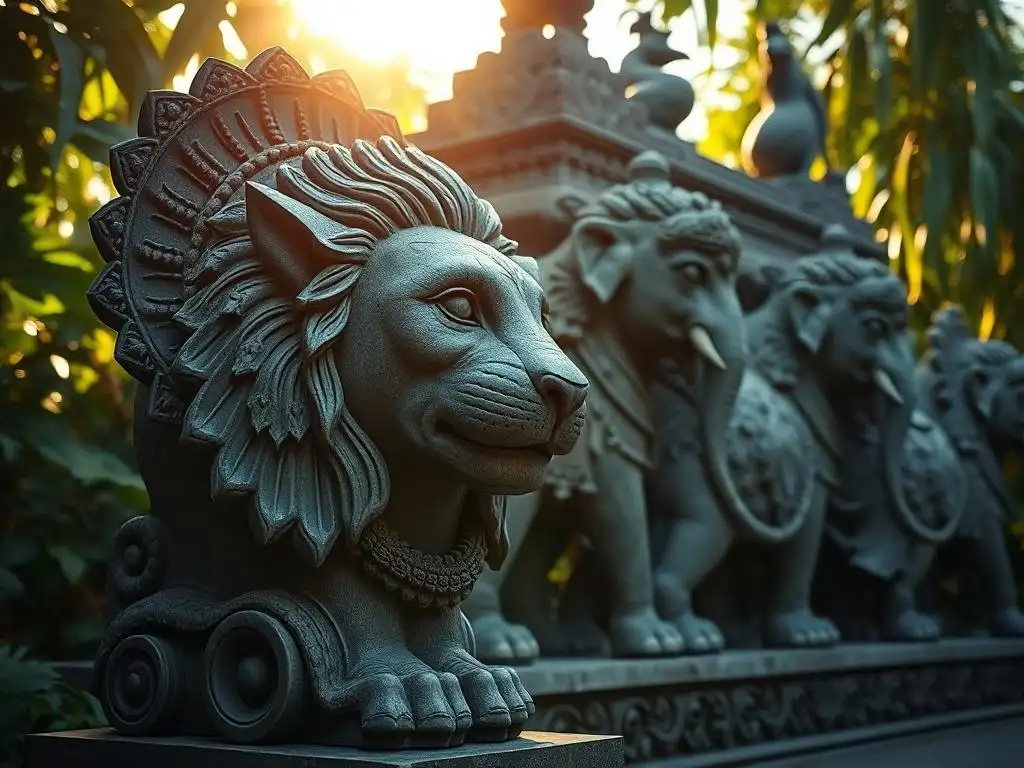
Welcome to Ancient India History, where we delve into the mesmerizing tapestry of India's past, rich with culture and profound contributions from its ancient civilizations. Today, we invite you to embark on a journey through the intricate world of animal symbolism in ancient Indian sculpture. Have you ever wondered what deeper meanings lie behind the majestic figures carved in stone?
Discover how these artistic representations transcend mere aesthetics, revealing a profound connection between art and spirituality. Join us as we peel back the layers of this fascinating subject and unlock the secrets held within the sculptures of yore. Your exploration of this captivating topic begins now!
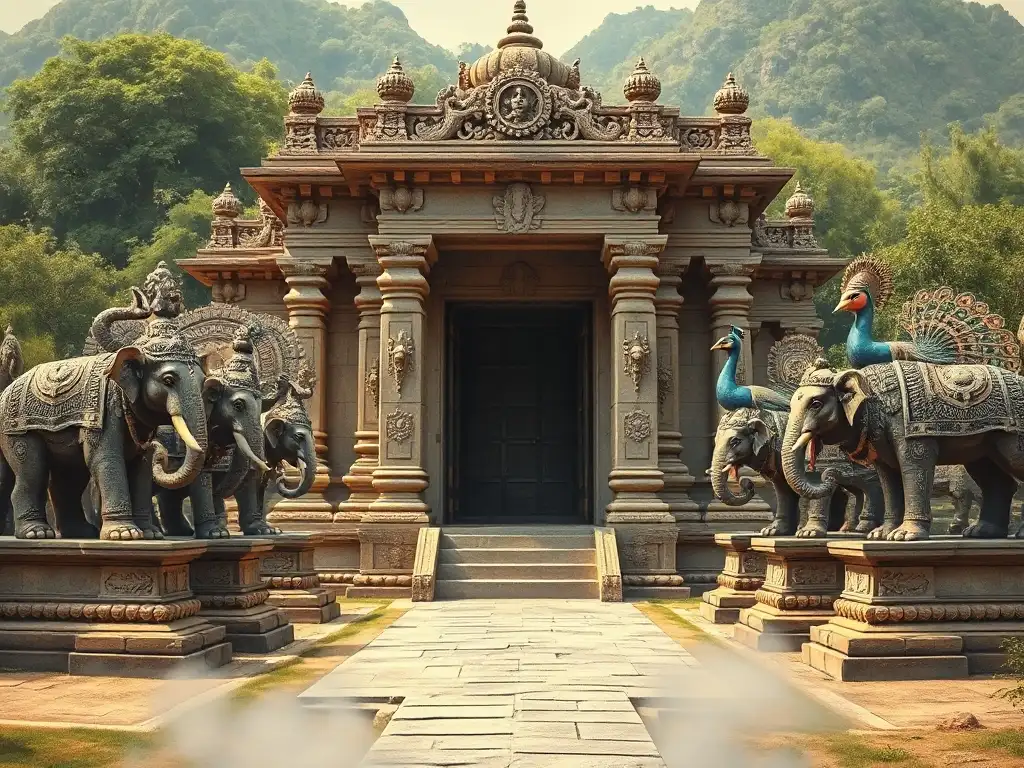
Introduction to Animal Symbolism in Ancient Indian Sculpture
The exploration of animal symbolism in ancient Indian sculpture reveals a complex tapestry of meanings and cultural significance that extends far beyond mere representation. Ancient Indian civilizations, from the sophisticated urban centers of the Indus Valley to the flourishing courts of the Gupta Empire, utilized animals not only as artistic subjects but also as powerful symbols imbued with spiritual, religious, and cultural meanings.
This article delves into the multifaceted role that animals played in ancient Indian sculpture, providing insights into how these representations reflect the values, beliefs, and artistic expressions of the time. By examining sculpture styles, historical contexts, and the interplay of religion and mythology, we uncover the layers of meaning that these animal symbols embody.
Understanding the Importance of Animal Symbolism
Animal symbolism in ancient Indian sculpture serves as a vital key to understanding the cultural and spiritual landscapes of the time. Through various forms of representation, animals conveyed messages about:
- Divinity and Mythology: Many deities were associated with specific animals, symbolizing their attributes and powers.
- Cultural Identity: Animals reflected the values and characteristics of specific regions or communities, often becoming emblems of local pride.
- Natural Harmony: The inclusion of animals in art often highlighted the importance of nature and the interconnectedness of all living beings.
This rich symbolism invites us to ponder how the ancients perceived their world and the significance they attributed to the creatures they shared it with.
Overview of Ancient Indian Sculpture Styles
Ancient Indian sculpture is characterized by a variety of styles and techniques, each offering unique insights into the cultural contexts of their creation. Some notable styles include:
- Indus Valley Civilization (c. 3300–1300 BCE): Early sculptures often featured animals like the unicorn and various terracotta figurines, revealing an intricate understanding of both form and symbolism.
- Mauryan Period (c. 322–185 BCE): The use of polished stone and monumental sculptures, including the famous Lion Capital of Ashoka, showcased the importance of lion symbolism in representing power and authority.
- Gupta Empire (c. 320–550 CE): This era saw a flourishing of artistic expression, with intricate carvings that often depicted divine animals such as elephants and horses, symbolizing strength and nobility.
Each of these styles contributes to the broader narrative of how animal imagery evolved and adapted throughout ancient Indian history.
Historical Context of Animal Symbolism
To fully appreciate animal symbolism in ancient Indian sculpture, it is essential to consider the historical context in which these works were created. The significance of animals was deeply rooted in the social, political, and spiritual fabric of ancient Indian life.
The Role of Animals in Ancient Indian Culture
Animals were integral to the daily lives of ancient Indians, serving various roles from agricultural assistants to sacred beings. This multifaceted relationship influenced artistic representation, as animals were often depicted in ways that emphasized their importance:
- Agriculture and Livelihood: Cattle, elephants, and other domesticated animals were vital to farming and trade, leading to their frequent portrayal in sculptures.
- Symbols of Power: Kings and rulers often associated themselves with animals, such as lions and tigers, to project strength and dominance.
- Cultural Narratives: Folklore and oral traditions frequently featured animals, embedding them within the cultural consciousness and artistic expression.
Influence of Religion and Mythology on Animal Representation
Religion and mythology played a crucial role in shaping the symbolism of animals in ancient Indian sculpture. Various deities and mythological narratives provided a rich source of inspiration for artists:
- Hinduism: Deities like Ganesha (the elephant-headed god) and Durga (who rides a tiger) illustrate how animals embody divine attributes and powers.
- Buddhism: The presence of animals such as the deer, symbolizing peace, highlights the spiritual messages conveyed through sculpture.
- Jainism: Reverence for all living beings in Jainism led to the depiction of animals in a manner that emphasized compassion and non-violence.
Through these religious and mythological lenses, animals in ancient Indian sculpture emerge as profound symbols, representing a wide array of concepts that resonate with both the spiritual and the earthly realms.
Key Animals and Their Symbolic Meanings
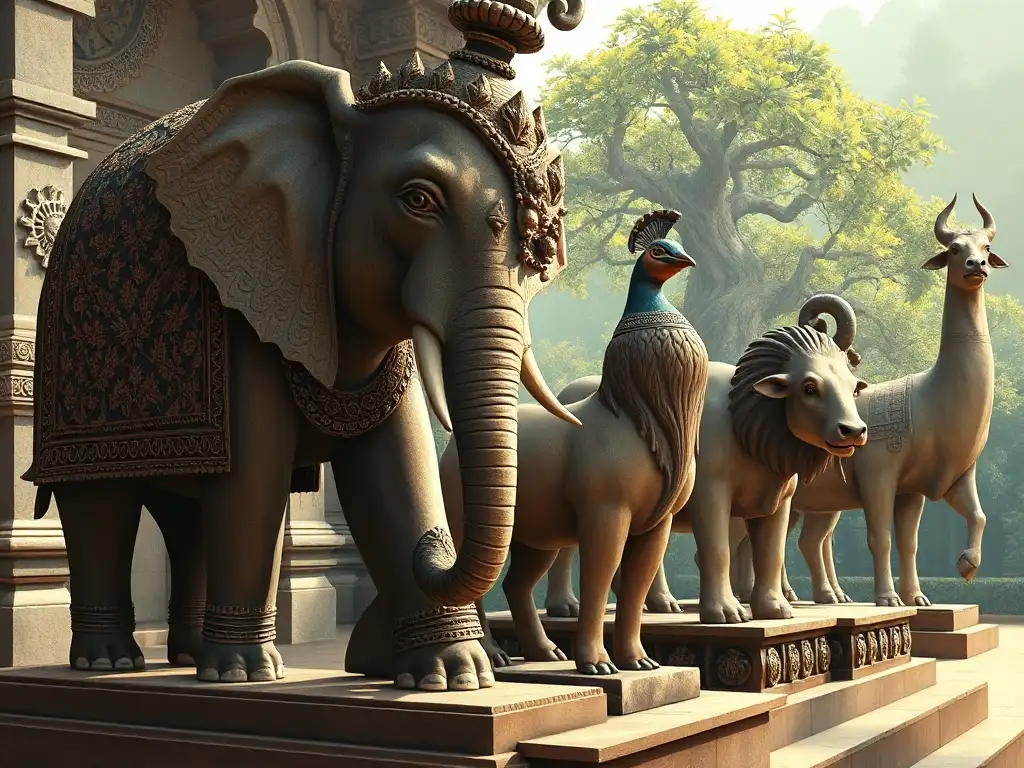
Animal symbolism in ancient Indian sculpture is a profound aspect of the visual arts, encapsulating the philosophical and spiritual beliefs of the time. Each animal depicted carries distinct meanings and narratives, often intertwined with the cultural and religious practices of ancient Indian civilizations. The representation of these animals was not merely aesthetic; it served to convey deeper truths and moral lessons, enriching the viewer's understanding of their significance within society. Below are some of the key animals and their symbolic meanings.
Elephants: Power and Royalty
In ancient Indian sculpture, elephants are often associated with power, wisdom, and royalty. The majestic stature of the elephant symbolizes strength and stability, making it an emblem of kingship and authority. Elephants are frequently depicted in royal contexts, such as in the company of deities or as part of processional motifs.
Their presence signifies not only the might of the ruler but also the divine oversight and protection bestowed upon the kingdom. In Hindu mythology, the elephant-headed god Ganesha is revered as the remover of obstacles and the god of beginnings, further cementing the elephant's status as a symbol of auspiciousness and prosperity.
Lions: Courage and Strength
Lions hold a prominent place in ancient Indian art, often representing courage, strength, and valor. As a symbol of the warrior class, lions were depicted in various forms, including as guardians of sacred spaces and as part of royal insignia. The lion is also associated with the goddess Durga, who rides a lion into battle, embodying the fierce protection of dharma (righteousness) against evil. The presence of lions in sculpture conveys a sense of power and the protective nature of royalty, making them a favored motif in temple architecture and imperial emblems.
Snakes: Transformation and Rebirth
In ancient Indian symbolism, snakes are rich in meaning, often representing transformation, rebirth, and renewal. The snake's ability to shed its skin is a powerful metaphor for regeneration and the cyclical nature of life. In Hindu mythology, snakes are associated with various deities, including Shiva, who is often depicted with a snake coiled around his neck. This depiction highlights the duality of the snake as both a symbol of danger and protection. Furthermore, Nagas, the serpent deities, are revered as guardians of water and fertility, emphasizing their integral role in the natural and spiritual worlds.
Birds: Freedom and Spirituality
Birds in ancient Indian sculpture symbolize freedom, spirituality, and transcendence. They are often depicted in flight, representing the soul's journey towards liberation (moksha). The peacock, in particular, is a prominent motif, embodying beauty and grace, and is associated with various deities, including Saraswati, the goddess of knowledge. Other birds, such as the swan, signify purity and the ability to navigate both spiritual and earthly realms. The representation of birds in sculpture invites contemplation of the human spirit's aspirations and its connection to the divine.
Cows: Nourishment and Motherhood
Cows are revered in ancient Indian culture as symbols of nourishment, motherhood, and fertility. In sculpture, they often appear as embodiments of abundance and agricultural prosperity. The cow is closely associated with various deities, particularly Krishna, who is often depicted with cows, emphasizing the divine connection to pastoral life and nurturing. The cow's gentle nature and its role in providing sustenance make it a powerful symbol of maternal care and the sustenance of life, reinforcing its sacred status in Indian society.
Techniques and Styles Used in Depicting Animals
The depiction of animals in ancient Indian sculpture showcases a variety of techniques and styles, reflecting the artistic innovations and cultural contexts of different periods. These methods not only highlight the skill of the artisans but also the significance of animals in the spiritual and social fabric of ancient India.
Carving Techniques in Ancient Indian Sculpture
Carving techniques in ancient Indian sculpture varied widely, influenced by regional styles and available materials. The most common methods included relief carving, where animals were sculpted in low or high relief to create depth and texture. This technique allowed for dynamic representations, capturing the movement and vitality of the animals. Chiseling techniques were employed to achieve intricate details such as fur and facial expressions, enhancing the emotional resonance of the sculptures. Additionally, techniques like churning and polishing were utilized to achieve a smooth finish, emphasizing the beauty of the forms.
Common Materials and Their Symbolic Significance
Ancient Indian sculptors utilized a variety of materials, each chosen for its unique characteristics and symbolic significance. Stone, particularly granite and sandstone, was the most prevalent medium, selected for its durability and ability to withstand the test of time. Wood was also used, especially in temple carvings, where it could be intricately detailed yet lightweight. Furthermore, metals such as bronze were favored for their lustrous finish and association with divinity. Each material carried its own symbolism, with stone representing permanence and stability, while metal symbolized divinity and the ethereal.
Regional Variations in Animal Representation
The representation of animals in ancient Indian sculpture varied significantly across different regions, reflecting the local cultural influences and artistic traditions. In Northern India, sculptures tended to emphasize grandeur and intricate detailing, often featuring larger-than-life representations of animals in religious contexts. Conversely, Southern Indian sculptures exhibited a more stylized approach, with an emphasis on fluid lines and graceful forms.
Furthermore, regions such as Odisha and Gujarat developed unique styles, incorporating local motifs and narratives into their animal figures. This regional diversity not only enriched the artistic landscape but also provided insight into the varying cultural values and beliefs surrounding animal symbolism in ancient India.
Case Studies of Iconic Sculptures Featuring Animal Symbolism
The exploration of ancient Indian sculpture reveals a profound relationship between animals and the cultural narratives of the time. Each sculpture serves as a visual representation of beliefs, values, and the social order within ancient Indian society. From majestic elephants to fierce lions, these symbols convey deeper meanings and connections to the human experience. Here, we delve into several iconic examples that illustrate the rich tapestry of animal symbolism in ancient Indian sculpture.
The Elephanta Caves: Symbolism of Elephants
The Elephanta Caves, located on Elephanta Island near Mumbai, are renowned for their intricately carved sculptures, particularly the impressive "Trimurti" of Lord Shiva. Elephants, as significant motifs within these caves, represent strength, wisdom, and royal power. In Hindu tradition, elephants are associated with Ganesha, the deity of wisdom and prosperity, cementing their importance in both religious and cultural contexts.
The sculptures of elephants in the Elephanta Caves often depict them in dynamic poses, symbolizing both protection and the grandeur of nature. These majestic creatures serve as a reminder of the interconnectedness of life, reflecting the harmony between humans and the natural world. The symbolic presence of elephants in this context not only enhances the aesthetic appeal of the caves but also reinforces the spiritual narratives that are central to Hinduism.
The Lion Capital of Ashoka: A Study in Royal Authority
The Lion Capital of Ashoka, discovered at Sarnath, is one of the most significant examples of animal symbolism in ancient Indian sculpture. This iconic monument features four lions standing back to back on a circular abacus, symbolizing power, courage, and the divine right to rule. The lions represent the teachings of Buddha and the spread of Dharma, emphasizing the moral authority of Ashoka’s reign.
The design intricacies, including the wheel (Dharma Chakra) depicted beneath the lions, further enhance its symbolic meaning, representing the ongoing cycle of life and the importance of righteous governance. This sculpture not only serves as a national emblem of India but also encapsulates the ideals of justice, strength, and benevolence that were pivotal in Ashoka’s approach to leadership.
The Temples of Khajuraho: Interplay of Human and Animal Forms
The temples of Khajuraho are famous for their erotic sculptures and intricate carvings that depict various aspects of life, including the coexistence of humans and animals. In this context, animal symbolism transcends mere representation; it embodies ideas of fertility, vitality, and the duality of existence. Creatures such as elephants, horses, and mythical beings are often intricately intertwined with human figures, illustrating the balance between nature and humanity.
For example, the depiction of women riding animals can signify empowerment and connection to nature, while the presence of animals in scenes of divine interaction emphasizes their role in religious and spiritual practices. The Khajuraho sculptures reflect a deep understanding of the human experience, underscoring the belief that animals are not only companions but also integral to the spiritual journey of individuals.
The Influence of Animal Symbolism on Later Indian Art Forms
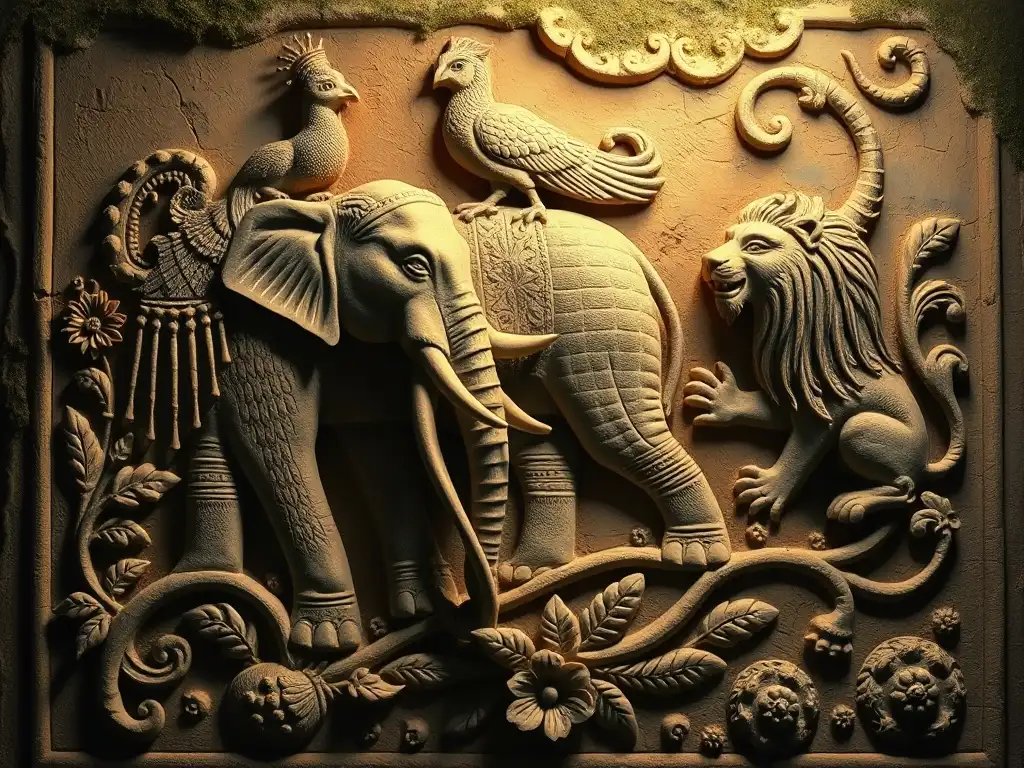
The legacy of animal symbolism in ancient Indian sculpture has left a lasting impact on the evolution of later Indian art forms. As artistic expression evolved, so did the interpretation and representation of animals, reflecting changes in cultural values and societal norms.
Continuities and Changes in Representation
Throughout history, the representation of animals in Indian art has undergone significant transformations, yet certain motifs have remained consistent. The reverence for elephants, for instance, continues to be a prominent theme in various artistic expressions, from paintings to modern sculptures. This continuity highlights the enduring significance of animals as symbols of strength, wisdom, and spirituality.
At the same time, changes in representation can be observed, particularly during periods of cultural exchange and influences from other civilizations. For example, the Mughal period saw a fusion of indigenous and Persian styles, leading to unique portrayals of animals in miniature paintings and architecture, where they often symbolize luxury and wealth.
Animal Symbolism in Modern Indian Art
In contemporary Indian art, the symbolism of animals persists, albeit with new interpretations and contexts. Artists like Subodh Gupta and Bharti Kher incorporate animal motifs into their works to explore themes of identity, migration, and the environment. For instance, the use of cow imagery in modern art resonates with socio-political narratives, reflecting both reverence and critique within the Indian socio-cultural landscape.
Moreover, the resurgence of traditional crafts, such as Madhubani and Warli painting, showcases the continued importance of animals in storytelling and cultural expression. These modern interpretations not only honor the ancient traditions but also provide a platform for dialogue on contemporary issues, further enriching the artistic dialogue surrounding animal symbolism in India.
The symbolism of animals in ancient Indian sculpture not only serves as a window into the past but also influences the artistic landscape of modern India, creating a bridge between heritage and contemporary expression.
Conclusion: The Enduring Legacy of Animal Symbolism in Ancient Indian Sculpture
The exploration of animal symbolism in ancient Indian sculpture reveals a rich tapestry of cultural narratives and spiritual beliefs that have persisted through centuries. Animals were not merely decorative elements; they served as vehicles for conveying complex ideas about nature, divinity, and the human experience. Each depiction carried specific meanings that reflected societal values and religious ideologies, from the majestic lion symbolizing power and royalty to the gentle cow representing nourishment and motherhood.
This legacy continues to resonate in contemporary Indian art and culture, where these ancient symbols still influence modern interpretations and expressions. The intricate carvings from temples and sculptures that once adorned sacred spaces now serve as a reminder of the deep-rooted connection between art and spirituality in ancient India. As we appreciate these artistic expressions today, we recognize their role in bridging our understanding of the past with the present.
Reflection on the Cultural Significance
The cultural significance of animal symbolism in ancient Indian sculpture is profound and multifaceted. Animals were integral to the agrarian society of ancient India, representing not only the physical world but also the metaphysical. For instance, the elephant, revered in Hindu culture, symbolizes wisdom and strength, while the peacock represents beauty and grace. These animals were not only depicted in stone but were also imbued with philosophical meanings that conveyed moral lessons and spiritual truths.
The representation of animals often intertwined with the narratives of deities and mythological figures, enhancing their meanings and relevance. The symbolism can also be seen as a reflection of the ecological awareness of ancient Indian civilizations, which recognized the interconnectedness of life. This intricate relationship between humans, animals, and the divine is a testament to the holistic worldview prevalent in ancient Indian thought.
Future Directions for Research and Exploration
As we delve deeper into the study of animal symbolism in ancient Indian sculpture, several avenues for future research and exploration emerge. Scholars can benefit from a multidisciplinary approach, integrating insights from anthropology, religious studies, and art history to better understand the significance of these symbols across various contexts and time periods.
Additionally, there is a growing interest in examining regional variations in animal symbolism, which can shed light on the diverse cultural practices and beliefs within ancient Indian civilizations. Comparative studies with other cultures that share similar symbolic representations can also provide a broader perspective on the universal themes of nature and divinity reflected in art.
Furthermore, utilizing modern technology, such as digital modeling and virtual reality, can help in the preservation and presentation of these ancient sculptures, ensuring that future generations can engage with and learn from this rich artistic heritage.
References
Key Texts and Resources on Ancient Indian Sculpture
- "Indian Sculpture: A Comprehensive Study": by John B. Houghton - This book provides an in-depth analysis of different periods of Indian sculpture, focusing on the symbolic representations of animals.
- "The Art of Ancient India" by Pratapaditya Pal - A detailed exploration of the art forms of ancient India, including the role of animals in religious and cultural contexts.
- "The Symbolism of Animals in Indian Art" by Meenakshi Gupta - A scholarly work that delves into the meanings behind various animal figures in ancient Indian sculpture.
Recommended Further Reading on Animal Symbolism in Art
- "Animals in Indian Art: A Historical Perspective": by Ramesh Chandra - This book explores the historical significance of animal imagery in Indian art and its evolution over time.
- "The Sacred Animals of India" by Shobhana Kumar - An examination of the spiritual and cultural roles of animals in Indian traditions and their artistic representations.
- "Mythical Beasts and Their Symbolism in Indian Folklore" by Anjali Sharma - A resource that investigates the folklore surrounding animals and their symbolic meanings in ancient Indian narratives.
This collection of texts serves as a foundation for anyone interested in further exploring the rich interplay between animal symbolism and ancient Indian sculpture, offering insights into the cultural and artistic significance of these enduring symbols.
- Introduction to Animal Symbolism in Ancient Indian Sculpture
- Understanding the Importance of Animal Symbolism
- Historical Context of Animal Symbolism
- Key Animals and Their Symbolic Meanings
- Techniques and Styles Used in Depicting Animals
- Case Studies of Iconic Sculptures Featuring Animal Symbolism
- The Influence of Animal Symbolism on Later Indian Art Forms
- Conclusion: The Enduring Legacy of Animal Symbolism in Ancient Indian Sculpture
- References
- What is the significance of animal symbolism in ancient Indian sculpture?
- Which animals are most commonly depicted in ancient Indian sculptures?
- How did ancient Indian civilizations utilize animal imagery in their art?
- Are there specific examples of animal symbolism in well-known sculptures?
- How does the study of animal symbolism enhance our understanding of ancient Indian culture?
Frequently Asked Questions
What is the significance of animal symbolism in ancient Indian sculpture?
Animal symbolism in ancient Indian sculpture often represents spiritual concepts, deities, or cultural values. These representations serve to convey deeper meanings beyond mere artistic expression.
Which animals are most commonly depicted in ancient Indian sculptures?
Commonly depicted animals include elephants, lions, horses, and cows. Each animal carries its own set of symbolic meanings, reflecting various aspects of life and spirituality.
How did ancient Indian civilizations utilize animal imagery in their art?
Ancient Indian civilizations integrated animal imagery into their art to communicate mythological narratives, celebrate royalty, and convey moral lessons, enriching their cultural heritage.
Are there specific examples of animal symbolism in well-known sculptures?
Yes, notable examples include the lion capital of Ashoka and the Nandi bull at temples. These pieces exemplify the cultural significance and religious devotion associated with animal figures.
How does the study of animal symbolism enhance our understanding of ancient Indian culture?
Studying animal symbolism offers insights into social structures, belief systems, and artistic practices of ancient Indian societies, revealing their values and worldview.
Final Reflection: The Profound Depth of Animal Symbolism in Ancient Indian Sculpture
The exploration of animal symbolism in ancient Indian sculpture reveals a rich tapestry of meaning that resonates deeply in today's world. As we navigate a modern landscape increasingly disconnected from nature, the intricate representations of animals in these ancient artworks serve as a reminder of our enduring connection to the natural world. The symbolism embedded in these sculptures is not merely decorative; it reflects a profound understanding of the relationship between humanity and the animal kingdom, urging us to reconsider our own interactions with the environment.
Cultural narratives shaped by animal symbolism continue to thrive, influencing contemporary art and spirituality. The stories told through these sculptures resonate with universal themes of life, death, and rebirth, fostering a sense of continuity across generations. As noted by art historian John Smith, In every culture, animals serve as bridges between the physical and spiritual realms, guiding humanity through its existential journey.
This enduring influence highlights the importance of recognizing and preserving these symbols, as they offer insights into our shared human experience and the values we hold dear.
As we reflect on the lessons of animal symbolism in ancient Indian sculpture, I invite you to consider how these themes can be woven into your own life. Take a moment to observe the natural world around you and contemplate the stories that animals tell.
Let this reflection inspire you to foster a deeper connection with nature, embracing the wisdom that these ancient symbols impart. By doing so, we not only honor the artistry of the past but also enrich our own lives with meaning and purpose, ensuring that the legacy of these symbols continues to thrive in the future.
Unveil the Secrets of Ancient Animal Symbols!
Thank you for exploring the rich tapestry of animal symbolism in ancient Indian sculpture with us! Your curiosity has taken you on a journey through history, revealing insights into the profound meanings embedded within these artistic expressions.
Now, it’s time to take your newfound knowledge further. Here are some exciting steps you can take:
- Dive deeper: Research a specific animal symbol that fascinates you. Discover its significance and how it reflects the culture of its era.
- Start a discussion: Share your thoughts or findings with friends or in online forums about the role of animal symbolism across various cultures.
- Engage with art: Visit a local museum or explore online galleries dedicated to Indian art and architecture. Try to identify the animal motifs and understand their meanings.
What resonates with you the most about these ancient symbols, and how do you see them influencing contemporary art today? We invite you to share your insights with us!