
The Sacred Dance: Exploring the Spiritual Significance of Bharatanatyam

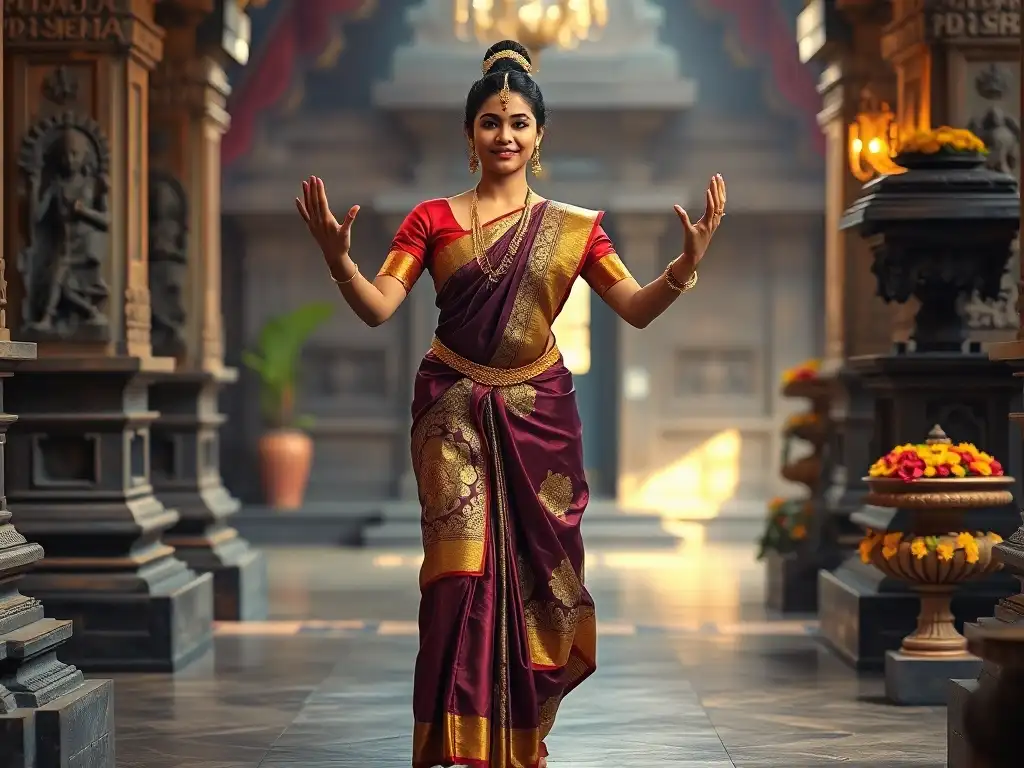
Welcome to Ancient India History, where we embark on a captivating journey through the rich tapestry of ancient Indian civilizations. Today, we delve into the enchanting world of Bharatanatyam, a dance form steeped in spiritual significance and historical depth. Have you ever wondered how this ancient art form transcends mere performance to become a profound expression of devotion?
Join us as we explore the sacred origins, cultural nuances, and transformative power of Bharatanatyam, revealing the intricate connections between artistry and spirituality that have flourished from the Indus Valley to the Gupta Empire. Prepare to be inspired and intrigued as you uncover the layers of history that dance through time!
Introduction to Bharatanatyam
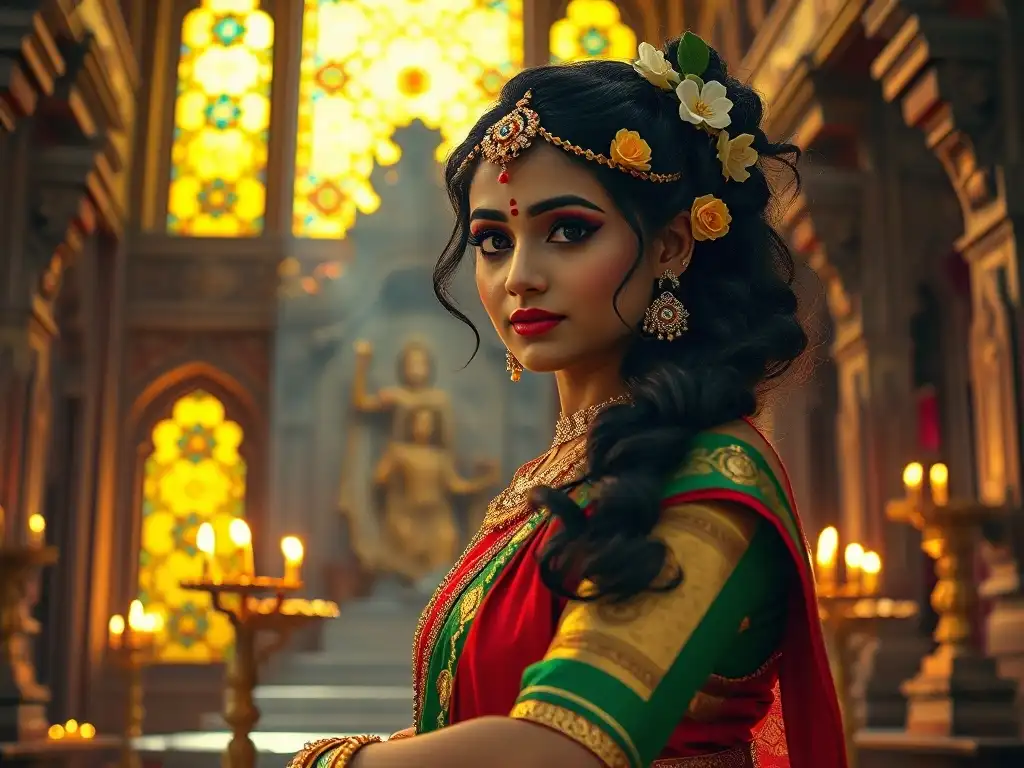
Bharatanatyam is not merely a dance form; it is a profound expression of spirituality, cultural heritage, and artistic tradition that has woven itself into the very fabric of ancient Indian civilization. Originating from Tamil Nadu, this classical dance form is one of the oldest in India, with roots tracing back over 2,000 years.
Bharatanatyam beautifully encapsulates the essence of Indian culture, combining intricate footwork, expressive gestures, and emotive facial expressions to convey stories and spiritual themes. As we delve into the spiritual significance and historical context of Bharatanatyam, we uncover its role as a medium for devotion and a reflection of Hindu philosophy.
Overview of Bharatanatyam as an Ancient Dance Form
Bharatanatyam is characterized by its unique blend of Bha (Bhava - expression), Ra (Raga - melody), and Ta (Tala - rhythm), creating a holistic experience that transcends mere performance. Traditionally performed by Devadasis, women who dedicated their lives to temple service, Bharatanatyam was often presented as a form of worship, further solidifying its spiritual connection. The dance involves:
- Stylized movements: Each gesture holds specific meanings, often depicting tales from Hindu mythology.
- Rich costumes: The attire, adorned with traditional jewelry, enhances the dancer's grace and adds to the visual appeal.
- Musical accompaniment: Classical Carnatic music typically accompanies Bharatanatyam, enriching the overall experience.
This dance form not only serves as an artistic endeavor but also as a spiritual practice, allowing practitioners and audiences alike to connect with the divine.
Historical Context of Bharatanatyam in Ancient India
The history of Bharatanatyam is deeply intertwined with the socio-cultural dynamics of ancient India. Emerging during the Chola dynasty (circa 9th to 13th centuries), it was initially performed in temples as part of religious rituals. The Natya Shastra, an ancient treatise on performing arts written by Bharata Muni, serves as a foundational text that outlines the principles of dance and drama, establishing Bharatanatyam's significance in the ancient art forms of India.
Over centuries, Bharatanatyam evolved, adapting to changing societal norms while preserving its core spiritual essence. The revival movement in the early 20th century, led by artists such as Rukmini Devi Arundale, played a crucial role in re-establishing Bharatanatyam as a respected classical dance form, emphasizing its historical roots and cultural importance.
The Spiritual Significance of Bharatanatyam
Bharatanatyam transcends the physical realm of dance, embodying a spiritual journey that resonates with audiences on a deeper level. Each performance is a conduit for expressing devotion and connecting with the divine, reflecting the intricate relationship between art and spirituality.
Understanding the Spiritual Elements within Bharatanatyam
At its core, Bharatanatyam is a disciplined practice that integrates various spiritual elements:
- Mudras: Hand gestures that communicate emotions and narratives, allowing dancers to convey spiritual themes.
- Adavus: Basic dance steps that embody rhythm and grace, forming the foundation of the dancer's spiritual expression.
- Alarippu and Varnam: Specific pieces within the repertoire that serve as offerings to the deities, further enhancing the dance's sacred nature.
Through these elements, Bharatanatyam invites practitioners and viewers to engage in a meditative experience, fostering a sense of inner peace and devotion.
Connection between Bharatanatyam and Hindu Philosophy
The philosophy underpinning Bharatanatyam is closely aligned with Hindu beliefs, particularly in its portrayal of deities and mythological stories. The dance often depicts themes from texts such as the Bhagavad Gita and the Ramayana, illustrating moral values and spiritual lessons.
The performance of Bharatanatyam is seen as a form of Natyadharma—a sacred duty to honor and worship the divine through art. This connection reinforces the idea that art is not separate from spirituality but rather an essential component of it. As dancers embody the stories and philosophies of Hinduism, they create a bridge between the material world and the spiritual realm, making Bharatanatyam a true celebration of ancient Indian culture and its enduring spiritual significance.
The History of Bharatanatyam
Bharatanatyam, one of the oldest classical dance forms of India, boasts a rich history that intertwines with the cultural and spiritual fabric of ancient Indian society. Originating in Tamil Nadu, this dance form is believed to date back over 2,000 years, with references found in ancient texts such as the Natya Shastra by Bharata Muni, which serves as a foundational treatise on performing arts. Initially performed exclusively by Devadasis, women dedicated to temple service, Bharatanatyam was a means to express devotion and narrate stories of deities through expressive movements and gestures.
Throughout centuries, Bharatanatyam has undergone significant transformations, adapting to the changing socio-political and cultural dynamics of India. The dance form transitioned from its sacred temple origins to a more theatrical presentation in the 19th and 20th centuries, especially with the efforts of pioneers like Rukmini Devi Arundale, who redefined and popularized it on the global stage. Despite these changes, the intrinsic spiritual essence of Bharatanatyam remains intact, reflecting its roots deeply embedded in ancient traditions.
Evolution of Bharatanatyam through Different Eras
The evolution of Bharatanatyam can be traced through distinct historical eras, each contributing to its development and refinement. During the ancient period, Bharatanatyam was predominantly a temple dance, performed as a form of worship and ritualistic celebration. The style was characterized by its intricate footwork, expressive gestures, and the use of classical music, which aligned with the spiritual themes of devotion to deities.
The medieval period witnessed the patronage of kings and noble families, leading to a fusion of local folk styles and classical elements. This era saw the emergence of new narratives and themes, expanding the repertoire of Bharatanatyam. By the colonial period, the dance faced challenges due to social stigma and the decline of the Devadasi system. However, the revival movements in the 20th century, spearheaded by cultural revivalists, brought Bharatanatyam back to the limelight, emphasizing its artistic and spiritual significance.
In contemporary times, Bharatanatyam has embraced modernity while maintaining its traditional essence. It is now performed on global platforms, transcending cultural boundaries and appealing to diverse audiences. This evolution reflects not only the adaptability of Bharatanatyam but also its enduring spiritual connection, which continues to resonate with practitioners and audiences alike.
Influence of Ancient Indian Temples on Bharatanatyam
The ancient temples of India played a pivotal role in shaping the art of Bharatanatyam, acting as the primary venues for its performance and evolution. These sacred spaces were not only architectural marvels but also cultural hubs where art and spirituality intertwined. The intricate sculptures and carvings found in temples often depict dancers in various poses, illustrating the significance of dance in worship and religious ceremonies.
Temples served as the training grounds for Devadasis, who were trained in the disciplines of music, dance, and drama. The rituals performed within temple precincts were deeply spiritual, and Bharatanatyam became a means of connecting with the divine. The themes explored in Bharatanatyam often revolved around Hindu mythology and spirituality, depicting stories of gods and goddesses, thus reinforcing the dance's sacred nature.
Moreover, the architectural layout of temples influenced the choreography of Bharatanatyam, with performers often dancing in front of the deity’s idol, creating a direct connection between the art form and spirituality. The rhythmic beats of traditional music and the intricate footwork of Bharatanatyam were designed to enhance the spiritual atmosphere of these sacred spaces, making the dance an integral part of temple worship.
Bharatanatyam and Devotion
Bharatanatyam is often considered more than just a dance; it is a powerful medium of devotion and spiritual expression. The essence of this dance form lies in its ability to convey deep emotions and spiritual narratives, making it a vital aspect of devotional practices in ancient India. Through its intricate movements and expressive gestures, Bharatanatyam allows performers to connect with the divine and communicate sacred stories to the audience.
The Role of Devotional Themes in Bharatanatyam
Devotional themes are central to Bharatanatyam, as they often revolve around the lives and exploits of Hindu deities. Each performance typically incorporates storytelling elements that narrate the divine characteristics and legends of figures such as Krishna, Shiva, and Durga. The use of emotive expressions, known as "abhinaya," plays a crucial role in bringing these stories to life, allowing dancers to convey complex narratives and the essence of devotion.
The repertoire of Bharatanatyam includes various items such as "Alarippu," "Jatiswaram," and "Varnam," each serving a specific purpose in the performance. For instance, "Varnam" often reflects the dancer’s devotion and can express the longing of the soul for the divine. The incorporation of devotional songs and rhythmic patterns enhances the spiritual experience, inviting the audience to engage in the performance on a deeper level.
Ultimately, the devotional themes in Bharatanatyam serve as a bridge between the performer, the audience, and the divine, reinforcing the dance’s spiritual significance and its role in fostering a sense of connection to the sacred.
Bharatanatyam as a Medium for Spiritual Expression
Bharatanatyam transcends mere entertainment; it is a profound medium for spiritual expression. Through its meticulously choreographed movements and the emotive power of abhinaya, dancers express their inner feelings and devotion, transforming the stage into a sacred space. The act of performing Bharatanatyam can be seen as a form of worship, where the dancer dedicates their art to the divine, embodying the stories and emotions of spiritual narratives.
The dancer’s physical body becomes a vessel for the divine, channeling energy and devotion through every gesture. This spiritual connection is often heightened by the use of traditional music, which complements the dance and enhances the emotional depth of the performance. The rhythmic patterns and melodies serve to elevate the dancer's state of consciousness, creating a shared spiritual experience for both the performer and the audience.
Moreover, Bharatanatyam encourages introspection and meditation, allowing dancers to explore their spirituality and connect with their inner selves. This transformative aspect of Bharatanatyam not only enriches the dancer's personal journey but also invites the audience to reflect on their own spiritual paths, fostering a deeper appreciation for the art form as a sacred expression of devotion.
The Influence of Bharatanatyam on Indian Culture
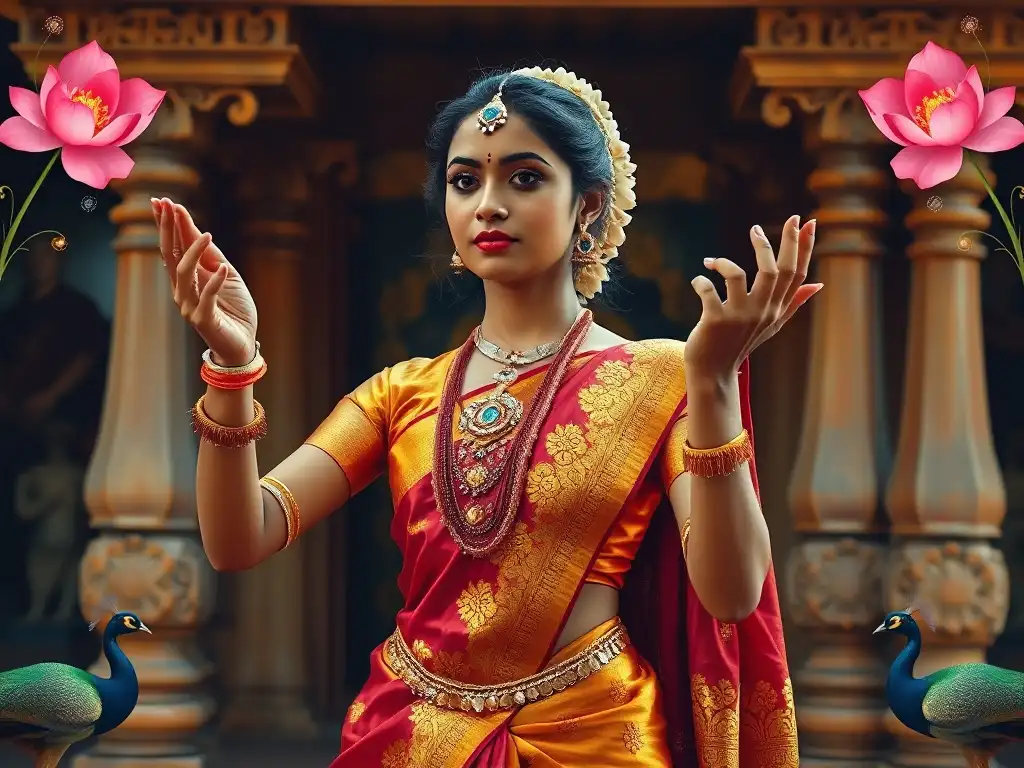
Bharatanatyam, one of the oldest classical dance forms of India, has played a pivotal role in shaping the cultural landscape of the country. Originating from Tamil Nadu, this dance form encapsulates a rich tapestry of history, spirituality, and artistic expression. Bharatanatyam is not merely a performance art; it serves as a medium for storytelling, conveying religious narratives, and preserving folklore. The intricate gestures, facial expressions, and rhythmic footwork reflect the deep connections between dance and spirituality in Indian culture.
Bharatanatyam has influenced various aspects of Indian life, from literature and poetry to religious practices and architectural design. This dance form often incorporates themes from Hindu mythology, portraying deities and mythological tales that resonate with devotees. As a result, Bharatanatyam has become a vital part of temple rituals and worship, infusing spiritual significance into everyday life. Its impact extends beyond the stage, as it fosters community engagement and cultural preservation, inspiring generations to embrace their heritage.
Impact of Bharatanatyam on Other Dance Forms
The influence of Bharatanatyam extends to numerous other dance forms across India, showcasing its versatility and adaptability. Styles such as Kuchipudi, Odissi, and Kathak have drawn elements from Bharatanatyam, whether in technique, narrative style, or thematic expression. For instance, Kuchipudi incorporates the expressive hand gestures (mudras) and facial expressions that are emblematic of Bharatanatyam, creating a fusion that resonates with audiences.
Moreover, the revival of various regional dance forms in the 20th century often included Bharatanatyam's stylistic elements, thereby enriching their own cultural narratives. The emphasis on storytelling and the portrayal of divine characters has encouraged dancers to explore spirituality through movement, bridging gaps between different styles while honoring their unique identities. This cross-pollination of ideas further illustrates Bharatanatyam's foundational role in the broader canvas of Indian classical dance.
Bharatanatyam's Role in Cultural Festivals and Rituals
Bharatanatyam is intricately woven into the fabric of cultural festivals and rituals across India. It is often performed during major religious celebrations, temple festivals, and special occasions, where the dance form transforms into a vibrant expression of devotion. Through its performances, Bharatanatyam brings communities together, fostering a sense of collective identity and spiritual connection.
During festivals such as Pongal, Diwali, and Navaratri, Bharatanatyam showcases themes of joy, reverence, and celebration. Dancers often depict stories from Hindu scriptures, engaging the audience in a shared spiritual experience. The performance serves not only as entertainment but also as a medium to invoke blessings from the divine, reinforcing the sacredness of the event. In temples, Bharatanatyam is performed as a form of worship, with dancers offering their art as an expression of devotion and gratitude.
Learning Bharatanatyam: Spiritual Journey
The journey of learning Bharatanatyam is profound, serving as a path to spiritual enlightenment and self-discovery. Aspiring dancers are not only taught the technical aspects of the dance but also the philosophical underpinnings that imbue Bharatanatyam with its spiritual essence. This dual focus facilitates personal growth, allowing practitioners to connect with their inner selves and the greater cosmos.
The process of learning Bharatanatyam involves rigorous training in various components, including footwork (adavus), hand gestures (mudras), and expressive facial movements (abhinaya). Students often engage in meditation and yoga as complementary practices, fostering mindfulness and enhancing their spiritual connection to the art form. As they progress, dancers learn to embody the characters they portray, deepening their understanding of the narratives and the spiritual themes inherent in the dance.
The Process of Learning Bharatanatyam
Learning Bharatanatyam is a disciplined process that combines physical training with emotional and spiritual development. Students typically begin with foundational exercises that build strength, flexibility, and coordination. Over time, they learn complex sequences and choreographies, integrating their movements with rhythm and expression.
Classes often emphasize the importance of guru-shishya (teacher-student) relationships, where knowledge is passed down through generations. This traditional method of learning instills a sense of respect and reverence for the art form, encouraging students to appreciate its historical significance. Additionally, dancers are trained to understand the spiritual meanings behind each movement, allowing them to channel their energy and intention effectively during performances.
Spiritual Growth through Bharatanatyam Practice
The practice of Bharatanatyam fosters spiritual growth by encouraging self-discipline, focus, and mindfulness. As dancers immerse themselves in their training, they undergo a transformative journey that transcends physical skill. The repetitive nature of practice cultivates patience and perseverance, essential qualities for personal development.
Moreover, the act of performing Bharatanatyam allows dancers to connect with their spirituality on a deeper level. Engaging in storytelling through movement enables them to explore themes of love, devotion, and divinity, often leading to moments of introspection and enlightenment. Through the lens of Bharatanatyam, practitioners can experience a profound sense of fulfillment and connection to the broader universe, making their dance a sacred expression of their inner journey.
Conclusion: The Enduring Legacy of Bharatanatyam
Bharatanatyam, one of the oldest classical dance forms of India, has transcended its origins to become a global symbol of cultural heritage. Its intricate movements, expressive gestures, and spiritual narratives have not only preserved the rich traditions of ancient Indian spirituality but have also evolved to resonate with contemporary audiences.
The dance form’s ability to convey deep spiritual themes—such as devotion, love, and the divine—ensures that its legacy remains relevant today. Bharatanatyam is more than just a performance; it is a living art that bridges the past with the present, embodying the spiritual ethos of ancient India while adapting to modern sensibilities.
The dedication of practitioners, choreographers, and institutions to maintain the authenticity of Bharatanatyam while also innovating its presentation is key to its enduring legacy. This dual commitment allows Bharatanatyam to thrive, ensuring that the spiritual significance attributed to this dance is not lost but rather celebrated and explored in new contexts. As a result, Bharatanatyam continues to inspire and elevate the spiritual journeys of its performers and audiences alike.
Bharatanatyam's Continuing Relevance in Modern Spiritual Practices
In contemporary society, Bharatanatyam has found new life as a medium for spiritual expression and exploration. Many practitioners incorporate this ancient dance form into their spiritual practices, using it as a means to connect with the divine and express devotion. The dance is often performed in temples and during religious festivals, reaffirming its roots in spirituality and community.
Moreover, Bharatanatyam has become a popular choice for meditation and yoga practitioners. The rhythmic movements and emphasis on breath control facilitate a meditative state, allowing dancers to experience a deeper connection with their inner selves. This integration of Bharatanatyam into various spiritual practices highlights its versatility and its role in fostering a sense of mindfulness and presence in an increasingly fast-paced world.
Educational institutions and cultural organizations are also playing a significant role in promoting the spiritual aspects of Bharatanatyam. Workshops, seminars, and performances often emphasize the philosophical and spiritual teachings embedded within the dance, encouraging both performers and audiences to engage with its deeper meanings. This ongoing dialogue ensures that Bharatanatyam remains a vital part of spiritual life for many, maintaining its significance as a conduit for expressing devotion and reverence.
Future of Bharatanatyam in Preserving Ancient Indian Spirituality
The future of Bharatanatyam lies in its ability to adapt while remaining anchored in its rich spiritual heritage. As globalization continues to influence cultural practices, Bharatanatyam dancers and scholars are tasked with preserving the dance's authenticity while also making it accessible to diverse audiences. This ongoing transformation presents both challenges and opportunities.
One significant aspect of Bharatanatyam's future is its potential to serve as a bridge between ancient spirituality and modern interpretations of faith. As more people from various backgrounds engage with this art form, there is an opportunity to reinterpret traditional narratives and infuse them with contemporary relevance. This fusion can lead to a broader understanding of spirituality that resonates with today’s global audience, while still honoring its ancient roots.
Furthermore, the rise of digital platforms opens new avenues for the dissemination of Bharatanatyam. Online classes, virtual performances, and social media engagement allow practitioners to share their interpretations of the dance with a worldwide audience. This digital presence not only helps in preserving the art form but also invites a new generation to explore its spiritual dimensions.
The future of Bharatanatyam in preserving ancient Indian spirituality looks promising. Through innovation, education, and a commitment to its rich traditions, Bharatanatyam will continue to play a vital role in the spiritual lives of individuals and communities, ensuring that its legacy endures for generations to come.
- Introduction to Bharatanatyam
- The Spiritual Significance of Bharatanatyam
- The History of Bharatanatyam
- Bharatanatyam and Devotion
- The Influence of Bharatanatyam on Indian Culture
- Learning Bharatanatyam: Spiritual Journey
- Conclusion: The Enduring Legacy of Bharatanatyam
Frequently Asked Questions
What is Bharatanatyam?
Bharatanatyam is a classical Indian dance form that originated in Tamil Nadu. It is known for its expressive gestures, intricate footwork, and spiritual significance tied to ancient traditions.
How does Bharatanatyam relate to spirituality?
Bharatanatyam is often considered a means of devotion, expressing spiritual themes through dance. The movements and stories conveyed in the performance are intended to evoke a sense of connection to the divine.
What are the historical roots of Bharatanatyam?
The dance form has its roots in the temple dancers of ancient India, known as Devadasis, and was performed as part of religious rituals. Its history reflects a rich tapestry of cultural influences and artistic evolution through the ages.
Are there specific elements that highlight the spiritual aspect of Bharatanatyam?
Yes, Bharatanatyam incorporates mudras (hand gestures) and abhinaya (facial expressions) to convey spiritual narratives. These elements serve to deepen the audience's understanding of the divine stories being portrayed.
How has Bharatanatyam evolved over time?
Bharatanatyam has undergone significant transformation from its traditional roots to its modern-day performances. It has adapted to various cultural contexts, while still maintaining its core spiritual significance and connection to ancient traditions.
Final Reflection: Embracing the Spiritual Essence of Bharatanatyam
The exploration of Bharatanatyam's spiritual significance and history resonates profoundly in today's world, where the quest for meaning and connection is more vital than ever. As we navigate the complexities of modern life, the ancient art form of Bharatanatyam serves as a reminder of the deep-rooted traditions that connect us to our spiritual selves and cultural heritage. This dance is not merely a performance; it is a sacred expression that transcends time, inviting us to reflect on our own spiritual journeys.
Culturally, Bharatanatyam has woven itself into the fabric of society, influencing not only the arts but also the way we perceive spirituality and community. The dance form embodies stories of devotion, love, and the divine, creating a bridge between the performer and the audience. As we witness its evolution, we are reminded of the words of the renowned dancer Rukmini Devi Arundale: Dance is the hidden language of the soul.
This sentiment captures the essence of Bharatanatyam, illustrating how it continues to inspire and uplift individuals, fostering a deeper understanding of our shared humanity.
As you reflect on the themes presented in this article, I invite you to consider how the spiritual significance of Bharatanatyam can influence your own life. Embrace the lessons of devotion, discipline, and connection that this dance embodies. Whether through practicing the art form, attending performances, or simply engaging with its rich history, let Bharatanatyam inspire you to explore your own spiritual path and cultivate a deeper appreciation for the beauty of cultural traditions.
Embrace the Rhythm: Step into the World of Bharatanatyam!
Thank you for taking the time to explore the profound spiritual significance of Bharatanatyam! We hope you gained valuable insights into this enchanting dance form and its rich cultural heritage. Now, it’s time to embark on your own journey of discovery and connection.
Here are some ways you can continue to engage with the beauty of Bharatanatyam:
- Join a local Bharatanatyam class or workshop to experience the joy of dance while deepening your understanding of its traditions.
- Share this article with friends and family who appreciate art and culture, sparking discussions about the significance of dance in their lives.
- Explore online resources—such as instructional videos or virtual performances—to witness the grace and storytelling that Bharatanatyam embodies.
How do you think engaging with a cultural art form like Bharatanatyam can enrich your spiritual journey?