
Musical Traditions: The Blend of Indian Classical Music with Global Influences

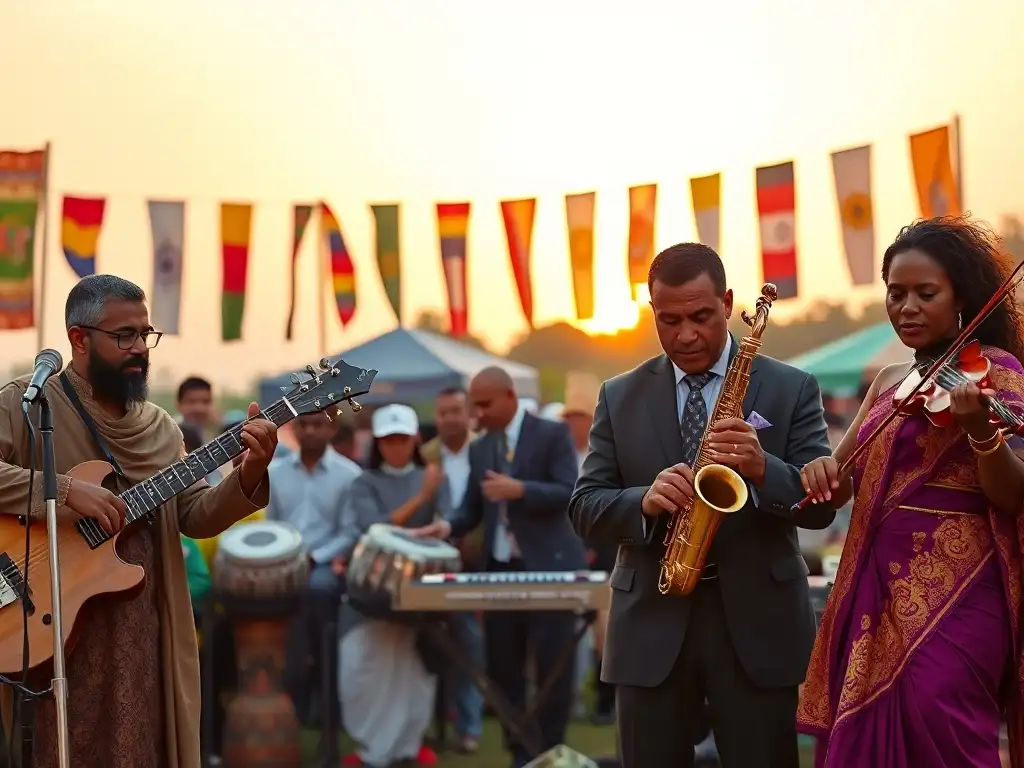
Welcome to Ancient India History, where we embark on a fascinating journey through the vibrant tapestry of ancient Indian civilizations. Here, we delve into the profound cultural exchanges that have shaped our world, beginning with the captivating exploration of Indian classical music influences.
Discover how these timeless traditions have woven their melodies into the fabric of global soundscapes, inviting you to uncover the stories behind each note and rhythm. Join us as we unveil the rich heritage that continues to resonate through the ages, and prepare to be inspired by the harmonious blend of history and music that awaits you.
- Introduction to Indian Classical Music Influences
- Historical Context of Indian Classical Music
- Global Influences on Indian Classical Music
- Fusion Genres: The Blend of Indian Classical with Global Sounds
- Cultural Exchanges: The Journey of Indian Classical Music
- Contemporary Indian Classical Music and Globalization
- Conclusion: The Future of Indian Classical Music Influences
-
Frequently Asked Questions
- What are the primary characteristics of Indian classical music?
- How has global influence shaped Indian classical music?
- What role do instruments play in Indian classical music?
- How does Indian classical music reflect cultural diversity?
- What is the significance of improvisation in Indian classical music?
- Final Reflection: The Harmonious Fusion of Indian Classical Music and Global Influences
- Unleash the Rhythm: Dive into Global Musical Fusion!
Introduction to Indian Classical Music Influences
Indian classical music is not merely a form of artistic expression; it is a profound cultural heritage that embodies centuries of tradition, philosophy, and spirituality. As we delve into the intricate tapestry of Indian classical music influences, we uncover a rich narrative that intertwines indigenous styles with global elements.
This article will explore how the melodic structures, rhythmic patterns, and thematic content of Indian classical music have been shaped by various global influences over time, creating a unique fusion that reflects the complexity of cultural exchanges. From the sacred chants of ancient times to the contemporary adaptations seen in today's music scene, the evolution of Indian classical music presents a fascinating journey through history, illustrating the dynamic interplay between tradition and modernity.
Understanding the Essence of Indian Classical Music
Indian classical music is characterized by its deep-rooted traditions and spiritual dimensions. At its core, it can be divided into two major systems: Hindustani (North Indian) and Carnatic (South Indian). Each of these systems boasts distinct characteristics, yet both share fundamental elements such as:
- Ragas: Melodic frameworks that dictate the mood and emotion of a piece. Each raga is associated with specific times of the day or seasons, enhancing its expressive qualities.
- Talas: Rhythmic cycles that provide structure and timing to the music. The intricate patterns of tala add depth and complexity to performances.
- Improvisation: A hallmark of Indian classical music, allowing musicians to express their creativity within the confines of ragas and talas, leading to unique interpretations in every performance.
This rich tapestry of musical elements forms the essence of Indian classical music, making it not only a form of entertainment but also a spiritual and emotional experience for both the performer and the listener.
Overview of Global Influences on Indian Music
As Indian classical music evolved, it encountered various global influences that enriched its fabric. The interaction with other musical traditions has led to a beautiful amalgamation of styles and forms. Some key influences include:
- Islamic Influences:
- The advent of the Mughal Empire brought Persian and Central Asian musical traditions into the Indian subcontinent. This resulted in the development of Ghazals and Qawwalis, which incorporate poetic themes and instrumentation akin to Indian classical forms.
- Western Classical Music:
- The colonial period introduced Western musical theories and instruments. The integration of orchestral elements and harmony can be seen in contemporary Indian film music and fusion genres.
- Folk Traditions:
- Local folk music has also played a significant role in shaping Indian classical music. Elements from regional folk styles, such as Baul or Bhangra, have been embraced within classical frameworks, leading to innovative compositions.
- Globalization and Cross-Cultural Collaborations:
- In recent decades, Indian classical musicians have collaborated with artists from around the world, blending genres and creating a new discourse in music. This has led to the emergence of fusion music, where traditional Indian elements coexist with jazz, rock, and other global styles.
By examining these influences, we can appreciate how Indian classical music has not only preserved its traditional roots but has also adapted and transformed in response to the diverse cultural exchanges that have shaped its journey through history. As we move forward in this article, we will delve deeper into specific examples and case studies that illustrate this fascinating blend of traditions.
Historical Context of Indian Classical Music
Origins of Indian Classical Music Traditions
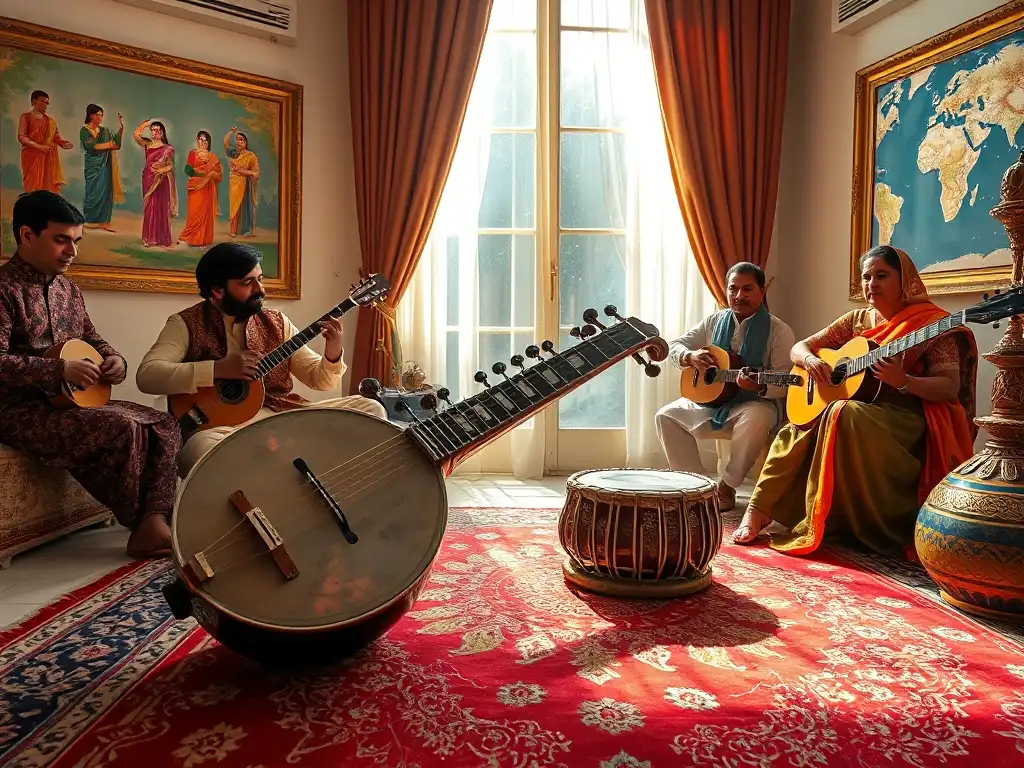
Indian classical music has a rich heritage that dates back thousands of years, with its roots deeply embedded in the Vedic texts. The earliest references to music can be traced to the Sama Veda, which contains hymns sung during rituals and ceremonies. This era emphasized the spiritual and meditative aspects of music, linking it directly to the religious practices of ancient India.
The development of Indian classical music is categorized into two primary streams: Hindustani (North Indian) and Carnatic (South Indian) music. Both traditions evolved in their unique geographical and cultural contexts, influenced by various dynasties and regional practices.
- Hindustani Music: This style incorporates elements from Persian music, especially after the Mughal invasion in the 16th century. Instruments like the sitar and tabla became prominent, integrating Persian scales and melodic structures known as ragas.
- Carnatic Music: This tradition remained more conservative, maintaining its original form and structure, focusing primarily on devotional themes. The use of krithis, compositions that convey spiritual messages, is a hallmark of this genre.
Key Periods in the Evolution of Indian Music
The evolution of Indian classical music can be segmented into several key periods, each characterized by distinct influences and developments.
- Ancient Period (up to 1200 AD):
- Music was primarily oral, passed down through generations. The Natya Shastra, attributed to Bharata Muni, is a significant text from this era that outlines the principles of music and dance, establishing foundational theories of performance.
- Medieval Period (1200-1750 AD):
- This period saw significant external influences, particularly from Persian and Mughal cultures. The introduction of new instruments and musical forms enriched the Indian classical repertoire. Composers like Tansen emerged, whose contributions were pivotal in blending Indian and Persian styles.
- Colonial Period (1750-1947 AD):
- The British colonial rule had a profound impact on musical traditions. The establishment of institutions like the Bhatkhande Sangeet Sansthan in the early 20th century revitalized interest in classical music. This period also saw the emergence of music festivals and the promotion of classical music through radio and recordings.
- Post-Independence Era (1947-present):
- Indian classical music witnessed a renaissance, with a renewed interest in its roots and global exposure. The introduction of fusion genres and collaborations with Western music styles broadened its appeal. Musicians began to experiment with cross-cultural influences, leading to innovative expressions of traditional forms.
The historical context of Indian classical music reveals a rich tapestry of influences and transformations, reflecting the dynamic interplay between tradition and innovation. Understanding these origins and key periods allows for a deeper appreciation of how Indian classical music influences continue to evolve today, embracing global elements while honoring its ancestral roots.
Global Influences on Indian Classical Music
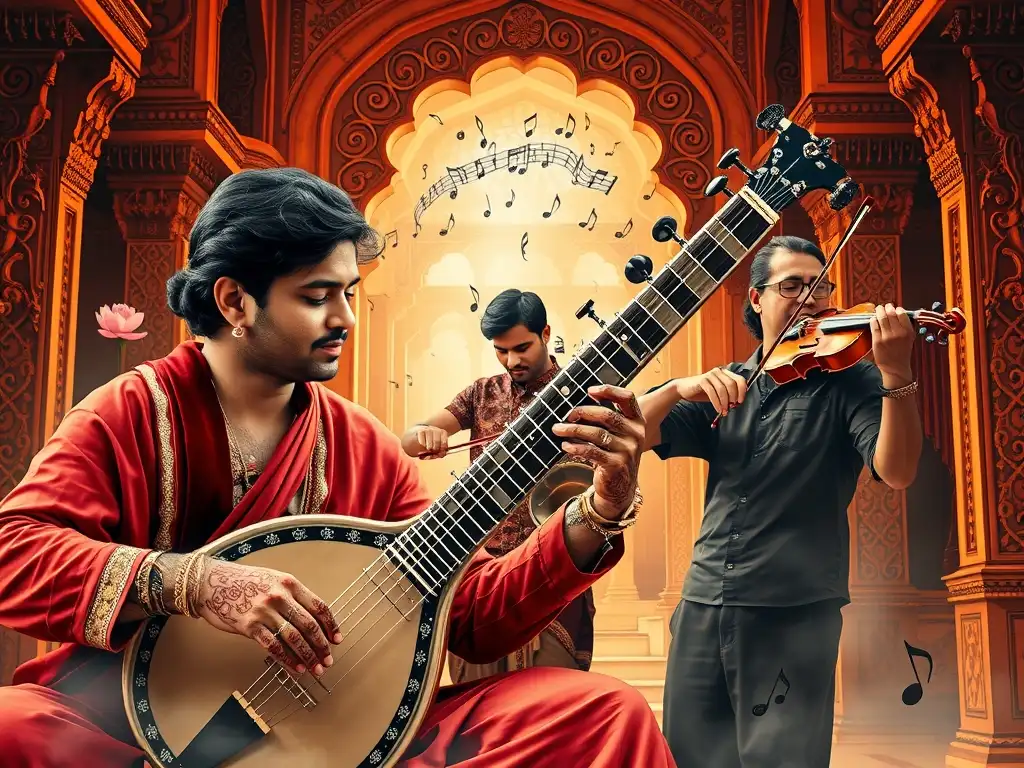
Indian classical music has evolved over centuries, absorbing and integrating diverse influences from various cultures around the world. This syncretism has enriched its complexity and depth, allowing for a vibrant tapestry of sounds and styles. In this section, we will delve into three significant sources of influence: Persian music, Western music, and African rhythms, each contributing uniquely to the evolution of Indian classical music.
The Impact of Persian Music on Indian Classical Traditions
The arrival of Persian music in India can be traced back to the Mughal Empire in the 16th century. This period marked a significant cultural exchange between the Persian and Indian musical traditions, leading to the development of Hindustani classical music.
- Instruments: Persian instruments such as the sitar and tabla were incorporated into Indian music, significantly influencing performance styles. The sitar, for instance, evolved from the Persian sehtar, showcasing the blend of timbres and techniques.
- Raga System: The Persian influence introduced new ragas and talas, broadening the melodic and rhythmic frameworks of Indian classical music. The concept of improvisation, a hallmark of Persian music, was also absorbed into Indian practices, allowing for greater artistic expression.
- Vocal Traditions: The ghazal, a form of poetry set to music, was another significant contribution from Persian culture, which found a place in Indian classical vocal music. This adaptation not only enriched lyrical content but also merged Persian aesthetics with Indian melodic structures.
The synthesis of Persian and Indian musical elements fostered a unique style that is still celebrated in contemporary performances, illustrating the lasting impact of these cultural exchanges.
The Role of Western Music in Shaping Indian Classical Styles
The interaction between Indian classical music and Western music has seen a dramatic evolution, particularly in the 20th century. The globalization of music has facilitated the blending of these two rich traditions.
- Instruments and Techniques: The introduction of Western instruments like the violin and piano into Indian classical ensembles has created new sonic possibilities. For example, the use of the violin in Carnatic music has become a standard practice, where performers employ Western techniques while adhering to Indian ragas.
- Fusion Genres: The rise of fusion genres, such as Indian jazz and world music, reflects this blending. Artists like Ravi Shankar collaborated with Western musicians, including George Harrison of The Beatles, which brought Indian classical music to a global audience and introduced new rhythms and harmonies.
- Formal Education: The establishment of music schools and conservatories that incorporate Western music theory alongside Indian classical traditions has led to a hybrid educational approach. This has fostered a generation of musicians who are adept at navigating both musical worlds, further blurring the lines between them.
This cross-pollination between Western and Indian classical music continues to thrive, encouraging innovative compositions and performances that resonate with diverse audiences.
Incorporation of African Rhythms in Indian Music
African musical influences have also made their mark on Indian classical music, particularly through the rhythmic patterns and percussive elements that have been adopted over time.
- Rhythmic Complexity: The rich rhythmic traditions of Africa, characterized by polyrhythms and intricate drumming patterns, have found their way into Indian percussion. Instruments such as the dhol and mridangam showcase this influence, demonstrating a shared appreciation for complex rhythms.
- Cultural Exchange through Trade: Historical trade routes facilitated cultural exchanges, where African musicians brought their styles to Indian shores. This interaction has led to the blending of African drumming techniques with Indian classical rhythms, creating a unique fusion that enhances performances.
- Contemporary Fusion: Modern Indian musicians often experiment with African rhythms, incorporating them into classical and contemporary pieces. This integration not only highlights the adaptability of Indian classical music but also reflects a global dialogue that continues to evolve.
The incorporation of African rhythms demonstrates the dynamic nature of Indian classical music, showcasing its ability to adapt and thrive amidst diverse global influences.
The global influences on Indian classical music are profound and multifaceted, shaping its evolution and ensuring its relevance in the contemporary musical landscape. The interplay of Persian, Western, and African musical traditions illustrates the rich tapestry of cultural exchanges that have defined Indian classical music throughout history.
Fusion Genres: The Blend of Indian Classical with Global Sounds
Defining Fusion Music in the Context of Indian Classical
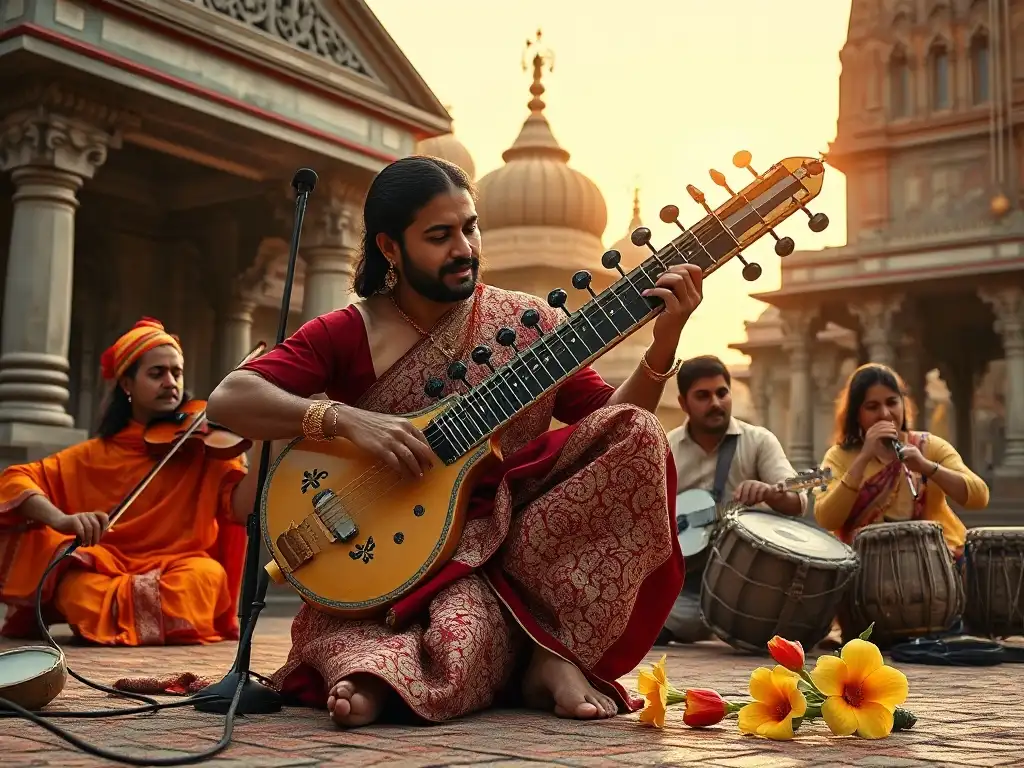
Fusion music, particularly in the realm of Indian classical music influences, represents a dynamic intersection where traditional sounds meet contemporary styles. This genre transcends mere blending; it creates a unique auditory experience that honors both heritage and innovation.
Indian classical music is rooted in a rich tapestry of ragas and talas, which are the foundational elements of its melodic and rhythmic structure. When these elements are combined with global music styles—such as jazz, rock, or electronic—the result is a genre that not only appeals to a broader audience but also revitalizes classical traditions. This cross-pollination allows for a re-examination of traditional forms, inviting improvisation and spontaneity that are hallmarks of Indian classical performances.
The essence of fusion in this context lies in the collaborative spirit. Artists strive to maintain the integrity of Indian classical music while experimenting with new sounds. This creates a dialogue between cultures, often leading to innovative musical expressions that resonate with diverse audiences.
Prominent Fusion Artists and Their Contributions
Numerous artists have emerged as pioneers in the fusion of Indian classical music with global influences, each contributing uniquely to the evolution of this genre. Here are a few notable figures:
- Zakir Hussain
- A world-renowned tabla virtuoso, Hussain has collaborated with various international musicians, including jazz legends like John McLaughlin. His work demonstrates how Indian rhythms can seamlessly integrate with Western styles, creating a new auditory experience.
- Ravi Shankar
- Often credited with introducing Indian classical music to the Western audience, Shankar's collaborations with artists such as George Harrison of The Beatles opened the doors for a wider appreciation of Indian sounds. His performances were instrumental in merging traditional Indian music with Western rock and pop.
- Anoushka Shankar
- Building on her father’s legacy, Anoushka has explored fusion through her collaborations with artists from diverse genres, including electronic and flamenco music. Her album "Traces of the Dragon" exemplifies how Indian classical music can evolve while maintaining its essence.
- Chick Corea
- The renowned jazz pianist worked closely with Indian musicians, blending jazz improvisation with Indian classical structures. His compositions often reflect the intricate rhythms and melodies characteristic of Indian music.
These artists not only showcase the versatility of Indian classical music but also highlight how cultural exchanges can lead to innovative artistic expressions.
Case Studies of Successful Fusion Projects
Several fusion projects have become milestones in the exploration of Indian classical music influences, showcasing successful collaborations that have transcended cultural boundaries. Here are a few prominent examples:
-
"Shakti" – A Fusion of Indian Classical and Jazz
Formed in the 1970s, the band Shakti, featuring John McLaughlin and Zakir Hussain, is a hallmark of fusion music. Their albums combine the improvisational nature of jazz with the intricate ragas of Indian classical music. Tracks like "Joy" exemplify this synthesis, creating a vibrant, energetic sound that captivates audiences worldwide.
-
"Natural Elements" by Anoushka Shankar
This album is a fine example of blending Indian classical music with contemporary electronic sounds. Collaborating with a range of artists, Shankar captures the essence of traditional ragas while integrating modern beats and soundscapes, appealing to both classical and modern music fans.
-
"Meeting of the Spirits" by Mahavishnu Orchestra
This project, led by guitarist John McLaughlin, fuses rock and jazz with Indian classical music. The complex rhythms and melodic structures found in the band's compositions reflect the influence of Indian classical music, showcasing how fusion can lead to innovative genres that resonate with a global audience.
The fusion of Indian classical music with global influences not only enriches the musical landscape but also fosters a deeper understanding and appreciation of cultural diversity. Each project and artist contributes to a larger narrative of artistic and cultural syncretism, reflecting the ongoing dialogues between different musical traditions.
Cultural Exchanges: The Journey of Indian Classical Music
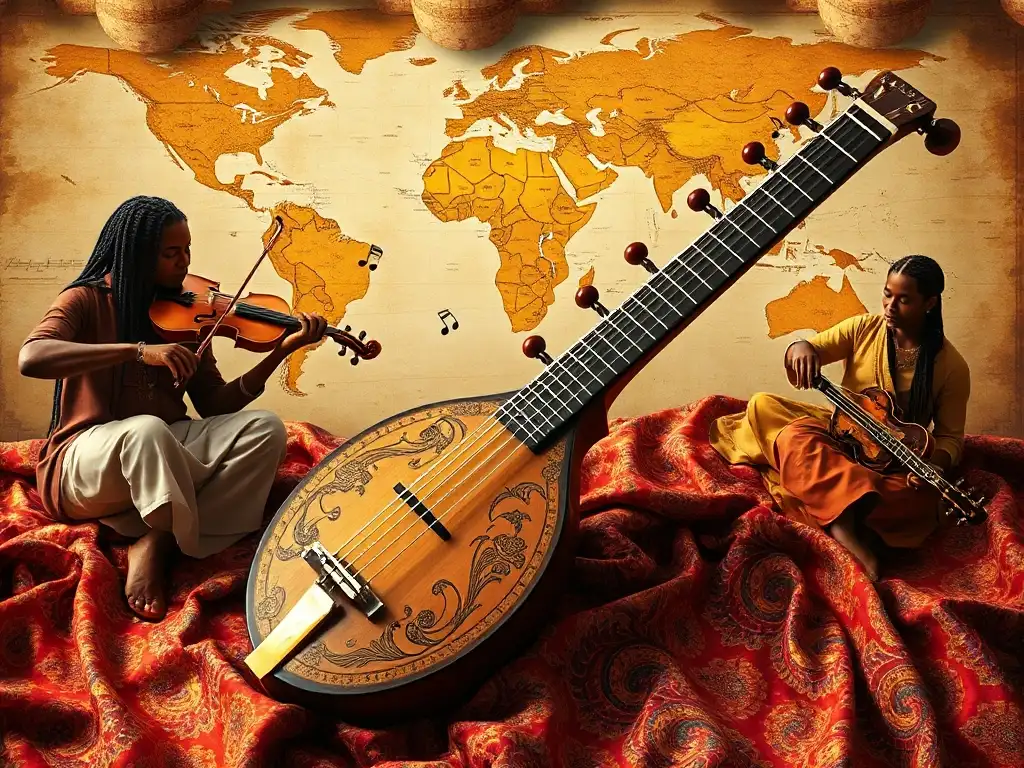
Trade Routes and Their Impact on Musical Traditions
The history of Indian classical music is intricately linked to the various trade routes that traversed the Indian subcontinent and connected it to distant lands. These routes not only facilitated the exchange of goods but also became conduits for cultural and artistic interactions, profoundly influencing the evolution of Indian classical music.
- Silk Route: One of the most significant trade routes, the Silk Route, played a pivotal role in the transmission of musical ideas. As traders traveled between India and Central Asia, they brought with them diverse musical instruments and styles. For instance, the introduction of Persian influences during the medieval period enriched Indian music, leading to the emergence of new ragas and rhythms.
- Maritime Trade: The maritime trade routes connecting India to Southeast Asia also contributed to the cross-pollination of musical traditions. The arrival of musicians from regions like Indonesia and Malaysia introduced styles and instruments that blended with local traditions. The use of gamelan instruments, for example, has left an indelible mark on certain aspects of Indian classical music, particularly in the coastal regions.
- Cultural Syncretism: The bustling ports along the coasts of India became melting pots of cultures. This cultural syncretism is evident in the fusion of Indian classical music with Middle Eastern and African musical elements, as seen in various genres that emerged over time. The incorporation of instruments like the oud and dholak showcases how trade routes facilitated the adoption and adaptation of foreign musical influences.
The Role of Migration in Shaping Musical Influences
Migration has been a fundamental force in shaping the landscape of Indian classical music. The movement of peoples, whether through conquest, labor, or voluntary migration, has led to a rich tapestry of musical influences that are integral to Indian classical traditions today.
- Mughal Influence: The arrival of the Mughals in the 16th century marked a significant turning point in the history of Indian classical music. The Mughal court patronized musicians from various regions, leading to the synthesis of Hindustani music with Persian influences. This era witnessed the birth of genres such as Khayal and Dhrupad, which incorporated complex melodic structures and poetic forms that were heavily influenced by Persian aesthetics.
- Diaspora Communities: The Indian diaspora has played a crucial role in promoting and transforming Indian classical music around the world. Communities of Indian migrants in countries like the United States, Canada, and the UK have not only preserved traditional forms but have also introduced innovative fusions that combine Indian classical music with jazz, blues, and other global genres. This blending has resulted in new genres, such as Indo-jazz fusion, which highlight the adaptability and global appeal of Indian classical music.
- Influence of Non-Indian Musicians: The interactions between Indian musicians and artists from other countries have led to groundbreaking collaborations. For example, the collaboration between Indian sitar maestro Ravi Shankar and Western musicians like George Harrison of The Beatles showcased how Indian classical music could resonate with global audiences, thus furthering its influence and reach.
Both trade routes and migration have been instrumental in shaping the influences that define Indian classical music today. The continuous dialogue between different musical traditions has created a dynamic and evolving landscape that reflects the rich history of cultural exchanges in ancient and modern times.
Contemporary Indian Classical Music and Globalization
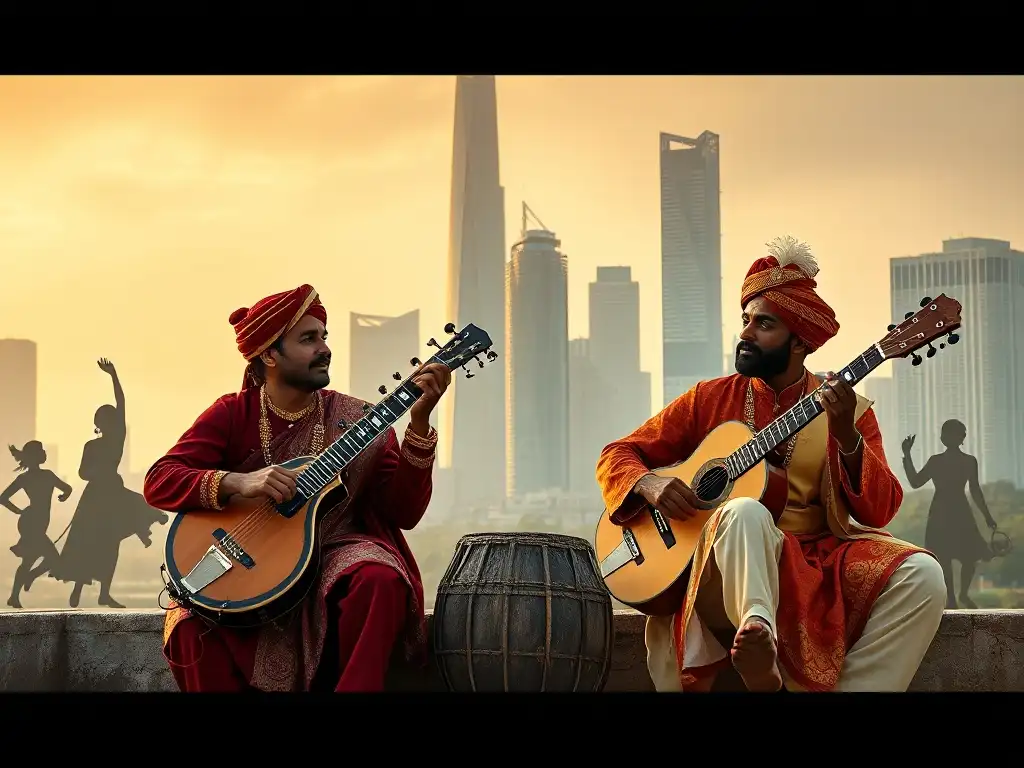
Contemporary Indian classical music has experienced a profound transformation influenced by the forces of globalization. This blend of traditional sounds with modern elements has not only reshaped its performance styles but has also expanded its audience. Key factors contributing to this evolution include technological advancements, cross-cultural collaborations, and the rise of international music festivals showcasing Indian classical music.
As Indian classical music musicians engage with artists from diverse genres, they explore new avenues for expression. This collaborative spirit has led to innovative compositions that incorporate instruments and styles from around the world, creating a unique fusion that resonates with contemporary audiences. For instance, the integration of electronic instruments has allowed classical musicians to enhance their traditional performances, making them more appealing to younger generations.
Moreover, the globalization of Indian classical music has led to the emergence of new genres that blend classical elements with popular music forms, such as fusion and world music. This cross-pollination enriches the musical landscape while ensuring that the heritage of Indian classical music remains relevant in a rapidly changing world.
The Influence of Technology on Indian Classical Music
The advent of technology has significantly impacted the way Indian classical music is created, disseminated, and consumed. Digital platforms have revolutionized how artists share their work, allowing musicians to reach audiences beyond geographical boundaries. Key technological influences include:
- Recording and Production: High-quality recording technology has enabled artists to produce albums that capture the intricate nuances of classical music. This has resulted in a wider distribution of music, making it accessible to global listeners.
- Social Media and Streaming Services: Platforms like YouTube, Spotify, and Apple Music have become essential for artists to showcase their talent. Musicians can now upload performances, tutorials, and collaborative projects, creating a digital presence that attracts followers and fans.
- Online Learning: With the growth of online education platforms, aspiring musicians can now learn Indian classical music from the comfort of their homes. This accessibility has resulted in a surge of interest in classical music, even among those who may not have had exposure to it traditionally.
The combination of these technological advancements has not only democratized access to Indian classical music but has also encouraged a new generation of musicians to experiment with traditional forms, thus perpetuating the evolution of the genre.
Global Platforms and Their Role in Promoting Indian Classical Music
Global platforms play a pivotal role in the promotion and preservation of Indian classical music, facilitating cultural exchanges and enhancing its visibility in the international music scene. Some key aspects of their influence include:
- International Music Festivals: Events such as the Dover Lane Music Conference and the Tansen Samaroh offer a stage for renowned classical musicians to perform alongside global artists, promoting cultural dialogues and artistic synthesis.
- Collaborative Projects: Initiatives that encourage cross-cultural collaborations, such as those between Indian classical musicians and Western jazz or pop artists, highlight the versatility of Indian classical music and help it appeal to a broader audience.
- Documentaries and Media Coverage: Documentaries and television shows that focus on Indian classical music allow viewers worldwide to appreciate its rich heritage and complexity. This exposure is crucial for fostering a deeper understanding of the art form.
The interplay between contemporary Indian classical music and globalization has led to a dynamic evolution of the genre. By embracing technological advancements and leveraging global platforms, Indian classical music continues to thrive and adapt, ensuring its relevance and influence in the modern cultural landscape.
Conclusion: The Future of Indian Classical Music Influences
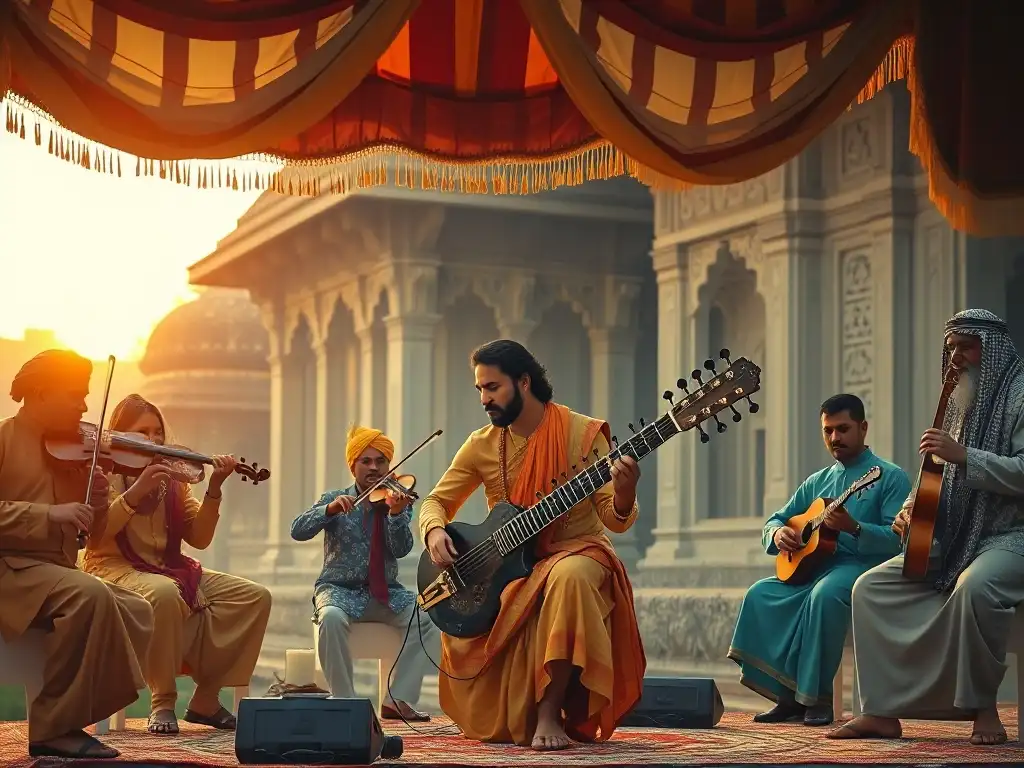
As we delve into the future of Indian classical music influences, it becomes essential to reflect on the rich tapestry of traditions that have shaped this art form. The interplay between traditional elements and global influences has fostered a dynamic evolution, allowing Indian classical music to resonate with diverse audiences. Moving forward, the preservation of traditional elements alongside the integration of new influences will be crucial in maintaining the integrity and relevance of this genre.
The Importance of Preserving Traditional Elements
The preservation of traditional elements in Indian classical music serves as a foundation for its future development. Traditional forms, such as Hindustani and Carnatic music, embody centuries of cultural heritage, philosophy, and aesthetics that provide a distinct identity. Here are some key reasons for preserving these elements:
- Cultural Heritage: Traditional music is a repository of history, reflecting the socio-political context and spiritual beliefs of its time.
- Educational Value: Learning traditional music fosters discipline, patience, and a deep understanding of musical theory and technique.
- Artistic Authenticity: Maintaining traditional styles ensures the authenticity of performances, preserving the unique characteristics that define Indian classical music.
Efforts to preserve these elements can include:
- Documenting Oral Traditions: Recording performances and teachings from master musicians to safeguard knowledge for future generations.
- Education: Incorporating traditional music into school curriculums and establishing dedicated institutions for classical training.
- Community Engagement: Involving local communities in performances and festivals to enhance appreciation and understanding of traditional forms.
The Potential for Future Innovations in Indian Classical Music
While preserving traditional elements is vital, the potential for innovation within Indian classical music offers exciting possibilities. The ongoing dialogue between tradition and contemporary influences can lead to the evolution of new styles and forms. Some avenues for innovation include:
- Fusion Genres: Collaborations between Indian classical musicians and artists from various genres, such as jazz, rock, and electronic music, can yield unique sounds that attract new audiences. For example, the blending of tabla with electronic beats or the integration of sitar in pop music showcases this innovative spirit.
- Technology and Accessibility: The rise of digital platforms allows musicians to reach global audiences. Online tutorials, virtual concerts, and social media engagement can promote Indian classical music to a broader demographic.
- Cross-Cultural Collaborations: Musicians from different cultural backgrounds can create cross-genre works that celebrate diversity while respecting traditional roots. These collaborations can lead to the emergence of new musical forms that reflect a globalized world.
The future of Indian classical music influences hinges on a balanced approach—preserving the richness of traditional elements while embracing the potential for innovation. As this art form continues to evolve, it has the capacity to connect with audiences worldwide, fostering an appreciation for its depth and diversity. The journey ahead promises to be as vibrant and multifaceted as the music itself.
Frequently Asked Questions
What are the primary characteristics of Indian classical music?
Indian classical music is characterized by its intricate melodic structures (ragas) and rhythmic patterns (talas), emphasizing improvisation and emotional expression.
How has global influence shaped Indian classical music?
Throughout history, cross-cultural exchanges have introduced various elements into Indian classical music, enriching its melodic and rhythmic complexities while preserving its traditional essence.
What role do instruments play in Indian classical music?
Instruments like the sitar, tabla, and harmonium are crucial for creating the unique sounds of Indian classical music, each contributing distinct tonal qualities and textures to compositions.
How does Indian classical music reflect cultural diversity?
Indian classical music incorporates diverse regional styles and traditions, showcasing the rich cultural tapestry of India and highlighting local influences alongside broader global trends.
What is the significance of improvisation in Indian classical music?
Improvisation is central to Indian classical music, allowing artists to express their creativity and emotions, while also demonstrating their mastery over ragas and talas in a live performance setting.
Final Reflection: The Harmonious Fusion of Indian Classical Music and Global Influences
The blend of Indian classical music with global influences is not just a trend; it is a vibrant testament to the ever-evolving nature of culture and creativity. As we navigate an increasingly interconnected world, the way music transcends borders and unites diverse traditions speaks volumes about our shared human experience. This fusion not only enriches the musical landscape but also fosters a deeper understanding and appreciation of cultural diversity.
The ongoing influence of Indian classical music on global genres is a powerful reminder of how art can bridge gaps and create dialogue among different communities. This musical exchange has led to innovative collaborations that challenge traditional boundaries and inspire new generations of artists. As Ravi Shankar once said, Music knows no boundaries; it is a universal language that brings people together.
This sentiment resonates deeply today, as we witness artists from various backgrounds drawing inspiration from Indian classical music, creating a rich tapestry of sound that reflects our collective journey.
As you reflect on the themes presented in this article, consider how you can embrace the lessons of musical fusion in your own life. Let the spirit of collaboration and openness guide you, whether in your personal pursuits or in your interactions with others. By engaging with diverse musical traditions, you not only enrich your own experience but also contribute to a more harmonious world. Take a moment to explore the sounds and rhythms that resonate with you, and allow them to inspire your own creative journey.
Unleash the Rhythm: Dive into Global Musical Fusion!
Thank you for taking the time to explore the rich tapestry of Indian classical music and its global influences! You've gained a deeper appreciation for how diverse sounds shape a unique musical identity. Now, it’s your turn to embrace this vibrant fusion.
Here are a few simple yet powerful actions you can take right now:
- Start your own musical journey: Experiment by merging an Indian classical piece with a genre you love—whether it's jazz, rock, or another style. Share your creation with friends!
- Explore local music events: Attend a concert or workshop featuring Indian classical musicians who blend various styles. Experience the magic live!
- Spread the joy: Share this article with someone who loves music or might be inspired by these cultural connections, and spark a conversation!
What unique combination of sounds will you create to express your musical journey?