
Taste the Regions: Regional Culinary Tours across India’s Diverse Cuisines

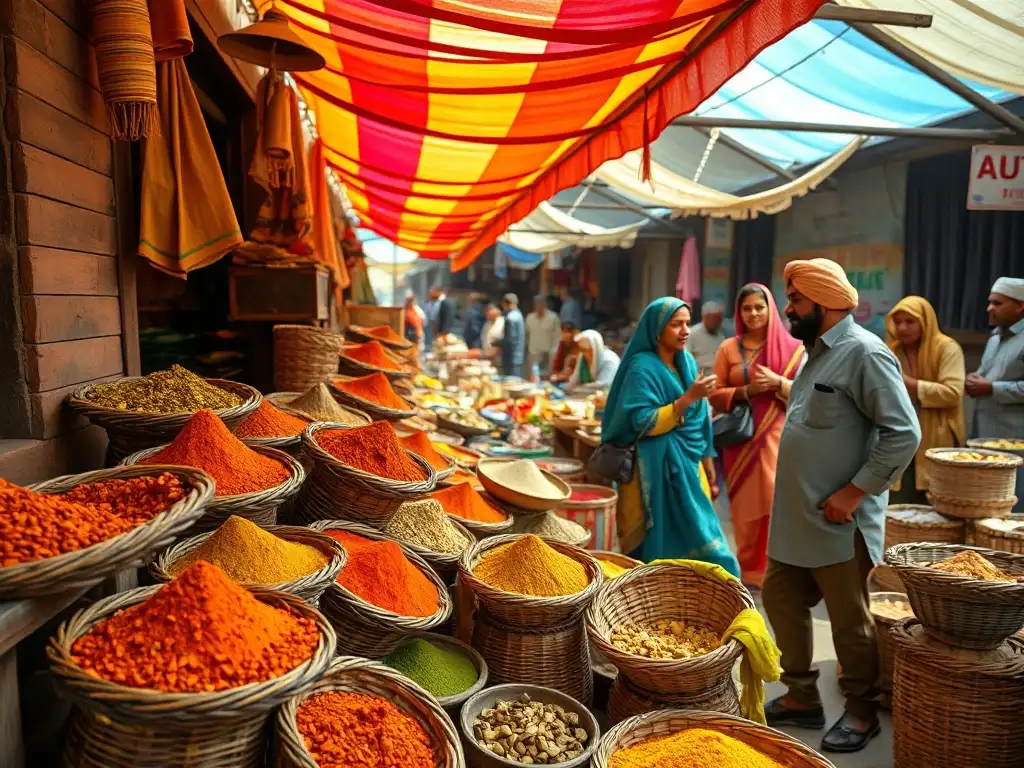
Welcome to Ancient India History, where we embark on an extraordinary journey through the tapestry of time, exploring the rich heritage and cultural contributions of ancient Indian civilizations. From the vibrant streets of the Indus Valley to the majestic realms of the Gupta Empire, each corner of this land tells a story. Today, we invite you to indulge your senses as we delve into the fascinating world of Ancient Indian regional cuisines.
Discover how culinary traditions shaped the identity of these civilizations and influenced the way we eat today. Ready to savor the flavors of history? Let’s embark on this delicious adventure together!
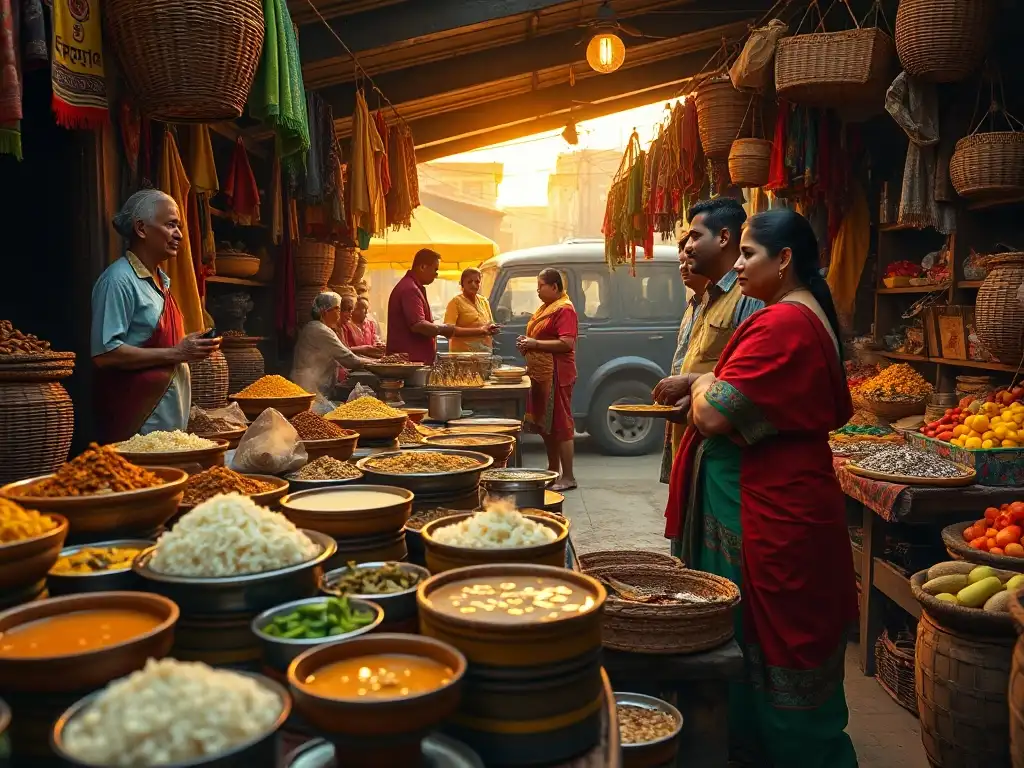
India, a land steeped in history and cultural richness, offers a culinary journey that mirrors its diverse heritage. Each region boasts unique flavors, cooking techniques, and traditional dishes that reflect the local customs and agricultural practices.
From the zesty spices of the South to the rich gravies of the North, the exploration of Ancient Indian regional cuisines is not only about taste but also about understanding the historical and cultural narratives that have shaped these culinary traditions over centuries. This article will guide you through the delectable regional culinary tours across India, showcasing how ancient practices continue to influence modern gastronomy.
Introduction to Ancient Indian Regional Cuisines
The evolution of Indian cuisine is a fascinating tale that intertwines with the subcontinent's history, geography, and cultural exchanges. Ancient Indian regional cuisines have been influenced by various dynasties, trade routes, and migrations, leading to a rich tapestry of flavors. Each region, with its distinct climate and agricultural products, has developed a unique culinary identity.
- North India: Known for its robust flavors, North Indian cuisine features dishes like butter chicken and biryani, which have roots tracing back to the Mughal era.
- South India: Characterized by its use of rice, lentils, and coconut, South Indian cuisine offers delights such as dosa and sambar, reflecting agrarian practices that date back thousands of years.
- East India: Renowned for its sweets and fish, East Indian cuisine is a melting pot of flavors, with dishes like machher jhol (fish curry) and mishti doi (sweet yogurt) showcasing the region's agricultural bounty.
- West India: With a diverse palette ranging from spicy curries in Maharashtra to the sweet and tangy flavors of Gujarat, West Indian cuisine illustrates the fusion of local ingredients with historical influences.
Exploring the Roots of Indian Cuisine
To truly appreciate the depth of Ancient Indian regional cuisines, one must delve into the historical context that has shaped them. The Indus Valley Civilization, one of the world's earliest urban cultures, laid the foundation for agricultural practices and food preparation methods that are still prominent today. Archaeological findings suggest that the inhabitants cultivated wheat, barley, and legumes, which became staples in the Indian diet.
As trade routes flourished, spices such as black pepper, cumin, and turmeric were introduced, enhancing the flavors of Indian dishes. The arrival of various empires, including the Maurya and Gupta dynasties, further enriched regional cuisines with new culinary techniques and ingredients.
The significance of festivals and rituals in ancient Indian society also played a crucial role in shaping culinary traditions. Food was not merely sustenance; it was an integral part of cultural identity and social interactions. Traditional dishes were often prepared for specific occasions, reflecting the values and beliefs of the community.
In this exploration of India’s culinary landscape, regional tours unveil the rich narratives behind each dish, allowing visitors to taste not just food, but also the heritage and history of ancient Indian civilizations.
Top Culinary Tours in India: A Journey Through Regional Flavors
Embarking on a culinary tour across India offers an exquisite opportunity to explore the rich tapestry of ancient Indian regional cuisines. Each region boasts its unique flavors, ingredients, and culinary techniques that reflect its history and culture. From the aromatic spices of the North to the tangy and coconut-rich dishes of the South, every bite tells a story of the land and its people. These tours not only tantalize the taste buds but also provide insights into traditional cooking practices, local ingredients, and the cultural significance of food in Indian society.
The diverse culinary landscape of India can be best experienced through organized tours that guide food enthusiasts through bustling markets, local eateries, and hidden gems. These tours often include interactions with local chefs, food artisans, and vendors, allowing participants to gain a deeper appreciation of the culinary heritage and the stories behind the dishes they savor.
1. North India Culinary Tours: A Taste of Tradition
North India, with its rich history and diverse cultures, offers a culinary experience steeped in tradition. Dishes like biryani, butter chicken, and paneer tikka showcase the region's love for robust flavors and aromatic spices. Culinary tours here often take participants through the vibrant streets of Delhi, Agra, and Punjab, where they can taste street food delicacies like chaat and jalebi.
One highlight of these tours is visiting traditional kitchens where guests can learn to prepare iconic North Indian dishes. Many tours also include visits to local markets, where one can experience the freshness of spices and ingredients while engaging with local vendors. The emphasis on communal dining allows tourists to appreciate the cultural significance of food in North Indian society, making it a truly immersive experience.
2. South India Culinary Experiences: Spice and Flavor
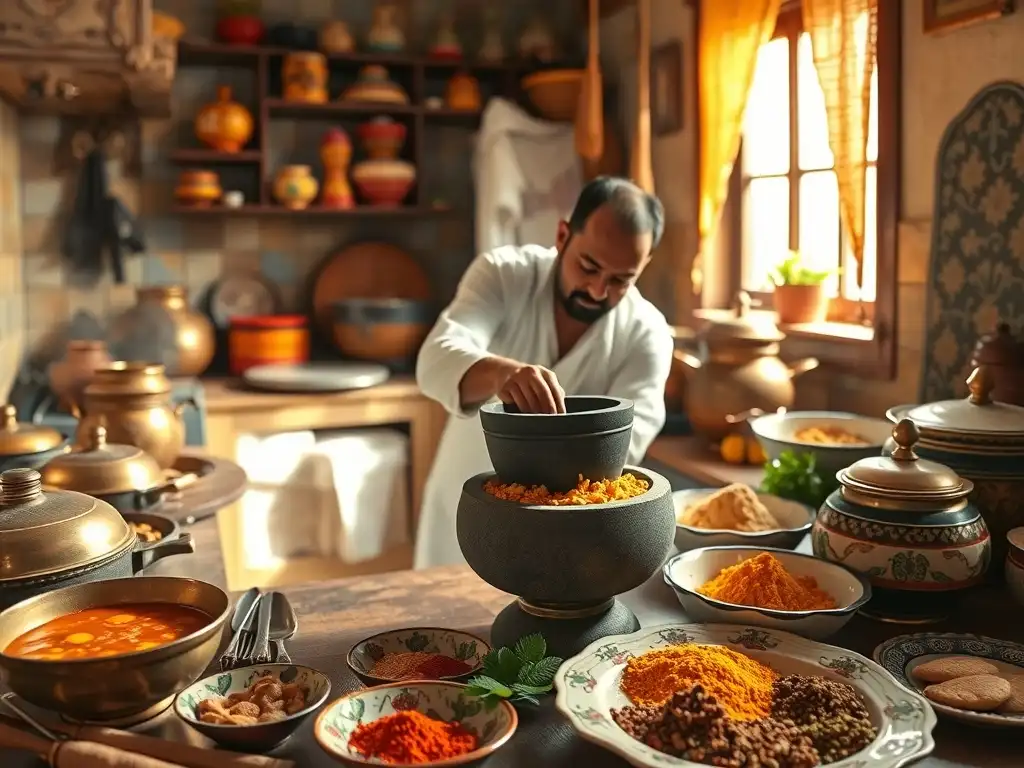
South India is renowned for its intricate use of spices and diverse culinary practices. The region’s cuisine varies significantly from the rich, creamy dishes of Karnataka to the fiery flavors of Andhra Pradesh. Culinary tours in this part of India often center around iconic dishes like dosa, idli, and sambar, with a focus on the use of fresh coconut, curry leaves, and mustard seeds.
Participants can engage in hands-on cooking classes, learning the secrets of preparing traditional South Indian meals. Local markets brim with fresh produce and spices, offering a sensory delight as participants explore the vibrant colors and aromas. The emphasis on vegetarian meals in many South Indian cuisines also highlights the region's cultural and religious significance surrounding food.
3. East India Culinary Journeys: Sweet and Savory
East India presents a unique blend of sweet and savory flavors, with its cuisine heavily influenced by local ingredients and traditions. The region is famous for its fish curry, pakhala (fermented rice), and an array of sweets like rasgulla and sandesh. Culinary tours in East India often traverse through states like West Bengal and Odisha, allowing travelers to sample the freshness of seafood and the complexity of Bengali spices.
These tours often include visits to local households where traditional cooking practices are preserved. Guests can partake in the preparation of authentic dishes, learning about the significance of ingredients and cooking methods. The exploration of local sweet shops is also a highlight, as participants can indulge in the rich dessert culture that East India is known for.
4. West India Culinary Adventures: Rich and Robust Flavors
West India is characterized by its diverse culinary heritage, encompassing flavors that range from the fiery curries of Maharashtra to the sweet and spicy dishes of Gujarat. Culinary tours in this region are an adventure for the palate, featuring iconic dishes such as vada pav, dhokla, and vindaloo.
Participants can explore bustling markets, savoring local snacks and street food while learning about the region's agricultural bounty. Cooking classes often feature traditional recipes passed down through generations, focusing on the use of locally sourced spices and ingredients. The vibrant culture and communal dining practices further enhance the culinary experience, making it a memorable journey through West Indian flavors.
Unique Culinary Experiences: Cooking Classes and Local Markets
Beyond traditional culinary tours, unique experiences such as cooking classes and visits to local markets offer a hands-on approach to understanding ancient Indian regional cuisines. These classes often take place in local homes or cooking schools, where participants can learn to prepare regional specialties while engaging with skilled chefs who share their culinary wisdom.
Local markets play a crucial role in these experiences, providing a glimpse into the daily life of local communities. Participants can explore stalls brimming with fresh produce, spices, and artisanal products. Engaging with local vendors enriches the experience, offering insights into the sourcing and significance of ingredients used in ancient Indian cooking.
Overall, the exploration of ancient Indian regional cuisines through culinary tours, cooking classes, and market visits not only tantalizes the taste buds but also fosters a deeper appreciation for the rich cultural heritage that shapes India's culinary landscape.
The Role of Ancient Indian Ingredients in Modern Cuisine
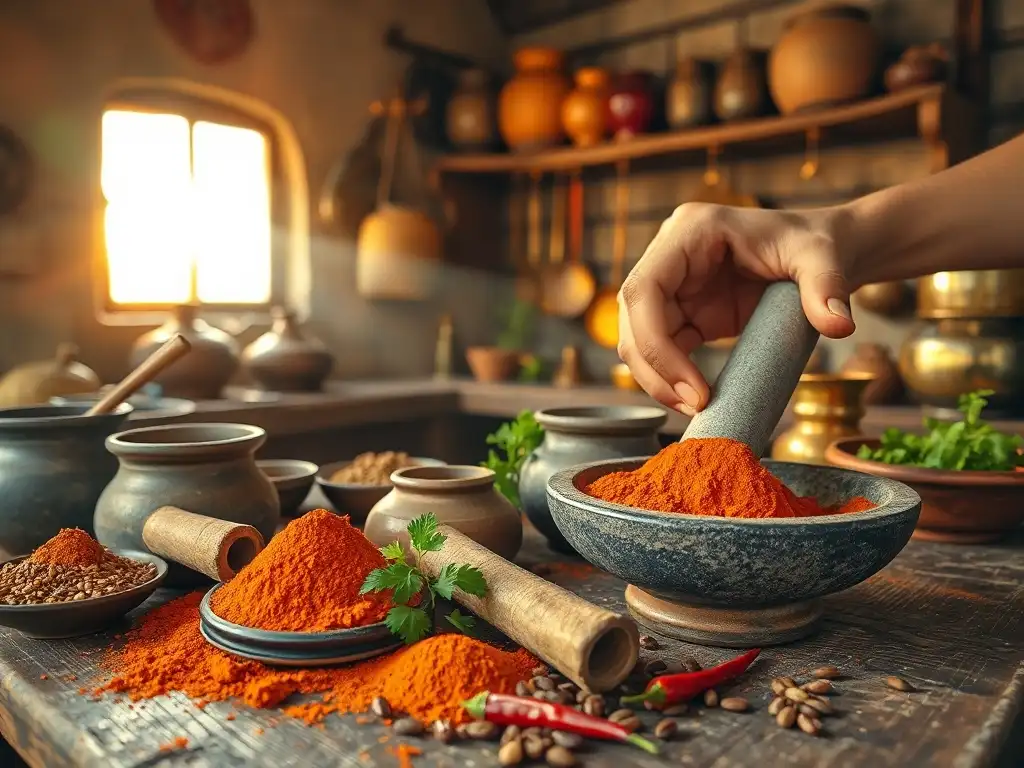
Ancient Indian regional cuisines are deeply rooted in the rich tapestry of the subcontinent's history, with ingredients that date back thousands of years. These ingredients not only contribute unique flavors but also offer insight into the agricultural practices and trade routes of ancient civilizations. Spices like turmeric, black pepper, and cardamom, which were highly prized in ancient times, continue to be staples in modern Indian cooking.
The use of ancient grains such as millet, barley, and rice varieties also plays a crucial role in contemporary dishes. For instance, millet, once a primary crop in the Indus Valley Civilization, has regained popularity due to its health benefits and sustainability. Modern chefs are increasingly incorporating these ancient ingredients to create dishes that honor tradition while appealing to contemporary palates.
Furthermore, the art of fermentation, a technique that has been practiced in India for centuries, enhances flavor and nutrition in modern culinary practices. Dishes like idli and dosa not only showcase the ingenuity of ancient food preservation methods but also reflect the ongoing evolution of regional cuisines. As chefs and food enthusiasts delve into the culinary heritage of India, they are rediscovering these ingredients, creating a bridge between the past and present.
The Impact of Culinary Tourism on Local Economies
Culinary tourism has emerged as a significant driver of economic growth in various regions of India, particularly those rich in ancient culinary traditions. By promoting local cuisines through culinary tours, several regions have experienced an increase in tourism, which in turn boosts local businesses. Farmers, artisans, and food producers benefit from this influx, as tourists seek authentic culinary experiences that highlight ancient Indian regional cuisines.
Additionally, culinary tourism fosters a greater appreciation for local ingredients and traditional cooking methods. This not only revitalizes interest in ancient practices but also encourages sustainable agricultural practices. For example, the resurgence of interest in organic farming and heritage crops is often linked to the demand for authentic regional dishes that reflect the local terroir.
Moreover, culinary tourism creates job opportunities for locals, from tour guides to chefs, further contributing to the economic landscape. Workshops, cooking classes, and food festivals centered around ancient cuisines attract both domestic and international tourists, enriching the cultural fabric of each region while ensuring that traditional culinary arts are preserved for future generations.
Conclusion: Savoring the History of Ancient Indian Regional Cuisines
Exploring ancient Indian regional cuisines through culinary tours offers a unique opportunity to savor not just the flavors but also the history embedded in each dish. From the spices that traveled along trade routes to the cooking techniques passed down through generations, every meal tells a story of India’s rich culinary heritage.
As travelers engage with local chefs and home cooks, they gain a deeper understanding of the cultural significance of food in ancient societies. This connection to history enriches the dining experience, making each bite a journey through time. Culinary tourism, therefore, serves as a vital link between the past and the present, allowing us to appreciate the evolution of flavors while honoring ancient traditions.
The exploration of ancient Indian regional cuisines through culinary tours not only tantalizes the taste buds but also nurtures a profound respect for the diverse culinary practices that have shaped India’s identity. As we continue to savor these flavors, we also preserve the history and culture of ancient India for future generations to relish.
Call to Action: Plan Your Culinary Tour Today
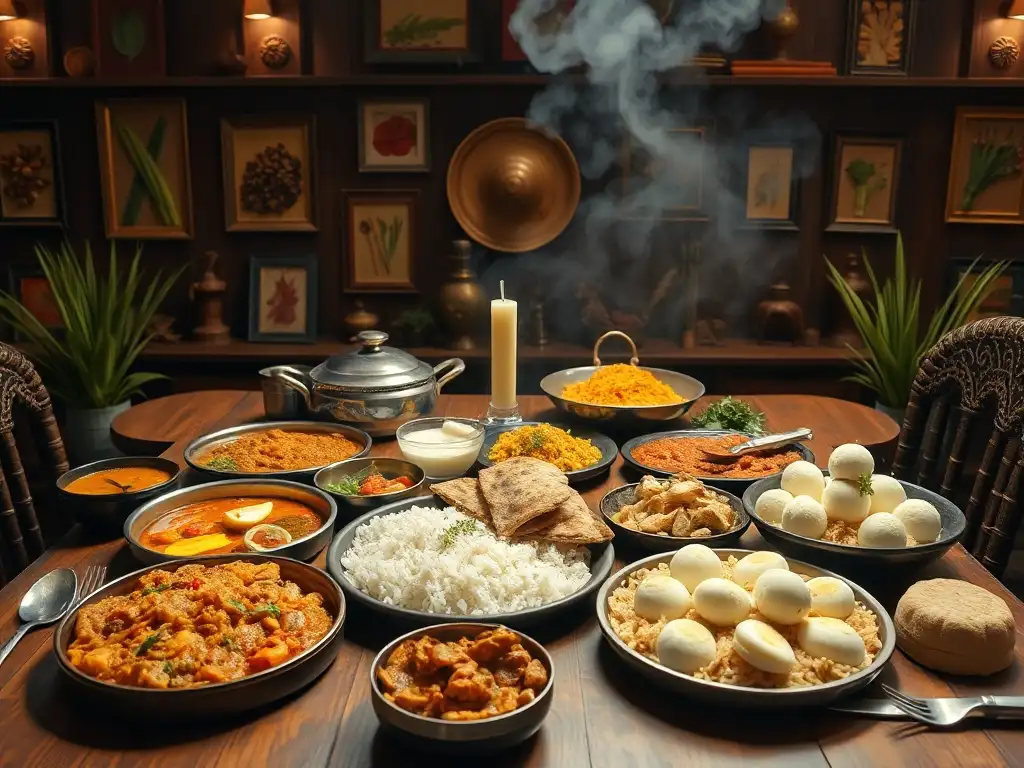
Embarking on a culinary tour through the diverse regions of ancient India is an enriching experience that allows you to taste history, culture, and tradition in every bite. From the spicy and aromatic dishes of the South to the rich and creamy curries of the North, each region offers unique flavors and cooking techniques that reflect its heritage.
Here’s how to get started on planning your culinary adventure:
- Research Destinations: Identify which regions you are most interested in exploring. Whether it's the coastal delights of Kerala, the vibrant street food of Delhi, or the royal cuisines of Rajasthan, each offers a unique culinary perspective.
- Select a Tour Company: Look for reputable culinary tour operators specializing in ancient Indian regional cuisines. They can provide knowledgeable guides and authentic experiences that delve into the historical significance of each dish.
- Create Your Itinerary: Decide on the duration of your tour and the specific culinary experiences you wish to include, such as cooking classes, market visits, and food tastings.
- Book in Advance: Popular tours can fill up quickly, especially during peak travel seasons. Booking in advance ensures you get the most out of your culinary exploration.
- Stay Open-Minded: Be prepared to try new dishes and flavors. Ancient Indian regional cuisines are diverse, and you may discover new favorites along the way.
Ready to set your taste buds on an unforgettable journey? Start planning your culinary tour today and immerse yourself in the flavors of ancient India! 🍽️
Additional Resources and Reading
To deepen your understanding of ancient Indian regional cuisines and enhance your culinary journey, consider exploring the following resources:
- Books:
- Culinary Cultures of India by John Doe: A comprehensive guide to the history and evolution of Indian cuisines.
- The Spice Route: A History by Jane Smith: An engaging look at the spices that shaped ancient Indian cooking.
- Documentaries:
- Flavors of India: A visual journey exploring the diverse culinary landscapes across India.
- The Great Indian Kitchen: A documentary series focusing on traditional cooking methods and recipes from various regions.
- Online Courses:
- Culinary Institute of India: Offers online classes on traditional Indian cooking techniques and recipes from various regions.
- MasterClass by Celebrity Chefs: Includes modules on Indian cuisine, showcasing authentic recipes and cultural insights.
- Food Blogs and Websites:
- Spices and Savor: A blog that dives into ancient recipes and their historical contexts.
- Taste of India: Offers a collection of recipes, cooking tips, and regional food guides.
By utilizing these resources, you can gain a richer appreciation of the intricate flavors and histories behind ancient Indian regional cuisines.
Final Thoughts on Exploring Ancient Indian Regional Cuisines
Exploring ancient Indian regional cuisines is more than just a culinary journey; it is a profound exploration of history, culture, and identity. Each dish tells a story, revealing the influences of geography, trade, and tradition. As you navigate through the myriad flavors—from sweet to savory, and spicy to tangy—you will uncover the essence of India’s rich culinary heritage.
Participating in culinary tours not only allows you to taste these regional delicacies but also provides insights into the cooking techniques and cultural significance behind them. Engaging with local chefs, home cooks, and food historians enriches your experience, making it not just a meal but a connection to the past.
As you savor the diverse offerings from the Indus Valley to the Gupta Empire, remember that each bite is a celebration of centuries of culinary evolution. So, whether you’re a seasoned foodie or a curious traveler, the world of ancient Indian regional cuisines awaits your discovery. Join the journey and relish the flavors that have shaped a civilization! 🌏🍛
- Introduction to Ancient Indian Regional Cuisines
- Exploring the Roots of Indian Cuisine
- Top Culinary Tours in India: A Journey Through Regional Flavors
- 1. North India Culinary Tours: A Taste of Tradition
- 2. South India Culinary Experiences: Spice and Flavor
- 3. East India Culinary Journeys: Sweet and Savory
- 4. West India Culinary Adventures: Rich and Robust Flavors
- Unique Culinary Experiences: Cooking Classes and Local Markets
- The Role of Ancient Indian Ingredients in Modern Cuisine
- The Impact of Culinary Tourism on Local Economies
- Conclusion: Savoring the History of Ancient Indian Regional Cuisines
- Call to Action: Plan Your Culinary Tour Today
- Additional Resources and Reading
- Final Thoughts on Exploring Ancient Indian Regional Cuisines
Frequently Asked Questions
What are the different regional cuisines of ancient India?
Ancient India boasts a variety of regional cuisines influenced by geography, climate, and local produce. Each region, from the Indus Valley to the Gupta Empire, developed unique flavors and cooking techniques.
How did the Indus Valley Civilization influence cuisine?
The Indus Valley Civilization laid the foundation for ancient Indian culinary practices, emphasizing the use of agriculture and diverse ingredients. Their advanced urban planning supported food storage and trade, enhancing food variety.
What role did spices play in ancient Indian cooking?
Spices were integral to ancient Indian cuisine, not only for flavor but also for their preservative qualities and medicinal properties. They contributed to the trade routes, making India a hub for spice commerce.
How has ancient Indian cuisine evolved over time?
Ancient Indian cuisine has evolved through interactions with various cultures and empires, leading to innovations in preparation methods and ingredients. This evolution reflects the diverse cultural influences across the subcontinent.
Are there specific culinary tours that focus on ancient Indian cuisines?
Yes, several culinary tours across India focus on ancient cuisines, offering immersive experiences that highlight traditional cooking methods, local ingredients, and the historical significance of various dishes.
Final Reflection: Embracing the Richness of Ancient Indian Regional Cuisines
The exploration of ancient Indian regional cuisines is not just a journey through flavors; it is a profound connection to our cultural heritage. As we delve into the diverse culinary traditions that have evolved over centuries, we uncover stories of communities, histories, and identities that continue to shape our modern palate. The significance of these cuisines resonates deeply today, as they remind us of the importance of preserving our culinary roots in an increasingly globalized world.
Culinary traditions are the threads that weave together the fabric of our society. The regional cuisines of India serve as a testament to the rich tapestry of cultures that coexist within the country. Each dish tells a story, reflecting the geography, climate, and history of its origin.
As we savor these flavors, we not only indulge our taste buds but also honor the generations of cooks and families who have passed down their culinary wisdom. > “Food is the ingredient that binds us together.” This quote encapsulates the essence of how food transcends boundaries and fosters a sense of belonging among diverse communities.
As you reflect on the vibrant culinary landscape of India, I invite you to embark on your own journey of discovery. Consider exploring the ancient regional cuisines that surround you, whether through cooking, dining, or sharing stories with others. Let the flavors inspire you to appreciate the depth of our cultural heritage and to advocate for the preservation of these culinary traditions. In doing so, you not only enrich your own life but also contribute to the legacy of ancient Indian cuisines for future generations to savor and cherish.
Embark on Your Culinary Adventure Today!
Thank you for taking the time to explore the rich tapestry of India's regional cuisines with us! You’ve uncovered the unique flavors and traditions that make each region special. Now, let’s bring those culinary delights to life.
Here are a few inspiring steps to start your journey:
- Join a local culinary tour in your area to discover the hidden gems of Indian cuisine.
- Experiment with cooking a traditional dish from one of the regions you explored, and don’t forget to share your creation on social media!
- Connect with fellow food enthusiasts in online forums or local groups to exchange recipes and share your culinary experiences.
What new dish are you eager to try cooking first, and what draws you to it? Share your thoughts below and inspire others to join in the culinary fun!