
The Influence of Kautilya’s Arthashastra on Mauryan Administration

Welcome to Ancient India History, where we embark on a journey through the fascinating tapestry of ancient Indian civilizations. Dive deep into the intricacies of governance as we explore the profound impact of Kautilya’s Arthashastra on the Mauryan administration. Discover how this ancient text shaped political strategies and administrative practices, leaving an indelible mark on history. Are you ready to unravel the secrets of one of the most influential thinkers of his time? Continue reading to uncover the timeless wisdom of Kautilya and its relevance in shaping the governance of the Mauryan Empire!
- Introduction to Kautilya and the Arthashastra
- The Mauryan Empire: A Brief Historical Context
- Core Concepts of Kautilya’s Arthashastra
- Kautilya's Arthashastra and Its Application in Mauryan Governance
- Economic Strategies in the Arthashastra and Their Influence
- Military Strategy and Security in Kautilya’s Arthashastra
- Kautilya’s Vision of Statecraft: Ethics and Morality
- The Legacy of Kautilya’s Arthashastra on Future Indian Governance
- Conclusion: The Enduring Influence of Kautilya’s Arthashastra on Mauryan Governance
- Frequently Asked Questions
- Final Reflection: The Enduring Legacy of Kautilya’s Arthashastra in Mauryan Governance
- Unveil the Legacy of Kautilya's Wisdom!
Introduction to Kautilya and the Arthashastra
Kautilya, also known as Chanakya, stands as one of the most influential figures in ancient Indian history, particularly in the realm of political thought and administration. His seminal work, the Arthashastra, serves as a comprehensive treatise on statecraft, economics, and military strategy. Composed in the 4th century BCE, this text not only reflects the complexities of governance during the Mauryan Empire but also provides insights into the philosophical underpinnings of power and authority in ancient India. The Arthashastra is often regarded as one of the earliest examples of political science, laying down principles that have transcended time and geography.
Within the context of the Mauryan Empire, the insights derived from Kautilya's writings significantly shaped the administration and governance strategies employed by its rulers. As we delve deeper into the intricacies of Kautilya’s influence, it becomes evident that the Arthashastra was not merely a manual for rulers; it was a blueprint for effective governance that emphasized pragmatism, strategic thinking, and a nuanced understanding of human nature. This article will explore the profound impact of Kautilya’s Arthashastra on Mauryan administration and its lasting legacy in the annals of Indian political thought.
Overview of Kautilya’s Influence on Governance
Kautilya’s Arthashastra provides a detailed analysis of various aspects of governance, illustrating how rulers could effectively manage their kingdoms. His pragmatic approach emphasized the importance of realpolitik, where the ends often justified the means. This perspective influenced the Mauryan administration in several key ways:
- Centralized Authority: Kautilya advocated for a strong, centralized government that could maintain order and implement policies efficiently. His strategies encouraged the Mauryan rulers, particularly Chandragupta Maurya and his grandson Ashoka, to establish a robust administrative framework that facilitated control over vast territories.
- Intelligence and Espionage: One of Kautilya's notable contributions was the emphasis on intelligence networks. He believed that understanding the political landscape through espionage was crucial for a ruler's survival and success. This approach was adopted by Mauryan officials, who employed spies to gather information about both domestic affairs and foreign threats.
- Economic Management: The Arthashastra delves into economic policies, advocating for state intervention in trade and agriculture. Kautilya's insights helped the Mauryan Empire to flourish economically, as the administration focused on revenue generation and resource management, thereby ensuring stability and growth.
Importance of the Arthashastra in Ancient Indian Political Thought
The significance of Kautilya's Arthashastra extends beyond its immediate impact on Mauryan governance; it is a foundational text in the study of political philosophy in ancient India. Its enduring relevance can be attributed to several factors:
- Holistic Approach to Governance: The Arthashastra covers a wide range of topics, including economics, law, diplomacy, and military strategy, making it a comprehensive guide for rulers. This holistic perspective has influenced political thought not only in India but also in various global contexts.
- Realism in Politics: Kautilya's emphasis on realism and practical solutions has resonated through the ages. His acknowledgment of the complexities of human nature and the unpredictable nature of political power has made the Arthashastra a reference point for scholars and leaders alike.
- Influence on Subsequent Texts: The concepts introduced in the Arthashastra have been echoed in later political writings, showcasing its lasting impact on Indian political philosophy. It laid the groundwork for subsequent thinkers who explored governance, ethics, and statecraft.
Kautilya's Arthashastra is not only a crucial artifact of ancient Indian history but also a testament to the sophisticated understanding of governance that characterized the Mauryan Empire. Its principles continue to inspire and inform contemporary discussions on governance and political strategy.
The Mauryan Empire: A Brief Historical Context
The Mauryan Empire, established in the 4th century BCE, marked a significant turning point in ancient Indian history. It was the first empire to unify the Indian subcontinent under a centralized governance system. The empire's foundation is attributed to Chandragupta Maurya, who, with the guidance of his advisor Kautilya (also known as Chanakya), overthrew the Nanda Dynasty. This era saw the establishment of a sophisticated administrative framework that would later be elaborated upon in Kautilya's seminal work, the Arthashastra.
The Mauryan Empire reached its zenith under Ashoka the Great, who expanded its boundaries through military conquests and strategic diplomacy. However, it was during Ashoka's reign that the focus shifted from military might to moral governance, emphasizing welfare and ethical administration. This transformation in governance can be traced back to the principles laid out in the Arthashastra, which provided a comprehensive guide on statecraft, economics, and military strategy.
The Rise of the Mauryan Empire
The rise of the Mauryan Empire can be attributed to several key factors:
- Political Instability of the Nanda Dynasty: The Nanda Dynasty's decline created a power vacuum that Chandragupta Maurya capitalized on. His ability to gather support from various factions laid the groundwork for the establishment of Mauryan rule.
- Strategic Alliances: Chandragupta formed alliances with local rulers and tribes, which helped him consolidate power. His relationship with Kautilya was crucial in crafting these alliances.
- Military Innovations: The Mauryan military was well-organized and utilized innovative strategies, including the formation of infantry, cavalry, and war elephants. This military strength was instrumental in expanding the empire's territory.
- Economic Resources: The fertile plains of the Ganges and trade routes facilitated economic growth, providing the Mauryan Empire with the necessary resources for administration and military campaigns.
The rise of the Mauryan Empire not only reshaped the political landscape of ancient India but also set the stage for significant advancements in governance, which would later be influenced by Kautilya's Arthashastra.
Key Figures in Mauryan Administration
The Mauryan administration was characterized by several key figures who played pivotal roles in shaping its governance:
- Chandragupta Maurya: As the founder of the Mauryan Empire, he implemented Kautilya's strategies and laid the foundation for a centralized government, focusing on the principles of power and authority.
- Kautilya (Chanakya): As Chandragupta's chief advisor, Kautilya's insights into statecraft were instrumental in the empire's success. His Arthashastra remains a vital resource for understanding the intricacies of political strategy and administration.
- Ashoka the Great: The third Mauryan emperor, Ashoka, expanded the empire to its greatest extent. His conversion to Buddhism and emphasis on moral governance transformed the administration, incorporating welfare and ethical principles into statecraft.
- Vishnugupta: Another notable figure, believed to be an influential minister during Ashoka's reign, contributed to the implementation of policies that aligned with Kautilya's teachings, especially in aspects of governance and economic management.
These key figures not only shaped the Mauryan Empire's policies but also left a lasting legacy on the principles of governance as articulated in the Arthashastra.
Overview of Mauryan Governance Structures
The governance structure of the Mauryan Empire was highly organized and sophisticated, reflecting the principles outlined in Kautilya's Arthashastra. Key features of this structure included:
- Centralized Administration: The Mauryan Empire operated under a centralized form of governance, with the emperor at the apex. The administration was divided into various departments, each headed by a minister responsible for specific functions, such as finance, law, and military.
- Provincial Administration: The empire was divided into provinces, known as Mahajanapadas, each governed by a Rajuka or Uparika. These provincial governors were tasked with maintaining law and order, collecting taxes, and implementing the emperor's policies.
- Bureaucratic Framework: A well-defined bureaucratic system supported the administration, with officials appointed based on merit rather than birth. This system facilitated efficient governance and allowed for the implementation of Kautilya's strategies in economic and military matters.
- Legal and Economic Systems: The Mauryan Empire had a structured legal system based on the principles of justice outlined in the Arthashastra. Economic policies were also deeply rooted in this treatise, focusing on trade, taxation, and resource management to ensure the empire's prosperity.
The Mauryan governance structures not only showcased the influence of Kautilya's Arthashastra but also set a precedent for future Indian administrations, emphasizing the importance of effective governance, strategic planning, and ethical principles in statecraft.
Core Concepts of Kautilya’s Arthashastra
Kautilya’s Arthashastra is a foundational text that significantly influenced the governance and administrative strategies of the Mauryan Empire. Written by Kautilya, also known as Chanakya, this treatise serves as a comprehensive guide on statecraft, economics, military strategy, and political philosophy. It emphasizes the importance of pragmatic governance, where the ends often justify the means. Understanding the core concepts of the Arthashastra is essential to grasp how it shaped Mauryan administration.
Theoretical Foundations of Kautilya’s Political Philosophy
Kautilya's political philosophy is rooted in a realistic view of human nature and statecraft. He believed that political power is essential for the stability and prosperity of the state. The key theoretical foundations include:
-
Realpolitik: Kautilya advocated for a pragmatic approach to governance, emphasizing the necessity of power and strategy over idealism. He argued that rulers must be shrewd and calculated in their decisions, often employing manipulation and deception to achieve state objectives.
-
Saptanga (Seven Components of State): Kautilya outlined seven critical elements necessary for a sovereign state:
- Swamin (the ruler)
- Amatya (the minister)
- Janapada (the territory)
- Durg (the fort)
- Kosa (the treasury)
- Danda (the army)
- Mitra (the ally)
Each component must work cohesively to ensure a strong and effective governance structure.
-
Importance of Knowledge: Knowledge, or vidya, is a recurring theme in the Arthashastra. Kautilya emphasized that a ruler must possess wisdom and intelligence, as these traits are crucial for effective decision-making and governance.
Key Principles of Governance in the Arthashastra
The Arthashastra lays out several key principles that formed the backbone of Mauryan governance:
- Centralization of Power: Kautilya advocated for a strong central authority, where the king holds significant power and responsibility. This centralized approach allowed for more efficient administration, as decisions could be made swiftly without bureaucratic delays.
- Economic Management: Economic stability is vital for a prosperous state. Kautilya provided detailed guidelines on taxation, trade, and resource management, ensuring that the state's treasury remained robust. He believed that the ruler should actively engage in economic activities to ensure prosperity.
- Surveillance and Espionage: Kautilya placed great emphasis on intelligence gathering. He recommended the use of spies and informants to monitor both allies and enemies, allowing the ruler to make informed decisions and maintain control over the state.
- Diplomacy: The Arthashastra highlights the importance of diplomacy in governance. Kautilya advised rulers to employ diplomatic strategies to build alliances and manage conflicts, recognizing that military action should be a last resort.
The Role of Dharma and Artha in Administration
In the context of Kautilya’s Arthashastra, the concepts of dharma (moral duty) and artha (material prosperity) are interlinked and play significant roles in governance:
- Dharma: While Kautilya is often viewed as a proponent of ruthless pragmatism, he acknowledged the importance of dharma in governance. A ruler must ensure that their actions align with ethical standards and the welfare of the people. This balance between moral duty and political necessity is crucial for sustainable governance.
- Artha: Kautilya viewed artha as the foundation of a thriving state. He emphasized that the pursuit of material wealth and resources is critical for the maintenance of power and the welfare of the populace. Effective administration must focus on enhancing economic prosperity, which in turn supports the state’s stability and strength.
Kautilya’s Arthashastra provides a holistic framework for understanding Mauryan governance, blending realistic political strategies with ethical considerations. Its influence on the administrative practices of the Mauryan Empire underscores its enduring significance in the study of ancient Indian political thought.
Kautilya's Arthashastra and Its Application in Mauryan Governance

Kautilya's Arthashastra is a seminal text in ancient Indian political philosophy and governance, attributed to the scholar Chanakya (Kautilya) who played a pivotal role during the rise of the Mauryan Empire. This treatise offers a comprehensive guide on statecraft, economics, military strategy, and administrative practices. Its principles not only influenced the governance of the Mauryan Empire but also laid down a framework that would resonate through subsequent Indian political thought.
The Arthashastra is divided into numerous sections that address various aspects of governance, including the importance of a well-structured state, the duties of rulers, and the significance of intelligence and espionage in maintaining authority. Kautilya emphasized pragmatism and realpolitik, advocating for policies that prioritized the stability and prosperity of the state over moralistic considerations. This pragmatic approach was crucial in shaping the Mauryan administration's strategies and policies.
Implementation of Arthashastra Principles in Mauryan Policies
The Mauryan Empire, particularly under the reign of Chandragupta Maurya and his grandson Ashoka, exemplified the application of Kautilya's principles. The text's guidance on economic management, law enforcement, and diplomatic relations was translated into concrete policies that facilitated the empire's expansion and consolidation.
- Economic Policies: Kautilya stressed the importance of a robust economy as the backbone of a powerful state. The Mauryan administration implemented extensive taxation systems and promoted trade through the establishment of trade routes and markets. This not only ensured revenue generation but also enhanced commerce and facilitated cultural exchange.
- Taxation: The Mauryans employed a systematic taxation framework, which included land revenue, trade taxes, and excise duties. These taxes were essential for funding the state’s military and administrative functions.
- Military Strategy: Kautilya advocated for a strong military as a deterrent against external threats. The Mauryan Empire maintained a formidable army, employing strategies from the Arthashastra to ensure effective governance and security.
- Espionage: The use of spies, as prescribed in the Arthashastra, was integral to Mauryan governance. Intelligence gathering allowed the rulers to preempt threats and maintain internal stability.
- Diplomacy: The text emphasizes the significance of alliances and diplomacy in statecraft. The Mauryan Empire engaged in strategic alliances and negotiations with neighboring states to enhance its influence and security.
The Role of the King and His Advisors in Governance
In the Mauryan Empire, the king was not merely a figurehead but the central authority responsible for the administration's success. Kautilya's Arthashastra outlines the qualities of a good ruler, emphasizing wisdom, decisiveness, and a deep understanding of state affairs. The king's role was complemented by a council of advisors, which included ministers, spies, and finance officers who played vital roles in governance.
- King's Responsibilities: The king was expected to embody the principles of dharma (righteousness) while also being pragmatic in his approach. He had to balance moral obligations with the need for effective governance.
- Decision Making: The king relied heavily on the advice of his ministers, who were selected for their expertise and loyalty. The decision-making process was collaborative, ensuring that various perspectives were considered.
- Advisors' Roles: Kautilya emphasized the importance of having knowledgeable advisors who could provide insights into military, economic, and diplomatic matters.
- Council of Ministers: The council included various specialists, such as the Mantrin (minister), Amatya (high official), and Dharma Mahamatra (moral officer), each responsible for specific administrative functions.
Administrative Hierarchy: Structure and Function
The Mauryan administration was characterized by a well-defined hierarchical structure that reflected Kautilya's vision as articulated in the Arthashastra. This structure ensured efficient governance and effective implementation of policies across the vast empire.
- Central Administration: At the apex was the emperor, supported by a council of ministers. The central administration was responsible for formulating policies and managing the empire's affairs.
- Role of Governors: The empire was divided into provinces, each governed by a Uparika (provincial governor) who implemented the central policies and ensured local law and order.
- Regional and Local Administration: Below the provincial level, the administration was further divided into districts and villages. Local officials, such as Pradeshikas (district officers) and Grahapati (village headmen), played crucial roles in implementing governance at the grassroots level.
- Duties and Responsibilities: Each level of administration had clearly defined duties, including tax collection, law enforcement, and public welfare, ensuring that the needs of the citizens were met.
- Judicial System: The Arthashastra also provided a framework for the judiciary. The emperor served as the highest judge, but local courts handled most disputes, reflecting Kautilya's emphasis on justice as a means to maintain order and stability.
Kautilya's Arthashastra significantly shaped Mauryan governance, providing practical guidelines that enabled the empire to flourish. Its principles of effective administration, economic management, and strategic diplomacy laid the foundation for a centralized state that could manage its expansive territories and ensure the welfare of its people. The legacy of Kautilya's insights continues to resonate in discussions of governance and statecraft in India.
Economic Strategies in the Arthashastra and Their Influence
The Arthashastra, authored by Kautilya, serves as a foundational text on statecraft and economic policy in ancient India. It profoundly influenced the administrative framework of the Mauryan Empire, particularly in the areas of economic strategies that shaped governance. Kautilya's pragmatic approach to economics, emphasizing efficiency and control, laid the groundwork for a robust Mauryan administration that thrived on systematic revenue generation and resource management.
Taxation and Revenue Generation in Mauryan Administration
Kautilya's strategies for taxation were pivotal in establishing a stable revenue system within the Mauryan Empire. His principles can be categorized into several key areas:
- Taxation Structure:
- Kautilya advocated for a graduated tax system, where the tax rate varied according to the wealth of individuals and the nature of their professions. This adaptive approach ensured a fair distribution of the tax burden.
- He recommended a tax rate of around 25% on agricultural produce, which was a significant source of revenue for the state.
- Types of Taxes:
- The Arthashastra identified multiple forms of taxation, including:
- Land revenue: The primary source of income for the state, derived from agricultural output.
- Trade taxes: Levied on goods exchanged within and outside the empire, contributing significantly to the Mauryan coffers.
- Custom duties: Imposed on the import and export of goods, further enhancing state revenue.
- The Arthashastra identified multiple forms of taxation, including:
- Revenue Collection Mechanisms:
- Kautilya emphasized the importance of a well-organized bureaucracy to oversee the collection of taxes. This included appointing officials (Amatyas) responsible for different regions to ensure accountability and efficiency.
- The text also recommended the use of informants to report tax evasion, thereby maintaining compliance among the populace.
Trade Policies and Economic Prosperity
The Arthashastra also delineated comprehensive trade policies that were instrumental in fostering economic prosperity during the Mauryan era. Key elements included:
- Promotion of Trade:
- Kautilya recognized trade as a vital economic activity and encouraged the development of trade routes. He suggested establishing trade guilds that would facilitate commerce and protect merchants.
- The Mauryan Empire invested in infrastructure, such as roads and ports, to enhance connectivity and ease of trade.
- Regulation of Markets:
- The Arthashastra highlighted the need for state regulation of markets to prevent monopolies and ensure fair pricing. Kautilya advocated for the establishment of market inspectors to oversee transactions and maintain order.
- Pricing strategies were developed to ensure that essential goods remained affordable for the common populace, promoting economic stability.
- Foreign Trade Relations:
- Kautilya's insights extended to foreign trade, encouraging diplomatic relations that would facilitate trade agreements. The Mauryan Empire engaged in commerce with various regions, including the Mediterranean and Southeast Asia, thus enriching its economy through diverse trade routes.
Resource Management and State Control
Effective resource management was crucial to the administration of the Mauryan Empire, as emphasized in the Arthashastra. Kautilya's recommendations included:
- State Control of Natural Resources:
- Kautilya argued for state ownership of key natural resources, particularly minerals and forests, to ensure that the empire's wealth was maximized. This control allowed the state to regulate extraction and trade.
- The establishment of state monopolies on certain goods, such as salt and iron, was a strategic move that provided significant revenue streams.
- Agricultural Development:
- The Arthashastra underscored the importance of agriculture as the backbone of the economy. Kautilya advocated for investment in irrigation and land reclamation projects to boost agricultural productivity.
- He proposed the implementation of agricultural cooperatives to aid farmers in increasing yields and sharing resources effectively.
- Crisis Management:
- Kautilya recognized the need for contingency plans to manage economic crises, such as famines or invasions. He advised the accumulation of strategic reserves of essential commodities to ensure the state could respond effectively to such challenges.
- The text also called for the establishment of trade networks that could be utilized in times of need to secure necessary supplies from allied regions.
Kautilya's Arthashastra provided a comprehensive framework for economic strategies that significantly influenced Mauryan governance. By focusing on taxation, trade policies, and resource management, the Mauryan administration established a thriving economy that laid the foundation for one of ancient India's most powerful empires.
Military Strategy and Security in Kautilya’s Arthashastra
Kautilya’s Arthashastra is not merely a treatise on statecraft but also a comprehensive guide to military strategy and security. The text delves into various aspects of warfare and the organization of military resources, reflecting the significance of a robust defense mechanism in the governance of ancient India. Kautilya, also known as Chanakya, emphasized that a ruler must ensure the security of the state through well-planned military strategies that encompass not just offensive tactics but also defensive measures.
Military Organization and Strategy in the Mauryan Empire
The Mauryan Empire, under the leadership of Chandragupta Maurya and later his grandson Ashoka, exemplified the implementation of Kautilya’s military strategies. The Arthashastra outlined the need for a well-structured army comprising various divisions, including infantry, cavalry, and war elephants. This organization was crucial for maintaining a formidable military presence and ensuring effective governance across the vast territories of the empire.
- Army Composition:
- Infantry: The backbone of the Mauryan military, trained for both offense and defense.
- Cavalry: Provided mobility and speed during campaigns, crucial for reconnaissance and flanking maneuvers.
- War Elephants: A symbol of power and used effectively in battle formations to instill fear and break enemy lines.
- Military Tactics:
- Kautilya advocated for the use of deception and strategic alliances. This included forming temporary pacts with neighboring states to outmaneuver enemies.
- The use of spies was emphasized, allowing rulers to gather intelligence on adversaries and potential threats.
- Fortifications:
- Emphasis on constructing strong fortifications to protect key cities and trading routes was a hallmark of Mauryan military strategy. The Arthashastra detailed the importance of selecting advantageous geographical locations for fort construction.
Diplomacy and Warfare: Kautilya’s Perspectives
Kautilya’s perspectives on warfare extended beyond mere military action; he believed in the integration of diplomacy as a pivotal component of governance. In the Arthashastra, he proposed that a ruler's success depended on a balance between military might and diplomatic strategy.
- Diplomatic Maneuvers:
- Forming alliances and treaties was vital for strengthening a ruler's position without immediate military confrontation. Kautilya recommended negotiation tactics that could lead to advantageous outcomes for the state.
- Use of Deception:
- Kautilya famously stated that "the end justifies the means." This principle allowed for cunning strategies in both diplomacy and warfare. For example, misleading an enemy about one's military strength could provide a strategic advantage.
- War as a Last Resort:
- While Kautilya recognized the importance of military readiness, he also stressed that war should be a last resort after all diplomatic avenues had been exhausted. This pragmatic approach minimized the loss of resources and lives.
The Impact of Military Strategies on Mauryan Governance
The military strategies outlined in Kautilya’s Arthashastra had a profound impact on the governance of the Mauryan Empire. The effective implementation of these strategies contributed to the stability, expansion, and administration of the empire.
- Centralized Control:
- The organization of the military under a centralized command allowed for swift decision-making, enabling the Mauryan rulers to respond effectively to threats both internal and external.
- Resource Allocation:
- The Arthashastra emphasized the efficient use of resources, ensuring that the military was well-funded and equipped. This not only fortified the army but also reinforced the ruler’s authority.
- Civic Responsibilities:
- Military service was often tied to civic duty, where local populations were involved in defense efforts, fostering a sense of unity and responsibility towards the state.
Kautilya’s Arthashastra provided a foundational framework for military strategy that shaped the governance of the Mauryan Empire. By intertwining military prowess with diplomacy, Kautilya ensured that the Mauryan rulers could maintain their dominance and effectively govern their vast territories.
Kautilya’s Vision of Statecraft: Ethics and Morality
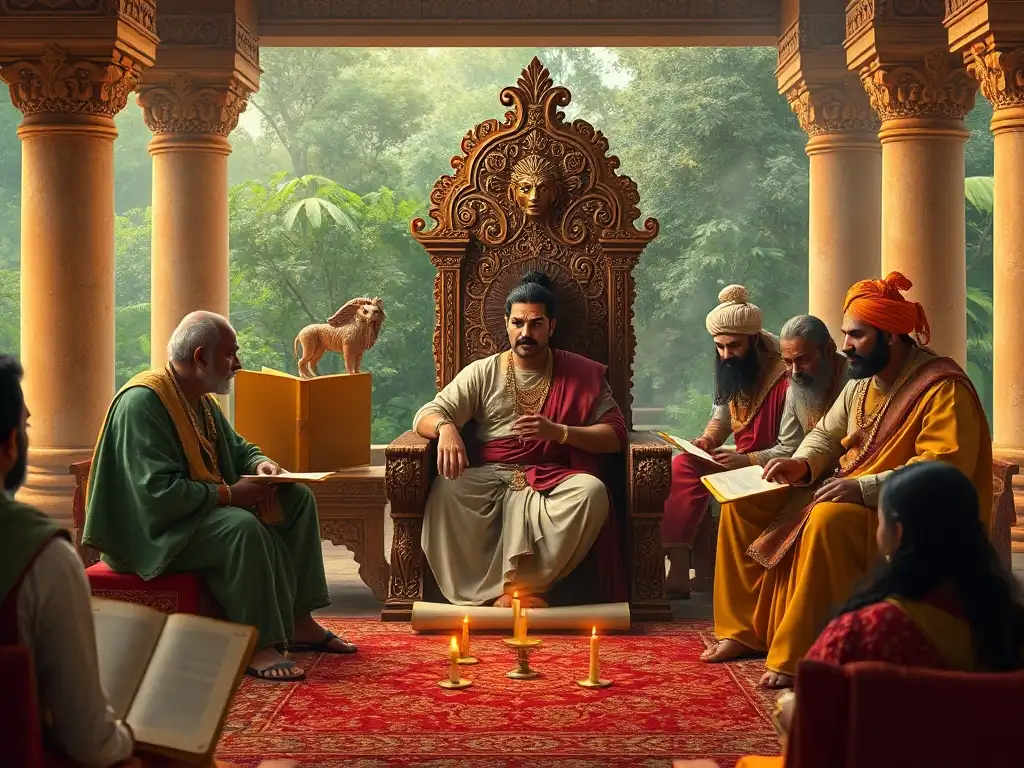
Kautilya, also known as Chanakya, is often regarded as one of the pioneering figures in the realm of political science and statecraft. His seminal work, the Arthashastra, outlines a comprehensive vision of governance that intertwines ethics and morality with practical governance. Kautilya’s perspective is rooted in the belief that a ruler's primary duty is to ensure the stability and prosperity of the state. This vision is characterized by a pragmatic approach to ethics, where the ends often justify the means, especially in matters of state security and economic prosperity.
Kautilya posited that governance is not merely about adhering to ethical principles but also about understanding the complexities of human behavior and societal dynamics. His philosophy emphasizes the importance of wisdom, intelligence, and foresight in leadership. By advocating for a strong and centralized authority, Kautilya's Arthashastra presents a blueprint for rulers to navigate the tumultuous waters of political power while remaining grounded in ethical considerations.
The Moral Implications of Kautilya’s Governance Strategies
The governance strategies articulated in the Arthashastra raise significant moral implications, particularly regarding the use of deceit and manipulation as tools of statecraft. Kautilya argued that a ruler must be shrewd and cunning, employing tactics that may appear unethical in pursuit of the greater good of the state. For instance, the use of spies and intelligence networks was recommended, emphasizing the need for information and surveillance to maintain order and prevent dissent.
Kautilya's assertion that "the world is ruled by deceit" suggests a departure from traditional moral frameworks. Yet, he also recognized the necessity for a ruler to maintain a semblance of morality in the eyes of the populace. Thus, while his strategies might involve morally ambiguous actions, Kautilya advocated for leaders to project an ethical image to ensure public trust and stability. This duality in his approach highlights the tension between moral integrity and practical governance, a theme that continues to resonate in contemporary political discourse.
Balancing Ethics and Pragmatism in Administration
In the context of Mauryan governance, Kautilya's principles required a delicate balance between ethics and pragmatism. The Arthashastra provides guidance on various administrative functions, including taxation, law enforcement, and diplomacy, all of which necessitate a pragmatic approach. For example, Kautilya emphasized the importance of a well-structured bureaucracy, where the selection of officials should be based on merit rather than lineage. This meritocratic stance allowed for efficient governance and effective administration.
Moreover, Kautilya's emphasis on economic management as a foundational aspect of governance underscores the pragmatic nature of his approach. He believed that a prosperous state is better positioned to uphold ethical standards. Therefore, policies aimed at enhancing trade, agriculture, and wealth accumulation were prioritized, as these elements contributed to a stable society. The pragmatic application of Kautilya's strategies reveals the complexity of governance, where ethical considerations must be weighed against the realities of statecraft.
Legacy of Kautilya’s Ethical Framework in Governance
Kautilya’s influence on Mauryan governance extended far beyond his lifetime, leaving a lasting legacy in the realm of political philosophy. His ethical framework, though often perceived as ruthless, laid the foundation for a nuanced understanding of governance that continues to be relevant. The principles outlined in the Arthashastra have inspired countless leaders and scholars, reinforcing the idea that effective governance often requires a blend of ethical considerations and practical strategies.
The impact of Kautilya’s teachings can be seen in various historical contexts, where leaders faced the challenge of navigating moral dilemmas while striving for state stability. In modern governance, his insights into the importance of intelligence, strategic planning, and the moral responsibilities of rulers are echoed in contemporary political thought. The enduring relevance of Kautilya’s Arthashastra serves as a testament to the intricate relationship between ethics and governance, illustrating that the quest for effective administration is as much about moral integrity as it is about pragmatic decision-making.
The Legacy of Kautilya’s Arthashastra on Future Indian Governance
Influence on Later Political Thought in India
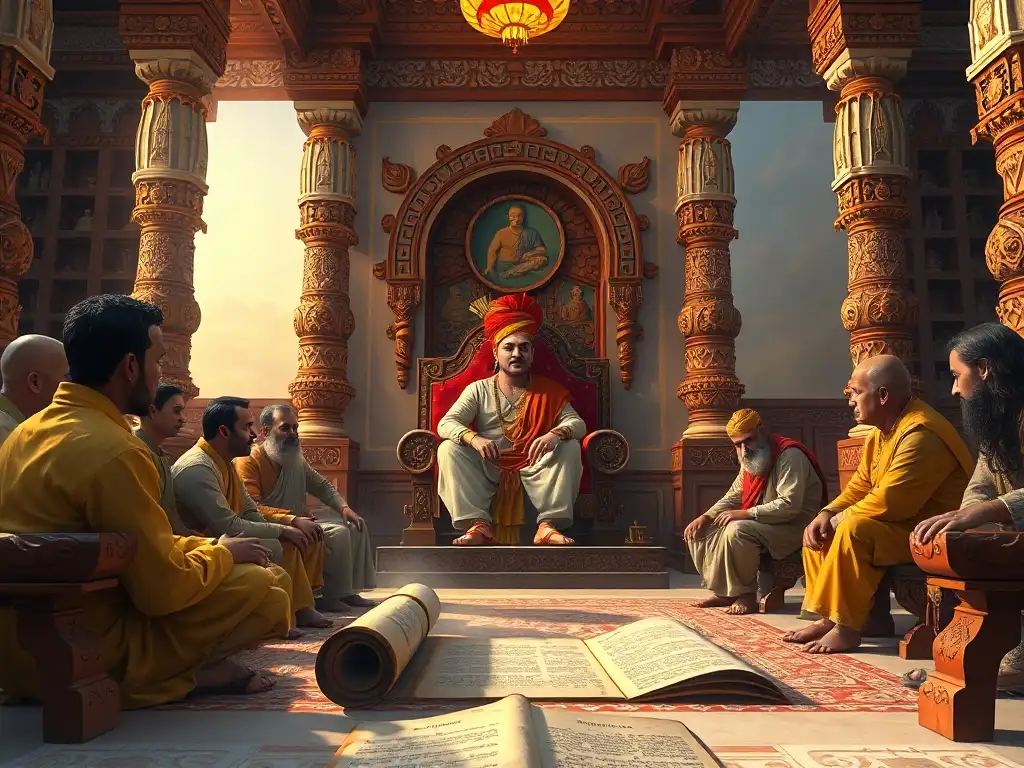
Kautilya’s Arthashastra has had a profound and lasting impact on the political landscape of India, shaping governance philosophies well beyond the Mauryan Empire. This ancient text not only served as a manual for rulers of its time but also laid the groundwork for the political ideologies that followed. Its emphasis on realpolitik, statecraft, and economic management influenced subsequent dynasties, including the Gupta Empire, which drew upon Kautilya’s principles to consolidate power and manage state affairs effectively.
The Arthashastra introduced concepts such as:
- Dharma (righteousness): Kautilya emphasized that a ruler must balance law and morality with practical governance, creating a framework for ethical leadership.
- Sama, Dana, Danda, and Bheda: These strategies for dealing with rivals—conciliation, gift, punishment, and division—offer timeless insights into conflict resolution and diplomacy.
- State as a Machiavellian entity: Kautilya's pragmatic view of power dynamics influenced later Indian rulers who prioritized stability over idealism.
These ideas were not only preserved through oral traditions but also found their way into various texts over centuries, reflecting Kautilya’s enduring legacy in shaping Indian political thought.
Comparison with Other Ancient Political Texts
When comparing Kautilya’s Arthashastra with other ancient political texts, several distinctions and similarities emerge. For instance, while Kautilya’s work is often viewed as a manual for statecraft focused on pragmatic governance, other texts such as Plato’s Republic and Aristotle’s Politics emphasize philosophical ideals and ethical governance.
| Feature | Kautilya’s Arthashastra | Plato’s Republic | Aristotle’s Politics |
|---|---|---|---|
| Focus | Realpolitik | Ideal state | Practical governance |
| Governance Style | Pragmatic and strategic | Philosophical and ethical | Empirical and analytical |
| Ruler's Role | Machiavellian leader | Philosopher-king | Balanced governance |
| Economic Management | Central role | Minimal focus | Considered in governance |
| Use of Deceit and Manipulation | Justified when necessary | Generally discouraged | Not explicitly promoted |
Kautilya’s approach is marked by its acknowledgment of human nature and the complexities of power, making it a unique contribution to the discourse on governance, distinct from the idealism of Western political philosophy.
The Relevance of Kautilya’s Ideas in Modern Governance
In today’s political landscape, Kautilya’s Arthashastra remains highly relevant. Its principles of strategic thinking, effective resource management, and pragmatic leadership resonate with modern governance challenges. Leaders and policymakers can draw on Kautilya’s insights to navigate complex political environments, emphasizing the importance of:
- Strategic Decision-Making: Kautilya's advocacy for careful planning and situational analysis informs contemporary strategies in both political and corporate governance.
- Economic Policies: The Arthashastra underscores the significance of economic stability, a concept still paramount in modern governance, driving policies focused on sustainability and growth.
- Conflict Resolution: Kautilya’s methods for managing dissent and opposition can be applied in contemporary diplomacy and negotiation tactics, emphasizing the need for adaptive strategies in governance.
As nations grapple with issues such as globalization, economic disparity, and political unrest, Kautilya’s blend of realism and strategic governance offers valuable lessons for effective leadership today. His work continues to inspire a practical approach to governance that balances ethical considerations with the demands of real-world politics.
Conclusion: The Enduring Influence of Kautilya’s Arthashastra on Mauryan Governance
Summary of Key Points
The Arthashastra, authored by Kautilya (Chanakya), has had a profound impact on the administrative framework of the Maurya Empire. This ancient text outlines various aspects of governance that were pivotal in shaping the political landscape of its time. Here are the key points regarding its influence:
- Strategic Administration: Kautilya emphasized the importance of a well-structured bureaucracy. He advocated for a hierarchy of officials who were responsible for various administrative functions, ensuring effective governance across the vast Mauryan territories.
- Economic Management: The Arthashastra provided guidelines on economic policy, including taxation, trade regulation, and state control over resources. This approach enabled the Mauryan Empire to thrive economically, fostering trade networks that extended beyond Indian borders.
- Law and Order: Kautilya’s principles on law enforcement and justice were critical in maintaining social order. He outlined the roles of spies and informants, which were instrumental in preventing dissent and ensuring loyalty among the subjects.
- Diplomacy and Warfare: The text also addressed the intricacies of diplomacy and statecraft, providing strategies for both alliances and warfare. Kautilya’s insights contributed to the Mauryan Empire’s expansion and consolidation of power.
Reflection on Kautilya’s Lasting Impact on Indian History
Kautilya's Arthashastra remains an influential work not only within the context of the Maurya Empire but also in the broader scope of Indian history. Its teachings on governance, economics, and statecraft resonate even in contemporary discussions of political theory.
- Legacy of Governance: The principles laid out in the Arthashastra have transcended time, serving as a reference for governance in subsequent Indian empires and even modern administrations. The emphasis on pragmatism, realpolitik, and the centralization of power can be observed in various historical contexts across India.
- Cultural Impact: Kautilya’s ideas have permeated Indian culture, influencing literature, drama, and political thought throughout the ages. His portrayal as a shrewd strategist and advisor has inspired numerous adaptations in popular culture, emphasizing the enduring fascination with his character and teachings.
Kautilya's Arthashastra was not merely a manual for governance but a comprehensive philosophy that shaped the Mauryan Empire and left an indelible mark on Indian history. The principles articulated in this ancient text continue to be relevant, offering insights into effective governance and the complexities of statecraft that scholars and leaders explore even today.
Frequently Asked Questions
What is Kautilya's Arthashastra?
Kautilya's Arthashastra is an ancient Indian treatise on statecraft, politics, and military strategy written by Kautilya, also known as Chanakya, during the Mauryan Empire.
How did Kautilya influence Mauryan governance?
Kautilya's Arthashastra provided a comprehensive framework for administration, economics, and law, significantly shaping the governance practices of the Mauryan rulers, particularly Chandragupta Maurya.
What are the key themes of the Arthashastra?
The Arthashastra covers various themes including diplomacy, warfare, economics, and the essential qualities of a ruler, emphasizing the importance of pragmatism and realism in governance.
How is Kautilya viewed in modern times?
Kautilya is often regarded as a visionary strategist whose insights into politics and economics continue to be relevant, especially in discussions about leadership and governance today.
What impact did the Arthashastra have on later Indian administrations?
The principles outlined in the Arthashastra influenced subsequent Indian empires and rulers, establishing a legacy of strategic governance that persisted well beyond the Mauryan period.
Final Reflection: The Enduring Legacy of Kautilya’s Arthashastra in Mauryan Governance
The principles outlined in Kautilya’s Arthashastra remain remarkably relevant today, as they provide timeless insights into effective governance and statecraft. In an era where political dynamics and administrative challenges continue to evolve, the wisdom of Kautilya offers a lens through which we can understand the complexities of leadership and governance. The strategies and philosophies articulated in the Arthashastra not only shaped the Mauryan Empire but also resonate with contemporary discussions on political ethics and state management.
The influence of Kautilya’s work extends far beyond its historical context; it has become a cornerstone in the study of political science and administration. The Arthashastra’s pragmatic approach to governance, emphasizing realpolitik and the importance of strategic thinking, has inspired countless leaders and scholars throughout history. As Kautilya himself stated, There is some self-interest behind every friendship. There is no friendship without self-interests. This is a bitter truth.
This perspective encourages us to recognize the intricate balance between personal ambition and collective welfare in governance, a lesson that is increasingly pertinent in today's political landscape.
As we reflect on the teachings of Kautilya, let us consider how we can apply these lessons in our own lives and communities. What strategies can we adopt to navigate the complexities of our environments, and how can we foster a sense of ethical leadership in our actions?
Embracing the insights from the Arthashastra not only enriches our understanding of governance but also empowers us to become more effective leaders in our own spheres of influence. Let us take inspiration from Kautilya’s legacy and strive to create a future where wisdom and strategy guide our paths toward effective governance and social harmony.
Unveil the Legacy of Kautilya's Wisdom!
Thank you for diving into the fascinating world of Kautilya’s Arthashastra and its profound influence on Mauryan administration. We hope you gained valuable insights into how this ancient treatise shaped governance and strategies that still resonate today. Now, it’s time to take action and deepen your understanding!
Here are a few impactful steps you can take:
- Join a local or online discussion group focused on ancient Indian history to explore Kautilya’s ideas further and engage with like-minded enthusiasts.
- Read a modern interpretation of the Arthashastra to understand how its principles can be applied to contemporary administration and politics.
- Create and share your own analysis of Kautilya’s tactics through a blog post or social media to inspire others to learn about this pivotal text.
As you embark on this journey, reflect on this: How do you think Kautilya’s strategies can be applied to today’s political landscape? Your thoughts could spark an enriching discussion!