
Understanding the Role of Agriculture in Ancient Indian Trade Systems

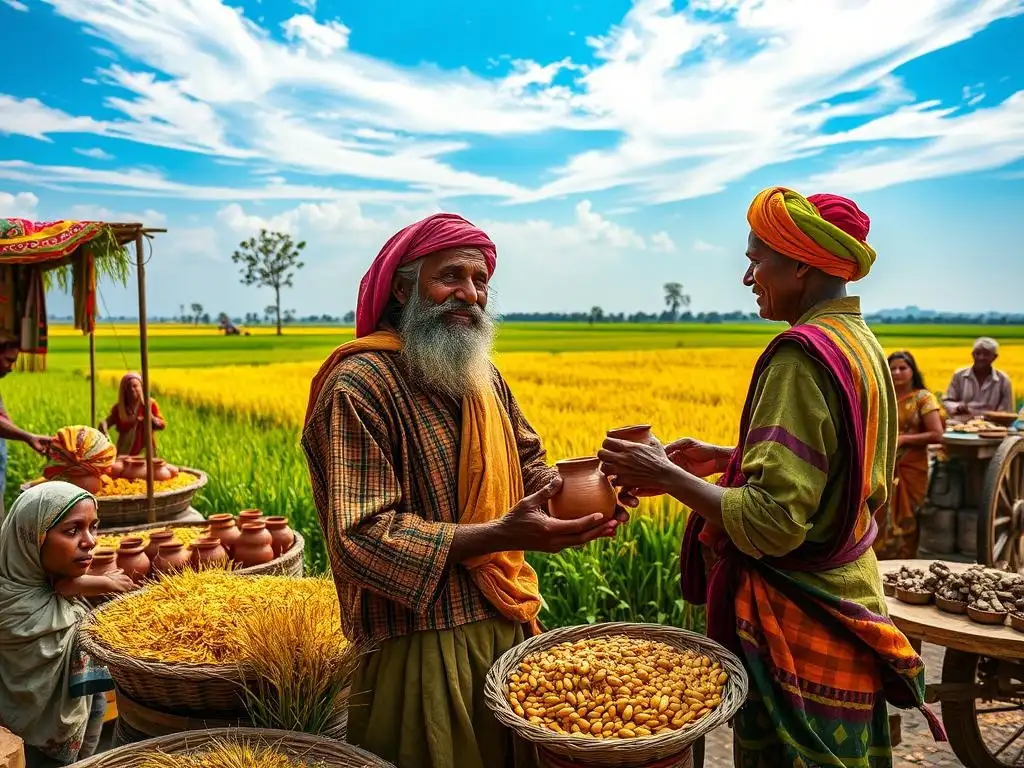
Welcome to Ancient India History, where we embark on a fascinating journey through the intricate tapestry of India’s past. Here, we delve into the rich and diverse history that shaped one of the world’s oldest civilizations. In our featured article, "Understanding the Role of Agriculture in Ancient Indian Trade Systems," we uncover how ancient Indian agriculture not only sustained communities but also fueled vibrant trade networks that connected cultures and economies.
Prepare to explore the foundations of a thriving civilization and discover the secrets behind the agricultural trade systems that played a pivotal role in shaping ancient India. Join us as we unveil a world of knowledge and insight that awaits you!

Introduction to Ancient Indian Agriculture Trade Systems
Agriculture has been a cornerstone of human civilization, and ancient India is no exception. The ancient Indian agriculture trade systems played a pivotal role in shaping the economy, culture, and social structure of various civilizations, from the sophisticated urban centers of the Indus Valley to the flourishing kingdoms of the Gupta Empire.
This article delves into the intricate connections between agriculture and trade in ancient India, exploring how agricultural practices not only sustained local communities but also facilitated extensive trade networks that spanned regions and cultures. By understanding the dynamics of these trade systems, we can better appreciate the contributions of ancient Indian societies to the global economy and their lasting impacts on contemporary agricultural practices.
Overview of Agriculture in Ancient India
Agriculture in ancient India was characterized by a variety of practices and innovations that responded to the diverse geographic and climatic conditions of the subcontinent. Key features included:
- Diverse Cropping Systems: Farmers cultivated a wide range of crops, including grains like wheat, barley, and rice, as well as pulses, oilseeds, and fruits. This diversity not only ensured food security but also provided a surplus for trade.
- Irrigation Techniques: The development of irrigation systems, such as canals and wells, was crucial in maximizing agricultural productivity. These systems allowed farmers to cultivate crops in arid regions, thereby expanding the agricultural landscape.
- Use of Tools and Techniques: The introduction of iron tools and plows increased efficiency in farming practices, enabling larger areas to be cultivated and enhancing yields.
The synergy between agriculture and trade was evident in how surplus production enabled the exchange of goods, ideas, and cultures across various regions.
Importance of Agriculture in Trade and Economy
The significance of agriculture in ancient Indian trade systems cannot be overstated. It served as the backbone of the economy, influencing various aspects:
- Economic Stability: A robust agricultural sector provided the necessary resources for trade, enabling communities to engage in exchanges both locally and internationally.
- Cultural Exchange: Agricultural products often served as commodities in trade, fostering cultural interactions and the exchange of agricultural knowledge and practices among different civilizations.
- Market Development: The growth of agricultural surplus led to the establishment of markets, where farmers and traders could engage in commerce, thus promoting urbanization and the development of trade centers.
The interplay between agriculture and trade laid the foundation for a complex economic system that thrived throughout ancient India.
Historical Context of Agriculture in Ancient Indian Civilizations
Evolution of Agricultural Practices
The evolution of agricultural practices in ancient India was marked by significant advancements over time. Initially, agriculture was subsistence-based, but as populations grew, practices began to evolve:
- Transition to Settled Farming: The shift from nomadic lifestyles to settled farming communities allowed for the development of permanent settlements, which led to the growth of villages and towns.
- Crop Rotation and Mixed Farming: Farmers began to implement crop rotation and mixed farming techniques, which improved soil fertility and reduced the risk of crop failure.
- Influence of Trade Routes: The establishment of trade routes facilitated the introduction of new crops and agricultural methods from other regions, enhancing local agricultural practices.
These developments not only increased agricultural productivity but also strengthened trade networks, connecting communities across vast distances.
Key Agricultural Products of Ancient India
Ancient India was known for its rich agricultural diversity, producing a wide array of crops that were essential for both local consumption and trade. Some key agricultural products included:
| Product | Description |
|---|---|
| Rice | A staple food, particularly in the eastern regions, contributing significantly to trade. |
| Wheat | Widely cultivated in the north, especially in the Indo-Gangetic plains. |
| Barley | An important crop for food and fodder, used in various traditional dishes. |
| Pulses | Legumes like lentils and chickpeas were crucial for protein intake and trade. |
| Spices | Black pepper, cardamom, and turmeric were highly sought after in international markets. |
These products not only sustained local populations but also became valuable commodities in trade, enhancing the economic landscape of ancient India and establishing it as a key player in global commerce.
The Interconnection Between Agriculture and Trade

The relationship between agriculture and trade in ancient India is a profound and intricate one, deeply rooted in the socio-economic fabric of its civilization. Agriculture was not only the backbone of the economy but also a catalyst for trade, shaping the interactions between various regions and cultures. The fertile plains of the Indus Valley, the Gangetic basin, and other agricultural zones provided a bounty of crops, which became essential commodities in trading activities.
This interconnection can be seen in how surplus agricultural production enabled communities to engage in trade. As farmers produced more than what was necessary for subsistence, they began to barter their excess goods, leading to the establishment of trade networks. These networks facilitated the exchange of not just agricultural products but also spices, textiles, and metals, reflecting a diversified economy that thrived on agricultural abundance.
Moreover, the agricultural calendar played a significant role in dictating trade patterns. Seasonal harvests determined the availability of goods for trade, while festivals and agricultural fairs became focal points for commerce. Thus, agriculture and trade were intertwined, each relying on the other for growth and sustenance in ancient Indian society.
How Agriculture Fueled Trade in Ancient India
Agriculture in ancient India was characterized by the cultivation of staple crops such as rice, wheat, barley, and pulses, which formed the dietary foundation of the populace. The ability to produce these crops in surplus allowed for the emergence of trade as a viable economic activity. Regions like the Punjab and the Deccan Plateau became key agricultural hubs, where farmers could harvest large quantities, leading to the establishment of local markets and trade routes.
The surplus generated from agriculture enabled farmers to engage in trade with neighboring regions. This exchange was not limited to just foodstuffs; it included a variety of goods such as textiles, pottery, and metalwork. For instance, the cotton and silk produced in the river valleys were traded for luxury items, thus expanding trade networks beyond local confines.
Additionally, agricultural innovations, such as irrigation techniques and crop rotation, enhanced productivity. Improved yields meant more goods available for trade, fostering relationships between rural and urban centers. Towns began to develop as trading posts where agricultural products could be exchanged for other goods, facilitating economic growth and cultural exchange.
Role of Agricultural Surplus in Economic Systems
The agricultural surplus in ancient India played a pivotal role in shaping its economic systems. A consistent surplus allowed communities to support specialized trades and crafts, leading to a more complex economic structure. As farmers produced beyond their subsistence needs, the resulting surplus could be stored and distributed, providing a buffer against crop failures and fostering stability.
The economic systems were heavily reliant on this agricultural surplus, which was often taxed or levied by local rulers. Taxation on agricultural produce provided revenue for the maintenance of infrastructure, such as roads and irrigation systems, which further facilitated trade. This symbiosis between agriculture and governance ensured that the economy remained robust and responsive to both local and external demands.
Moreover, the surplus enabled the rise of markets and trade fairs, where merchants and traders from different regions congregated to exchange goods. This not only stimulated local economies but also attracted foreign traders, further enhancing the trade systems in ancient India. The interplay between agricultural production and economic activity established a foundation for the flourishing trade networks that characterized ancient Indian commerce.
Major Trade Routes Influenced by Agriculture
The agricultural landscape of ancient India significantly influenced the development of major trade routes, both overland and maritime. These trade routes enabled the exchange of agricultural products, thereby linking various regions and cultures.
Land Trade Routes and Agricultural Products
The land trade routes in ancient India were crucial pathways for the movement of agricultural goods. Key routes connected the fertile plains of the Indo-Gangetic region with various trade hubs across the subcontinent. The Northern Silk Road, for example, facilitated the transport of grains and spices from the agricultural heartlands to markets in Central Asia and beyond.
The caravans that traversed these routes often carried significant quantities of agricultural products, including rice, wheat, and pulses, which were in demand in both local and international markets. Additionally, trade in cash crops, such as sugarcane and cotton, further expanded the reach of agricultural commerce. This network of trade routes not only supported the local economies but also fostered cultural exchanges and the spread of ideas, making agriculture integral to the development of ancient India’s trade systems.
Maritime Trade and Agricultural Exports
Maritime trade routes were equally vital to the agricultural trade systems of ancient India. The extensive coastline along the Arabian Sea and the Bay of Bengal provided access to overseas markets, enabling the export of agricultural products to regions such as Southeast Asia, Africa, and the Middle East.
Key ports like Lothal and Sopara emerged as bustling centers for maritime trade, where goods such as spices, rice, and textiles were shipped to foreign lands. The trade in agricultural exports not only contributed to the wealth of coastal cities but also established India as a significant player in global trade networks. The demand for Indian spices and textiles in foreign markets further incentivized agricultural production, leading to innovations in farming and trade practices.
Through these maritime routes, the agricultural bounty of ancient India found a place on the world stage, showcasing the importance of agriculture in the broader context of trade systems. The interplay between agriculture and maritime commerce helped shape economic relationships and cultural exchanges that enriched the ancient Indian civilization.
Case Studies of Agricultural Trade in Key Ancient Indian Kingdoms
Understanding the role of agriculture in ancient Indian trade systems requires a closer examination of specific kingdoms that showcased innovative agricultural practices and trade networks. The Mauryan and Gupta Empires stand out as significant examples of how agricultural productivity and trade were interlinked, shaping the economy and culture of ancient India. These case studies reveal the intricate relationship between farming, commerce, and societal development, highlighting the importance of agriculture as a foundation for trade networks.
The Mauryan Empire: Agricultural Contributions to Trade
The Mauryan Empire (circa 322–185 BCE) marked a pivotal time in ancient Indian history, characterized by a vast and organized agricultural system that significantly contributed to trade. Under the leadership of Chandragupta Maurya and his grandson Ashoka, the empire saw the establishment of an extensive agrarian economy. Agriculture was the backbone of the Mauryan economy, with staple crops like rice, wheat, barley, and pulses being cultivated across fertile plains, particularly along the Indo-Gangetic region.
The surplus produced from agriculture enabled the Mauryan Empire to engage in extensive trade both domestically and with neighboring regions. Major trade routes connected the empire with Central Asia, the Middle East, and beyond, facilitating the exchange of goods such as textiles, spices, and precious stones. The state played a crucial role in regulating trade through the establishment of trade guilds and the implementation of taxation policies that benefitted agricultural production. This structured approach allowed for the efficient distribution of agricultural surpluses, thereby enhancing trade activities and economic prosperity.
The Gupta Empire: Advancements in Agricultural Trade Systems
The Gupta Empire (circa 320–550 CE) is often referred to as a golden age for ancient India, marked by significant advancements in various fields, including agriculture and trade. The Gupta rulers promoted agricultural development through improved farming techniques and supported the establishment of extensive trade networks. The introduction of new crops, such as sugarcane and cotton, alongside traditional staples, boosted agricultural productivity.
During this period, advancements in iron technology led to the development of better plows and tools, enhancing farming efficiency. The Gupta Empire also saw the expansion of irrigation techniques, which allowed for increased agricultural yields and supported a growing population. As a result, the surplus in agricultural production facilitated internal trade and export to regions like Southeast Asia. The flourishing trade routes, including the Silk Road, connected Gupta merchants with distant markets, making it possible for agricultural goods to be exchanged for luxury items and foreign products, thereby enriching the economy.
Agricultural Techniques and Their Impact on Trade
The agricultural techniques employed in ancient India were crucial in determining the volume and efficiency of trade. Innovations in farming practices not only increased crop yields but also enabled communities to engage more actively in trade, leading to the development of complex economic systems. By examining these techniques, we can understand their far-reaching implications for trade and commerce in ancient Indian civilization.
Innovations in Ancient Indian Farming Techniques
Ancient Indian farmers were known for their ingenuity and adaptation of various agricultural techniques. Among the notable innovations were the use of crop rotation, selective breeding of plants, and the introduction of new varieties of seeds. Crop rotation, for instance, helped maintain soil fertility and reduced pest infestations, leading to more sustainable agricultural practices. This not only ensured consistent yield but also prevented famines, ultimately stabilizing food supply and trade.
The cultivation of cash crops such as cotton and spices, which had high demand in local and international markets, further boosted trade. The development of specialized farming techniques allowed certain regions to become known for particular products, creating a network of trade based on agricultural specialties. The growth of textile production, particularly in regions like Gujarat and Tamil Nadu, exemplifies how innovation in agriculture could lead to thriving trade routes.
The Role of Irrigation and Crop Rotation in Trade Expansion
Irrigation systems played an essential role in enhancing agricultural productivity in ancient India, directly impacting trade expansion. Rivers such as the Indus, Ganges, and Brahmaputra were harnessed through complex irrigation techniques, allowing farmers to cultivate more land and produce surplus crops. The establishment of canals and water management systems ensured that agriculture could flourish even in less fertile regions, thus widening the agricultural base and enabling the production of diverse crops.
Moreover, the practice of crop rotation not only improved soil health but also diversified crop production, allowing farmers to grow different types of crops in succession. This practice maximized the use of available land and minimized risks associated with crop failure. As agricultural productivity increased, so did the capacity for trade, leading to a robust economic structure in ancient India where agricultural goods became key commodities in exchange networks, influencing both domestic and international trade dynamics.
Conclusion: The Lasting Legacy of Ancient Indian Agriculture Trade Systems

The agriculture trade systems of ancient India laid the groundwork for economic interactions that would resonate throughout history. This intricate network not only facilitated the exchange of goods but also fostered cultural exchanges, ideas, and innovations between various civilizations. The agricultural surplus allowed for trade with neighboring regions, contributing to the prosperity of city-states and empires alike. As ancient Indian agriculture evolved, so did the trade systems, adapting to the demands of both local and international markets.
The legacy of these trade systems can still be seen today in modern agricultural practices and trade dynamics. They serve as a testament to the ingenuity of ancient Indian societies in maximizing their resources and establishing trade routes that would become significant for centuries. The cultivation of staple crops such as rice, wheat, and pulses, along with cash crops like cotton and spices, not only enriched the local economy but also positioned India as a pivotal player in global trade networks.
Reflections on the Influence of Agriculture on Ancient Trade
Agriculture was the backbone of ancient Indian society, shaping not only the economy but also the social and political landscape. The production of surplus crops enabled communities to engage in trade, which in turn encouraged the development of towns and urban centers. These trade hubs became melting pots of culture and commerce, where agricultural products were exchanged for goods like metalwork, textiles, and pottery, creating a vibrant marketplace.
The influence of agriculture on ancient trade is illustrated through various archaeological findings, including granaries and storage facilities that indicate a well-developed system to manage surplus produce. Regions such as the Indus Valley Civilization showcased advanced agricultural techniques that supported extensive trade networks with distant lands, including Mesopotamia. The reliance on agriculture thus shaped trade routes and patterns, influencing not just economic transactions but also cultural exchanges that propelled development in art, science, and technology.
Lessons Learned from Ancient Indian Trade Practices
The ancient Indian trade practices provide essential insights for modern economies. Firstly, the significance of establishing robust supply chains can be traced back to how agricultural products were harvested, processed, and distributed. Efficient management of resources and strategic planning were vital for sustaining trade relationships and ensuring food security.
Moreover, the diverse agricultural practices and local adaptations reflect the importance of sustainability and environmental considerations in trade. Ancient societies were keenly aware of the need to balance economic pursuits with ecological preservation. The lessons learned from their practices can guide contemporary agricultural policies and trade systems towards more sustainable futures.
Finally, the diplomatic relations fostered through trade highlight the importance of collaboration and mutual benefit in economic interactions. The ancient Indian approach to trade was not merely transactional; it was rooted in building long-lasting relationships that transcended economic exchanges, a principle that remains relevant in today's interconnected world.
Further Reading and Resources on Ancient Indian Agriculture and Trade
Recommended Books and Articles
- "The Economic History of India: From 1200 to 1700" by Romila Thapar:
This book provides a comprehensive overview of the economic practices in ancient India, with a focus on agriculture and trade.
- "Ancient Indian Commerce" by A. K. Sharma
An insightful analysis of the trade systems in ancient India, highlighting the role of agriculture.
- "Trade and Traders in Ancient India" by S. R. Sharma
This work explores the various trade practices and their evolution over time, with a special emphasis on agricultural trade.
Online Resources for Exploring Ancient Indian Trade Systems
- Digital South Asia Library (DSAL)
A rich repository of resources, including maps, images, and texts related to ancient Indian agriculture and trade.
- The Archaeological Survey of India (ASI)
Provides access to research papers, excavation reports, and findings that illustrate the agricultural practices and trade systems of ancient India.
- India's National Agricultural Policy Portal
Offers insights into how ancient practices inform modern agricultural policies and trade strategies.
These resources serve as gateways for deeper exploration into the intricate relationship between agriculture and trade in ancient India, enriching our understanding of their historical significance and ongoing influence.
- Introduction to Ancient Indian Agriculture Trade Systems
- Overview of Agriculture in Ancient India
- Importance of Agriculture in Trade and Economy
- Historical Context of Agriculture in Ancient Indian Civilizations
- The Interconnection Between Agriculture and Trade
- Major Trade Routes Influenced by Agriculture
- Case Studies of Agricultural Trade in Key Ancient Indian Kingdoms
- Agricultural Techniques and Their Impact on Trade
- Conclusion: The Lasting Legacy of Ancient Indian Agriculture Trade Systems
- Reflections on the Influence of Agriculture on Ancient Trade
- Lessons Learned from Ancient Indian Trade Practices
- Further Reading and Resources on Ancient Indian Agriculture and Trade
- What was the significance of agriculture in ancient Indian trade systems?
- How did ancient Indian agriculture contribute to cultural exchange?
- What were some key agricultural products traded in ancient India?
- How did the geography of ancient India influence agriculture and trade?
- What was the impact of the Gupta Empire on agriculture and trade?
Frequently Asked Questions
What was the significance of agriculture in ancient Indian trade systems?
Agriculture played a crucial role in ancient Indian trade systems by providing surplus crops that facilitated commerce with neighboring regions, enhancing economic stability and growth.
How did ancient Indian agriculture contribute to cultural exchange?
The products of agriculture not only supported local economies but also became trade commodities, fostering cultural exchange and interaction with various civilizations, enriching India's cultural heritage.
What were some key agricultural products traded in ancient India?
Ancient India was known for its spices, grains, and textiles, which were highly sought after in international markets, significantly boosting the agricultural trade systems.
How did the geography of ancient India influence agriculture and trade?
The diverse geography of ancient India, including fertile plains and river valleys, supported various forms of agriculture, which in turn shaped local trade routes and practices.
What was the impact of the Gupta Empire on agriculture and trade?
The Gupta Empire marked a golden age for agriculture and trade, promoting advancements in farming techniques and facilitating trade networks that connected India to the broader world.
Final Reflection: The Enduring Legacy of Ancient Indian Agriculture Trade Systems
Understanding the role of agriculture in ancient Indian trade systems is not just an exploration of history; it is a testament to how foundational agricultural practices shaped economic and social structures. Today, as we navigate the complexities of global trade and sustainability, the lessons from ancient Indian agriculture remind us of the intricate connections between food production, commerce, and community resilience. The significance of these trade systems resonates more than ever, highlighting the need for a balanced approach to modern agricultural practices.
Cultural and social landscapes have been profoundly influenced by the agricultural trade systems of ancient India. The exchange of goods, ideas, and innovations fostered a rich tapestry of interactions that laid the groundwork for future civilizations. As we reflect on this legacy, we can appreciate how these ancient practices continue to inspire contemporary agricultural and trade policies. The past is not dead; it is not even past.
– William Faulkner. This quote encapsulates the idea that understanding our history is crucial for shaping a sustainable future.
As you ponder the insights gained from the ancient Indian agriculture trade systems, I invite you to consider how these lessons can be applied in your own life. Reflect on your relationship with food, trade, and sustainability. How can you contribute to a more equitable and resilient agricultural system today? Embrace the opportunity to learn from the past and take action in your community, ensuring that the legacy of ancient practices informs our path forward.
Embark on a Journey Through Ancient Trade!
Thank you for diving into the fascinating world of agriculture and trade in ancient India! You’ve uncovered vital insights into the essential role of agriculture in shaping historical trade systems. Now, let’s turn that knowledge into action!
Here are a few empowering steps you can take to explore this subject further:
- Delve deeper into local agricultural practices: Research traditional farming methods from your region and compare them to the techniques used in ancient times.
- Engage with history enthusiasts: Join forums or social media groups focused on ancient Indian history to share insights and learn from others' experiences.
- Visit a nearby museum or historical site: Seek out exhibits that showcase agricultural tools or trade routes to enhance your understanding in a tangible way.
Which aspect of ancient trade systems intrigues you the most, and how do you think it influences modern agriculture?