
Ancient Farming Wisdom: Lessons from the Past for Today's Agriculture

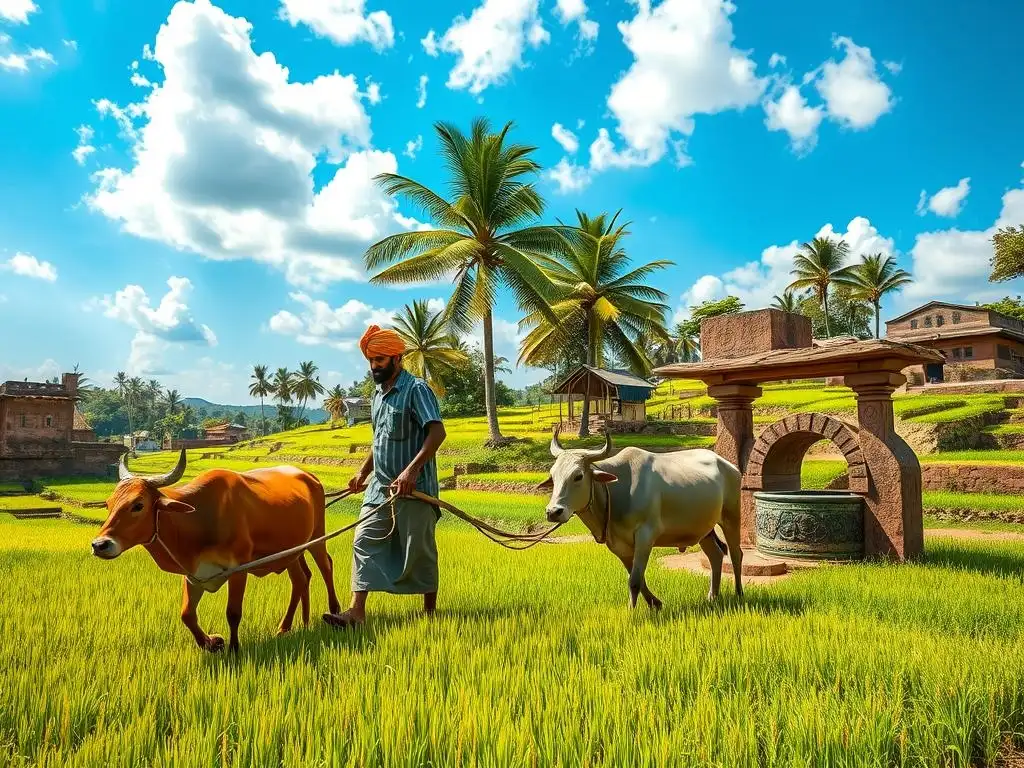
Welcome to Ancient India History, where we delve into the fascinating tapestry of one of the world's oldest civilizations. Here, we invite you to explore the ancient Indian farming techniques that shaped the foundation of agriculture and economy in the rich landscapes of ancient India. As we unravel the wisdom of past agrarian practices, you'll discover not just the methods that fed empires, but also the profound insights they offer for today's sustainable agriculture. Curious about how ancient wisdom can inspire modern practices? Join us on this journey and uncover the lessons that still resonate today!
- Ancient Indian Farming Techniques: A Historical Perspective
- Historical Context of Agriculture in Ancient India
- Core Ancient Indian Farming Techniques
- Lessons from Ancient Indian Farming Techniques for Modern Agriculture
- Conclusion: Reviving Ancient Wisdom for Future Agriculture
- Frequently Asked Questions
- Final Reflection: Embracing Ancient Wisdom for Modern Agriculture
- Embrace Ancient Wisdom for a Flourishing Future!
Ancient Indian Farming Techniques: A Historical Perspective
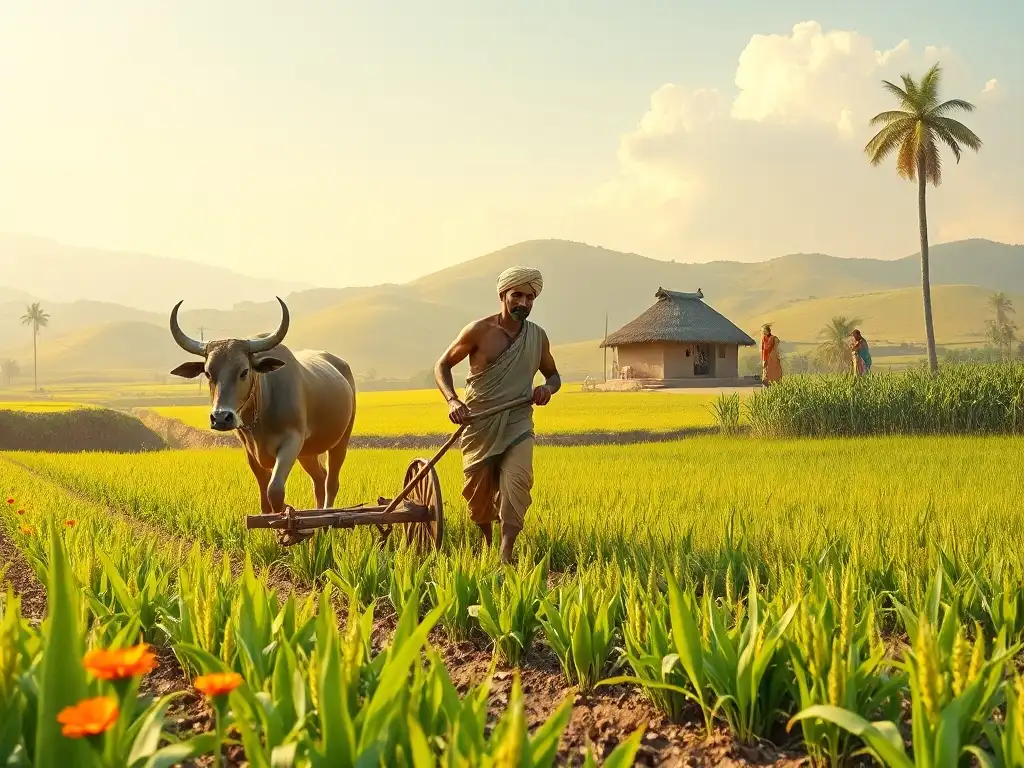
Introduction to Ancient Indian Farming Wisdom
Agriculture has been the backbone of human civilization since its inception, and ancient India offers a remarkable tapestry of farming techniques that have shaped the agricultural landscape throughout history. The ancient Indian farming practices are not merely relics of the past; they encompass a profound understanding of the environment, sustainable practices, and innovative techniques that continue to influence modern agriculture. From the sophisticated irrigation systems of the Indus Valley Civilization to the crop rotation methods employed during the Gupta Empire, these ancient practices provide invaluable lessons for today's agricultural challenges.
The significance of ancient Indian farming techniques lies not only in their historical context but also in their adaptability to contemporary issues such as climate change, soil degradation, and food security. By exploring these time-tested methods, we can uncover sustainable agricultural practices that align with modern ecological principles. This article delves into the rich heritage of ancient Indian agriculture, highlighting the wisdom embedded in their techniques, and illustrating how these approaches can be revitalized to benefit current and future generations of farmers.
Through this exploration, we aim to bridge the gap between ancient wisdom and modern science, showcasing the relevance of ancient Indian farming techniques in promoting sustainable agriculture today. 🌾
Historical Context of Agriculture in Ancient India
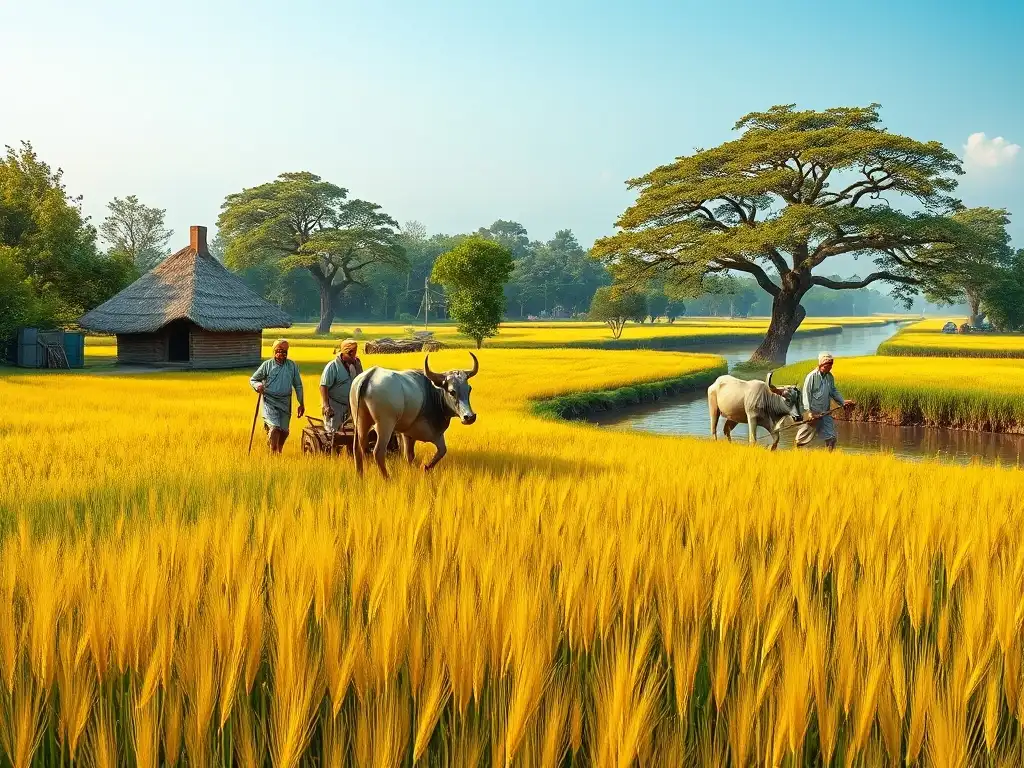
The Agricultural Foundations of the Indus Valley Civilization
The Indus Valley Civilization, flourishing around 2500 BCE, is considered one of the earliest urban cultures in the world. Its agricultural foundations were pivotal in supporting the complex society that emerged. The fertile plains of the Indus River provided an ideal environment for farming, allowing the civilization to cultivate various crops.
Key Features of Indus Valley Agriculture:
- Crop Diversity: The Indus Valley inhabitants cultivated several crops, including wheat, barley, peas, and cotton. The presence of cotton suggests that they were among the first to practice textile farming.
- Irrigation Techniques: The civilization developed advanced irrigation systems, utilizing canals and wells to channel water from the Indus River. This allowed for consistent crop yields, even during drier seasons.
- Agricultural Tools: Archaeological findings reveal that the people of the Indus Valley used plows made from wood and metal, enhancing their farming efficiency. The presence of granaries indicates a structured approach to storage and distribution of surplus crops.
- Trade and Economy: Agriculture played a vital role in the economy, facilitating trade with neighboring regions. Surplus production enabled the exchange of goods, contributing to the civilization's prosperity.
The agricultural techniques employed by the Indus Valley people laid the groundwork for future farming practices in India, influencing subsequent civilizations.
Agricultural Practices During the Vedic Period
The Vedic Period, spanning approximately 1500 to 500 BCE, marked a significant evolution in agricultural practices, as society transitioned to a more settled lifestyle. The religious texts of this era, known as the Vedas, provide insights into the agricultural wisdom of the time.
Notable Aspects of Vedic Agriculture:
- Crop Rotation: The concept of crop rotation emerged during the Vedic Period, enhancing soil fertility and mitigating pest infestations. This practice ensured sustainable farming and improved yields.
- Sacred Agriculture: Agriculture was intertwined with religious rituals, emphasizing the spiritual significance of farming. Offerings to deities were common, as farmers sought blessings for bountiful harvests.
- Livestock Management: The Vedic people recognized the importance of cattle in agriculture. Cows were not only a source of milk but also served as draft animals in plowing fields. This dual purpose improved farming efficiency.
- Use of Fertilizers: Evidence suggests that the Vedic farmers utilized organic fertilizers, such as compost and animal dung, to enrich the soil. This practice enhanced crop growth and contributed to healthier harvests.
The agricultural practices during the Vedic Period laid the foundation for the agrarian economy in ancient India, promoting both productivity and sustainability.
Innovations in Agriculture During the Maurya and Gupta Empires
The Maurya (322-185 BCE) and Gupta (c. 320-550 CE) Empires witnessed significant advancements in agriculture, driven by a growing population and the need for increased food production.
Key Innovations in This Era:
- Advanced Irrigation Techniques: The Maurya Empire saw the development of large-scale irrigation projects, including the construction of dams and reservoirs. These innovations facilitated agriculture in regions that previously relied solely on rainfall.
- Agronomy and Crop Science: During this period, scholars began documenting agricultural practices systematically. Texts like "Krishi Parashara" emerged, detailing crop cultivation techniques, pest management, and seasonal planting schedules.
- Introduction of New Crops: The Gupta period is noted for the introduction of new crops, including sugarcane and various spices. This diversification not only enhanced diets but also fostered trade relations with distant lands.
- Land Revenue Systems: The Maurya and Gupta administrations implemented structured land revenue systems, incentivizing agricultural production. Farmers were encouraged to maximize yields through systematic taxation based on crop output.
The innovations in agriculture during the Maurya and Gupta Empires significantly shaped the agricultural landscape of ancient India, leading to increased productivity and economic stability. The lessons learned from these ancient Indian farming techniques continue to resonate in today’s agricultural practices, emphasizing sustainability and efficiency.
Core Ancient Indian Farming Techniques

The foundation of ancient Indian agriculture lies in a variety of innovative practices that have shaped modern farming techniques. Ancient Indian farmers employed a combination of traditional knowledge, environmental awareness, and community cooperation to cultivate crops effectively. The following sections delve into specific techniques that exemplify the ingenuity of ancient Indian farming methods.
Traditional Crop Cultivation Methods
Ancient Indian farming techniques were characterized by a deep understanding of local ecosystems and soil conditions. Farmers employed a range of methods to maximize yield and sustain their agricultural practices over generations.
- Crop Rotation: This technique involved alternating different crops in a specific sequence to improve soil fertility and reduce pests. For instance, legumes were often rotated with cereals to replenish nitrogen in the soil.
- Mixed Cropping: Farmers cultivated multiple crops in the same field simultaneously. This practice not only mitigated the risk of crop failure but also enhanced biodiversity and improved soil structure.
- Terracing: In hilly regions, farmers created terraced fields to reduce soil erosion and maximize arable land. This method facilitated the cultivation of rice and other crops in mountainous terrains.
- Use of Local Varieties: Ancient farmers selected and preserved indigenous seed varieties that were adapted to local climatic conditions. These seeds often had higher resistance to pests and diseases, ensuring sustainable yields.
Irrigation Systems and Water Conservation
Water management was crucial to the success of ancient Indian agriculture, especially in regions with erratic rainfall. Several advanced irrigation techniques were developed to optimize water use and ensure crop survival.
- Stepwells and Baolis: These ancient structures collected and stored rainwater, providing a reliable source of water for irrigation. They were often elaborately designed and served as community hubs.
- Canal Systems: The Indus Valley Civilization is noted for its sophisticated canal systems that diverted river water to fields. This ensured that crops received adequate moisture, especially in arid regions.
- Rain-fed Agriculture: Many ancient communities practiced rain-fed agriculture, relying on seasonal rainfall patterns. Farmers developed intricate knowledge of local weather systems to time their planting and harvesting effectively.
- Water Harvesting Techniques: Simple yet effective methods, such as creating bunds (earthen embankments), were employed to capture and retain rainwater, reducing runoff and enhancing soil moisture.
Organic Farming Practices in Ancient India
Ancient Indian farming was inherently organic, as the use of synthetic chemicals and fertilizers was non-existent. Farmers relied on natural processes and materials to enhance soil fertility and control pests.
- Use of Cow Dung: Cow dung was a primary source of organic fertilizer, enriching the soil with essential nutrients. It also acted as a natural pesticide, deterring harmful insects.
- Composting: Farmers practiced composting by recycling plant residues and kitchen waste, creating nutrient-rich organic matter that improved soil structure and fertility.
- Natural Pest Control: Ancient texts suggest the use of various plants with insect-repelling properties. For example, neem leaves were commonly used to deter pests without harming beneficial insects.
- Agroforestry: Integrating trees with crops was a common practice that provided shade, improved soil health, and offered additional sources of income through timber and fruits.
By studying these ancient Indian farming techniques, modern agriculture can glean valuable insights that promote sustainability and resilience in today's farming practices. The wisdom of the past continues to inspire contemporary agricultural innovations, demonstrating the enduring legacy of ancient Indian civilizations.
Lessons from Ancient Indian Farming Techniques for Modern Agriculture

Adaptation of Ancient Techniques in Contemporary Farming
Ancient Indian farming techniques provide a wealth of knowledge that can be adapted to modern agricultural practices. These methods, honed over centuries, emphasize sustainability, biodiversity, and resilience, which are increasingly vital in today’s agricultural landscape.
One prominent example is the use of crop rotation, a practice well-documented in ancient texts like the Arthashastra by Kautilya. Farmers would alternate crops such as lentils, barley, and wheat to maintain soil fertility and prevent pest infestations. This method not only enhances soil health but also increases yield stability across seasons.
Another technique is intercropping, where different crops are grown simultaneously in the same field. This method was widely practiced in ancient India, especially in regions like the Deccan Plateau, where farmers cultivated legumes alongside cereals. Intercropping can improve land use efficiency and reduce the need for chemical fertilizers by promoting natural nitrogen fixation.
Moreover, ancient irrigation techniques, such as the construction of step wells and tank systems, illustrate sustainable water management practices. These systems were designed to store rainwater and facilitate its distribution for agricultural use. Modern adaptations of these technologies can help combat water scarcity issues faced by contemporary farmers.
Incorporating organic farming practices rooted in ancient wisdom, such as the use of compost and natural pest repellents, can also enhance soil health and reduce dependency on synthetic chemicals. The application of cow dung as a natural fertilizer, a common practice in ancient times, is gaining renewed interest for its environmental benefits.
By integrating these ancient techniques into modern agricultural practices, farmers can cultivate crops that are not only resilient but also sustainable, promoting a healthier ecosystem.
The Role of Community and Collective Farming
Community and collective farming have been pivotal aspects of ancient Indian agriculture, fostering cooperation and shared knowledge among farmers. This sense of community not only enhanced agricultural productivity but also strengthened social bonds.
In ancient times, villages operated as cohesive units where farmers would collaborate on large-scale projects, such as irrigation systems and harvests. The concept of "samaaj" (community) was fundamental, where resources and labor were pooled to maximize efficiency. This collaborative spirit allowed for better management of shared resources and reduced individual risk during poor harvests.
The importance of knowledge transfer within these communities cannot be overstated. Elders would pass down farming wisdom, including seasonal patterns, pest control methods, and soil management techniques. This oral tradition ensured that valuable agricultural knowledge was preserved and adapted to local conditions.
Modern agriculture can benefit significantly from reviving this communal approach. Initiatives like farmers' cooperatives and community-supported agriculture (CSA) models echo ancient practices, allowing farmers to share resources, reduce costs, and access broader markets. By fostering a collective mindset, communities can address challenges such as climate change and economic fluctuations more effectively.
Additionally, community-based approaches encourage agroecology, which emphasizes local practices that align with ecological principles. By embracing the collective wisdom of ancient farming methods, modern farmers can create resilient agricultural systems that are well-suited to their environments.
The lessons derived from ancient Indian farming techniques—both in sustainable practices and community collaboration—offer valuable insights for contemporary agriculture. By recognizing the significance of these time-tested methods, modern farmers can build a more sustainable and productive agricultural future.
Conclusion: Reviving Ancient Wisdom for Future Agriculture
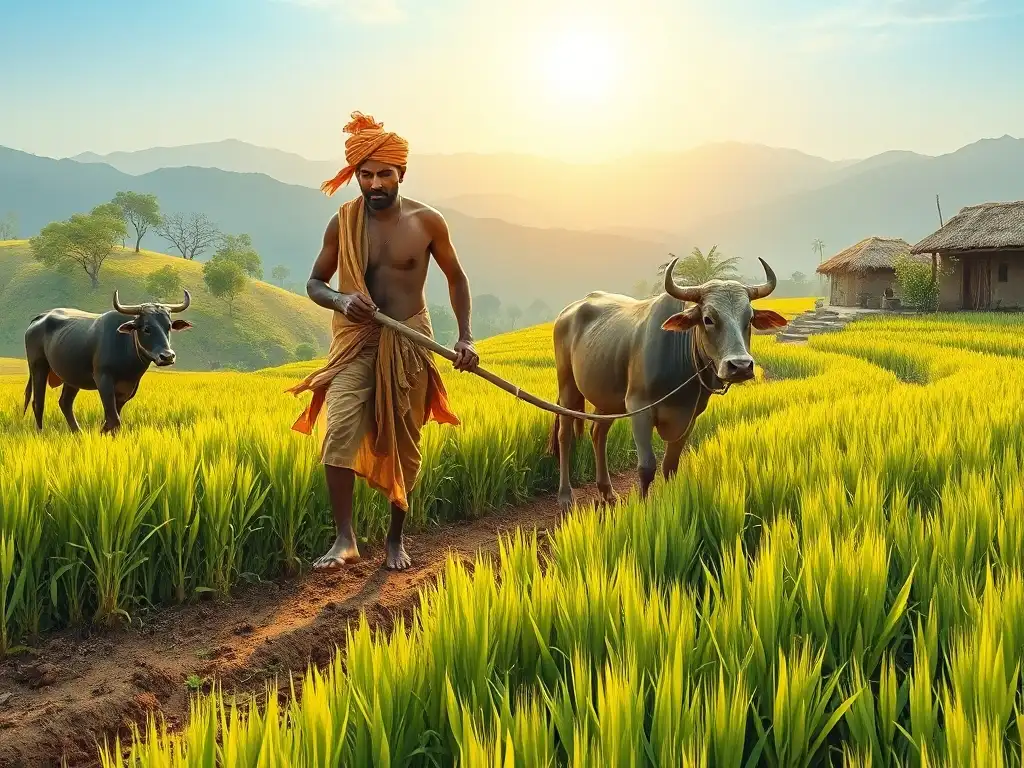
The agricultural practices of ancient India offer a wealth of insights that can significantly enhance modern farming techniques. By examining the ancient Indian farming techniques, we can discover sustainable practices that have stood the test of time. These methods not only promote biodiversity but also ensure soil health, water conservation, and community resilience.
Key Takeaways from Ancient Indian Farming Techniques
- Crop Diversity: Ancient farmers cultivated a wide variety of crops, which minimized risks associated with monoculture. This diversity also supported ecosystem health and pest management.
- Traditional Irrigation: Techniques such as rainwater harvesting and the use of stepwells demonstrate efficient water management, crucial in arid regions. Ancient systems like the kund and baoli exemplify sustainable practices that can be adapted today.
- Organic Farming: The use of natural fertilizers, such as cow dung and compost, was prevalent in ancient Indian agriculture. This tradition of organic farming fosters soil fertility without the negative effects of chemical inputs.
- Indigenous Knowledge: Local knowledge about climate, soil types, and crop cycles allowed farmers to make informed decisions, fostering a deep connection to the land and its resources.
- Community Cooperation: Collective farming practices promoted a sense of community and shared responsibility, which can be vital in addressing modern agricultural challenges.
By integrating these ancient practices into contemporary agriculture, we can develop more sustainable and resilient farming systems that not only enhance productivity but also safeguard the environment for future generations.
References and Further Reading
- Books:
- "The Agricultural History of India" by R. S. Sharma
- "Ancient Indian Agriculture" by M. K. Agarwal
- Journals:
- Indian Journal of Agricultural Sciences
- Journal of Economic Botany
- Online Resources:
- Websites dedicated to traditional farming methods
- Research articles on sustainable agriculture practices in India
- Documentaries:
- Films exploring ancient Indian civilizations and their agricultural practices
Exploring these resources can provide deeper insights into the rich tapestry of ancient Indian farming techniques, offering valuable lessons that can inform and inspire modern agricultural practices.
Frequently Asked Questions
What were the main farming techniques used in ancient India?
Ancient Indian civilizations utilized diverse farming techniques including crop rotation, irrigation systems, and organic fertilization to enhance soil fertility.
How did ancient Indian farmers manage irrigation?
Farmers developed innovative irrigation systems like canals and wells, which allowed them to effectively harness river water and ensure consistent crop yields.
What crops were primarily cultivated in ancient India?
Farmers primarily cultivated rice, wheat, millets, and pulses, showcasing the diversity of agricultural practices suited to different climates and regions.
How did ancient Indian farming techniques influence modern agriculture?
The sustainable practices from ancient Indian farming, such as companion planting and natural pest control, are being revisited today for their environmental benefits.
What role did the monsoon play in ancient Indian agriculture?
The monsoon season was crucial for ancient Indian agriculture, as it provided the necessary rainfall for crops, influencing planting schedules and agricultural productivity.
Final Reflection: Embracing Ancient Wisdom for Modern Agriculture
The lessons gleaned from ancient Indian farming techniques are not just relics of the past; they are essential blueprints for sustainable agriculture today. As we face pressing challenges such as climate change, soil degradation, and food security, the wisdom of our ancestors offers invaluable insights that can guide us toward a more resilient future. The principles of harmony with nature and community-based practices resonate now more than ever, reminding us that the solutions to our modern dilemmas may lie in the traditions we have overlooked.
Cultural and social landscapes are continually shaped by the ways we cultivate our land and nurture our communities. The ancient practices of crop rotation, organic fertilization, and water conservation not only promote ecological balance but also foster a sense of connection to the earth and each other. As we explore these techniques, we are reminded of the words of Mahatma Gandhi: To forget how to dig the earth and to tend the soil is to forget ourselves.
This quote encapsulates the ongoing influence of these methods, urging us to reconnect with our roots and recognize the importance of sustainable practices in our lives.
As you reflect on the teachings of ancient farming wisdom, consider how you can incorporate these lessons into your own life and community. Whether it’s adopting sustainable practices in your garden, supporting local farmers, or advocating for policies that honor traditional knowledge, every action counts. Let us embrace the past to cultivate a future that honors both our heritage and the planet, ensuring that the wisdom of ancient Indian farming techniques continues to thrive for generations to come.
Embrace Ancient Wisdom for a Flourishing Future!
Thank you for exploring the rich insights of ancient farming! You’ve discovered valuable lessons that can transform modern agriculture and promote sustainable practices. Now, it’s time to take inspired action!
- Start your own garden: Implement crop rotation and companion planting techniques learned from ancient wisdom right in your backyard or community space.
- Share your knowledge: Discuss these fascinating concepts with friends or initiate a local group to raise awareness about sustainable farming practices.
- Explore further: Delve into historical texts or local agricultural history to uncover more innovative methods that could benefit your community today.
How will you incorporate ancient farming practices into your daily life?