
The Role of Women in Ancient Indian Agriculture and Land Management

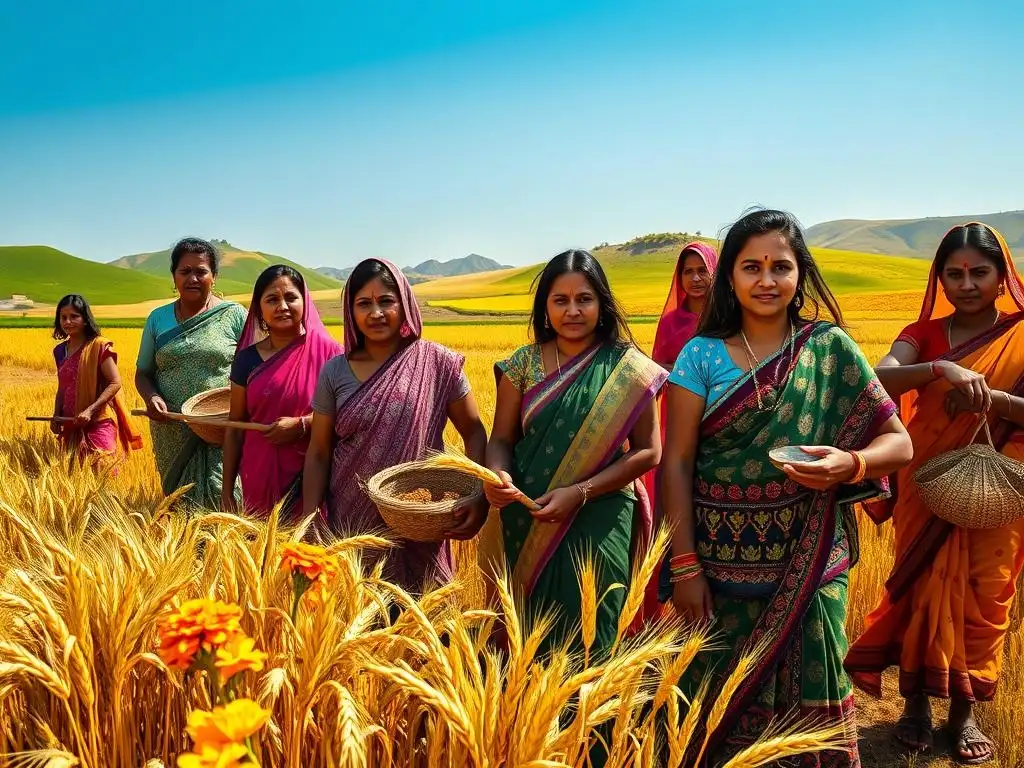
Welcome to Ancient India History, where we embark on an enchanting journey through time, exploring the rich and diverse tapestry of ancient Indian civilizations. In this article, we delve into the often-overlooked yet pivotal role of women in ancient Indian agriculture and land management. Discover how these remarkable women not only nurtured the earth but also shaped the very foundations of society and economy.
As you navigate through the intricate interplay of gender and agriculture, prepare to uncover stories that will challenge your perceptions and inspire a deeper understanding of our shared heritage. Join us as we peel back the layers of history and reveal the extraordinary contributions of women in this vibrant era.
Introduction to Women in Ancient Indian Agriculture
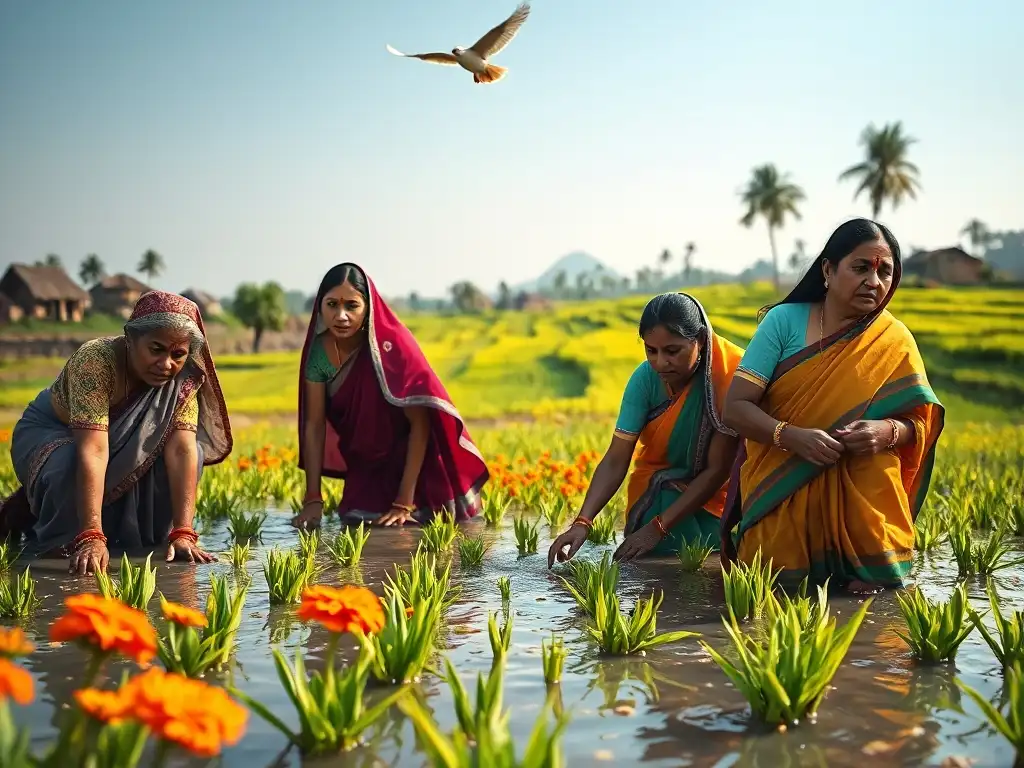
The role of women in ancient Indian agriculture is a fascinating and often underexplored aspect of the country’s rich historical tapestry. From the early settlements of the Indus Valley Civilization to the flourishing agrarian societies during the Gupta Empire, women played a pivotal role in agricultural practices and land management. Their contributions were not only essential for sustaining families but also for the broader economic stability of communities. This article aims to delve into the multifaceted roles women occupied in agriculture, highlighting their significance and the impact they had on ancient Indian society.
Importance of Women in Agricultural Practices
Women were integral to agricultural practices and were often responsible for several key tasks, including:
- Sowing and Harvesting: Women typically handled the sowing of seeds and the harvesting of crops, which were vital stages in the agricultural cycle.
- Crop Management: They were involved in managing crops, ensuring that the plants received adequate care and resources.
- Food Processing: After harvest, women played a crucial role in processing food, from grinding grains to preparing meals, which highlighted their central role in the food supply chain.
The contribution of women in agriculture was not merely a matter of labor; it was a reflection of their deep connection to the land and the community.
Overview of Women's Contributions to Land Management
In addition to their direct involvement in agricultural practices, women also contributed significantly to land management, which included:
- Knowledge of Soil Fertility: Women possessed valuable knowledge about soil types and fertility, which was essential for crop selection and rotation.
- Water Management: They often participated in managing irrigation systems, ensuring that water was effectively distributed to fields.
- Sustainability Practices: Traditional methods of sustainable agriculture were often passed down through generations of women, promoting environmental stewardship and resilience in farming practices.
Historical Context of Women in Agriculture
To understand the role of women in ancient Indian agriculture fully, it is essential to consider the historical context in which they operated.
Societal Structure and Gender Roles in Ancient India
Ancient Indian society was characterized by a complex social structure, where gender roles were clearly defined. While men often held positions of authority in public life, women were primarily engaged in domestic and agricultural responsibilities. However, this does not diminish their influence; many women held significant sway within their households and communities, often making critical decisions related to agricultural production and resource management.
Agricultural Techniques in Ancient Indian Civilization
The agricultural techniques employed in ancient India were diverse and region-specific, reflecting the geographical and climatic variations across the subcontinent. Women, as custodians of traditional knowledge, were key to the development and dissemination of various practices, such as:
- Crop Rotation: This technique ensured soil fertility and maximized yields, and women played a crucial role in deciding which crops to plant in succession.
- Organic Fertilization: The use of organic materials, such as cow dung and compost, was common, and women were often responsible for producing and applying these fertilizers.
The contributions of women in ancient Indian agriculture and land management were profound and multifaceted, laying the groundwork for sustainable practices that have persisted through centuries. Understanding their roles provides a more comprehensive view of ancient Indian societies and highlights the importance of women’s contributions to agriculture and the economy.
Women's Involvement in Agricultural Activities
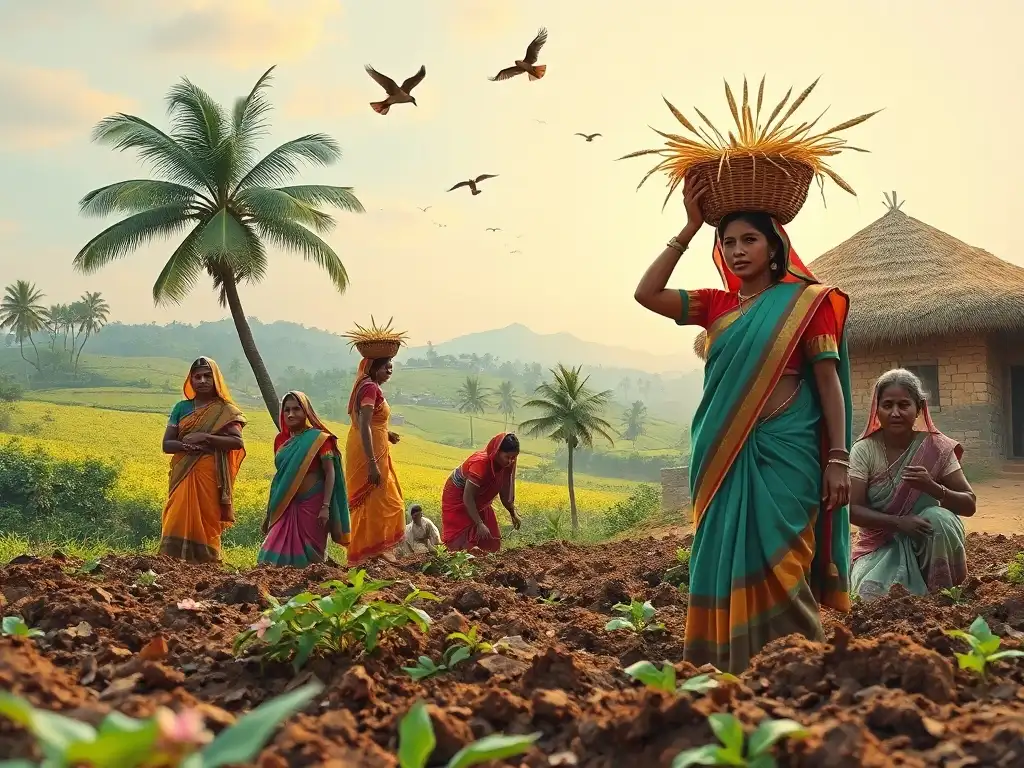
Women's participation in agriculture has been a vital aspect of ancient Indian society, reflecting their integral role in the agricultural framework. In various regions, women were not merely assistants but key contributors to farming activities. Historical texts and archaeological findings suggest that women were involved in all stages of agricultural production, from sowing seeds to harvesting crops. They played a crucial role in ensuring food security and sustaining family livelihoods, often carrying out labor-intensive tasks that were essential for successful farming.
Moreover, women's involvement in agriculture was deeply intertwined with cultural practices and traditions. Rituals and festivals related to agriculture often highlighted women's roles, showcasing their significance in the agricultural calendar. Their knowledge of seasonal cycles and crop patterns was invaluable, making them the backbone of agricultural practices in their communities.
Roles of Women in Crop Cultivation
In ancient India, women were actively engaged in various roles within crop cultivation. They participated in:
- Seed Sowing: Women were primarily responsible for planting seeds during the sowing season. This task required precision and knowledge of the best practices for seed placement, which women mastered over generations.
- Weeding and Pest Control: Women played a critical role in maintaining the health of crops by performing weeding and pest control. They often utilized traditional methods and natural remedies to protect crops from pests, showcasing their deep understanding of agricultural ecosystems.
- Harvesting: Harvesting was another critical phase where women excelled. They would gather the crops, often working together in groups, which fostered community bonds and collective labor.
- Post-Harvest Processing: After harvesting, women were involved in processing the crops, including threshing, drying, and storing. This post-harvest management was essential to ensure that crops were preserved for consumption and trade.
The multifaceted roles of women in crop cultivation not only contributed to agricultural productivity but also established their authority and expertise within their societies.
Women as Keepers of Agricultural Knowledge
Women in ancient India were the custodians of agricultural knowledge, passed down through generations. This knowledge encompassed various aspects of farming, including:
- Crop Selection: Women had a profound understanding of different crop varieties, knowing which crops thrived in specific soil types and climatic conditions. Their insight into local biodiversity was crucial for maintaining crop resilience.
- Farming Techniques: They were adept in traditional farming techniques, including the use of organic fertilizers and natural pest deterrents. This expertise was often shared within families and communities, ensuring the sustainability of practices over time.
- Cultural Practices: Women also played a pivotal role in the cultural and spiritual dimensions of agriculture. Many agricultural rituals, which often involved women, aimed at ensuring bountiful harvests and involved the invocation of deities associated with fertility and prosperity.
Through their role as knowledge keepers, women not only contributed to agricultural practices but also preserved the cultural heritage of their communities, ensuring the continuity of agricultural wisdom.
The Significance of Women's Labor in Farming
The labor of women in ancient Indian agriculture was significant for several reasons:
- Economic Contribution: Women's labor directly contributed to the household economy. Their involvement in farming activities ensured that families had sufficient food resources, which was essential for survival and prosperity.
- Social Structure: The active participation of women in agriculture helped to establish their status within the community. Their labor was recognized and valued, leading to a more equitable social structure in many agrarian societies.
- Crisis Management: During periods of crisis, such as famine or drought, women's roles became even more pronounced as they employed their knowledge and skills to manage resources effectively. This adaptability was crucial for the survival of communities during challenging times.
The acknowledgment of women's labor in farming is vital for understanding the socio-economic dynamics of ancient Indian civilizations and the essential role women played in economic stability.
Land Management Practices by Women
Women were not only involved in the direct cultivation of crops but also played essential roles in land management practices. Their contributions in this area were marked by a deep understanding of environmental stewardship and sustainable practices.
Traditional Methods of Land Preparation
In ancient India, women's knowledge and skills in land preparation were crucial for successful farming. They engaged in traditional practices such as:
- Tilling and Plowing: Women often participated in tilling the land, preparing it for sowing. They used traditional tools, which allowed them to manage the soil effectively.
- Soil Fertility Management: Women employed various methods to enhance soil fertility, including crop rotation and intercropping. Their understanding of natural fertilizers, such as composting, played a significant role in maintaining soil health.
- Land Conservation Techniques: Knowledge of land conservation was also prevalent among women, who practiced contour farming and terracing in hilly regions to prevent soil erosion.
These traditional methods of land preparation not only optimized agricultural output but also promoted ecological balance, illustrating women's role in sustainable farming practices.
Women's Role in Irrigation Systems and Water Management
Water management was crucial for agriculture in ancient India, and women played a significant role in this domain. Their contributions included:
- Water Source Management: Women were often responsible for managing local water sources, such as wells and ponds. They ensured that water was allocated fairly among the community, particularly during dry spells.
- Irrigation Practices: Women frequently participated in the construction and maintenance of irrigation channels, which were essential for effective water distribution across fields. This involvement was vital in regions where irrigation was necessary for crop growth.
- Rainwater Harvesting: Many communities relied on traditional rainwater harvesting techniques, which women often managed. They implemented methods to capture and store rainwater, enhancing resilience against droughts.
Through their engagement in water management and irrigation systems, women significantly contributed to agricultural sustainability and the socio-economic stability of their communities.
Stewardship and Sustainable Practices
Women in ancient India were often viewed as stewards of the land, embodying principles of sustainability and conservation. Their practices included:
- Biodiversity Conservation: Women played a key role in conserving plant and animal species, ensuring that diverse crops were cultivated. This biodiversity was crucial for food security and resilience against pests and diseases.
- Resource Management: Their knowledge of natural resources allowed them to manage land and water efficiently, promoting sustainable practices that benefited future generations.
- Community Engagement: Women often led community initiatives focused on sustainable agricultural practices, advocating for the preservation of traditional methods that supported ecological balance.
The stewardship exhibited by women in ancient Indian agriculture highlights their vital role in promoting sustainability and ensuring the longevity of agricultural practices, reflecting their deep connection to the land and its resources.
Cultural Significance of Women in Agriculture
The role of women in ancient Indian agriculture transcended mere participation; it was deeply embedded in the cultural fabric of society. Women were not only responsible for various agricultural tasks but also held significant roles in rituals and community activities related to farming. Their involvement in agriculture was often viewed as a reflection of the fertility of the land, linking their status to the prosperity and health of the community.
Women’s agricultural responsibilities included sowing, harvesting, and processing crops, showcasing their extensive knowledge of agricultural practices. This knowledge was often passed down through generations, indicating a matrilineal aspect in some cultures where women were revered as custodians of agricultural wisdom. Moreover, in many communities, women were associated with specific crops and their growth cycles, which further solidified their integral role in sustaining agricultural productivity.
Women in Ancient Texts and Literature
Women in ancient Indian texts are often celebrated for their pivotal roles in agriculture. Classical literature, such as the Rigveda and the Mahabharata, frequently mentions women engaged in farming activities. The Rigveda, one of the oldest texts in the world, highlights women not only as agricultural workers but also as decision-makers in the household economy.
The Ramayana presents characters like Sita, who, despite being a princess, exemplifies the virtues of hard work and dedication to agricultural practices. These depictions reinforce the notion that women were respected figures within agrarian societies and that their contributions were vital for the sustenance of both family and community.
Festivals and Rituals Celebrating Women's Contributions
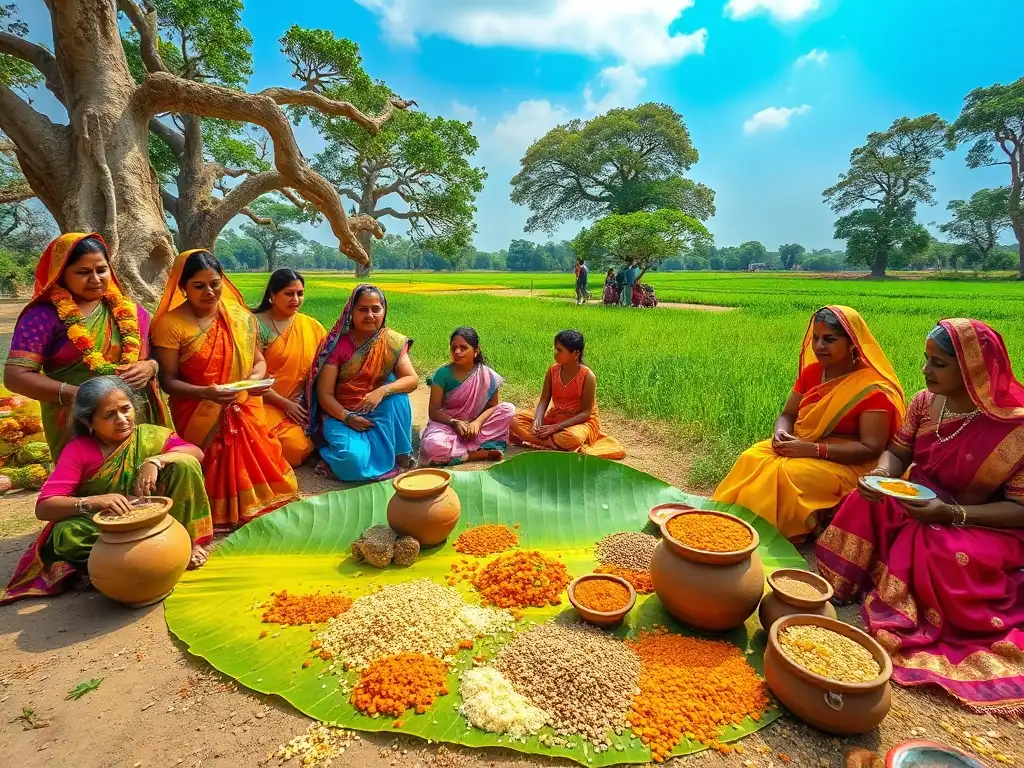
In ancient India, numerous festivals and rituals were dedicated to celebrating the contributions of women in agriculture. One such festival is Baisakhi, which marks the harvesting season and honors the efforts of farmers, including women. During this festival, women participate in traditional dance and songs, symbolizing their integral role in the agricultural cycle.
Another significant celebration is Makar Sankranti, which involves various rituals related to the harvest. Women play a crucial role in preparing offerings and participating in community gatherings, emphasizing their importance in agrarian societies. These festivals not only celebrate the bounty of the land but also serve to acknowledge and honor the hard work and contributions of women in agricultural practices, reinforcing their status within the community.
Case Studies of Women in Ancient Indian Agriculture
Case Study 1: The Role of Women in the Agriculture of the Indus Valley Civilization
The Indus Valley Civilization (c. 3300–1300 BCE) provides a fascinating glimpse into the role of women in agriculture. Archaeological evidence suggests that women were heavily involved in farming activities, from planting to harvesting. Tools found at excavation sites, such as terracotta figurines, indicate that women likely engaged in agricultural tasks.
Moreover, the agrarian practices of the Indus Valley people, which included the cultivation of wheat, barley, and cotton, relied on the collective efforts of both men and women. The societal structure, as inferred from urban planning and dwelling patterns, indicates a level of gender equality, where women's participation in agriculture was not only common but essential for sustaining their communities.
Case Study 2: Women's Contributions in the Agriculture of Ancient Tamil Nadu
In ancient Tamil Nadu, women played a pivotal role in agriculture, particularly in paddy cultivation, which was a staple of the region. Historical records and Sangam literature reflect women's contributions to agricultural practices, highlighting their expertise in irrigation techniques and crop management.
Women in Tamil Nadu were often responsible for sowing and harvesting rice, demonstrating their intimate knowledge of seasonal cycles and land management. Additionally, the Mutharamman Festival celebrated in the region includes rituals performed by women to seek blessings for a prosperous harvest, showcasing their vital role in agriculture and the community's wellbeing. This cultural practice underscores the respect and recognition of women's contributions to agricultural productivity in ancient Tamil societies.
Challenges Faced by Women in Agriculture
Women in ancient Indian agriculture played a crucial role, yet they faced numerous challenges that impacted their participation and productivity. These challenges were deeply rooted in the socio-economic and cultural context of the time. Understanding these barriers is essential to appreciating the significant contributions of women in this field.
Socio-Economic Barriers
Socio-economic barriers were prominent in limiting women's roles in agriculture. Despite their active involvement in farming and land management, women's contributions were often overlooked due to prevailing patriarchal norms. Some key socio-economic challenges included:
- Limited Access to Resources: Women frequently had restricted access to essential agricultural resources such as land, tools, and credit. In many cases, land ownership was predominantly male, which inhibited women's ability to manage or farm land independently.
- Workload Disparities: Women were expected to balance agricultural work with domestic responsibilities, resulting in a dual burden. This imbalance often led to physical exhaustion and limited their ability to engage in activities that could yield greater economic benefits.
- Cultural Restrictions: Social norms often dictated the roles women could play in agriculture. Cultural practices sometimes restricted women from participating in certain agricultural rituals or decision-making processes, thereby limiting their influence in the agricultural domain.
These socio-economic barriers significantly hampered women's potential to contribute effectively to agricultural practices and land management, often relegating their efforts to the background.
Historical Changes in Gender Dynamics
Over time, the gender dynamics within agriculture evolved, particularly due to changing political, economic, and social conditions. Notable historical changes included:
- Emergence of Female Leaders: As villages grew and agricultural practices became more sophisticated, women began to emerge as leaders in local agricultural communities. This shift allowed some women to gain recognition for their expertise in crop management and sustainability practices.
- Increased Agricultural Roles: Historical records suggest that during certain periods, such as the Maurya and Gupta empires, women started to take on more diverse roles in agriculture. They participated in processes ranging from planting and harvesting to marketing produce, thereby asserting their presence in the agricultural economy.
- Impact of Religion and Philosophy: Philosophical and religious shifts also influenced women's roles. Texts like the Arthashastra provided insights into the economic importance of women in agriculture, promoting the idea that women could be effective land managers and contributors to economic stability.
These historical changes illustrate the resilience and adaptability of women in agriculture, showcasing their ability to navigate and redefine their roles within the agricultural landscape.
Conclusion: The Lasting Impact of Women on Agriculture in Ancient India
The impact of women on agriculture in ancient India is profound and long-lasting. Their contributions laid the foundation for sustainable agricultural practices and land management techniques that continued to influence subsequent generations.
Summary of Key Contributions
Women in ancient Indian agriculture contributed significantly in various ways:
- Expertise in Crop Cultivation: Women often possessed detailed knowledge of local flora and cultivated various crops, enhancing agricultural diversity and resilience.
- Innovative Techniques: Many women were responsible for developing innovative farming techniques and irrigation methods that improved yields and sustainability.
- Community Organizers: Women played a vital role in organizing community efforts related to agriculture, from collective planting to harvest festivals, fostering social cohesion and communal support.
These contributions highlight the integral role women played in shaping the agricultural landscape of ancient India.
Reflection on the Legacy of Women in Ancient Indian Land Management
The legacy of women in ancient Indian land management is a testament to their strength and adaptability. By overcoming socio-economic barriers and engaging in agricultural innovation, they not only contributed to their families' sustenance but also to the broader economy.
The recognition of these contributions is essential for understanding the full scope of agricultural history in India. As we reflect on their legacy, it becomes evident that women were not just passive participants; they were active agents of change who helped shape the agricultural practices that have persisted throughout Indian history. Their impact continues to resonate, reminding us of the essential role women play in agriculture and land management today.
- Introduction to Women in Ancient Indian Agriculture
- Importance of Women in Agricultural Practices
- Overview of Women's Contributions to Land Management
- Historical Context of Women in Agriculture
- Women's Involvement in Agricultural Activities
- Land Management Practices by Women
- Cultural Significance of Women in Agriculture
- Women in Ancient Texts and Literature
- Festivals and Rituals Celebrating Women's Contributions
- Case Studies of Women in Ancient Indian Agriculture
- Challenges Faced by Women in Agriculture
- Conclusion: The Lasting Impact of Women on Agriculture in Ancient India
- What was the role of women in ancient Indian agriculture?
- How did women contribute to land management in ancient India?
- Were there any specific agricultural tasks women were responsible for?
- Did women have any rights regarding land ownership in ancient India?
- How did the role of women in agriculture evolve over time?
Frequently Asked Questions
What was the role of women in ancient Indian agriculture?
Women played a crucial role in ancient Indian agriculture, participating in planting, harvesting, and processing crops, significantly contributing to household and community sustenance.
How did women contribute to land management in ancient India?
Women were often involved in land management practices, which included crop rotation, soil conservation techniques, and water management, ensuring sustainable agricultural practices.
Were there any specific agricultural tasks women were responsible for?
Yes, women were primarily responsible for weeding, threshing, and storing grains, as well as handling domestic animals, which were integral to the agricultural economy.
Did women have any rights regarding land ownership in ancient India?
In some ancient Indian societies, women had limited rights to land ownership and could inherit property, but these rights varied greatly depending on the region and time period.
How did the role of women in agriculture evolve over time?
The role of women in agriculture evolved due to social, economic, and political changes, with some periods seeing increased recognition of their contributions, while others led to restrictions on their involvement.
Final Reflection: The Enduring Legacy of Women in Ancient Indian Agriculture
The role of women in ancient Indian agriculture is not just a historical footnote; it is a powerful testament to their resilience and ingenuity. As we navigate the complexities of modern agricultural practices and land management, it becomes increasingly clear that understanding the contributions of women in ancient societies can inform contemporary discussions about gender roles, sustainability, and community resilience. The recognition of these contributions is essential, as it highlights a narrative often overshadowed by dominant historical accounts.
Clearly, the influence of women in ancient Indian agriculture has shaped cultural and social landscapes in profound ways. Their involvement in farming, seed preservation, and land stewardship underscores the vital role women played in sustaining communities and ecosystems. This legacy continues to resonate today, as we witness a resurgence of interest in sustainable practices and local food systems. As Mahatma Gandhi once said, “To call woman the weaker sex is a libel; it is man's injustice to woman.” This quote encapsulates the strength and significance of women’s contributions, urging us to reevaluate and celebrate their roles throughout history.
As we reflect on the lessons from ancient practices, let us embrace the call to action: consider how we can honor and uplift the voices of women in agriculture today. Whether through supporting women-led initiatives, advocating for equitable policies, or simply sharing these stories, we can contribute to a more inclusive narrative that recognizes the invaluable contributions of women in agriculture. Take a moment to reflect on how you can be part of this ongoing journey, ensuring that the legacy of women in ancient Indian agriculture continues to inspire future generations.
Uncover the Legacy: Empower Your Understanding of Women in Ancient Agriculture!
Thank you for diving into the fascinating world of women’s contributions to agriculture and land management in ancient India. Your interest in this remarkable history enriches your understanding of how these pioneering women shaped agricultural practices and community life.
Now, it’s time to take your newfound knowledge further—here’s how you can make an impact:
- Explore local agricultural initiatives in your community that honor or educate about women's historical roles.
- Share your insights from this article on social media to spark conversations about the importance of women in agriculture today.
- Join a book club dedicated to exploring the narratives of influential women in agriculture and land management, allowing you to delve deeper into their significant contributions.
What insights did you find most surprising about the role of women in ancient agriculture? **We invite you to share your thoughts below! **