
The Interplay of Religion and Agriculture in Ancient Indian Civilizations

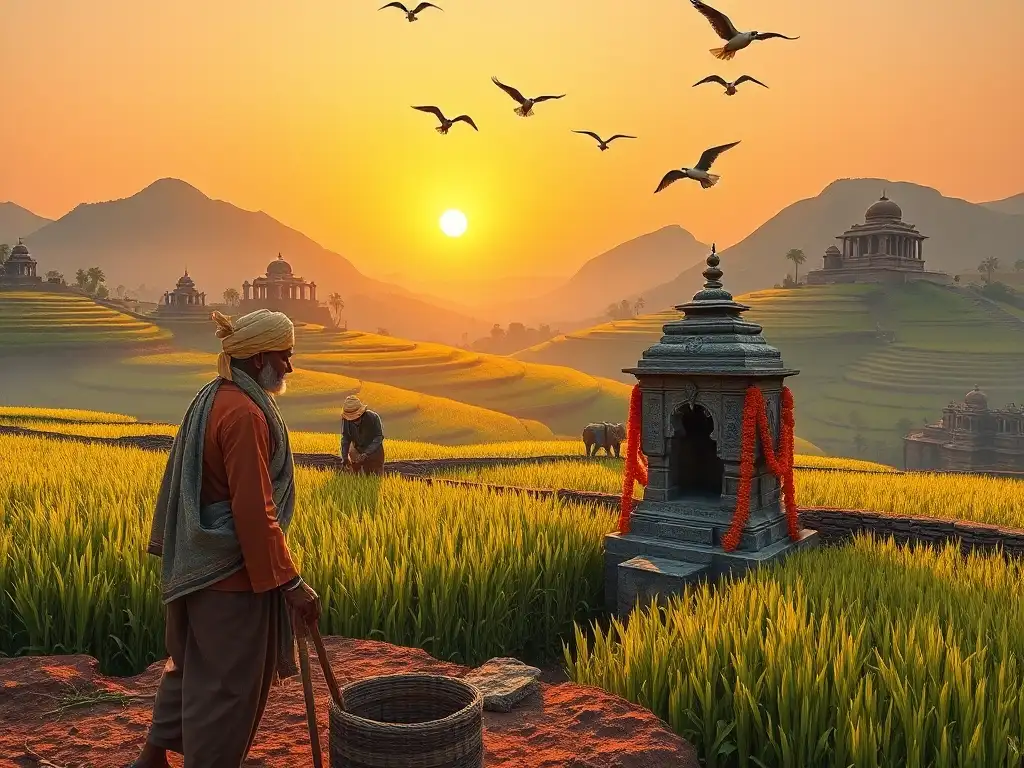
Welcome to Ancient India History, where we embark on a fascinating journey through the rich tapestry of India's past. Discover how the interplay of religion and agriculture shaped the lives and innovations of ancient civilizations, from the awe-inspiring Indus Valley to the enlightened Gupta Empire. What secrets lie behind the agricultural practices that were not just a means of sustenance, but a profound expression of spiritual beliefs? Dive deeper with us to uncover the intricate connections between faith and farming that defined an era and continue to influence cultures today. Your exploration starts here!

Introduction to Religion and Agriculture in Ancient India
The intricate relationship between religion and agriculture in ancient India is a fascinating subject that reveals how spiritual beliefs profoundly influenced agricultural practices and land use. From the early Indus Valley Civilization to the flourishing Gupta Empire, agriculture was not merely a means of sustenance but was often interwoven with the religious fabric of society.
This interplay shaped not only the economic landscape but also the cultural and spiritual identities of various ancient Indian civilizations. Understanding this connection offers valuable insights into how societies operated and thrived for millennia, reflecting both their agricultural innovations and their reverence for the divine.
Overview of Ancient Indian Civilizations
Ancient India was home to several remarkable civilizations, each contributing to the rich tapestry of its history. Key civilizations include:
- Indus Valley Civilization (c. 3300–1300 BCE): Known for its advanced urban planning, the Indus Valley featured sophisticated irrigation systems and agricultural practices that were likely influenced by local religious beliefs.
- Vedic Period (c. 1500–500 BCE): This era saw the emergence of major religious texts and practices, which intertwined with agrarian life, leading to the establishment of rituals aimed at ensuring bountiful harvests.
- Maurya Empire (c. 322–185 BCE): Under figures like Ashoka, agriculture flourished, with Buddhist principles promoting sustainable farming practices.
- Gupta Empire (c. 320–550 CE): A golden age for arts and sciences, this period also emphasized agricultural advancements alongside religious patronage of farming communities.
These civilizations collectively laid the groundwork for a thriving agricultural economy that was deeply influenced by the prevailing religious ideologies.
Significance of Religion in Agricultural Practices
Religion played a pivotal role in shaping agricultural practices throughout ancient India. Various aspects of farming were ritualized, reflecting a belief that the divine influenced the fertility of the land. Key points include:
- Rituals and Offerings: Farmers often performed rituals and made offerings to deities such as Goddess Lakshmi (the goddess of wealth) and Lord Indra (the god of rain) to ensure successful crops.
- Caste System and Agriculture: The caste system, which was intertwined with religious beliefs, assigned specific agricultural roles, determining who could cultivate, harvest, and manage land.
- Mythology and Fertility: Many agricultural practices were rooted in local myths that celebrated the cycle of planting and harvesting, reinforcing the belief that the gods were directly involved in the fertility of the land.
The Role of Religion in Shaping Agricultural Practices
The influence of religion extended beyond mere beliefs; it actively shaped agricultural practices and technologies in ancient India.
Religious Festivals and Agricultural Cycles
Religious festivals played a crucial role in synchronizing agricultural cycles. Festivals such as:
- Pongal: Celebrated in Tamil Nadu, this harvest festival honors the Sun God and marks the beginning of the harvest season.
- Makar Sankranti: A festival marking the end of winter solstice, it signifies the start of the harvest season for various crops.
These events not only provided a time for communal celebration but also reinforced the importance of agriculture in the socio-religious framework of the time.
Sacred Sites and Their Influence on Farming Techniques
Many ancient Indian agricultural practices were influenced by sacred sites and the geography surrounding them. Elements include:
- Sacred Groves: These are patches of forest preserved for worship, often serving as natural reservoirs that supported biodiversity and agricultural sustainability.
- Temple Agriculture: Temples often held large tracts of land, which were cultivated by local farmers. The produce was offered to deities, creating a direct link between agricultural output and religious devotion.
The intertwining of religion and agriculture in ancient India not only fostered a rich agricultural tradition but also established a cultural identity that resonated through subsequent generations. Understanding this relationship is crucial for appreciating the complexities of ancient Indian civilizations and their remarkable contributions to the world.
Major Religions and Their Agricultural Contributions
Ancient Indian civilizations were profoundly influenced by religious beliefs, which played a crucial role in shaping agricultural practices. The interplay between religion and agriculture is evident in how various faiths contributed to farming techniques, land management, and the overall agricultural economy. Three major religions—Hinduism, Buddhism, and Jainism—each offered unique perspectives that fostered advancements in agriculture, emphasizing sustainability, ritual practices, and ethical treatment of the land.
Hinduism: Vedic Texts and Agricultural Laws
Hinduism, one of the oldest religions in the world, has deep roots in agricultural practices, as reflected in its Vedic texts. These texts contain extensive references to farming, including guidelines on seasonal planting and crop management. The Rigveda, for instance, praises the earth's fertility and the importance of agrarian life, while the Yajurveda emphasizes rituals that ensure bountiful harvests.
Agricultural laws derived from Hindu scriptures, such as the Manusmriti, provided farmers with ethical guidelines on land use, crop rotation, and sustainable practices. The concept of dharma (duty) in agriculture encouraged farmers to respect the land and its resources, ensuring that farming practices remained sustainable and productive. Additionally, the reverence for certain deities associated with agriculture, like Parvati and Indra, led to the establishment of rituals designed to invoke divine favor for successful harvests.
Buddhism: Sustainable Practices and Crop Management
Buddhism emerged as a significant religious force in ancient India, promoting sustainable agricultural practices through its core teachings of moderation and mindfulness. The Buddha's emphasis on ahimsa (non-violence) extended to farming methods, encouraging practices that avoided harm to the environment and its inhabitants. This principle led to the adoption of organic farming techniques, such as composting and crop rotation, which preserved soil health and biodiversity.
Buddhist monastic communities played a pivotal role in agriculture by developing irrigation systems and promoting the cultivation of diverse crops. For example, the establishment of monasteries in fertile areas facilitated the spread of innovative farming techniques and crop management strategies. Additionally, the Buddhist calendar, which is aligned with seasonal changes, helped farmers time their planting and harvesting effectively, ultimately enhancing agricultural productivity.
Jainism: Principles of Non-Violence and Agriculture
Jainism, with its strict adherence to the principle of ahimsa, significantly influenced agricultural practices in ancient India. Jains advocated for minimal harm to all living beings, which led to the development of sustainable agricultural techniques. This non-violent ethos resulted in methods that preserved the ecosystem, such as avoiding certain crops that would disturb soil life or using manual tools instead of heavy machinery.
Jain agriculturalists were also known for their meticulous planning and crop rotation practices, which not only ensured soil fertility but also reduced pests and diseases. Their emphasis on organic farming and the use of native seeds contributed to the resilience of crops against local climatic conditions. Jains often engaged in community farming, sharing resources and knowledge, which fostered a cooperative approach to agriculture that benefited the entire region.
Rituals and Their Impact on Agricultural Productivity
In ancient India, rituals played an essential role in agricultural productivity, intertwining religious beliefs with farming practices. These rituals were not only expressions of faith but also practical responses to the agricultural calendar, aimed at ensuring bountiful harvests and addressing the challenges posed by nature.
Fertility Rituals and Crop Yield
Fertility rituals were a cornerstone of agricultural practices in ancient India, designed to invoke divine blessings for abundant crops. Farmers often performed ceremonies dedicated to fertility deities, such as Sita or Laxmi, with the belief that their favor would lead to successful harvests. These rituals included offerings of the first fruits, elaborate prayers, and communal feasts, reinforcing the connection between the community and the agricultural cycle.
The timing of these rituals was crucial; they were typically conducted at the beginning of the planting season to ensure that the soil was blessed and the crops would flourish. The integration of agricultural practices with fertility rituals demonstrated the deep-rooted belief that spiritual well-being directly influenced agricultural success.
Seasonal Festivals and Agricultural Planning
Seasonal festivals in ancient India were closely linked to the agricultural calendar, providing a structured approach to farming. Festivals such as Pongal and Makar Sankranti celebrated the harvest season, marking important milestones in the agricultural cycle. These events not only served as a time for community bonding and celebration but also emphasized the significance of proper agricultural planning.
During these festivals, farmers would assess the outcomes of their harvest and seek guidance for the upcoming planting season. The rituals associated with these festivals often included prayers for rain and good weather, critical factors for successful agriculture. By aligning their agricultural activities with seasonal festivals, ancient Indian farmers effectively created a framework that enhanced productivity and ensured the sustainability of their farming practices.
Agriculture as a Spiritual Endeavor
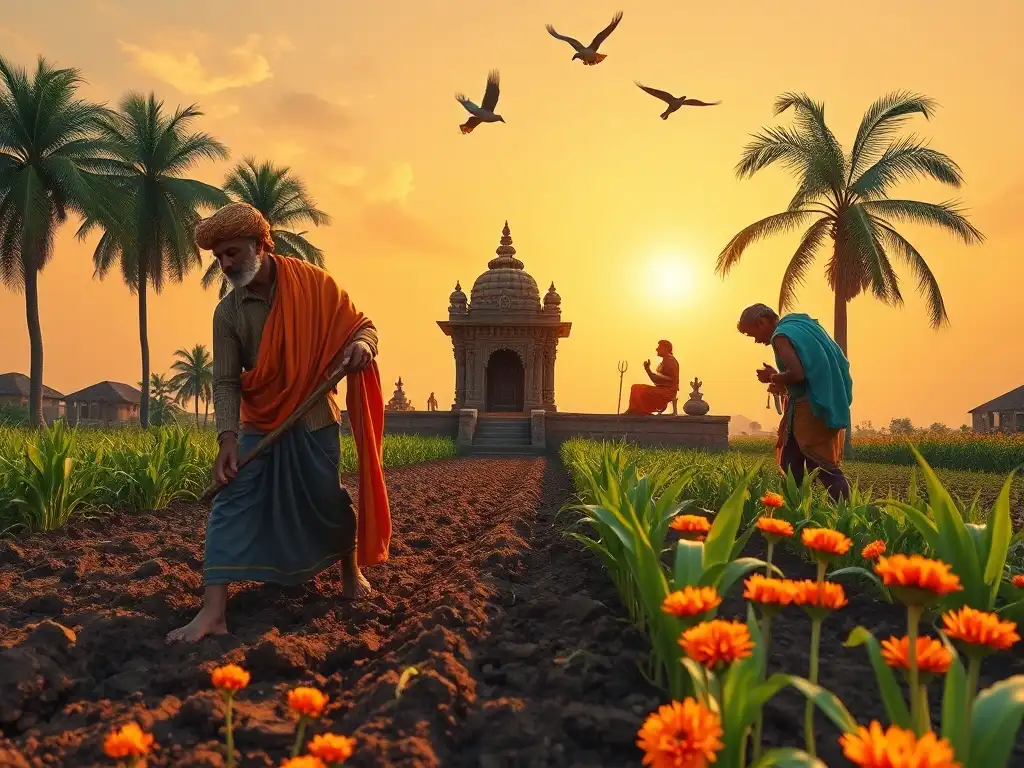
In ancient India, agriculture was not merely a means of subsistence; it was deeply intertwined with spirituality and religious practices. The agrarian lifestyle fostered a profound connection between the people and the cycles of nature, leading to the belief that farming was a sacred act.
This intertwining of religion and agriculture manifested in various forms, including rituals, festivals, and the veneration of deities associated with fertility and harvests. The reverence for nature and its bounty was reflected in the agricultural practices of ancient civilizations, where the land was viewed not just as a resource but as a living entity deserving of respect and devotion.
Farmers often sought blessings from deities before sowing seeds or harvesting crops. This spiritual dimension of agriculture was a way to ensure a bountiful harvest and maintain harmony with the divine and the natural world. The rituals surrounding agriculture reinforced community bonds and provided a framework for understanding the agricultural calendar, which was punctuated by religious observances that celebrated planting and harvest seasons.
Farming as a Form of Worship
Farming practices in ancient India were often perceived as a form of worship, where the act of sowing seeds symbolized hope and life. Farmers would conduct rituals to invoke the blessings of various deities, such as Sita, the goddess of agriculture, and Prithvi, the Earth goddess. These rituals included offerings of the first fruits of the harvest and the recitation of specific mantras or prayers to ensure prosperity.
Moreover, agricultural festivals, such as Pongal and Makar Sankranti, celebrated the harvest and were imbued with religious significance. These festivals not only marked the end of the harvesting season but also served as communal gatherings that reinforced social and cultural ties. The act of sharing food and participating in communal worship helped to solidify the role of agriculture as a spiritual endeavor within ancient Indian society.
Symbolism of Agriculture in Religious Texts
Religious texts from ancient India, including the Vedas and the Puranas, contain numerous references to agriculture, highlighting its significance in cultural and spiritual life. These texts often use agricultural metaphors to convey moral and philosophical teachings. For instance, the cycle of planting and harvesting is likened to the cycle of life, death, and rebirth, embodying the principle of samsara.
Additionally, gods and goddesses associated with agriculture are frequently mentioned in these texts, emphasizing the divine connection to agrarian practices. The notion that the fertility of the land was a direct reflection of divine favor reinforced the importance of agricultural rituals. The symbolism of agriculture in these religious contexts underscores its central role in the socio-religious fabric of ancient Indian civilizations.
Case Studies of Religion and Agriculture Interplay
The Indus Valley Civilization: Agriculture and Religious Practices
The Indus Valley Civilization (c. 3300–1300 BCE) showcases a profound connection between agriculture and religion. The inhabitants practiced advanced agricultural techniques, cultivating crops such as wheat, barley, and cotton, supported by an intricate irrigation system. Archaeological findings suggest that the people of this civilization engaged in various rituals related to agriculture, including the worship of fertility deities.
Artifacts such as terracotta figurines, often depicting female forms, indicate a reverence for a mother goddess symbolizing fertility and abundance. These religious practices reflected the community's dependence on agriculture for sustenance and prosperity, highlighting the spiritual significance of farming in their daily lives.
The Maurya Empire: Agricultural Innovations and Spiritual Beliefs
During the Maurya Empire (c. 322–185 BCE), agriculture saw significant advancements, including improved irrigation techniques and the introduction of new crops. Emperor Ashoka, known for his promotion of Buddhism, also emphasized the importance of agriculture as a means of sustaining his empire. The connection between religion and agriculture was evident in his edicts, which advocated for the welfare of farmers and encouraged sustainable farming practices.
Ashoka's commitment to non-violence and respect for all living beings extended to agricultural practices, promoting methods that preserved the environment. This integration of spiritual beliefs with agricultural policies exemplifies how religion influenced agricultural development during the Maurya period.
The Gupta Empire: Integration of Religion in Agricultural Policies
The Gupta Empire (c. 240–550 CE) is often referred to as the "Golden Age" of ancient India, marked by significant achievements in various fields, including agriculture. The Gupta rulers recognized the importance of agriculture for economic stability and social welfare. They implemented policies that promoted agricultural productivity and supported farmers through irrigation projects and land reforms.
Religion played a vital role during this period, as the Gupta rulers were patrons of Hinduism and Buddhism. Festivals celebrating the harvest were common, and agricultural practices were often aligned with religious observances. The Gupta period illustrates how agricultural policies were not just about economic growth but also about fostering a spiritual connection between the land and the people, ensuring that agriculture remained a revered aspect of life in ancient India.
Conclusion: Lasting Legacy of Religion in Agriculture
The intertwined relationship between religion and agriculture in ancient India has left a profound and lasting legacy that continues to resonate in contemporary practices. This connection was evident in the way agricultural rituals, festivals, and deities influenced farming methods and seasonal cycles. The reverence for nature and the agricultural calendar in various religious texts underscores an intrinsic belief in the sanctity of the land and its yield. Festivals like Pongal and Makar Sankranti, rooted in ancient traditions, still celebrate the agricultural cycle, highlighting the continuity of these practices through generations.
Moreover, the agricultural techniques developed during ancient times, often shaped by religious ideologies, laid the foundation for modern farming. Ancient texts, such as the Arthashastra and the Vedas, contain references to crop management, irrigation systems, and land use that inform current agricultural methods. This legacy is not merely historical; it represents a dynamic interplay that continues to influence agricultural practices, sustainability, and community life in India.
Reflections on Ancient Practices and Modern Agriculture
The ancient agricultural practices in India were deeply intertwined with religious beliefs, which instilled a sense of responsibility towards nature. For instance, the practice of crop rotation and the use of organic fertilizers were often regarded as sacred duties, stemming from the belief that the earth needed to be honored and nurtured. This perspective is particularly relevant today, as modern agriculture faces challenges such as soil degradation and climate change.
Reflecting on these ancient practices can inspire contemporary farmers to adopt more sustainable methods that respect the environment. The integration of spirituality in agricultural practices can foster a holistic approach to farming, promoting biodiversity and ecological balance. Moreover, the communal aspects of ancient agricultural festivals can encourage community engagement and collaboration, which are essential for addressing the challenges of modern agriculture.
Future Implications for Agriculture in India
The insights gained from the interplay of religion and agriculture in ancient India provide valuable lessons for the future of agriculture in the country. As India strives for food security and sustainable development, there is a growing recognition of the need to harmonize agricultural practices with ecological and social values.
Future agricultural policies could benefit from incorporating traditional knowledge and practices that respect the land and its resources. By engaging with the spiritual dimensions of agriculture, farmers may find renewed purpose and motivation in their work, fostering a deeper connection with their land. Furthermore, promoting agricultural education that includes the historical and cultural aspects of farming can empower future generations to appreciate and preserve their agricultural heritage.
References and Further Reading
Suggested Literature on Religion and Agriculture in Ancient India
- "The Sacred Landscape of India: Religion, Nature, and Agriculture": - A comprehensive exploration of how religious beliefs have shaped agricultural practices throughout Indian history.
- "Farming and Religion: The Ancient Indian Perspective": - This book delves into specific agricultural techniques and their religious significance in ancient texts.
- "Rituals of the Earth: Agriculture, Religion, and Cosmology in Ancient India": - A detailed analysis of the rituals associated with farming and their impact on agricultural sustainability.
Online Resources for Exploring Ancient Indian Civilizations
- Digital Library of India: A vast repository of ancient texts and manuscripts that provide insights into agricultural practices and religious beliefs.
- Indira Gandhi National Centre for the Arts (IGNCA): Offers research materials and publications on the cultural heritage of India, including the interplay of religion and agriculture.
- Project Gutenberg: Hosts various public domain texts related to ancient Indian agriculture and religious practices, providing free access to historical literature.
By engaging with these resources, readers can deepen their understanding of the rich tapestry of ancient Indian civilization and the significant role that religion played in shaping agricultural practices.
- Introduction to Religion and Agriculture in Ancient India
- The Role of Religion in Shaping Agricultural Practices
- Major Religions and Their Agricultural Contributions
- Rituals and Their Impact on Agricultural Productivity
- Agriculture as a Spiritual Endeavor
- Case Studies of Religion and Agriculture Interplay
- Conclusion: Lasting Legacy of Religion in Agriculture
- References and Further Reading
- What role did religion play in agriculture in ancient India?
- How did the Indus Valley Civilization integrate religion and agriculture?
- What were the primary crops cultivated in ancient India, and how were they connected to religion?
- How did the Gupta Empire influence agricultural practices through religion?
- What impact did agricultural advancements have on religious practices in ancient India?
Frequently Asked Questions
What role did religion play in agriculture in ancient India?
Religion significantly influenced agricultural practices, with rituals and festivals often aligned with seasonal cycles to ensure good harvests and maintain harmony with nature.
How did the Indus Valley Civilization integrate religion and agriculture?
The Indus Valley Civilization demonstrated a strong connection between religious practices and agriculture, as evidenced by the presence of fertility symbols and ritualistic structures that suggest reverence for agricultural deities.
What were the primary crops cultivated in ancient India, and how were they connected to religion?
Ancient Indians cultivated a variety of crops, including rice, wheat, and barley. Many of these crops were associated with religious rituals and were offered to deities during harvest festivals.
How did the Gupta Empire influence agricultural practices through religion?
During the Gupta Empire, agriculture flourished, supported by religious institutions that provided land grants to temples, promoting sustainable farming and enhancing agricultural productivity in the region.
What impact did agricultural advancements have on religious practices in ancient India?
Agricultural advancements led to surplus production, enabling the rise of urban centers and promoting cultural and religious diversity, as communities could engage in rituals and festivals more frequently and with greater resources.
Final Reflection: The Enduring Legacy of Religion and Agriculture in Ancient India
The intricate relationship between religion and agriculture in ancient Indian civilizations remains profoundly relevant today, as it underscores the vital role that cultural beliefs play in shaping agricultural practices and societal structures. In a world grappling with food security and environmental sustainability, understanding how ancient societies harmonized their spiritual beliefs with agricultural endeavors offers invaluable insights into creating a more balanced future. The lessons from these civilizations remind us that our relationship with the land is not merely transactional; it is deeply intertwined with our values and beliefs.
The influence of religion on agricultural practices in ancient India continues to resonate in modern society, as we witness a revival of interest in sustainable farming methods that respect both the earth and cultural traditions. The reverence for nature found in ancient texts and rituals serves as a poignant reminder of the interconnectedness of life.
As Mahatma Gandhi once said, "> The earth provides enough to satisfy every man's needs, but not every man's greed." This quote encapsulates the essence of how ancient Indian civilizations viewed agriculture—not just as a means of sustenance, but as a sacred duty that demands respect and stewardship.
As we reflect on the interplay of religion and agriculture, let us consider how we can integrate these lessons into our own lives. I invite you to explore your relationship with food and the environment, recognizing the cultural narratives that shape your choices. Whether through supporting local farmers, practicing sustainable agriculture, or simply being mindful of where our food comes from, we can honor the legacy of ancient Indian civilizations. By doing so, we not only pay homage to their wisdom but also pave the way for a more harmonious existence with our planet and its resources.
Unveil the Rich Tapestry of Ancient Indian Agriculture and Religion!
Thank you for diving into the intricate dynamics of religion and agriculture in ancient Indian civilizations. Your journey through history has uncovered the profound connections that shaped societal beliefs and agricultural practices. Now, it's time to bring this knowledge to life!
Here are some engaging actions you can take:
- Explore a local agricultural site or community: Visit farms or heritage sites where traditional practices are still honored. Gain firsthand experiences that connect you with the past.
- Start a discussion: Share your insights or thoughts on how religion has influenced agricultural practices in your community through social media or local forums.
- Join an online history group: Connect with enthusiasts who share your passion for ancient civilizations. Exchange ideas and insights to deepen your understanding.
What aspects of the relationship between religion and agriculture intrigue you the most? We invite you to share your thoughts in the comments below!