
The Untold Story of Ancient Indian Agricultural Pioneers and Innovators

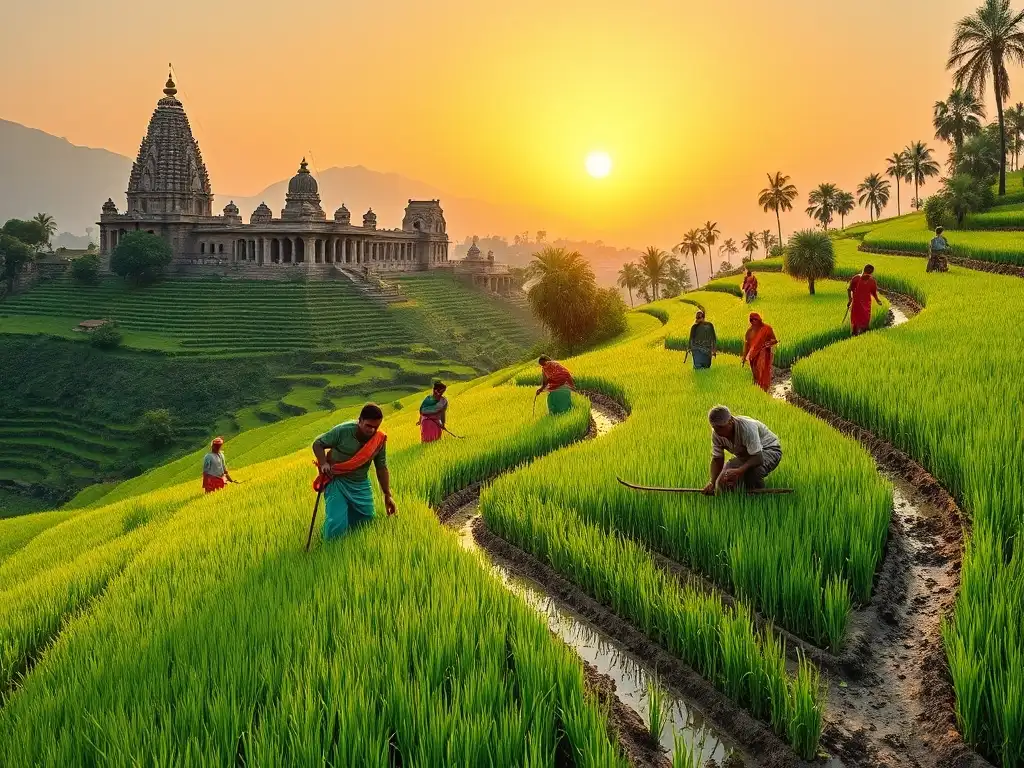
Welcome to Ancient India History, where we embark on a captivating journey through the vibrant tapestry of ancient Indian civilizations! Here, we delve into the untold story of ancient Indian agricultural pioneers and innovators—a tale that reveals the remarkable agricultural innovations that shaped the foundation of India’s economy and culture. Are you ready to uncover the secrets of how these early visionaries transformed their landscapes and livelihoods? Join us as we explore the ingenuity and resilience of these ancient farmers, and discover just how their contributions continue to impact our world today. Dive in and let the adventure begin!

Introduction to Ancient Indian Agricultural Innovations
The story of ancient Indian agricultural innovations is one of remarkable ingenuity and adaptation, showcasing the profound connection between the land and its people. From the fertile plains of the Indus Valley to the vast expanses of the Gupta Empire, ancient Indian civilizations made significant strides in agricultural practices that not only sustained their growing populations but also laid the groundwork for future advancements.
These innovations encompassed a wide range of techniques, tools, and crops, reflecting the diverse climatic and geographical challenges faced by these early agrarians. Understanding these developments offers a glimpse into the foundational role agriculture played in shaping the economy, culture, and social structures of ancient India.
Overview of Ancient Indian Agriculture
Ancient Indian agriculture was characterized by a blend of traditional practices and pioneering innovations. The agricultural landscape was primarily dominated by staple crops such as rice, wheat, barley, and pulses, which were cultivated using advanced techniques.
- Irrigation Systems: One of the key innovations was the development of sophisticated irrigation systems, including canals and wells, that allowed for the efficient management of water resources.
- Crop Rotation and Mixed Farming: Farmers practiced crop rotation and mixed farming, which helped maintain soil fertility and reduce pests.
- Tools and Implements: The introduction of iron tools, such as plows and sickles, significantly enhanced productivity.
These practices not only improved yields but also contributed to the socio-economic stability of ancient Indian societies.
Importance of Agricultural Innovations in Ancient India
The agricultural innovations of ancient India were vital for several reasons:
- Economic Stability: Enhanced agricultural productivity fueled trade, leading to economic prosperity and the growth of urban centers.
- Cultural Development: A stable food supply supported population growth, which in turn fostered advancements in art, science, and philosophy.
- Social Structure: Agriculture influenced social hierarchies and the emergence of different occupational roles within society.
Overall, the advancements in agriculture served as the backbone of ancient Indian civilization, enabling it to flourish and innovate in various fields.
Historical Context of Agriculture in Ancient India
The Indus Valley Civilization: Foundations of Agricultural Practices
The Indus Valley Civilization, flourishing around 2500 BCE, is often regarded as the cradle of agricultural development in ancient India. The inhabitants mastered the art of farming within a challenging environment, employing techniques that would influence generations to come.
- Urban Planning: Cities like Harappa and Mohenjo-Daro were meticulously planned, featuring granaries and drainage systems that showcased advanced agricultural management.
- Crop Cultivation: The Indus people cultivated a variety of crops, including wheat, barley, and cotton, indicating a sophisticated understanding of agricultural practices and crop domestication.
The innovations of the Indus Valley set a precedent for agricultural practices in subsequent periods, demonstrating early signs of environmental adaptation and resource management.
Agricultural Developments during the Vedic Period
The Vedic period (1500-500 BCE) marked a transformative era for agriculture in ancient India. This period saw the integration of agricultural practices with cultural and religious life, which significantly influenced farming techniques.
- Sacred Agriculture: Farming was often intertwined with rituals and religious practices, leading to the development of agricultural festivals.
- Technological Advances: The use of iron tools became more widespread, improving efficiency in tilling and harvesting.
The Vedic texts contain references to agricultural practices, indicating that agriculture was highly respected and essential for sustaining the emerging societal structures.
Innovations in Agriculture during the Maurya and Gupta Empires
The Maurya (322-185 BCE) and Gupta (c. 320-550 CE) Empires are renowned for their extensive agricultural innovations, which contributed to the prosperity of these empires.
- State Support: The Mauryan government implemented policies to support agriculture, including irrigation projects and land revenue systems, which incentivized farming.
- Crop Diversification: The introduction of new crops, such as sugarcane and spices, expanded agricultural diversity and trade opportunities.
During the Gupta Empire, agricultural advancements continued to thrive, leading to a golden age of cultural and economic prosperity in ancient India. The emphasis on agriculture during these periods not only sustained the empires but also facilitated advancements in various other fields, making agriculture a cornerstone of ancient Indian civilization.
Key Agricultural Innovations in Ancient India
Ancient India was home to several groundbreaking agricultural innovations that laid the foundation for modern farming practices. Among these, the development of advanced irrigation techniques, crop rotation systems, and the domestication of various plants and animals played crucial roles in enhancing agricultural productivity and sustainability.
One of the most significant innovations was the introduction of the plough, which revolutionized tilling methods. This tool allowed farmers to cultivate the land more efficiently, leading to increased yields. Furthermore, ancient Indian farmers mastered the art of crop rotation, a practice that not only preserved soil fertility but also minimized pest infestations.
Another vital aspect of ancient Indian agriculture was the cultivation of a diverse range of crops. Farmers grew various staples such as wheat, barley, rice, and millet, which contributed to a balanced diet and food security. This diversity in crops ensured that communities could withstand fluctuations in climate and market demands.
Crop Diversification and its Impact on Food Security
Crop diversification in ancient India was a strategic approach to enhance food security and mitigate risks associated with monoculture farming. By cultivating a variety of crops, ancient farmers could ensure a stable food supply even in adverse conditions such as droughts or floods.
This practice not only optimized land use but also improved nutritional value within communities. Different crops provided essential vitamins and minerals, leading to healthier populations. Moreover, diversified farming systems were more resilient to pests and diseases, reducing the reliance on chemical interventions, which were largely absent in ancient practices.
The impact of crop diversification extended beyond immediate food security; it fostered economic stability. Surplus production of certain crops allowed communities to engage in trade, facilitating the exchange of goods and ideas, which contributed to the overall growth of ancient Indian civilization.
The Invention of Irrigation Systems in Ancient India
Irrigation was a pivotal innovation in ancient Indian agriculture, enabling farmers to cultivate crops in regions with variable rainfall. The earliest forms of irrigation involved the construction of canals and water storage systems, which harnessed rivers and monsoon rains.
The sophisticated irrigation techniques developed during the Indus Valley Civilization stand out, as they included a network of canals and reservoirs that maximized water efficiency. These systems not only supported agricultural activities but also improved the overall management of water resources, which was crucial for sustaining large populations.
The invention of wells and the use of water-lifting devices further advanced irrigation practices, allowing farmers to reach deeper groundwater sources. This technological progress ensured that agriculture thrived even during dry spells, significantly contributing to food production and economic prosperity.
Traditional Farming Techniques and Tools Used by Ancient Farmers
Ancient Indian farmers employed a variety of traditional farming techniques and tools that reflected a deep understanding of their environment. Techniques such as intercropping and mixed cropping were common, allowing for better resource utilization and pest management.
The use of hand tools, including sickles, hoes, and wooden ploughs, was prevalent among farmers. These tools were crafted from locally available materials, showcasing sustainable practices aligned with the natural ecosystem. The wooden plough, in particular, was instrumental in soil tillage, allowing for the preparation of the land before sowing.
Additionally, ancient farmers practiced organic farming methods, utilizing natural fertilizers like compost and manure. This not only enriched the soil but also promoted biodiversity, ensuring a harmonious balance within the agricultural ecosystem.
Prominent Agricultural Pioneers of Ancient India
The rich history of agriculture in ancient India is marked by numerous influential figures who contributed to the advancements in farming practices. These pioneers were instrumental in shaping agricultural techniques and policies that have had lasting impacts on the agrarian landscape.
Profiles of Influential Figures in Ancient Indian Agriculture
Several key figures stand out in the realm of ancient Indian agriculture, each contributing unique insights and practices. One notable figure is Varahamihira, a 6th-century sage whose work in astrology and agriculture emphasized the importance of seasonal cycles in farming. His texts provided guidance on optimal planting times and crop selection based on climatic conditions.
Another important figure is Kautilya, also known as Chanakya, whose treatise, the Arthashastra, outlines various agricultural practices and economic policies. His strategic insights into resource management and land use have influenced agricultural policies throughout history.
Additionally, ancient texts like the Rigveda and the Manusmriti provide insights into the agricultural practices and societal roles associated with farming, highlighting the importance of agriculture in sustaining ancient Indian civilization.
Contributions of Kautilya to Agricultural Practices
Kautilya's contributions to agricultural practices were profound, as he recognized the interconnection between agriculture, economy, and governance. In the Arthashastra, he advocated for the establishment of efficient supply chains and storage systems to prevent food shortages and manage surpluses effectively.
Kautilya emphasized the importance of land assessment and taxation policies that would encourage agricultural productivity. His ideas on crop rotation and resource management laid the groundwork for sustainable agricultural practices, promoting not only the welfare of farmers but also the stability of the economy.
Moreover, Kautilya's focus on irrigation and water management demonstrated a forward-thinking approach to overcoming the challenges posed by seasonal variability, ensuring that agriculture remained viable in diverse geographical regions.
The Role of Ancient Indian Women in Agricultural Innovations
Women played a vital role in agricultural innovations in ancient India, often serving as the backbone of farming communities. Their contributions extended beyond mere labor; they were key players in the dissemination of knowledge regarding crop cultivation and preservation techniques.
Women were typically responsible for planting, harvesting, and processing crops, utilizing traditional methods passed down through generations. Their intimate knowledge of local ecosystems allowed them to experiment with different crop varieties and cultivation methods, leading to improved yields and food security.
Additionally, ancient texts highlight the significance of women's roles in maintaining seed banks and preserving indigenous plant varieties. This practice not only contributed to agricultural diversity but also showcased the essential role of women in sustaining agricultural traditions and innovations in ancient India.
Case Studies of Agricultural Success in Ancient India

Ancient India is replete with examples of innovative agricultural practices that laid the foundation for sustainable farming. One remarkable case study is the agricultural system of the Indus Valley Civilization (c. 2500–1900 BCE). This civilization showcased advanced urban planning, where crops such as wheat, barley, and peas were cultivated using sophisticated irrigation techniques. Archaeological findings reveal the presence of granaries, indicating surplus production and storage capabilities, which were vital for trade and food security.
Another notable example is the Mauryan Empire (c. 322–185 BCE), where agriculture flourished under the guidance of rulers like Ashoka. The empire promoted agricultural techniques that included crop rotation and the introduction of new crops. The extensive road networks established during this period facilitated the trade of agricultural products, enhancing economic prosperity.
Analysis of the Agricultural Methods in the Gangetic Plains
The Gangetic Plains, often referred to as the “breadbasket” of India, have a long history of agricultural innovation. The fertile alluvial soil and the extensive river system provided an ideal environment for cultivation. Ancient texts, such as the Arthashastra by Kautilya, offer insights into agricultural practices, including land management and crop selection.
Farmers utilized the floodplain agriculture method, which involved planting crops like rice and lentils during the monsoon season when the plains were inundated with water. They also employed terracing on hilly terrains to prevent soil erosion and maximize arable land. The incorporation of organic fertilizers, such as animal manure, improved soil fertility and crop yields, demonstrating an early understanding of sustainable practices.
The Role of Agriculture in Ancient Indian Trade and Economy
Agriculture was the backbone of the ancient Indian economy, significantly influencing trade and commerce. The production of surplus crops led to the establishment of trade routes, connecting various regions and facilitating the exchange of goods. Major agricultural products such as rice, wheat, spices, and textiles became valuable commodities in local and international markets.
The Silk Route and maritime trade routes played crucial roles in extending agricultural trade beyond India. Goods produced in the fertile plains were exchanged for luxury items, enhancing the economic landscape of ancient India. The wealth generated from agriculture allowed for the development of urban centers and contributed to the flourishing of crafts and industries, further interlinking agriculture with the overall economy.
The Legacy of Ancient Indian Agricultural Innovations
The legacy of ancient Indian agricultural innovations continues to resonate in modern agricultural practices. Techniques such as crop rotation, intercropping, and the use of organic fertilizers have their roots in ancient methods. The emphasis on biodiversity and sustainable practices developed by ancient civilizations has influenced contemporary agricultural policies and practices aimed at achieving food security.
Ancient texts, including the Vedas and Upanishads, contain references to various agricultural techniques, emphasizing the philosophical connection between humans and nature. This holistic approach laid the groundwork for environmentally friendly farming practices that are gaining importance in the face of modern challenges like climate change.
Influence of Ancient Practices on Modern Indian Agriculture
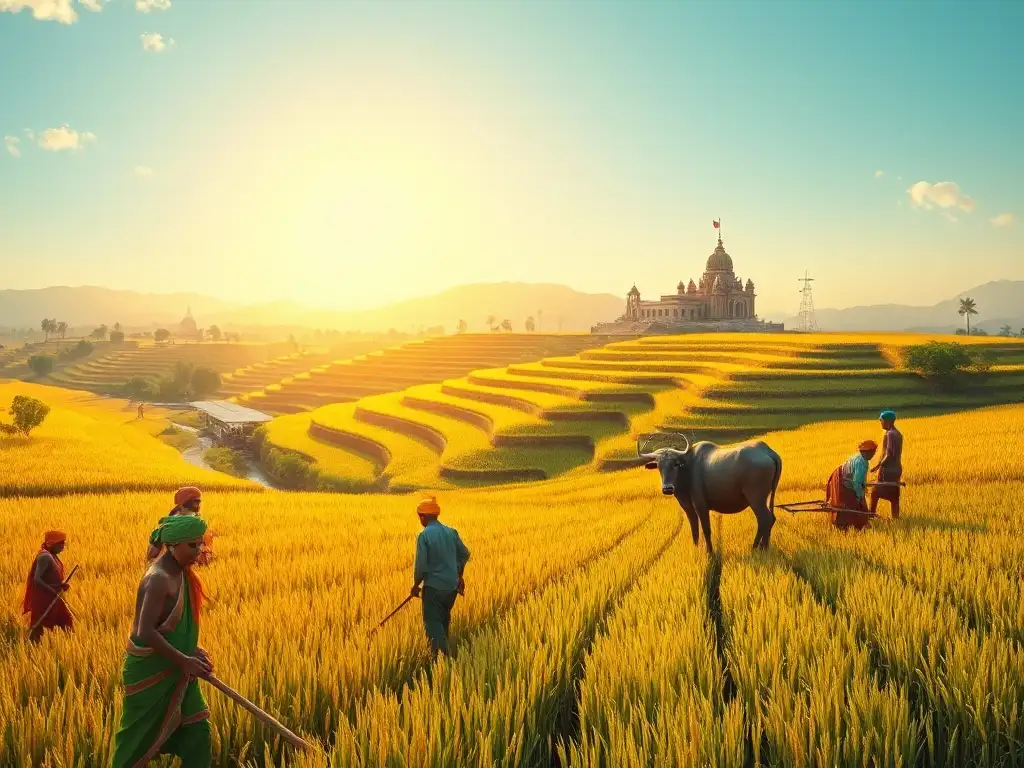
Modern Indian agriculture reflects the wisdom of ancient practices, particularly in regions that continue to rely on traditional farming methods. For instance, the use of native seed varieties and traditional irrigation systems, such as tank irrigation, showcases a commitment to biodiversity and sustainability. These practices not only preserve local ecosystems but also enhance resilience against climate variability.
Farmers today are increasingly recognizing the value of indigenous knowledge systems, leading to a resurgence in traditional agricultural techniques. Organizations focused on promoting sustainable agriculture often draw inspiration from ancient practices, advocating for a return to methods that prioritize ecological balance and community involvement.
How Ancient Innovations Shaped Sustainable Farming Techniques
The sustainable farming techniques we see today owe much to the innovations of ancient Indian civilizations. Techniques such as zero tillage, which minimizes soil disruption, and biointensive farming, which emphasizes the use of organic practices, find their origins in ancient methodologies.
Additionally, the concept of agroforestry, which integrates trees and shrubs into agricultural landscapes, was practiced by ancient farmers who understood the symbiotic relationships between different plant species. This approach not only increases biodiversity but also enhances soil health and water conservation.
By studying ancient agricultural innovations, modern farmers can adopt practices that are not only effective but also environmentally sustainable, ensuring food security for future generations while respecting the earth's natural resources.
Conclusion: The Importance of Recognizing Ancient Indian Agricultural Pioneers
The legacy of ancient Indian agricultural pioneers is remarkable and warrants greater recognition. These innovators not only transformed the landscape of agriculture in their time but also laid the foundational practices that continue to influence modern agricultural systems. Their profound understanding of crops, soil, and climate, combined with their ingenious methods of irrigation and farming, exemplifies an advanced civilization that valued sustainability and efficiency.
Acknowledging these pioneers helps us appreciate the depth of agricultural knowledge that has emerged over millennia in India. By studying their techniques and innovations, contemporary farmers and agricultural scientists can glean valuable insights that may be applicable to current challenges, such as climate change and food security.
Summary of Key Innovations and Their Impact
Ancient Indian agricultural innovations are characterized by several groundbreaking practices that significantly enhanced productivity and sustainability:
- Crop Rotation: Farmers practiced crop rotation to maintain soil fertility, which helped prevent the depletion of nutrients and supported diverse agricultural outputs.
- Irrigation Systems: The development of intricate irrigation systems, including wells, canals, and rainwater harvesting techniques, allowed for the cultivation of crops in arid regions.
- Use of Fertilizers: The early use of organic fertilizers, such as compost and animal manure, contributed to improved soil health and crop yields.
- Terracing: This practice was implemented in hilly regions to reduce soil erosion and improve water retention, enhancing agricultural viability.
- Seed Selection and Hybridization: Ancient Indian farmers were adept at selecting the best seeds and even engaging in early forms of hybridization to enhance crop resilience and yield.
These innovations not only revolutionized agriculture in ancient India but also had lasting effects on trade, economy, and society, contributing significantly to the civilization's prosperity.
The Relevance of Ancient Agricultural Practices Today
The relevance of ancient agricultural practices is increasingly recognized in today's context, particularly as the world faces pressing agricultural challenges. The principles of sustainability, biodiversity, and ecological balance that were inherent in ancient Indian agriculture are crucial for modern practices.
- Sustainable Farming: By incorporating ancient methods of organic farming and crop rotation, contemporary agriculture can reduce reliance on chemical fertilizers and pesticides, promoting healthier ecosystems.
- Water Management: The ancient Indian techniques of irrigation and rainwater harvesting provide valuable lessons for modern water conservation strategies, especially in regions facing water scarcity.
- Biodiversity: The emphasis on diverse cropping systems can help maintain genetic diversity among crops, which is vital for resilience against climate change and pests.
By revisiting and implementing these ancient practices, we can create a more sustainable agricultural framework that honors the ingenuity of our ancestors while addressing current global challenges. The story of ancient Indian agricultural pioneers serves not only as a historical account but also as a guide for future agricultural advancements.
- Introduction to Ancient Indian Agricultural Innovations
- Historical Context of Agriculture in Ancient India
- Key Agricultural Innovations in Ancient India
- Prominent Agricultural Pioneers of Ancient India
- Case Studies of Agricultural Success in Ancient India
- Analysis of the Agricultural Methods in the Gangetic Plains
- The Role of Agriculture in Ancient Indian Trade and Economy
- The Legacy of Ancient Indian Agricultural Innovations
- Influence of Ancient Practices on Modern Indian Agriculture
- How Ancient Innovations Shaped Sustainable Farming Techniques
- Conclusion: The Importance of Recognizing Ancient Indian Agricultural Pioneers
- What were some key agricultural innovations in ancient India?
- How did the Indus Valley Civilization contribute to agriculture?
- What role did the Gupta Empire play in agricultural advancements?
- How did religion and culture influence ancient Indian agriculture?
- Why is understanding ancient Indian agricultural innovations important today?
Frequently Asked Questions
What were some key agricultural innovations in ancient India?
Ancient Indian civilizations developed several innovations such as crop rotation, irrigation techniques, and the use of plow systems which significantly improved crop yields.
How did the Indus Valley Civilization contribute to agriculture?
The Indus Valley Civilization is known for its advanced drainage systems and crop cultivation techniques, which laid the groundwork for sustainable agricultural practices in ancient India.
What role did the Gupta Empire play in agricultural advancements?
During the Gupta Empire, agriculture flourished due to innovative farming techniques and the introduction of new crops, contributing to economic stability and growth.
How did religion and culture influence ancient Indian agriculture?
Religious practices and cultural beliefs often dictated agricultural cycles, with festivals and rituals closely linked to harvest seasons and farming activities.
Why is understanding ancient Indian agricultural innovations important today?
Studying these innovations provides insights into sustainable practices and can inspire modern agricultural methods aimed at enhancing food security and environmental preservation.
Final Reflection: Embracing the Legacy of Ancient Indian Agricultural Innovations
The story of ancient Indian agricultural innovations is not just a tale of the past; it is a powerful reminder of how ingenuity can shape societies and sustain civilizations. Today, as we face unprecedented challenges in food security and sustainable farming, the lessons from these pioneers become increasingly relevant. Their innovative techniques and deep understanding of the land highlight the importance of blending tradition with modernity in our agricultural practices.
The impact of these ancient innovations continues to resonate in our contemporary agricultural landscape, influencing everything from crop diversity to sustainable farming methods. As we explore the rich tapestry of these historical advancements, we recognize that they laid the groundwork for many practices we still rely on today. Innovation is the ability to see change as an opportunity – not a threat.
This quote encapsulates the spirit of the ancient Indian agricultural innovators, who viewed challenges as opportunities for growth and adaptation.
As we reflect on the remarkable achievements of these agricultural pioneers, I invite you to consider how their legacy can inspire your own journey. Let their stories encourage you to embrace creativity and resilience in your endeavors, whether in agriculture or any other field. By honoring the past and applying its lessons to our present and future, we can cultivate a more sustainable and innovative world for generations to come.
Unveil the Secrets of Ancient Indian Agriculture!
Thank you for diving into the fascinating world of ancient Indian agricultural pioneers with us! You've explored the innovations that transformed farming practices and shaped society. Now, let’s take that knowledge a step further—how can you apply these timeless lessons in your life today?
Here are some actionable steps to deepen your understanding and connection to this remarkable heritage:
- Start a home garden using traditional Indian farming techniques, and experience firsthand the benefits of sustainable practices.
- Share your insights with friends or on social media! Discuss how ancient innovations can inspire modern solutions in agriculture.
- Join a local community garden or agricultural club to help preserve traditional farming knowledge and engage with like-minded individuals.
What aspect of ancient Indian agricultural innovation has surprised you the most? We invite you to spark a conversation in the comments!