
How Ancient Indian Irrigation Systems Supported Urban Growth

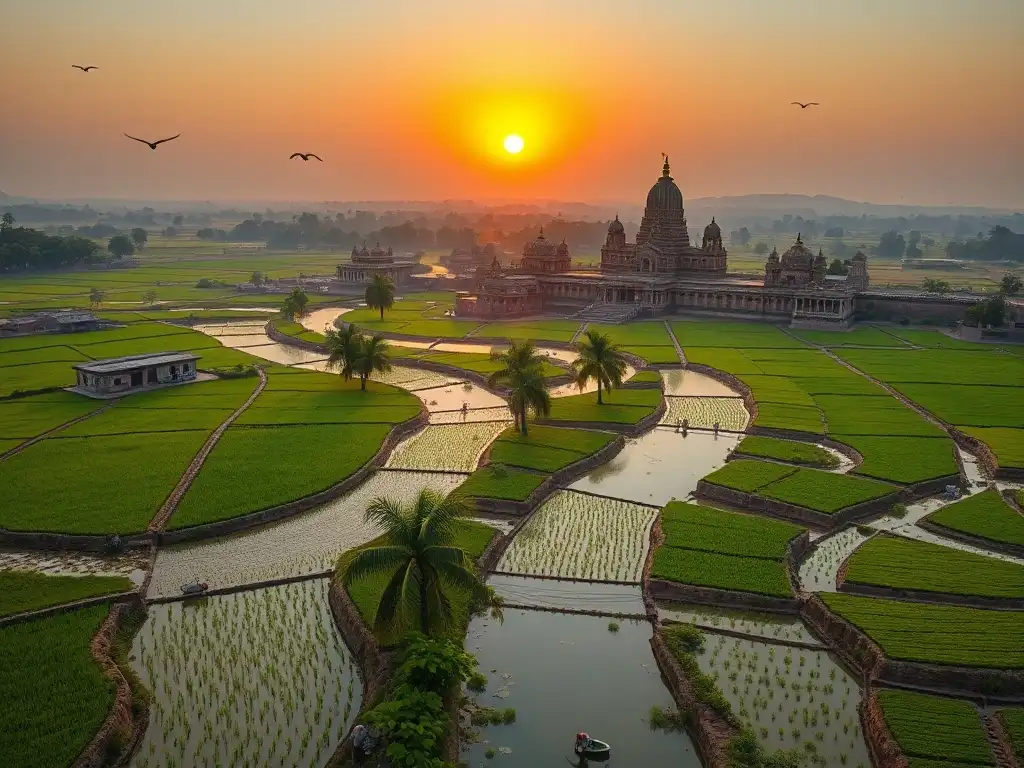
Welcome to Ancient India History, where we embark on a fascinating journey through the rich tapestry of ancient Indian civilizations. Today, we delve into the remarkable ancient Indian irrigation systems that not only shaped agriculture but also fueled urban growth across the subcontinent. Have you ever wondered how these ingenious water management techniques supported thriving cities and intricate economies? Join us as we uncover the secrets of these ancient innovations and their lasting impact on Indian culture and society. Prepare to be captivated by the stories that shaped a civilization!
- Introduction to Ancient Indian Irrigation Systems
- Historical Context of Ancient Indian Irrigation Systems
- Types of Ancient Indian Irrigation Systems
- Role of Ancient Indian Irrigation in Supporting Urban Growth
- Cultural and Economic Impacts of Irrigation Systems
- Technological Innovations in Ancient Indian Irrigation
- Case Studies of Notable Ancient Indian Irrigation Systems
- Challenges Faced by Ancient Indian Irrigation Systems
- Legacy of Ancient Indian Irrigation Systems
- Conclusion
-
Frequently Asked Questions
- What were the main types of ancient Indian irrigation systems?
- How did irrigation systems contribute to urban growth in ancient India?
- What role did the Indus Valley civilization play in irrigation practices?
- Were there any notable irrigation techniques used in the Gupta Empire?
- How did ancient Indian irrigation systems influence later civilizations?
- Final Reflection: The Enduring Legacy of Ancient Indian Irrigation Systems
- Uncover the Secrets of Ancient Innovation!
Introduction to Ancient Indian Irrigation Systems
Ancient Indian irrigation systems played a pivotal role in shaping the agricultural landscape, urban development, and overall economy of early Indian civilizations. From the sophisticated water management techniques of the Indus Valley Civilization to the innovative canal systems of the Gupta Empire, these irrigation practices were not merely an agricultural necessity but a cornerstone of urban growth and societal advancement.
By harnessing the resources of rivers and rainfall, ancient Indians created complex networks that enabled the flourishing of cities, trade, and cultural exchange. This article delves into the intricacies of these ancient irrigation systems, exploring their mechanisms, significance, and their lasting impact on urban growth throughout ancient India.
Overview of Irrigation in Ancient India
Irrigation in ancient India can be traced back to several key civilizations, each exhibiting unique methods and technologies adapted to their local environments.
-
Indus Valley Civilization (circa 3300–1300 BCE):
One of the earliest examples of advanced irrigation, the people of the Indus Valley utilized intricate drainage systems and reservoirs. The cities of Harappa and Mohenjo-Daro showcased remarkable planning, with evidence of wells and water management practices that ensured adequate water supply for agriculture and daily life.
-
Mauryan Empire (circa 322–185 BCE):
During this period, large-scale irrigation projects were undertaken, including the construction of canals that diverted water from rivers to arid regions. The Mauryan rulers recognized the importance of irrigation for agricultural productivity, implementing state-sponsored initiatives to enhance crop yields.
-
Gupta Empire (circa 320–550 CE):
The Gupta period saw significant advancements in irrigation technology, with the development of sophisticated canal systems and water storage techniques. The use of tanks and reservoirs allowed for better management of water resources, supporting both agriculture and urban centers.
These developments indicate a deep understanding of hydrology and resource management, which was essential for sustaining the populations in growing urban areas.
Importance of Irrigation for Urban Growth
The significance of irrigation systems in ancient India extends far beyond agricultural productivity; they served as catalysts for urban growth and societal complexity.
-
Sustained Agriculture:
With reliable irrigation, farmers could cultivate surplus crops, leading to food security. This surplus supported larger populations, which in turn fueled the growth of cities.
-
Economic Development:
Irrigation facilitated diverse agricultural practices, allowing for the cultivation of various crops, including grains, pulses, and fruits. This diversity not only enriched diets but also enabled trade, as surplus produce could be exchanged for other goods and services.
-
Social Structure and Governance:
The management of irrigation systems often required coordinated efforts, leading to the establishment of social hierarchies and administrative systems. Rulers and local leaders played essential roles in the maintenance and distribution of water, which became a central aspect of governance.
-
Cultural and Technological Exchange:
The development of irrigation technologies fostered interactions between different regions, leading to the exchange of knowledge, culture, and innovations. This cultural intermingling contributed to the rich tapestry of ancient Indian society.
Ancient Indian irrigation systems were not only crucial for agricultural productivity but also instrumental in shaping the urban landscape and societal structures. As we explore the specifics of these systems further, it becomes evident how deeply intertwined they are with the history and development of ancient India.
Historical Context of Ancient Indian Irrigation Systems
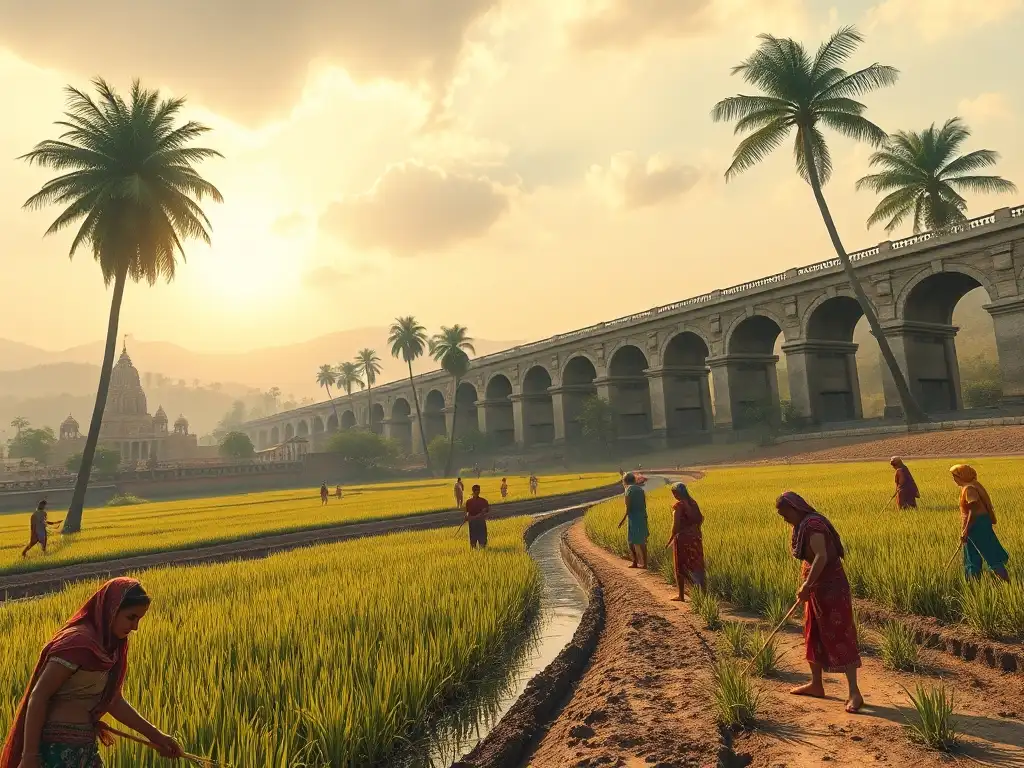
Understanding the historical context of ancient Indian irrigation systems is essential to appreciate how they facilitated urban growth and agricultural productivity. The roots of these systems can be traced back to the early civilizations of the Indian subcontinent, particularly during the Indus Valley Civilization (c. 3300–1300 BCE). This era is notable for its advanced urban planning, which included sophisticated drainage and water management techniques.
The Indus Valley Civilization showcased some of the earliest forms of irrigation. Evidence suggests that inhabitants utilized floodwaters from rivers such as the Indus and its tributaries to irrigate crops. They constructed channels and reservoirs, demonstrating their understanding of seasonal monsoon patterns and the need for water storage.
As we move forward in history, irrigation systems evolved significantly, influenced by geographical variations, climatic conditions, and cultural practices. By the time of the Vedic period (c. 1500–500 BCE), the use of irrigation had become more widespread. The Vedic texts reference various techniques, including well-digging and the utilization of canals.
Development of Irrigation Techniques
The evolution of irrigation techniques in ancient India reflects both technological advancements and the adaptation to local environmental conditions. The following key techniques emerged during different periods:
- Canal Irrigation: This method involved the construction of canals to divert water from rivers to agricultural fields. The canals not only aided in irrigation but also facilitated transportation and trade.
- Wells and Stepwells: As urban centers grew, the demand for reliable water sources led to the construction of wells and stepwells. These structures allowed access to groundwater, which was crucial during dry periods.
- Rainwater Harvesting: Techniques for rainwater harvesting were developed to maximize the use of monsoon rains. Farmers created small ponds and reservoirs to capture and store rainwater.
- Terracing: In hilly regions, terracing helped manage water flow and soil erosion, allowing for effective cultivation in steep landscapes.
- Floodplain Farming: Utilizing the natural flooding of rivers, ancient farmers developed systems to sow seeds in flooded fields, benefiting from nutrient-rich silt deposits.
These techniques played a vital role in supporting agricultural productivity, which in turn sustained the growing urban populations.
Major Civilizations and Their Irrigation Practices
Several major civilizations in ancient India made significant contributions to irrigation practices, each adapting to their unique geographical and climatic conditions. Here are some notable examples:
- Indus Valley Civilization:
- Canal Networks: Extensive canal systems were constructed to irrigate fields, enabling the cultivation of wheat, barley, and cotton.
- Urban Planning: Cities like Mohenjo-Daro and Harappa featured a well-organized layout, with drainage systems that showcased advanced engineering.
- Mauryan Empire (c. 322–185 BCE):
- Water Management: The Mauryan rulers established large-scale irrigation projects, including the construction of reservoirs and canals, to support agriculture across their vast empire.
- Agricultural Policies: The state played a role in organizing irrigation efforts, ensuring that farmers had access to water.
- Gupta Empire (c. 320–550 CE):
- Innovative Techniques: The Gupta period witnessed further advancements in irrigation, including improved canal systems and the use of wells.
- Agricultural Expansion: The prosperity of the Gupta Empire was closely linked to agricultural productivity, supported by effective irrigation practices.
- South Indian Kingdoms (e.g., Chola and Pandya):
- Tank Irrigation: In regions where rainfall was erratic, extensive tank systems were built to capture and store monsoon rains. These tanks became crucial for sustaining agriculture.
These civilizations not only advanced irrigation techniques but also recognized the importance of water management for economic growth, leading to the flourishing of urban centers across ancient India. The legacy of these irrigation systems remains evident in contemporary agricultural practices and water management strategies in the region.
Types of Ancient Indian Irrigation Systems

Ancient Indian irrigation systems were crucial in supporting urban growth and agricultural productivity. These systems varied significantly across different regions, reflecting the diverse landscapes and water sources available. The primary types of ancient Indian irrigation systems include surface irrigation methods, well irrigation techniques, and canals and tank systems. Each played a vital role in maximizing water usage and ensuring the sustainability of agricultural practices.
Surface Irrigation Methods
Surface irrigation is one of the oldest methods used in ancient India, effectively utilizing gravitational flow to distribute water across fields. This technique primarily involved the following methods:
- Flood Irrigation: Water was allowed to flow over the entire field, soaking the soil. This method was particularly prevalent in regions with abundant water sources, such as riverbanks.
- Furrow Irrigation: In this method, small channels or furrows were dug between rows of crops, allowing water to flow through them. This approach minimized water wastage and improved the efficiency of irrigation.
- Basin Irrigation: Fields were enclosed with bunds (small embankments) to create basins that could hold water. This method was effective in areas with heavy rainfall, as it helped retain water for longer periods.
The effectiveness of surface irrigation systems was enhanced through the use of crop rotation and multi-cropping, which optimized water usage across different seasons. Ancient texts, such as the Arthashastra by Kautilya, highlight the importance of such irrigation practices in boosting agricultural output.
Well Irrigation Techniques
Well irrigation systems were vital in regions where surface water was scarce. These systems relied on extracting groundwater to irrigate crops. Key features of well irrigation techniques included:
- Dug Wells: Simple holes were dug to access groundwater. Farmers used buckets or animal-driven devices to lift water from these wells.
- Step Wells: These were designed with a series of steps leading down to the water level, allowing for easier access. Step wells were common in arid regions, providing a sustainable water source.
- Infiltration Wells: These wells were strategically placed to capture water from nearby rivers or streams, facilitating the replenishment of groundwater levels.
Well irrigation significantly influenced the agricultural calendar, allowing farmers to cultivate multiple crops throughout the year, even in dry seasons. The adoption of well irrigation techniques contributed to the rise of urban centers, as reliable water sources supported larger populations and stimulated trade.
Canals and Tank Systems
Canals and tank systems represented advanced engineering feats in ancient Indian irrigation. These systems were designed to manage water more effectively and distribute it across larger areas. Key characteristics included:
- Canal Systems: These were constructed to divert water from rivers or lakes to agricultural fields. Canals varied in size, and some were large enough to support entire settlements. The Mahanadi and Ganga river basins featured extensive canal networks, promoting agricultural growth.
- Tank Systems: Tanks, or artificial ponds, were built to store rainwater and runoff. These systems not only provided irrigation but also served as reservoirs for drinking water. Tanks played a vital role in managing water during dry spells and were often seen in southern India.
- Integration with Natural Water Bodies: Ancient engineers designed these systems to work in harmony with natural water bodies, ensuring efficient water management. The construction of embankments and sluices allowed for controlled water flow, enhancing irrigation efficiency.
The development of canals and tank systems showcased the remarkable engineering skills of ancient Indian civilizations, facilitating agricultural expansion and urbanization. These irrigation methods supported the growth of key centers like Harappa and Mohenjo-Daro, which thrived due to their access to reliable water sources.
The diverse types of ancient Indian irrigation systems, including surface irrigation methods, well irrigation techniques, and canals and tank systems, played a pivotal role in supporting urban growth and optimizing agricultural productivity across various regions. Understanding these systems provides valuable insights into the ingenuity and adaptability of ancient Indian civilizations in managing their water resources effectively.
Role of Ancient Indian Irrigation in Supporting Urban Growth
The role of ancient Indian irrigation systems was pivotal in supporting the growth of urban centers across the subcontinent. These systems were not merely tools for agricultural productivity but also vital contributors to the socio-economic fabric of urban life. By facilitating the efficient management of water resources, ancient civilizations could sustain larger populations, foster trade, and encourage cultural development.
Water Management and Urban Planning
Water management in ancient India was an intricate process, deeply embedded in urban planning. Civilizations such as the Indus Valley, which flourished around 2500 BCE, exemplified sophisticated approaches to irrigation that directly influenced urban layouts. The cities of Harappa and Mohenjo-Daro showcased advanced drainage systems and reservoirs that ensured a steady supply of water to their inhabitants.
- Irrigation Techniques:
- Canals and Ditches: The use of canals connected water bodies to agricultural lands, allowing for controlled irrigation.
- Stepwells: These provided not only a reliable water source but also played a social role, often serving as gathering places.
- Flood Management: Ancient engineers developed systems to manage seasonal floods, ensuring that urban areas remained habitable and productive.
- Urban Layout:
- Grid Patterns: Cities like Mohenjo-Daro were designed in a grid pattern, with streets aligned to optimize water flow and drainage.
- Zoning: Areas were zoned based on water accessibility, with residential, commercial, and agricultural zones strategically placed to maximize efficiency.
The influence of water management extended beyond mere survival; it shaped the cultural and economic activities of these urban centers. The ability to irrigate crops reliably led to surplus production, which supported trade and enabled the specialization of crafts and professions.
Examples of Urban Areas Benefiting from Irrigation
Several prominent ancient Indian cities thrived due to effective irrigation systems, showcasing how these infrastructures contributed to their growth:
| City | Irrigation System | Impact on Urban Development |
|---|---|---|
| Harappa | Extensive canal networks | Supported agriculture, leading to population growth and trade expansion. |
| Mohenjo-Daro | Advanced drainage and water storage | Enhanced urban sanitation and improved living conditions. |
| Pataliputra | Ganges River irrigation | Flourished as a political and cultural hub due to agricultural surplus. |
| Ujjain | Use of wells and reservoirs | Became a center for trade and commerce, linking various regions. |
These examples illustrate how ancient Indian irrigation systems not only ensured agricultural productivity but also facilitated the emergence of vibrant urban centers. As a result, these cities became cultural and economic powerhouses, laying the groundwork for future civilizations in the region.
The intricate relationship between ancient Indian irrigation systems and urban growth highlights the innovative spirit of these civilizations. Their mastery of water management not only supported agriculture but also fostered the development of complex urban societies that contributed significantly to the legacy of ancient India.
Cultural and Economic Impacts of Irrigation Systems

Agricultural Productivity and Surplus
Ancient Indian irrigation systems played a crucial role in enhancing agricultural productivity, which was foundational to the success of ancient civilizations. The sophisticated methods of water management, such as canals, wells, and tanks, ensured that crops benefited from consistent water supply, especially in regions with variable rainfall.
- Types of Irrigation Systems:
- Surface Irrigation: Utilized in areas like the Indus Valley, where natural gradients facilitated the flow of water.
- Drip Irrigation: Early forms of this technique can be traced back to ancient methods in arid regions, optimizing water use.
- Tank Irrigation: Particularly prevalent in southern India, where large reservoirs collected rainwater for distribution during dry spells.
The introduction of these irrigation techniques significantly increased the yields of staple crops such as rice, wheat, and pulses. For instance, evidence from archaeological sites suggests that the Indus Valley civilization achieved remarkable agricultural output, creating surplus that could support a larger population. This surplus was pivotal in transitioning from subsistence farming to a more complex economy, allowing for specialization in various crafts and trades.
Influence on Trade and Commerce
The advancements in irrigation led to not only agricultural surplus but also the enhancement of trade and commerce in ancient India. With a reliable food supply, communities could engage in trade with neighboring regions and even distant lands, facilitating cultural exchanges and economic growth.
- Trade Networks:
- The surplus crops produced through effective irrigation systems became key trading commodities. Grain, textiles, and spices were commonly exchanged, fostering relationships with traders from Persia, Mesopotamia, and beyond.
- Major trade routes emerged, connecting different regions and enabling the flow of goods, ideas, and cultural practices.
- Urbanization and Market Development:
- Irrigation systems supported the growth of urban centers, as more people settled in areas with reliable water sources for agriculture. Cities like Mohenjo-Daro and Harappa became bustling hubs of commerce due to their strategic locations near rivers and lakes.
- The establishment of markets in these urban centers further stimulated local economies, allowing craftsmen and merchants to thrive.
Ancient Indian irrigation systems were integral to not only agricultural productivity but also to the economic landscape of ancient India. They fostered trade relationships and facilitated urban growth, showcasing the interdependence between water management and socio-economic development in ancient civilizations.
Technological Innovations in Ancient Indian Irrigation
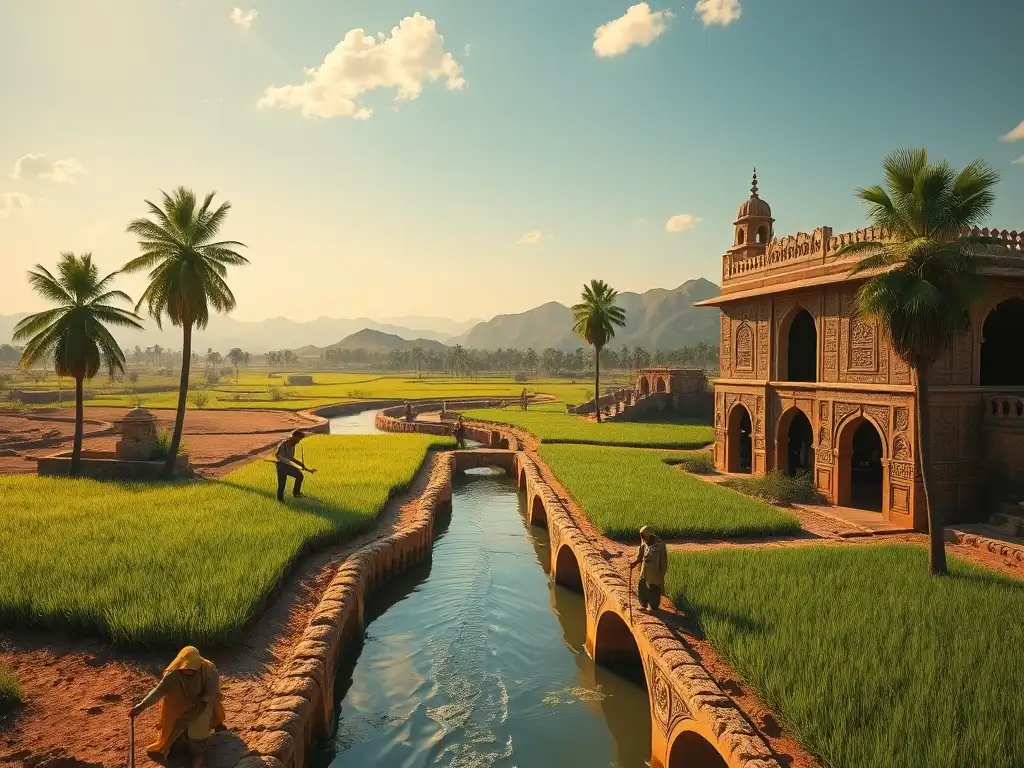
Ancient Indian irrigation systems were marked by remarkable technological innovations that greatly enhanced agricultural productivity and urban growth. These systems were not mere methods of water management; they were sophisticated engineering feats that reflected the ingenuity of ancient Indian civilizations. From simple channels to elaborate reservoir systems, the evolution of irrigation technology in ancient India laid the foundation for sustainable agricultural practices.
Tools and Techniques Used
Ancient Indian farmers employed a variety of tools and techniques to harness water resources effectively. Some of the key tools included:
- Qanat System: This underground channel system was designed to transport water from aquifers to the surface. It minimized evaporation and allowed for the efficient distribution of water across fields.
- Stepwells: These were deep wells with steps leading down to the water level, allowing for easy access. Stepwells served dual purposes: irrigation and providing water for domestic use.
- Plough and Sickle: While primarily agricultural tools, these implements also played a role in managing irrigation through the preparation of fields for water retention and crop growth.
The techniques used in irrigation varied significantly across regions, reflecting local geographical and climatic conditions. For instance, in the arid regions of Rajasthan, farmers developed intricate methods of collecting and storing rainwater, while in the fertile plains of the Ganges, surface irrigation through canal systems was more common.
Advances in Water Conservation Practices
Ancient Indian irrigation systems also showcased significant advances in water conservation practices. These practices were crucial for sustaining agriculture in a landscape characterized by varying rainfall patterns and seasonal droughts. Key advancements included:
- Rainwater Harvesting: Ancient texts, including the Arthashastra, detail methods for capturing and storing rainwater. Farmers built small check dams and ponds to collect runoff, which could be utilized during dry spells.
- Crop Rotation and Mixed Cropping: These agricultural practices were not only beneficial for soil health but also optimized water usage. By alternating crops and planting complementary species, farmers could ensure better moisture retention in the soil.
- Soil Management Techniques: The use of organic fertilizers and mulching helped improve soil structure and moisture retention. Techniques like bunding—creating embankments around fields—prevented soil erosion and enhanced water conservation.
The combination of these innovative tools and advanced water conservation practices allowed ancient Indian irrigation systems to flourish, supporting urban centers and contributing to the overall economic stability of the civilizations. Understanding these systems offers valuable insights into how ancient societies adapted to their environment and laid the groundwork for modern agricultural practices.
Case Studies of Notable Ancient Indian Irrigation Systems
The Indus Valley Civilization's Irrigation Techniques
The Indus Valley Civilization, flourishing around 2500 BCE, is renowned for its sophisticated urban planning and advanced irrigation systems. One of the key features of this civilization was its ability to harness water from the Indus River and its tributaries, facilitating agricultural productivity and urban growth.
Key Features of Indus Valley Irrigation
- Canal Systems: The Indus Valley people constructed extensive canal networks that diverted river water to agricultural fields. These canals were engineered to ensure a steady supply of water, crucial for crop cultivation in the arid climate.
- Reservoirs and Tanks: In addition to canals, large reservoirs and water tanks were built to store surplus water during monsoon seasons. This water management technique allowed for irrigation during dry spells, significantly enhancing agricultural yield.
- Sustainable Practices: The Indus Valley Civilization demonstrated an understanding of sustainable practices. They employed techniques such as crop rotation and varied planting schedules to maximize the use of available water resources, ensuring long-term agricultural viability.
- Urban Planning: Cities like Harappa and Mohenjo-Daro featured advanced drainage systems that managed wastewater effectively. The integration of water management within urban planning reflects the civilization's holistic approach to irrigation and urban growth.
- Impact on Society: The efficient irrigation systems supported the growth of cities, enabling the rise of a complex society characterized by trade, craftsmanship, and cultural development. This interconnectedness of agriculture and urbanization laid the foundation for future Indian civilizations.
The Mauryan Empire and Its Water Management Strategies
The Mauryan Empire, which thrived from 322 to 185 BCE, further advanced the principles of irrigation established by earlier civilizations. Under the reign of Emperor Ashoka, the empire implemented comprehensive water management strategies that significantly boosted agricultural production.
Innovations in Mauryan Irrigation
- Public Works Projects: The Mauryan administration invested heavily in public works, including the construction of irrigation canals and dams. These infrastructures were aimed at improving water distribution across agricultural lands, particularly in the fertile Ganges basin.
- State Control and Regulation: The Mauryan Empire recognized the importance of water as a communal resource. The state regulated water usage and maintained irrigation systems, ensuring fair access for all farmers, which fostered social equity.
- Advanced Techniques: The Mauryans adopted and refined techniques such as the use of wells and water-lifting devices, enhancing the efficiency of irrigation. They also promoted the use of floodwater for irrigation, allowing farmers to tap into seasonal changes in water levels.
- Agricultural Expansion: With improved irrigation systems, the Mauryan Empire witnessed significant agricultural expansion. This increase in food production supported a growing population and the development of urban centers, which became hubs of trade and culture.
- Legacy of Water Management: The successful integration of irrigation systems into the Mauryan economy served as a model for subsequent Indian empires. Their practices laid the groundwork for future innovations in water management and agricultural techniques, influencing the socio-economic landscape of ancient India.
These case studies of ancient Indian irrigation systems illustrate the pivotal role of water management in supporting urban growth and agricultural development. The legacy of these irrigation techniques continues to influence contemporary practices in India today, highlighting the enduring impact of ancient Indian civilizations on agricultural sustainability.
Challenges Faced by Ancient Indian Irrigation Systems
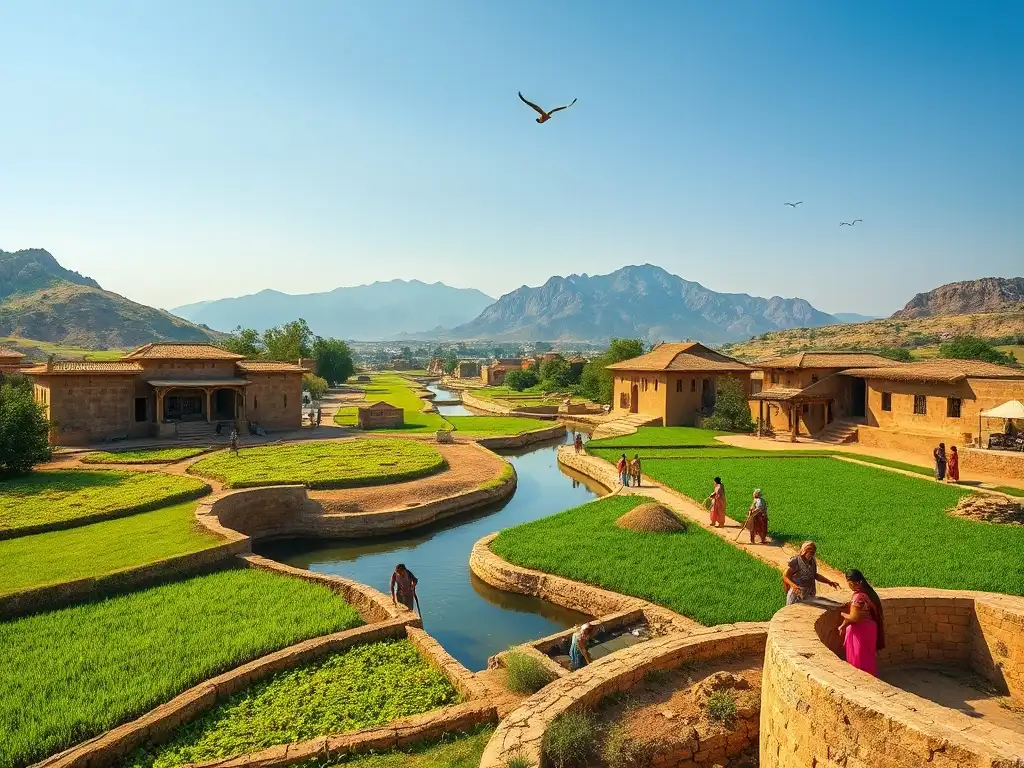
Despite their significance in supporting urban growth and agricultural productivity, ancient Indian irrigation systems encountered numerous challenges. These challenges were multifaceted, encompassing environmental factors as well as social and political dynamics that influenced their effectiveness and sustainability.
Environmental Factors and Their Impact
Ancient Indian irrigation systems were intricately linked to the region's diverse geography and climate, which posed several environmental challenges:
- Seasonal Monsoons: The Indian subcontinent experiences a monsoon climate, characterized by heavy rainfall during specific seasons. While this was beneficial for agriculture, the variability in monsoon patterns often led to:
- Flooding: Excessive rainfall could overwhelm irrigation channels, causing erosion and damage to crops.
- Drought: Conversely, insufficient rains could lead to water scarcity, stressing irrigation systems reliant on surface water.
- Soil Erosion: The construction of irrigation channels and reservoirs sometimes contributed to soil erosion, particularly in hilly regions. This not only diminished soil fertility but also affected the stability and longevity of irrigation infrastructure.
- Salinity and Water Quality: Many ancient irrigation systems, especially those using river water, faced challenges related to:
- Salinity: Over time, the accumulation of salts in the soil could render lands unproductive, necessitating careful management practices.
- Water Pollution: The use of water from rivers polluted by industrial and domestic waste posed risks to crop health and food safety.
- Sedimentation: Rivers often carried sediments that could clog irrigation channels, reducing their efficiency. Regular maintenance was required to ensure proper water flow, which was often difficult to sustain.
Beyond environmental issues, ancient Indian irrigation systems were also affected by various social and political factors:
- Resource Allocation: The equitable distribution of water resources was a significant concern. Conflicts could arise between different communities or regions over access to water, leading to:
- Strain on Relationships: Disputes over water rights could escalate into larger conflicts, undermining cooperative irrigation management.
- Labor and Maintenance: Maintaining extensive irrigation systems required a substantial workforce. Social hierarchies often dictated labor distribution, which could result in:
- Underutilization of Labor: In some cases, the reliance on a specific caste or community for maintenance work limited the efficiency and responsiveness of irrigation systems.
- Political Instability: Changes in political leadership or governance could impact the management of irrigation systems. For instance:
- Neglect of Infrastructure: War or political upheaval often led to the neglect of irrigation systems, resulting in deterioration and reduced agricultural output.
- Technological Resistance: While many ancient civilizations were innovative, there was sometimes resistance to adopting new technologies or practices that could enhance irrigation efficiency. This could stem from:
- Cultural Beliefs: Traditional practices were often deeply ingrained, making communities hesitant to change tried-and-true methods.
The ancient Indian irrigation systems were remarkable feats of engineering that enabled urban growth and agricultural development. However, they were not without their challenges. Understanding these difficulties provides valuable insights into the resilience and adaptability of ancient Indian civilizations in the face of varied environmental and social pressures.
Legacy of Ancient Indian Irrigation Systems

The legacy of ancient Indian irrigation systems reveals a sophisticated understanding of water management that has significantly influenced agricultural practices and urban development throughout history. These systems, which date back to the Indus Valley Civilization (approximately 3300–1300 BCE), were not merely functional; they were a testament to the ingenuity and adaptability of ancient Indian societies.
Influence on Modern Irrigation Practices
Ancient Indian irrigation systems laid the groundwork for many modern practices still in use today. Techniques such as:
- Surface Irrigation: Utilized in the form of canals and channels, this method was prevalent in ancient times and remains a key practice in many parts of India and beyond.
- Check Dams: These structures, built to create temporary reservoirs, were essential for controlling water flow and preventing soil erosion. Their design has been adapted in contemporary water conservation efforts.
- Rainwater Harvesting: Ancient societies developed techniques for capturing and storing rainwater, which are now being revived as sustainable practices in water-scarce regions.
The wisdom embedded in these ancient systems is seen in modern projects aimed at improving water efficiency, especially in agriculture. For instance, the use of drip irrigation, which delivers water directly to the plant roots, echoes the careful water management principles established by ancient civilizations.
Contributions to Sustainable Agriculture
Ancient Indian irrigation systems were integral to the development of sustainable agricultural practices. They not only supported the cultivation of diverse crops but also promoted ecological balance and soil health. Key contributions include:
- Crop Diversification: The ability to irrigate allowed for a variety of crops to be grown, rather than relying solely on rain-fed agriculture. This helped in maintaining soil fertility and reducing the risk of crop failure.
- Soil Management Techniques: Ancient farmers employed methods such as crop rotation and intercropping, which enhanced soil structure and fertility, mitigating the challenges posed by monoculture practices.
- Community-Based Water Management: Many ancient irrigation systems were communal, fostering cooperation among farmers and contributing to social cohesion. This collective approach to resource management is a foundational principle in current sustainable practices.
The ancient Indian irrigation systems not only facilitated urban growth and agricultural prosperity but also provided valuable lessons in sustainability that continue to resonate in modern agricultural practices. Their legacy serves as a bridge connecting historical achievements with contemporary environmental stewardship and resource management strategies.
Conclusion
Summary of Key Points
Ancient Indian irrigation systems played a pivotal role in the growth and sustenance of urban centers across various civilizations. Key aspects include:
- Technological Innovations: Techniques such as stepwells, canals, and tanks were developed to optimize water usage.
- Regional Adaptations: Different geographical areas, like the Indus Valley and the Deccan Plateau, showcased unique irrigation methods tailored to local climate and soil conditions.
- Agricultural Productivity: Enhanced irrigation facilitated the cultivation of diverse crops, leading to surplus production that supported urban populations.
- Socio-Economic Structures: The establishment of irrigation systems fostered trade, craft specialization, and the growth of markets, contributing to complex urban societies.
- Cultural Contributions: Ancient texts, monuments, and art reflect the significance of water management in daily life and spiritual practices.
Reflection on the Importance of Ancient Indian Irrigation Systems in Urban Development
The historical significance of ancient Indian irrigation systems extends beyond mere agricultural enhancement; they were foundational to urban development and the rise of sophisticated civilizations. The strategic management of water resources allowed for:
- Population Growth: By ensuring reliable water supply, these systems supported larger populations in urban areas, leading to bustling cities with diverse communities.
- Economic Resilience: A stable agricultural base offered a buffer against famines and economic downturns, allowing urban centers to thrive and evolve over time.
- Cultural Exchange: Irrigation networks often facilitated trade routes, promoting interaction among various cultures and the exchange of ideas, goods, and technologies.
The ancient Indian irrigation systems were not just technical achievements; they were integral to the very fabric of society, influencing economic patterns, social structures, and cultural dynamics. The legacy of these systems continues to resonate, reflecting the ingenuity and adaptability of ancient Indian civilizations in the face of geographical challenges. Understanding their impact provides valuable insights into how water management can shape urban landscapes even in contemporary contexts.
Frequently Asked Questions
What were the main types of ancient Indian irrigation systems?
Ancient Indian irrigation systems included canals, wells, and tank systems. These methods were crucial for supporting agriculture and urban development.
How did irrigation systems contribute to urban growth in ancient India?
The development of efficient irrigation systems allowed for increased agricultural productivity, which in turn supported larger populations and the growth of urban centers in ancient India.
What role did the Indus Valley civilization play in irrigation practices?
The Indus Valley civilization is known for its advanced drainage systems and planned cities, showcasing their early expertise in managing water for agriculture and urban needs.
Were there any notable irrigation techniques used in the Gupta Empire?
During the Gupta Empire, techniques such as water harvesting and the use of embankments became prominent, enhancing agricultural yield and supporting the empire's economic stability.
How did ancient Indian irrigation systems influence later civilizations?
The innovations in ancient Indian irrigation paved the way for sustainable agriculture practices in later civilizations, influencing both regional and global agricultural techniques.
Final Reflection: The Enduring Legacy of Ancient Indian Irrigation Systems
The intricate design and implementation of ancient Indian irrigation systems not only facilitated agricultural prosperity but also laid the groundwork for urban growth, a concept that resonates profoundly in today's world. As we face modern challenges such as climate change and urbanization, the wisdom embedded in these ancient practices offers invaluable lessons on sustainability and resource management. The ingenuity of our ancestors serves as a reminder that effective water management is crucial for thriving communities.
The influence of ancient Indian irrigation systems extends far beyond their historical context; they continue to shape our cultural and social landscapes today. The principles of these systems highlight the importance of community collaboration and environmental stewardship, which are vital in our current era of rapid urban development. Water is the source of life, and managing it wisely is the key to a sustainable future.
This quote encapsulates the ongoing relevance of these ancient practices, urging us to reflect on how we can adapt their wisdom to modern challenges.
As you contemplate the lessons from ancient Indian irrigation systems, I invite you to consider how you can incorporate sustainable practices in your own life. Reflect on your relationship with water and the environment, and take action to promote conservation and responsible resource management in your community. By embracing the principles of these ancient systems, we can contribute to a more sustainable future, ensuring that the legacy of our ancestors continues to inspire generations to come.
Uncover the Secrets of Ancient Innovation!
Thank you for exploring the fascinating world of ancient Indian irrigation systems with us! You've learned how these innovations played a crucial role in urban growth, shaping civilizations and their connection to water management. Now, it’s time to put that knowledge into action and deepen your understanding of this incredible historical legacy.
Here are some steps you can take to further connect with the topic:
- Dive deeper: Explore local historical sites or museums that showcase ancient irrigation techniques. You might be surprised at how much you can discover right in your community!
- Share your insights: Discuss the significance of sustainable water practices today and how they can draw inspiration from these ancient systems. Start a conversation with friends or on social media!
- Join a community: Connect with fellow enthusiasts or historians through online forums or local groups to share knowledge and resources.
Consider how the principles of ancient irrigation systems could influence modern urban agriculture in your area.