
Ancient Indian Techniques for Soil Conservation and Fertility

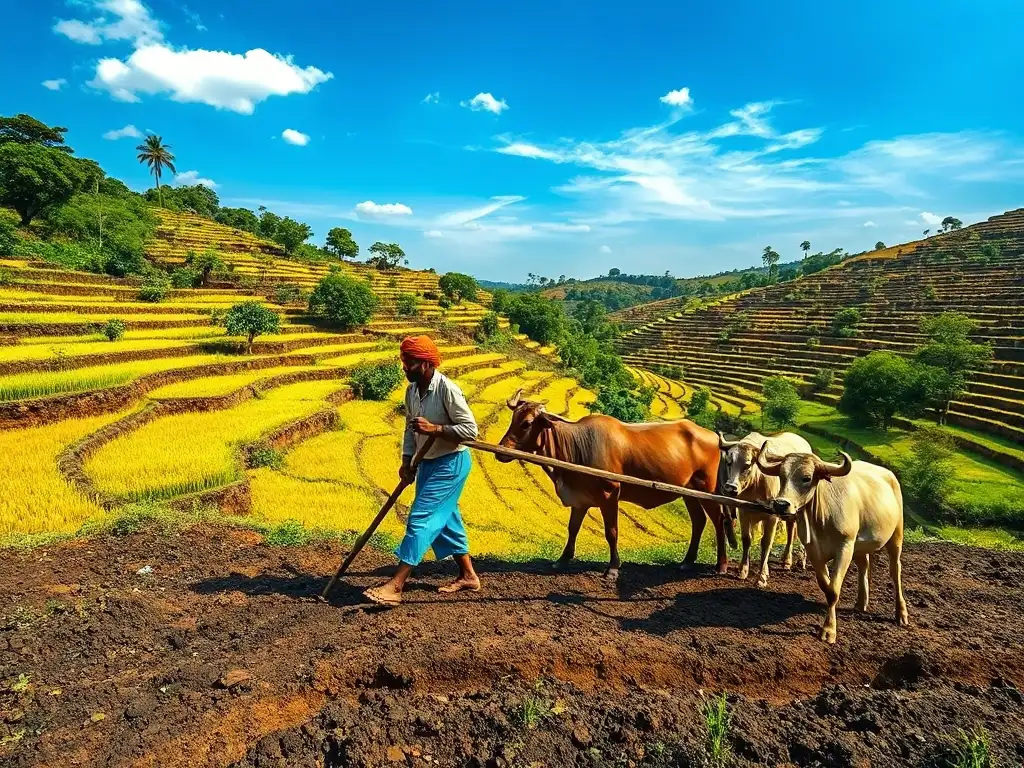
Welcome to Ancient India History, where we journey back through time to uncover the rich tapestry of ancient Indian civilizations. In this exploration, we will delve into the intriguing world of ancient Indian soil conservation techniques, revealing how these innovative practices not only nurtured the land but also laid the foundation for sustainable agriculture. What secrets do these age-old methods hold, and how can they inspire modern eco-friendly practices? Join us as we unravel the wisdom of the past and discover the profound contributions of ancient India to agriculture and economy. Your adventure into history starts here!
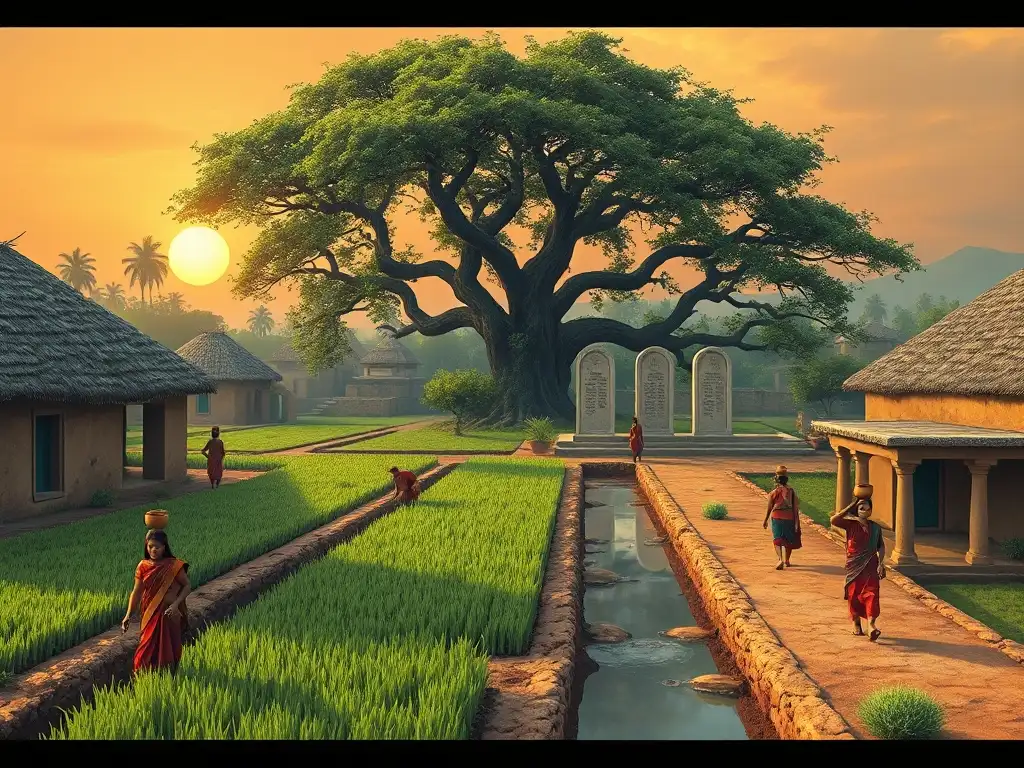
Introduction to Ancient Indian Soil Conservation Techniques
Ancient Indian civilizations have long been recognized for their innovative approaches to agriculture, particularly in the realm of soil conservation and fertility. The techniques developed during this time reflect a profound understanding of the environment and the sustainable practices necessary to maintain soil health. Through centuries of agricultural evolution, these civilizations implemented diverse methods that not only enhanced crop yields but also preserved the land for future generations. This article delves into the ancient Indian soil conservation techniques, highlighting their significance and the wisdom that underpinned these practices, which remain relevant even in today's context of sustainable agriculture.
Importance of Soil Conservation in Ancient India
Soil conservation was vital to the survival and prosperity of ancient Indian societies. The agricultural landscape was shaped by the need to optimize land use and ensure a steady food supply. Key aspects of soil conservation in ancient India included:
- Sustainability: Techniques aimed at preserving soil quality contributed to long-term agricultural productivity.
- Biodiversity: The promotion of diverse cropping systems helped to maintain soil health and reduce erosion.
- Cultural Practices: Many soil conservation methods were intertwined with cultural beliefs and agricultural rituals, emphasizing the holistic relationship between people and the land.
Overview of Ancient Indian Agricultural Practices
Ancient Indian agriculture was characterized by a variety of practices that focused on enhancing soil fertility and conserving resources. Some notable practices included:
- Crop Rotation: Alternating between different crops to prevent nutrient depletion.
- Organic Fertilizers: Utilizing cow dung and other organic materials enriched the soil naturally.
- Terracing and Contour Farming: These methods reduced soil erosion and improved water retention on sloped terrains.
Historical Context of Soil Conservation in Ancient India
The history of soil conservation techniques in ancient India can be traced back to various prominent civilizations, each contributing unique methods and insights that shaped agricultural practices.
Soil Fertility in the Indus Valley Civilization
The Indus Valley Civilization (c. 2500–1900 BCE) is renowned for its advanced urban planning and agricultural systems. Key features of soil fertility management during this period included:
- Irrigation Systems: The construction of elaborate irrigation channels allowed for controlled water supply, essential for maintaining soil moisture and fertility.
- Crop Diversity: Archaeological evidence suggests the cultivation of multiple crops, including wheat, barley, and legumes, which contributed to soil health.
Techniques During the Vedic Period
During the Vedic Period (c. 1500–500 BCE), agricultural practices evolved with the integration of spiritual and philosophical beliefs. Notable techniques included:
- Yajnas (Sacrificial Rituals): Certain rituals were believed to bless the land, thereby enhancing soil fertility.
- Natural Mulching: The use of crop residues and organic materials helped retain moisture and prevent soil erosion.
Contributions from the Maurya and Gupta Empires
The Maurya (c. 322–185 BCE) and Gupta Empires (c. 320–550 CE) marked significant advancements in agricultural techniques. Key contributions included:
- Agricultural Treatises: Texts such as "Kautilya's Arthashastra" provided insights into efficient land management and soil conservation strategies.
- Innovative Tools: Development of plows and other farming implements improved soil cultivation and fertility.
By understanding these ancient techniques, we can appreciate the sophisticated agricultural practices that shaped India's history and continue to inform modern sustainable agriculture.
Key Ancient Indian Soil Conservation Techniques
Ancient Indian civilizations developed a variety of innovative soil conservation techniques to enhance agricultural productivity while preserving soil health. These methods were closely tied to their understanding of the environment and their agricultural practices. From crop rotation to the integration of organic materials, these techniques ensured sustainable land use that has influenced modern practices. Here, we will explore some of the key soil conservation techniques employed in ancient India, highlighting their significance and effectiveness.
Crop Rotation as a Soil Fertility Strategy
Crop rotation was a fundamental practice in ancient India, aimed at maintaining soil fertility and reducing pest and disease pressure. Farmers would alternate different crops in a systematic manner, which helped to replenish nutrients in the soil. For instance, legumes were often planted after cereals, as they fixed nitrogen in the soil, enhancing fertility for subsequent crops. This strategy not only improved soil health but also maximized yields by diversifying the types of crops grown. Evidence from ancient texts indicates that this practice was widely adopted across various regions, demonstrating a sophisticated understanding of agronomy.
Use of Organic Manures and Green Manuring
The use of organic manures, such as compost and animal dung, was prevalent in ancient Indian agriculture. Farmers recognized the value of these natural fertilizers in enriching the soil. Additionally, green manuring—where specific crops were grown and then plowed back into the soil—was practiced to enhance organic matter content. This method not only provided nutrients but also improved soil structure and moisture retention. The incorporation of organic materials into the soil helped sustain fertility over long periods, reducing the need for chemical fertilizers, which were not available at the time.
Terracing and Contour Farming for Erosion Control
In hilly and sloped terrains, ancient Indian farmers employed terracing and contour farming techniques to combat soil erosion. Terracing involved creating flat areas on slopes to slow down water runoff, allowing for better water absorption and reducing soil loss. Contour farming followed the natural contours of the land, planting crops in rows along the slope rather than up and down. This practice helped to retain moisture and prevent erosion, ensuring that the soil remained fertile. The implementation of these techniques reflects the ancient farmers’ adaptability to their environment and their commitment to sustainable land management.
Agroforestry Practices in Ancient India
Agroforestry, the integration of trees and shrubs into agricultural landscapes, was a common practice in ancient India. This approach not only provided shade and shelter for crops but also enhanced soil fertility through the addition of organic matter from fallen leaves and decomposed plant material. The roots of trees helped to bind the soil, reducing erosion and enhancing water retention. Additionally, agroforestry systems promoted biodiversity and created a more resilient agricultural ecosystem. Ancient texts and archaeological findings illustrate the significance of trees in agricultural practices, highlighting their multifaceted benefits.
Water Management and Its Role in Soil Conservation
Water management was crucial in ancient Indian agriculture, with various techniques developed to ensure efficient use of water resources. These methods played a significant role in soil conservation, as they helped maintain soil moisture levels and prevent degradation. The ancient understanding of hydrology led to the implementation of systems that optimized water availability for agricultural use, directly impacting soil fertility and crop yields.
Ancient Irrigation Systems and Their Impact
The ancient Indians engineered sophisticated irrigation systems, including canals, wells, and diversion channels, to manage water supply. These systems enabled farmers to control water flow to their fields, ensuring consistent moisture levels even in dry periods. The availability of irrigation not only supported crop growth but also reduced the risk of soil salinity and degradation. Historical records indicate that extensive irrigation networks were developed, such as those in the Indus Valley Civilization, which significantly boosted agricultural productivity and soil health.
Rainwater Harvesting Techniques in Ancient India
Rainwater harvesting was a critical technique used by ancient Indian societies to conserve water and prevent soil erosion. Methods included constructing check dams, ponds, and reservoirs to capture and store rainwater. This stored water could then be used during dry spells, ensuring that crops received adequate moisture. The practice of rainwater harvesting not only supported agriculture but also replenished groundwater supplies, enhancing soil fertility. Evidence of these techniques can be found in various archaeological sites, demonstrating the ingenuity of ancient Indian farmers in managing water resources.
Wells and Tanks: Traditional Water Conservation Methods
Wells and tanks were essential components of ancient Indian water management systems. Wells provided a reliable source of groundwater, while tanks served as communal reservoirs that collected rainwater. These structures were strategically located to maximize water conservation and accessibility for agricultural use. The use of wells and tanks not only facilitated irrigation but also played a vital role in maintaining soil moisture, thereby improving fertility. The collaborative nature of these water conservation methods fostered community engagement and sustainable agricultural practices that have endured through generations.
Case Studies: Successful Implementation of Soil Conservation Techniques
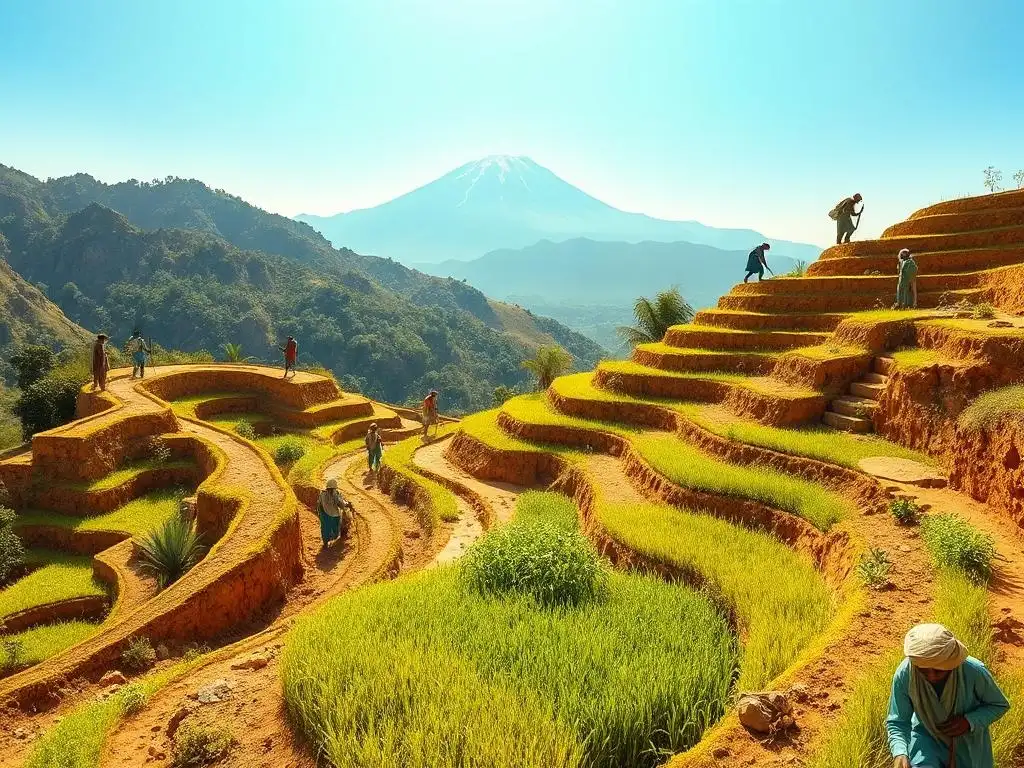
Throughout history, ancient Indian civilizations have exhibited a profound understanding of agriculture and soil conservation. This section explores notable case studies that highlight the successful implementation of soil conservation techniques, offering insights into their methods and effectiveness. These historical examples not only demonstrate the ingenuity of ancient practices but also provide valuable lessons for modern agricultural sustainability.
The Indus Valley Civilization: A Model of Sustainable Agriculture
The Indus Valley Civilization, flourishing around 2500 BCE, is renowned for its advanced urban planning and agricultural practices. A hallmark of this civilization was its sophisticated approach to soil conservation. The inhabitants employed several techniques to enhance soil fertility and manage water resources effectively:
- Floodplain Agriculture: They cultivated crops along riverbanks, utilizing the natural flooding cycle to deposit nutrient-rich silt onto fields. This method ensured consistent soil fertility without the need for excessive fertilizers.
- Crop Rotation: Evidence suggests that the Indus farmers practiced crop rotation to prevent soil depletion. By alternating the types of crops grown, they maintained soil health and reduced pest infestations.
- Terracing and Contour Farming: The construction of terraces on sloped land helped minimize soil erosion and allowed for the retention of moisture, making it easier to cultivate diverse crops.
These practices not only maximized agricultural productivity but also exemplified a profound respect for the environment, showcasing how sustainable agriculture was integral to their civilization's success.
Agricultural Innovations in the Gupta Era
During the Gupta Empire (approximately 320 to 550 CE), agricultural innovations reached new heights, further emphasizing soil conservation and fertility. This era saw the introduction of various techniques that improved crop yields and sustained soil health:
- Manuring and Composting: The Guptas recognized the importance of organic matter in enhancing soil fertility. They used animal dung and plant residues to create compost, which enriched the soil and improved its structure.
- Water Management Systems: Innovations in irrigation, including the construction of canals and wells, allowed for more effective water management. This reduced the over-reliance on monsoon rains and contributed to soil moisture retention.
- Introduction of New Crops: The Gupta period was marked by the diversification of crops, including rice, wheat, and pulses. This not only improved dietary variety but also facilitated crop rotation practices that benefited the soil.
These advancements underscored the Gupta Empire's commitment to agricultural prosperity and sustainable land use, setting a precedent for future agricultural practices in India.
Modern Implications of Ancient Indian Soil Conservation Techniques
The study of ancient Indian soil conservation techniques offers valuable insights for contemporary agriculture. Understanding and integrating these historical practices can significantly enhance modern farming methods, promoting sustainability and environmental responsibility.
Relevance of Ancient Techniques in Contemporary Agriculture
In an era characterized by environmental challenges, the relevance of ancient Indian soil conservation techniques is increasingly recognized. These methods are not only ecologically sound but also economically viable. Key aspects of their relevance include:
- Sustainability: Ancient practices emphasize the importance of maintaining soil health over time, aligning with modern sustainable agriculture principles.
- Biodiversity: Techniques like crop rotation and intercropping promote biodiversity, which is essential for resilient ecosystems and pest management.
- Water Conservation: The indigenous methods of managing water resources are particularly relevant today, as water scarcity becomes a pressing concern in agricultural regions worldwide.
By revisiting these ancient techniques, modern farmers can adopt more sustainable practices that honor the wisdom of the past while addressing the challenges of the present.
Integrating Traditional Practices with Modern Methods
The future of agriculture lies in the integration of traditional practices with modern technologies. This hybrid approach can enhance soil conservation efforts and improve crop yields. Key strategies for this integration include:
- Research and Development: Conducting studies to evaluate the effectiveness of ancient techniques in conjunction with modern scientific methods can yield innovative solutions.
- Education and Training: Farmers should be educated about the benefits of traditional practices, providing them with tools to implement these techniques alongside modern farming technologies.
- Policy Support: Governments can play a crucial role by promoting policies that encourage the adoption of sustainable agricultural practices rooted in traditional knowledge.
By fostering a dialogue between ancient wisdom and modern science, we can create a more sustainable agricultural future that respects the land and enhances productivity.
Conclusion: The Legacy of Ancient Indian Soil Conservation Techniques
The legacy of ancient Indian soil conservation techniques is not just a reflection of the agricultural ingenuity of past civilizations but also a crucial element in understanding sustainable practices that can be beneficial in contemporary times. These techniques, honed over centuries, illustrate a profound understanding of the land, water, and climate interactions. They emphasize a holistic approach to agriculture that integrates environmental stewardship with productivity, ensuring that the soil remains fertile and capable of supporting future generations.
As we reflect on the various methods employed by ancient Indian civilizations—from the construction of terraced fields to the use of organic fertilizers—it's clear that these practices were designed to work in harmony with nature. The careful observation and adaptation to local conditions allowed these societies to thrive in diverse ecological zones, ranging from the arid deserts of Rajasthan to the fertile plains of the Ganges. This knowledge not only ensured food security but also fostered a deep respect for the environment, which is an invaluable lesson for modern agricultural practices facing challenges like climate change and soil degradation.
Summary of Key Techniques and Their Benefits
Ancient Indian soil conservation techniques encompassed a variety of practices that were aimed at maintaining soil fertility and preventing erosion. Some of the key techniques include:
- Terracing: This method involved creating flat platforms on sloped terrain, reducing soil erosion and allowing for better water retention.
- Crop Rotation: Rotating different crops in a field helped maintain soil nutrients and disrupted pest cycles, leading to healthier crops.
- Fallowing: Leaving fields uncultivated for a period allowed the soil to recover and restore its natural fertility.
- Use of Organic Manures: Incorporating compost, green manure, and animal waste enriched the soil with nutrients, promoting sustainable fertility.
- Water Harvesting Techniques: Structures like check dams and ponds were built to capture and store rainwater, enhancing moisture availability for crops and reducing runoff.
These techniques not only maximized agricultural productivity but also contributed to the overall health of the ecosystem. By promoting soil structure and fertility, they ensured a reliable food supply, which was crucial for the development of ancient Indian societies.
The Importance of Preserving Ancient Knowledge for Future Generations
Preserving ancient knowledge on soil conservation is vital for several reasons. Firstly, as modern agriculture faces increasing pressures from population growth, climate change, and environmental degradation, the sustainable practices of the past can provide innovative solutions to contemporary challenges. By studying and implementing these time-tested techniques, modern farmers can improve soil health and productivity without resorting to harmful chemicals.
Secondly, the preservation of this knowledge fosters a deeper connection between communities and their agricultural heritage. Understanding traditional practices encourages respect for local ecosystems and promotes biodiversity, which is critical in maintaining resilient agricultural systems.
Lastly, as we strive for sustainable development, integrating ancient wisdom into modern practices can lead to more effective policies and practices that support ecological balance. This not only benefits the environment but also strengthens the cultural identity and continuity of agricultural communities, ensuring that future generations can inherit a rich history of sustainable practices that honor the earth.
The ancient Indian techniques of soil conservation hold a treasure trove of insights that can guide sustainable agricultural practices today. Embracing these techniques is not merely an act of preservation but a necessary step towards a more sustainable and resilient future.
- Introduction to Ancient Indian Soil Conservation Techniques
- Historical Context of Soil Conservation in Ancient India
- Key Ancient Indian Soil Conservation Techniques
- Water Management and Its Role in Soil Conservation
- Case Studies: Successful Implementation of Soil Conservation Techniques
- Modern Implications of Ancient Indian Soil Conservation Techniques
- Conclusion: The Legacy of Ancient Indian Soil Conservation Techniques
- What are ancient Indian soil conservation techniques?
- How did ancient Indians ensure soil fertility?
- What role did the Indus Valley Civilization play in soil conservation?
- Were there any spiritual aspects related to soil conservation in ancient India?
- How do these ancient practices influence modern soil conservation?
Frequently Asked Questions
What are ancient Indian soil conservation techniques?
Ancient Indian soil conservation techniques refer to traditional practices used by ancient civilizations to maintain soil fertility and prevent erosion, ensuring sustainable agriculture.
How did ancient Indians ensure soil fertility?
Ancient Indians employed methods such as crop rotation, intercropping, and the use of organic compost to enhance soil fertility and sustain agricultural productivity.
What role did the Indus Valley Civilization play in soil conservation?
The Indus Valley Civilization implemented advanced irrigation systems and drainage techniques, which effectively conserved water and maintained soil health, supporting their agricultural practices.
Yes, many ancient Indian texts emphasized the spiritual connection between humans and the earth, promoting practices that respected nature, such as sacred groves that protected soil and biodiversity.
How do these ancient practices influence modern soil conservation?
Modern soil conservation techniques can learn from ancient practices by integrating traditional knowledge with contemporary science, creating more sustainable and effective agricultural systems.
Final Reflection: Embracing Ancient Wisdom for Modern Soil Conservation
The relevance of ancient Indian soil conservation techniques is more pronounced today than ever, as we face escalating environmental challenges and the urgent need for sustainable agricultural practices. These time-tested methods not only offer solutions to soil degradation but also remind us of the profound connection between our agricultural practices and the health of our planet. In a world grappling with climate change and food security, the wisdom of our ancestors shines as a beacon of hope and guidance.
The influence of these ancient techniques extends beyond mere agricultural practices; they resonate deeply within our cultural and social landscapes. By integrating these methods into contemporary farming, we can foster a deeper appreciation for sustainable living and environmental stewardship. As Mahatma Gandhi once said, "> The earth provides enough to satisfy every man's needs, but not every man's greed." This sentiment echoes the importance of respecting our natural resources and using them wisely, a principle that is at the heart of ancient Indian soil conservation practices.
As we reflect on the lessons learned from ancient Indian techniques, I invite you to consider how you can incorporate these principles into your own life and community. Let us take action to preserve our soil and nurture our environment, ensuring that future generations inherit a world rich in resources and beauty. By embracing the wisdom of the past, we can cultivate a sustainable future that honors both our heritage and the planet we share.
Unleash the Secrets of Ancient Soil Wisdom!
Thank you for diving into the fascinating world of ancient Indian techniques for soil conservation and fertility! You've uncovered valuable insights that not only honor traditional practices but can also transform modern agriculture. Now, it’s time to put this knowledge into action!
Here are some steps you can take to embrace and promote this ancient wisdom:
- Start your own garden using traditional techniques such as natural composting or crop rotation; experience firsthand the benefits of these time-tested methods.
- Join or create a local community group focused on sustainable farming practices to share knowledge and resources with fellow enthusiasts.
- Document your learning journey on social media or in community forums to inspire others; your insights might spark a new interest in sustainable practices!
Now, consider this: How could integrating these ancient soil conservation techniques into modern farming change our approach to agriculture today?