
The Decline of Ancient Indian Irrigation Systems: Causes and Consequences


Welcome to Ancient India History, where we delve into the captivating narratives of our past, unveiling the rich tapestry of civilizations that shaped the subcontinent. In our featured article, "The Decline of Ancient Indian Irrigation Systems: Causes and Consequences," we explore a crucial yet often overlooked aspect of ancient Indian life—the intricate irrigation networks that once flourished and their eventual decline.
What led to this significant transformation, and how did it impact the agricultural landscape and economy of the time? Join us on this journey to uncover the complexities behind this pivotal moment in history and discover how it resonates with our understanding of ancient civilizations today.

Introduction to Ancient Indian Irrigation Systems
The history of ancient Indian irrigation systems is a fascinating tale of innovation, resource management, and environmental adaptation. As civilizations flourished in the Indian subcontinent, particularly from the Indus Valley Civilization through to the Gupta Empire, the development and maintenance of irrigation systems played a pivotal role in agricultural productivity and societal advancement.
However, the decline of these intricate systems raises critical questions about the sustainability of ancient practices and their long-term impacts on civilization. Understanding the factors that contributed to the ancient Indian irrigation decline not only illuminates the past but also offers valuable lessons for contemporary water management strategies.
Overview of Ancient Indian Agriculture
Agriculture in ancient India was deeply intertwined with the monsoon patterns, river systems, and the socio-economic structures of the time. Key features of ancient Indian agriculture included:
- Crop Diversity: Cultivation of grains such as rice, wheat, barley, and pulses, alongside cash crops like cotton and sugarcane.
- Innovative Techniques: Use of crop rotation, intercropping, and organic fertilizers, which showcased a sophisticated understanding of sustainable farming practices.
- Community Involvement: Agricultural practices were often communal, with shared labor and collective management of irrigation resources.
The success of these agricultural practices was largely dependent on the efficiency and reach of irrigation systems, which facilitated the conversion of arid and semi-arid lands into fertile fields.
Importance of Irrigation in Ancient Civilizations
Irrigation was not merely a technical solution for water management; it was a cornerstone of ancient Indian civilization. Its significance can be summarized as follows:
- Food Security: Reliable irrigation systems ensured stable food production, which was essential for supporting growing populations and urban centers.
- Economic Growth: Surpluses from agriculture enabled trade and the development of markets, contributing to the economy's overall health.
- Cultural Development: Irrigated agriculture fostered the growth of settlements, leading to advancements in art, philosophy, and science, as communities became more organized and prosperous.
Understanding the Decline of Ancient Indian Irrigation
The decline of ancient Indian irrigation systems marked a significant turning point in agricultural practices and societal structures. Identifying the causes of this decline provides insights into broader environmental and socio-economic challenges faced by these civilizations.
Definition of Ancient Indian Irrigation Decline
The term "ancient Indian irrigation decline" refers to the gradual deterioration and eventual collapse of sophisticated irrigation networks that had once supported thriving agricultural systems. This decline was characterized by:
- Reduced Water Availability: Changes in climate and geography led to decreased river flows and groundwater depletion.
- Neglect and Mismanagement: Over time, maintenance of irrigation infrastructure waned due to shifting priorities and resource allocation.
- Socio-political Factors: Conflicts, invasions, and the collapse of central authority disrupted the communal efforts necessary for maintaining these systems.
Historical Context of Irrigation Systems in Ancient India
To fully understand the decline of these irrigation systems, it is essential to explore their historical context:
- Indus Valley Civilization: Known for its advanced urban planning, the Indus Valley featured intricate drainage and irrigation systems that supported agriculture in a challenging environment.
- Maurya and Gupta Empires: These periods saw further advancements in irrigation technology, including the construction of canals and reservoirs, which expanded agricultural reach.
- Environmental Challenges: Over centuries, climate variability and natural disasters played a significant role in the effectiveness of these irrigation practices, leading to periods of both prosperity and decline.
The decline of ancient Indian irrigation systems is a complex phenomenon with far-reaching implications, reflecting the interplay between human ingenuity and environmental constraints. Understanding this decline not only sheds light on ancient Indian civilization but also offers relevant insights for current agricultural practices.
Causes of the Decline of Ancient Indian Irrigation Systems
The decline of ancient Indian irrigation systems can be attributed to a confluence of various factors. Understanding these causes provides insights into the eventual degradation of these sophisticated agricultural networks that once flourished across the subcontinent. The primary causes can be categorized into environmental, socio-political, and technological factors, each influencing the effectiveness and sustainability of irrigation practices.
Environmental Factors Contributing to Irrigation Decline
Environmental changes played a significant role in the decline of ancient Indian irrigation systems. Fluctuations in climate, such as prolonged droughts and changing monsoon patterns, directly impacted the availability of water for irrigation. For instance:
- Climate Variability: Shifts in climate led to erratic rainfall, affecting crop yields and the reliance on irrigation systems. When water sources dried up or became less reliable, it strained the entire agricultural framework.
- Soil Degradation: Overuse of irrigated lands without proper management resulted in soil salinization and nutrient depletion. This degradation decreased soil fertility, making it increasingly difficult to sustain agricultural productivity.
- Natural Disasters: Events such as floods, earthquakes, and landslides could damage existing irrigation infrastructure, leading to disrupted water supply and reduced agricultural output.
These environmental challenges necessitated adaptive strategies that, in many instances, were not effectively implemented.
Socio-Political Factors Leading to Decline
The socio-political landscape of ancient India also contributed to the decline of irrigation systems. Various factors included:
- Fragmentation of Political Authority: As kingdoms and empires rose and fell, the lack of centralized governance made it difficult to maintain and manage irrigation infrastructure. Localized power struggles often prioritized immediate political gains over long-term agricultural sustainability.
- Neglect of Infrastructure: With changing rulers and shifting priorities, existing irrigation systems were often neglected. The lack of investment in maintenance led to the deterioration of canals, reservoirs, and other vital infrastructure.
- Population Movements: The migration of peoples due to invasions, famine, or other pressures led to abandoned farmlands and irrigation systems. This disruption reduced the overall agricultural output and weakened community ties to the land.
These socio-political dynamics created an environment where the necessary collaboration to sustain irrigation systems was undermined.
Technological Stagnation and Lack of Innovation
Technological advancements are crucial for the maintenance and development of irrigation systems, yet stagnation marked this period in ancient India. Several factors contributed to this stagnation:
- Resistance to Change: Traditional methods of irrigation were deeply ingrained in societal practices. The reluctance to adopt new technologies or methods limited improvements in efficiency and water management.
- Insufficient Knowledge Transfer: As civilizations declined, the knowledge regarding advanced irrigation techniques and management practices was lost. This gap in information hindered the potential for innovative solutions to emerging challenges.
- Resource Constraints: Economic pressures limited the resources available for investing in new technologies. The focus on immediate survival often overshadowed the importance of long-term planning and innovation.
These technological challenges collectively hindered the resilience of ancient irrigation systems in the face of growing pressures.
Consequences of the Decline of Ancient Indian Irrigation Systems
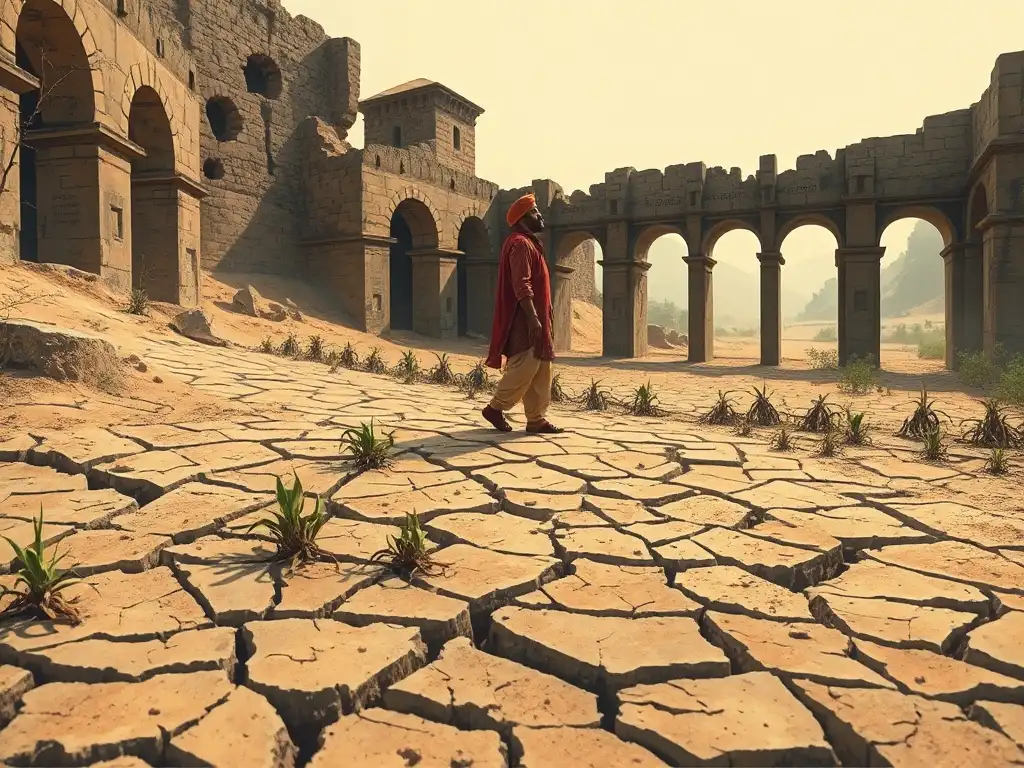
The consequences of declining irrigation systems were profound, affecting economic, social, and cultural dimensions of life in ancient India. The impacts were far-reaching and often intertwined, leading to significant changes in how societies functioned.
Economic Impacts on Agricultural Productivity
The decline in irrigation systems led to a notable decrease in agricultural productivity, which had several economic ramifications:
- Reduced Crop Yields: With less water available for crops, yields plummeted, leading to food shortages. This directly impacted the economy, as agriculture was the backbone of ancient Indian society.
- Increased Dependency on Trade: Communities began to rely more heavily on trade to meet their food needs, which created economic vulnerabilities. Fluctuations in trade routes or relationships could lead to crises during poor harvests.
- Decline of Agrarian Societies: As agricultural productivity waned, many agrarian societies faced economic decline, leading to increased poverty and social instability. This shift often resulted in urban migration as people sought opportunities in cities.
These economic consequences shaped the trajectory of ancient Indian civilizations and their ability to thrive.
Social Consequences of Irrigation Decline
The social fabric of ancient Indian society was also affected by the decline of irrigation systems:
- Displacement of Communities: As agricultural lands became less viable, many communities were forced to relocate, leading to social fragmentation and loss of cultural identity.
- Stratification and Inequality: The decline in agricultural output exacerbated social inequalities, with wealth becoming concentrated among those who could adapt or invest in alternative resources. This stratification often led to social tensions and conflicts.
- Cultural Disruption: The interconnectedness of agriculture with social rituals and practices meant that irrigation decline disrupted traditional lifestyles. Festivals, agricultural practices, and community gatherings were significantly altered or abandoned.
These social consequences underlined the importance of irrigation not just as a means of production but as a cornerstone of social cohesion.
Cultural and Historical Ramifications
Finally, the decline of ancient Indian irrigation systems brought significant cultural and historical changes:
- Loss of Agricultural Heritage: The abandonment of traditional irrigation practices resulted in the loss of agricultural knowledge and heritage. This gap in cultural transmission affected future generations' understanding of sustainable practices.
- Changes in Settlement Patterns: As irrigation systems deteriorated, settlement patterns shifted. Communities that once thrived in fertile areas migrated, leading to the development of new cultural hubs and the decline of older ones.
- Historical Narratives: The decline of these systems is reflected in the historical narratives of ancient Indian civilization, influencing how future societies would understand agriculture and land use. The lessons learned from these declines became part of the broader discourse on sustainability and resource management.
These cultural and historical ramifications highlight the interconnectedness of irrigation systems with the overall development of ancient Indian societies. The decline of such systems not only altered agricultural practices but also reshaped the very essence of cultural identity and historical legacy.
Lessons Learned from the Decline of Ancient Indian Irrigation
The decline of ancient Indian irrigation systems serves as a poignant reminder of the delicate balance between human activity and environmental sustainability. These systems, which were once the backbone of agricultural productivity, faced a multitude of challenges that ultimately led to their deterioration. By analyzing the lessons learned from this decline, modern societies can gain valuable insights into the importance of maintaining sustainable practices in agriculture.
First, it is crucial to recognize that over-reliance on any single irrigation method can lead to vulnerabilities. In ancient India, extensive canal systems were initially effective but became susceptible to siltation and neglect over time. This highlights the necessity for diversified irrigation techniques that can adapt to changing environmental conditions. Furthermore, the importance of regular maintenance and community involvement in irrigation management cannot be overstated. Ancient systems thrived when local populations actively participated in their upkeep, indicating that community engagement is essential for sustainability.
Another key lesson is the impact of climate change and environmental degradation on water resources. Ancient Indian civilizations faced severe droughts and shifting climatic patterns, which underscored the need for resilience in agricultural practices. The decline of these irrigation systems illustrates how neglecting environmental factors can have dire consequences for food security and economic stability.
Importance of Sustainable Irrigation Practices
Sustainable irrigation practices are vital for ensuring the long-term viability of agricultural systems. The decline of ancient Indian irrigation systems underscores the significance of implementing environmentally friendly methods that conserve water and soil resources. Sustainable practices include techniques such as rainwater harvesting, drip irrigation, and the use of organic fertilizers, all of which help to minimize waste and enhance soil health.
One critical aspect of sustainable irrigation is the efficient management of water resources. Techniques that promote water conservation not only alleviate the strain on available water supplies but also protect the surrounding ecosystems. For instance, utilizing contour farming and terracing can reduce runoff and increase water retention in the soil, thereby improving crop yields while preserving the landscape.
Moreover, sustainable irrigation practices can enhance biodiversity. By incorporating traditional knowledge and modern technology, farmers can create ecosystems that support various plant and animal species. This diversity can lead to more resilient agricultural systems, capable of withstanding pests, diseases, and climate variability.
Relevance of Ancient Techniques in Modern Contexts
The irrigation techniques employed by ancient Indian civilizations offer valuable lessons that remain relevant today. Many of these methods were characterized by a deep understanding of local geography and hydrology, allowing for efficient water usage tailored to the specific needs of the environment. For instance, ancient systems such as stepwells and channel irrigation were designed to harness seasonal monsoon rains effectively.
In modern contexts, the revival and adaptation of these ancient techniques can significantly contribute to sustainable agriculture. By integrating traditional knowledge with contemporary practices, farmers can develop more resilient and efficient irrigation systems. This integration not only improves crop productivity but also fosters a greater connection between communities and their agricultural heritage.
Furthermore, the emphasis on localized solutions can inspire modern agricultural policies aimed at enhancing food security. Policies that prioritize community-based water management and support the revival of traditional practices can lead to more sustainable agricultural systems that respect local ecosystems and cultures.
Conclusion
Summary of the Causes and Consequences of Irrigation Decline
The decline of ancient Indian irrigation systems can be attributed to several interrelated causes, including environmental factors, neglect, political instability, and unsustainable agricultural practices. The consequences of this decline were profound, leading to decreased agricultural productivity, food shortages, and economic downturns, which ultimately contributed to the downfall of several ancient civilizations.
Such a decline not only disrupted local economies but also had far-reaching implications for social structures and cultural practices. Communities that once thrived on agricultural abundance faced the harsh realities of famine and resource scarcity, illustrating the critical importance of sustainable water management.
Reflection on the Importance of Preserving Ancient Agricultural Wisdom
Preserving the agricultural wisdom of ancient India is essential for informing contemporary practices and policies. The techniques and knowledge developed over centuries reflect a deep understanding of the environment and sustainable resource management. By learning from history, modern societies can implement practices that promote sustainability, resilience, and food security.
Incorporating ancient wisdom into modern agriculture can guide efforts to mitigate the impacts of climate change and ensure the long-term viability of food systems. As we face increasing environmental challenges, the lessons from ancient Indian irrigation systems remind us of the importance of stewardship, innovation, and respect for the land we cultivate. By honoring these traditions, we can create a more sustainable future for agriculture and society as a whole.
- Introduction to Ancient Indian Irrigation Systems
- Understanding the Decline of Ancient Indian Irrigation
- Causes of the Decline of Ancient Indian Irrigation Systems
- Consequences of the Decline of Ancient Indian Irrigation Systems
- Lessons Learned from the Decline of Ancient Indian Irrigation
- Conclusion
- What were the major factors contributing to the decline of ancient Indian irrigation systems?
- How did the decline of irrigation systems affect ancient Indian civilization?
- What role did the Indus Valley Civilization play in the development of irrigation?
- Were there any consequences of the irrigation decline on the social structure?
- How can the study of ancient Indian irrigation systems inform modern water management practices?
Frequently Asked Questions
What were the major factors contributing to the decline of ancient Indian irrigation systems?
The decline of ancient Indian irrigation systems was primarily due to environmental changes, political instability, and the overuse of resources which led to soil degradation and decreased agricultural productivity.
How did the decline of irrigation systems affect ancient Indian civilization?
The decline of irrigation systems resulted in reduced agricultural yields, which directly impacted the economy, leading to food shortages and contributing to the collapse of urban centers in ancient India.
What role did the Indus Valley Civilization play in the development of irrigation?
The Indus Valley Civilization is known for its advanced irrigation techniques, which included canals and reservoirs. These innovations laid the groundwork for agricultural practices in ancient India.
Yes, the decline in irrigation contributed to social upheaval, leading to shifts in population distribution and changes in land ownership, often resulting in social stratification and increased conflict over resources.
How can the study of ancient Indian irrigation systems inform modern water management practices?
Studying the decline of ancient Indian irrigation systems provides valuable insights into sustainable practices and the importance of maintaining and upgrading existing infrastructure to prevent similar issues in contemporary water management.
Final Reflection: Understanding the Legacy of Ancient Indian Irrigation Decline
The decline of ancient Indian irrigation systems is not just a historical footnote; it is a pressing issue that resonates with our current environmental challenges. As we grapple with water scarcity and sustainable agriculture today, the lessons from the past serve as a stark reminder of the consequences of neglecting our natural resources. The intricate systems that once nourished vast landscapes and supported thriving communities are now largely forgotten, yet their decline offers critical insights into our relationship with water management and ecological balance.
Cultural and social landscapes have been profoundly shaped by the rise and fall of these irrigation systems. The ingenuity of ancient Indian engineers reflects a deep understanding of local ecosystems, which is increasingly relevant in our modern context. As we face climate change and urbanization, the wisdom embedded in these ancient practices can guide us toward sustainable solutions. Those who do not remember the past are condemned to repeat it.
This quote by George Santayana encapsulates the urgency of learning from the decline of these systems to avoid similar pitfalls in our contemporary society.
As we reflect on the lessons of ancient Indian irrigation decline, I invite you to consider how you can contribute to the preservation and restoration of our water resources. Take a moment to evaluate your own relationship with water—how can you advocate for sustainable practices in your community? By embracing the wisdom of the past and applying it to our present challenges, we can foster a future where water is cherished and managed wisely, ensuring that the mistakes of history do not repeat themselves.
Revitalize Ancient Wisdom: Take Action Today!
Thank you for diving into the fascinating world of ancient Indian irrigation systems! Your engagement with this topic not only highlights the ingenuity of our ancestors but also underscores the importance of preserving such critical knowledge. Now, let’s transform that inspiration into action!
Here’s how you can contribute to reviving and sustaining this ancient wisdom:
- Explore your local agricultural practices and identify a traditional method that you can integrate into your own gardening or farming efforts.
- Share this article with friends or family members who might be interested in sustainable practices—let's spread awareness together!
- Engage with local history groups or online forums to discuss ancient irrigation techniques and their relevance in today’s context.
What do you believe are the most effective ways to blend ancient methods with modern water conservation strategies? Share your thoughts below!