
The Evolution of Agricultural Tools and Techniques in Ancient India

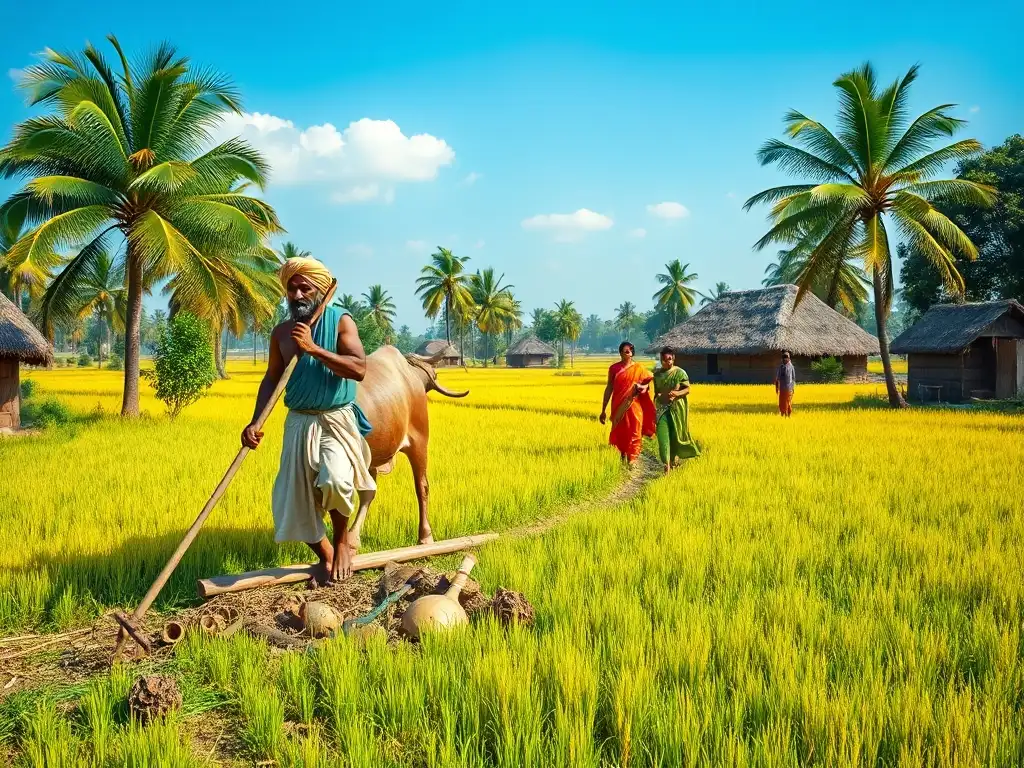
Welcome to Ancient India History, where we embark on a fascinating journey through the rich tapestry of ancient Indian civilizations. Today, we delve into the evolution of agricultural tools and techniques, uncovering how these practices not only shaped the economy but also laid the foundation for a thriving culture. Ever wondered how the ingenuity of ancient farmers transformed the landscape of India? Join us as we explore the intricate relationship between agriculture and the rise of empires, revealing stories that bridge the past and the present. Let's dig deeper into the roots of ancient Indian agricultural practices!
Introduction to Ancient Indian Agricultural Practices
Agriculture has been the backbone of civilizations throughout history, and ancient India is no exception. The evolution of agricultural tools and techniques in ancient India reflects the ingenuity and adaptability of its people in response to diverse environmental conditions and societal needs.
From the fertile plains of the Indus Valley to the agrarian society of the Gupta Empire, ancient Indian agricultural practices laid the foundation for sustainable farming methods that supported vast populations and complex societies. This article delves into the rich tapestry of agricultural innovations, tools, and techniques that shaped the agricultural landscape of ancient India, highlighting their significance in the broader context of Indian history.
Overview of Agricultural Practices in Ancient India
Ancient Indian agricultural practices were characterized by a deep understanding of the local ecosystem and a commitment to sustainable practices. Farmers employed a variety of techniques to maximize crop yield and ensure food security. Some key features of these practices include:
- Crop Rotation: Farmers practiced crop rotation to maintain soil fertility and reduce pest infestations.
- Irrigation Systems: Innovative irrigation methods, such as canals and wells, were developed to harness water resources effectively.
- Use of Organic Fertilizers: The incorporation of cow dung and other organic materials enriched the soil and supported healthy crop growth.
These practices not only facilitated the cultivation of staple crops such as rice, wheat, and barley but also allowed for the diversification of agriculture through the introduction of various fruits and vegetables.
Importance of Agriculture in Ancient Indian Civilizations
Agriculture was not merely a means of sustenance in ancient India; it was a crucial element that influenced social structures, economic stability, and cultural practices. The significance of agriculture can be summarized as follows:
- Economic Foundation: Agriculture provided the primary source of income for the majority of the population, supporting trade and commerce.
- Social Structure: The agrarian lifestyle fostered the development of settled communities, leading to advancements in social organization and governance.
- Cultural Integration: Agricultural festivals and rituals were integral to ancient Indian culture, reflecting the symbiotic relationship between people and the land.
As a result, the agricultural practices of ancient India not only sustained its civilizations but also played a pivotal role in shaping its cultural identity.
Key Agricultural Tools Used in Ancient India
The evolution of agricultural tools in ancient India showcases the ingenuity of its people in overcoming the challenges posed by their environment. These tools evolved over centuries, improving efficiency and productivity in farming practices.
Traditional Farming Tools: An Overview
Traditional farming tools in ancient India were designed to suit the varied agricultural practices across regions. Some commonly used tools included:
- Spades and Hoes: Essential for tilling the soil and preparing seedbeds.
- Sickles: Used for harvesting crops, particularly in the later stages of growth.
- Rakes and Harrows: Employed for leveling and aerating the soil.
These tools were often made from locally available materials, such as wood, stone, and metal, reflecting the resourcefulness of ancient Indian farmers.
Plows: Design and Functionality
Plowing was a crucial step in ancient Indian agriculture, and the design of plows evolved significantly over time. Early plows were simple wooden implements, but as agricultural practices advanced, so did the plow designs. Key aspects of plows include:
- Types of Plows: The ard (a simple wooden plow) and the ploughshare (a metal plow) were commonly used.
- Functionality: Plows were essential for breaking up soil, allowing for better seed penetration and moisture retention.
The introduction of iron plows during later periods enhanced the efficiency and effectiveness of plowing, leading to increased agricultural productivity.
Harvesting Tools: Sickles and Their Variants
Harvesting tools played a vital role in the agricultural cycle, and sickles were among the most significant. The design and use of sickles in ancient India can be summarized as follows:
- Shape and Material: Sickles typically featured a curved blade, allowing for efficient cutting of crops. Early variants were made from stone, later evolving into metal designs.
- Cultural Significance: The sickle is often associated with agricultural rituals and festivals, signifying the importance of harvest time in ancient Indian culture.
These tools not only facilitated the harvest but also symbolized the connection between the land and the people who worked it, underscoring the importance of agriculture in ancient Indian society.
Techniques and Methods in Ancient Indian Agriculture
Agricultural practices in ancient India were characterized by a combination of innovative techniques and methods that evolved in response to the diverse climatic and geographical landscapes of the region. With a rich history of agriculture dating back to the Indus Valley Civilization, ancient Indian farmers developed sophisticated systems to enhance productivity and sustainability.
The use of plows made from wood and, later, iron significantly improved tilling efficiency. These plows were often pulled by oxen, showcasing the importance of animal husbandry in ancient agricultural practices. Moreover, the adoption of intercropping—growing multiple crops in proximity—allowed farmers to maximize land use and reduce pest infestations. This method not only ensured a diverse yield but also enriched the soil.
Organic farming techniques were prevalent, with farmers relying on natural compost and manure to nourish their crops. The integration of these ancient practices laid the foundation for sustainable agriculture, reflecting a deep understanding of the ecosystem.
Crop Rotation and Its Benefits
Crop rotation was a pivotal practice in ancient Indian agriculture, aimed at maintaining soil fertility and preventing the depletion of nutrients. By alternating different crops in a systematic sequence, farmers could enhance soil structure and minimize pest and weed pressures. For instance, legumes such as lentils and chickpeas were often planted after cereal crops like wheat and barley. This rotation not only enriched the soil with nitrogen but also contributed to a more balanced diet for the communities.
The benefits of crop rotation extended beyond soil health; it also improved overall agricultural yields. Ancient texts, including the Arthashastra by Kautilya, emphasize the strategic importance of rotating crops to optimize land use and ensure food security. This practice demonstrated an early understanding of ecological balance and sustainable farming, showcasing the intelligence of ancient Indian agricultural systems.
Irrigation Techniques: Wells, Canals, and Tanks
Irrigation played a crucial role in the development of agriculture in ancient India, especially in regions with irregular rainfall. Various irrigation techniques were employed, including the construction of wells, canals, and tanks. Wells, often dug by hand, provided a reliable source of water for farming, particularly in arid regions. Farmers developed intricate systems of canals that channeled water from rivers to fields, enabling the cultivation of crops even during dry spells.
Tanks, or large water reservoirs, were another innovative solution. They were built to capture and store rainwater, allowing for controlled irrigation. The use of tanks became particularly significant in southern India, where rainfall patterns required careful water management. These irrigation methods not only supported agricultural productivity but also facilitated the growth of settled communities, contributing to the rise of ancient Indian civilizations.
The Role of Climate and Geography in Agricultural Evolution
The evolution of agricultural practices in ancient India was heavily influenced by the region's diverse climate and geography. From the fertile plains of the Ganges River to the arid deserts of Rajasthan, the adaptability of agriculture was crucial for survival and prosperity.
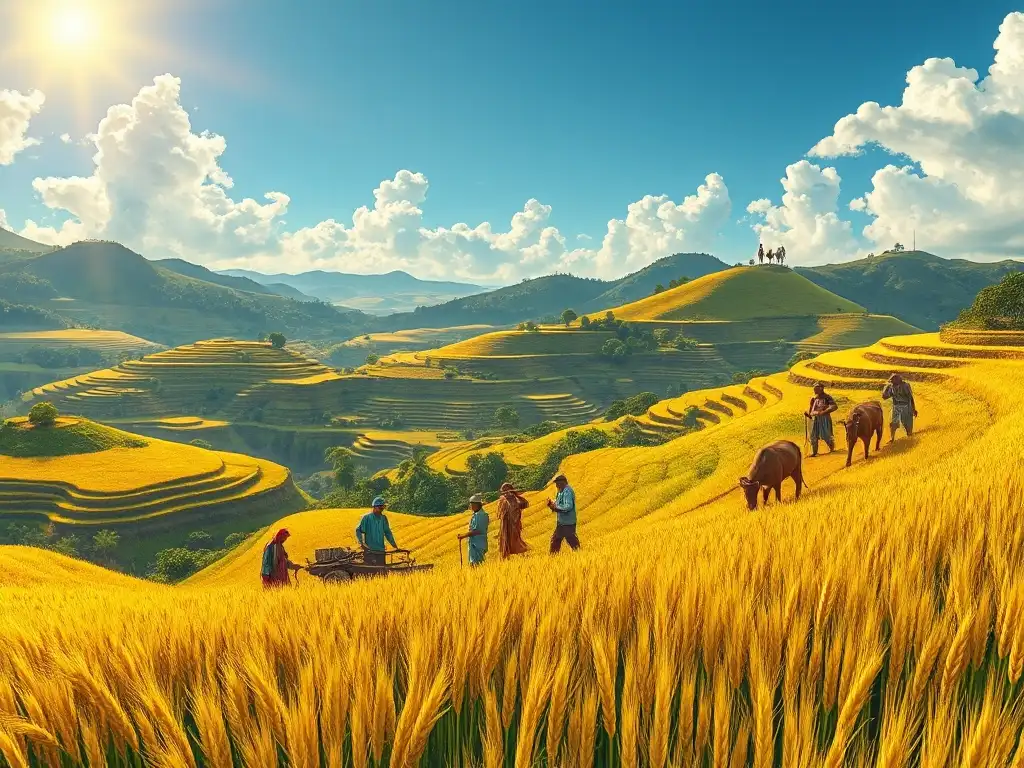
Different regions developed unique agricultural practices that responded to local environmental conditions. For example, in the floodplains, farmers used seasonal flooding to enrich the soil, while in hilly areas, terrace farming became prevalent to prevent soil erosion and maximize arable land.
Impact of Monsoon on Farming Techniques
The monsoon season had a profound impact on ancient Indian agricultural practices. The arrival of the monsoon rains, typically between June and September, was critical for crop cultivation, especially for staple grains like rice and millet. Farmers strategically timed sowing to align with the onset of the rains, ensuring optimal growth conditions for their crops.
Ancient texts highlight the significance of understanding monsoon patterns, with farmers developing calendars based on celestial observations to predict rainfall. This knowledge allowed them to make informed decisions about sowing, harvesting, and irrigation, demonstrating a deep connection to natural cycles. The ability to harness the monsoon's benefits was vital for the prosperity of ancient agrarian societies.
Regional Variations in Agricultural Practices Across Ancient India
Ancient Indian agricultural practices were not homogeneous; they varied significantly across different regions due to climatic, cultural, and geographical factors. In the northern plains, the fertile alluvial soil supported the cultivation of wheat, barley, and pulses, while southern regions favored rice cultivation due to the abundant rainfall.
In the western arid regions, such as Gujarat and Rajasthan, farmers adapted by cultivating drought-resistant crops like millet and sorghum. The use of traditional irrigation techniques, including wells and tanks, became essential for sustaining agriculture in these areas.
Furthermore, the diverse cultural practices and local traditions influenced agricultural methods. For instance, festivals often marked the sowing and harvesting seasons, reflecting the integral role of agriculture in social and religious practices. This regional diversity in agricultural practices contributed to the overall richness of ancient Indian civilization, showcasing the adaptability and innovation of its agricultural systems.
Case Studies of Prominent Ancient Indian Agricultural Practices
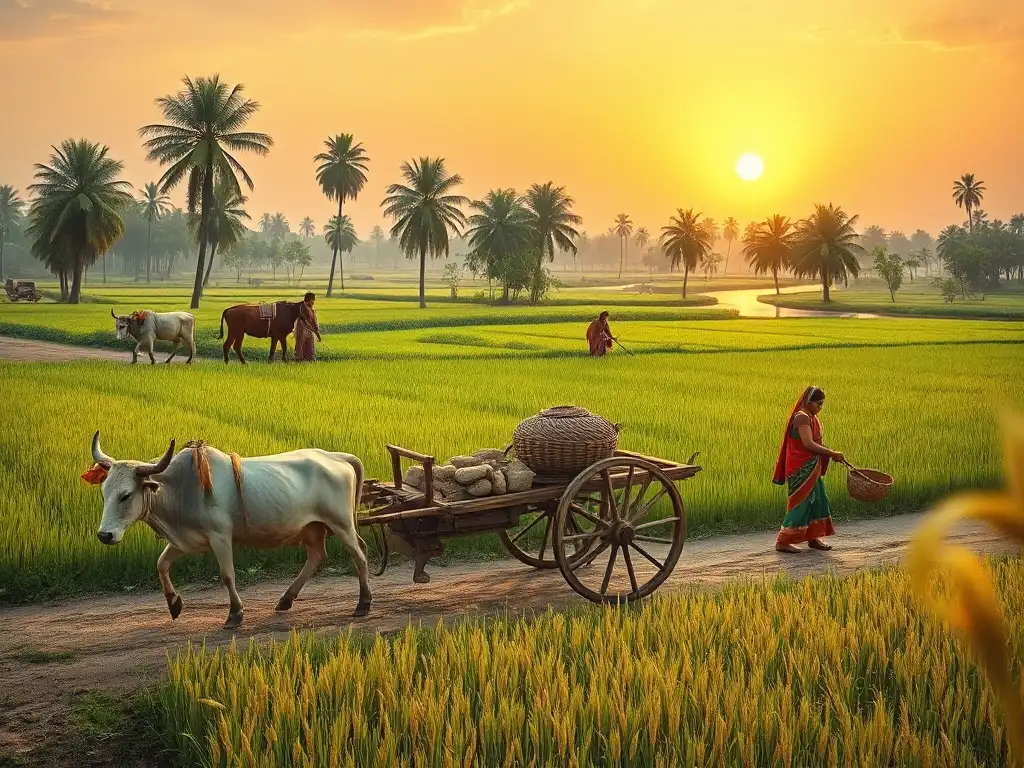
The history of ancient Indian agricultural practices is rich with innovations and adaptations that reflect the diverse climatic and geographical conditions of the region. This section explores notable case studies that highlight the evolution of agricultural tools and techniques, illustrating how ancient civilizations harnessed their environment to develop sustainable farming practices.
The Indus Valley Civilization: Urban Planning and Agriculture
The Indus Valley Civilization (c. 3300–1300 BCE) is renowned for its advanced urban planning, which played a crucial role in its agricultural success. Cities like Mohenjo-Daro and Harappa featured sophisticated drainage systems and standardized weights and measures that facilitated trade and agricultural productivity. Archaeological evidence suggests that the inhabitants practiced crop rotation and utilized irrigation techniques to optimize water distribution from the nearby rivers.
Farmers cultivated a variety of crops, including wheat, barley, and peas, utilizing tools such as plows made from wood and animal bones. The discovery of granaries indicates that the Indus Valley people engaged in surplus production, which allowed for trade and supported a growing urban population. Their agricultural practices laid the groundwork for future civilizations in the region, showcasing an early understanding of resource management.
Techniques During the Maurya Empire: Innovations and Changes
The Maurya Empire (c. 322–185 BCE) marked a significant period of agricultural innovation, driven by political stability and economic expansion. Under the guidance of rulers like Ashoka, agricultural practices were enhanced through the introduction of new crops, including rice and sugarcane, which were cultivated in various climatic zones of India.
Innovations in tools, such as the iron plowshare, improved farming efficiency, allowing for deeper tilling and better soil aeration. Additionally, the establishment of a network of roads facilitated the movement of goods and agricultural products, thereby boosting trade. The Mauryan emphasis on irrigation projects, including canals and reservoirs, demonstrated an advanced understanding of hydrology that increased agricultural yields and supported larger populations.
Gupta Period: Advancements in Agricultural Knowledge
The Gupta Empire (c. 240–550 CE) is often referred to as a golden age of Indian history, marked by significant advancements in various fields, including agriculture. This period saw the flourishing of agronomic knowledge, with texts such as the "Krishi Parashara" providing guidelines on crop cultivation, soil management, and pest control. Farmers began to employ organic fertilizers, including compost and green manure, which improved soil fertility and crop productivity.
The introduction of crop diversification during the Gupta period led to the cultivation of a wider variety of grains and pulses, enhancing food security. Additionally, the use of irrigation systems became more widespread, with the construction of new canals and tanks that reflected an understanding of agricultural science and engineering. These advancements contributed to the prosperity of the Gupta Empire and influenced agricultural practices in subsequent periods.
The Influence of Religion and Culture on Agricultural Practices
Agricultural practices in ancient India were deeply intertwined with the region's religious beliefs and cultural traditions. This relationship shaped not only the methods of farming but also the societal values surrounding agriculture.
Agricultural Festivals and Their Significance
Agricultural festivals played a vital role in the cultural calendar of ancient Indian societies, celebrating the cycles of sowing and harvesting. Festivals such as Makar Sankranti, Pongal, and Baisakhi were not only occasions for communal gatherings but also served to honor the deities associated with fertility and harvest.
These festivals often included rituals and offerings aimed at ensuring bountiful crops, reflecting the belief that agricultural success was a divine blessing. Such practices reinforced community bonds and provided an opportunity for knowledge sharing among farmers, as they exchanged techniques and experiences related to crop cultivation.
The Role of Agriculture in Ancient Indian Literature and Texts
Ancient Indian literature and texts extensively document agricultural practices, reflecting their significance in society. Texts like the "Arthashastra" by Kautilya provide insights into land management, taxation, and agricultural policies, highlighting the importance of agriculture in the economic framework of ancient India.
Additionally, poetic works and epics, such as the "Mahabharata" and "Ramayana," often depict agricultural life, illustrating the connection between humanity and nature. These narratives not only celebrated the agrarian lifestyle but also conveyed moral and ethical lessons related to sustainability and stewardship of the land. Through these literary contributions, agriculture emerged as a central theme in ancient Indian culture, emphasizing its foundational role in society.
Conclusion: The Legacy of Ancient Indian Agricultural Practices
The agricultural practices of ancient India have left an indelible mark on the country's agricultural landscape and culture. The innovations in tools and techniques, ranging from the plough to irrigation methods, laid the groundwork for sustainable farming practices that have evolved over millennia. Understanding these ancient practices not only sheds light on the ingenuity of our ancestors but also emphasizes the importance of sustainability and adaptability in modern agriculture. The legacy of ancient Indian agricultural practices continues to resonate today, inspiring contemporary farmers to embrace time-tested methods while integrating modern technological advancements.
Lasting Impact on Modern Indian Agriculture
The influence of ancient agricultural practices is evident in various facets of modern Indian agriculture. Many traditional tools, such as the wooden plough, have been adapted and improved with modern materials while retaining their fundamental design. Traditional crop rotation and intercropping methods are still practiced, promoting soil health and increasing yields. Furthermore, ancient irrigation techniques, such as the construction of stepwells and tanks, have informed modern water conservation strategies, especially in regions facing water scarcity.
The wisdom embedded in ancient texts like the Arthashastra and the Vedas continues to guide agricultural policies and practices, emphasizing the need for a balanced relationship with nature. The resurgence of interest in organic farming and agroecology in recent years can also be traced back to the sustainable practices of ancient Indian civilizations, highlighting a cyclical return to eco-friendly methods that prioritize biodiversity and soil health.
Reflection on the Importance of Preserving Traditional Agricultural Knowledge
Preserving traditional agricultural knowledge is critical in the face of modern challenges such as climate change, soil degradation, and the loss of biodiversity. Ancient Indian agricultural practices offer valuable insights into sustainable farming and resource management that can inform contemporary practices. By documenting and revitalizing these traditions, we can foster resilience in agricultural systems and promote food security.
Moreover, engaging local communities in the revival of traditional practices helps to empower farmers, enhance their livelihoods, and promote cultural heritage. Educational programs and workshops that focus on ancient techniques can bridge the gap between generations, ensuring that invaluable knowledge is passed down. In doing so, we not only honor our ancestors but also equip future generations with the tools to navigate the complexities of modern agriculture.
References and Further Reading on Ancient Indian Agricultural Practices
Suggested Books and Articles
- "Ancient Indian Agriculture: A Historical Perspective": by Raghunandan Rao - This book provides a comprehensive overview of agricultural practices in ancient India, detailing various techniques and their evolution over time.
- "Farming in Ancient India" by Sudhir Kumar - An insightful exploration of the tools and methods used in ancient Indian farming, along with their impact on society and economy.
- "The Vedic Agricultural Practices" - A scholarly article examining agricultural references in Vedic literature and their relevance to modern practices.
Online Resources for In-Depth Exploration
- Digital Library of India: A vast repository of texts related to ancient Indian agriculture, providing access to historical documents and literature.
- Agricultural Research and Education in India: A government portal that includes resources on traditional practices and innovations in Indian agriculture.
- YouTube Channels on Ancient Farming Techniques: There are several channels dedicated to showcasing ancient agricultural tools and methods, offering visual insights into their practical applications.
The exploration of ancient Indian agricultural practices enhances our understanding of past innovations and their relevance to contemporary agriculture, paving the way for a sustainable future.
- Introduction to Ancient Indian Agricultural Practices
- Key Agricultural Tools Used in Ancient India
- Techniques and Methods in Ancient Indian Agriculture
- The Role of Climate and Geography in Agricultural Evolution
- Case Studies of Prominent Ancient Indian Agricultural Practices
- The Influence of Religion and Culture on Agricultural Practices
- Conclusion: The Legacy of Ancient Indian Agricultural Practices
- References and Further Reading on Ancient Indian Agricultural Practices
- What were the main agricultural practices in ancient India?
- How did ancient Indian civilizations contribute to agriculture?
- What tools were used in ancient Indian agriculture?
- How did climate influence agricultural practices in ancient India?
- What was the role of agriculture in ancient Indian society?
Frequently Asked Questions
What were the main agricultural practices in ancient India?
Ancient Indian agricultural practices included crop rotation, irrigation systems, and the use of fertilizers. These methods enhanced soil fertility and increased crop yields.
How did ancient Indian civilizations contribute to agriculture?
Ancient Indian civilizations, particularly during the Indus Valley Civilization, developed advanced techniques such as ploughing and terracing, which laid the groundwork for modern agricultural practices.
What tools were used in ancient Indian agriculture?
The primary tools in ancient Indian agriculture included the plough, sickle, and seed drill. These tools were essential for efficient planting and harvesting.
How did climate influence agricultural practices in ancient India?
The monsoon climate significantly influenced agricultural practices, dictating crop selection and irrigation methods. Farmers adapted their techniques to optimize yields based on seasonal changes.
What was the role of agriculture in ancient Indian society?
Agriculture was a cornerstone of ancient Indian society, providing food security, supporting trade, and fostering the growth of civilizations. It played a crucial role in social and economic development.
Final Reflection: The Enduring Legacy of Ancient Indian Agricultural Practices
The evolution of agricultural tools and techniques in ancient India is not just a historical narrative; it is a testament to human ingenuity and resilience. As we navigate the complexities of modern agriculture, understanding these ancient practices offers invaluable insights into sustainable farming and resource management. The innovations of our ancestors remind us that the roots of our agricultural systems are deeply intertwined with the land and its rhythms, emphasizing the importance of harmony between nature and cultivation.
The influence of ancient Indian agricultural practices extends far beyond their historical context, shaping the cultural and social fabric of contemporary society. The techniques developed thousands of years ago laid the groundwork for community-based farming and biodiversity, principles that are increasingly relevant today as we confront climate change and food security challenges. Agriculture is our wisest pursuit, because it will, in the end, contribute most to real wealth, good morals, and happiness.
– Thomas Jefferson. This quote resonates with the ethos of ancient Indian farmers, whose practices were rooted in sustainability and respect for the earth.
As we reflect on the lessons from ancient Indian agricultural practices, I invite you to consider how these timeless principles can be integrated into your own life. What can you learn from the past to inform your choices today? Whether it's adopting sustainable practices in your garden, supporting local farmers, or advocating for ecological agriculture, every small action contributes to a larger movement toward a more sustainable future. Let us honor the legacy of our ancestors by cultivating a deeper connection with the land and embracing the wisdom of ancient practices in our modern lives.
Unveil the Legacy of Ancient Agricultural Innovations!
Thank you for diving deep into the fascinating world of agricultural evolution in Ancient India. We hope you discovered valuable insights into how innovative tools and techniques shaped the lives of past civilizations. Now, it's time to harness that knowledge and take action!
Here’s how you can explore further and engage with this vibrant history:
- Explore your local history: Research how ancient farming practices have influenced modern agriculture in your region. Consider visiting a local agricultural site or museum to see these innovations firsthand!
- Share your thoughts: Join the conversation! Discuss what you learned with friends or on social media. Use the hashtag **#AncientAgriculture** to connect with others who share your interest in this subject.
- Get hands-on: Try creating a simple traditional farming tool using materials you can find at home, and share your experience online!
Which aspect of ancient agricultural practices resonates with you the most, and how do you think these methods can influence today's farming techniques?