
Exploring the Connection Between Geography and Ancient Indian Irrigation

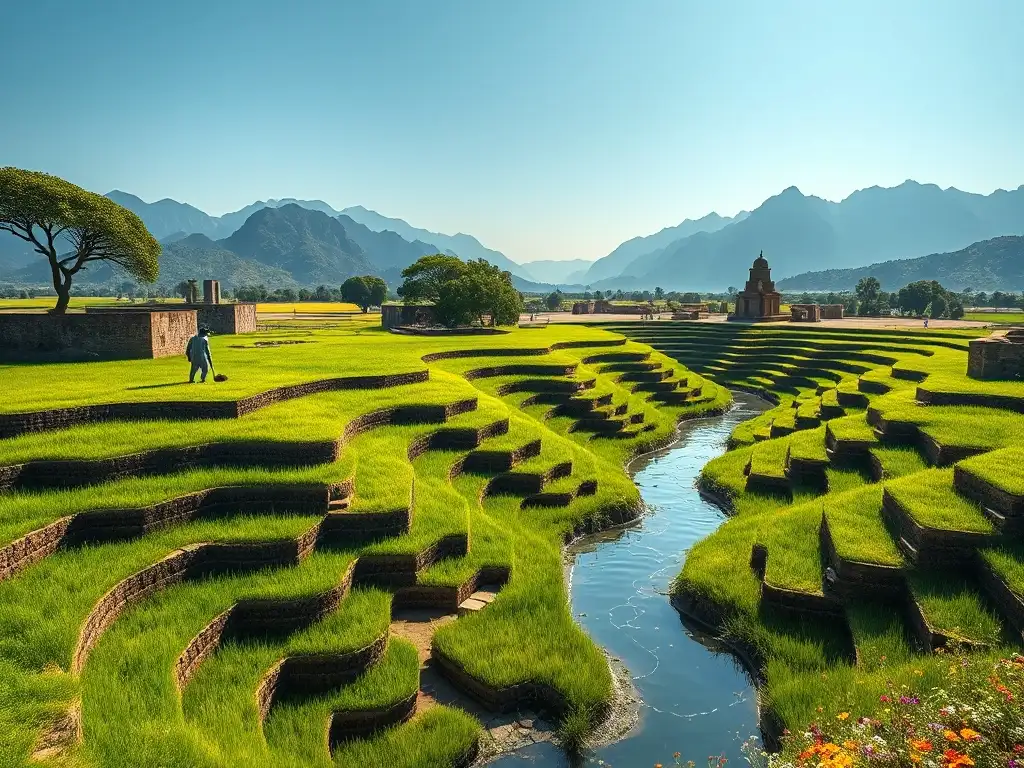
Welcome to Ancient India History, where we embark on a fascinating journey through the diverse tapestry of ancient Indian civilizations. Delve into the intricate world of Ancient Indian irrigation systems, a pivotal aspect that not only transformed agriculture but also shaped the very economy of these remarkable societies. Have you ever wondered how geography influenced these sophisticated systems? Join us as we unravel the connections and innovations that thrived in the heart of ancient India. Your exploration begins here—read on to discover the secrets behind the ingenuity of our ancestors!
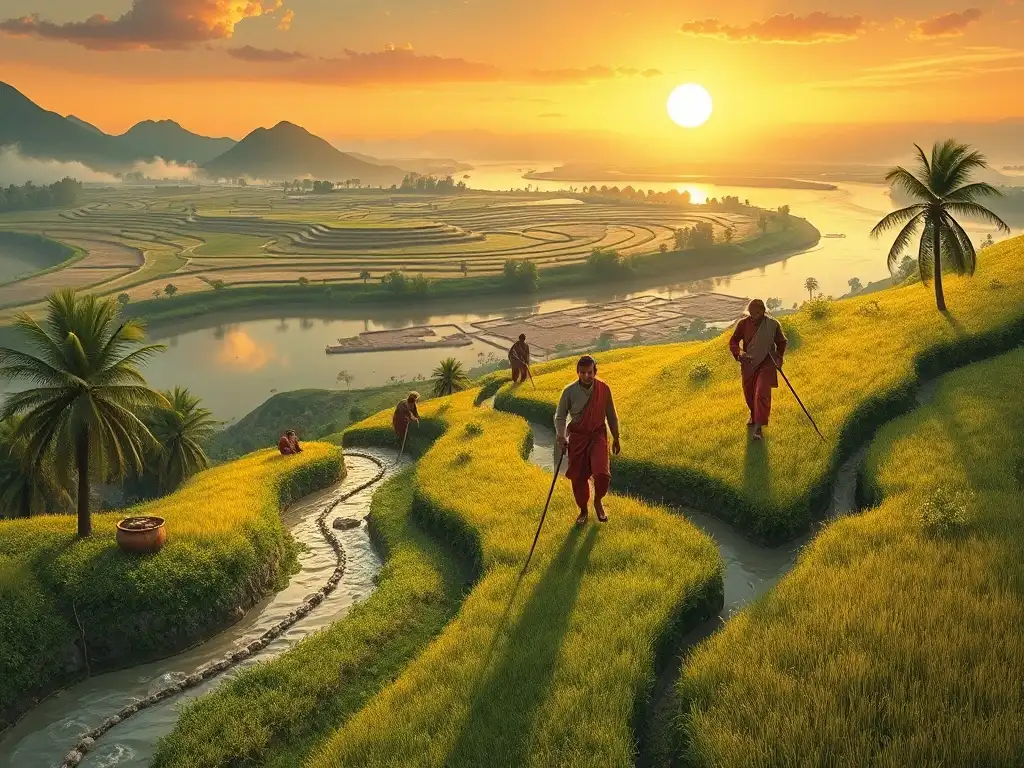
Irrigation has played a pivotal role in shaping the agricultural landscape of ancient India, a civilization known for its rich contributions to culture, economy, and technology. The intricate ancient Indian irrigation systems were not merely functional; they were deeply intertwined with the geography of the region, which significantly influenced their design and efficiency.
This article aims to explore the multifaceted relationship between the geographical features of ancient India and the development and implementation of irrigation techniques. By examining the significance of irrigation in agriculture and the geographical elements that shaped these systems, we will gain a deeper understanding of how ancient civilizations harnessed their environment to thrive.
Introduction to Ancient Indian Irrigation Systems
The origins of irrigation in ancient India can be traced back to the Indus Valley Civilization, where advanced techniques were employed to manage water resources effectively. These early systems showcased an intricate understanding of hydrology and landscape, highlighting the ingenuity of Indian engineers and farmers. Over the centuries, various irrigation systems evolved across different regions, adapting to local climates and topographies, from canals and wells to stepwells and tank irrigation.
Significance of Irrigation in Ancient Indian Agriculture
Irrigation was essential for sustaining agricultural productivity in ancient India, especially in regions with erratic rainfall. It allowed farmers to cultivate multiple crops throughout the year, leading to increased food security and the growth of thriving communities.
- Economic Growth: The surplus produced through effective irrigation contributed to trade and economic stability.
- Social Development: Irrigation projects often required coordinated efforts, fostering community ties and governance structures.
- Cultural Impact: Many irrigation systems became central to the rituals and lifestyles of ancient Indian societies, integrating agriculture with cultural practices.
Overview of Geography's Role in Irrigation
The geography of ancient India, characterized by diverse climates and topographical features, played a crucial role in shaping irrigation practices. Key factors included:
- River Systems: Rivers such as the Ganges, Indus, and Brahmaputra provided vital water resources for irrigation.
- Topography: The varied landscapes, from the Himalayas to the Deccan Plateau, influenced water flow and distribution.
- Climate Variability: Monsoon patterns dictated the timing and methods of irrigation, necessitating adaptive strategies.
The Geography of Ancient India
Understanding the geography of ancient India is fundamental to comprehending the development of its irrigation systems. The subcontinent's vast and varied landscape presented both challenges and opportunities for agricultural practices.
Major Geographic Features Influencing Irrigation
Several geographic features significantly influenced ancient Indian irrigation methods:
- Himalayan Mountains:
- Acted as a watershed, providing freshwater from glacial melt.
- Facilitated the creation of river systems that supported irrigation.
- Indus River Valley:
- A cradle of early civilization, it allowed for extensive agriculture due to its fertile alluvial plains.
- The river's seasonal flooding was harnessed for irrigation.
- Deccan Plateau:
- Provided a unique topography where terracing and tank irrigation were developed.
- Its diverse climate zones influenced crop selection and irrigation techniques.
- Thar Desert:
- Challenged agricultural practices, leading to the development of innovative irrigation solutions, such as rainwater harvesting.
By analyzing these geographic features, we can better understand how ancient Indian civilizations adapted their irrigation systems to thrive in their environments.
Types of Ancient Indian Irrigation Systems
Ancient Indian irrigation systems were diverse and sophisticated, reflecting the geographical and climatic variations across the subcontinent. These systems were crucial for supporting agriculture, ensuring food security, and sustaining the livelihoods of the population. Understanding these irrigation systems provides insight into how ancient civilizations adapted to their environment and maximized agricultural productivity.
Surface Irrigation Techniques
Surface irrigation techniques were widely employed in ancient India, primarily utilizing gravity to distribute water across fields. Farmers would divert water from rivers or streams into their fields through a series of channels and furrows. This method allowed for effective moisture distribution and was suitable for various crops.
Key characteristics of surface irrigation include:
- Flood Irrigation: Fields were inundated with water, allowing it to soak into the soil. This method was efficient for floodplains and low-lying areas.
- Furrow Irrigation: Water was directed through furrows or channels between crop rows, promoting targeted watering and reducing water wastage. This technique was particularly beneficial in drier regions.
- Basin Irrigation: Water was contained within small basins or depressions around plants, ensuring that moisture reached the root zones effectively.
These techniques were not only practical but also demonstrated advanced knowledge of water management, helping ancient farmers to cultivate crops successfully even in challenging climates.
Subsurface Irrigation Practices
Subsurface irrigation practices in ancient India involved the use of buried channels or pipes to deliver water directly to the root zones of plants. This method was particularly effective in arid regions where surface evaporation could lead to significant water loss.
Notable features of subsurface irrigation include:
- Tile Drainage Systems: These systems used clay tiles placed underground to channel water towards crops while simultaneously draining excess water to prevent waterlogging.
- Moat Irrigation: Surrounding fields with moats helped to maintain moisture levels while also providing a reservoir for irrigation during dry periods.
- Wells and Tube Wells: Ancient civilizations dug wells to tap into underground water sources, allowing for more consistent access to irrigation, especially during dry spells.
Subsurface techniques highlighted the ingenuity of ancient Indian farmers in optimizing water use while minimizing losses.
Rainwater Harvesting Methods
Rainwater harvesting methods were integral to ancient Indian irrigation systems, particularly in regions with seasonal rainfall. By capturing and storing rainwater, communities could ensure a steady supply of water for agricultural purposes.
Key rainwater harvesting practices included:
- Tanks and Reservoirs: Large tanks were constructed to collect rainwater, which could then be channeled to fields as needed. These structures were often strategically located to maximize water collection.
- Check Dams: Small barriers were built across streams or seasonal rivers to slow down water flow, allowing it to seep into the ground and replenish local aquifers.
- Percolation Pits: These pits were dug to facilitate the absorption of rainwater into the soil, enhancing groundwater recharge and improving soil moisture.
These methods not only enhanced agricultural productivity but also played a vital role in sustaining local ecosystems and biodiversity.
Regional Variations in Irrigation Systems
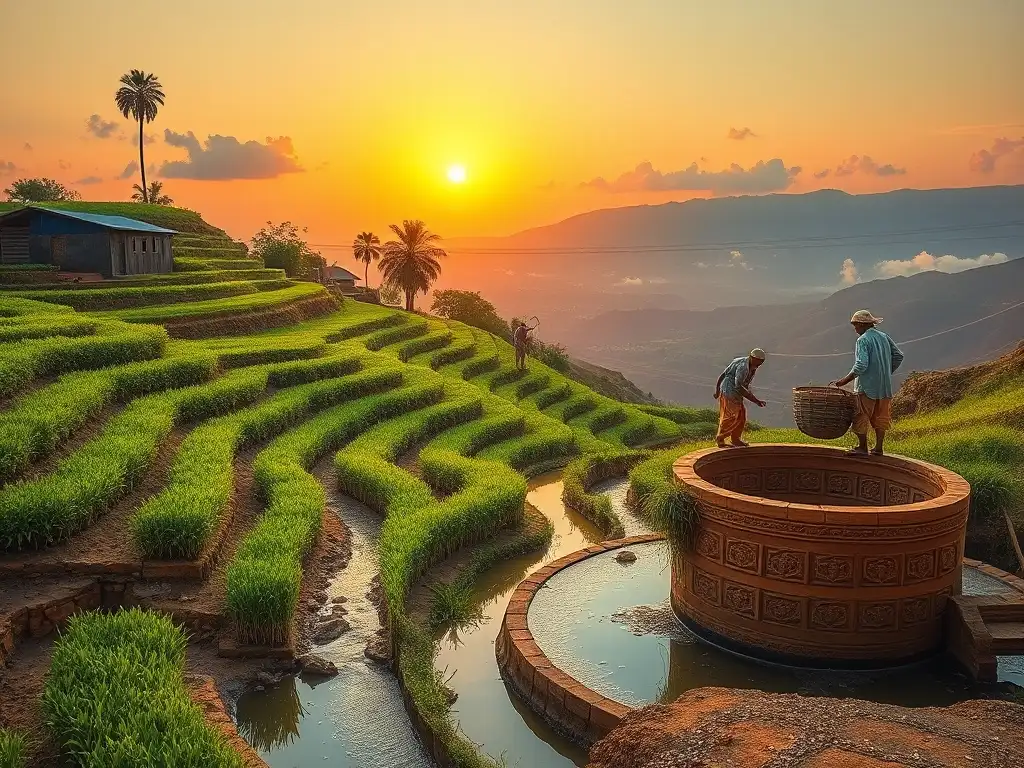
The diversity of ancient Indian irrigation systems was influenced significantly by regional geography, climate, and cultural practices. Each area developed unique approaches to meet their specific agricultural needs.
North India: The Influence of the Indus River
In North India, particularly around the Indus River basin, irrigation systems were heavily reliant on the river's predictable flooding patterns. The fertile alluvial plains benefitted from:
- Canal Systems: Extensive canal networks were constructed to divert river water to farmlands, optimizing crop yields. The most notable example is the ancient canal system of Harappa and Mohenjo-Daro.
- Floodplain Agriculture: Farmers adapted their practices to utilize the annual floods for sowing and harvesting, ensuring that fields received nutrient-rich silt.
This reliance on river systems allowed North Indian civilizations to thrive, contributing to their economic and cultural development.
South India: The Role of Monsoon and Water Management
In South India, the monsoon season played a pivotal role in irrigation practices. The region's heavy rainfall necessitated advanced water management strategies to prevent flooding and ensure efficient distribution:
- Cisterns and Tanks: South Indian states like Tamil Nadu constructed intricate networks of tanks and reservoirs to capture and store rainwater, which was crucial for dry periods.
- Crop Rotation and Timing: Farmers skillfully timed their planting schedules to align with the monsoon rains, maximizing the use of available water.
The management of water resources in South India showcased a deep understanding of seasonal patterns and agricultural needs.
Eastern and Western India: Diverse Approaches to Irrigation
The irrigation systems in Eastern and Western India reflected the distinct climatic conditions and agricultural practices of these regions.
- Eastern India: The Ganges-Brahmaputra delta region utilized riverine systems, with farmers employing flood irrigation techniques. The extensive network of rivers facilitated easy water access for rice cultivation.
- Western India: In arid regions like Rajasthan, ancient farmers relied on innovative practices such as step wells and tank irrigation to conserve and utilize scarce water resources effectively.
These regional variations underscore the adaptability of ancient Indian societies in developing irrigation systems tailored to their environmental conditions, paving the way for sustainable agricultural practices.
The Relationship Between Geography and Irrigation Efficiency
The geography of ancient India played a pivotal role in shaping the irrigation systems utilized by various civilizations throughout its history. The diverse landscape, which includes mountains, rivers, plains, and plateaus, directly influenced the efficiency and effectiveness of water management practices.
Geographical features such as the Himalayas, which capture monsoon rains, and the extensive river systems, notably the Indus, Ganges, and Brahmaputra, provided both challenges and opportunities for irrigation development. Regions with fertile plains, like the Indo-Gangetic Plain, were particularly conducive to agriculture and thus required sophisticated irrigation systems to maximize crop yield, especially during dry spells. Conversely, arid and semi-arid regions, such as parts of Rajasthan, necessitated innovative solutions to harness limited water resources effectively.
The interplay between geography and irrigation also extended to the distribution of settlements. Communities often developed alongside rivers or in areas with easy access to groundwater, which influenced the types of irrigation methods adopted. Consequently, understanding this relationship is crucial for appreciating the evolution of ancient Indian irrigation systems and their contributions to agricultural productivity.
How Topography Affects Water Distribution
Topography significantly impacts how water is distributed across different regions in ancient India. In areas with steep slopes, like the hilly terrains of the Western Ghats, water runoff is rapid, making it challenging to retain moisture for agricultural use. Ancient civilizations addressed this by creating terraced fields that allowed for better water retention and soil conservation, enabling effective cultivation on slopes.
In contrast, flat plains facilitated the implementation of extensive canal systems. For instance, the ancient Indus Valley Civilization developed a network of canals that effectively diverted river water for irrigation, showcasing an efficient use of the topographical advantages presented by the region. These canals not only facilitated irrigation but also helped manage flooding, illustrating how civilizations adapted to their geographic surroundings to enhance agricultural productivity.
Moreover, the presence of natural depressions or low-lying areas allowed for the creation of water bodies, such as ponds and reservoirs, which played a critical role in storing water for irrigation during drier months. Thus, the topographical features of ancient India were not merely obstacles but rather key factors that shaped the design and implementation of irrigation systems.
Climate Zones and Their Impact on Irrigation Strategies
The varying climate zones across ancient India had a profound influence on irrigation strategies. The subcontinent's diverse climatic conditions, ranging from the tropical monsoon climate in the south to the more arid climates in the north-west, necessitated different approaches to water management.
In regions with a monsoon climate, such as the coastal areas of Kerala and Tamil Nadu, the heavy seasonal rains provided ample water for agriculture, leading to the development of flood-based irrigation systems. Farmers in these areas typically built bunds and channels to manage excess rainfall and direct it towards their fields.
Conversely, in arid regions like Rajasthan, where rainfall is sparse and erratic, ancient societies had to innovate more complex irrigation techniques. They relied on rainwater harvesting systems, deep wells, and tanks to capture and store water during the monsoon season for use throughout the year. These strategies highlight how ancient Indian civilizations adapted their irrigation practices to align with the climatic realities of their regions, ensuring agricultural sustainability.
Innovations in Ancient Indian Irrigation
Ancient Indian irrigation systems are characterized by a series of innovations that reflect the ingenuity of the civilizations that developed them. From the use of simple tools to advanced engineering techniques, these innovations played a significant role in enhancing agricultural output and managing water resources.
Technological Advancements in Water Management
Technological advancements in ancient India included the development of sophisticated techniques for water management. One notable innovation was the construction of step wells, which allowed communities to access groundwater more efficiently. These wells not only served as water sources but also played a crucial role in maintaining the water table.
Another significant advancement was the use of canals and embankments. The Indus Valley Civilization, for example, implemented an extensive canal system that diverted river water to irrigate fields, showcasing a remarkable understanding of hydraulic engineering. These canals were often lined with stones and designed to minimize evaporation, maximizing water efficiency for agricultural purposes.
Furthermore, ancient engineers developed water-lifting devices such as the potter's wheel and persian wheels, which improved the ability to draw water from wells and rivers. These innovations not only enhanced irrigation efficiency but also contributed to the overall economic prosperity of the regions they served.
Case Studies of Successful Ancient Irrigation Projects
Several ancient irrigation projects stand as testaments to the ingenuity and effectiveness of water management practices in India.
- The Dholavira Water Conservation System: Located in the arid region of Gujarat, this ancient city employed a sophisticated water conservation system that included reservoirs, channels, and check dams. This system enabled the residents to effectively manage scarce water resources, supporting agriculture and sustaining the population.
- The Kakatiya Tank System: In the Deccan region, the Kakatiya dynasty developed an extensive network of tanks and irrigation channels during the 12th century. Their engineering prowess allowed for the successful cultivation of crops in an otherwise challenging environment, showcasing an integrated approach to water management that is still studied today.
- The Grand Anicut: Constructed by the Chola dynasty over 1,000 years ago, the Grand Anicut (or Kallanai) on the Kaveri River is one of the oldest water-regulation structures still in use. This dam not only facilitated irrigation across the delta but also regulated flooding, which significantly boosted agricultural productivity in the region.
These case studies illustrate how ancient Indian irrigation systems were not only technologically advanced but also tailored to the specific geographical and climatic conditions of their time, ensuring sustainable agriculture and economic development.
The Socio-Economic Impact of Irrigation on Ancient Indian Civilizations
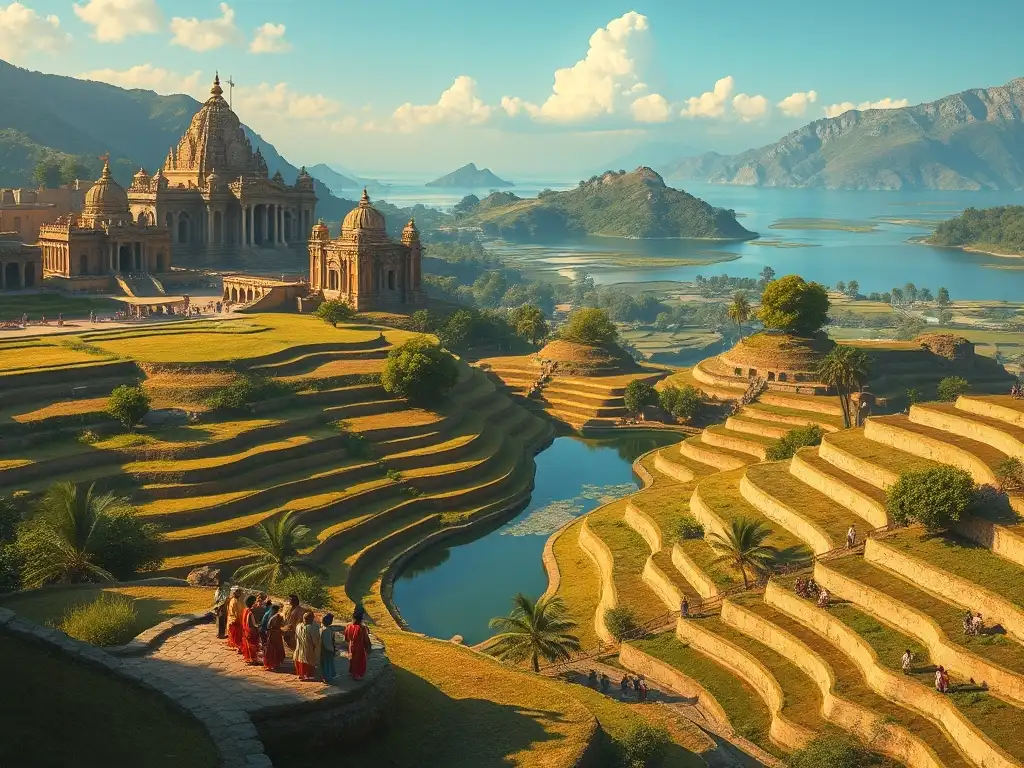
The development of irrigation systems in ancient India had profound socio-economic implications, fundamentally transforming agriculture, trade, and society. These irrigation methods allowed civilizations to thrive in otherwise arid regions, facilitating an agricultural revolution that underpinned economic stability and growth. The strategic use of rivers, lakes, and innovative technologies like canals and wells enabled increased agricultural productivity, which in turn supported population growth and urbanization.
Irrigation systems also spurred trade by producing surplus crops, fostering economic interdependence between communities. As agricultural yields improved, markets expanded, leading to the rise of trade routes and urban centers. This economic boom contributed to the development of rich cultural and artistic expressions, as surplus resources allowed societies to invest in architecture, literature, and philosophy.
Agriculture Productivity and Economic Growth
In ancient India, irrigation systems were crucial for enhancing agricultural productivity. The availability of water allowed for the cultivation of various crops, including rice, wheat, and pulses, which were essential staples in the Indian diet. Regions such as the fertile plains of the Indus Valley and the Ganges benefitted significantly from well-planned irrigation schemes, resulting in bountiful harvests.
The increase in agricultural output not only improved food security but also boosted the local and regional economies. Surplus production allowed farmers to engage in trade, leading to economic diversification. For example, the production of cotton in the Indus Valley contributed to a thriving textile industry, which became a significant trade commodity, both domestically and internationally. Consequently, the economic growth driven by irrigation systems laid the foundation for complex societies and intricate economic networks.
Social Structures and Community Involvement in Irrigation
The management of irrigation systems often necessitated collective action and community involvement, shaping social structures in ancient Indian civilizations. Villages would come together to construct and maintain canals, dikes, and reservoirs, fostering a sense of community and cooperation. This collaboration was not only essential for the success of irrigation projects but also reinforced social bonds and collective identity.
Moreover, the equitable distribution of water resources often led to the establishment of social hierarchies based on control over irrigation infrastructure. Leaders or village councils were typically responsible for overseeing irrigation management, which influenced the political dynamics within communities. This interplay between irrigation management and social organization highlights the integral role of water in shaping both economic and social frameworks in ancient India.
Lessons from Ancient Indian Irrigation Systems
The ingenuity of ancient Indian irrigation systems offers valuable lessons for contemporary agricultural practices. By studying these systems, modern societies can glean insights into sustainable water management and community-based agricultural strategies.
Sustainable Practices from Ancient Times
Ancient Indian civilizations implemented several sustainable practices in their irrigation methods that are relevant today. Techniques such as rainwater harvesting, the use of check dams, and contour plowing were utilized to maximize water retention and minimize soil erosion. For instance, the use of traditional water management systems in Rajasthan, which channel and conserve monsoon rains, exemplifies how ancient techniques can be adapted to modern sustainability challenges.
The focus on local resources and adaptive management in ancient irrigation practices underscores the importance of sustainability in agriculture. By prioritizing ecological balance, ancient civilizations ensured the longevity of their agricultural systems, a principle that is increasingly pertinent in the face of climate change and water scarcity today.
Relevance of Ancient Techniques in Modern Agriculture
Ancient Indian irrigation techniques hold significant relevance for modern agriculture, particularly in regions facing water scarcity and soil degradation. Techniques such as drip irrigation, which can be traced back to ancient practices, are being revived to promote efficient water use. The concept of integrated watershed management, emphasizing the interconnectedness of land and water, can also be seen in ancient irrigation strategies.
Furthermore, the communal approach to irrigation management observed in ancient India can inspire modern cooperative farming initiatives, promoting community engagement and resource sharing. By learning from the successes and failures of ancient irrigation systems, contemporary agricultural practices can become more resilient, equitable, and sustainable, ensuring food security for future generations.
Conclusion: The Enduring Legacy of Ancient Indian Irrigation Systems
The ancient Indian irrigation systems represent a remarkable fusion of geography, technology, and sustainable practices that have left a lasting impression on modern agricultural methodologies. The interplay between the diverse geographical features of India—ranging from the Himalayan mountain ranges to the fertile river valleys—played a pivotal role in shaping the development and complexity of these irrigation systems. These ancient techniques not only optimized the use of available water resources but also fostered agricultural productivity, which was crucial for the sustenance of vast civilizations.
The legacy of ancient Indian irrigation is evident in contemporary practices. Many of the concepts and methods pioneered during ancient times can still be seen in the irrigation systems employed today. The traditional wisdom surrounding water conservation, such as the construction of step wells and tanks, continues to influence modern water management strategies. Additionally, the understanding of seasonal monsoonal patterns and their integration into agricultural planning remains a testament to the ingenuity of ancient Indian civilizations.
Summary of Key Points
- Geographical Influence: The variety of landscapes in India, including rivers, mountains, and plains, significantly influenced the design and implementation of irrigation systems.
- Innovative Techniques: Ancient civilizations developed advanced irrigation methods, such as canal systems and reservoir constructions, to maximize agricultural output.
- Cultural Integration: Irrigation practices were deeply intertwined with the socio-economic fabric of ancient Indian society, reflecting a sophisticated understanding of water management.
- Sustainability Practices: Many ancient irrigation systems focused on sustainability and conservation, principles that are increasingly relevant in contemporary agricultural practices.
- Legacy: The techniques and philosophies developed through ancient irrigation practices continue to inform modern water management and agricultural strategies across India.
Reflection on Geography's Lasting Influence on Irrigation Practices
Geography has been a fundamental factor in shaping the irrigation practices of ancient India, creating a legacy that persists even in modern times. The geographical features such as rivers, plateaus, and valleys provided both challenges and opportunities for irrigation development. For instance, the fertile plains of the Indus Valley facilitated the creation of extensive canal systems that supported one of the world's earliest urban civilizations.
Furthermore, the geographical understanding of monsoonal rains influenced agricultural calendars and irrigation scheduling, allowing farmers to optimize crop yields. The adaptability of ancient irrigation systems to local geography underscores a profound knowledge of environmental conditions, which is crucial for sustainable agriculture.
Today, as we face challenges such as water scarcity and climate change, revisiting these ancient irrigation philosophies offers valuable insights. The integration of geography into irrigation planning remains essential, ensuring that water resources are utilized efficiently while preserving the integrity of ecosystems. The enduring legacy of ancient Indian irrigation systems serves as a reminder of the importance of harmonizing agricultural practices with geographical realities, fostering a sustainable approach to food production in the face of modern challenges.
- Introduction to Ancient Indian Irrigation Systems
- The Geography of Ancient India
- Types of Ancient Indian Irrigation Systems
- Regional Variations in Irrigation Systems
- The Relationship Between Geography and Irrigation Efficiency
- Innovations in Ancient Indian Irrigation
- The Socio-Economic Impact of Irrigation on Ancient Indian Civilizations
- Lessons from Ancient Indian Irrigation Systems
- Conclusion: The Enduring Legacy of Ancient Indian Irrigation Systems
- What were the primary irrigation systems used in ancient India?
- How did geography influence irrigation in ancient India?
- What role did ancient Indian irrigation play in agriculture?
- Were there any notable ancient Indian civilizations known for their irrigation practices?
- How did ancient Indian irrigation systems impact trade and economy?
Frequently Asked Questions
What were the primary irrigation systems used in ancient India?
Ancient Indian irrigation systems included canals, wells, and tanks, which were designed to support agriculture in various geographical regions.
How did geography influence irrigation in ancient India?
The diverse geography of India, including rivers and varying climates, shaped the development of regional irrigation techniques tailored to local conditions.
What role did ancient Indian irrigation play in agriculture?
Irrigation was crucial for maximizing agricultural productivity, allowing ancient civilizations to cultivate crops efficiently and sustain larger populations.
Were there any notable ancient Indian civilizations known for their irrigation practices?
Yes, the Indus Valley Civilization and later empires like the Gupta Empire are recognized for their sophisticated irrigation networks that enhanced crop yields.
How did ancient Indian irrigation systems impact trade and economy?
Effective irrigation supported agricultural surplus, which facilitated trade and contributed to the economic growth of ancient Indian civilizations.
Final Reflection: The Enduring Legacy of Ancient Indian Irrigation Systems
The intricate relationship between geography and ancient Indian irrigation systems is not just a historical curiosity; it is a testament to human ingenuity and adaptability in the face of environmental challenges. As we navigate the complexities of modern water management and agricultural sustainability, the lessons learned from these ancient practices resonate more than ever. The ability of ancient civilizations to harness their geographical advantages to create sophisticated irrigation networks speaks volumes about their foresight and resilience.
The impact of ancient Indian irrigation systems extends far beyond their time, shaping the cultural and social landscapes of the regions they served. These systems were not merely functional; they were integral to the development of communities, economies, and ecosystems.
The wisdom embedded in these practices continues to inspire contemporary approaches to water conservation and sustainable agriculture. As Mahatma Gandhi once said, “The earth provides enough to satisfy every man's needs, but not every man's greed.” > This quote encapsulates the essence of our relationship with nature and the importance of learning from the past to ensure a sustainable future.
As we reflect on the significance of ancient Indian irrigation systems, let us be inspired to take action in our own lives. Consider how you can apply the principles of sustainability and respect for natural resources in your community. Whether it’s advocating for responsible water use, supporting local agriculture, or simply being more mindful of your environmental footprint, every small step counts. Embrace the wisdom of the ancients and commit to nurturing our planet for generations to come.
Unveil the Secrets of Ancient Irrigation Today!
Thank you for diving deep into the fascinating relationship between geography and irrigation in ancient India! We hope you’ve gained valuable insights into how these practices shaped society and agriculture. Now, it’s time to take that knowledge further.
Here’s how you can deepen your understanding and make connections in your own explorations:
- Explore Local Water Management Techniques: Research and visit local sites that showcase historical water management practices. What parallels can you draw to the methods used in ancient India?
- Share Your Insights: Discuss what you've learned with friends or in online forums dedicated to ancient history. Your contributions can spark meaningful conversations!
- Join a Community: Consider becoming a member of history or archaeology groups that focus on ancient civilizations. Engaging with others can enhance your understanding and passion for the topic.
Are you ready to connect with the rich tapestry of ancient irrigation? What unique irrigation techniques from your region can you compare to those used in ancient India?