
The Legacy of Ancient Indian Agriculture: From Past to Present

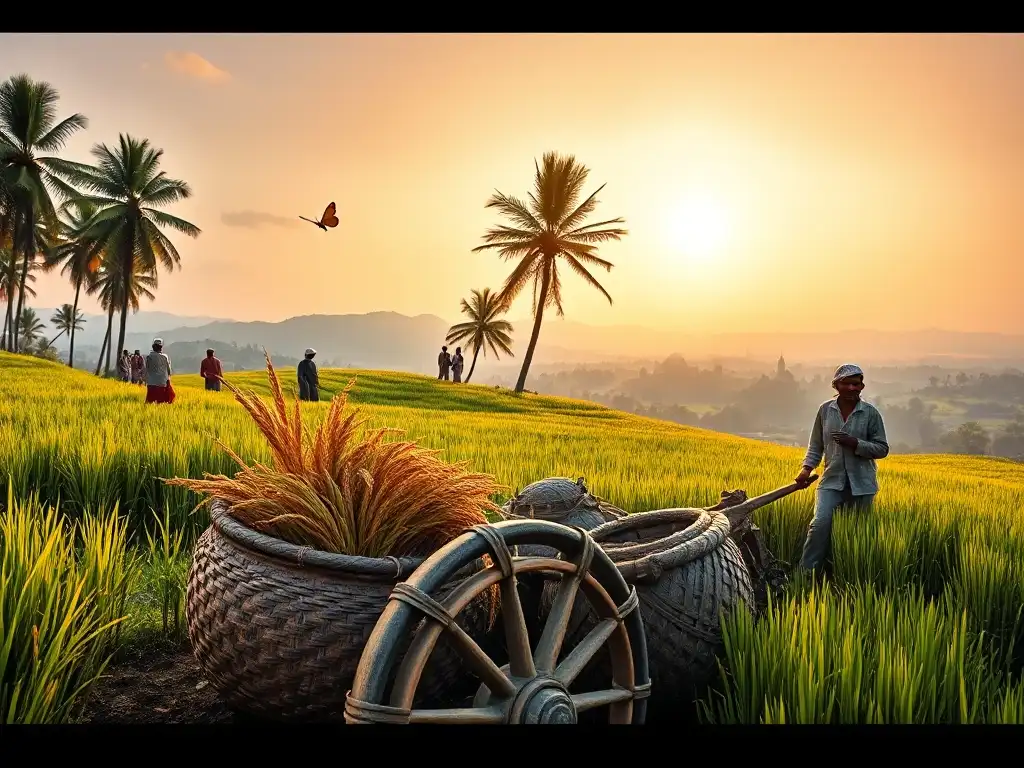
Welcome to Ancient India History, where we embark on a thrilling journey through the vibrant tapestry of ancient Indian civilizations. Dive into the intriguing world of ancient Indian agricultural practices, a cornerstone of not just survival, but also of cultural and economic flourishing. Discover how these age-old methods shaped the very fabric of society, influencing everything from trade to culinary traditions.
As we unravel the legacy of agriculture from past to present, prepare to be captivated by tales of innovation and resilience that still resonate today. Join us as we explore the profound impact of these practices and their enduring significance in our modern world!

Introduction to Ancient Indian Agricultural Practices
The story of ancient Indian agricultural practices is not just a tale of farming techniques; it is a narrative woven into the very fabric of Indian civilization. Agriculture, as one of the earliest human endeavors, played a pivotal role in shaping the socio-economic landscape of ancient India.
From the fertile banks of the Indus River to the expansive fields nourished by the monsoons, ancient Indian societies developed innovative agricultural methods that not only ensured sustenance but also fostered trade, culture, and technological advancements. This article delves into the legacy of these practices, exploring their historical context, innovations, and lasting impact on modern agriculture in India.
Overview of Ancient Indian Agriculture
Ancient Indian agriculture was characterized by a profound understanding of local ecosystems and a deep connection to nature. Farmers cultivated a variety of crops, including staples such as rice, wheat, barley, and pulses, utilizing techniques that reflected their intimate knowledge of seasonal patterns and soil types. The agricultural practices of ancient India were diverse and region-specific, influenced by geographical and climatic conditions.
- Key crops:
- Rice in the southern and eastern regions
- Wheat and barley in the northern plains
- Millets and pulses widely cultivated across various terrains
The agricultural calendar was closely aligned with the monsoon cycles, emphasizing timely planting and harvesting to maximize yields.
Importance of Agricultural Practices in Ancient India
Agriculture was not merely a means of survival; it was a cornerstone of ancient Indian society. It influenced various aspects of life, including:
- Economic stability: Surplus production led to trade and commerce, contributing to the wealth of cities and states.
- Social structure: Agricultural prosperity supported the rise of complex societies and caste systems, as different roles emerged around farming, trading, and governance.
- Cultural significance: Agriculture was often intertwined with religious practices, festivals, and rituals, reflecting the reverence for nature and the cycles of life.
Through its multifaceted role, agriculture laid the foundation for urbanization and cultural achievements in ancient India.
Historical Context of Agriculture in Ancient India
As we explore the historical context of agriculture, it is essential to understand the significant developments that occurred across different eras, shaping the agricultural landscape of ancient India.
Early Agricultural Developments in the Indus Valley Civilization
The Indus Valley Civilization (circa 2500-1900 BCE) stands as a remarkable example of early agricultural innovation. This civilization witnessed the establishment of sophisticated urban centers such as Harappa and Mohenjo-Daro, where agriculture thrived due to advanced irrigation systems and agricultural techniques. Key features of this period included:
- Irrigation systems: The construction of canals and water reservoirs to manage the water supply.
- Crop diversity: Cultivation of cotton, wheat, barley, and a variety of legumes.
These developments not only supported the population but also facilitated trade with neighboring regions, showcasing the interconnectedness of agricultural practices.
Agricultural Innovations in Vedic Period
The Vedic period (circa 1500-500 BCE) marked a significant shift in agricultural practices, influenced by the arrival of Indo-Aryan peoples. This era introduced new methods and crops, with notable innovations such as:
- Crop rotation: Farmers began practicing crop rotation to enhance soil fertility and improve yields.
- Use of iron tools: The introduction of iron plows revolutionized farming, making land cultivation more efficient.
The Vedic texts also highlight the socio-cultural importance of agriculture, emphasizing its role in rituals and the agrarian lifestyle.
The Role of Agriculture During the Maurya and Gupta Empires
The Maurya (circa 322-185 BCE) and Gupta empires (circa 240-550 CE) further advanced agricultural practices, leading to increased productivity and economic growth. During this period:
- State involvement: The government played a significant role in regulating agriculture, implementing land revenue systems, and supporting irrigation projects.
- Technological advancements: Innovations in farming techniques and tools, such as the seed drill, contributed to higher crop yields.
These developments also fostered a flourishing trade network, connecting agricultural produce to urban markets and enhancing the overall economy.
With these historical insights, we can appreciate how ancient Indian agricultural practices laid the groundwork for contemporary agricultural systems, influencing not just the economy but also the cultural identity of India through the ages.
Key Features of Ancient Indian Agricultural Practices
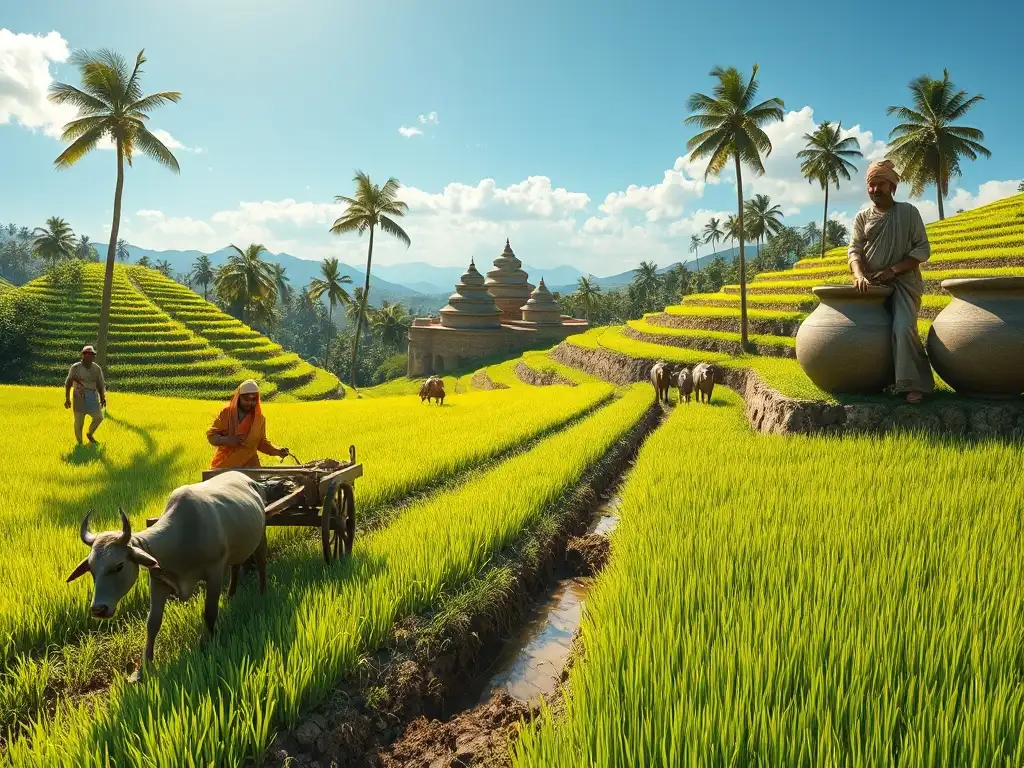
Ancient Indian agricultural practices were characterized by their diversity and adaptability to various geographical and climatic conditions. The agrarian society of ancient India was one of the earliest to develop sophisticated farming techniques, which enabled the population to thrive. Here are some key features of these practices:
- Diversity of Crops: Ancient Indian farmers cultivated a wide range of crops, including cereals, pulses, oilseeds, and vegetables. Major staples included rice, wheat, barley, and millet. This diversity not only ensured food security but also contributed to a balanced diet.
- Seasonal Farming: The agricultural calendar in ancient India was closely aligned with seasonal changes. Farmers utilized the monsoon season to plant crops, relying on rain-fed irrigation systems, while winter crops were sown after the monsoon.
- Community Participation: Agriculture was often a communal activity where villages worked together during planting and harvesting seasons. This collective approach fostered social cohesion and shared knowledge among farmers.
- Sustainability: Ancient agricultural practices emphasized sustainability. Crop rotation, intercropping, and the use of organic fertilizers like cow dung were commonly practiced, promoting soil health and fertility over time.
Crop Cultivation Techniques in Ancient India
Crop cultivation techniques in ancient India were advanced for their time, reflecting a deep understanding of agronomy and environmental conditions. Techniques included:
- Seed Selection and Sowing: Farmers meticulously selected seeds from the best-performing crops, ensuring genetic quality. Sowing was done using traditional broadcasting methods or plowing furrows.
- Transplanting: Particularly in rice cultivation, farmers practiced transplanting seedlings from nurseries into prepared fields, which enhanced growth rates and yields.
- Mulching and Weed Control: To protect soil moisture and control weeds, farmers employed mulching techniques using straw or other plant materials. This practice also added organic matter to the soil.
- Fertilization: Natural fertilizers such as compost and green manure were used to enhance soil fertility. Cow dung was particularly valued for its nutrient content and was widely used across various regions.
Irrigation Methods and Water Management
Effective irrigation methods were crucial for maximizing agricultural productivity in ancient India, especially given the variability of monsoon rains. Key methods included:
- Canal Systems: Ancient civilizations, such as those in the Indus Valley, constructed extensive canal systems to divert river water for irrigation. This infrastructure allowed for the cultivation of larger tracts of land.
- Wells and Tanks: Farmers dug wells and constructed water tanks to store rainwater, ensuring a reliable water supply during dry spells. These storage systems were essential for maintaining crop health.
- Floodplain Farming: In riverine regions, farmers practiced floodplain farming, taking advantage of seasonal floods that deposited nutrient-rich silt on fields. This method enhanced soil fertility without the need for artificial fertilizers.
- Water Management Practices: Techniques like bunding (creating earthen embankments) were employed to manage water flow and prevent soil erosion, demonstrating an early understanding of watershed management.
Agricultural Tools and Technologies in Ancient India
The evolution of agricultural tools and technologies in ancient India played a significant role in enhancing productivity and efficiency in farming. These tools were crafted from locally available materials and reflected the ingenuity of ancient craftsmen.
Traditional Farming Tools Used in Ancient Indian Agriculture
Ancient Indian farmers utilized a variety of tools that were simple yet effective for their agricultural needs. Some of the most common traditional tools included:
- Plough (Hali): The wooden plough was the backbone of ancient agriculture, used for tilling soil and preparing fields for sowing. It was often pulled by oxen or buffalo.
- Sickle (Dāṇḍa): This curved blade was essential for harvesting crops, particularly grains. The sickle allowed farmers to cut through stalks with ease, making it a vital tool during harvest time.
- Seed Drill: Although rudimentary compared to modern versions, early seed drills helped in the systematic sowing of seeds, improving crop uniformity and reducing seed wastage.
- Mortar and Pestle: Used for grinding grains and processing food, these tools played a crucial role in post-harvest activities, ensuring that agricultural products were prepared for consumption.
Innovations in Agricultural Technology Over Time
Over the centuries, ancient Indian agriculture witnessed significant technological innovations that enhanced productivity and efficiency. Some notable advancements included:
- Iron Tools: The introduction of iron tools marked a transformative period in agriculture, allowing for stronger and more durable ploughshares, sickles, and hoes. This transition improved the efficiency of farming operations.
- Crop Rotation Techniques: Ancient texts suggest that farmers practiced crop rotation to maintain soil fertility and maximize yields. This method helped prevent soil depletion and reduced pest infestations.
- Terracing: In hilly regions, farmers developed terraced fields to cultivate sloped land, preventing soil erosion and managing water runoff effectively. This technique allowed for increased arable land in challenging terrains.
- Use of Natural Pesticides: Ancient Indian farmers utilized natural substances derived from plants to protect crops from pests and diseases, reflecting an early understanding of integrated pest management.
Impact of Trade on Agricultural Tools and Techniques
Trade played a pivotal role in the evolution of agricultural tools and techniques in ancient India. The exchange of goods, ideas, and technologies facilitated advancements in agriculture:
- Cultural Exchange: Through trade routes, farmers were exposed to new agricultural practices and tools from neighboring regions. This cultural exchange enriched their farming techniques and crop varieties.
- Improved Tools: The influx of metalworking skills through trade led to the adoption of improved farming tools, such as stronger ploughs and better harvesting implements, which enhanced productivity.
- Market Demand: As trade expanded, the demand for certain crops increased, prompting farmers to adopt more efficient agricultural methods and invest in better tools to meet market needs.
- Agricultural Texts and Knowledge Sharing: Trade also facilitated the spread of agricultural knowledge through texts and oral traditions, allowing farmers to learn from each other and innovate based on shared experiences.
The Socio-Economic Impact of Ancient Indian Agriculture
Ancient Indian agriculture was not just a means of subsistence; it was a fundamental driver of socio-economic structures and community development. The agrarian practices that emerged during this era laid the groundwork for numerous aspects of life, influencing everything from trade to social hierarchy. The interconnectedness of agriculture with various facets of society highlights its role in shaping ancient Indian civilization.
Relationship Between Agriculture and Society
The relationship between agriculture and society in ancient India was symbiotic. Farming communities formed the backbone of society, fostering a sense of community and cooperation among individuals. The agrarian lifestyle dictated social norms, festivals, and even governance structures. Villages were often organized around agricultural cycles, with rituals and celebrations aligned with planting and harvest seasons.
Moreover, agricultural practices varied across regions due to climatic and geographical differences, leading to diverse farming techniques and crops. This diversity contributed to a rich tapestry of cultural identities, as different communities cultivated unique practices that reflected their local environments. The reliance on agriculture also led to the establishment of trade routes, enabling the exchange of goods and ideas between different regions.
Agricultural Surplus and Economic Development
The ability to produce agricultural surplus was a significant factor in the economic development of ancient Indian civilizations. With advancements in irrigation, crop rotation, and the domestication of various plants and animals, ancient Indian farmers could grow more than they consumed. This surplus allowed for the growth of non-agricultural occupations, leading to the emergence of artisans, traders, and laborers.
As surplus production increased, so did trade, both local and long-distance. Markets flourished, and cities began to emerge as economic hubs. The wealth generated from agricultural surplus also facilitated the patronage of arts and sciences, contributing to cultural achievements during periods such as the Maurya and Gupta Empires. Thus, agricultural practices were integral to not just sustenance but also to the development of a complex economy.
Influence of Agriculture on Culture and Religion
Agriculture significantly influenced the cultural and religious landscape of ancient India. Many ancient texts, including the Vedas, reference agricultural practices and their importance in society. Rituals surrounding farming, such as those for rain and fertility, became intertwined with religious observances. Festivals like Pongal and Makar Sankranti celebrate the harvest and express gratitude towards nature.
Agricultural deities emerged in various cultures, reflecting the centrality of farming in people's lives. The reverence for the earth and its bounty is evident in numerous religious practices, emphasizing sustainability and respect for nature. This fusion of agriculture with culture and religion not only fostered a deep connection to the land but also established a framework for ecological balance that is still relevant today.
Transition of Agricultural Practices from Ancient to Modern Times
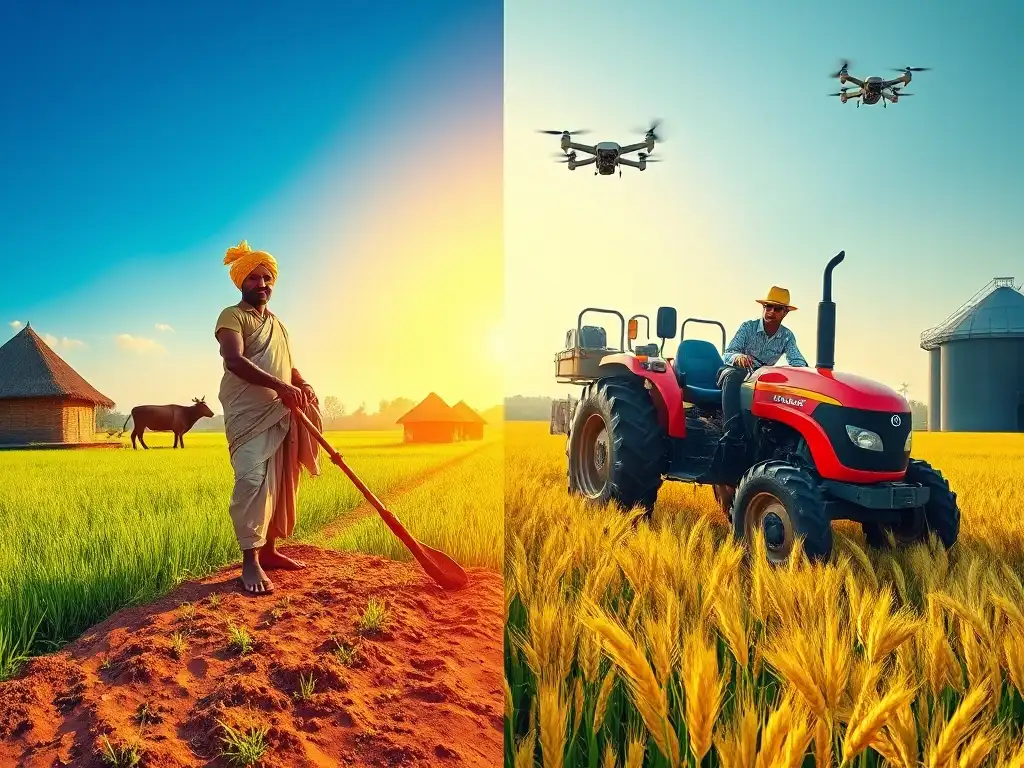
As India transitioned from ancient to modern times, many agricultural practices evolved while retaining their roots. The continuity of traditional methods showcases the resilience of ancient techniques, even as new innovations emerged. Understanding this transition provides valuable insights into the agricultural landscape of contemporary India.
Continuity of Ancient Agricultural Techniques in Modern India
Many ancient agricultural techniques have persisted in modern India, especially in rural areas where traditional practices are still prominent. Techniques such as organic farming, crop rotation, and the use of local seeds reflect a deep-rooted knowledge passed down through generations. Farmers often blend these ancient practices with contemporary methods to enhance productivity while maintaining sustainability.
Additionally, traditional knowledge systems, including indigenous pest control and soil management strategies, are increasingly recognized for their environmental benefits. This continuity not only preserves cultural heritage but also promotes biodiversity and ecological sustainability in modern agricultural practices.
Modern Innovations Inspired by Ancient Practices
Modern agricultural innovations in India are increasingly drawing inspiration from ancient practices. Techniques such as zero-budget natural farming, which emphasizes minimal input costs and ecological balance, echo the principles of ancient Indian agriculture. Innovations in organic fertilizers and natural pesticides often reflect traditional knowledge and practices that have stood the test of time.
Furthermore, research into ancient crop varieties has led to the development of resilient strains that are better suited to contemporary challenges, such as climate change. By understanding and integrating ancient agricultural wisdom, modern farming can become more sustainable and adaptable, ensuring food security for future generations.
Challenges Faced in Preserving Ancient Agricultural Knowledge
Despite the value of ancient agricultural knowledge, several challenges hinder its preservation. Urbanization and industrialization have led to a decline in traditional farming practices as younger generations migrate to cities for better opportunities. This shift not only jeopardizes the survival of ancient techniques but also the rich cultural heritage associated with them.
Additionally, the loss of biodiversity due to monoculture and reliance on chemical inputs poses a significant threat to ancient agricultural wisdom. As traditional crops and farming methods fade away, the unique ecological knowledge that has been cultivated over centuries is at risk of being lost. Efforts to document and promote ancient agricultural techniques are essential for ensuring their survival and relevance in the modern world.
Conclusion: The Enduring Legacy of Ancient Indian Agricultural Practices
The legacy of ancient Indian agricultural practices has profoundly influenced modern agricultural systems, showcasing the innovative spirit of early Indian civilizations. The methodologies developed in the Indus Valley and further refined by subsequent cultures laid a foundation for sustainable agriculture practices that are still relevant today. Techniques such as crop rotation, irrigation methods, and the domestication of various crops not only enhanced food security but also contributed to the socio-economic stability of ancient societies.
As we analyze the enduring legacy of these practices, it becomes clear that ancient Indian agriculture was not just about cultivation but also about a deep understanding of the environment and biodiversity. The integration of agriculture with local customs, rituals, and community life speaks volumes about the holistic approach that ancient farmers took towards farming. This perspective is essential for contemporary agricultural practices, where sustainability and ecological balance are increasingly important.
Summary of Key Contributions to Modern Agriculture
Several key contributions from ancient Indian agricultural practices continue to impact modern agriculture:
- Crop Diversity: Ancient Indian farmers cultivated a wide variety of crops, including rice, wheat, barley, and pulses. This diversity has become a crucial element in modern agricultural strategies aimed at achieving food security and nutritional balance.
- Irrigation Techniques: The innovative irrigation systems developed by the ancient civilizations, particularly in the Indus Valley, showcased advanced engineering that is still studied. These systems effectively utilized water resources, a principle that modern agriculture strives to replicate through sustainable irrigation practices.
- Soil Fertility Management: Techniques such as the use of compost and organic fertilizers were commonplace in ancient India. The principles behind these practices have resurfaced in modern organic farming, demonstrating a renewed appreciation for soil health.
- Agricultural Calendar: The traditional knowledge of seasonal cycles and climatic patterns allowed ancient farmers to optimize planting and harvesting times. Today, this knowledge is integrated into modern agricultural planning, emphasizing the importance of adapting to local environmental conditions.
- Community-Based Farming: The communal aspects of ancient agriculture fostered cooperation and resource sharing. This model is mirrored in contemporary cooperative farming initiatives that enhance productivity and sustainability.
Future Directions for Research on Ancient Indian Agriculture
The exploration of ancient Indian agricultural practices presents numerous avenues for future research. Some potential directions include:
- Archaeobotany: Investigating ancient plant remains through archaeological methods can provide insights into crop varieties and agricultural practices, enriching our understanding of past human-environment interactions.
- Ethnobotanical Studies: Examining the traditional knowledge of indigenous communities regarding plant cultivation and usage can help bridge the gap between ancient practices and modern needs, particularly in biodiversity conservation.
- Climate Resilience: Researching how ancient agricultural systems adapted to climatic changes can inform modern practices aimed at resilience in the face of global climate change. Understanding these adaptations may lead to innovative strategies for sustainable agriculture.
- Interdisciplinary Approaches: Collaborating across disciplines such as anthropology, history, and environmental science can yield a comprehensive understanding of ancient agricultural practices and their implications for contemporary agriculture.
References for Further Reading on Ancient Indian Agricultural Practices
Books and Articles on Ancient Indian Agriculture
- "Ancient Indian Agriculture: A Historical Perspective": by R. K. Sharma - This book provides a comprehensive overview of agricultural practices in ancient India, detailing their evolution and significance.
- "The Agricultural History of India" by S. P. Gupta - This work explores the contributions of ancient Indian civilizations to agricultural development, emphasizing key innovations and practices.
- "Farmers of the Indus Valley: A Study of Agricultural Practices": - A collection of articles examining the agricultural techniques used in the Indus Valley civilization.
Academic Journals Focusing on Agricultural History
- Journal of Agricultural History - This journal publishes research on the historical aspects of agriculture, including studies on ancient practices in various cultures, including India.
- Agricultural Systems - Focusing on sustainable agricultural practices, this journal often features articles that analyze historical practices and their relevance to modern agriculture.
- International Journal of Historical Archaeology - This journal includes research articles that cover various aspects of historical agriculture and its archaeological evidence, providing insights into ancient Indian agricultural practices.
- Introduction to Ancient Indian Agricultural Practices
- Overview of Ancient Indian Agriculture
- Importance of Agricultural Practices in Ancient India
- Historical Context of Agriculture in Ancient India
- Key Features of Ancient Indian Agricultural Practices
- Agricultural Tools and Technologies in Ancient India
- The Socio-Economic Impact of Ancient Indian Agriculture
- Transition of Agricultural Practices from Ancient to Modern Times
- Conclusion: The Enduring Legacy of Ancient Indian Agricultural Practices
- References for Further Reading on Ancient Indian Agricultural Practices
- What were the main agricultural practices in ancient India?
- How did the Indus Valley Civilization contribute to agriculture?
- What role did the Gupta Empire play in the development of agriculture?
- How did religion influence ancient Indian agricultural practices?
- Are there any lasting impacts of ancient Indian agricultural practices today?
Frequently Asked Questions
What were the main agricultural practices in ancient India?
Ancient Indian agricultural practices included crop rotation, irrigation techniques, and the use of organic fertilizers, which significantly improved soil fertility and crop yields.
How did the Indus Valley Civilization contribute to agriculture?
The Indus Valley Civilization is known for its advanced drainage systems and irrigation, allowing for effective farming and the cultivation of crops like wheat and barley, which laid the foundation for future agricultural practices.
What role did the Gupta Empire play in the development of agriculture?
The Gupta Empire promoted agricultural advancements through land grants and the introduction of new crops, which contributed to economic prosperity and a stable food supply during its reign.
How did religion influence ancient Indian agricultural practices?
Religion played a significant role in ancient Indian agriculture; rituals and festivals were often tied to planting and harvesting, reflecting the belief in the divine connection to the land and its fertility.
Are there any lasting impacts of ancient Indian agricultural practices today?
Many modern agricultural techniques in India, such as terracing and the use of monsoon patterns, can be traced back to ancient Indian agricultural practices, showcasing their enduring influence on contemporary farming.
Final Reflection: The Enduring Legacy of Ancient Indian Agricultural Practices
The exploration of ancient Indian agricultural practices reveals their profound relevance in today's world, where sustainable farming methods are increasingly vital. As we face the challenges of climate change and food security, the wisdom embedded in these age-old techniques offers invaluable insights. The legacy of these practices not only informs our agricultural strategies but also serves as a reminder of the intricate relationship between humans and the land that sustains us.
Cultural and social landscapes are continuously shaped by the agricultural methods we adopt. Ancient Indian agricultural practices, with their emphasis on biodiversity and ecological balance, have influenced contemporary farming and community living. They remind us of the importance of nurturing our environment and fostering community resilience. As Mahatma Gandhi once said, The earth provides enough to satisfy every man's needs, but not every man's greed.
This quote encapsulates the essence of sustainable practices that have been passed down through generations, urging us to respect and preserve our natural resources.
As we reflect on the lessons from ancient Indian agriculture, I invite you to consider how these principles can be integrated into your own life. Think about the choices you make in your daily routines—whether in your gardening, food consumption, or support for local farmers. By embracing the wisdom of the past, we can cultivate a more sustainable future, ensuring that the legacy of ancient agricultural practices continues to thrive for generations to come.
Cultivate Your Connection to Ancient Wisdom!
Thank you for diving into the fascinating world of ancient Indian agriculture with us! You've unlocked valuable insights into how traditional practices have shaped the current landscape. Now, it’s time to take that knowledge and turn it into action!
Here are a few ways you can deepen your connection with this rich heritage:
- Embrace sustainable practices: Incorporate traditional agricultural techniques into your gardening or farming efforts. This approach can enhance your understanding of eco-friendly methods.
- Share the knowledge: Engage your friends and family in discussions about what you’ve learned. Starting conversations about ancient techniques can inspire others to appreciate and adopt these practices in their lives.
- Explore local agricultural initiatives: Get involved with community gardens or heritage farms. Engage with others who share a passion for sustainable agriculture and help ensure that this legacy continues.
What ancient practice are you excited to implement or discuss in your own life?