
The Role of Irrigation in the Economic Power of Ancient Indian Kingdoms


Welcome to Ancient India History, where we embark on a thrilling journey through the vibrant tapestry of India's past! In this exploration, we delve deep into the significant role of ancient Indian irrigation systems, uncovering how these ingenious methods not only transformed agriculture but also bolstered the economic strength of powerful kingdoms from the Indus Valley to the Gupta Empire. Prepare to be intrigued as we reveal the secrets behind these remarkable innovations and their lasting impact on civilization. Join us as we navigate through time and discover the rich heritage that shaped the foundation of modern India!
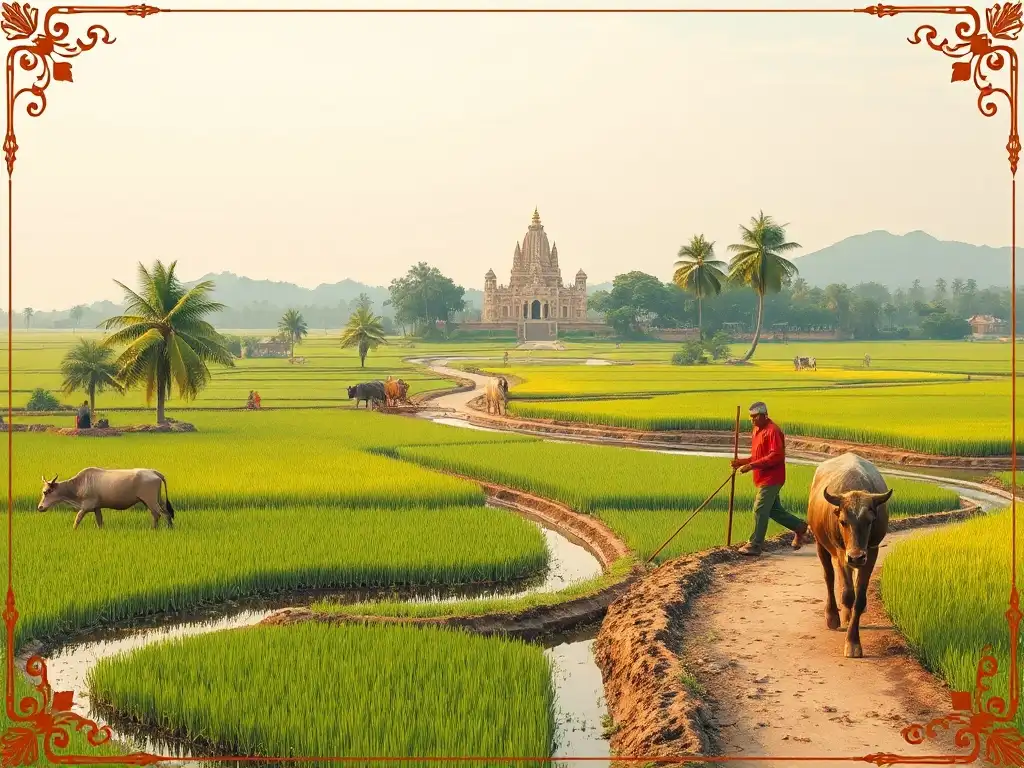
Irrigation has been a cornerstone of agricultural development and economic stability in ancient Indian civilizations. From the sophisticated engineering of the Indus Valley to the innovative techniques employed during the Gupta Empire, ancient Indian irrigation systems played a pivotal role in shaping the agricultural landscape and, consequently, the economy of these kingdoms.
The capability to effectively manage water resources not only ensured food security but also facilitated trade, urbanization, and the overall prosperity of the region. As we delve into the intricacies of these irrigation systems, we will uncover how they contributed to the economic power of ancient Indian kingdoms and the enduring legacy they left on agricultural practices.
Introduction to Ancient Indian Irrigation Systems
Ancient Indian irrigation systems were characterized by their diversity and adaptability to various geographic and climatic conditions. These systems evolved over centuries, reflecting the ingenuity of different cultures and the pressing need for efficient water management. Key features included:
- Canal Systems: Ancient kingdoms developed extensive canal networks, allowing water to be diverted from rivers to agricultural fields.
- Reservoirs and Tanks: Large water storage structures were constructed to capture monsoon rains, ensuring a reliable supply of water during dry seasons.
- Wells and Stepwells: Groundwater extraction methods, including wells and stepwells, provided farmers with access to water sources even in arid regions.
The combination of these methods not only maximized agricultural output but also demonstrated a deep understanding of hydrology and sustainable practices that were vital for thriving civilizations.
The Importance of Water Management in Ancient India
Water management in ancient India was crucial for several reasons:
- Agricultural Sustainability: Efficient irrigation practices directly impacted crop yields, enabling farmers to cultivate multiple crops per year and support larger populations.
- Economic Growth: Surplus production fueled trade with neighboring regions, enhancing economic interconnectivity and contributing to the wealth of kingdoms.
- Social Organization: The management of irrigation systems fostered community collaboration, leading to organized labor and the development of governance structures to oversee these initiatives.
The ancient Indian irrigation systems were not merely agricultural tools; they were the lifeblood of entire civilizations, driving economic power and social cohesion. Understanding these systems is essential for appreciating the remarkable achievements of ancient Indian cultures and their lasting impact on agricultural practices worldwide.
Historical Overview of Irrigation Practices in Ancient Indian Kingdoms
Irrigation has played a pivotal role in the agricultural success and economic stability of ancient Indian kingdoms. The development and sophistication of irrigation practices were heavily influenced by geographical variations, climatic conditions, and the technological advancements of the time. From the well-planned cities of the Indus Valley Civilization to the extensive networks established during the Gupta Empire, irrigation systems emerged as a fundamental aspect of agricultural productivity.
The earliest evidence of irrigation in India can be traced back to the Indus Valley Civilization (circa 3300–1300 BCE), where extensive drainage systems and water channels were created to support agriculture. As societies evolved, so did their irrigation techniques, adapting to the needs of growing populations and expanding agricultural frontiers. By the time of the Vedic period (circa 1500–500 BCE), irrigation practices began to see significant advancements, laying the groundwork for more organized systems that would flourish during the Mauryan Empire and beyond.
The systematic approach to irrigation continued to develop throughout ancient Indian history, reflecting the ingenuity of its people. Empires recognized the strategic importance of water management, often investing in large-scale infrastructure projects to ensure sustainable agricultural practices. This investment not only enhanced food production but also contributed to the economic power and stability of these kingdoms.
Early Irrigation Techniques in the Indus Valley Civilization
The Indus Valley Civilization is renowned for its sophisticated urban planning, which included some of the earliest known irrigation techniques. Archaeological findings suggest that the inhabitants constructed complex systems of canals and reservoirs to manage water resources effectively. These early irrigation systems were primarily designed to support the cultivation of wheat, barley, and cotton, which were staple crops of the region.
Key features of the early irrigation techniques included:
- Canal Systems: The civilization utilized natural rivers, such as the Indus and its tributaries, to create a network of canals. These canals diverted water to agricultural fields, enabling farmers to cultivate crops even during dry seasons.
- Reservoirs: Large reservoirs were built to store rainwater and floodwaters, providing a reliable source of irrigation during periods of drought.
- Drainage Systems: The cities featured advanced drainage systems to prevent waterlogging and ensure proper management of excess water, which was crucial for maintaining soil fertility.
These early innovations laid the foundation for subsequent advancements in irrigation practices across ancient India.
Advances in Irrigation During the Vedic Period
The Vedic period marked a significant evolution in the approach to irrigation, with a growing understanding of water management and agricultural practices. Texts from this era, such as the Rigveda, highlight the importance of rain and rivers for agricultural prosperity. The advancements in irrigation during this period included:
- Increased Use of Wells: The construction of wells became more common, providing a dependable source of groundwater for irrigation. This was particularly important for regions that relied heavily on rainfall.
- Improved Canal Systems: As agricultural practices expanded, so did the complexity of canal systems. Farmers developed more sophisticated techniques for diverting water from rivers to fields, ensuring effective distribution.
- Crop Rotation and Diversification: The understanding of crop cycles and the need for diverse agricultural practices became prevalent, leading to more efficient use of water resources.
These advances reflected a growing awareness of the relationship between irrigation and agricultural success, ultimately contributing to the economic stability of Vedic society.
The Mauryan Empire’s Contribution to Irrigation Infrastructure
The Mauryan Empire (circa 322–185 BCE) is often regarded as a golden age for the development of irrigation systems in ancient India. Under the leadership of Emperor Ashoka, significant strides were made in enhancing irrigation infrastructure, which had profound effects on agriculture and the economy. Key contributions included:
- State-sponsored Projects: The Mauryan government initiated large-scale irrigation projects, including the construction of dams, canals, and reservoirs. This state involvement ensured comprehensive water management across the empire.
- Integration of Water Management: The Mauryans recognized the importance of integrating irrigation with agriculture. This led to the establishment of agrarian policies that promoted sustainable farming practices and optimized water usage.
- Technological Innovations: Advances in technology, such as improved methods for dam construction and canal design, were implemented during this period, resulting in more efficient irrigation techniques.
The Mauryan Empire's focus on irrigation not only bolstered agricultural productivity but also solidified its economic power, allowing for the flourishing of trade and commerce throughout the region.
Types of Ancient Indian Irrigation Systems

Ancient Indian irrigation systems were diverse and adapted to the local geography and climatic conditions. These systems can be categorized into various types, each with its unique techniques and advantages.
Surface Irrigation Methods
Surface irrigation, one of the oldest techniques employed in ancient India, involved the direct application of water to the soil surface. This method relied primarily on gravity to distribute water evenly across fields. Key characteristics of surface irrigation included:
- Flooding: Fields were deliberately flooded with water from rivers or canals during the growing season, allowing crops to absorb moisture.
- Furrow Irrigation: Farmers created furrows or channels between crop rows to guide water directly to the roots, minimizing evaporation and runoff.
- Basin Irrigation: This method involved creating basins around plants, which helped in retaining water and promoting better soil moisture retention.
Surface irrigation systems were particularly effective in areas with ample water sources and flat terrain, making them suitable for a variety of crops.
Groundwater Irrigation Techniques
With the increasing demand for agricultural output, ancient Indian civilizations developed groundwater irrigation techniques to supplement surface methods. The main techniques included:
- Wells: Deep and shallow wells were constructed to access groundwater, providing a reliable source of irrigation. The use of animal-drawn devices, such as the Persian wheel, facilitated the extraction of water.
- Borewells: In some regions, borewells were drilled to tap into deeper aquifers, enhancing the availability of water for irrigation, especially in arid areas.
- Water-Lifting Devices: Innovations in water-lifting devices allowed farmers to harness groundwater more efficiently, contributing to the expansion of irrigated agriculture.
These techniques were crucial in regions where surface water was scarce, ensuring that agriculture could thrive even in challenging climatic conditions.
Rainwater Harvesting Practices
Rainwater harvesting emerged as a vital strategy for water management in ancient India, particularly in areas with distinct wet and dry seasons. This practice involved collecting and storing rainwater for agricultural use. Key elements of rainwater harvesting practices included:
- Catchment Systems: Structures were built to capture rainwater runoff from rooftops, fields, and other surfaces, directing it to storage tanks or ponds.
- Percolation Tanks: These were constructed to enhance groundwater recharge by allowing rainwater to percolate into the soil, replenishing aquifers and improving water availability during dry periods.
- Traditional Water Conservation Techniques: Communities employed various traditional methods to maximize rainwater collection and storage, reflecting a deep understanding of local hydrology.
Rainwater harvesting not only supported agricultural activities but also played a significant role in sustaining ecosystems and maintaining ecological balance.
The Economic Impact of Irrigation on Agriculture
Irrigation played a crucial role in transforming the agricultural landscape of ancient India, which significantly contributed to the economic power of various kingdoms. The use of sophisticated irrigation systems allowed for the cultivation of vast tracts of land, leading to increased agricultural productivity. This was particularly important in a region where monsoon patterns were unpredictable. By harnessing water from rivers and constructing canals and reservoirs, ancient Indian farmers could cultivate crops throughout the year, rather than relying solely on seasonal rains.
The economic impact of these irrigation systems can be seen in several key areas:
- Increased Crop Diversity: With reliable water sources, farmers were able to experiment with a variety of crops, including cereals, pulses, and cash crops like cotton and sugarcane. This diversification not only improved food security but also provided surplus for trade.
- Surplus Production: The enhancement of crop yields due to effective irrigation methods meant that kingdoms could produce a surplus of food. This surplus was vital in supporting larger populations and enabling urbanization, as it allowed people to engage in other professions beyond agriculture.
- Taxation and Revenue: Surplus agricultural production led to increased taxation opportunities for rulers. The collection of taxes on crops and trade generated significant revenue, which could be utilized for public works, military expenditures, and administrative functions, further strengthening the kingdom's economy.
How Irrigation Boosted Crop Yields in Ancient India
The implementation of irrigation systems in ancient India fundamentally altered agricultural practices and significantly boosted crop yields. Ancient civilizations developed a range of irrigation technologies, including:
- Canals: The construction of canals allowed for the direct diversion of river water to fields, ensuring a steady supply of moisture during critical growth periods.
- Wells and Stepwells: In arid regions, the development of wells and stepwells provided access to groundwater, which was essential for irrigation, especially during dry spells. These structures demonstrated advanced engineering and an understanding of hydrology.
- Terracing: In hilly areas, the creation of terraces reduced soil erosion and maximized arable land, helping to retain water and nutrients within the soil.
As a result of these innovations, crop yields increased dramatically. Historical records indicate that regions such as the Indus Valley and the Ganges Plain became famous for their agricultural output. This boost in productivity was crucial for sustaining the growing populations and supporting the rise of urban centers.
The Role of Irrigation in Supporting Trade and Commerce
The establishment of effective irrigation systems not only enhanced agricultural production but also played a significant role in facilitating trade and commerce in ancient India. With increased crop yields, surplus produce could be traded, leading to the development of vibrant markets and trade routes. Key aspects of this economic transformation include:
- Market Expansion: Surplus agricultural goods allowed for the creation of specialized markets where traders could exchange not only food products but also artisanal goods and luxury items, boosting the overall economy.
- Cultural Exchange: Trade routes established for agricultural products also facilitated cultural exchange, as merchants and travelers brought new ideas, technologies, and cultural practices across regions.
- Wealth Accumulation: Kingdoms that excelled in agricultural production became wealthier, enabling them to invest in infrastructure, such as roads and ports, further enhancing trade opportunities and economic growth.
Case Study: Fertility of the Ganges Plain and Its Economic Significance
The Ganges Plain is one of the most fertile agricultural regions in ancient India, primarily due to its extensive irrigation systems. The river Ganges and its tributaries provided ample water resources, allowing for the cultivation of various crops. Key points regarding the economic significance of this region include:
- Agricultural Abundance: The fertile soil and irrigation techniques used by ancient farmers resulted in high crop yields of staples such as rice, wheat, and barley. This abundance supported not only local consumption but also export to other regions.
- Urban Development: The economic prosperity generated from agricultural surplus led to the growth of cities such as Varanasi and Pataliputra, which became centers of trade, culture, and governance.
- Cultural Significance: The Ganges River held immense cultural and religious significance, further intertwining the economy with social and spiritual life, as many rituals and festivals were tied to the agricultural calendar.
The implementation of irrigation systems in ancient India had profound social and cultural implications, influencing settlement patterns, societal structures, and community life. These systems were not merely technological advancements but were deeply embedded in the cultural fabric of society.
The Influence of Irrigation on Settlement Patterns
Irrigation systems significantly shaped the settlement patterns in ancient India. Communities tended to cluster around water sources, leading to strategic agricultural settlements. Key influences include:
- Urbanization: As agricultural productivity increased due to irrigation, larger populations could be sustained, resulting in the growth of urban centers. This urbanization fostered economic specialization and the development of various trades.
- Rural Communities: Irrigation also facilitated the establishment of rural communities that depended on farming. These communities developed their own social structures, often centered around cooperative irrigation management and shared agricultural practices.
- Spatial Planning: Cities and settlements were often designed with water management in mind, featuring canals and reservoirs that not only served agricultural needs but also enhanced the aesthetic appeal of urban areas.
Irrigation and Its Role in Ancient Indian Society and Culture
The significance of irrigation extended beyond agriculture into the realms of society and culture. Water management practices were often associated with communal efforts and societal cohesion. Important aspects include:
- Community Cooperation: The construction and maintenance of irrigation systems required cooperation among community members, fostering a sense of unity and shared responsibility.
- Social Hierarchies: Control over water resources sometimes led to the establishment of social hierarchies, where landowners or local rulers had more influence over irrigation systems, impacting agricultural practices and distribution of resources.
- Cultural Practices: The reliance on irrigation systems intertwined with cultural rituals and practices, as water was often seen as a sacred element, essential for life and prosperity.
Rituals and Beliefs Associated with Water Management
The management of water resources in ancient India was deeply entwined with spirituality and cultural beliefs. Many communities developed rituals and practices related to water management, reflecting the reverence for this vital resource. Key elements include:
- Ritual Offerings: Farmers often performed rituals to appease water deities, seeking blessings for a bountiful harvest. These rituals emphasized the belief that successful agriculture was contingent upon divine favor.
- Festivals: Water management practices influenced agricultural festivals, which celebrated the arrival of rains or the harvest season. These festivals served as a means of reinforcing community bonds and cultural identity.
- Philosophical Perspectives: Ancient texts often discussed the symbolism of water and its essential role in sustaining life, reflecting a broader philosophical understanding of nature and humanity's relationship with it.
Irrigation systems were vital not only for boosting agricultural productivity in ancient India but also for shaping social structures, cultural practices, and economic systems, leaving a lasting legacy on the subcontinent's history.
Challenges Faced by Ancient Indian Irrigation Systems
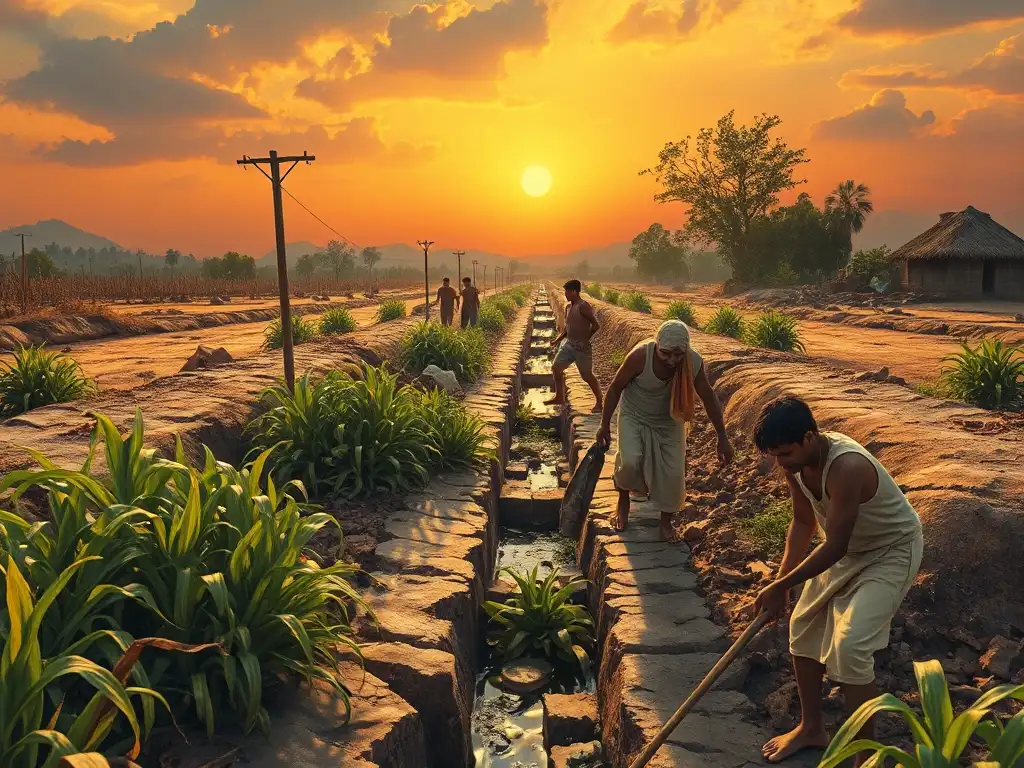
The ancient Indian irrigation systems, while innovative and effective in many contexts, faced several challenges that impacted their efficiency and sustainability. These challenges were multifaceted, encompassing environmental, political, and socio-economic factors that often hindered the optimal use of water resources.
Environmental Factors Affecting Irrigation
Environmental conditions played a significant role in the functionality of irrigation systems across ancient India. The following factors were particularly influential:
- Geographical Diversity: Ancient India’s varied topography, ranging from arid deserts to lush river valleys, presented unique challenges. Regions like the Thar Desert faced severe water scarcity, while areas near the Indus and Ganges Rivers dealt with flooding.
- Climate Variability: Seasonal monsoons were critical to irrigation, but their unpredictability often led to droughts or excessive rainfall, disrupting agricultural cycles. Farmers had to adapt their practices to cope with these fluctuations.
- Soil Salinity: In some regions, such as the delta areas, the accumulation of salt due to improper irrigation techniques degraded soil quality, rendering it less fertile over time. This phenomenon required careful management and adaptation to maintain agricultural productivity.
Political and Administrative Challenges in Water Management
The governance of water resources was another significant challenge that affected ancient irrigation systems:
- Centralized vs. Local Control: While some kingdoms implemented centralized irrigation policies, local rulers often had differing interests, leading to conflicts over water allocation. This fragmentation made it difficult to maintain and improve irrigation infrastructure effectively.
- Corruption and Mismanagement: Historical records indicate instances of corruption among officials responsible for water management. This mismanagement could lead to unequal distribution, neglect of necessary repairs, and ultimately, the decline of irrigation systems.
- Conflict Over Water Rights: As agricultural production became increasingly vital for economic stability, disputes over water rights frequently arose. Such conflicts often disrupted irrigation practices and exacerbated tensions between different communities.
Decline of Irrigation Systems in Later Periods
The decline of irrigation systems in ancient India can be attributed to several interrelated factors:
- Economic Shifts: As trade routes expanded and urbanization increased, the focus shifted from agriculture to commerce in some kingdoms. This change in economic priorities led to reduced investment in maintaining irrigation systems.
- Invasions and Political Instability: The arrival of foreign invaders and subsequent political turmoil disrupted existing agricultural practices. Many irrigation systems fell into disrepair during periods of instability, leading to reduced agricultural output.
- Environmental Degradation: Continuous mismanagement and neglect contributed to the degradation of water bodies and irrigation infrastructure. The failure to adapt to changing environmental conditions further exacerbated the decline, resulting in a loss of agricultural productivity.
Lessons from Ancient Indian Irrigation for Modern Agriculture
The examination of ancient Indian irrigation systems offers valuable insights that can inform contemporary agricultural practices. The lessons learned from these systems emphasize sustainable resource management and innovative solutions to water scarcity.
Sustainable Practices from Ancient Irrigation Systems
Ancient Indian irrigation systems exemplified several sustainable practices that modern agriculture can benefit from:
- Rainwater Harvesting: Techniques such as the construction of reservoirs and tanks to capture monsoon rains were prevalent. This practice ensured a reliable water supply during dry periods and minimized runoff and soil erosion.
- Crop Rotation and Diversification: Ancient farmers often practiced crop rotation and diversified their crops to maintain soil fertility and reduce pest outbreaks. This approach is still relevant today in promoting sustainable farming.
- Community Management: The communal approach to managing water resources fostered cooperation among farmers, ensuring equitable distribution of water. Such participatory governance models can enhance modern water management strategies.
Relevance of Ancient Techniques in Contemporary Water Management
The ancient techniques of irrigation provide important lessons for tackling modern water management issues:
- Integrated Water Resource Management (IWRM): The holistic approach to managing water resources, including surface and groundwater, was practiced in ancient India. This principle can guide current efforts to balance agricultural needs with ecosystem preservation.
- Revival of Traditional Practices: Many traditional irrigation practices, such as the use of check dams and contour farming, are being revisited as effective strategies to combat climate change and water scarcity in various regions today.
- Cultural Significance of Water: Understanding the historical and cultural significance of water management in ancient societies can shape contemporary policies that prioritize sustainable practices and local community involvement.
By reflecting on the challenges and innovations of ancient Indian irrigation systems, modern agriculture can adopt more sustainable practices that ensure food security and environmental stewardship.
Conclusion: The Lasting Legacy of Ancient Indian Irrigation Systems
The ancient Indian irrigation systems have left an indelible mark on the agricultural practices and economic frameworks of subsequent civilizations. These systems not only facilitated robust agricultural production but were also pivotal in shaping the socio-economic landscape of various kingdoms throughout history.
From the sophisticated hydraulic engineering of the Indus Valley Civilization to the extensive canal systems established during the rule of the Gupta Empire, ancient Indian irrigation was a testament to the ingenuity and adaptability of its people. The ability to control and manage water resources allowed for the cultivation of diverse crops, enabling societies to thrive in varying climatic conditions. This capacity for agricultural surplus laid the foundation for trade, urbanization, and the development of complex societies.
Moreover, the principles and techniques developed during these early irrigation projects continue to influence modern practices. Techniques such as rainwater harvesting, the construction of check dams, and the use of canals reflect a deep understanding of local ecosystems and sustainable water management. Today, as contemporary societies grapple with water scarcity and agricultural challenges, the lessons learned from ancient Indian irrigation systems offer invaluable insights into sustainable agricultural practices.
The legacy of ancient Indian irrigation systems transcends their immediate historical context. They exemplify how strategic water management can serve as a cornerstone for economic power, cultural development, and environmental sustainability. As we explore the rich tapestry of ancient Indian history, it becomes clear that these irrigation systems were not merely technical achievements; they were vital to the flourishing of civilization itself.
- Introduction to Ancient Indian Irrigation Systems
- The Importance of Water Management in Ancient India
- Historical Overview of Irrigation Practices in Ancient Indian Kingdoms
- Types of Ancient Indian Irrigation Systems
- The Economic Impact of Irrigation on Agriculture
- Social and Cultural Implications of Irrigation Systems
- Challenges Faced by Ancient Indian Irrigation Systems
- Lessons from Ancient Indian Irrigation for Modern Agriculture
- Conclusion: The Lasting Legacy of Ancient Indian Irrigation Systems
- What were the primary ancient Indian irrigation systems?
- How did irrigation impact the economy of ancient Indian kingdoms?
- What were some notable ancient Indian kingdoms known for their irrigation techniques?
- How did ancient Indian irrigation systems influence trade?
- Are there any remnants of ancient Indian irrigation systems today?
Frequently Asked Questions
What were the primary ancient Indian irrigation systems?
Ancient Indian irrigation systems included canals, wells, and tanks. These methods were essential for agriculture, helping to support growing populations and economies.
How did irrigation impact the economy of ancient Indian kingdoms?
Irrigation significantly boosted agricultural productivity, allowing for surplus crop production. This surplus contributed to the economic strength and stability of ancient Indian civilizations.
What were some notable ancient Indian kingdoms known for their irrigation techniques?
The Maurya and Gupta Empires are well-known for their advanced irrigation methods. Their techniques included sophisticated water management systems that enhanced agricultural output.
How did ancient Indian irrigation systems influence trade?
The increase in crop yields from effective irrigation allowed traders to export surplus goods. This stimulated trade networks both within and beyond ancient Indian borders.
Are there any remnants of ancient Indian irrigation systems today?
Yes, many ancient structures like stepwells and canal systems can still be found in modern India. These remnants highlight the advanced engineering and water management practices of ancient civilizations.
Final Reflection: The Enduring Legacy of Ancient Indian Irrigation Systems
The intricate relationship between irrigation and economic prosperity in ancient Indian kingdoms remains profoundly relevant today. As we navigate the challenges of modern agriculture and water scarcity, the lessons learned from these ancient irrigation systems serve as a powerful reminder of how innovative water management can drive societal growth and sustainability. The ingenuity of these systems not only shaped the economies of their time but also laid the groundwork for future agricultural practices.
The influence of ancient Indian irrigation systems extends far beyond their historical context; they continue to inspire contemporary discussions about resource management and environmental sustainability. The principles of efficient water use and community-based management are increasingly relevant as we face global challenges such as climate change and food security. The greatest danger in times of turbulence is not the turbulence; it is to act with yesterday's logic.
– Peter Drucker. This quote resonates deeply as we reflect on how ancient practices can inform modern solutions, urging us to adapt and innovate in our approach to resource management.
As we conclude this exploration of ancient Indian irrigation systems, I invite you to reflect on the importance of sustainable practices in your own life. Consider how you can apply the lessons of the past to address the challenges of the present and future. Whether it’s advocating for responsible water use in your community or exploring innovative agricultural techniques, each action contributes to a more sustainable world. Let us honor the legacy of those who came before us by committing to stewardship of our resources, ensuring that future generations can thrive in harmony with the environment.
Unlock the Secrets of Ancient Irrigation!
Thank you for diving into the fascinating world of ancient Indian kingdoms and their innovative irrigation techniques. You’ve discovered how these systems not only supported agriculture but also enhanced the economic strength of these remarkable civilizations. Now it's time to take the next steps in your journey!
Here’s how you can deepen your understanding and engage with this captivating topic:
- Explore local history: Visit museums or heritage sites to see artifacts related to ancient irrigation and agriculture. Connect with historians or archaeologists to gain deeper insights.
- Share your insights: Discuss your newfound knowledge with friends and family. Consider hosting a discussion group or an online forum to encourage dialogue about ancient civilizations and their lasting legacies.
- Implement modern knowledge: If you're interested in sustainable agriculture, research contemporary irrigation techniques inspired by these ancient practices. Look for opportunities to volunteer in community gardens where you can apply what you’ve learned!
Which aspect of ancient irrigation do you believe had the most significant impact on the prosperity of Indian kingdoms? We would love to hear your thoughts in the comments below!