
Crops of the Ancients: What Did They Grow and Why?

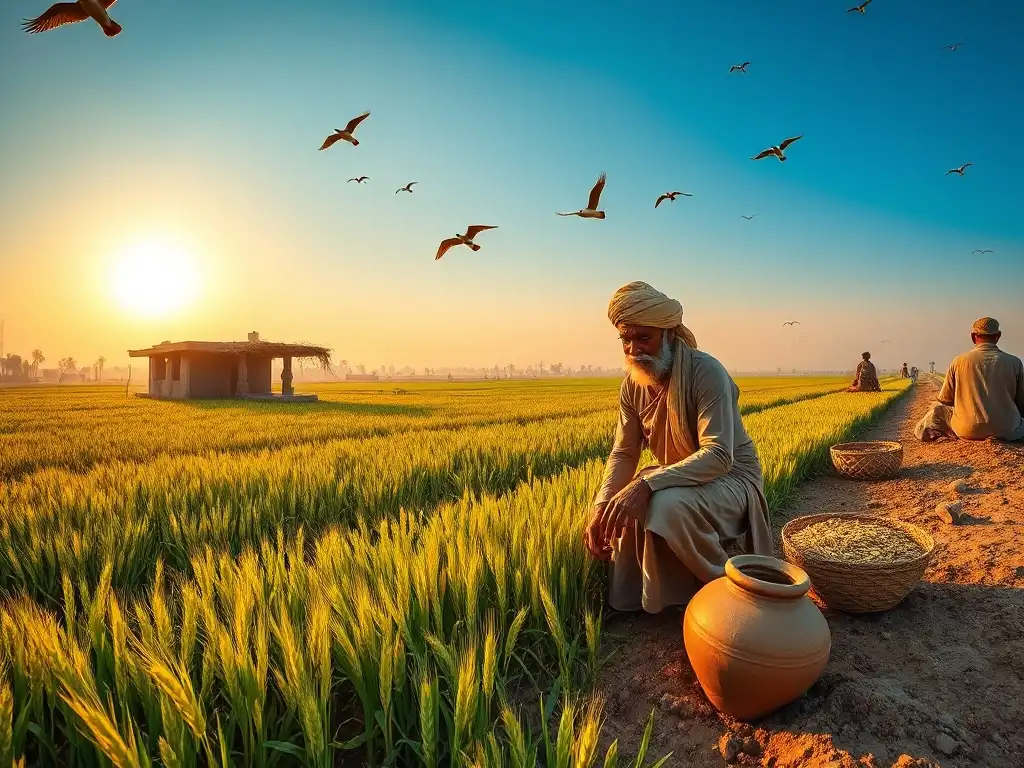
Welcome to Ancient India History, where we embark on a fascinating journey through the rich and diverse tapestry of ancient Indian civilizations. As we delve into the heart of agriculture and economy, our main article, "Crops of the Ancients: What Did They Grow and Why? ", invites you to explore the innovative agricultural practices that shaped the lives of our ancestors.
What crops sustained these vibrant societies, and how did their techniques influence the economic landscape? Join us as we uncover the secrets of ancient Indian agriculture, revealing insights that resonate through time and continue to inspire today. Discover the past, and let your curiosity guide you deeper into the legacy of these remarkable cultures!
- Introduction to Ancient Indian Agriculture Practices
- Major Crops Grown in Ancient India
- The Reasons Behind Crop Choices
- Techniques Used in Ancient Indian Agriculture
- The Role of Agriculture in Ancient Indian Society
- Conclusion: Legacy of Ancient Indian Agriculture Practices
- References and Further Reading on Ancient Indian Agriculture Practices
-
Frequently Asked Questions
- What crops were primarily grown in ancient India?
- How did geography influence ancient Indian agriculture?
- What role did irrigation play in ancient Indian farming?
- How did ancient Indian civilizations contribute to agricultural advancements?
- Why is the study of ancient Indian agriculture practices important today?
- Final Reflection: The Timeless Legacy of Ancient Indian Agriculture
- Unveil the Secrets of Ancient Agriculture!
Introduction to Ancient Indian Agriculture Practices
Agriculture has been the backbone of civilizations throughout history, and ancient India is no exception. The agricultural practices of ancient Indian societies not only reflect their ingenuity and adaptability to their environment but also played a vital role in shaping their economy, culture, and social structures.
This article delves into the various crops cultivated in ancient India, the techniques employed in their cultivation, and the underlying reasons for choosing specific crops. By exploring these ancient agricultural practices, we can gain insight into how they influenced the development of one of the world's earliest civilizations and laid the foundation for future agricultural advancements.
Overview of Agriculture in Ancient India
Ancient Indian agriculture can be traced back to the Indus Valley Civilization (approximately 2500-1900 BCE), which is renowned for its sophisticated urban planning and advanced agricultural techniques. The fertile plains of the Indus River provided an ideal environment for crop cultivation, leading to the growth of staple crops such as:
- Wheat
- Barley
- Rice
- Millets
These crops were not only essential for sustenance but also formed the basis of trade with neighboring regions.
Key Features of Ancient Indian Agriculture
- Irrigation Techniques:
- Ancient Indians developed irrigation systems that included canals and wells, ensuring water supply for crops even during dry spells.
- Crop Rotation:
- Farmers practiced crop rotation to maintain soil fertility. This method helped in reducing soil depletion and pests, promoting sustainable agricultural practices.
- Use of Fertilizers:
- Organic fertilizers derived from animal waste and compost were commonly used to enhance soil fertility and productivity.
Importance of Crop Cultivation in Ancient Civilizations
The cultivation of crops in ancient India was not just about feeding the population; it played a crucial role in societal development and cultural practices. The importance of agriculture can be summarized as follows:
- Economic Stability: A successful harvest ensured food security, which in turn supported trade and economic growth. Surplus crops allowed for the establishment of markets and contributed to the wealth of cities.
- Cultural Practices: Agriculture was deeply intertwined with religious and cultural rituals. Festivals often celebrated the harvest, reflecting the significance of crops in daily life and spirituality.
- Social Structure: Agricultural practices influenced social hierarchies, with certain communities specializing in farming, crafting, and trading, leading to the formation of diverse occupational classes.
Understanding ancient Indian agriculture practices provides a window into the civilization's ingenuity and adaptability. The crops they grew and the methods they employed not only sustained their communities but also laid the groundwork for future advancements in agricultural techniques and economic development.
Major Crops Grown in Ancient India
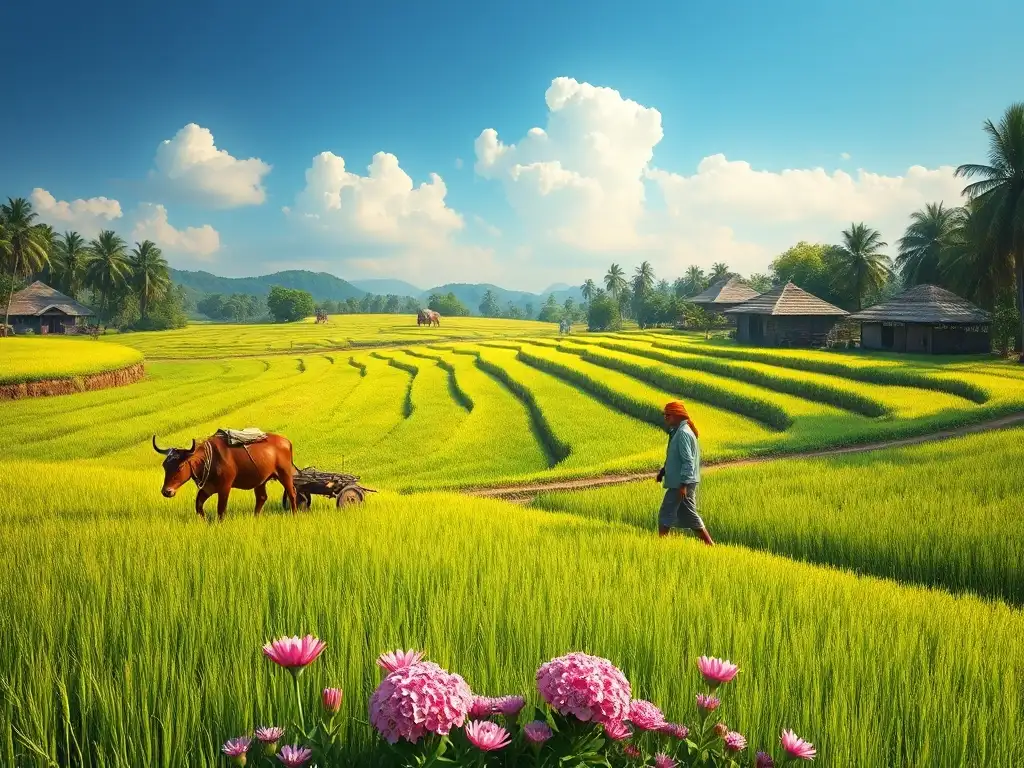
Ancient Indian agriculture practices were characterized by a diverse array of crops that not only supported the sustenance of the population but also contributed to the economy and culture. The cultivation of various crops was influenced by geographical conditions, climate, and the agricultural techniques developed over centuries. Here, we delve into three major categories of crops that were pivotal to ancient Indian agriculture: cereal crops, pulses, and oilseeds.
Cereal Crops: Rice and Wheat
Cereal crops formed the backbone of ancient Indian agriculture, with rice and wheat being the most significant.
- Rice:
- Predominantly grown in the river valleys, particularly in the Indus Valley and later in regions like Bengal.
- Varieties such as Oryza sativa were cultivated, with evidence suggesting that rice was domesticated as early as 2000 BCE.
- The wet, fertile conditions of these regions allowed for the development of sophisticated irrigation systems, which enhanced productivity.
- Wheat:
- Primarily cultivated in the northwestern plains of India, especially in regions such as Punjab and Haryana.
- Varieties like Triticum aestivum were common, and archaeological findings indicate that wheat was already being grown around 7000 BCE.
- The cultivation of wheat was often associated with the Rabi season, utilizing the winter months for sowing and summer for harvesting.
The choice to grow these cereals was largely due to their adaptability to the local environment and their nutritional value, providing essential carbohydrates that formed the diet of ancient Indian societies.
Pulses: The Protein-Rich Staples
Pulses played a crucial role in the diet of ancient Indians, serving as a primary source of protein.
- Commonly grown pulses included:
- Lentils ( Lens culinaris): Known for their high protein content and quick cooking time, lentils were a staple in many households.
- Chickpeas ( Cicer arietinum): Another important pulse, chickpeas were often used in various dishes and provided essential nutrients.
- Black gram ( Vigna mungo): This pulse was significant in maintaining soil fertility through nitrogen fixation.
The cultivation of pulses was typically intercropped with cereals, a practice that not only maximized land use but also improved soil health. The protein-rich nature of pulses complemented the carbohydrate-heavy diet derived from cereals, creating a balanced nutritional profile for ancient populations.
Oilseeds: Importance in Ancient Diets
Oilseeds were integral to ancient Indian agriculture, providing both culinary and medicinal uses.
- Major oilseeds included:
- Sesame seeds ( Sesamum indicum): Highly valued for their oil, sesame seeds were used in cooking, ritual offerings, and traditional medicines.
- Mustard seeds ( Brassica nigra): Another important oilseed, mustard was cultivated extensively and used to produce mustard oil, which was an essential cooking medium.
- Groundnuts ( Arachis hypogaea): Though originally from South America, groundnuts gained popularity in ancient India, contributing to dietary diversity.
The use of oilseeds in ancient Indian diets was not only for flavor but also for their health benefits. Rich in unsaturated fats and vitamins, these seeds played a vital role in enhancing the nutritional value of meals.
The ancient Indian agriculture practices surrounding these major crops illustrate a sophisticated understanding of crop cultivation and a deep connection to the environment. The combination of cereals, pulses, and oilseeds laid the foundation for a diverse and sustainable agricultural system that supported ancient civilizations across the Indian subcontinent.
Fruits and Vegetables: Diversity in Ancient Gardens
The gardens of ancient India were a vibrant tapestry of colors and flavors, showcasing a remarkable diversity of fruits and vegetables. These gardens were not merely aesthetic spaces; they played a crucial role in the diet and economy of ancient Indian societies. Historical texts and archaeological findings reveal that the cultivation of fruits and vegetables was deeply integrated into the agricultural practices of the time.
Common Fruits Cultivated
Ancient Indian agriculture practices included the cultivation of several fruits that were staples in the diet of the people. Some of the most common fruits grown included:
- Mango: Revered as the "king of fruits," mangoes were cultivated extensively and were often associated with various cultural and religious practices.
- Banana: This versatile fruit was eaten raw or used in cooking, and it was also significant in religious offerings.
- Coconut: Found primarily in coastal regions, coconuts were valued for their water, flesh, and oil, serving both culinary and medicinal purposes.
These fruits were not only consumed fresh but were also dried or preserved for use during off-seasons, showcasing the advanced techniques of ancient preservation methods.
Vegetables in Ancient Diets
The diversity of vegetables in ancient Indian gardens was equally impressive. Commonly grown vegetables included:
- Lentils: A staple protein source, lentils were cultivated in various forms and were essential to the vegetarian diets of many communities.
- Onions and Garlic: These alliums were not only used for flavoring but were also believed to have medicinal properties.
- Pumpkins and Gourds: Varieties of squash and gourd were grown for their versatility in cooking and preservation.
The cultivation of these vegetables was influenced by regional climate and soil conditions, with various agricultural techniques employed to ensure optimal growth.
Importance of Crop Rotation and Companion Planting
Ancient Indian farmers understood the importance of sustainable agriculture. They practiced crop rotation and companion planting to maintain soil fertility and reduce pest infestations. For example, pairing legumes with grains improved nitrogen levels in the soil, benefiting subsequent crops.
Cultural Significance
The fruits and vegetables grown in ancient India were not only vital for sustenance but also held cultural significance. They were often featured in religious rituals, festivals, and culinary traditions. The diversity in gardens reflected the agricultural richness of the land, contributing to a vibrant food culture that has continued to evolve over centuries.
Overall, the cultivation of fruits and vegetables in ancient India was a testament to the ingenuity and adaptability of its agricultural practices, laying the foundation for the diverse culinary heritage that exists today.
The Reasons Behind Crop Choices
Climate and Geography Influencing Crop Selection
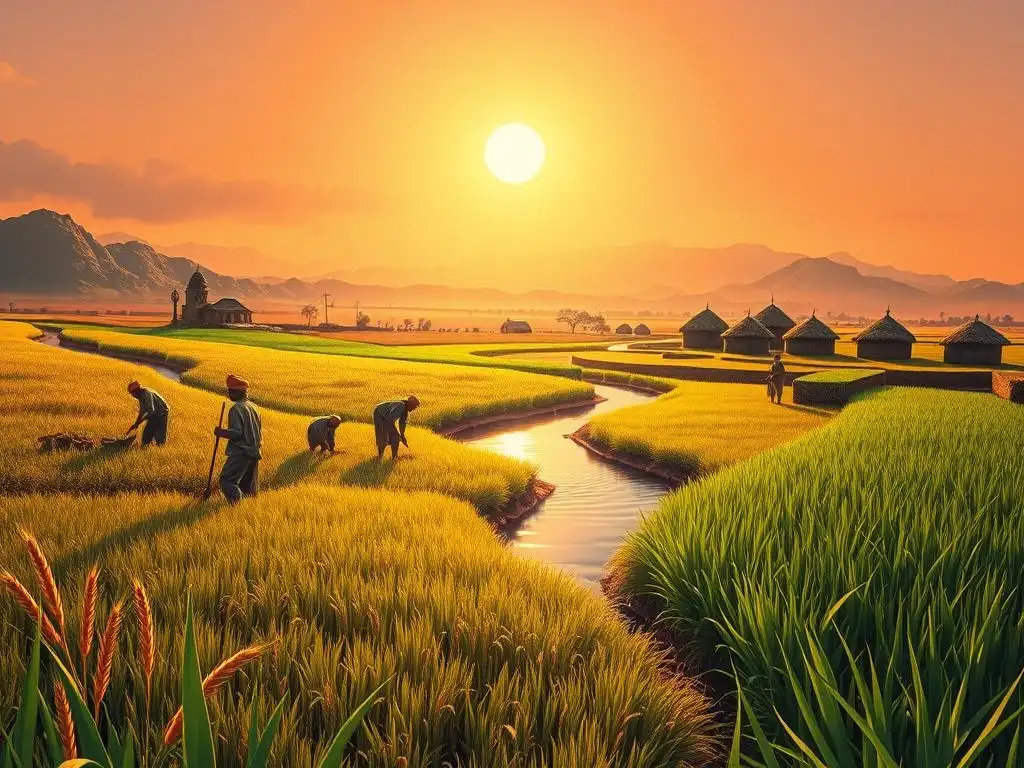
Ancient Indian agriculture practices were profoundly shaped by the diverse climates and geographical features across the subcontinent. The varied topography, from the fertile plains of the Indo-Gangetic region to the arid landscapes of Rajasthan, dictated the types of crops that could be cultivated.
- Indus Valley Civilization:
- The Indus Valley, with its well-planned cities like Harappa and Mohenjo-Daro, benefitted from the seasonal flooding of the Indus River. This natural irrigation system allowed for the cultivation of wheat, barley, and cotton.
- Archaeological evidence shows that they practiced crop rotation to maintain soil fertility, indicating a sophisticated understanding of agricultural sustainability.
- Southern India:
- In the Deccan Plateau, the tropical climate favored crops like rice, millet, and various pulses.
- The monsoon season, which brought heavy rains, played a crucial role in rice cultivation, making it a staple food for the region.
- Western India:
- The arid conditions of Gujarat and Rajasthan led to the cultivation of drought-resistant crops such as bajra (pearl millet) and gram (chickpeas). These crops were essential for sustaining populations in challenging environments.
The geographical diversity of ancient India not only influenced the selection of crops but also necessitated the development of unique farming techniques tailored to local conditions.
Cultural and Religious Significance of Certain Crops
Crops in ancient India were often intertwined with cultural practices and religious beliefs, reflecting the deep-rooted traditions of the society. Certain crops held significant symbolic meanings and were integral to various rituals and festivals.
- Rice:
- Considered a sacred grain, rice is associated with prosperity and fertility. It is a staple in many Indian households and is often used in religious ceremonies, such as Pongal and Navaratri.
- Wheat:
- Wheat was vital in the northern regions and was often used in offerings to deities. Its significance is reflected in agrarian festivals like Lohri, celebrating the harvest.
- Barley:
- Barley was not only a food source but also used in the preparation of soma, a ritual drink in Vedic traditions, highlighting its importance in spiritual practices.
The cultural reverence for certain crops influenced planting decisions and agricultural practices, demonstrating the blend of agriculture with spiritual life in ancient Indian civilizations.
Economic Factors: Trade and Surplus Production
The economic landscape of ancient India was notably shaped by agricultural practices, particularly in terms of trade and surplus production. The ability to cultivate a variety of crops contributed significantly to the economy.
- Trade Networks:
- Ancient Indian farmers produced surplus crops, which facilitated trade with neighboring regions. Noteworthy trade routes connected the Indus Valley to Mesopotamia, highlighting the exchange of goods such as spices, cotton, and grains.
- Market Dynamics:
- Surplus production allowed for the establishment of markets where farmers could sell their excess crops, which stimulated local economies. This economic activity was crucial for the growth of urban centers during the time.
- Agricultural Innovations:
- The need for efficiency led to innovations in agricultural practices, such as the use of ploughs and irrigation systems. These advancements not only increased yield but also supported larger populations and fostered economic stability.
The economic implications of ancient Indian agriculture practices were far-reaching, influencing trade, market development, and societal structure, which laid the foundation for future economic systems in the region.
Techniques Used in Ancient Indian Agriculture
Traditional Farming Methods: Plowing and Sowing
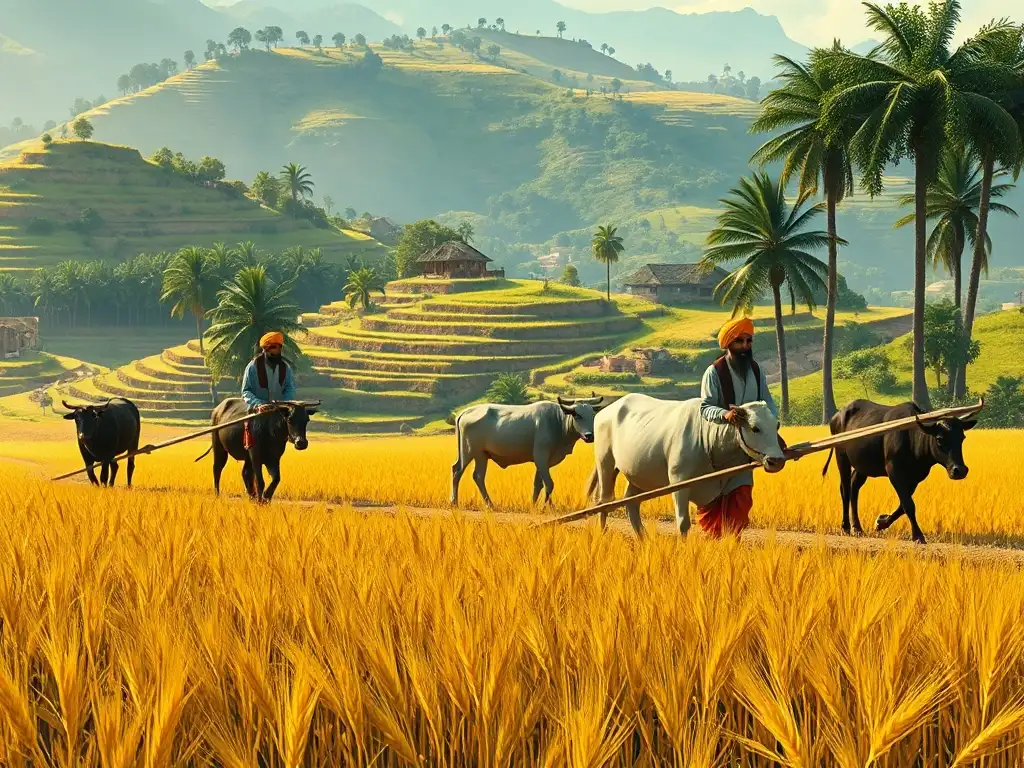
Ancient Indian agriculture practices began with the development of essential farming methods that laid the groundwork for crop cultivation. Plowing was a fundamental technique, traditionally carried out using wooden plows drawn by oxen or buffaloes. These plows were often made of sturdy wood, with a sharp iron tip that could effectively break the soil's surface.
The sowing process was closely tied to the monsoon season, with farmers timing their planting to coincide with the rains. Broadcasting was a common method where seeds were scattered over the prepared soil, while dibbling involved making holes and placing seeds at specific intervals. This guided approach helped in optimizing seed germination and ultimately maximizing yields.
In addition to these methods, farmers often utilized a mixed cropping system, where multiple crops were planted simultaneously. This practice not only diversified their produce but also reduced the risk of total crop failure due to pests or diseases. For instance, legumes were frequently planted alongside cereals, enriching the soil with nitrogen and enhancing overall fertility.
Irrigation Practices in Ancient India
Irrigation was a crucial aspect of ancient Indian agriculture, particularly in regions with irregular rainfall. Early civilizations, especially in the Indus Valley, developed sophisticated irrigation systems that included canals, reservoirs, and wells. These systems were engineered to divert river water to fields, ensuring a consistent water supply.
One of the most notable irrigation techniques was the use of step wells, which enabled farmers to access groundwater. These wells were often designed with steps leading down to the water level, allowing for easier extraction. The construction of these step wells showcased advanced engineering skills and an understanding of hydraulic principles.
Moreover, ancient texts such as the Arthashastra by Kautilya provide insights into agricultural strategies, including irrigation management. The importance of maintaining and repairing irrigation systems was emphasized, as it directly affected crop yields and agricultural productivity.
Crop Rotation and Soil Fertility Management
Crop rotation emerged as a vital practice in ancient Indian agriculture to maintain soil fertility and optimize land use. This method involved alternating different types of crops in the same field across seasons. For instance, after cultivating legumes, farmers would often plant cereals, benefiting from the nitrogen-fixing properties of legumes that enriched the soil.
In addition to crop rotation, ancient farmers also employed various natural fertilizers to enhance soil fertility. Organic matter, such as compost and livestock manure, was commonly used to replenish nutrients in the soil. This practice not only improved soil structure but also promoted healthy microbial activity, essential for nutrient cycling.
Moreover, the cultivation of certain crops, known for their soil-enriching capabilities, played a significant role in ancient agricultural practices. Green manuring, where specific plants were grown and plowed back into the soil, further contributed to sustainable agriculture. This holistic approach to farming helped ancient Indian civilizations maintain productive agricultural systems over generations, ensuring food security and economic stability.
The Role of Agriculture in Ancient Indian Society
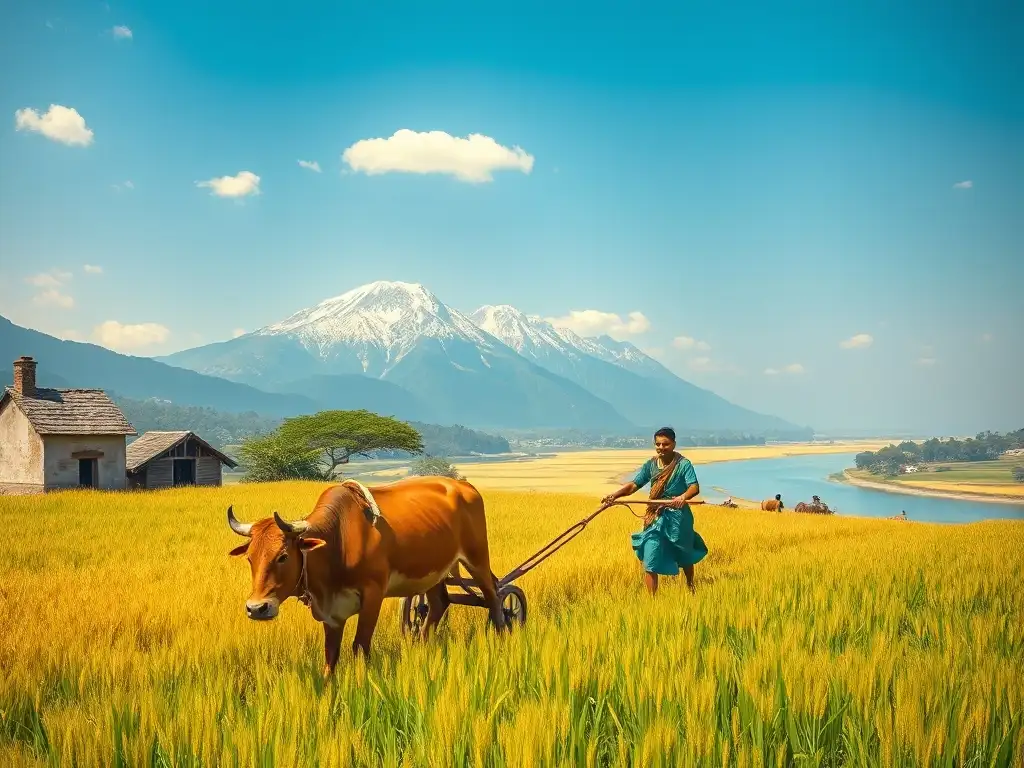
Agriculture was a cornerstone of ancient Indian society, shaping not only the economy but also the social fabric and cultural practices. The rich biodiversity of the Indian subcontinent allowed for a variety of crops to be cultivated, which in turn supported various communities and their livelihoods.
Economic Impact of Crop Cultivation
Crop cultivation in ancient India had a profound economic impact that can be understood through several key points:
- Sustenance and Food Security: Agriculture allowed communities to produce surplus food, which was crucial for sustaining larger populations. The ability to cultivate staple crops like wheat, barley, and rice meant that societies could support a growing number of inhabitants while minimizing the risks of famine.
- Trade and Commerce: Surplus production led to trade, both locally and with neighboring regions. Agricultural products such as grains, pulses, and spices became commodities that were exchanged, fostering economic relationships and cultural exchanges. For example, regions like the Indus Valley were known for their trade networks that extended to Mesopotamia, largely based on agricultural outputs.
- Wealth Accumulation and Land Ownership: Owning agricultural land became synonymous with wealth and power. Landowners often held significant political influence, which eventually contributed to the establishment of social hierarchies. The concentration of wealth in agrarian societies laid the groundwork for the emergence of complex social structures and governance systems.
The development of agricultural practices significantly influenced social structures in ancient India:
- Community and Cooperation: Farming required collaborative efforts, leading to the formation of close-knit communities. This collaboration fostered social ties and a sense of shared responsibility, evident in collective farming practices and water management systems.
- Caste System and Occupation: The reliance on agriculture contributed to the stratification of society. Various castes emerged based on agricultural roles, such as farmers, laborers, and landowners. This division of labor was essential for the efficiency of agricultural production and shaped the socio-economic dynamics of ancient Indian civilization.
- Cultural Practices and Rituals: Agricultural cycles dictated seasonal festivals and rituals, reinforcing community identity. Harvest festivals, like Makar Sankranti, celebrated the bounty of the land and were integral to the social calendar, highlighting the connection between agriculture and cultural life.
Influence of Agriculture on Ancient Indian Economy
Agricultural practices were pivotal in shaping the ancient Indian economy in multiple ways:
- Foundation of Economic Activities: Agriculture served as the backbone of the ancient Indian economy, facilitating the development of ancillary industries, such as pottery, textiles, and metallurgy. The need for tools and storage solutions for agricultural products spurred innovation and craftsmanship.
- Taxation and State Revenue: Agricultural output was a primary source of revenue for ancient states. Rulers implemented tax systems based on crop yields, which funded public works, military endeavors, and administrative functions. This taxation system highlighted the importance of agriculture in state governance and economic planning.
- Market Development: As agricultural production grew, markets emerged where farmers could sell their surplus. This development of trade hubs facilitated the exchange of goods, ideas, and technologies, further embedding agriculture into the economic landscape of ancient India.
Ancient Indian agriculture practices were not merely about food production; they were deeply woven into the economic, social, and cultural fabric of the time. The interplay between agriculture and various aspects of society underscores its significance in the evolution of ancient Indian civilizations.
Conclusion: Legacy of Ancient Indian Agriculture Practices
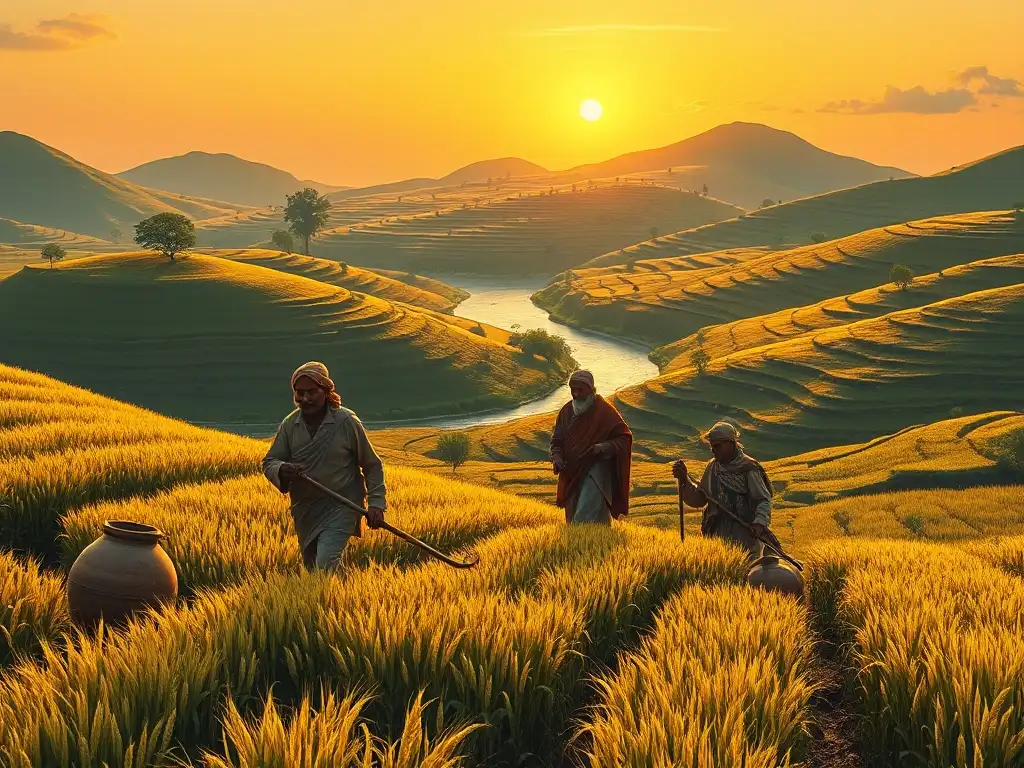
The agricultural practices of ancient India have left an indelible mark on the socio-economic fabric of the region. As we explore the rich tapestry of ancient Indian agriculture, we find a legacy that not only shaped the civilizations of the past but also continues to influence modern agricultural techniques and practices. The intricate knowledge of crop rotation, irrigation methods, and soil management developed by ancient Indian farmers is a testament to their ingenuity and adaptability to diverse climatic conditions.
Ancient Indian agriculture practices were characterized by a profound understanding of local ecosystems. Farmers cultivated a variety of crops, including wheat, barley, millet, lentils, and rice, adapting their techniques to suit the local environment. This deep-rooted knowledge has been passed down through generations, resulting in a rich agricultural heritage that remains relevant today.
Lasting Impact on Modern Agricultural Techniques
The techniques developed in ancient India have had a lasting impact on modern agricultural practices. For instance, the use of crop rotation and intercropping is standard practice today, but these methods were already in use by ancient Indian farmers to enhance soil fertility and reduce pest populations.
| Ancient Practice | Modern Equivalent |
|---|---|
| Crop Rotation | Modern Crop Rotation |
| Intercropping | Companion Planting |
| Irrigation Techniques | Modern Drip and Flood Irrigation |
| Organic Fertilizers | Use of Compost and Green Manure |
Moreover, the ancient practice of utilizing organic fertilizers like compost and green manure is increasingly being recognized in modern sustainable agriculture. This approach not only enhances soil health but also reduces dependency on chemical fertilizers, promoting a more eco-friendly agricultural landscape.
Lessons Learned from Ancient Cultivation Practices
- Sustainability: Ancient Indian agriculture emphasized sustainable practices that respected the environment. Crop rotation and mixed cropping helped maintain soil health and biodiversity, lessons that resonate strongly in today’s discussions about sustainable farming.
- Water Management: The sophisticated irrigation systems, such as those seen in the Indus Valley Civilization, underscore the importance of water management. Modern agriculture can benefit from these ancient techniques, especially in regions facing water scarcity.
- Biodiversity: Ancient farmers cultivated a wide variety of crops, which not only provided food security but also resilience against pests and diseases. The importance of biodiversity in agriculture is a crucial lesson for contemporary farmers aiming to create resilient agricultural systems.
- Community Knowledge: Many ancient practices were based on communal knowledge and cooperation, highlighting the importance of community in farming. This collaborative spirit is essential today as farmers face challenges that require collective solutions.
The ancient Indian agriculture practices have left a profound legacy that continues to inform and inspire modern agricultural techniques. By studying these practices, we can glean valuable insights into sustainability, water management, and the importance of biodiversity, ultimately leading to a more resilient and productive agricultural future.
References and Further Reading on Ancient Indian Agriculture Practices
Suggested Books and Articles
- "The Agricultural History of India" by D. N. M. Jha
- This comprehensive book delves into the evolution of agriculture in India, examining various techniques and crops from ancient times to the present. It offers insights into the socio-economic factors influencing agricultural practices.
- "Ancient Indian Agriculture: A Historical Overview" by R. S. Sharma
- In this work, Sharma explores the agricultural systems of ancient India, focusing on crop selection, irrigation methods, and farming tools. The book's rich narrative is supported by archaeological findings and historical texts.
- "The Indus Valley Civilization: A New Perspective" by Jonathan Mark Kenoyer
- This book provides an in-depth analysis of the Indus Valley Civilization, emphasizing its advanced agricultural practices. Kenoyer discusses the significance of crop cultivation in the urban planning and economy of this ancient society.
- "Agriculture in Ancient India" by N. P. Chakrabarti
- Chakrabarti investigates the various agricultural practices across different ancient Indian civilizations. The text includes discussions on crop rotation, soil management, and the impact of monsoon patterns on agriculture.
- "Indian Agriculture: A Historical Overview" by R. K. Sharma
- This article provides a concise yet informative overview of the key agricultural developments in India, focusing on the transition from subsistence farming to more organized agricultural systems during ancient times.
Online Resources for Further Exploration
-
Digital Library of India
A treasure trove of ancient texts and manuscripts related to Indian agriculture, offering digital access to works that discuss farming techniques, crop varieties, and historical accounts of agricultural practices.
-
The Archaeological Survey of India (ASI)
This official website provides access to various reports and publications, including findings from archaeological excavations that shed light on ancient agricultural practices.
-
Indian History Congress
Regularly hosts sessions that focus on agricultural history, with published proceedings available online. This resource offers insights into current research and discussions surrounding ancient Indian agriculture.
-
Academia.edu
A platform where scholars publish their papers; searching for “ancient Indian agriculture” can yield numerous academic articles discussing various aspects of the topic, from crop cultivation to irrigation methods.
-
YouTube Educational Channels
Channels like "History with Hilbert" and "Ancient India History" feature documentaries and lectures on ancient Indian agriculture, providing visual summaries of agricultural practices and crop cultivation techniques.
By leveraging these resources, readers can gain a deeper understanding of ancient Indian agriculture practices, exploring the rich tapestry of techniques and crops that sustained civilizations throughout history.
Frequently Asked Questions
What crops were primarily grown in ancient India?
Ancient Indian agriculture practices included the cultivation of rice, wheat, barley, and millets. These crops were essential for sustaining the growing populations in various regions.
How did geography influence ancient Indian agriculture?
The diverse geography of ancient India, such as the Indus River Valley and fertile plains, significantly affected agricultural practices. Regions with rich soil and sufficient water supply facilitated the growth of various crops.
What role did irrigation play in ancient Indian farming?
Irrigation systems, including canals and wells, were crucial in ancient Indian agriculture practices. They allowed farmers to maximize crop yields and maintain productivity during dry seasons.
How did ancient Indian civilizations contribute to agricultural advancements?
Ancient Indian civilizations made significant contributions through crop rotation, the development of tools, and the introduction of fertilizers. These innovations enhanced agricultural efficiency and sustainability.
Why is the study of ancient Indian agriculture practices important today?
Understanding ancient Indian agriculture practices provides insights into sustainable farming methods that can be applied today. It also highlights the cultural significance of agriculture in shaping Indian society and economy.
Final Reflection: The Timeless Legacy of Ancient Indian Agriculture
The agricultural practices of ancient India are not just relics of the past; they are the foundation upon which modern farming techniques stand. In an era where sustainable practices are more crucial than ever, understanding the methods and motivations behind ancient Indian agriculture can provide invaluable insights into how we can cultivate our land responsibly today. The wisdom of our ancestors, rooted in their deep connection with the earth, offers a striking reminder of the importance of harmony between nature and agriculture.
The influence of ancient Indian agricultural practices extends far beyond historical significance; it continues to shape our cultural and social landscapes. From the intricate irrigation systems of the Indus Valley Civilization to the diverse crop rotations that promoted soil health, these practices have left an indelible mark on our farming ethos. As we navigate the challenges of modern agriculture, it is essential to remember the words of Mahatma Gandhi: To forget how to dig the earth and to tend the soil is to forget ourselves.
This quote encapsulates the ongoing relevance of ancient practices, urging us to reconnect with our roots and appreciate the knowledge passed down through generations.
As we reflect on the lessons of ancient Indian agriculture, let us take this opportunity to embrace sustainable practices in our own lives. Consider how you can apply the principles of balance, respect for nature, and community collaboration in your daily choices. Whether you are a gardener, a consumer, or simply someone who cares about the environment, each small action contributes to a larger movement towards sustainability. Together, we can honor the legacy of our ancestors and cultivate a future that respects the earth and nurtures our communities.
Unveil the Secrets of Ancient Agriculture!
Thank you for diving into the fascinating world of ancient crops! We hope you discovered the rich history behind what our ancestors cultivated and how it shaped their civilizations. Now, it’s time to take action and further your journey into the past!
Here are some concrete steps you can take to deepen your understanding and appreciation of ancient agriculture:
- Explore your own garden: Experiment with growing one of the ancient crops, such as lentils or barley. Witness firsthand the agricultural practices of the past!
- Share your findings: Start a conversation with friends or family about the importance of ancient crops in history. Use social media to spread the knowledge—tag us at @ancientindiahistory!
- Join a local historical group: Participate in community activities or workshops that focus on ancient farming techniques and crop preservation.
What ancient crop intrigues you the most, and how do you think it has influenced modern agriculture? We’d love to hear your thoughts!