
The Transformation of Agriculture from the Indus Valley to the Gupta Empire


Welcome to Ancient India History, where we embark on an exciting journey through the rich tapestry of ancient Indian civilizations. From the enigmatic Indus Valley to the illustrious Gupta Empire, each era has left an indelible mark on the landscape of human achievement. In our featured article, we delve into the transformation of agricultural practices, uncovering how these innovations not only shaped the economy but also laid the foundation for a thriving culture.
Join us as we explore the intricate relationship between agriculture and civilization, sparking your curiosity about the practices that nourished a nation. Dive in and discover the secrets of ancient Indian agricultural prowess!
Introduction to Ancient Indian Agricultural Practices
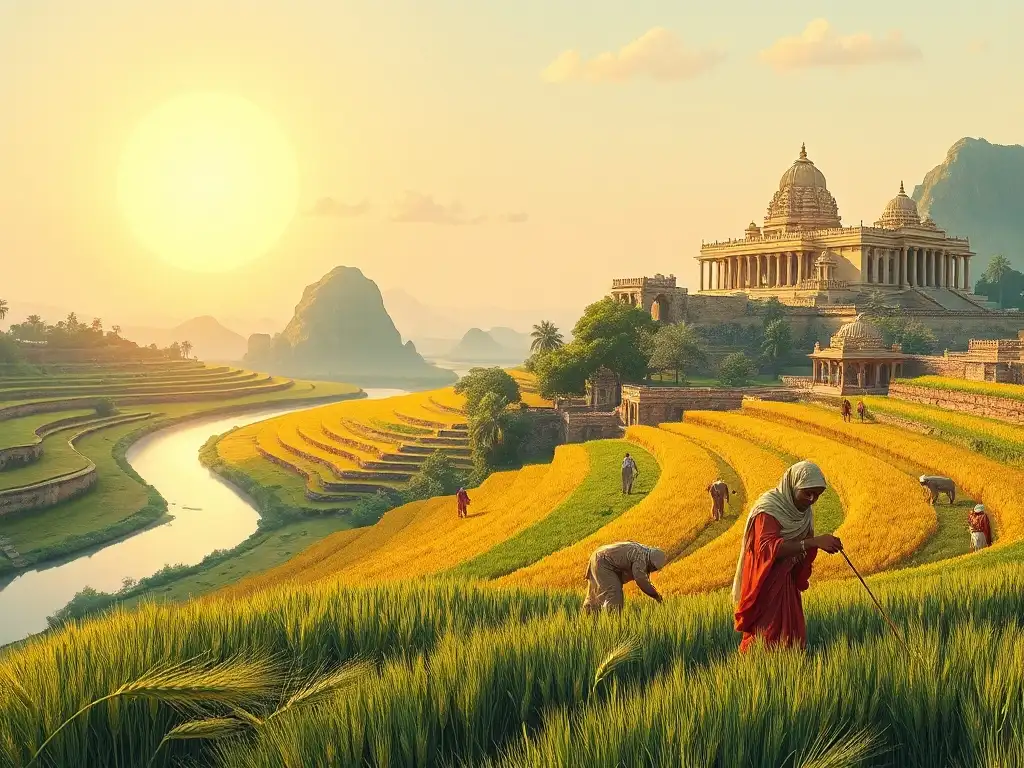
The transformation of agriculture in ancient India represents a pivotal aspect of the region's history, showcasing the evolution of farming techniques, irrigation methods, and crop cultivation that significantly influenced the socio-economic landscape from the Indus Valley Civilization (c. 3300–1300 BCE) through to the Gupta Empire (c. 320–550 CE). This journey highlights the ingenuity and adaptability of ancient Indian civilizations, as they harnessed the natural environment to sustain their populations and foster growth. Understanding these agricultural practices provides valuable insights into the complexities of ancient Indian society, its economy, and its contributions to global agricultural advancements.
Overview of Ancient Indian Civilizations
Ancient India was home to several prominent civilizations that thrived due to their agricultural practices.
- Indus Valley Civilization: Known for its advanced urban planning and sophisticated irrigation systems, the Indus Valley civilization laid the groundwork for subsequent agricultural developments.
- Vedic Period: Following the decline of the Indus Valley, the Vedic period saw the rise of pastoralism and the integration of agriculture with spiritual practices, shaping societal norms.
- Maurya Empire: Agriculture flourished under the Mauryan administration, with emphasis on state control and agricultural taxation.
- Gupta Empire: Often referred to as a golden age, this period witnessed the refinement of agricultural techniques and an increase in trade, leading to economic prosperity.
The interplay between these civilizations and their agricultural practices reflects their adaptability to changing environments and societal needs.
Importance of Agriculture in Ancient Indian Society
Agriculture was not merely a means of sustenance in ancient India; it was intricately linked to the culture, economy, and social structure of the time.
- Economic Backbone: Agriculture served as the primary economic activity, providing food security and generating surplus for trade.
- Cultural Significance: Farming practices were often interwoven with religious rituals and festivals, demonstrating the deep respect for nature and the agrarian way of life.
- Social Structure: The agrarian economy shaped social hierarchies, with land ownership often correlating with power and status within communities.
Thus, agriculture was a fundamental aspect of life that influenced various facets of ancient Indian civilizations.
Agricultural Practices in the Indus Valley Civilization
The Indus Valley Civilization is notable for its innovative agricultural practices, which laid the foundation for future developments in the region.
Evidence of Advanced Irrigation Systems
The archaeological findings from the Indus Valley suggest the presence of sophisticated irrigation techniques that enabled the cultivation of crops in an arid environment.
- Canals and Reservoirs: Evidence indicates the construction of canals and reservoirs that facilitated controlled water supply to fields.
- Water Management: The efficient management of water resources highlights the advanced understanding of hydrology among the Indus Valley inhabitants.
These irrigation systems were crucial in sustaining agricultural productivity and supporting urban life.
Crop Cultivation Techniques in the Indus Valley
The agricultural practices of the Indus Valley included a variety of crop cultivation techniques that showcased their agricultural prowess.
- Diverse Crops: Archaeological evidence reveals a range of cultivated crops, such as barley, wheat, pulses, and cotton, indicating a diversified agricultural system.
- Farming Tools: The use of plows and sickles demonstrates the technological advancements that facilitated efficient farming practices.
This diversity not only supported local diets but also contributed to trade networks with neighboring regions.
Role of Agriculture in Urban Planning
Agriculture played a significant role in the urban planning of Indus Valley cities, influencing their layout and infrastructure.
- City Layout: The organization of these cities, with granaries and storage facilities, reflects the centrality of agriculture to urban life.
- Economic Activity: The proximity of agricultural land to urban centers facilitated trade and ensured a steady supply of food to the growing populations.
In essence, the integration of agriculture within urban planning highlights its importance in sustaining complex societies in ancient India.
Transition to the Vedic Period
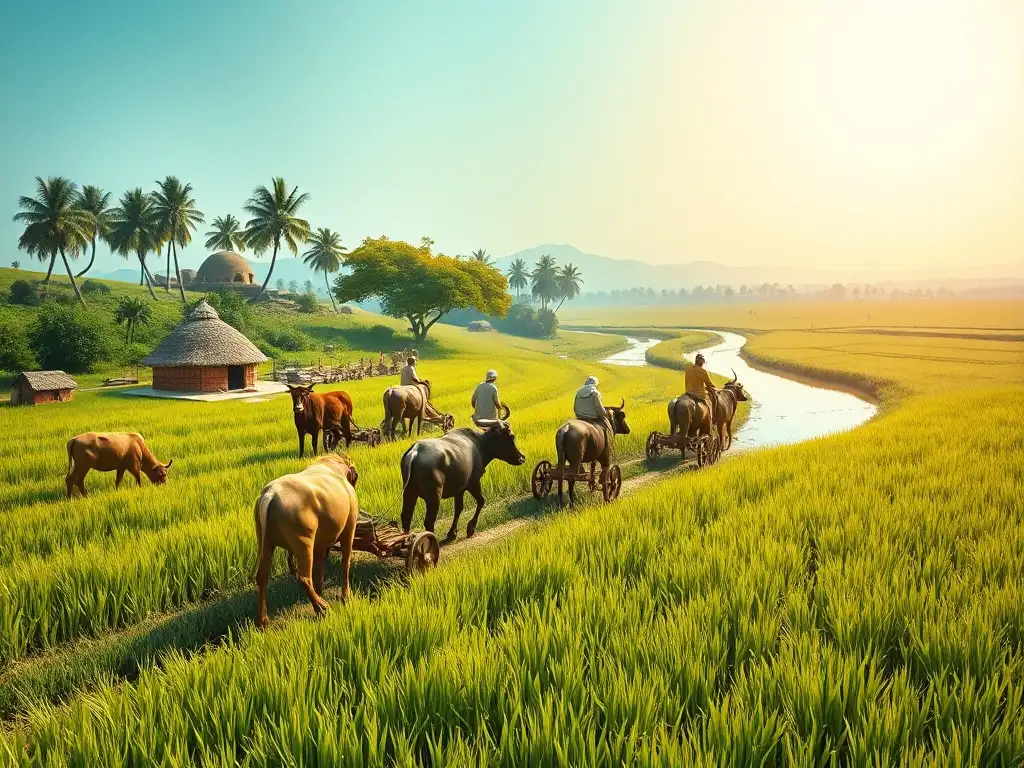
The transition from the Indus Valley Civilization to the Vedic Period marked a significant shift in ancient Indian agricultural practices. During the decline of the Indus Valley, which thrived around 2500 BCE, agricultural methods became less centralized. As communities evolved, a more localized form of agriculture emerged, influenced by the changing socio-political landscapes and patterns of settlement. The Vedic texts provide valuable insight into this period, highlighting the agrarian lifestyle that characterized early Vedic society.
Agriculture in the Vedic period was heavily reliant on the monsoon rains, leading to the development of seasonal farming practices. The use of the plow became widespread, and communities began to cultivate larger areas of land. The focus shifted from solely subsistence farming to a more organized system of agricultural production, which included crop rotation and the use of fertilizers derived from animal dung. This adaptation not only improved soil fertility but also increased crop yields, laying the groundwork for a more robust agrarian economy.
Changes in Agricultural Techniques and Tools
The Vedic period saw notable advancements in agricultural techniques and tools. Farmers began to utilize the ardha, a wooden plow that enabled deeper tillage of the soil, enhancing their ability to cultivate various crops. The introduction of iron tools around 600 BCE further revolutionized farming practices, making land preparation more efficient. The combination of these tools allowed for better aeration and drainage of the soil, which was crucial in managing water resources effectively.
Additionally, agricultural practices evolved to include systematic planting and harvesting methods. The concept of seasonal agriculture was established, with specific crops designated for planting at particular times of the year. This organized approach not only maximized productivity but also facilitated the development of agricultural calendars that helped farmers plan their activities.
Influence of Climate on Agriculture
Climate played a critical role in shaping agricultural practices during the Vedic period. The monsoon season, characterized by heavy rainfall, was crucial for crop cultivation, particularly for staples such as rice and barley. Farmers adapted their practices to align with the seasonal patterns, utilizing techniques such as bunding and terracing to manage water runoff and soil erosion effectively.
However, variations in climate could lead to challenges. Periods of drought could severely impact crop yields, prompting communities to develop strategies for water conservation. This included the construction of small ponds and check dams, which served as reservoirs for irrigation during dry spells. The ability to adapt to climatic changes was essential for maintaining agricultural productivity and ensuring food security in ancient Indian society.
The Emergence of New Crop Varieties
As agricultural practices evolved, so too did the variety of crops cultivated in ancient India. The Vedic period witnessed the domestication of several new crops, including legumes, which enriched the nutritional profile of the diet. Pulses such as lentils and chickpeas became staples, introduced alongside traditional grains like wheat and barley.
The emergence of new crop varieties was also influenced by trade and cultural exchange with neighboring regions. This exchange introduced exotic plants and agricultural techniques, leading to a diversification of crops. The increased variety not only supported the growing population but also fostered a more resilient agricultural system, capable of withstanding climatic fluctuations and pest infestations.
Agricultural Developments in the Maurya Empire
The Maurya Empire (322-185 BCE) marked a period of significant agricultural advancements in ancient India. The state, under rulers like Chandragupta Maurya and Ashoka, recognized the importance of agriculture as the backbone of the economy. As the empire expanded, so did its agricultural practices, influenced by centralized governance and innovations in land use.
State Control and Agricultural Production
The Mauryan state exercised considerable control over agricultural production, implementing policies that aimed to enhance productivity and ensure food security. Land revenue systems were established, where peasants paid taxes in the form of a portion of their produce. This system incentivized farmers to increase yields, as higher production meant greater wealth for both the state and the individual farmer.
Furthermore, the state took an active role in the management of irrigation systems, crucial for sustaining agriculture in regions prone to drought. The establishment of granaries and state-managed storage facilities helped stabilize food supplies and mitigate the effects of crop failures, demonstrating a sophisticated understanding of agricultural economics.
Innovations in Irrigation and Land Use
Innovations in irrigation practices were pivotal during the Maurya Empire. Advanced techniques, such as the construction of canals and reservoirs, facilitated the distribution of water to agricultural fields. This not only improved crop yields but also allowed for the expansion of arable land into previously uncultivated areas.
The Mauryan administration also encouraged the reclamation of wasteland and the establishment of new settlements, further increasing agricultural output. The systematic approach to land use, including the classification of land into various categories based on fertility, allowed for more efficient agricultural practices. This strategic management helped ensure that resources were utilized effectively, supporting the growing population of the empire.
Trade and Agricultural Surplus
The Maurya Empire saw a flourishing trade network, greatly influenced by agricultural surplus. The increase in agricultural production led to the rise of market towns and trade routes, connecting various regions. Surplus crops not only fed the urban populations but also became commodities for trade with neighboring kingdoms and distant lands.
Agricultural surplus was essential for the Mauryan economy, as it provided the foundation for economic stability and growth. The export of grains, textiles, and other agricultural products enabled the empire to engage in international trade, further enhancing its wealth and power. This economic interdependence underscored the significance of agriculture as a driving force behind the political and social structures of ancient Indian civilization.
The Gupta Empire: A Golden Age of Agriculture
The Gupta Empire, which flourished from approximately 320 CE to 550 CE, is often referred to as a golden age in Indian history, particularly in the realm of agriculture. This period marked significant advancements in agricultural practices, primarily due to the stabilizing effects of centralized governance and the promotion of trade. The Guptas encouraged agricultural expansion, leading to increased productivity and the emergence of new agricultural techniques that improved crop yields.
During this era, the agricultural landscape transformed as a result of the integration of various farming methods and the adaptation of indigenous practices. The empire's vast network of trade routes facilitated the exchange of agricultural goods, knowledge, and innovations, contributing to a more interconnected agrarian economy. The prosperity of the Gupta period can be attributed to the emphasis placed on agriculture as the backbone of the economy, leading to improvements in food security and population growth.
Agricultural Policies Under Gupta Rule
Under Gupta rule, agricultural policies were designed to enhance productivity and ensure the stability of the agrarian economy. The state implemented systematic land revenue assessments, which allowed for more equitable taxation based on the fertility of the land and the crops produced. This approach not only incentivized farmers to cultivate their lands effectively but also ensured that the state could collect revenues without imposing undue hardship on the peasantry.
Moreover, the Gupta administration encouraged the use of cooperative farming practices, fostering a sense of community among farmers. This policy facilitated the sharing of resources and knowledge, enabling farmers to adopt better techniques and improve crop yields. Additionally, the promotion of irrigation projects, including the construction of canals and reservoirs, played a crucial role in supporting agricultural activity, particularly in regions that relied heavily on seasonal rainfall.
Advancements in Farming Techniques
The Gupta period witnessed notable advancements in farming techniques that significantly enhanced agricultural productivity. Farmers began to adopt crop rotation practices, which not only maximized land use but also enriched the soil's nutrient content. The introduction of new tools, such as the iron plow, enabled deeper tilling of the soil, making it more suitable for a variety of crops.
Furthermore, advancements in irrigation techniques were pivotal during this era. Farmers employed both surface and subsurface irrigation methods, which allowed for more efficient water management, particularly in drought-prone areas. The use of wells and tanks became widespread, providing a reliable source of water and reducing reliance on monsoon rains. These innovations collectively contributed to increased agricultural output and the diversification of crops cultivated during the Gupta Empire.
Contributions to Agricultural Literature and Knowledge
The Gupta Empire was not only a time of agricultural practice but also a period rich in agricultural literature and knowledge. Scholars such as Varahamihira and Kautilya contributed to the understanding of agriculture through texts that explored various aspects of farming, including crop selection, soil management, and pest control. These writings served as valuable resources for farmers, enabling them to improve their practices and adapt to changing conditions.
Additionally, the Gupta period saw the compilation of texts that documented traditional agricultural wisdom, blending scientific knowledge with local practices. This synthesis of information laid the groundwork for future advancements in agronomy and helped preserve essential agricultural knowledge for subsequent generations. The emphasis on education and literature during this time played a vital role in disseminating agricultural knowledge across the empire, thereby enhancing productivity and sustainability.
Comparing Agricultural Practices Across Eras
The evolution of agriculture from the Indus Valley Civilization to the Gupta Empire reflects significant changes in practices, techniques, and societal organization. By comparing agricultural practices across these eras, we can gain insights into the continuity and transformation of ancient Indian agricultural systems.
Similarities in Irrigation Systems
Despite the differences in time and context, both the Indus Valley Civilization (circa 2500-1900 BCE) and the Gupta Empire recognized the importance of irrigation in agriculture. The Indus Valley featured sophisticated drainage and irrigation systems, including the use of canals and reservoirs, which allowed for controlled water supply to fields. Similarly, during the Gupta period, irrigation continued to be a cornerstone of agricultural productivity.
Both civilizations relied on monsoon rains and developed systems to manage water effectively, ensuring that crops received adequate moisture. The emphasis on irrigation not only facilitated crop cultivation but also played a crucial role in shaping the agricultural landscapes of ancient India.
Differences in Crop Choices and Techniques
One of the most striking differences between the agricultural practices of the Indus Valley Civilization and the Gupta Empire lies in the choice of crops and cultivation techniques. The Indus Valley farmers primarily cultivated wheat, barley, and legumes, relying on traditional methods suited to the floodplain environment. However, by the Gupta period, there was a notable diversification of crops, including rice, sugarcane, and various fruits and vegetables.
The Gupta Empire also witnessed the introduction of new cultivation techniques, such as the aforementioned crop rotation and improved irrigation methods, which were less prominent in the earlier Indus Valley agricultural system. These advancements allowed for increased productivity and a more varied diet among the population, contributing to the empire's overall prosperity.
Evolution of Land Use Strategies
Land use strategies evolved significantly from the time of the Indus Valley Civilization to the Gupta Empire. In the Indus Valley, land was often organized in a communal manner, with an emphasis on subsistence farming. As the Gupta Empire emerged, land ownership began to shift towards individual ownership, allowing for more efficient management of resources and better incentives for productivity.
The Gupta period also saw the emergence of more sophisticated land management practices, including the classification of land based on fertility and suitability for various crops. This evolution in land use strategies reflects broader social and economic changes, as agriculture became more commercialized and integrated into the larger economy of the Gupta Empire. The focus on maximizing land use efficiency set the stage for future agricultural developments in ancient India.
The Impact of Religion and Culture on Agriculture

The interplay between religion, culture, and agriculture in ancient India significantly shaped agricultural practices and land use. From the Indus Valley Civilization, where agriculture was closely linked with the worship of fertility deities, to the Gupta Empire's more structured agricultural systems, the influence of spiritual beliefs on farming was profound. Farmers often sought divine favor to ensure bountiful harvests, which led to the establishment of rituals and practices aimed at appeasing gods associated with agriculture, such as Parvati and Krishna.
Cultural practices also intertwined with agricultural methods, revealing a society deeply rooted in its environment. The cyclical nature of agricultural activities, such as sowing and harvesting, was often celebrated through various cultural expressions. The agricultural landscape was not merely a physical space but a canvas where spirituality and cultural identity manifested, shaping the community's relationship with the land.
Agricultural Festivals and Their Significance
Agricultural festivals played a crucial role in ancient Indian society, serving both religious and social functions. These festivals were celebrated to mark important agricultural milestones, such as planting and harvest seasons. For instance, festivals like Makar Sankranti and Pongal were dedicated to the harvest, expressing gratitude for the crops received.
These occasions fostered community bonding and reinforced cultural values. They also involved rituals that sought blessings for future crops, ensuring that agricultural practices remained aligned with spiritual beliefs. The communal aspect of these festivals helped in sharing agricultural knowledge and innovations, which contributed to improved farming techniques and productivity.
Religious Texts and Agricultural Guidelines
Religious texts from ancient India, such as the Vedas and Manusmriti, contain numerous references to agricultural practices and guidelines. These texts not only addressed the spiritual aspects of farming but also provided practical advice on crop rotation, irrigation, and livestock management. For example, the Arthashastra by Kautilya discussed the importance of water management and agricultural planning, emphasizing the need for a well-organized agricultural economy.
Additionally, the texts highlighted the connection between agriculture and societal prosperity, advocating for sustainable practices that would ensure the well-being of both the land and its people. Such guidelines were crucial for the development of agricultural techniques that would endure through generations, influencing farming practices well beyond the ancient era.
Conclusion: The Legacy of Ancient Indian Agricultural Practices
The agricultural practices of ancient India laid a solid foundation for the region’s economic and social structures, leaving an indelible mark on its history. The transformation from the rudimentary farming techniques of the Indus Valley to the sophisticated methods employed during the Gupta Empire showcases the evolution of agriculture as a vital component of civilization.
Lasting Influence on Modern Agriculture
The legacy of ancient Indian agricultural practices continues to resonate in modern agricultural systems. Techniques such as crop rotation, organic farming methods, and intricate irrigation systems find their roots in ancient practices. The emphasis on sustainable agriculture and respect for the land, as seen in ancient texts and traditions, remains relevant today as contemporary societies strive for environmentally friendly farming practices.
Reflection on the Importance of Historical Agricultural Development
Understanding the agricultural developments of ancient India offers valuable insights into the current agricultural landscape. The innovations and adaptations that arose from the historical context of farming practices reveal how cultural and religious beliefs can shape agricultural economies. This reflection underscores the importance of learning from historical agricultural developments, as they provide not only lessons in sustainability but also a deeper appreciation for the cultural heritage that has shaped modern agricultural practices.
References and Further Reading
To gain a deeper understanding of ancient Indian agricultural practices and the transformations that occurred from the Indus Valley civilization to the Gupta Empire, a variety of resources can be explored. These sources include scholarly books, academic journals, and articles that offer insights into the agricultural techniques, land use, and irrigation systems of ancient India. Below are some recommended readings.
Suggested Books on Ancient Indian Agriculture
-
"The Archaeology of Ancient India: From the Indus to the Gupta Empire" by R. S. Sharma
This comprehensive book examines the archaeological evidence of agriculture in ancient India, tracing the evolution of farming practices from the Indus Valley civilization through to the Gupta period.
-
"Farmers and Kings: The Social Change in the Middle Ganges, 600 BCE to 600 CE" by R. S. Sharma
Sharma discusses the socio-economic transformations that influenced agricultural practices in northern India, providing context to the land use and irrigation developments.
-
"Ancient Indian Agriculture: A Historical Perspective" by S. P. Gupta
This work delves into various agricultural techniques and tools used in ancient India, exploring their significance in the broader context of society and economy.
-
"A History of Indian Agriculture" by R. C. Dutt
Dutt’s classic text covers the historical evolution of agriculture in India, including the advances in irrigation and crop cultivation throughout different periods.
-
"The Indus Civilization: A Contemporary Perspective" by Jane McIntosh
This book offers insights into the agricultural practices of the Indus Valley civilization, emphasizing the technological innovations in irrigation that laid the foundation for future agricultural systems.
Academic Journals and Articles on Historical Agricultural Practices
- "Agricultural History" - This journal publishes articles that focus on the history of agricultural practices globally, including studies on ancient Indian agriculture. Articles often explore the technological advancements and their impacts on society.
- "Journal of Asian Studies" - Featuring scholarly articles on various aspects of Asian history, this journal includes studies on the agricultural practices of ancient India, highlighting the socio-economic effects of agriculture on civilization.
- "Economic and Political Weekly" - This journal includes critical discussions and analyses of agricultural policies and practices, with historical retrospectives that often reference ancient Indian agricultural systems.
- "The Journal of Indian History" - Dedicated to the exploration of Indian history, this journal frequently publishes articles that analyze the agricultural methodologies and land use changes throughout different periods, including the Indus Valley and Gupta Empire.
- "Ancient India: A Historical Overview": (available in various historical compilations) - This article provides a concise overview of agricultural practices through the ages, offering insights into the continuity and change that defined ancient Indian agriculture.
These resources are invaluable for anyone interested in understanding the evolution of agricultural practices in ancient India, providing a robust foundation for further exploration of land use and irrigation systems.
- Introduction to Ancient Indian Agricultural Practices
- Overview of Ancient Indian Civilizations
- Importance of Agriculture in Ancient Indian Society
- Agricultural Practices in the Indus Valley Civilization
- Transition to the Vedic Period
- Agricultural Developments in the Maurya Empire
- The Gupta Empire: A Golden Age of Agriculture
- Comparing Agricultural Practices Across Eras
- The Impact of Religion and Culture on Agriculture
- Conclusion: The Legacy of Ancient Indian Agricultural Practices
- References and Further Reading
- What were the primary agricultural practices in the Indus Valley Civilization?
- How did agricultural practices evolve during the Vedic period?
- What innovations in agriculture occurred during the Maurya and Gupta Empires?
- How did ancient Indian agricultural practices impact trade?
- What role did agriculture play in the social structure of ancient Indian civilizations?
Frequently Asked Questions
What were the primary agricultural practices in the Indus Valley Civilization?
The Indus Valley Civilization relied on irrigation techniques, cultivating crops like wheat, barley, and cotton. They developed sophisticated water management systems to support their farming needs.
How did agricultural practices evolve during the Vedic period?
During the Vedic period, agriculture saw the introduction of new crops and the use of ploughs, enhancing productivity. The emphasis on cattle rearing also played a significant role in their farming methods.
What innovations in agriculture occurred during the Maurya and Gupta Empires?
The Maurya and Gupta Empires witnessed advancements such as crop rotation and improved fertilization techniques. These innovations led to increased yields and the diversification of crops.
How did ancient Indian agricultural practices impact trade?
Agricultural surplus in ancient India facilitated trade with neighboring regions. This led to the exchange of goods, ideas, and cultural practices, significantly enriching the economy and society.
Agriculture was central to the social structure, providing the foundation for settlements and contributing to the economy. It also influenced social hierarchies, with land ownership often determining status and power within communities.
Final Reflection: The Enduring Legacy of Ancient Indian Agricultural Practices
The evolution of agriculture from the Indus Valley to the Gupta Empire highlights the profound impact of ancient Indian agricultural practices on contemporary society. Today, as we grapple with issues of food security and sustainable farming, it is crucial to recognize how these early innovations laid the groundwork for modern agricultural techniques. The ingenuity of ancient farmers not only shaped their communities but also set a precedent for agricultural resilience that continues to inspire us.
The transformation of agriculture in ancient India reflects a dynamic interplay between environment, culture, and technology. This rich history has influenced not only agricultural practices but also social structures, trade, and even spiritual beliefs. As we explore these ancient practices, we see their echoes in today’s agricultural methods and philosophies. Agriculture is the foundation of civilization and any stable economy.
This quote resonates deeply as we reflect on how the foundations laid by our ancestors continue to support our societies today.
As we contemplate the lessons from ancient Indian agricultural practices, I invite you to consider how these insights can be applied in your own life. Reflect on the importance of sustainable practices and the interconnectedness of our food systems. Whether you are a gardener, a consumer, or an advocate for agricultural reform, your actions can contribute to a more sustainable future. Let us honor the legacy of those who came before us by embracing innovative practices that respect the earth and nourish our communities.
Unveil the Legacy of Ancient Agriculture!
Thank you for diving deep into the rich agricultural history from the Indus Valley to the Gupta Empire! Your exploration of this transformation not only enriches your understanding but also connects you with the roots of our civilization. Now that you’ve gained insight into these ancient practices, it’s time to take action and further your journey of discovery.
- Explore local agricultural museums or historical sites to observe how ancient techniques continue to shape modern farming.
- Share your newfound knowledge with friends or on social media—let's ignite a conversation about the impact of agriculture throughout history!
- Join a community forum or local group dedicated to sustainable agriculture to connect with fellow enthusiasts.
As you reflect on this fascinating journey, consider this: How can the agricultural innovations from ancient India inspire today's sustainable practices? We encourage you to share your thoughts in the comments below!