
The Transition from Subsistence to Commercial Agriculture in Ancient India

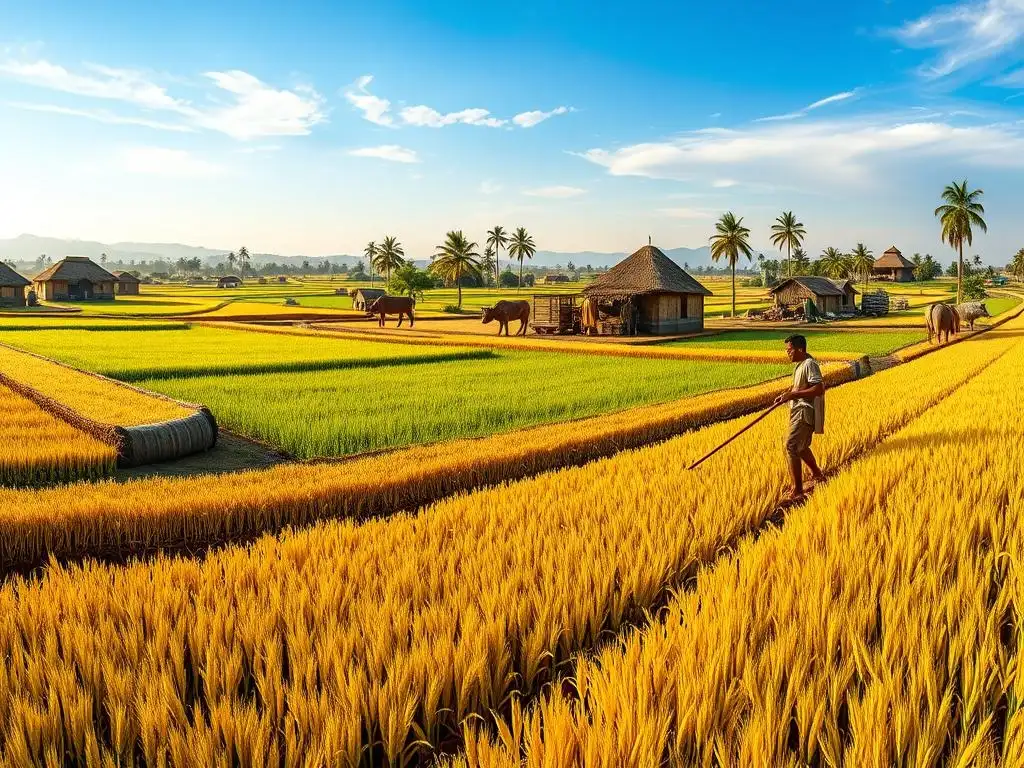
Welcome to Ancient India History, where we embark on a fascinating journey through the vibrant tapestry of ancient Indian civilizations. This week, we delve into the transformative ancient Indian agricultural practices that marked the shift from subsistence to commercial agriculture. Discover how these innovations not only nourished the people but also laid the groundwork for dynamic economic growth and cultural exchange.
Curious about the techniques and tools that shaped this era? Join us as we uncover the stories and insights that define the agricultural landscape of ancient India, inviting you to explore further and deepen your understanding of this remarkable history.

Introduction to Ancient Indian Agricultural Practices
The evolution of agriculture in ancient India reflects a profound transformation that shaped the civilization's economic, social, and cultural fabric. This shift from subsistence to commercial agriculture marked a critical juncture in Indian history, fostering advancements in agricultural techniques, crop diversification, and trade networks.
Understanding the intricate dynamics of ancient Indian agricultural practices not only highlights the ingenuity of early farmers but also sheds light on the broader implications for society and economy as a whole. The journey of agriculture from meeting mere survival needs to becoming a cornerstone of economic prosperity is a testament to the resilience and adaptability of ancient Indian civilizations.
Overview of Agriculture in Ancient India
Ancient Indian agriculture can be traced back to the Indus Valley Civilization, where evidence of advanced farming techniques, irrigation systems, and crop cultivation has been uncovered. The rich soil of river valleys provided fertile ground for the cultivation of various crops such as wheat, barley, rice, and pulses. As civilization progressed, agricultural practices evolved, influenced by environmental factors, technological innovations, and socio-political changes. The adoption of new methods, such as crop rotation and improved irrigation, enabled farmers to enhance yields and support growing populations.
Importance of Agriculture in Ancient Indian Society
Agriculture served as the backbone of ancient Indian society, underpinning economic stability and social structure. The agrarian economy facilitated trade and commerce, allowing surplus produce to be exchanged for goods and services. Furthermore, agriculture played a crucial role in the cultural and religious practices of the time, with rituals often centered around the agricultural calendar. The reverence for the earth and its bounty is evident in ancient texts and practices, reflecting a deep connection between agriculture and spirituality.
Subsistence Agriculture in Ancient India
Definition of Subsistence Agriculture
Subsistence agriculture in ancient India refers to a system of farming where communities grow crops primarily for their own consumption rather than for sale or trade. This form of agriculture was characterized by small-scale farming operations, where families or communities cultivated a variety of crops to meet their dietary needs.
Key Features of Subsistence Farming
The key features of subsistence farming in ancient India included:
- Diverse Crops: Farmers cultivated a variety of crops, ensuring food security and nutritional diversity.
- Traditional Techniques: Farming practices were often based on inherited knowledge, utilizing tools and methods passed down through generations.
- Local Consumption: Produce was mainly consumed locally, with minimal surplus for trade.
- Community-Centric: Farming was a communal activity, with families working together to plant, tend, and harvest crops.
Challenges Faced by Subsistence Farmers
Despite its significance, subsistence agriculture faced numerous challenges, including:
- Environmental Factors: Unpredictable weather patterns, floods, and droughts could devastate crops, threatening food security.
- Limited Resources: Farmers often operated with minimal tools and technology, hindering productivity.
- Market Access: Isolation of rural communities made it difficult to access markets, limiting opportunities for trade.
- Population Pressure: Growing populations increased the demand for food, stressing existing agricultural systems and practices.
This exploration of subsistence agriculture lays the groundwork for understanding the subsequent transition to commercial agriculture, which introduced new dynamics and opportunities in ancient Indian farming practices.
Evolution towards Commercial Agriculture
The transition from subsistence to commercial agriculture in ancient India marks a significant phase in the development of agricultural practices that shaped the socio-economic landscape of the region. Initially, agriculture in ancient India was primarily subsistence-based, characterized by small-scale farming aimed at meeting the immediate needs of families and local communities. This practice involved growing a variety of crops in limited quantities, ensuring food security but leaving little surplus for trade or market exchanges.
As societies evolved, several factors catalyzed a shift towards more commercialized agricultural methods. This transition was not instantaneous; rather, it unfolded over centuries, influenced by climatic changes, population growth, and the development of trade networks. By the time of the Maurya and Gupta empires, the agricultural system underwent substantial advancements, leading to the establishment of agriculture as a significant economic sector. The introduction of irrigation techniques, crop rotation, and improved farming tools played a pivotal role in enhancing productivity, thus paving the way for commercial agriculture.
Historical Context of Agricultural Developments
The roots of agricultural practices in ancient India can be traced back to the Indus Valley Civilization, which flourished around 2500 BCE. Archaeological evidence reveals that this civilization engaged in advanced agricultural techniques, cultivating wheat, barley, and pulses. The emergence of settled agricultural communities marked a departure from nomadic lifestyles, allowing for population growth and the formation of complex societies.
As time progressed, particularly during the Vedic period (c. 1500–500 BCE), agricultural practices became more sophisticated. Texts such as the Rigveda mention various crops and agricultural rituals, reflecting the importance of agriculture in societal organization. The subsequent periods saw the introduction of iron tools, which significantly improved farming efficiency, and the establishment of trade routes that facilitated the exchange of surplus agricultural products. By the time of the Maurya Empire (c. 322–185 BCE), a more organized approach to agriculture emerged, setting the stage for commercial agriculture.
Factors Leading to the Transition
Several key factors contributed to the transition from subsistence to commercial agriculture in ancient India:
- Population Growth: As populations expanded, the demand for food increased, necessitating higher agricultural output.
- Technological Innovations: Advancements in farming tools and techniques, such as plows and irrigation systems, enhanced productivity, allowing farmers to cultivate larger areas and improve yields.
- Market Development: The rise of urban centers created demand for surplus agricultural products, leading farmers to shift towards cash crops for trade.
- Political Stability: Empires like the Mauryas and Guptas provided a stable political environment that facilitated trade and commerce, encouraging farmers to produce for markets rather than solely for local consumption.
Characteristics of Commercial Agriculture in Ancient India
Commercial agriculture in ancient India was characterized by a number of distinct features that set it apart from subsistence farming. This sector not only focused on food production for local consumption but also emphasized the cultivation of cash crops aimed at meeting market demands.
Definition and Features of Commercial Agriculture
Commercial agriculture can be defined as the practice of cultivating crops primarily for sale in local or distant markets rather than for personal consumption. This approach led to several defining features:
- Specialization: Farmers began to specialize in specific crops that were in demand, such as cotton, sugarcane, and spices, leading to a diversification of agricultural practices.
- Market Orientation: The focus shifted from self-sufficiency to producing surplus crops for sale, resulting in the establishment of trade networks.
- Increased Scale: The scale of agricultural operations expanded as farmers sought to maximize profits, often leading to larger fields and more intensive farming practices.
Major Crops Cultivated for Commerce
Several crops emerged as staples of commercial agriculture in ancient India, driven by both local tastes and international trade demands. Some of the most notable crops included:
- Cotton: Widely cultivated in regions like Gujarat and Deccan, cotton was essential for the textile industry and trade.
- Sugarcane: The production of sugar and jaggery became significant, with sugarcane being a major cash crop.
- Spices: Spices such as black pepper, cardamom, and turmeric were highly sought after in both domestic and international markets, contributing to India's reputation as a spice hub.
Agricultural Techniques and Tools
The evolution of agricultural techniques and tools played a crucial role in supporting commercial agriculture in ancient India. Key advancements included:
- Irrigation Systems: The development of canals and wells allowed for more efficient water management, enabling farmers to cultivate larger areas even in arid regions.
- Plowing Techniques: The use of iron plows significantly improved soil preparation, enhancing crop yields and facilitating the cultivation of a wider variety of crops.
- Crop Rotation: Farmers began practicing crop rotation to maintain soil fertility and optimize land use, ensuring sustainable agricultural practices that supported long-term commercial viability.
Through these developments, ancient Indian agricultural practices transitioned from subsistence farming to a more dynamic, market-oriented system, laying the groundwork for future agricultural advancements and economic growth.
Impact of the Transition on Ancient Indian Society
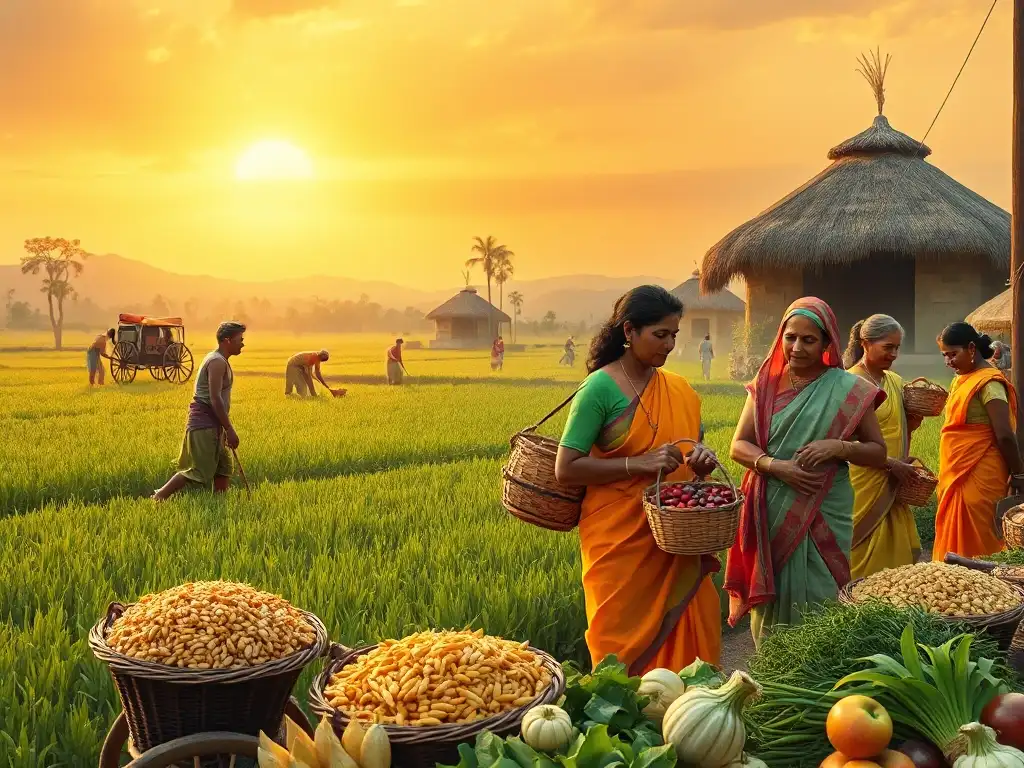
The transition from subsistence to commercial agriculture in ancient India marked a significant turning point that reshaped not only agricultural practices but also had profound effects on society as a whole. This transformation was driven by various factors including population growth, technological advancements, and increasing trade networks. As farmers began to produce surplus crops for sale rather than merely for survival, the socio-economic landscape of ancient Indian civilization evolved dramatically.
Economic Changes and Growth
One of the most notable outcomes of this transition was the economic growth it fostered. With the advent of commercial agriculture, farmers began to specialize in the cultivation of certain cash crops, which significantly increased productivity and efficiency. This specialization led to:
- Increased Trade: The surplus production allowed for trade not just within local markets but also with distant regions, facilitating economic interdependence.
- Development of Market Centers: As agricultural surplus became more common, market towns began to emerge, where goods could be exchanged, leading to the establishment of a more complex economic infrastructure.
- Investment in Infrastructure: The rise of trade necessitated improvements in transportation and storage, prompting investments in roads, granaries, and irrigation systems.
The economic benefits of commercial agriculture not only enriched the local economies but also contributed to the overall prosperity of ancient Indian states, allowing for the funding of public works, military campaigns, and cultural advancements.
Social Implications
The shift to commercial agriculture also had significant social implications. It transformed the way communities operated and interacted. Key social changes included:
- Class Distinctions: As wealth began to accumulate with successful farmers and traders, new social hierarchies emerged, leading to the stratification of society based on economic status.
- Labor Dynamics: The demand for labor increased as commercial agriculture expanded. This shift led to the rise of labor specialization, where individuals could focus on specific agricultural tasks or other trades, thereby enhancing skills and productivity.
- Cultural Exchange: The increase in trade and interaction with various communities facilitated cultural exchanges, enriching the social fabric with different customs, ideas, and agricultural techniques.
Overall, the transition to commercial agriculture not only reshaped the economic landscape of ancient India but also significantly influenced social structures and cultural dynamics.
Case Studies of Commercial Agricultural Practices
Examining specific case studies reveals how diverse regions in ancient India adapted commercial agricultural practices, leading to varied outcomes based on local conditions, resources, and cultures.
Notable Regions with Successful Commercial Agriculture
Several regions in ancient India became notable for their successful commercial agricultural practices, each demonstrating unique adaptations and innovations:
- The Gangetic Plains: Renowned for its fertile soil, this region became a hub for the production of rice, wheat, and pulses. The surplus enabled extensive trade, both locally and with neighboring regions.
- The Deccan Plateau: Farmers in this region specialized in cash crops like cotton and millets. The introduction of irrigation techniques significantly enhanced productivity, contributing to their success in commercial agriculture.
- The Coastal Areas: Regions along the coasts engaged in the cultivation of spices and rice for trade, establishing robust maritime trade networks that connected them to international markets.
These regions exemplified how local environmental conditions and community practices influenced the transition to commercial agriculture, fostering economic growth and cultural exchanges.
Analysis of Specific Agricultural Innovations
The evolution of agricultural practices in ancient India was characterized by significant innovations that facilitated the transition from subsistence to commercial agriculture. Key innovations included:
- Irrigation Techniques: The development of sophisticated irrigation systems, such as canals and reservoirs, allowed farmers to cultivate larger areas and manage water resources effectively, leading to increased yields.
- Crop Rotation and Diversification: Farmers began to adopt crop rotation and diversify their crops, which improved soil fertility and reduced the risk of crop failure, thereby enhancing food security and market stability.
- Use of Tools and Implements: The introduction of advanced agricultural tools, such as the plow and sickle, improved efficiency in planting and harvesting, allowing for greater productivity and the ability to support larger populations.
These innovations were critical in transforming agricultural practices, enabling ancient Indian farmers to shift towards commercial agriculture, ultimately leading to a more prosperous and interconnected society.
Conclusion
The transition from subsistence to commercial agriculture in ancient India marked a significant turning point in the socio-economic landscape of the region. This evolution was driven by various factors, including population growth, environmental changes, advancements in farming techniques, and the increasing demand for agricultural products. As communities began to shift from simply growing enough food for their families to cultivating surplus crops for trade, they laid the groundwork for a more complex economy. The development of trade routes and market exchanges further facilitated this transformation, allowing agricultural practices to flourish and diversify.
Ancient Indian agricultural practices not only contributed to the economic stability of communities but also enriched the cultural fabric of society. The knowledge and techniques developed during this period have had lasting impacts on modern agricultural practices, shaping how food is produced and consumed today.
Summary of the Transition from Subsistence to Commercial Agriculture
The transition from subsistence to commercial agriculture in ancient India can be summarized in several key phases:
- Initial Subsistence Farming: Early agricultural practices were primarily focused on subsistence, with farmers cultivating crops primarily for their own consumption. This phase was characterized by the use of simple tools and limited crop diversity.
- Development of Surplus Production: As agricultural techniques improved, farmers began to produce surplus crops. This surplus allowed for trade and the emergence of local markets, leading to increased economic interactions among communities.
- Trade and Commercialization: With the rise of trade routes, agricultural products began to be exchanged over larger distances. This commercialization of agriculture prompted farmers to adopt more specialized practices, focusing on high-demand crops.
- Cultural Integration: Agricultural commercialism integrated with cultural practices, leading to festivals and rituals centered around harvests and farming, which further solidified the importance of agriculture in ancient Indian society.
Legacy of Ancient Indian Agricultural Practices on Modern Agriculture
The legacy of ancient Indian agricultural practices continues to influence modern agriculture in several ways:
- Crop Diversity: Ancient India was home to a rich variety of crops, including rice, wheat, pulses, and spices. This emphasis on diverse crop cultivation is reflected in modern agricultural practices that advocate for biodiversity to enhance soil health and resilience.
- Irrigation Techniques: Innovative irrigation methods, such as the use of canals and wells developed during ancient times, laid the groundwork for contemporary water management practices that aim to optimize water use in agriculture.
- Sustainable Practices: The holistic approach of ancient farmers, who often practiced crop rotation and intercropping, provides valuable lessons in sustainable agriculture, emphasizing the importance of maintaining ecological balance.
- Cultural Practices: Many traditional farming methods and rituals related to agriculture continue to be practiced today, preserving the cultural heritage linked to farming in various regions of India.
References
Suggested Further Reading on Ancient Indian Agricultural Practices
- "Agricultural History of India" - This book offers a comprehensive overview of the evolution of agricultural practices in India, tracing changes from ancient times to the present.
- "The Origins of Agriculture in India" - A detailed examination of the archaeological findings that shed light on the early agricultural societies in ancient India.
- "Rural Economy in Ancient India" - This work explores the economic systems that developed alongside agricultural practices and their social implications.
Academic Sources and Archaeological Findings
- "Ancient Indian Farming Techniques: A Historical Perspective": - An academic journal article that discusses various farming techniques used in ancient India, focusing on their historical context and evolution.
- Archaeological Reports from the Indus Valley - Various excavation reports document findings related to agricultural tools and methods used by early agrarian societies.
- "Trade Networks and Agricultural Development in Ancient India" - A research paper analyzing how trade influenced agricultural practices and the economic transition from subsistence to commercial agriculture in ancient Indian civilizations.
- Introduction to Ancient Indian Agricultural Practices
- Subsistence Agriculture in Ancient India
- Evolution towards Commercial Agriculture
- Characteristics of Commercial Agriculture in Ancient India
- Impact of the Transition on Ancient Indian Society
- Case Studies of Commercial Agricultural Practices
- Conclusion
- References
- What were the primary agricultural practices in ancient India?
- How did the transition to commercial agriculture impact society?
- What role did the Indus Valley Civilization play in agriculture?
- How did ancient Indian farmers adapt to different climatic conditions?
- What contributions did the Gupta Empire make to agriculture?
Frequently Asked Questions
What were the primary agricultural practices in ancient India?
Ancient Indian agricultural practices included crop rotation, irrigation techniques, and the use of plows. These practices evolved over time to support growing populations and changing economic needs.
How did the transition to commercial agriculture impact society?
The shift to commercial agriculture led to the growth of trade networks and urban centers. It transformed the economy, shifting from subsistence farming to producing surplus for market exchange.
What role did the Indus Valley Civilization play in agriculture?
The Indus Valley Civilization was a pioneer in agricultural innovation, utilizing advanced irrigation and drainage systems. Their practices laid the foundation for future agricultural developments in ancient India.
How did ancient Indian farmers adapt to different climatic conditions?
Farmers in ancient India adapted by developing diverse crops suited to local climates and soils. This adaptability was crucial for sustaining agricultural productivity across various regions.
What contributions did the Gupta Empire make to agriculture?
The Gupta Empire advanced agricultural techniques, promoting the use of fertilizers and improved irrigation methods. This period saw significant growth in agricultural output and trade, enhancing economic stability.
Final Reflection: The Evolution of Ancient Indian Agricultural Practices
The transition from subsistence to commercial agriculture in ancient India highlights the profound impact of agricultural practices on societal development. As we explore the intricate tapestry of ancient Indian agricultural practices, we uncover not only the techniques and innovations that shaped the economy but also the cultural and social dynamics that emerged from these shifts. This evolution is not merely a historical narrative; it resonates with contemporary discussions on sustainability and food security, reminding us that our agricultural choices today can echo through time.
Cultural and social landscapes have been deeply influenced by the agricultural practices of ancient India, shaping communities and economies for centuries. The shift towards commercial agriculture fostered trade, led to urbanization, and created a complex web of interdependence among various societal groups. As we reflect on this transformation, we can appreciate the words of Mahatma Gandhi: The future depends on what you do today.
This sentiment underscores the importance of understanding our agricultural heritage as we navigate the challenges of modern farming and food production.
As we conclude this exploration, I invite you to reflect on the lessons gleaned from ancient Indian agricultural practices. Consider how the choices we make in our own lives can contribute to a sustainable future. Whether through supporting local farmers, embracing organic practices, or advocating for equitable food systems, each action can create ripples of change. Let us honor the legacy of our ancestors by fostering a deeper connection with the land and committing to practices that nurture both our communities and the environment.
Embrace the Journey of Agricultural Transformation!
Thank you for exploring the fascinating evolution of agriculture in ancient India! Your interest in the transition from subsistence to commercial practices opens a door to understanding not only our history but also the valuable lessons it offers for modern agriculture.
Now, it’s time to take action and deepen your connection with this captivating topic:
- Explore local agricultural practices in your area or community to see how they resonate with ancient methodologies.
- Share this article with friends or on social media to spark discussions about our rich agricultural heritage and its relevance today.
- Consider visiting a local farm or participating in workshops that focus on sustainable and commercial farming techniques to witness the transition in action.
What insights about agricultural practices from ancient India inspire you the most, and how can they be applied to today’s farming challenges? Join the conversation and share your thoughts!