
The Maurya Empire and Its Approach to Governance: A Historical Perspective

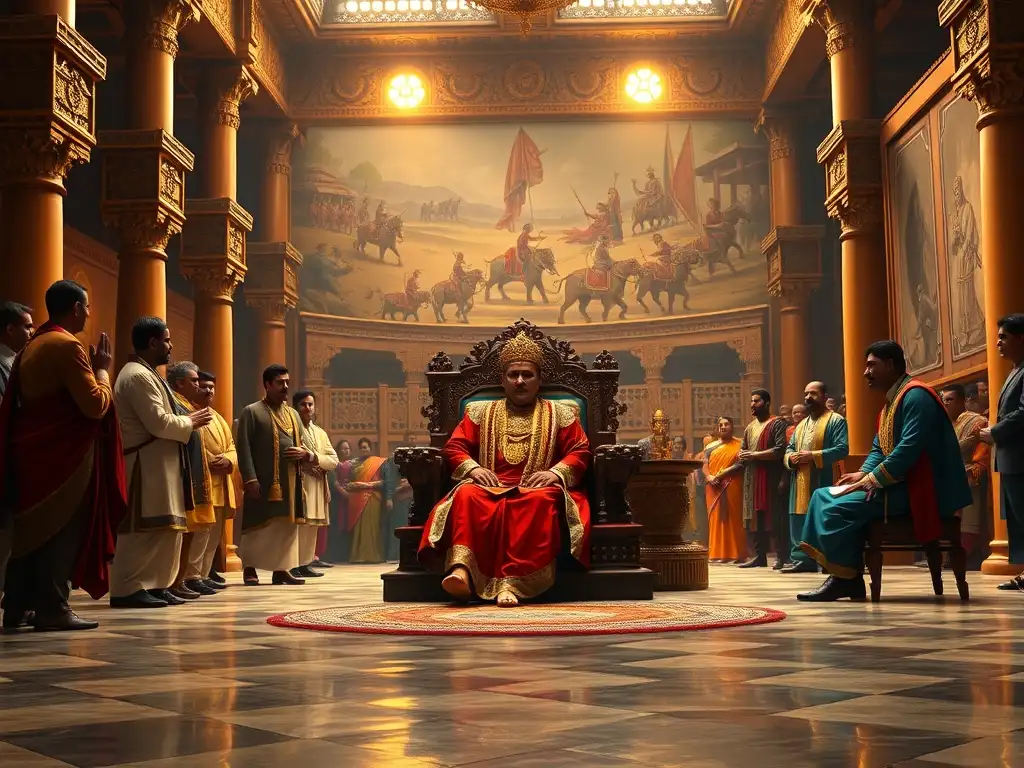
Welcome to Ancient India History, where we embark on a fascinating journey through time to uncover the rich tapestry of ancient Indian civilizations. From the enigmatic Indus Valley to the flourishing Gupta Empire, each era offers a treasure trove of insights into culture, innovation, and governance. In our featured article, we delve into the Maurya Empire's governance strategies, revealing how these ancient rulers laid the foundation for effective administration that resonates even today.
Join us as we explore this captivating aspect of history and discover the remarkable legacy of one of India's greatest empires. Your adventure into the past begins now!
Introduction to the Maurya Empire
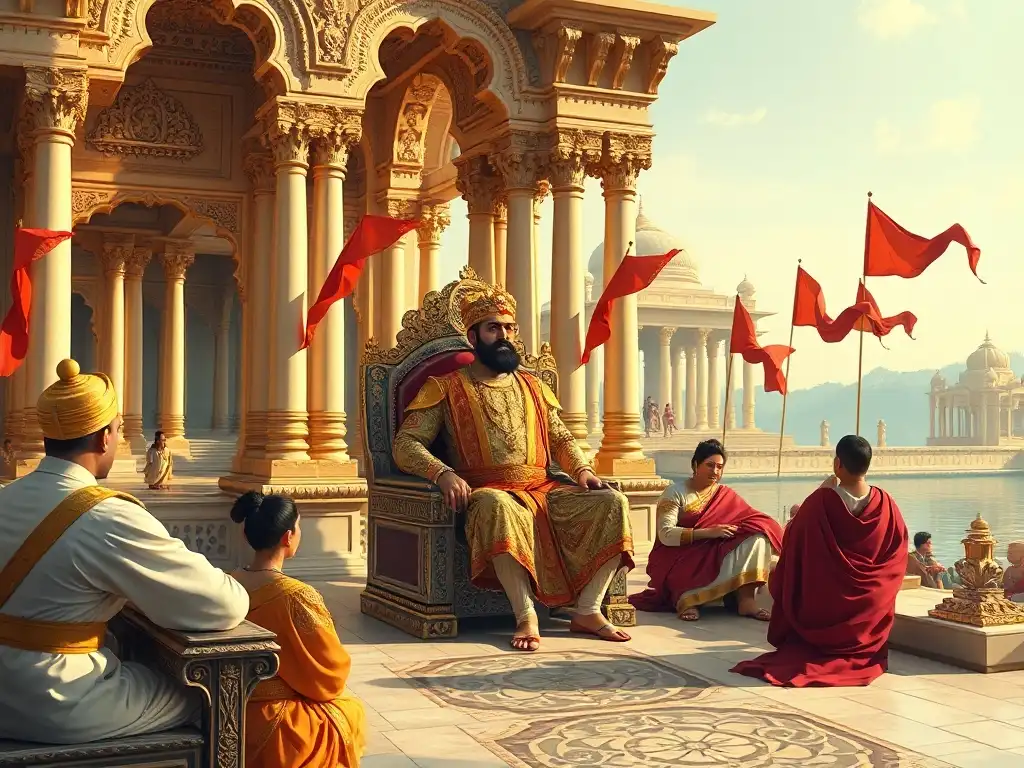
The Maurya Empire, one of the most significant ancient Indian civilizations, flourished from approximately 322 BCE to 185 BCE. This empire is renowned for its impressive political structure and innovative governance strategies that played a crucial role in unifying a vast and diverse territory.
Under the leadership of notable emperors such as Chandragupta Maurya and his grandson Ashoka, the Maurya Empire established a framework of governance that not only influenced subsequent Indian states but also left a lasting legacy on the political landscape of the region. This article delves into the Maurya Empire's governance strategies, exploring the intricate balance between centralized authority and regional administration, and highlighting the empire's emphasis on effective leadership.
Overview of the Maurya Empire’s Historical Context
The Maurya Empire emerged in the wake of the fragmented political landscape following the decline of the Indus Valley Civilization and the subsequent rise of regional kingdoms. Founded by Chandragupta Maurya with the help of his advisor Chanakya, the empire expanded rapidly, reaching its zenith under Ashoka, who is often celebrated for his commitment to governance that emphasized moral principles. The historical context of the Maurya Empire is vital to understanding its governance strategies, which were designed to maintain order, promote economic prosperity, and foster cultural integration across diverse populations.
Significance of Governance in Ancient Indian Civilizations
Governance in ancient Indian civilizations was pivotal for maintaining social order and facilitating the administration of justice. The Maurya Empire exemplified this significance through its structured political framework, which allowed for the management of vast territories and diverse communities. Effective governance strategies not only enhanced the legitimacy of rulers but also ensured the stability necessary for economic growth, cultural development, and the flourishing of arts and sciences. The Mauryan emphasis on law, ethics, and welfare set a precedent for future governance models in India and beyond.
Key Features of Maurya Empire Governance Strategies
Centralized Authority and Administration
The Maurya Empire's governance was characterized by a centralized authority that wielded significant power over its provinces. The emperor was seen as the ultimate authority, supported by a well-organized bureaucratic system. This centralization allowed for the uniform implementation of laws and policies across the vast empire. The establishment of a comprehensive administrative structure facilitated:
- Tax Collection: A systematic approach to revenue collection ensured the financial stability of the empire.
- Law Enforcement: The presence of a strong military and police force maintained order and enforced laws throughout the territories.
- Infrastructure Development: Investments in roads, irrigation, and public works promoted trade and agriculture, contributing to overall prosperity.
The Role of the Emperor in Governance
The emperor held a pivotal role in the governance of the Maurya Empire, serving not only as a political leader but also as a moral authority. Emperors like Ashoka are particularly noted for their philosophical approach to governance, emphasizing Dhamma—a set of ethical principles promoting non-violence, tolerance, and welfare. The emperor's role included:
- Decision Making: The emperor was responsible for making critical decisions that impacted the entire empire.
- Public Welfare: Initiatives aimed at improving the lives of citizens, such as healthcare and education, were central to the emperor's governance philosophy.
- Cultural Patronage: The emperors supported arts and religion, fostering a rich cultural environment.
Decentralization and Regional Administrators
While the Maurya Empire was fundamentally centralized, it also incorporated elements of decentralization to effectively manage its vast territories. Regional governors, or Uparikas, were appointed to oversee provinces, allowing for localized governance that addressed specific regional needs. This dual approach included:
- Local Autonomy: Regional administrators were granted a degree of autonomy to manage local affairs, which facilitated quicker decision-making and responsiveness to local issues.
- Cultural Integration: Decentralized governance allowed for the incorporation of diverse local customs and practices, promoting a sense of unity within the empire.
- Efficient Communication: The establishment of a communication network ensured that the central authority remained informed about regional developments.
The Maurya Empire's governance strategies reflect a complex interplay of centralization and decentralization, showcasing a sophisticated understanding of political management that contributed to its enduring legacy in ancient Indian history.
Maurya Empire's Legal and Judicial Systems
The Maurya Empire, known for its vast territorial expanse and administrative sophistication, established a robust legal and judicial framework that significantly influenced governance in ancient India. Central to this system was the codification of laws, which aimed to create a uniform legal structure across the empire. This not only facilitated governance but also promoted justice and fairness among its diverse populace.
The judicial system was hierarchical, with local courts addressing minor disputes and higher courts handling serious offenses. The emperor himself often played a crucial role in justice administration, reflecting the belief that a ruler's duty extended to ensuring the welfare and fairness of his subjects. The Mauryan legal structure was characterized by its emphasis on order and discipline, which were pivotal in maintaining stability in such a large and diverse empire.
Codification of Laws during the Maurya Period
The codification of laws during the Maurya Empire was a landmark development that set a precedent for future legal systems in India. The most significant contribution to this codification was the Arthashastra, attributed to Kautilya (Chanakya), the chief advisor to Emperor Chandragupta Maurya. This treatise not only outlined laws but also provided a comprehensive guide on statecraft, economics, and military strategy.
Kautilya’s work emphasized the necessity of clear legal codes to govern an empire effectively. The laws were designed to be accessible and understood by the common people, thereby fostering a sense of order and discipline. The emphasis on written laws helped in minimizing arbitrary decisions by local authorities, which was a common issue in pre-Mauryan times. Consequently, the codified laws contributed to a more organized approach to governance, allowing for the efficient resolution of disputes and the maintenance of social order.
The Role of Justice and Fairness in Governance
Justice and fairness were central tenets of Mauryan governance. The rulers believed that the legitimacy of their power depended on their ability to dispense justice effectively. This was reflected in the establishment of various judicial mechanisms, including the appointment of judges and the setting up of courts at different administrative levels.
The Mauryan Empire made considerable efforts to ensure that justice was not only accessible but also equitable. The emperor and his advisors often scrutinized cases, emphasizing the importance of fair trials. The moral philosophy underlying the Mauryan legal system was that a just ruler would ensure the prosperity and loyalty of his subjects. As a result, the justice system aimed to protect the rights of the underprivileged and maintain social harmony, demonstrating a progressive approach to governance.
Comparison with Other Ancient Indian Legal Systems
When compared to other ancient Indian legal systems, the Maurya Empire's legal framework stood out due to its systematic approach and emphasis on codification. Earlier systems, such as those seen in the Vedic period, were more based on customs and oral traditions. The Mauryan legal system integrated these customs into a formal structure, bridging the gap between traditional practices and formalized law.
Additionally, while many ancient Indian societies operated with localized laws subject to regional variations, the Mauryan Empire sought to standardize laws across its vast territories. This uniformity helped in reducing disputes and misunderstandings among diverse populations. The Mauryan approach to law and governance can thus be seen as a significant evolution in the history of Indian jurisprudence, laying the groundwork for future legal developments.
Economic Policies and Governance
The economic policies of the Maurya Empire were intricately linked to its governance strategies, reflecting a comprehensive understanding of statecraft that aimed to enhance prosperity and stability. The empire's economic framework was multifaceted, encompassing taxation, trade, and welfare programs that aimed to support the population while enriching the imperial treasury.
The Mauryan rulers recognized the importance of a robust economy for sustaining their expansive empire. By implementing effective economic policies, they ensured that resources were efficiently mobilized and utilized, contributing to both the empire's wealth and its people's well-being.
Taxation Strategies in the Maurya Empire
Taxation was a critical component of the Maurya Empire's governance strategy. The empire employed a systematic approach to taxation, which was essential for funding its administrative and military apparatus. The Arthashastra provided guidelines for taxation policies, advocating for a balanced approach that would not overburden the populace.
Different types of taxes were imposed, including land revenue, trade taxes, and taxes on goods and services. The land revenue system was particularly significant, as it focused on agricultural output, which was the backbone of the Mauryan economy. The tax rates were designed to be fair, with allowances made for crop failures and other hardships, reflecting the empire's commitment to the welfare of its citizens.
Trade Regulations and Economic Development
The Maurya Empire actively promoted trade as a means of economic development. The establishment of trade routes, both overland and maritime, facilitated commerce across regions. The empire's strategic location allowed it to become a hub for trade between the East and West, significantly impacting its economic landscape.
Trade regulations were designed to ensure that merchants could operate freely while adhering to the laws of the empire. The Mauryan government implemented measures to protect traders and their goods, which encouraged economic activity. Notably, the use of standardized weights and measures was promoted to facilitate fair trade practices, fostering trust among traders and consumers.
Welfare Programs and Public Works Initiatives
Welfare programs and public works initiatives were integral to the Maurya Empire's governance, showcasing the rulers' commitment to the welfare of their subjects. These initiatives included the construction of roads, irrigation systems, and public buildings, which not only facilitated trade but also improved the quality of life for the populace.
The empire also established welfare programs aimed at supporting the poor and the marginalized. These included food distribution initiatives and healthcare services, reflecting a progressive attitude towards social responsibility. The Mauryan rulers understood that a healthy and satisfied populace was crucial for maintaining stability and loyalty, thus intertwining economic prosperity with social welfare in their governance strategies.
Military Organization and Governance
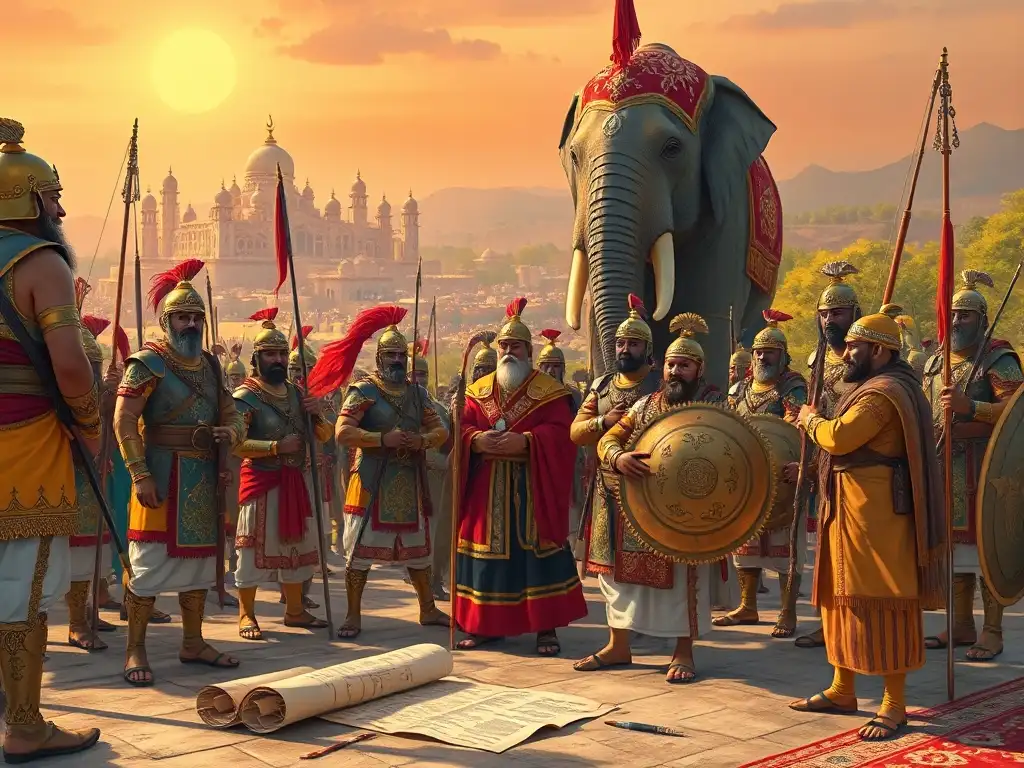
The Maurya Empire, which flourished from approximately 322 to 185 BCE, was known for its sophisticated military organization and governance strategies. Under the leadership of Chandragupta Maurya and his grandson Ashoka, the empire developed a comprehensive system that integrated military might with civil governance. This dual approach was essential for maintaining order, expanding territory, and ensuring the stability of the empire.
The Role of the Military in Maintaining Order
The military played a crucial role in the governance of the Maurya Empire. It functioned not only as a defense force against external threats but also as a tool for internal stability. The vast army was responsible for enforcing laws and maintaining peace within the empire's borders. Local governors, known as Mahamatras, often relied on military support to manage disputes and suppress revolts, thereby ensuring the emperor's authority was upheld throughout the regions.
Moreover, the Mauryan military was structured into various units, including infantry, cavalry, and war elephants, which provided a comprehensive approach to both warfare and administration. This organization allowed for swift responses to unrest and showcased the empire’s commitment to maintaining order.
Strategies for Defense and Expansion
The Maurya Empire employed several strategies for defense and expansion that were integral to its governance. A significant aspect was the establishment of fortified cities and strategic outposts along trade routes, which enhanced security and facilitated economic growth. These forts acted as both military bases and administrative centers, allowing for efficient governance over vast territories.
Additionally, the Mauryan military tactics included the use of espionage and intelligence networks to gather information about potential threats. This proactive approach enabled the empire to react swiftly to external challenges, such as incursions from neighboring kingdoms. The successful campaigns under Chandragupta and Ashoka expanded the empire's boundaries significantly, demonstrating the effectiveness of these strategies in governance.
Relationship between Military and Civil Administration
The relationship between the military and civil administration in the Maurya Empire was one of interdependence. The central government maintained close ties with military leaders, ensuring that military campaigns aligned with political objectives. The emperor's direct involvement in military affairs underscored the importance of the armed forces in governance.
Civil administrators were often former military leaders, allowing for a seamless transition between military and civilian duties. This practice ensured that those in power were familiar with both the needs of the populace and the requirements of military strategy. Consequently, the integration of military and civil administration fostered a stable environment, enhancing the effectiveness of governance throughout the empire.
Diplomatic Strategies and Foreign Relations
The Maurya Empire also excelled in diplomatic strategies that complemented its military endeavors. Diplomacy was key to securing the empire's borders and fostering relationships with neighboring states, which was essential for maintaining stability and peace.
Alliances and Treaties: A Governance Perspective
The Mauryan approach to alliances and treaties was multifaceted. The empire often engaged in strategic marriages and alliances with regional powers, which helped to solidify its influence and deter aggression. Diplomatic envoys were dispatched to negotiate treaties that favored both economic and territorial interests.
For example, Ashoka’s reign saw the establishment of several key alliances that facilitated trade and cultural exchanges. These treaties not only enhanced political ties but also contributed to the overall governance strategy by ensuring that neighboring states remained stable and friendly toward the Maurya Empire.
The Impact of Diplomacy on the Maurya Empire’s Stability
Diplomacy significantly impacted the stability of the Maurya Empire. By forging strong diplomatic relationships, the empire was able to avoid prolonged conflicts and focus on internal development. Diplomatic efforts, such as sending ambassadors and participating in international dialogues, strengthened the empire's reputation and leverage in regional affairs.
Furthermore, Ashoka’s promotion of Dhamma, which emphasized moral governance and non-violence, played a crucial role in shaping diplomatic relations. His commitment to peaceful coexistence helped to enhance the empire's stability and foster goodwill with neighboring states, thus reducing the likelihood of conflict.
Comparison with Other Civilizations' Diplomatic Approaches
When compared to other ancient civilizations, the Maurya Empire's diplomatic strategies showcased a unique blend of military and peaceful approaches. While many contemporary empires relied heavily on military might to expand their influence, the Mauryans recognized the importance of diplomacy in governance.
For instance, the Persian Empire often utilized intimidation and military strength to secure loyalty, whereas the Maurya Empire balanced military presence with diplomatic engagement. Similarly, the Roman Empire's focus on expansion through conquest contrasted with the Mauryan emphasis on alliances and treaties, which allowed for a more sustainable form of governance.
The diplomatic strategies of the Maurya Empire were not only essential for international relations but also played a vital role in shaping its internal governance. Through a combination of military organization and diplomatic finesse, the Maurya Empire established itself as a formidable and stable power in ancient India.
Cultural and Religious Policies in Governance
The Maurya Empire, one of the largest and most influential empires in ancient India, adopted a multifaceted approach to governance that included significant cultural and religious policies. This strategy was pivotal in maintaining order and stability across a vast and diverse population. The rulers, particularly Emperor Ashoka, recognized the importance of culture and religion as tools for governance, promoting an inclusive environment while also addressing the complexities of a multi-ethnic empire.
One of the key elements of the Maurya governance strategy was the promotion of a common cultural identity through the endorsement of various religions. This approach not only helped in unifying different communities but also aided in minimizing social discord. The Mauryan administration facilitated the coexistence of multiple religious practices, ensuring that citizens felt represented within the broader framework of the empire.
Promotion of Buddhism and Other Religions
Under Emperor Ashoka, Buddhism became a central tenet of governance, particularly after his conversion following the Kalinga War. Ashoka's edicts, inscribed on pillars and rocks throughout the empire, emphasized moral governance, non-violence, and respect for all living beings. His promotion of Buddhism was not only a personal conviction but also a strategic decision to instill a sense of ethical responsibility among the populace.
Ashoka also supported other religions, ensuring that Hinduism, Jainism, and various local beliefs were respected and promoted. This religious tolerance helped to foster an atmosphere of peace and cooperation among the diverse groups within the Maurya Empire, allowing for a more cohesive society.
The Role of Philosophy in Governance Strategies
Philosophy played a crucial role in shaping the governance strategies of the Maurya Empire. Influential texts such as the Arthashastra, authored by Kautilya (Chanakya), provided a pragmatic framework for statecraft and administration. The principles outlined in these texts advocated for a calculated and often ruthless approach to governance, emphasizing the importance of realpolitik.
Kautilya's philosophies on statecraft included the strategic use of diplomacy and espionage, which became essential tools for maintaining power and stability. Additionally, the focus on ethics and moral governance—championed by Ashoka—illustrates a dual approach where philosophical ideals coexisted with practical governance.
Cultural Integration and Unity in Diversity
The Maurya Empire's success in governance can be attributed to its ability to integrate various cultures and practices into a unified state. The administration actively encouraged the blending of local traditions with the broader imperial culture. This cultural integration was vital in fostering a sense of belonging among the empire's diverse population.
Art and architecture flourished during this period, reflecting a synthesis of various styles and influences. The construction of stupas, monasteries, and public works not only served religious purposes but also acted as symbols of the empire's commitment to cultural unity. By celebrating diversity while promoting common values, the Maurya Empire created a stable environment conducive to governance.
Challenges to Governance in the Maurya Empire
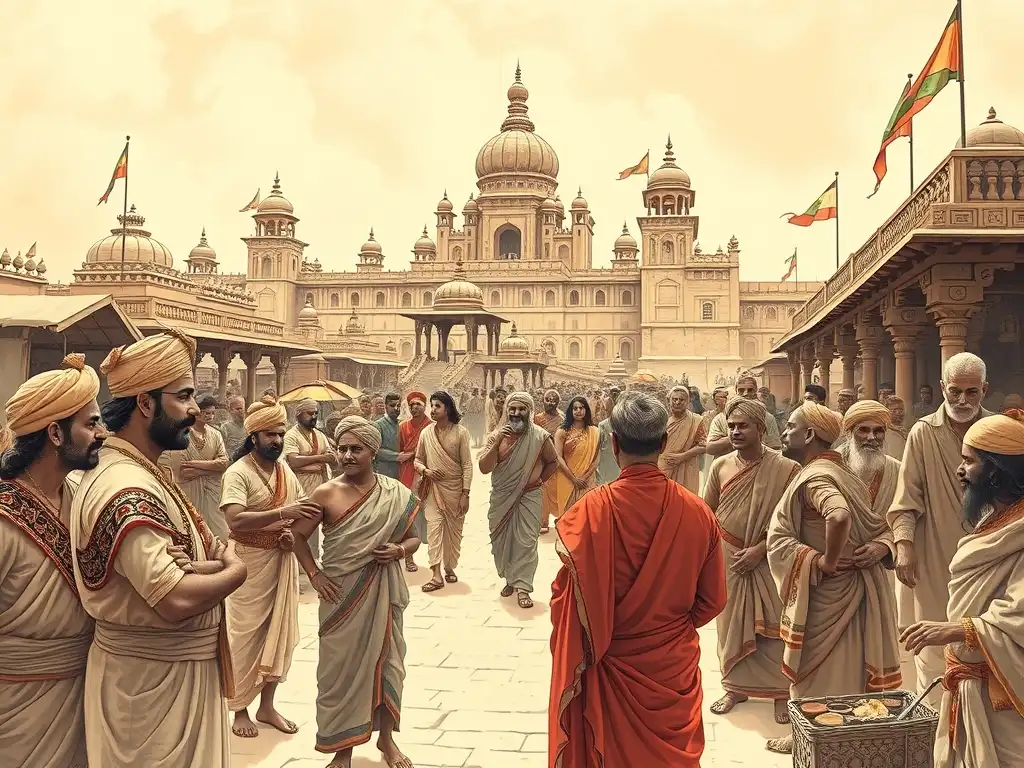
Despite its successes, the Maurya Empire faced several challenges that tested its governance strategies. Internal conflicts, external threats, and eventual governance failures contributed to the decline of this once-mighty empire.
Internal Conflicts and Rebellions
Internal strife and rebellions posed significant challenges to the Mauryan state. Various regions within the empire often experienced dissatisfaction due to local grievances, resource allocation, and the heavy hand of centralized authority. The Mauryan administration had to navigate these tensions carefully, employing both military force and diplomacy to quell uprisings.
Emperor Ashoka's later emphasis on non-violence and moral governance, while noble, may have inadvertently weakened the authority of the state in dealing with dissent. This shift in focus allowed for the emergence of local leaders who challenged Mauryan control, ultimately leading to fragmentation within the empire.
External Threats and Their Impact on Governance
The Maurya Empire also contended with external threats from neighboring kingdoms and nomadic tribes. The vast borders of the empire made it susceptible to invasions, especially from the northwest. These external pressures forced the Mauryan rulers to invest heavily in military preparedness, which diverted resources from other essential governance areas.
The empire’s ability to respond to external threats was critical for maintaining its territorial integrity. Diplomacy and alliances were often employed to mitigate these challenges, but the constant need for military readiness strained the empire's administrative capabilities.
The Decline of the Maurya Empire: Governance Failures
The decline of the Maurya Empire can be attributed to several governance failures that accumulated over time. The assassination of Emperor Ashoka’s successors led to a power vacuum and instability, undermining the centralized authority established during Ashoka's reign. As subsequent rulers struggled to maintain control, the effectiveness of governance deteriorated.
Additionally, the heavy taxation and economic strains placed on the populace exacerbated discontent. The once-unifying cultural policies began to falter as regional identities re-emerged, leading to further fragmentation. Ultimately, the inability to adapt governance strategies to changing circumstances played a crucial role in the empire's decline, paving the way for the rise of regional powers in ancient India.
Conclusion: Legacy of the Maurya Empire's Governance Strategies
The governance strategies of the Maurya Empire, established during the reign of Chandragupta Maurya and further refined by his grandson Ashoka, have left an indelible mark on the political landscape of India. The empire's approach to administration, law, and social welfare not only facilitated its growth and stability but also set precedents that influenced subsequent Indian dynasties. The Maurya Empire's ability to integrate diverse cultures and manage vast territories through effective governance strategies remains a significant point of reference in the study of ancient civilizations.
The legacy of the Maurya Empire can still be seen in various aspects of modern governance. Their emphasis on ethical rule, public welfare, and the importance of a well-organized administration resonates in contemporary political frameworks. This commitment to governance that prioritizes the well-being of the populace has inspired leaders and policymakers throughout history, showcasing the enduring relevance of the Maurya governance model.
Lasting Influence on Future Indian Dynasties
The governance strategies employed by the Maurya Empire laid a foundation that subsequent Indian dynasties would adopt and adapt. For instance:
- The Gupta Empire: Following the Mauryan model, the Gupta rulers emphasized a centralized administration while allowing local autonomy to foster loyalty among various regions. They also continued the practice of appointing local governors, similar to the Mauryan system.
- The Mughal Empire: The Mughal emperors, particularly Akbar, were influenced by Mauryan principles, such as the incorporation of diverse cultures and religions into governance. Akbar's policy of Sulh-i-Kul (universal peace) echoes Ashoka's emphasis on Dhamma, advocating for tolerance and harmony.
- Regional Kingdoms: Many regional powers, including the Cholas and the Vijayanagara Empire, implemented administrative strategies that mirrored the Mauryan approach, focusing on efficient tax collection and local governance.
The Maurya Empire's influence persisted through cultural exchanges, providing a template for governance that emphasized both authority and benevolence.
Key Takeaways from Maurya Governance Practices
The governance practices of the Maurya Empire offer several key insights that can be applied to both historical analysis and contemporary governance:
- Centralized Authority with Local Autonomy: The Mauryan Empire maintained a strong central government while allowing local rulers to retain some level of control, promoting stability and loyalty among diverse populations.
- Ethical Governance: The emphasis on moral and ethical leadership, particularly under Ashoka, illustrates the importance of virtues in governance, shaping the ruler's relationship with the subjects.
- Public Welfare Initiatives: The implementation of social welfare programs, such as the establishment of hospitals and irrigation systems, highlights the role of government in fostering the well-being of its citizens.
- Legal Frameworks: The codification of laws and establishment of a judicial system under the Maurya Empire exemplifies the necessity of a structured legal framework to maintain order and justice.
These takeaways continue to resonate, offering lessons on the balance of power, ethical leadership, and the importance of public welfare in governance.
References and Further Reading on Maurya Empire Governance Strategies
To deepen your understanding of the Maurya Empire's governance strategies, the following resources provide valuable insights:
Suggested Books and Articles
- "The Mauryan Empire" by Romila Thapar
An insightful analysis of the political, economic, and social structures of the Maurya Empire, emphasizing its governance strategies and their implications.
- "Ashoka: The Search for India's Lost Emperor" by Charles Allen:
This book explores the life and legacy of Ashoka, detailing his governance practices and their lasting impact on Indian history.
- "A History of Ancient India" by R.C. Majumdar
A comprehensive overview of ancient Indian history, with a focus on the political structures of the Maurya Empire and their significance.
Online Resources on Ancient Indian Governance
- Digital South Asia Library: A valuable resource for primary sources and historical texts related to ancient Indian governance.
- Internet Archive: Hosts a collection of historical texts and resources that delve into the Maurya Empire's political structure and governance strategies.
- Ancient History Encyclopedia: Offers articles and educational resources on the Maurya Empire, including its administration and influence on later dynasties.
These resources provide a robust framework for further exploration of the Maurya Empire's governance strategies and their legacy in shaping both ancient and modern political thought.
- Introduction to the Maurya Empire
- Key Features of Maurya Empire Governance Strategies
- Maurya Empire's Legal and Judicial Systems
- Economic Policies and Governance
- Military Organization and Governance
- Diplomatic Strategies and Foreign Relations
- Cultural and Religious Policies in Governance
- Challenges to Governance in the Maurya Empire
- Conclusion: Legacy of the Maurya Empire's Governance Strategies
- References and Further Reading on Maurya Empire Governance Strategies
Frequently Asked Questions
What were the key governance strategies of the Maurya Empire?
The Maurya Empire employed various governance strategies including centralized administration, extensive bureaucracy, and the use of spies to maintain control and ensure efficient management of their vast territories.
How did Chandragupta Maurya contribute to governance?
Chandragupta Maurya, the founder of the Maurya Empire, established a strong centralized government that laid the foundation for effective administrative systems and promoted the idea of a unified state under a single ruler.
What role did Ashoka play in the Maurya Empire's governance?
Ashoka, the grandson of Chandragupta, is known for his transformative policies that placed a strong emphasis on non-violence, Buddhism, and moral governance, which helped to promote social welfare and religious tolerance.
How did the Maurya Empire maintain law and order?
The Maurya Empire maintained law and order through a well-structured legal system, effective policing, and the establishment of local councils that empowered communities to address issues, ensuring justice and stability.
What were the economic strategies employed by the Maurya Empire?
The Maurya Empire's economic strategies included state control of trade, implementation of taxation policies, and investment in infrastructure, which collectively stimulated economic growth and contributed to its prosperity.
Final Reflection: The Enduring Legacy of Maurya Empire Governance Strategies
The governance strategies of the Maurya Empire remain strikingly relevant today, illustrating the timeless principles of effective leadership and administration. As we navigate the complexities of modern governance, the lessons from this ancient empire remind us that thoughtful organization, inclusive policies, and strategic resource management can lead to societal stability and prosperity. The Maurya Empire's ability to maintain order and foster growth in a diverse population serves as a powerful testament to the importance of adaptive governance in any era.
Culturally and socially, the influence of the Maurya Empire's governance strategies can still be felt in contemporary discussions about leadership and civic responsibility. The principles of justice, welfare, and public service that were emphasized during the Maurya period resonate with today's calls for transparency and accountability in government. As the historian Romila Thapar aptly noted, The Mauryan state was not just a political entity; it was a reflection of the aspirations of its people.
This observation underscores the idea that effective governance is not merely about power but about serving the needs and aspirations of the populace.
As we reflect on the governance strategies of the Maurya Empire, let us take this opportunity to examine our own roles within our communities and societies. Consider how you can embody the principles of thoughtful leadership and inclusive governance in your daily life.
Whether through civic engagement, community service, or simply advocating for fairness and justice, each of us has the power to contribute to a more equitable society. Embrace the lessons of the past and apply them to the challenges we face today, for in doing so, we honor the legacy of those who governed with wisdom and foresight.
Unveil the Secrets of Effective Governance!
Thank you for exploring the rich history of the Maurya Empire! Your interest not only uncovers the past but also equips you with invaluable insights into governance and leadership principles. Now, let's take those insights and put them into action.
Here’s how you can leverage what you’ve learned:
- Reflect on Governance: Identify a practice from the Maurya Empire that resonates with you and consider how you can implement similar principles in your community or workplace.
- Engage with Others: Share this article with friends or colleagues and spark a conversation about ancient governance. What lessons do you think modern leaders can learn from the Mauryan approach?
- Explore Further: Dive deeper into another aspect of ancient governance by researching a different empire or leader that intrigues you and discover what insights you can gain from them.
As you reflect on these actions, consider this: What contemporary challenges could benefit from the innovative governance strategies of the Maurya Empire? We invite you to share your thoughts below!