
The Decline of Urban Centers in the Indus Valley: Causes and Consequences

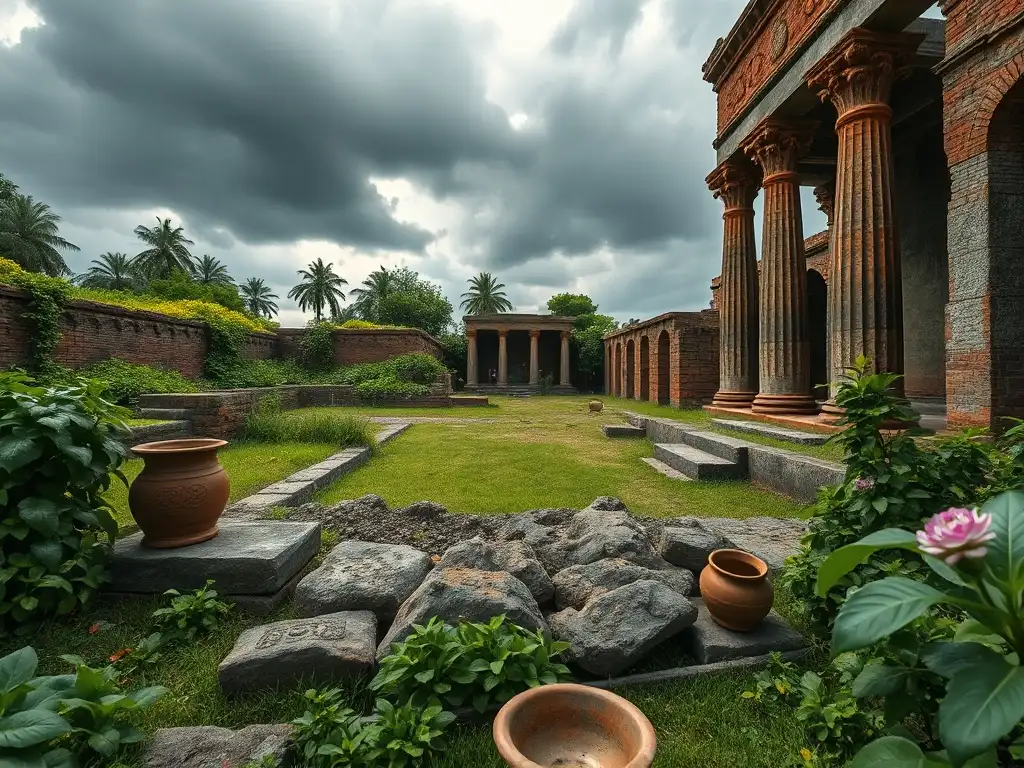
Welcome to Ancient India History, where we embark on a fascinating journey through the rich tapestry of ancient Indian civilizations. Delve into the intricacies of the Indus Valley, a remarkable society that flourished long before the rise of empires. In our featured article, we explore the causes of the Indus Valley decline, unraveling the mysteries behind the fall of its urban centers and the profound consequences that followed.
Join us as we uncover the layers of history that shaped one of the world's earliest urban cultures, sparking your curiosity to learn more about this pivotal chapter in our past. Dive in and let the exploration begin!
Introduction to the Indus Valley Civilization
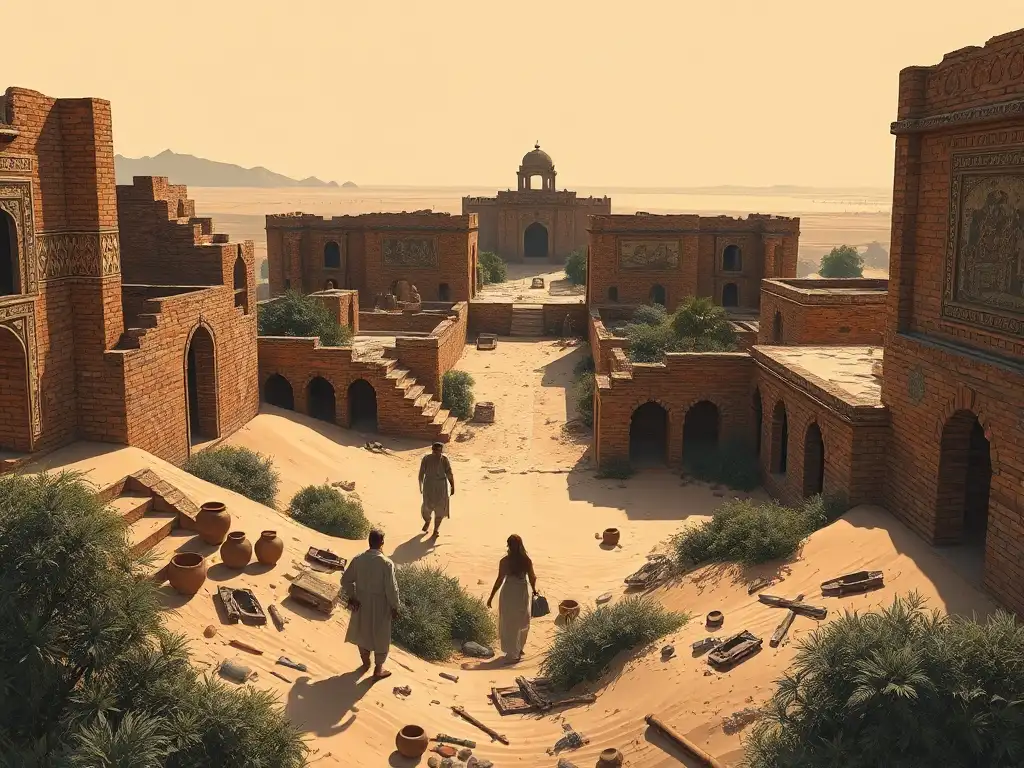
The Indus Valley Civilization (IVC), flourishing around 2500 BCE in what is now Pakistan and northwest India, represents one of the earliest urban societies in human history. Known for its advanced city planning, sophisticated drainage systems, and a remarkable level of trade, the IVC showcases the ingenuity and richness of ancient Indian civilizations.
However, the decline of urban centers within this civilization remains a significant topic of debate among historians and archaeologists. Understanding the causes of Indus Valley decline is crucial not only for comprehending the fall of one of the world's earliest urban cultures but also for gaining insights into the broader dynamics of ancient civilization development and collapse.
Overview of the Indus Valley Civilization
The Indus Valley Civilization spanned over 1,000,000 square kilometers, encompassing major cities like Harappa and Mohenjo-Daro. It is characterized by:
- Urban Planning: Cities were meticulously planned with grid layouts, advanced drainage systems, and public baths.
- Agricultural Practices: The civilization relied on agriculture, particularly the cultivation of wheat and barley, supported by the fertile floodplains of the Indus River.
- Trade Networks: The IVC engaged in extensive trade with neighboring regions, including Mesopotamia, facilitating cultural and economic exchanges.
Despite its achievements, the civilization faced numerous challenges that eventually led to the decline of its urban centers.
Significance of Urban Centers in the Indus Valley
Urban centers were pivotal to the IVC's economic, social, and political structure. They served as:
- Economic Hubs: Cities facilitated trade and commerce, contributing to wealth accumulation and resource distribution.
- Cultural Centers: Urban areas were melting pots of diverse cultures, fostering innovation in arts and crafts.
- Administrative Centers: The presence of organized governance and public works underscored the complexity of societal organization.
The decline of these centers had far-reaching implications, affecting not only local populations but also regional dynamics.
Understanding the Causes of Indus Valley Decline
The decline of urban centers in the Indus Valley was not a singular event but rather the result of various interrelated factors.
Environmental Factors Contributing to Decline
Environmental changes played a crucial role in the decline of the Indus Valley Civilization. These factors included:
- Climate Change: Shifts in climate may have led to decreased monsoon rains, adversely affecting agriculture.
- River Dynamics: Changes in the course of the Indus River could have disrupted water supply, crucial for irrigation and urban sustenance.
- Natural Disasters: Earthquakes and flooding could have caused significant destruction to urban infrastructure.
The interplay of these environmental factors likely created a challenging landscape for the inhabitants of the IVC.
Socio-Economic Factors Leading to Urban Decline
The socio-economic landscape of the Indus Valley also contributed to urban decline. Key aspects include:
- Agricultural Stress: Diminished agricultural yields could have led to food shortages, resulting in social unrest and migration.
- Trade Disruptions: Declining trade links with neighboring regions may have weakened economic stability, leading to urban decay.
- Population Decline: As resources became scarce, urban populations might have decreased due to famine or migration to more hospitable regions.
These socio-economic challenges further compounded the difficulties faced by urban centers.
Political and Administrative Challenges
Political instability and administrative challenges were significant contributors to the decline of urban centers in the Indus Valley. Factors to consider include:
- Loss of Central Authority: As urban centers faced crises, the loss of a centralized governing body may have led to fragmentation and disorder.
- Inter-city Conflicts: Rivalries between different urban centers could have escalated tensions, resulting in weakened alliances and increased vulnerability.
- Inability to Adapt: A lack of effective responses to environmental and economic challenges may have hindered recovery efforts.
Understanding these dynamics offers valuable insights into the complexities surrounding the decline of one of history's most advanced civilizations.
Consequences of the Decline of Urban Centers in the Indus Valley
The decline of urban centers in the Indus Valley Civilization marked a significant turning point that reshaped the social, economic, and cultural landscape of the region. As these urban centers, which were once thriving hubs of activity, began to diminish, the repercussions were felt deeply across various dimensions of life. This decline did not merely signify a reduction in population or the abandonment of cities; it set in motion a series of changes that would have lasting effects on the subsequent trajectory of Indian civilization.
Impact on Society and Culture
The decline of urban centers led to profound societal changes within the Indus Valley. As cities like Harappa and Mohenjo-Daro fell into disuse, the population experienced a shift from urban to rural living. This transition fostered a more agrarian lifestyle, as communities increasingly relied on agriculture for sustenance. The loss of urban infrastructure and centralized governance contributed to a fragmented society, where smaller, localized communities emerged, often with varying cultural practices and social norms.
Moreover, the rich cultural tapestry of the Indus Valley began to unravel. The intricate art, standardized weights, and elaborate trade systems that characterized urban life faded, resulting in a decline in artistic expression and technological advancement. The once-unified culture splintered into distinct regional identities, which, while showcasing diversity, also led to a loss of the shared heritage that had defined the civilization.
Economic Consequences of Urban Decline
The economic ramifications of urban decline were equally significant. The collapse of trade networks that had connected the Indus Valley with distant regions not only diminished the wealth of these urban centers but also disrupted the flow of goods and resources. As trade routes fell into disrepair, local economies began to suffer due to a lack of access to essential materials and commodities.
Additionally, the decline in urban populations resulted in a reduced labor force, which hindered agricultural productivity and craftsmanship. The once-thriving industries that produced textiles, pottery, and metalwork saw a decrease in output, leading to economic stagnation. The overall effect was a regression to subsistence-level economies that lacked the complexity and innovation of their urban predecessors.
Long-Term Implications for Subsequent Civilizations
The decline of the Indus Valley's urban centers had far-reaching implications for subsequent civilizations in the Indian subcontinent. As the region transitioned into a predominantly rural society, the foundations for future urbanization were laid, albeit in a different context. The lessons learned from the decline of the Indus Valley Civilization influenced the development of later urban centers, such as those in the Ganges Valley and beyond.
Moreover, the cultural fragmentation that resulted from the decline created a diverse mosaic of regional identities that would later contribute to the rich tapestry of Indian history. The absence of a centralized authority led to the rise of localized power structures, which shaped political dynamics for centuries to come. Thus, the decline of the Indus Valley Civilization set the stage for both challenges and opportunities that would define the evolution of later Indian societies.
Conclusion: Reflecting on the Decline of the Indus Valley Civilization
Summary of Key Causes of Indus Valley Decline
The decline of the Indus Valley Civilization can be attributed to a combination of environmental factors, such as climate change and tectonic activity, alongside socio-economic shifts. The disruption of trade networks, the transition from urban to rural lifestyles, and the fragmentation of cultural identity were all critical elements that contributed to this decline. Understanding these causes allows historians to appreciate the complexities of the civilization's downfall and its broader impact on the region.
Importance of Understanding Historical Decline in Context of Ancient Civilizations
Understanding the decline of the Indus Valley Civilization is vital not only for comprehending its own historical trajectory but also for recognizing the patterns of rise and fall that characterize ancient civilizations globally. The factors that led to its decline offer valuable insights into the vulnerabilities of urban societies, the interplay between environment and culture, and the evolution of societal structures. By studying these historical declines, we can glean lessons that remain relevant in contemporary discussions about sustainability, resilience, and cultural heritage.
- Introduction to the Indus Valley Civilization
- Understanding the Causes of Indus Valley Decline
- Consequences of the Decline of Urban Centers in the Indus Valley
- Conclusion: Reflecting on the Decline of the Indus Valley Civilization
- What were the main causes of the decline of the Indus Valley civilization?
- How did climate change impact the Indus Valley civilization?
- Were there any social or political factors that contributed to the decline?
- What were the consequences of the decline of urban centers in the Indus Valley?
- How does the decline of the Indus Valley civilization compare to other ancient civilizations?
Frequently Asked Questions
What were the main causes of the decline of the Indus Valley civilization?
The causes of decline include climate change, shifts in river patterns, and overuse of resources, which led to significant hardships for the urban centers.
How did climate change impact the Indus Valley civilization?
Climate change resulted in drier conditions, affecting agriculture and water supply, which were crucial for sustaining urban life and trade.
Yes, social unrest and possible political fragmentation may have weakened the society, making it more vulnerable to external pressures and resource shortages.
What were the consequences of the decline of urban centers in the Indus Valley?
The decline led to the abandonment of cities, a reduction in trade, and a shift to more rural lifestyles, marking a significant transformation in the region's civilization.
How does the decline of the Indus Valley civilization compare to other ancient civilizations?
Similar to other ancient societies, the Indus Valley experienced a combination of environmental, social, and economic factors that contributed to its decline, highlighting common patterns in ancient histories.
Final Reflection: Understanding the Causes of Indus Valley Decline and Its Lasting Impact
The decline of urban centers in the Indus Valley is not merely a historical event; it serves as a profound reminder of the fragility of civilization. As we explore the intricate web of factors that led to this decline, we uncover lessons that resonate with our contemporary world. The interplay of environmental changes, economic shifts, and social dynamics that contributed to the downfall of these once-thriving cities is a striking testament to how interconnected our societies are, and how easily they can unravel.
Clearly, the causes of the Indus Valley decline have left an indelible mark on our cultural and social landscape. The remnants of this ancient civilization continue to inspire discussions about sustainability, urban planning, and resilience in the face of adversity. As we reflect on their fate, we are reminded of the words of historian Eric H. Cline: Civilizations are not as invulnerable as they may seem; they can collapse under the weight of their own complexities.
This observation underscores the importance of learning from the past, as we navigate the challenges of modern urbanization and climate change.
As we conclude this exploration, I invite you to reflect on the lessons of the Indus Valley civilization in your own life. Consider how the choices we make today—regarding our environment, communities, and economies—will shape the future of our urban centers. Let us take inspiration from history to build resilient societies that honor the lessons of the past, ensuring that we do not repeat the mistakes that led to the decline of one of the world's earliest urban civilizations. Your actions, no matter how small, can contribute to a more sustainable and thriving future.
Revitalize Your Understanding of Indus Valley History!
Thank you for taking the time to dive into the intriguing narrative of urban centers in the Indus Valley. Your exploration of their decline sheds light on significant historical causes and consequences that still resonate today. Now, let's turn that knowledge into action!
- Reflect on what you’ve learned: Write a short journal entry or blog post about how urbanization over time has influenced cultures around the world, including in today's cities.
- Join the conversation: Share this article with your friends or on social media to spark discussions about how ancient urban centers can inform our understanding of modern metropolitan challenges.
- Continue exploring: Visit our website for related articles or resources that delve deeper into the themes of urbanization and decline in ancient civilizations.
What insights do you think the rise and fall of Indus Valley urban centers can offer us in preventing similar declines in our contemporary cities?