
The Gupta Empire's Contribution to Music and Performing Arts

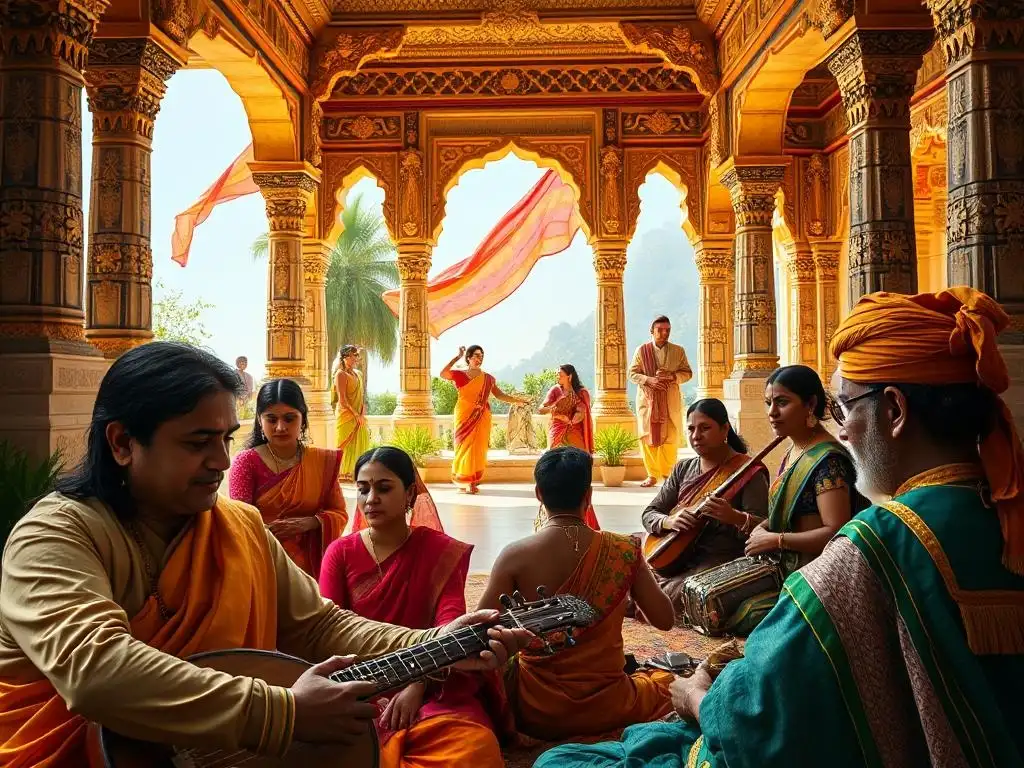
Welcome to Ancient India History, where we embark on a fascinating journey through time, unraveling the rich tapestry of ancient Indian civilizations. In this exploration, we delve into the remarkable contributions of the Gupta Empire, particularly in the realms of music and performing arts. Have you ever wondered how this era influenced the artistic expressions that resonate even today? Join us as we uncover the melodies, rhythms, and theatrical innovations that defined an age of cultural flourishing. Get ready to be inspired and intrigued—your adventure into the heart of ancient Indian creativity begins now!
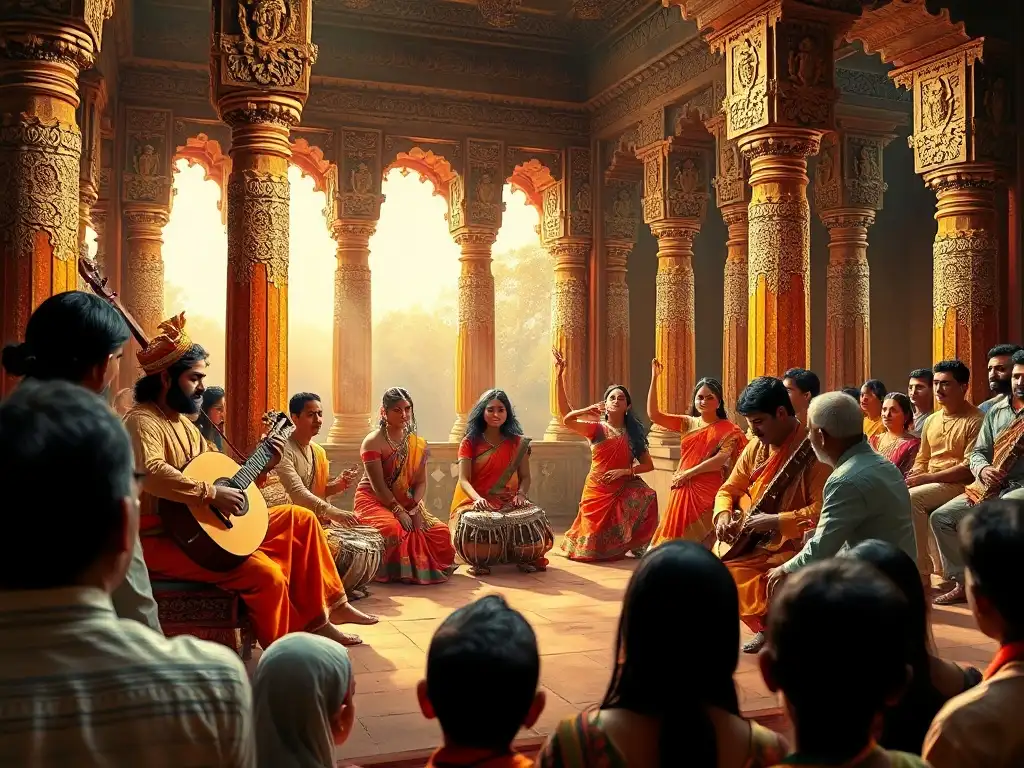
Introduction to the Gupta Empire's Cultural Legacy
The Gupta Empire, often referred to as the "Golden Age" of India, flourished between the 4th and 6th centuries CE, marking a period of immense cultural, scientific, and artistic achievements. This era was characterized by significant advancements in various fields, including literature, mathematics, astronomy, and, notably, the performing arts.
The Gupta Empire's music and arts not only reflected the rich cultural tapestry of ancient India but also laid the groundwork for future generations of artists and musicians. As we delve into the contributions of the Gupta Empire to music and performing arts, we uncover a legacy that continues to resonate in contemporary Indian culture.
Overview of the Gupta Empire
The Gupta Empire was established by Maharaja Sri Gupta and reached its zenith under rulers like Chandragupta II and Samudragupta. This empire encompassed a vast territory, covering much of northern India, and became a hub for trade and commerce. The Guptas were known for their patronage of the arts and education, which fostered an environment where creativity and innovation thrived. The capital city of Pataliputra was a vibrant center for scholars, poets, and musicians, contributing to a flourishing cultural landscape.
Significance of Music and Performing Arts in Ancient Indian Culture
In ancient Indian culture, music and performing arts held significant spiritual and social importance. They were not merely forms of entertainment but were intertwined with religious rituals, social gatherings, and storytelling. Music was believed to have the power to connect the divine with the earthly and was often used in ceremonies and celebrations. The Gupta period saw the emergence of various musical styles and dance forms, which enriched the cultural fabric of the empire and showcased the artistic talents of its people.
The Evolution of Music in the Gupta Empire
The Gupta Empire was instrumental in the evolution of music, which evolved from earlier traditions and incorporated diverse influences. This period witnessed the codification of musical theories and practices, laying the foundation for classical Indian music as we know it today.
Historical Context of Gupta Empire Music
During the Gupta period, music evolved significantly due to the influence of various cultural interactions. The patronage provided by the Gupta rulers encouraged musicians and dancers to experiment with different styles, leading to the development of new genres. Historical texts, such as the Natya Shastra by Bharata Muni, and treatises on music, like the Bṛhaddharma Purāṇa, provide valuable insights into the musical practices of this time, including the importance of rhythm, melody, and performance techniques.
Musical Instruments of the Gupta Period
The Gupta Empire saw the proliferation of various musical instruments, which played a crucial role in both courtly performances and folk traditions. Some notable instruments from this era include:
- Veena: A string instrument widely used in classical music.
- Mridangam: A percussion instrument that became essential in rhythmic accompaniment.
- Flute: Commonly used in both solo and ensemble performances.
- Dholak: A folk drum that was popular in rural performances.
These instruments contributed to the rich soundscapes of Gupta music and reflected the era's artistic innovation. The blend of instruments and styles during this period laid the groundwork for the diverse musical traditions that continue to thrive in India today.
The Role of Music in Gupta Society
Music played a pivotal role in the social and cultural landscape of the Gupta Empire, often serving as a medium for expression, communication, and entertainment. It was an integral part of various facets of daily life, from religious rituals to royal celebrations, reflecting the empire's values and beliefs. The Gupta period is often referred to as the "Golden Age" of India, and music during this time flourished alongside other art forms. This era saw the blending of traditional folk music with classical styles, creating a rich tapestry of sound that resonated through the courts and villages alike.
In Gupta society, music was not merely a form of entertainment; it held profound significance in spiritual and communal gatherings. The melodies and rhythms were believed to evoke specific emotions, create a sense of harmony, and foster connections among individuals. Musicians, both professional and amateur, were respected members of society, often seen as custodians of cultural heritage. Their compositions were vehicles for storytelling, preserving histories, and passing down traditions.
Music in Religious Ceremonies
Religious ceremonies in the Gupta Empire were often accompanied by music, which served to enhance the spiritual experience of the devotees. Music was employed in rituals dedicated to various deities, with specific ragas and talas chosen to invoke the appropriate atmosphere. For instance, during the worship of Lord Shiva, certain musical scales were believed to please the deity and bring blessings to the worshippers.
The practice of chanting sacred hymns, known as "mantras," was also prevalent, with music playing a crucial role in their recitation. These chants were performed in temples and during festivals, creating a communal sense of devotion. The usage of instruments like the veena, flute, and mridangam complemented vocal performances, enriching the auditory experience of religious observances.
Moreover, the Gupta period witnessed the emergence of classical music forms that were formalized in texts such as the "Natya Shastra," which outlined the principles of music, dance, and drama. This not only solidified the role of music in religious contexts but also contributed to the theoretical foundations that would influence Indian classical music in subsequent centuries.
Music in Royal Courts and Patronage
The royal courts of the Gupta Empire were vibrant centers of cultural activity, where music thrived under the patronage of emperors and nobles. Rulers often employed skilled musicians, who performed at courtly events, celebrations, and festivals, showcasing their talents to demonstrate wealth and cultural sophistication. The patronage system allowed for the flourishing of various musical styles, as artists were encouraged to innovate and experiment.
In court settings, music was used to convey power and prestige. Instrumental ensembles were common, often featuring a mix of string, percussion, and wind instruments. The Gupta rulers not only enjoyed performances but also participated in the arts, which helped to elevate the status of music within society. The presence of renowned musicians such as Bhartrihari, a notable poet and musician of the time, illustrated the deep intertwining of music with royal life.
Additionally, music served diplomatic functions; it was used to strengthen alliances and showcase cultural achievements to foreign dignitaries. This contributed to the Gupta Empire's reputation as a hub of artistic excellence, further inspiring musicians and artists across the region.
Folk Music and its Cultural Significance
Folk music during the Gupta Empire was deeply embedded in the daily lives of the common people, serving as a means of community bonding and cultural expression. This form of music often reflected the realities of peasant life, highlighting themes such as love, labor, and nature. The simplicity and accessibility of folk music made it a powerful tool for storytelling, preserving oral traditions, and transmitting cultural values.
Various regional styles emerged, each characterized by unique instruments, melodies, and lyrical themes. Instruments like the dholak, harmonium, and traditional flutes were commonly used in folk performances. Festivals and community gatherings provided platforms for these performances, allowing individuals to celebrate their heritage collectively.
The significance of folk music extended beyond entertainment; it played a crucial role in social cohesion. Songs were often performed during agricultural activities, weddings, and religious festivals, reinforcing communal identities and fostering a sense of belonging. This vibrant tradition of folk music enriched the cultural landscape of the Gupta Empire, ensuring that its legacy continued to thrive long after the empire's decline.
The Development of Performing Arts during the Gupta Period
The Gupta period marked a significant evolution in the performing arts, encompassing theatre, dance, and music. This era is noted for its artistic and cultural achievements, with performing arts reflecting the sophistication and creativity of Gupta society. The flourishing of these arts can be attributed to the patronage of the ruling elite, who encouraged artistic expression as a means of cultural enrichment and social prestige.
One of the most notable contributions of the Gupta Empire to the performing arts was the formalization of dramatic literature and theatrical performances. This period saw the rise of professional troupes of actors and the establishment of venues specifically designed for performances. The integration of various art forms, including music, dance, and drama, created a comprehensive theatrical experience that captivated audiences.
Theatre and Drama in Gupta Culture
Theatre and drama flourished during the Gupta Empire, with a rich tradition of storytelling that combined music, dance, and dialogue. The "Natya Shastra," attributed to Bharata Muni, served as a foundational text that outlined the principles of drama, including the elements of performance, stage design, and the roles of actors. This ancient treatise emphasized the importance of rasa (emotional essence) in performances, guiding artists in their portrayal of characters and narratives.
Plays during this time often drew from mythology, history, and moral tales, engaging audiences with both entertainment and ethical lessons. The performances were not only artistic expressions but also avenues for social commentary, reflecting the values and challenges of Gupta society. The use of elaborate costumes and makeup added to the visual appeal, transforming performances into immersive experiences.
The popularity of theatre during the Gupta period laid the groundwork for future developments in Indian drama, influencing subsequent playwrights and theatrical traditions. This era's contributions to theatre are still celebrated in various forms of Indian classical theatre today.
Dance Forms of the Gupta Empire
Dance was another vital aspect of the performing arts during the Gupta Empire, characterized by its intricate movements, expressive gestures, and rich symbolism. Various dance forms emerged, each associated with different social contexts, including religious ceremonies, royal courts, and folk celebrations. Classical dance styles began to take shape, drawing from local traditions and influences.
One of the most notable forms was the "Sanskrit Natya," a dance-drama that combined storytelling with choreographed movements. Dancers often portrayed characters from epics like the Mahabharata and Ramayana, using their bodies to convey emotions and narratives. The emphasis on abhinaya (expressive gestures) allowed performers to communicate deeper meanings beyond spoken words.
Furthermore, the Gupta period saw the codification of dance techniques and aesthetics, which would later influence classical dance forms such as Bharatanatyam and Kathak. The integration of music and dance created a harmonious spectacle, captivating audiences and illustrating the cultural richness of the Gupta Empire.
The Gupta Empire's contributions to music and performing arts were profound and lasting, shaping the cultural landscape of ancient India and leaving an enduring legacy that continues to influence the arts today.
Notable Figures in Gupta Music and Performing Arts
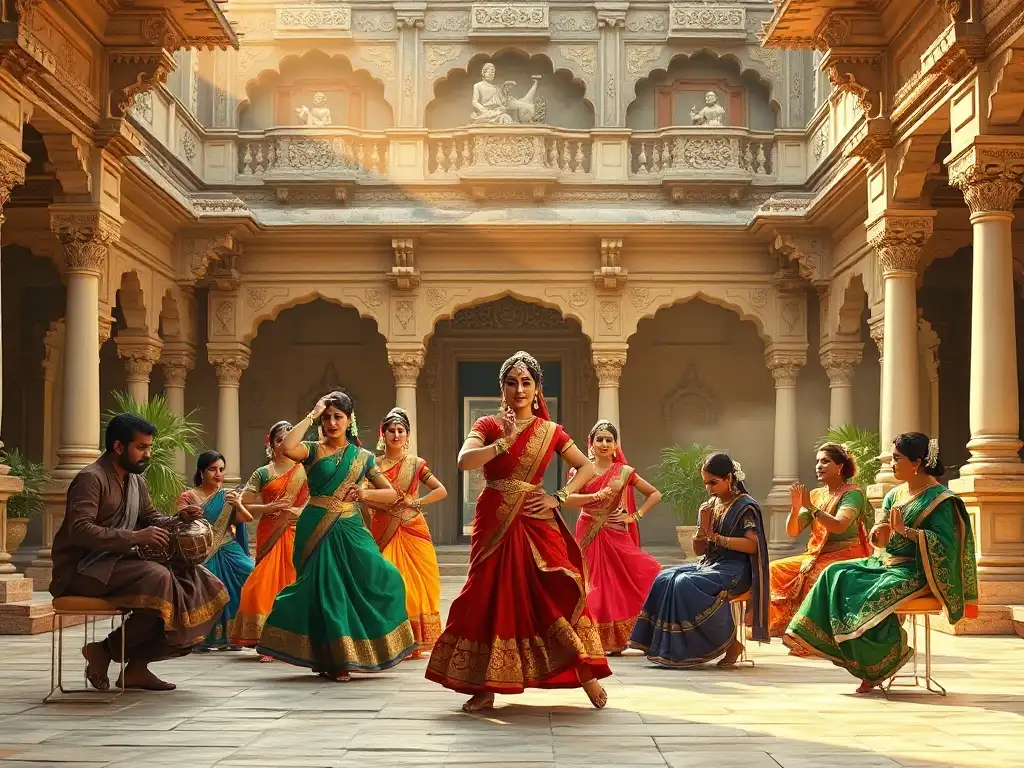
The Gupta Empire, often hailed as the "Golden Age" of India, was not only a period of remarkable political stability and economic prosperity but also a flourishing era for music and performing arts. During this time, several notable figures emerged, contributing significantly to the cultural landscape. These individuals not only excelled in their respective fields but also laid the groundwork for future generations in Indian music and drama.
Influential Musicians of the Gupta Empire
Among the influential musicians of the Gupta Empire, Vishnu Sharma stands out as a prominent figure known for his mastery in various musical forms. His contributions are often associated with the Natyashastra, a comprehensive treatise on performing arts attributed to Bharata Muni, which heavily influenced musical practices during the Gupta period. Additionally, musicians like Kumaragupta and Madhava were known for their innovative compositions and skilled performances, which resonated throughout the empire.
The Gupta period also saw the emergence of Gandharva musicians, who were integral to royal courts. These musicians often performed at ceremonies, festivals, and royal gatherings, showcasing their talents through intricate melodies and rhythmic patterns. Their art not only entertained but also served as a medium for cultural exchange and expression.
Renowned Dramatists and Their Works
Dramatists played a crucial role in shaping the performing arts during the Gupta Empire. Kalidasa, one of the most celebrated playwrights and poets of ancient India, is often regarded as the epitome of Gupta drama. His works, such as "Shakuntala" and "Vikramorvasiyam," explored themes of love, nature, and the divine, and were characterized by their lyrical beauty and rich character development. These plays were performed in elaborate theatrical productions, often accompanied by music and dance.
Another notable dramatist was Bhasa, whose plays, including "Svapnavasavadatta" and "Pratimanataka," contributed to the evolution of dramatic literature. Bhasa's unique storytelling techniques and use of dialogue helped establish a foundation for future playwrights in Indian theatre.
Contributions of Scholars to Music Theory
The Gupta Empire was also a hub for scholars who made significant contributions to music theory. Among them, Bharata Muni is a pivotal figure whose Natyashastra provided a systematic analysis of music, dance, and drama. This ancient text laid the groundwork for understanding the various elements of performance, including rhythm, melody, and emotional expression, which were essential for the development of Indian classical music.
Furthermore, Ananda Vardhana, another influential scholar, introduced the concept of Dhvani (the suggestion of meaning), which emphasized the emotional and aesthetic aspects of music and poetry. His theories broadened the understanding of musical expression and its connection to human emotions, influencing both musicians and poets of the time.
The Impact of Gupta Empire Music and Arts on Future Generations
The contributions of the Gupta Empire to music and performing arts had a lasting impact on Indian culture, shaping the trajectory of these art forms for centuries to come. The innovations and practices established during this period are evident in the rich tapestry of Indian classical music and drama that followed.
Legacy of Gupta Music in Later Indian Cultures
The music developed during the Gupta Empire laid the foundation for the Hindustani and Karnatak classical music traditions. Many ragas and musical structures that originated during this time continue to be integral to Indian classical music today. The emphasis on improvisation and emotional expression in Gupta music influenced later musicians, enabling them to explore new dimensions in their compositions.
Moreover, the themes and narratives found in Gupta-era dramas inspired subsequent playwrights and filmmakers, ensuring that the artistic expressions of this golden age continued to resonate in later cultural contexts.
Influence on Classical Music Traditions
The theoretical frameworks established by scholars such as Bharata Muni and Ananda Vardhana were instrumental in shaping the classical music traditions that emerged in India. Their insights into melody, rhythm, and emotional depth have been preserved and adapted by generations of musicians, enriching the classical repertoire.
The emphasis on performance and the integration of music with other art forms, such as dance, has also had a profound influence on classical music traditions, solidifying the Gupta Empire's role in the evolution of performing arts in India.
Preservation of Gupta Performing Arts in Modern India
The legacy of the Gupta Empire's music and performing arts is evident in modern India, where traditional forms are preserved and celebrated. Numerous cultural festivals and performances pay homage to the rich artistic heritage, showcasing classical music, dance, and theatre that trace their roots back to the Gupta era.
Institutions dedicated to preserving these art forms, such as Sangeet Natak Akademi, work tirelessly to promote and sustain the traditions that flourished during the Gupta Empire. The continued relevance of these practices in contemporary society highlights the enduring impact of Gupta music and arts on Indian culture.
Conclusion: The Lasting Legacy of Gupta Empire Music and Arts
The Gupta Empire, often referred to as the Golden Age of India, made remarkable contributions to music and performing arts that resonate through the ages. This era not only cultivated a rich cultural tapestry but also laid the groundwork for various artistic traditions that continue to thrive in contemporary India. The innovations and practices established during this period reflect a sophisticated understanding of music and theatre, influencing subsequent generations of artists and scholars.
The legacy of the Gupta Empire in music and performing arts is characterized by a blend of spiritual and secular themes, showcasing the empire's diverse cultural landscape. The emergence of classical music forms, the refinement of dance, and the establishment of theatrical traditions have left an indelible mark on Indian culture. These contributions helped to elevate the status of artists and performers, integrating them into the societal framework and recognizing their role as cultural ambassadors.
As we reflect on this rich heritage, it becomes clear that the Gupta Empire's influence extends beyond mere historical significance; it is a source of inspiration for modern practices in music and performance. The principles and styles developed during this period continue to inform contemporary art forms, bridging the past with the present and ensuring that the Gupta Empire's contributions remain a vibrant part of India’s cultural identity.
Summary of Key Contributions
The Gupta Empire's contributions to music and performing arts can be summarized through several key elements:
- Development of Classical Music: The period saw the codification of Indian classical music, with the emergence of ragas and talas that are still foundational to the genre today.
- Theatrical Innovations: The introduction of Sanskrit drama and the works of playwrights like Kalidasa marked a high point in theatrical arts, emphasizing storytelling and performance techniques.
- Dance Forms: Classical dance styles began to crystallize during this time, with influences that would later evolve into distinct regional forms, such as Bharatanatyam and Odissi.
- Cultural Synthesis: The Gupta period facilitated a fusion of various regional and cultural influences, leading to a more inclusive and diverse artistic environment.
- Patronage and Support: The empire's rulers were known for their patronage of the arts, which encouraged creativity and allowed artists to flourish.
These contributions not only enriched the cultural landscape of Ancient India but also laid the groundwork for future artistic expressions, making them a cornerstone of Indian heritage.
The Importance of Preserving Ancient Indian Music and Performing Arts
Preserving the music and performing arts of the Gupta Empire is crucial for several reasons:
- Cultural Identity: Ancient Indian music and arts are integral to the cultural identity of India. By preserving these traditions, we maintain a connection to our roots and heritage.
- Historical Understanding: The study of Gupta-era music and arts provides insights into the socio-political and cultural dynamics of the time. It helps historians and scholars understand how art reflected and influenced society.
- Inspiration for Contemporary Artists: Ancient traditions serve as a wellspring of inspiration for modern artists. By studying and integrating elements from the Gupta period, contemporary musicians and performers can create innovative works that pay homage to their ancestors.
- Educational Value: Teaching and learning about Gupta music and arts can foster appreciation among younger generations, instilling a sense of pride and responsibility to carry forward these rich traditions.
- Global Cultural Exchange: As globalization continues to shape artistic expressions, preserving ancient Indian music and performing arts allows for a richer dialogue between cultures, showcasing India’s contributions to the world.
By recognizing the importance of these ancient traditions, we can ensure that the legacy of the Gupta Empire's music and performing arts continues to inspire and educate future generations.
- Introduction to the Gupta Empire's Cultural Legacy
- The Evolution of Music in the Gupta Empire
- The Role of Music in Gupta Society
- The Development of Performing Arts during the Gupta Period
- Notable Figures in Gupta Music and Performing Arts
- The Impact of Gupta Empire Music and Arts on Future Generations
- Conclusion: The Lasting Legacy of Gupta Empire Music and Arts
Frequently Asked Questions
What were the key contributions of the Gupta Empire to music and arts?
The Gupta Empire made significant contributions to music and performing arts, including the development of classical music forms and the establishment of theatrical performances that emphasized storytelling and cultural themes.
How did the Gupta Empire influence classical music?
During the Gupta Empire, musical traditions flourished, with the incorporation of various instruments and the formalization of ragas, which are essential in Indian classical music, shaping the future of the genre.
What role did dance play in Gupta culture?
Dance was an essential aspect of the Gupta Empire's arts, often performed during religious ceremonies and celebrations, showcasing themes from mythology and spirituality that reflected the rich cultural heritage.
Were there any notable artists or musicians in the Gupta period?
Yes, the Gupta period saw the rise of noteworthy artists and musicians, such as Kalidasa, who contributed to literature and performing arts, enhancing the cultural landscape of the empire.
How did Gupta Empire music and arts affect later Indian cultures?
The music and arts of the Gupta Empire laid the groundwork for subsequent Indian cultural traditions, influencing later periods in art, literature, and music, and continuing to inspire modern artistic expressions.
Final Reflection: The Enduring Legacy of Gupta Empire Music and Arts
The contributions of the Gupta Empire to music and performing arts resonate profoundly in today's cultural landscape, reminding us of the timeless nature of artistic expression. As we navigate a world increasingly defined by rapid technological advancements, the rich traditions of the Gupta period serve as a reminder of the power of creativity to transcend time and connect us across generations. The echoes of their melodies and performances continue to inspire contemporary artists, illustrating that the essence of art remains a vital part of our shared human experience.
The influence of Gupta Empire music and arts extends far beyond historical significance; it shapes our cultural identity and social interactions today. The intricate rhythms and lyrical beauty of this era's music foster a sense of community and belonging that is still felt in modern performances. As we engage with these artistic traditions, we are reminded of the words of the renowned musician Ravi Shankar: Music knows no boundaries; it is a universal language that speaks to the soul.
This sentiment underscores the importance of preserving and celebrating the artistic achievements of the Gupta Empire, as they continue to enrich our lives and foster connections among diverse cultures.
As we reflect on the Gupta Empire's remarkable legacy, I invite you to explore how the themes of creativity and expression can be woven into your own life. Consider how you might embrace the arts, whether through participation, appreciation, or support, and recognize the profound impact that music and performing arts can have on our communities. Let us honor the past by nurturing the artistic spirit within ourselves and fostering a vibrant cultural dialogue that echoes the brilliance of the Gupta Empire for generations to come.
Unleash the Power of Gupta Arts!
Thank you for diving into the rich tapestry of the Gupta Empire’s contributions to music and performing arts. We hope you’ve discovered how these ancient traditions continue to inspire creativity today! Now, it’s time to take action and immerse yourself further.
Here are some ways you can engage with this fascinating world:
- Explore traditional Indian musical instruments—consider picking one up or listening to online tutorials to appreciate the craftsmanship involved!
- Share your newfound knowledge— discuss the artistic influences of the Gupta Empire with friends, or post about it on your social media to spark interest in ancient arts.
- Attend a local performance or festival celebrating Indian music or dance— experience the rhythms and movements that emerged from this vibrant era!
What aspect of Gupta arts most inspires you to express your creativity? We invite you to share your thoughts below!