
How the Indus Valley Civilization Redefined Urban Living in Ancient Times

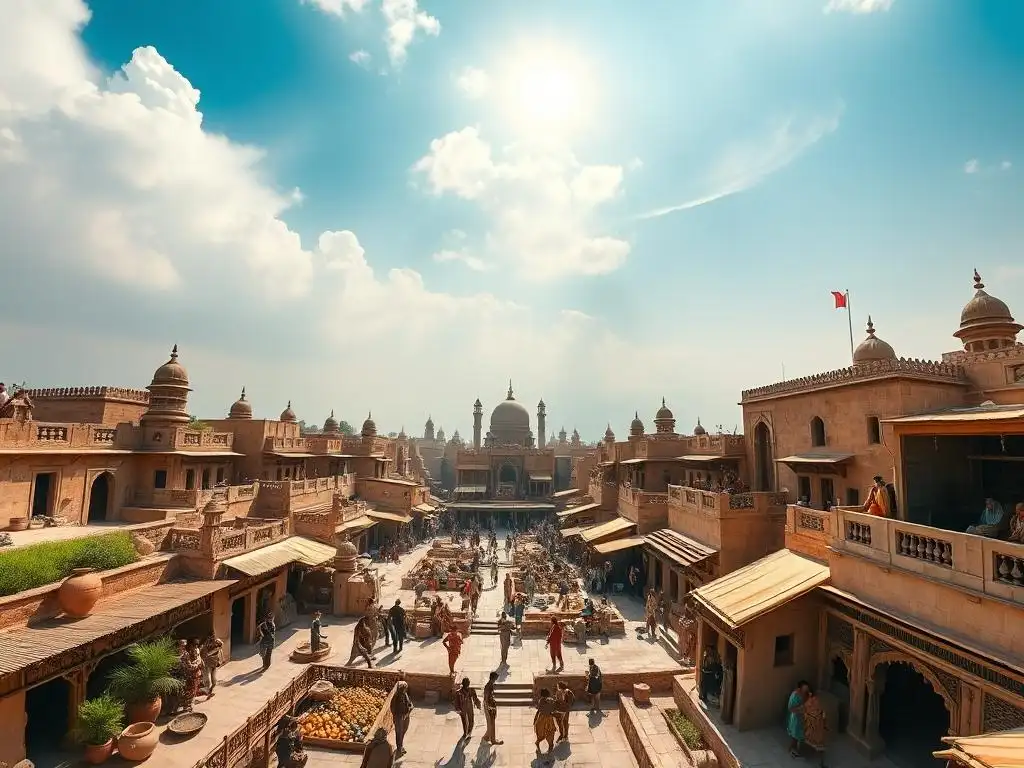
Welcome to Ancient India History, where we embark on a fascinating journey through the tapestry of time that weaves together the rich and diverse narratives of ancient Indian civilizations. Dive into the captivating world of the Indus Valley urban living history, a remarkable exploration of how this extraordinary civilization redefined urban living in ancient times. What secrets lie within the remnants of their cities? How did their innovations shape the course of history? Join us as we unravel these intriguing questions and more, inviting you to delve deeper into the remarkable legacy of the Indus Valley and beyond.
- Introduction to Indus Valley Civilization Urban Living History
- Key Features of Indus Valley Urban Planning
- Socioeconomic Structure of Indus Valley Cities
- Cultural Aspects of Indus Valley Urban Life
- Innovations in Indus Valley Urban Living
- Comparison with Other Ancient Civilizations
- Decline of Urban Living in the Indus Valley Civilization
- Legacy of Indus Valley Urban Living in Modern Context
- Conclusion: The Enduring Impact of Indus Valley Urban Living History
-
Frequently Asked Questions
- What was the Indus Valley Civilization known for in terms of urban living?
- How did the Indus Valley contribute to ancient trade?
- What were some key features of the cities in the Indus Valley?
- How did the Indus Valley Civilization influence subsequent cultures?
- What led to the decline of the Indus Valley Civilization?
- Final Reflection: The Enduring Legacy of Indus Valley Urban Living
- Unveil the Secrets of Ancient Urban Innovation!
Introduction to Indus Valley Civilization Urban Living History
The Indus Valley Civilization, one of the earliest urban cultures in human history, emerged around 2500 BCE and flourished in the northwestern regions of South Asia, primarily in what is now Pakistan and northwest India. This remarkable civilization is often celebrated for its sophisticated urban planning, advanced drainage systems, and impressive architectural feats.
The study of Indus Valley urban living history reveals not only the technological innovations of the time but also how these developments profoundly influenced the social, economic, and cultural fabric of ancient societies. As we delve into the urban living practices of the Indus Valley, we uncover a civilization that redefined the very essence of urbanism, setting benchmarks for future generations.
Overview of the Indus Valley Civilization
The Indus Valley Civilization (IVC) is characterized by its well-planned cities such as Harappa and Mohenjo-Daro, which exhibit a level of urban sophistication that was unprecedented for their time.
- Geographical Scope:
- Extends across present-day Pakistan, northwest India, and parts of Afghanistan.
- Key Features:
- City Planning: The cities were meticulously laid out in a grid pattern, with streets that intersected at right angles.
- Architecture: Structures were built from standardized fired bricks, with multi-story buildings that included residential and public spaces.
- Drainage Systems: Advanced drainage and waste management systems were in place, showcasing an understanding of hygiene and urban infrastructure.
The civilization thrived for nearly a millennium, with its peak around 2600-1900 BCE. However, the decline of the Indus Valley Civilization around 1900 BCE remains a subject of scholarly debate, with theories ranging from climate change to economic factors contributing to its downfall.
Significance of Urban Living in Ancient Context
Urban living in the Indus Valley Civilization marked a pivotal shift in human societal structures. The development of cities played a crucial role in facilitating trade, governance, and social organization.
- Economic Impact:
- Urban centers became hubs of trade, connecting distant regions through extensive trade networks. Artifacts such as seals and weights indicate a sophisticated system of commerce.
- Social Dynamics:
- The concentration of population in urban areas led to the emergence of specialized professions and a more complex social hierarchy. This urban lifestyle fostered cultural exchange and innovation.
- Cultural Contributions:
- The architectural and artistic achievements of the IVC laid the groundwork for future Indian civilizations. The use of uniform weights and measures suggests a highly organized society, which was essential for trade and governance.
The urban living history of the Indus Valley Civilization provides invaluable insights into the evolution of human societies, showcasing how early urbanization influenced later civilizations in the Indian subcontinent and beyond. The legacy of the IVC continues to resonate, as its innovations in urban planning and social organization remain relevant to contemporary discussions on urban development.
Key Features of Indus Valley Urban Planning
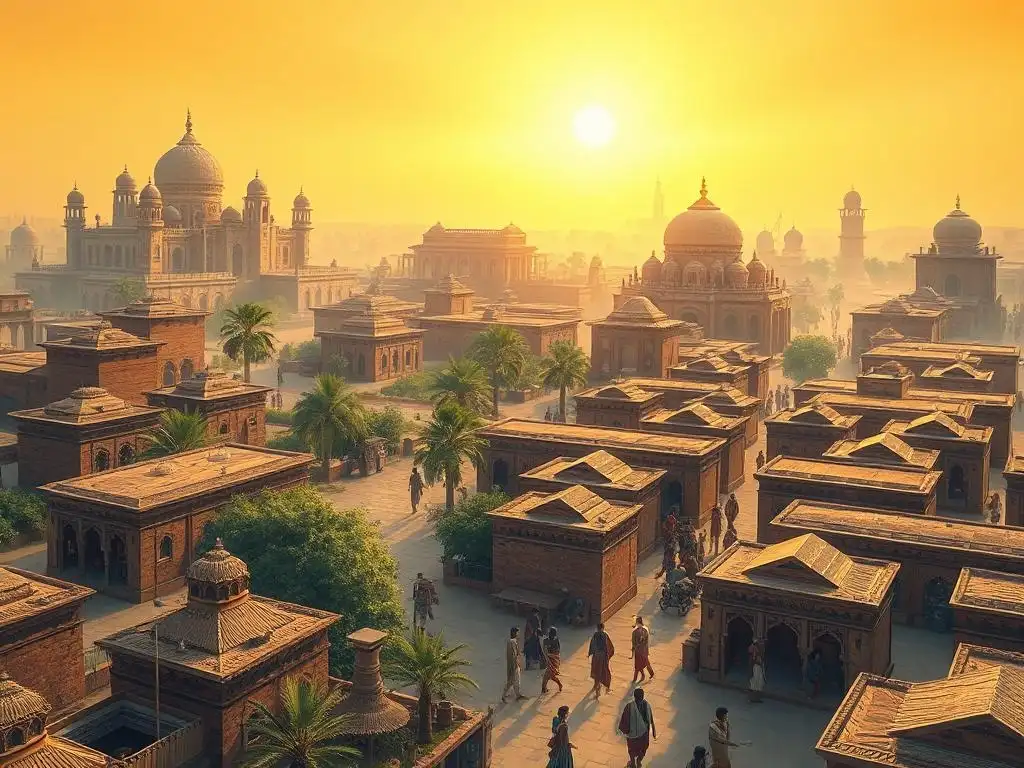
The Indus Valley Civilization, one of the world's earliest urban cultures, exhibits remarkable advancements in urban living that have continued to fascinate historians and archaeologists. The key features of urban planning in this civilization illustrate their sophisticated approach to city layout, sanitation, and public infrastructure, setting a precedent for urban living that would influence future civilizations.
City Layout and Design
The cities of the Indus Valley, such as Harappa and Mohenjo-Daro, were meticulously planned, showcasing a grid-like pattern that emphasized organization and efficiency. Each city was characterized by:
- Right-Angled Streets: The streets were laid out at right angles, creating a systematic grid that facilitated navigation and trade.
- Zoning: Residential and commercial areas were distinctly separated, allowing for organized living spaces and marketplaces.
- Centralized Structures: Prominent public structures, such as the Great Bath and granaries, were typically located in the center, indicating their importance in social and religious life.
The integration of public and private spaces within this urban framework underscores the advanced understanding of community organization. The careful planning not only optimized land use but also promoted social interaction and economic activity.
Advanced Drainage and Sanitation Systems
One of the most notable features of Indus Valley urban living history is the sophisticated drainage and sanitation systems. These innovations included:
- Covered Drains: Streets were equipped with covered drains that efficiently channeled wastewater away from residential areas, minimizing flooding and contamination.
- Household Bathrooms: Many homes had private bathrooms connected to the drainage system, showcasing a level of personal hygiene and sanitation that was unprecedented for the time.
- Sewage Treatment: Evidence suggests that the Indus Valley inhabitants employed rudimentary forms of sewage treatment, indicating an awareness of health and sanitation.
The emphasis on cleanliness and hygiene reflects a profound understanding of public health that was largely absent in many contemporary civilizations.
Residential Areas and Public Buildings
The residential architecture of the Indus Valley Civilization reveals a well-planned approach to urban living. Key characteristics include:
- Uniform Housing: Homes were typically built from baked bricks, featuring flat roofs and multiple rooms. This uniformity suggests a standardized approach to construction.
- Courtyards: Many houses included central courtyards, which served as communal spaces for family activities and social gatherings.
- Public Buildings: Structures such as the Granary and the Great Bath not only served practical purposes but also played vital roles in communal and ritualistic activities, reinforcing social cohesion.
The design of residential areas alongside public buildings illustrates the balance between private life and community engagement, fundamental aspects of urban living in the Indus Valley.
The Indus Valley Civilization set a benchmark for urban planning, characterized by innovative city layouts, advanced sanitation systems, and thoughtfully designed residential and public spaces. These elements collectively contributed to a thriving urban lifestyle, making the Indus Valley a pivotal chapter in the history of ancient urban living.
Socioeconomic Structure of Indus Valley Cities
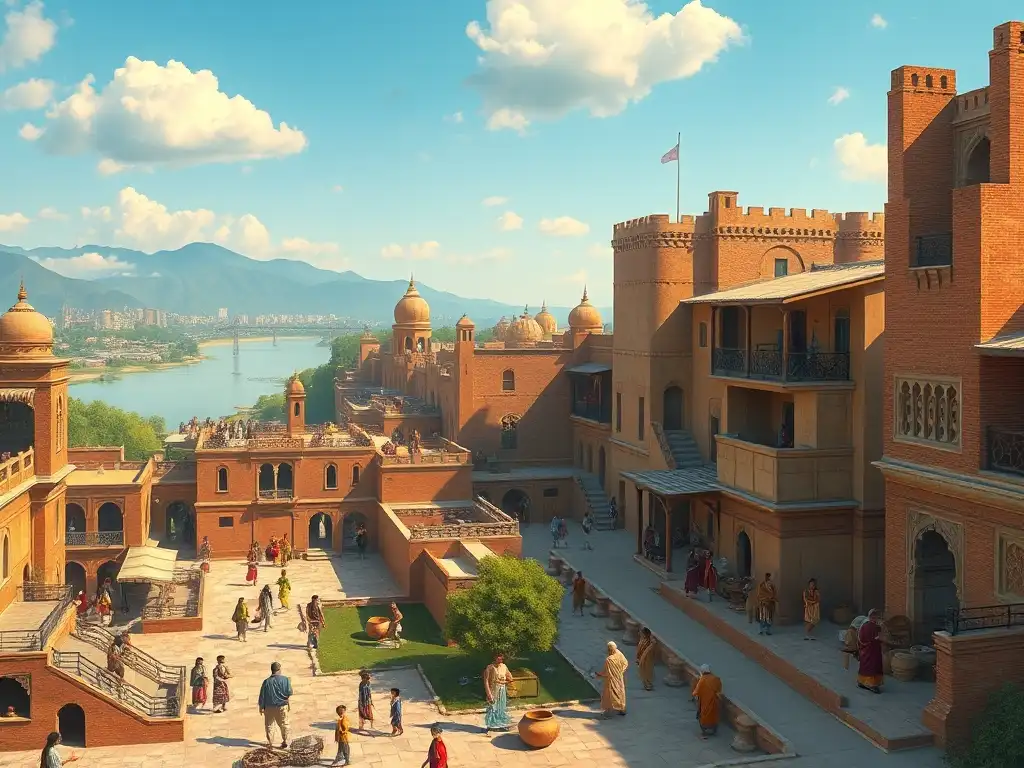
The Indus Valley Civilization (IVC), recognized for its advanced urban planning and societal organization, featured a complex socioeconomic structure that greatly influenced its urban living dynamics. The cities of Harappa and Mohenjo-Daro exemplify this sophistication, showcasing a blend of social stratification, economic activities, and communal living. The interconnectedness of various urban elements not only facilitated daily life but also contributed to the longevity of the civilization.
Trade and Commerce in Urban Centers
Trade and commerce were pivotal to the socioeconomic fabric of the Indus Valley cities. The urban centers served as bustling hubs where merchants and traders engaged in extensive economic activities. Evidence suggests that the IVC had a well-established trading network that extended beyond its borders, with trade links reaching Mesopotamia, Persia, and even regions in the Arabian Peninsula.
- Major Trade Goods:
- Cotton Textiles: The IVC is believed to be one of the first civilizations to cultivate cotton and produce textiles, which were highly sought after in international markets.
- Metals: Copper, bronze, and later iron were traded extensively, facilitating advancements in tools and weaponry.
- Beads and Jewelry: Skilled artisans crafted intricate beadwork and jewelry, made from semi-precious stones, which became popular trade items.
- Ceramics: Fine pottery, often painted and decorated, was a significant part of trade, showcasing the artistic talents of the civilization.
The presence of standardized weights and measures indicates a regulated trading system. Markets located within the cities, often near major streets, facilitated easy access for traders and consumers alike. This structured trade environment contributed to economic stability and growth, emphasizing the importance of commerce in Indus Valley urban living history.
Artisan Craftsmanship and Goods Production
Artisan craftsmanship played a crucial role in the economic and social life of the Indus Valley Civilization. A variety of skilled artisans produced goods that were integral to both daily life and trade.
- Specializations:
- Potters: Renowned for their high-quality pottery, potters utilized the potter's wheel, a significant technological advancement of the time.
- Weavers: The weaving of textiles was not only a domestic activity but also a specialized craft that provided employment and contributed to trade.
- Metallurgists: The ability to work with metals allowed for the production of tools, weapons, and ornaments that were essential for both practical use and trade.
The presence of workshops within urban areas indicates a system of production that was likely organized and possibly even state-sponsored. This craftsmanship not only supported the local economy but also promoted cultural identity, as unique styles and techniques emerged in different regions of the Indus Valley. The diversity of produced goods reflects the richness of the civilization and its urban living history.
Role of Agriculture in Urban Living
Agriculture served as the backbone of the Indus Valley Civilization, providing the necessary sustenance that supported urban populations. The fertile floodplains of the Indus River facilitated the cultivation of various crops, contributing significantly to the civilization's stability and growth.
- Key Agricultural Products:
- Wheat and Barley: These staple crops formed the core of the diet and were grown in abundance.
- Rice: Evidence suggests that rice was also cultivated, especially in the eastern regions of the IVC.
- Legumes and Pulses: These were essential as protein sources and played a vital role in crop rotation practices.
The agricultural surplus allowed cities to thrive, enabling specialization of labor and the development of trade. Additionally, the construction of irrigation systems indicates advanced agricultural practices that ensured consistent crop yields. The integration of agriculture with urban living highlighted the interdependence of food production and urbanization in the Indus Valley urban living history.
The socioeconomic structure of Indus Valley cities was characterized by a well-organized system of trade, artisan craftsmanship, and agriculture. This intricate interplay between various sectors not only facilitated urban living but also laid the foundation for a civilization that continues to fascinate historians and archaeologists today.
Cultural Aspects of Indus Valley Urban Life
Religion and Spiritual Practices
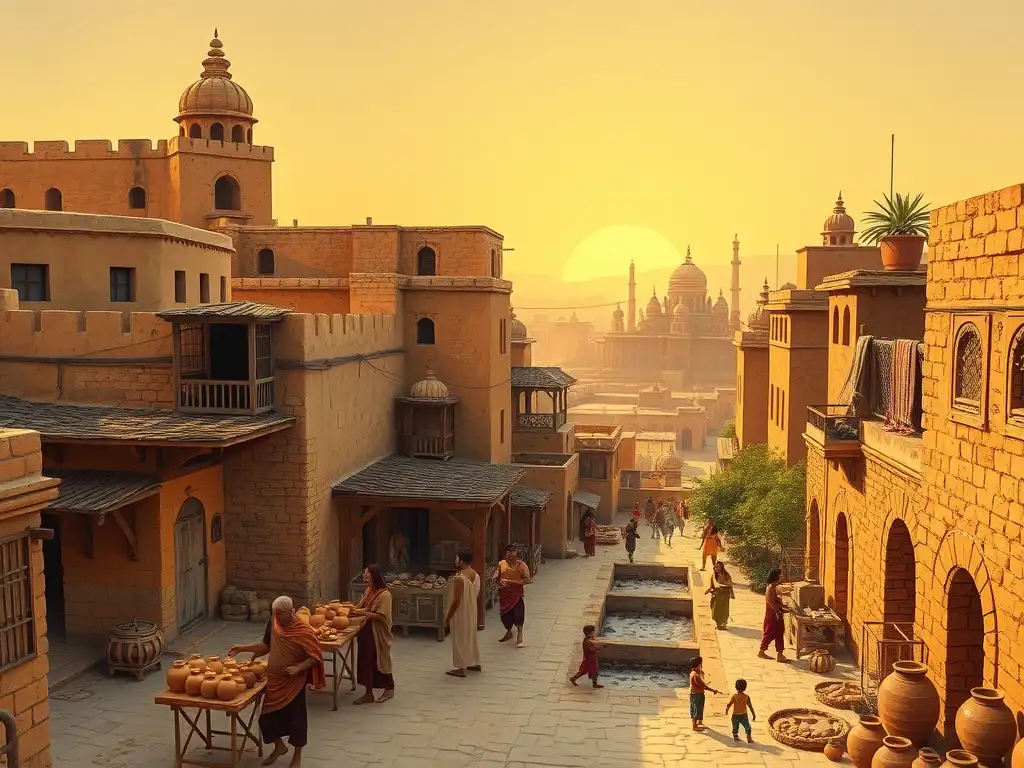
The Indus Valley Civilization (IVC) showcased a tapestry of religious beliefs and practices that were intricately woven into the fabric of urban life. Although the specifics of their religion remain partly elusive due to the limited decipherment of their script, archaeological findings provide a glimpse into their spiritual world.
- Deities and Symbols:
- The presence of terracotta figurines, particularly those resembling mother goddesses, suggests a form of fertility worship.
- Seals bearing motifs of animals, such as the unicorn and various other creatures, hint at the significance of these figures in their spiritual practices.
- Ritual Sites:
- Excavations at sites like Mohenjo-Daro and Harappa have revealed structures believed to be used for ritualistic purposes.
- The Great Bath at Mohenjo-Daro stands out as a potential site for communal purification rites, indicating the importance of water in their spiritual practices.
- Burial Practices:
- The burial customs of the IVC show a complex relationship with death and the afterlife.
- Graves often contained pottery, ornaments, and tools, suggesting a belief in an existence beyond death.
The religious landscape of the Indus Valley urban living history reflects a profound connection between spirituality, daily life, and community practices.
Art and Architecture: A Reflection of Urban Society
The architectural and artistic undertakings of the Indus Valley Civilization exemplify an advanced urban society that prioritized functionality alongside aesthetics. Their urban planning and artistic expressions provide insight into their social structure and cultural priorities.
- Urban Planning:
- The cities of the IVC were meticulously planned with grid layouts, advanced drainage systems, and standardized fired bricks, showcasing the civilization's engineering prowess.
- The streets were often lined with houses that featured private baths and toilets, indicating a sophisticated understanding of urban sanitation.
- Artistic Expressions:
- Artifacts such as pottery, jewelry, and seals reveal a rich artistic tradition.
- The intricate designs found on pottery, including geometric patterns and animal motifs, demonstrate a high level of craftsmanship and aesthetic appreciation.
- Public Structures:
- Structures such as granaries and warehouses point to an organized economy, while public baths and assembly halls suggest communal activities and governance.
- The architectural style, characterized by uniformity and impressive scale, reflects the collective identity of the urban populace.
In essence, the art and architecture of the Indus Valley Civilization not only served practical purposes but also embodied the cultural and societal values of its urban inhabitants.
The daily life of the Indus Valley civilization was a complex interplay of various social interactions, economic activities, and cultural expressions that defined urban living in ancient times.
- Economic Activities:
- The economy was primarily agrarian, supplemented by trade with neighboring regions. Evidence of cotton cultivation suggests that the IVC was among the first to produce textiles.
- Artisans specialized in various crafts, including bead-making, pottery, and metalwork, indicating a diverse economic landscape.
- Social Structure:
- While the exact social hierarchy of the IVC remains speculative, the presence of different residential areas suggests some level of stratification.
- Houses varied in size and amenities, indicating a degree of wealth disparity among the urban population.
- Leisure and Recreation:
- Artifacts such as dice and gaming pieces indicate that leisure activities were part of daily life.
- The presence of communal spaces in the city suggests opportunities for social gatherings, fostering a sense of community among residents.
The daily life and social interactions within the Indus Valley civilization reflect a vibrant urban society, characterized by economic diversity, social complexity, and rich cultural practices.
Innovations in Indus Valley Urban Living
The Indus Valley Civilization (IVC), one of the world's earliest urban societies, showcased remarkable innovations that set a precedent for urban living in ancient times. Spanning from approximately 3300 BCE to 1300 BCE, the IVC is renowned for its advanced urban planning, sophisticated architecture, and extensive trade networks. The innovations in urban living during this period not only improved the quality of life for its inhabitants but also laid the foundation for future civilizations.
Technological Advancements in Urban Infrastructure
Technological innovations were pivotal in shaping the urban landscape of the Indus Valley. The cities of Harappa and Mohenjo-Daro exemplified sophisticated urban planning characterized by:
- Grid Layouts: The cities were meticulously planned with streets laid out in a grid pattern, allowing for efficient movement and organization. This design facilitated effective traffic management and provided a sense of order.
- Standardized Brick Sizes: The use of uniformly sized baked bricks (approximately 10.5 cm x 20.5 cm x 7.5 cm) was a significant advancement. This standardization not only simplified construction but also ensured structural integrity and durability across various buildings.
- Multi-Story Structures: Evidence of multi-story homes suggests that the IVC inhabitants had a keen understanding of architecture. These buildings featured multiple rooms and were constructed with advanced techniques that supported urban density.
- Public Buildings: The presence of large public structures, such as the Great Bath of Mohenjo-Daro, indicates a focus on communal space and public health, reflecting the society's organizational capabilities.
Water Management Systems and Urban Sustainability
One of the most remarkable aspects of the Indus Valley urban living history is its advanced water management systems that promoted sustainability:
- Drainage Systems: The IVC had sophisticated drainage systems, with covered drains running along major streets. These systems helped manage stormwater and waste, significantly improving sanitation. The presence of clay pipes and well-engineered drainage channels demonstrates a high level of engineering skill.
- Public Wells: The cities featured numerous public wells, providing residents with easy access to clean water. This was crucial for both daily living and hygiene, highlighting the civilization's commitment to public health.
- Rainwater Harvesting: Evidence suggests that the Indus Valley people practiced rainwater harvesting, enabling them to store and utilize water effectively during drier seasons. This practice was essential for sustaining agriculture and supporting a growing population.
- Flood Management: The strategic location of cities away from flood-prone areas, coupled with elevated platforms for buildings, illustrates the civilization's awareness of natural disasters and their impact on urban sustainability.
Urban Governance and Administration
The governance structure of the Indus Valley Civilization played a critical role in maintaining order and facilitating urban living:
- Centralized Authority: While the exact nature of governance remains unclear, archaeological evidence indicates a centralized authority managing urban planning and public works. This governance likely included a council of leaders or a ruling elite responsible for decision-making.
- Trade Regulation: The IVC was a hub of commerce, and the administration likely regulated trade activities. Standardized weights and measures discovered in archaeological sites suggest a sophisticated system to ensure fair trade practices.
- Social Organization: The presence of distinct residential areas implies a level of social stratification. While the exact hierarchies are debated, it is clear that urban governance included mechanisms for managing diverse populations and their needs.
- Legal Frameworks: Though no written laws have been uncovered, the orderly layout and advanced infrastructure indicate that some form of legal or regulatory systems existed to maintain social order and manage public resources.
The innovations in urban living during the Indus Valley Civilization not only redefined the standards of urban life in ancient times but also influenced subsequent cultures and societies. Their legacy in urban planning, water management, and governance continues to be studied and admired in the context of ancient Indian civilizations.
Comparison with Other Ancient Civilizations
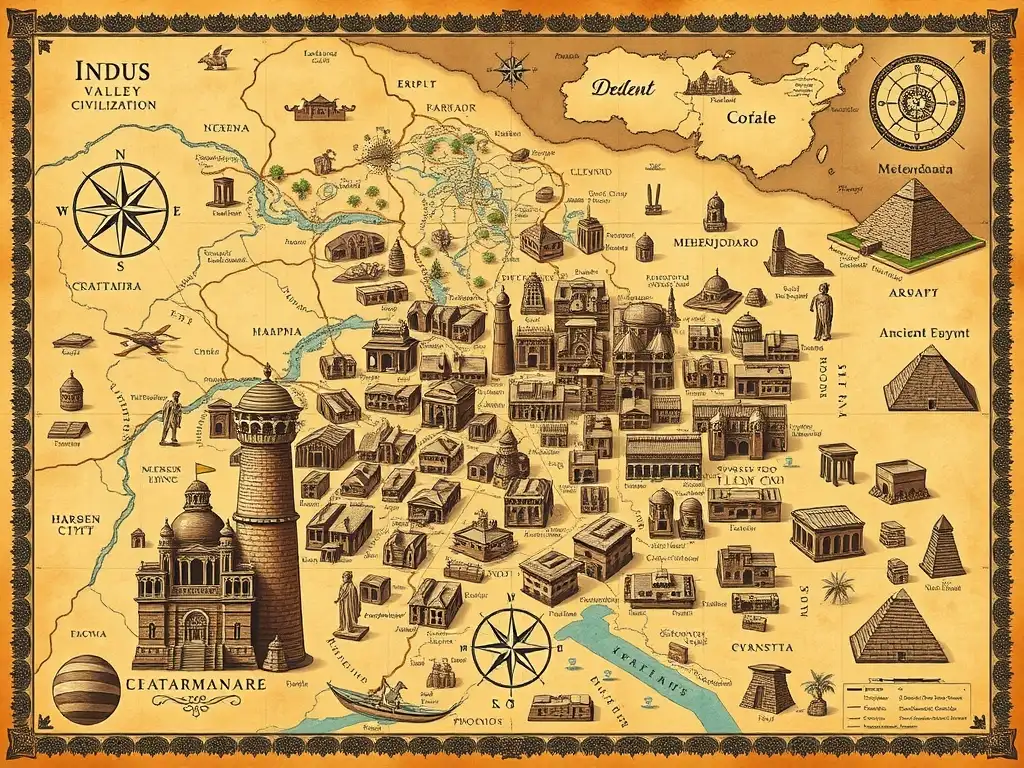
The Indus Valley Civilization (IVC) stands out for its remarkable urban planning and societal organization. To truly appreciate its uniqueness, it is essential to compare it with other ancient civilizations, particularly Mesopotamia and Ancient Egypt. These comparisons reveal distinct urban living dynamics, development strategies, and cultural approaches to city life.
Indus Valley vs. Mesopotamia: Urban Living Dynamics
The urban living history of the Indus Valley Civilization displays notable contrasts with that of Mesopotamia, despite both being pioneering civilizations that developed around river valleys.
- City Layout and Planning:
- The IVC cities, such as Mohenjo-Daro and Harappa, were characterized by a grid-like layout with streets oriented along cardinal directions, showcasing advanced urban planning.
- In contrast, Mesopotamian cities like Ur and Babylon often evolved organically, leading to irregular street patterns and a less systematic approach.
- Infrastructure and Sanitation:
- Indus Valley urban centers featured sophisticated drainage systems, with covered drains running along major streets, and even individual toilets connected to a centralized sewage system. This level of sanitation was unparalleled at the time.
- Mesopotamian cities had less emphasis on sanitation, with drainage systems being rudimentary and often leading to health issues due to poor waste management.
- Building Materials:
- The IVC predominantly utilized fired bricks for construction, which provided durability and uniformity in building structures.
- Mesopotamia, on the other hand, relied on mud bricks, which, while abundant, were less durable and prone to erosion.
- Cultural Aspects:
- The IVC is noted for its lack of monumental architecture compared to Mesopotamia, where ziggurats served as significant religious and political centers.
- Instead, the Indus Valley civilization emphasized residential areas and public baths, reflecting a different societal focus that prioritized communal hygiene and living standards.
Indus Valley vs. Ancient Egypt: Urban Development
When comparing the Indus Valley with Ancient Egypt, another prominent ancient civilization, distinct differences in urban development become apparent.
- Location and Topography:
- The Indus Valley was situated in a floodplain of the Indus River, which provided fertile land for agriculture and was conducive to urbanization.
- Ancient Egypt thrived along the Nile River, where the annual flooding provided similar agricultural benefits, yet the geography led to a different urban structure, primarily centered around temples and pyramids.
- Architectural Styles:
- While the IVC focused on uniformity and practicality in urban design, Ancient Egypt is known for its monumental architecture, such as the Pyramids of Giza and grand temples dedicated to deities.
- The IVC lacked such monumental structures, indicating a different cultural emphasis where communal and domestic spaces were prioritized over monumental religious edifices.
- Social Organization:
- The social hierarchy in the IVC appears to be less pronounced based on the archaeological evidence, with a greater emphasis on egalitarian principles reflected in the uniformity of housing sizes.
- In contrast, Ancient Egyptian society was distinctly stratified, with a clear division between the ruling class and common people, as evidenced by the lavish tombs of pharaohs and noble class.
- Trade and Economy:
- Both civilizations engaged in extensive trade, but the IVC had a more decentralized trading system with standardized weights and measures that facilitated commerce across its urban centers.
- Ancient Egypt's economy was more centralized, with the Pharaoh controlling resources and trade, which influenced urban development patterns centered around state control.
The Indus Valley urban living history presents a unique case of urbanization that, while sharing some similarities with Mesopotamia and Ancient Egypt, exhibits distinctive features that underline its innovative approach to city planning, infrastructure, and social organization. Understanding these comparisons not only highlights the IVC's contributions to urban development but also enriches our knowledge of ancient civilizations' diverse pathways toward complexity and societal advancement.
Decline of Urban Living in the Indus Valley Civilization
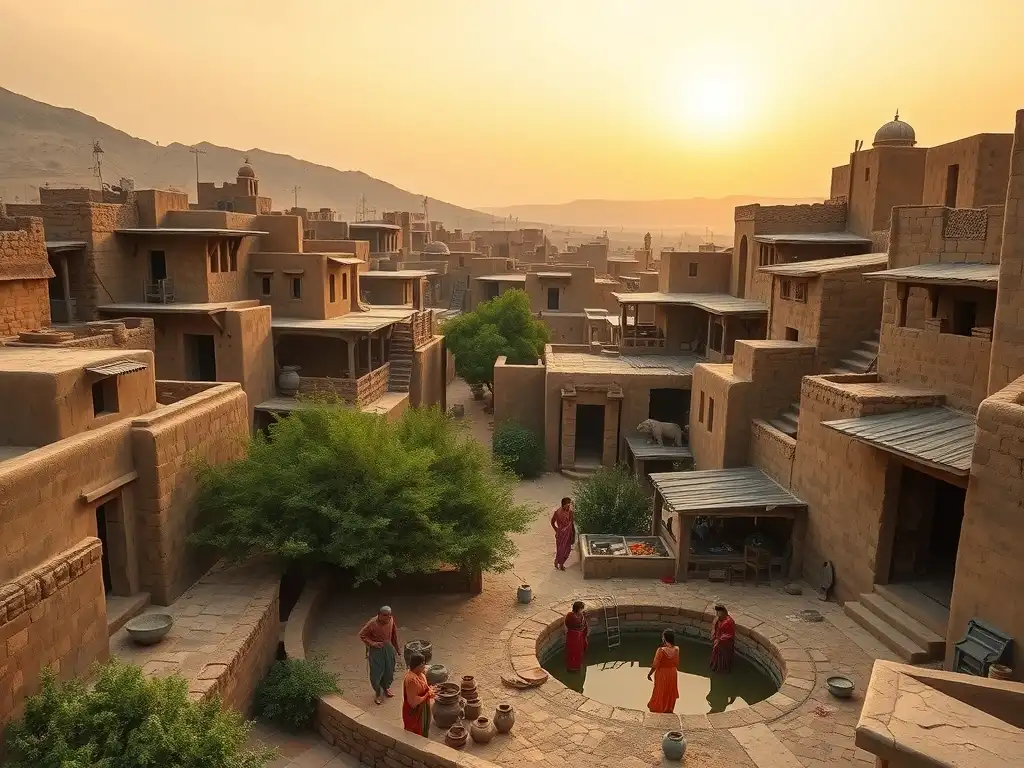
The decline of urban living in the Indus Valley Civilization marks a significant turning point in ancient history. While the civilization is renowned for its advanced urban planning, architecture, and social organization, various factors contributed to its eventual downfall. Understanding this decline provides insights into the resilience and vulnerabilities of early urban societies.
Factors Contributing to the Decline
The decline of the Indus Valley Civilization is attributed to a combination of environmental, economic, and social factors.
- Environmental Changes:
- Climate Shifts: Studies suggest that a significant shift in climate occurred around 2000 BCE, leading to drier conditions. This reduced water availability and affected agricultural productivity, which was crucial for sustaining urban populations.
- River Dynamics: The Indus River, which was vital for irrigation and trade, experienced changes in its course. This led to flooding or reduced water supply in various settlements, making some areas less habitable.
- Economic Factors:
- Trade Disruptions: The civilization engaged in extensive trade with neighboring regions. As environmental conditions worsened, trade routes may have been disrupted, leading to economic decline. The decline in trade would have reduced access to vital resources and goods.
- Agricultural Decline: As agricultural yields plummeted due to climate changes, food scarcity became an issue. This likely resulted in increased competition for remaining resources and contributed to social unrest.
- Social Factors:
- Urban Overpopulation: The highly urbanized nature of the Indus Valley cities may have led to overpopulation. As resources dwindled, social tensions could have escalated, prompting migration or abandonment of urban centers.
- Internal Strife: Evidence suggests that societal structures may have weakened, leading to potential conflicts. As communities faced resource shortages, social hierarchies could have been challenged, leading to instability.
The convergence of adverse environmental changes, economic challenges, and social strife collectively contributed to the decline of urban living in the Indus Valley Civilization.
Impact on Urban Centers and Population Movement
The decline of urban living had profound effects on the urban centers of the Indus Valley Civilization and prompted significant population movements.
- Urban Centers:
- Abandonment of Cities: Major cities such as Harappa and Mohenjo-Daro saw a decline in their populations. Archeological evidence indicates that many of these urban centers were gradually abandoned, transitioning from bustling hubs to ghost towns.
- Shift in Urban Planning: The sophisticated urban planning that characterized the Indus Valley cities, including advanced drainage systems and grid layouts, fell into disrepair. This decline in urban infrastructure reflects the reduced capacity for maintenance and governance.
- Population Movement:
- Migration to Rural Areas: As urban centers became less viable, many inhabitants likely migrated to rural areas in search of better living conditions and agricultural opportunities. This shift may have led to the formation of smaller, agrarian communities.
- Cultural Integration: The movement of populations may have resulted in cultural exchanges with neighboring regions. As people relocated, they brought their practices, technologies, and cultural influences with them, contributing to the evolution of new societies.
The impact of the decline was not uniform; while some urban centers experienced rapid abandonment, others adapted to the changing circumstances, leading to a complex mosaic of cultural and social evolution in the post-Indus period.
The decline of urban living in the Indus Valley Civilization serves as a critical case study for understanding the dynamics of early urban societies and their responses to environmental and social challenges. As we explore the Indus Valley urban living history, it becomes evident that this civilization's legacy continues to influence the urban narratives of subsequent societies.
Legacy of Indus Valley Urban Living in Modern Context
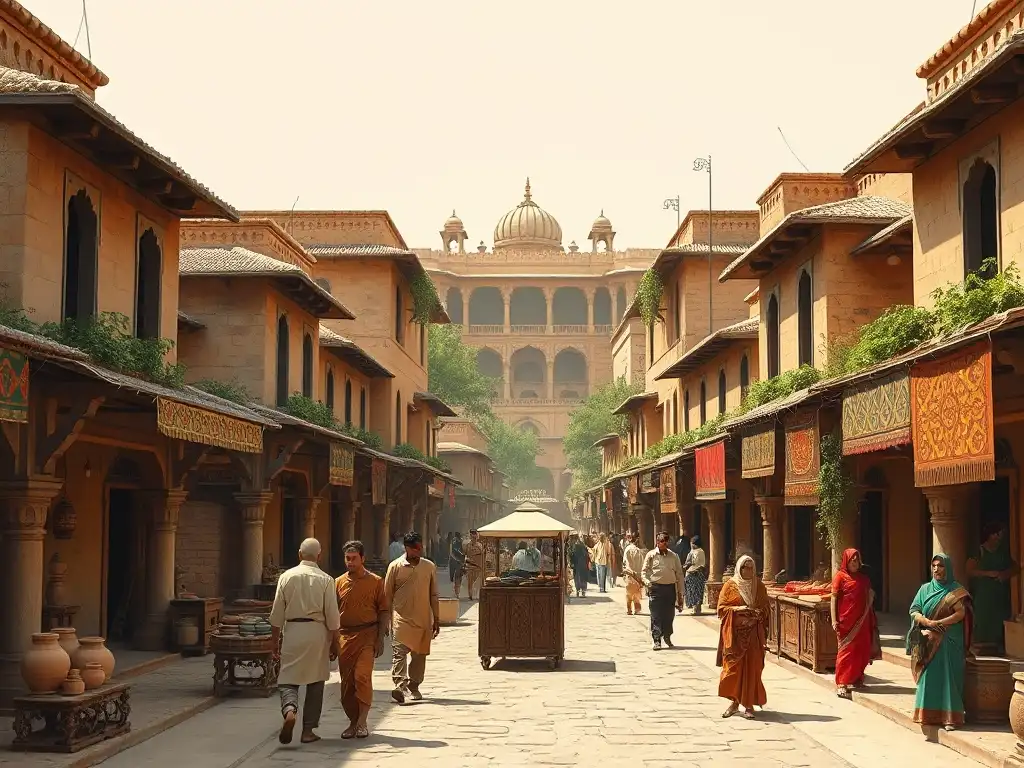
The Indus Valley Civilization (IVC), which thrived between approximately 3300 and 1300 BCE, is often celebrated for its remarkable contributions to urban living. The cities of Harappa and Mohenjo-Daro showcase advanced urban planning and engineering that laid the groundwork for future civilizations. The legacy of IVC urban living continues to influence modern society in various ways, particularly in the fields of urban planning, sanitation, and social organization.
Influence on Contemporary Urban Planning
The urban layout of Indus Valley cities has had a lasting impact on contemporary urban planning. The key features of IVC urban design included:
- Grid Patterns: The cities were meticulously planned with a grid pattern, which facilitated organized movement and efficient land use. This principle has been adopted in many modern city designs, promoting accessibility and navigation.
- Drainage Systems: The sophisticated drainage systems of the IVC are noteworthy. Homes were equipped with private bathrooms that connected to a public drainage system, emphasizing sanitation and hygiene. Today, effective waste management and drainage systems remain critical components of urban planning.
- Zoning: The separation of residential, commercial, and industrial areas in IVC cities is mirrored in modern zoning practices. This organization helps to reduce congestion and enhance the quality of urban life.
- Public Infrastructure: The presence of public baths and granaries in the Indus Valley highlights the importance of communal spaces. Modern urban planning continues to prioritize public infrastructure that supports community engagement and access to resources.
The principles of urban design established by the IVC have been studied by urban planners and architects, who recognize the need for sustainable development and efficient use of resources in contemporary cities.
Lessons from Indus Valley Civilization for Modern Cities
The Indus Valley Civilization offers invaluable lessons that modern cities can adopt to address contemporary challenges:
- Sustainability Practices: The IVC utilized local materials and resources, promoting sustainability. Modern urban areas can learn from this approach by implementing eco-friendly building practices and local sourcing.
- Water Management: The civilization's sophisticated approach to water management, including rainwater harvesting and well systems, is crucial as cities face increasing water scarcity. Incorporating similar techniques can improve resilience against climate change.
- Civic Engagement: The organization of the IVC suggests a form of civic engagement and social responsibility. Modern cities can foster community participation in urban planning to ensure that developments meet the needs of residents.
- Cultural Integration: The diversity of the IVC population highlights the importance of cultural integration. Today, fostering inclusive environments that respect and celebrate diversity is essential for creating harmonious urban communities.
The Indus Valley urban living history not only reflects the ingenuity of ancient societies but also provides a framework for addressing modern urban challenges. By integrating these lessons into contemporary practices, cities can aspire to achieve sustainable, efficient, and inclusive urban living.
Conclusion: The Enduring Impact of Indus Valley Urban Living History
Summary of Key Contributions
The Indus Valley Civilization (IVC), which flourished from approximately 3300 BCE to 1300 BCE, stands as a testament to the ingenuity and complexity of early urban societies. Its contributions to urban living history can be categorized into several key areas:
- Urban Planning and Architecture:
- The cities of Harappa and Mohenjo-Daro exemplify advanced urban planning. Streets were laid out in a grid pattern, with sophisticated drainage systems that showcased an understanding of sanitation.
- Buildings were constructed using standardized fired bricks, indicating a high level of architectural skill and organization.
- Water Management:
- One of the most remarkable aspects of Indus Valley urban living was its extensive water management system, which included wells, reservoirs, and baths. The Great Bath of Mohenjo-Daro, believed to have been used for ritualistic purposes, underscores the importance of water in both practical and spiritual contexts.
- Trade and Economy:
- The IVC engaged in extensive trade networks, both within the region and with distant civilizations such as Mesopotamia. Artifacts such as seals and weights reflect a sophisticated economic system that relied on a standardized measure for trade.
- Societal Organization:
- Evidence suggests a high degree of social organization, with indications of both craft specialization and a potential governing structure that facilitated urban life. This organization allowed for the efficient management of resources and infrastructure.
- Cultural Contributions:
- The artistic expressions found in pottery, jewelry, and seals indicate a rich cultural life. The use of script, though still undeciphered, suggests a need for communication and record-keeping that is fundamental to urban living.
Reflection on Urban Living and Civilization Development
The urban living history of the Indus Valley Civilization offers profound insights into how early societies laid the groundwork for future civilizations. The innovations in urban planning, water management, and trade not only facilitated daily life but also fostered a sense of community and identity among its inhabitants.
- Sustainability: The emphasis on drainage and waste management can be seen as a precursor to modern concepts of sustainable urban living. This focus on hygiene and environmental management highlighted the civilization's advanced understanding of public health and community well-being.
- Cultural Legacy: The artistic and cultural achievements of the IVC have influenced subsequent Indian civilizations. The motifs and designs found in Indus artifacts continue to resonate in modern Indian art and culture, showcasing the civilization's lasting legacy.
- Urbanization Patterns: The planning and infrastructure of the Indus Valley cities serve as a model for understanding the evolution of urban centers throughout history. The integration of residential, commercial, and public spaces reflects a holistic approach to urban development that many cities aspire to today.
The Indus Valley Civilization redefined urban living through its innovations and contributions, setting a precedent for future civilizations. The lessons learned from this ancient society continue to inform our understanding of urbanization and its role in the development of complex societies.
Frequently Asked Questions
What was the Indus Valley Civilization known for in terms of urban living?
The Indus Valley Civilization was renowned for its advanced urban planning, including sophisticated drainage systems, grid layouts, and multi-story buildings, which set a precedent for modern urban living.
How did the Indus Valley contribute to ancient trade?
The civilization played a crucial role in ancient trade networks, leveraging its strategic location to connect with regions like Mesopotamia, facilitating the exchange of goods such as cotton textiles and pottery.
What were some key features of the cities in the Indus Valley?
Cities like Mohenjo-Daro and Harappa showcased remarkable features such as public baths, granaries, and standardized weights, reflecting a high level of organizational skills and social complexity.
How did the Indus Valley Civilization influence subsequent cultures?
The Indus Valley's innovations in urban living and trade significantly influenced later Indian civilizations, paving the way for advancements in architecture, art, and administration that emerged in subsequent eras.
What led to the decline of the Indus Valley Civilization?
Factors contributing to the decline include climate change, shifts in river patterns, and possible invasions, which disrupted their sophisticated urban living and economic systems, leading to the civilization's eventual collapse.
Final Reflection: The Enduring Legacy of Indus Valley Urban Living
The remarkable innovations of the Indus Valley Civilization continue to resonate in our contemporary understanding of urban living. As we navigate the complexities of modern cities, the sophisticated planning, sanitation systems, and social organization of this ancient civilization remind us that the foundations of urban life were laid thousands of years ago. The Indus Valley's emphasis on community and sustainability serves as a powerful reminder of what is possible when we prioritize the well-being of our environments and societies.
The influence of the Indus Valley Civilization on urban planning and social structures is profound and ongoing. Today, as cities grapple with challenges such as overcrowding, pollution, and infrastructure decay, we can draw inspiration from the past. The meticulous grid layouts and advanced drainage systems of the Indus Valley exemplify how thoughtful design can enhance quality of life. The past is not dead; it is not even past.
— William Faulkner. This quote encapsulates the idea that the lessons from ancient civilizations are not merely historical footnotes but vital components of our ongoing narrative in urban development.
As you reflect on the insights gleaned from the Indus Valley urban living history, consider how you can apply these lessons in your own life and community. Embrace the spirit of innovation and sustainability that characterized this ancient civilization. Whether it's advocating for better urban planning, supporting green initiatives, or simply fostering a sense of community, each small action contributes to a larger movement toward a more harmonious and sustainable urban future. Let the legacy of the Indus Valley inspire you to envision and create the cities of tomorrow.
Unveil the Secrets of Ancient Urban Innovation!
Thank you for diving into the fascinating world of the Indus Valley Civilization! Your exploration has armed you with valuable insights about how this ancient society became a pioneer of urban living. Now, it's your turn to take the next step in this journey of discovery.
Here are some engaging ways to continue your exploration:
- Dive deeper: Explore archaeological sites related to the Indus Valley, whether through virtual tours or local museum exhibits that showcase this remarkable civilization.
- Share your knowledge: Discuss your newfound appreciation for ancient civilizations with friends or on social media—initiate a captivating conversation!
- Connect with others: Join an online forum or community focused on ancient history to exchange experiences and gather new perspectives.
What aspect of the Indus Valley Civilization inspires you the most, and how might it shape your understanding of modern urban living?