
How the Maurya Empire Ensured Stability Through Political Innovation


Welcome to Ancient India History, where we embark on a fascinating journey through the rich and diverse tapestry of ancient Indian civilizations. In this captivating exploration, we delve into the Maurya Empire, a remarkable era marked by groundbreaking political innovations that laid the foundation for stability and governance. What strategies did the Mauryan rulers employ to unify such a vast and varied land?
Join us as we uncover the secrets behind their success and discover how these ancient practices continue to influence modern governance. Your adventure into the depths of history begins here—keep reading to unlock the wisdom of the past!
- Introduction to the Maurya Empire Political Innovation
- Key Features of Maurya Empire Political Structure
- Strategies of Political Innovation in the Maurya Empire
- The Role of Ashoka in Political Innovation
- Comparison with Other Ancient Empires
- Challenges to Political Stability in the Maurya Empire
- Conclusion: Lasting Impact of Maurya Empire Political Innovation
- References and Further Reading
-
Frequently Asked Questions
- What were the key political innovations of the Maurya Empire?
- How did the Maurya Empire achieve stability through these innovations?
- What role did Ashoka the Great play in political innovation?
- How did the Maurya Empire's political system compare to other ancient civilizations?
- What were the long-term impacts of the Maurya Empire's political innovations?
- Final Reflection: The Enduring Legacy of Maurya Empire Political Innovation
- Unveil the Secrets of Political Innovation!
Introduction to the Maurya Empire Political Innovation
The Maurya Empire, one of the most significant empires in ancient Indian history, is renowned not only for its vast territorial expanse but also for its remarkable political innovations that ensured stability and governance. Established in 322 BCE by Chandragupta Maurya, this empire laid the foundations for a centralized administrative structure that efficiently managed diverse populations across vast regions.
The political innovations of the Maurya Empire were instrumental in unifying a fragmented landscape, implementing governance reforms, and establishing a legal framework that promoted social order and economic prosperity. This article will delve into the political strategies employed by the Maurya Empire, highlighting how they fostered stability and continuity in a complex socio-political environment.
Overview of the Maurya Empire
The Maurya Empire reached its zenith under the rule of Ashoka the Great, who expanded its boundaries to encompass most of the Indian subcontinent. At its height, the empire covered approximately 5 million square kilometers, making it one of the largest empires of the ancient world. The Mauryan dynasty is particularly noted for its advancements in administration, economy, and culture, which were pivotal for the empire's longevity.
Key features of the Maurya Empire include:
- Centralized Administration: The Mauryas established a centralized form of governance that allowed for effective administrative control over their vast territories.
- Bureaucratic Structure: A well-organized bureaucracy was created, comprising various officials responsible for different regions and functions within the empire.
- Communication Networks: The establishment of efficient communication systems, including roads and messengers, facilitated trade and governance.
Importance of Political Innovation in Ancient Civilizations
Political innovation is often the backbone of successful civilizations, particularly in ancient contexts where diverse cultures and tribes were brought together under a single political entity. In the case of the Maurya Empire, political innovations were not merely about governance; they also encompassed economic reforms, social policies, and military strategies that collectively ensured the empire's stability.
The significance of political innovation in ancient civilizations can be summarized as follows:
- Unity and Cohesion: Innovative political structures helped unify disparate groups, fostering a sense of belonging and shared identity among citizens.
- Legal Framework: The establishment of laws and regulations provided a framework for justice and order, essential for maintaining peace and stability.
- Economic Development: Political innovations often catalyzed economic growth by standardizing trade practices and improving infrastructure, which in turn supported the stability of the state.
- Cultural Integration: A well-structured political system promoted interaction among various cultures, leading to the enrichment of society through the exchange of ideas and practices.
The Maurya Empire's political innovations were crucial in establishing a stable and prosperous society, significantly contributing to the empire's historical legacy and influence on subsequent Indian civilizations.
Key Features of Maurya Empire Political Structure
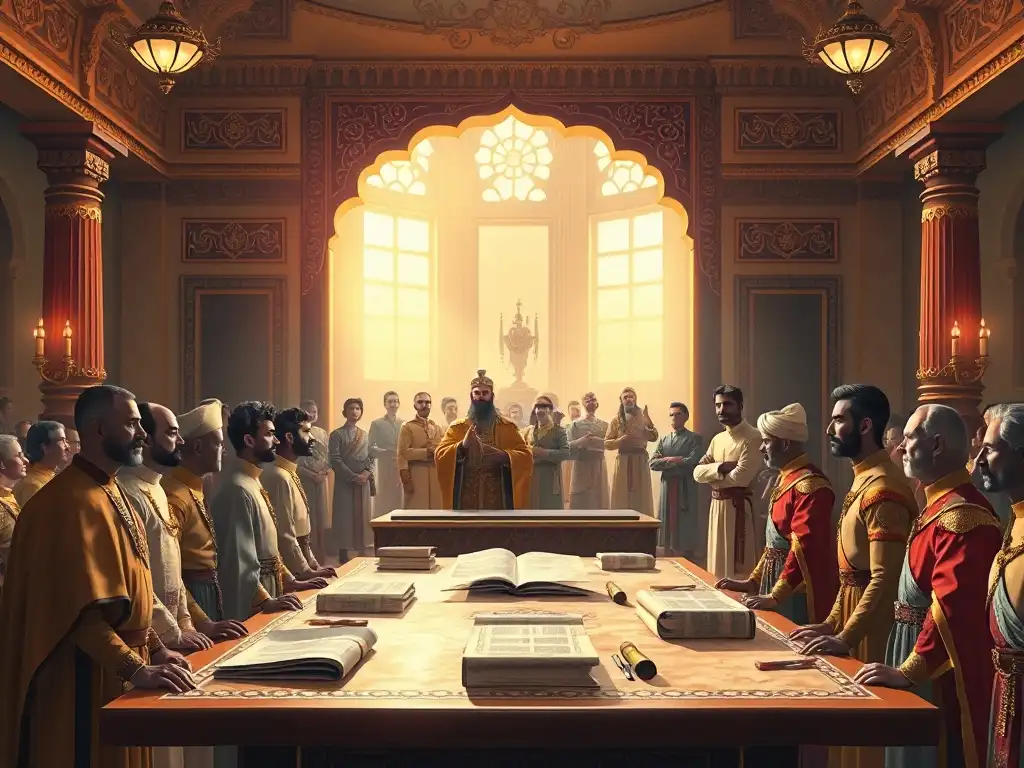
The Maurya Empire, which thrived from approximately 322 to 185 BCE, is renowned for its political innovations that laid the groundwork for effective governance in ancient India. The empire's political structure was characterized by a blend of centralized governance, a strong bureaucratic system, and a pivotal role played by the emperor. These features collectively contributed to the stability and longevity of the Maurya Empire.
Centralized Governance in the Maurya Empire
Centralized governance was a hallmark of the Maurya Empire, allowing for the consolidation of power and the efficient administration of its vast territories. This system enabled the emperor to maintain control over diverse regions, ensuring uniformity in law and policy. Key aspects of this centralized governance included:
- Imperial Authority: The emperor, as the supreme ruler, held absolute power over the state. This authority was reinforced by the belief in the divine right of kings, which legitimized their rule.
- Provinces and Local Governance: The empire was divided into several provinces, each governed by a viceroy appointed by the emperor. This hierarchical structure facilitated local governance while keeping the central authority intact.
- Standardized Legal System: The Mauryan legal system was uniform across the empire, ensuring that laws were applied consistently. This standardization helped in minimizing regional disparities and fostered a sense of unity among the populace.
The centralization of power not only streamlined decision-making processes but also allowed for swift responses to internal and external challenges, enhancing the overall stability of the empire.
Role of the Emperor in Political Innovation
The emperor played a crucial role in the political innovations of the Maurya Empire, shaping policies and reforms that addressed the needs of the state. The notable contributions of emperors like Chandragupta Maurya and Ashoka include:
- Strategic Military Reforms: The emperors implemented military innovations that improved the effectiveness of the army, ensuring the security of the empire's borders. This included the development of a standing army and advanced military tactics.
- Diplomatic Engagements: Emperors engaged in diplomacy with neighboring states, employing both warfare and strategic alliances to enhance the empire's influence. Ashoka, in particular, is known for promoting non-violence and diplomacy after the Kalinga War.
- Promotion of Welfare Policies: Ashoka's reign marked a significant shift towards social welfare. He established policies aimed at improving the lives of his subjects, such as building hospitals, schools, and roads. These initiatives not only enhanced the quality of life but also solidified the loyalty of the populace.
The proactive approach of emperors in addressing political, military, and social issues significantly contributed to the stability and prosperity of the Maurya Empire.
Bureaucracy and Administrative Efficiency
The Maurya Empire's administrative efficiency was largely attributed to its well-organized bureaucracy, which facilitated the effective implementation of policies across the vast empire. Key components of this bureaucracy included:
- Merit-Based Appointments: Officers and administrators were often appointed based on merit rather than birthright. This practice ensured that capable individuals managed different aspects of governance, enhancing overall efficiency.
- Detailed Record-Keeping: The Mauryan administration emphasized meticulous record-keeping, which allowed for better tracking of resources, population, and tax collection. This data-driven approach enabled informed decision-making.
- Communication Networks: A sophisticated communication system, including roads and messengers, was established to ensure that the emperor remained informed about the distant provinces. This network facilitated quick responses to local issues and emergencies.
- Regular Audits: The bureaucratic structure included regular audits to assess the performance of administrators and the effective use of resources, ensuring accountability and transparency within the government.
The combination of a capable bureaucracy and efficient administrative processes not only ensured the smooth functioning of the empire but also helped maintain stability during times of crisis.
The Maurya Empire's political innovation stemmed from its centralized governance, the dynamic role of emperors, and a robust bureaucratic system, all contributing to the empire's remarkable stability and influence in ancient Indian history.
Strategies of Political Innovation in the Maurya Empire

Introduction of New Administrative Practices
The Maurya Empire, under the leadership of Chandragupta Maurya and later Ashoka, implemented several groundbreaking administrative practices that significantly enhanced governance and stability. One of the most notable innovations was the establishment of a centralized bureaucratic system. This system allowed for the efficient collection of taxes, management of resources, and enforcement of laws across vast territories.
The administrative division of the empire into provinces (known as Mahajanapadas) was a pivotal innovation. Each province was governed by a viceroy, appointed by the emperor, who ensured that local issues were addressed while adhering to the central policies. This hierarchical structure allowed for both autonomy and accountability, as the viceroys were responsible for the welfare of their provinces and reported directly to the emperor.
Furthermore, the Mauryan administration emphasized the codification of laws. The Dhamma edicts, particularly those inscribed by Ashoka, reflected a commitment to justice and ethical governance. These edicts served not only as a legal framework but also as a moral guide for both the rulers and the ruled, fostering a sense of unity and purpose within the empire.
Use of Spies and Intelligence in Governance
A unique hallmark of the Maurya Empire's political innovation was the extensive use of espionage and intelligence networks. The Mauryan rulers understood the critical need for information in maintaining control and preempting dissent. The establishment of a sophisticated spy system allowed the emperors to gather intelligence on various aspects of governance, including the sentiments of the populace and the activities of rival factions.
The intelligence network operated at multiple levels, from local informants to higher-ranking officials. The spies were tasked with monitoring economic conditions, social unrest, and even the behavior of nobility and military leaders. This information was vital for making informed decisions, allowing the rulers to act swiftly and decisively to maintain order.
Moreover, the use of spies extended beyond mere surveillance; it played a crucial role in diplomacy and military strategy. By understanding the political landscapes of neighboring states, the Mauryan Empire could engage in proactive measures to secure alliances or prepare for potential conflicts. This intelligence-driven governance not only ensured stability but also reinforced the power and authority of the Mauryan rulers.
Diplomatic Relations and Alliances
The Maurya Empire's approach to political innovation also encompassed the establishment of diplomatic relations and strategic alliances with neighboring kingdoms. Chandragupta Maurya, for instance, forged alliances through marriage and treaties, which helped solidify his power and expand the empire's influence.
One significant diplomatic achievement was the alliance with the Seleucid Empire following the conquests of Alexander the Great. This alliance not only provided a buffer against potential invasions but also facilitated trade and cultural exchanges between the two empires. The Mauryan rulers adeptly navigated the complex geopolitical landscape of the time, using diplomacy as a tool for both expansion and stability.
Additionally, the Mauryan Empire's commitment to non-violence and ethical governance, especially under Ashoka, fostered goodwill and respect among neighboring states. Ashoka’s promotion of Dhamma as a guiding principle in international relations led to peaceful coexistence with rival kingdoms, further enhancing the empire's stability and reputation.
The Maurya Empire's political innovations, encompassing administrative practices, espionage, and diplomatic strategies, were crucial in ensuring its stability and longevity. These innovations not only allowed for efficient governance but also set a precedent for future empires in the region.
The Role of Ashoka in Political Innovation
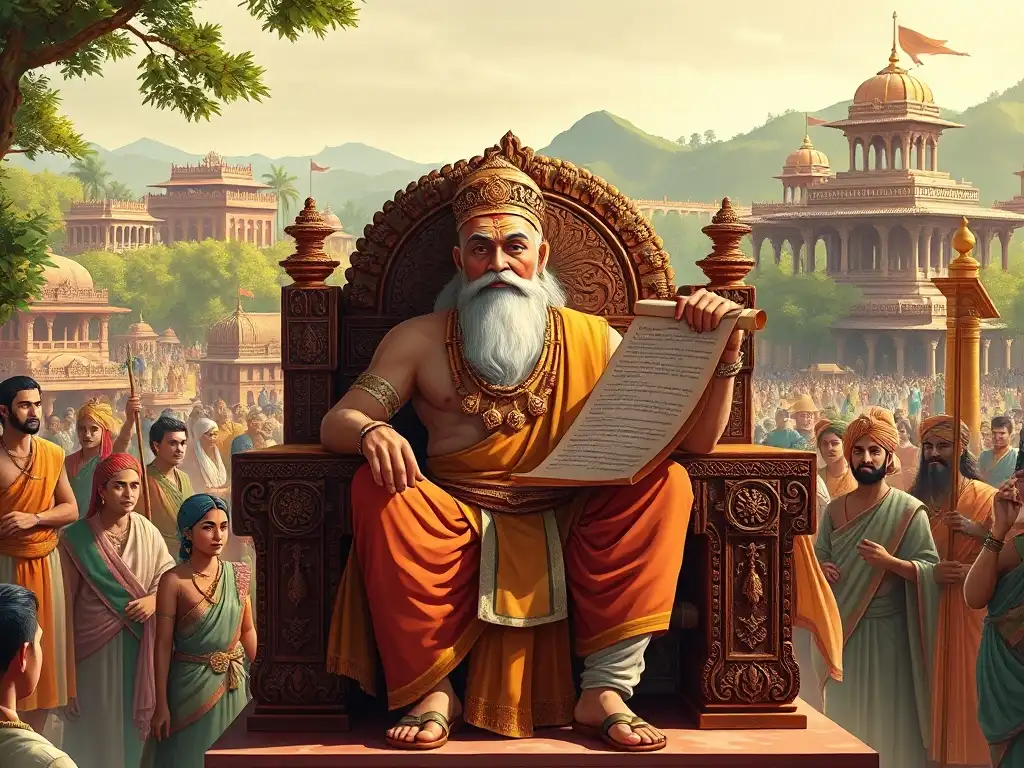
Ashoka the Great, who ruled from 268 to 232 BCE, is widely recognized as one of the most significant figures in the Maurya Empire and a remarkable innovator in political governance. His reign marked a transformative period characterized by a shift from conquest to governance focused on welfare and moral leadership. Ashoka’s political innovations were integral to establishing stability within his vast empire, which encompassed a diverse array of cultures and languages.
Ashoka's Edicts and Their Impact on Governance
One of Ashoka's most notable contributions to political innovation was the promulgation of his edicts. These inscriptions, carved on rocks and pillars throughout the empire, served multiple functions:
- Moral Guidance: The edicts emphasized ethical conduct and moral governance, setting a standard for the behavior of both rulers and subjects. They highlighted principles like non-violence (ahimsa), truthfulness, and compassion.
- Public Communication: By communicating directly with the populace in local languages, Ashoka fostered a sense of belonging and unity among the diverse groups within the empire.
- Legal Framework: The edicts outlined laws and regulations, promoting justice and accountability. They served as a foundation for administrative practices, reinforcing the rule of law.
The impact of these edicts was profound. They not only instilled a sense of duty among the officials but also encouraged civic responsibility among the subjects. The widespread visibility of these edicts helped to legitimize Ashoka’s rule and consolidate his power, ensuring a stable governance structure.
Promoting Dharma as a Political Tool
Ashoka’s innovative use of Dharma (moral law) as a political tool was instrumental in promoting stability within the Maurya Empire. By aligning his governance with the principles of Dharma, he sought to create a just and harmonious society through the following means:
- Cultural Integration: Ashoka promoted the idea of Dharma beyond religious confines, making it a unifying moral framework. This inclusivity helped bridge cultural differences and fostered a sense of shared identity among the empire’s subjects.
- Support for Buddhism: Ashoka’s patronage of Buddhism not only promoted ethical living but also encouraged the spread of Buddhist values of compassion and non-violence throughout the empire. This led to a more peaceful coexistence among various communities.
- Social Welfare Initiatives: His commitment to social welfare, reflected in the establishment of hospitals, rest houses, and wells, showcased the application of Dharma in governance. These initiatives improved the quality of life and demonstrated the ruler’s concern for the well-being of his subjects.
The promotion of Dharma under Ashoka created a moral and ethical framework that transcended mere governance, effectively integrating governance with societal values, which contributed significantly to the empire's stability.
Ashoka's Influence on Stability and Unity
The impact of Ashoka's political innovations on stability and unity within the Maurya Empire cannot be overstated. His reign exemplified how effective leadership could foster a sense of belonging and loyalty among subjects. Key aspects of his influence include:
- Standardization of Administration: Ashoka established a centralized administrative structure that standardized practices across the empire. This resulted in efficient governance, reducing corruption and enhancing public trust in the administration.
- Diplomatic Relations: His diplomatic efforts, including sending envoys to foreign lands to spread Buddhist teachings, not only strengthened ties with neighboring kingdoms but also enhanced the Maurya Empire's prestige and influence.
- Civic Engagement: By actively engaging with his subjects through edicts and welfare programs, Ashoka cultivated a culture of participation and accountability. This civic engagement helped to quell dissent and foster loyalty among diverse populations.
Ashoka's political innovations, particularly through his edicts, promotion of Dharma, and efforts to ensure stability and unity, were pivotal in transforming the Maurya Empire into a well-governed and cohesive entity. His legacy continues to be a profound example of how moral leadership can effectively navigate the complexities of governance in a diverse society.
Comparison with Other Ancient Empires
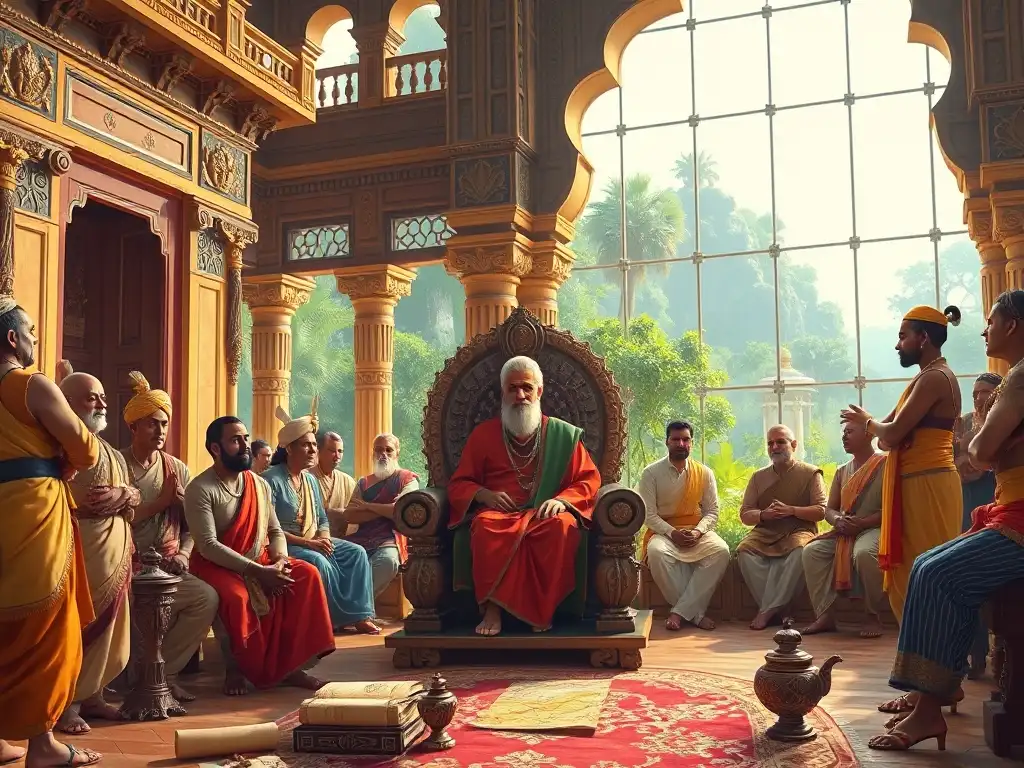
The Maurya Empire, renowned for its sophisticated political structure and innovative governance, stands as a significant example of how political innovation can foster stability. By comparing its political strategies with those of other ancient empires, we can gain insights into the unique approaches that the Maurya Empire employed to maintain control and promote prosperity.
Political Innovations of the Maurya Empire vs. Persian Empire
The Persian Empire, with its vast territorial expanse and diverse population, developed a complex administrative system that emphasized local governance while maintaining centralized power. In contrast, the Maurya Empire introduced several political innovations that enhanced its stability and integration of its diverse populace.
- Centralized Bureaucracy:
- The Mauryan administration established a highly organized bureaucracy, which was instrumental in enforcing laws and collecting taxes. This system was more systematic than the Persian satrapy model, which relied heavily on local governors (satraps) who sometimes exercised considerable autonomy.
- Legal Code:
- Under the Maurya Empire, particularly during Ashoka’s reign, there was a codification of laws that promoted uniformity across the empire. Ashoka’s edicts, inscribed on pillars and rocks, communicated ethical guidelines and standards, fostering a sense of unity and common identity, which was less pronounced in the Persian model.
- Infrastructure Development:
- The Maurya Empire invested significantly in infrastructure, such as roads and irrigation systems, which facilitated trade and communication. This emphasis on infrastructure was a strategic innovation that helped integrate the empire more effectively than the Persian reliance on existing pathways and local infrastructures.
- Diplomacy and Alliances:
- The Mauryan rulers often employed diplomatic strategies to manage relations with neighboring states, contrasting with the Persian approach of direct military conquest. This method not only minimized conflict but also allowed for peaceful coexistence and trade.
Political Strategies of the Maurya Empire vs. Roman Empire
The Roman Empire, known for its military prowess and extensive territorial control, developed a distinct political strategy that emphasized legalism and military strength. However, the Maurya Empire's political strategies reveal a different path towards stability that was significantly influenced by its cultural context.
- Emphasis on Dharma:
- The Maurya Empire, particularly under Ashoka, placed a strong emphasis on Dharma (moral law), which guided governance and societal conduct. This ethical framework was more pronounced than the Roman focus on law, which was often enforced through military might. The Mauryan strategy aimed to cultivate a moral society, thereby reducing the need for coercive measures.
- Integration of Diverse Cultures:
- The Maurya Empire was adept at integrating various cultural practices and local traditions into its governance structure. This inclusive approach contrasts with the Romans, who often imposed their culture on conquered peoples. The Mauryan model promoted local customs while maintaining overarching imperial authority, facilitating smoother governance.
- Taxation System:
- The Maurya Empire implemented a fair taxation system that was designed to be equitable and promote agricultural productivity. In contrast, the Roman taxation system often placed heavy burdens on provinces, leading to discontent and rebellion. The Mauryan approach not only ensured regular revenue but also fostered loyalty among subjects.
- Public Welfare Programs:
- Ashoka’s reign is marked by a commitment to public welfare, including healthcare, education, and infrastructure for the benefit of the populace. This contrasts sharply with the Roman emphasis on military expenditure and expansion, showcasing the Maurya Empire’s innovative focus on the well-being of its citizens as a stabilizing force.
The political innovations of the Maurya Empire, when compared with those of the Persian and Roman Empires, highlight a unique approach that combined ethical governance, inclusivity, and infrastructure development. This multifaceted strategy not only ensured political stability but also laid the foundation for a prosperous and harmonious society within the vast territories of the Maurya Empire.
Challenges to Political Stability in the Maurya Empire
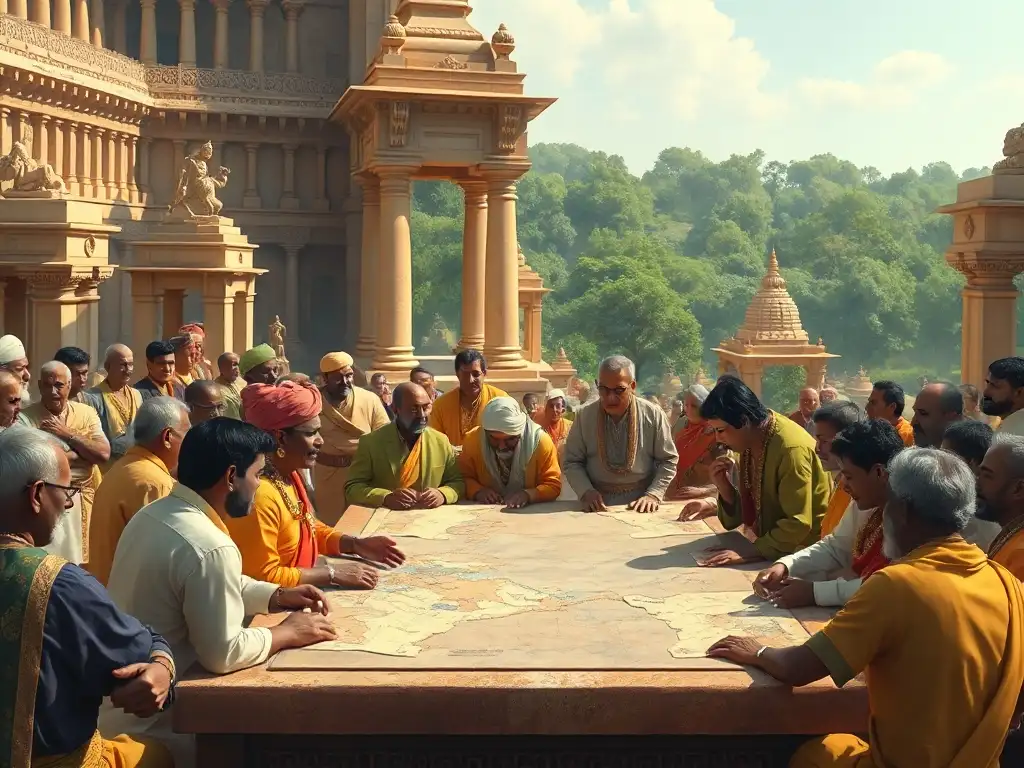
Internal Conflicts and Succession Issues
The Maurya Empire, despite its vast territorial expanse and administrative prowess, faced significant internal conflicts that threatened its political stability. One of the most pressing challenges was the issue of succession. The empire was founded by Chandragupta Maurya in 322 BCE, but following his abdication, the question of rightful heirs became contentious. Chandragupta’s son, Bindusara, succeeded him but did not enjoy a straightforward reign.
- Power Struggles: Following Bindusara's death, his son Ashoka ascended the throne, but not without contest. Historical accounts suggest that Ashoka had to eliminate potential rivals, including his brothers, to secure his position. Such fratricidal conflicts led to instability and mistrust within the royal family, undermining the perception of the monarchy’s stability.
- Noble Rivalries: The Mauryan administration was heavily reliant on a complex bureaucracy, including various noble families and regional governors (known as Mahamatras). Discontent among these powerful elites sometimes resulted in revolts and uprisings, as they sought greater autonomy or influence over imperial decisions. For instance, local governors could exploit their power to challenge the central authority, leading to fragmentation.
- Religious Tensions: The Maurya Empire was religiously diverse, encompassing Hinduism, Buddhism, and Jainism. While Ashoka famously promoted Buddhism after the Kalinga War, the shift sometimes alienated non-Buddhist elements within the empire. This transition sparked tensions between different religious groups, complicating the governance of a culturally heterogeneous state.
External Threats and Diplomatic Challenges
The Maurya Empire also faced notable external threats that required innovative diplomatic strategies to maintain stability. The empire’s vast borders were vulnerable to incursions and invasions, necessitating a multifaceted approach to foreign policy.
- Military Threats: The expansionist ambitions of neighboring kingdoms, particularly the Greek kingdoms in the west following Alexander the Great's conquests, posed a direct challenge. The Mauryan military, under Ashoka, had to adapt to these threats by not only reinforcing its borders but also employing strategic alliances. Ashoka’s approach to diplomacy included sending emissaries to establish relations with foreign powers, which helped to mitigate direct military confrontations.
- Trade and Economic Stability: Maintaining economic stability was crucial for the Maurya Empire. Trade routes were often targets for robbers and rival states, threatening the empire's economic backbone. By establishing trade agreements and ensuring safe passage for merchants, the Mauryas aimed to bolster the economy and, in turn, political stability.
- Cultural Diplomacy: Ashoka's conversion to Buddhism and his subsequent promotion of the religion as a unifying force also served as a diplomatic tool. By sending Buddhist missionaries to various regions, including Sri Lanka and beyond, Ashoka sought to create a network of cultural influence that could foster loyalty and reduce hostility towards the empire.
The Maurya Empire's political innovation was not just about administrative efficiency but also about navigating the complex landscape of internal and external challenges. By addressing succession issues and employing strategic diplomatic measures, the Mauryas laid the groundwork for a relatively stable and prosperous empire during their reign.
Conclusion: Lasting Impact of Maurya Empire Political Innovation
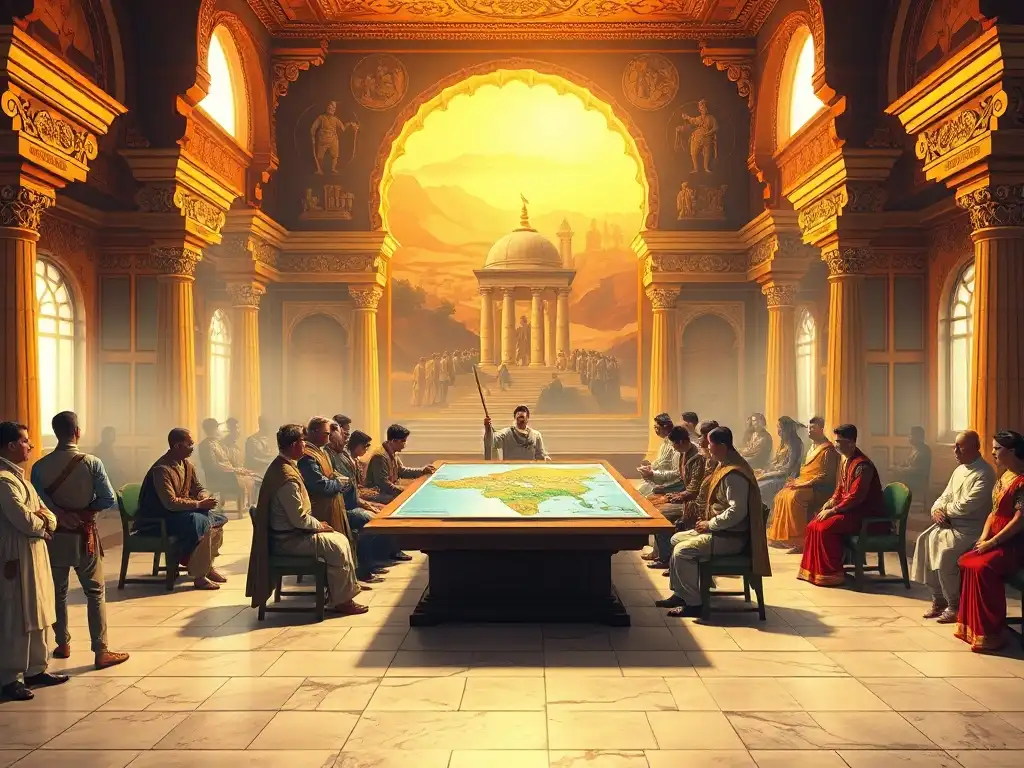
The Maurya Empire, renowned for its remarkable political innovations, laid the groundwork for future governance in India and beyond. By establishing a centralized administrative system, the Mauryas demonstrated how effective governance could be achieved through structure and organization. The introduction of various administrative divisions, such as provinces (janapadas) and districts (vishayas), allowed for more efficient management of resources and better control over vast territories. These innovations not only ensured stability during the Maurya period but also served as a model for subsequent Indian empires.
The Mauryan political philosophy emphasized the importance of dharma (moral order) in governance. This principle guided rulers in their decision-making processes, ensuring that their policies were not only effective but also just and ethical. The effective communication channels established during this era, including messengers and a well-maintained road system, facilitated the spread of information and helped maintain order across the empire. The Maurya Empire's political innovations have left a profound legacy that influenced both contemporary governance and future political structures in India.
Contributions to Future Indian Political Structures
The political innovations of the Maurya Empire played a crucial role in shaping the governance models of later Indian states. One of the most significant contributions was the concept of a centralized authority. The Mauryan state demonstrated how a strong central government could effectively manage diverse populations and vast territories, a principle that was echoed in subsequent empires such as the Gupta and Mughal dynasties.
Moreover, the Mauryan administrative framework introduced a systematic approach to taxation, which ensured that resources were allocated efficiently. This model of revenue collection and resource distribution influenced later Indian rulers, who adopted similar practices to sustain their empires. The emphasis on legal codes and the establishment of a bureaucratic system also set precedents for future administrations, promoting the idea that governance should be based on law and order rather than sheer power.
Another critical aspect was the Mauryan emphasis on diplomacy and international relations. The use of emissaries, as seen in the policies of Chandragupta Maurya and Ashoka, allowed for peaceful coexistence and trade with neighboring states. This diplomatic approach laid the groundwork for future Indian rulers to engage with foreign powers in a manner that prioritized stability and mutual benefit.
Legacy of the Maurya Empire in Modern Political Thought
The legacy of the Maurya Empire's political innovations extends far beyond the borders of ancient India, influencing modern political thought in several ways. The principles of governance established during this era resonate with contemporary ideas of democracy, centralized authority, and ethical leadership. The emphasis on dharma has inspired modern political leaders to consider the moral implications of their policies, fostering a sense of responsibility toward the populace.
In addition, the Mauryan model of bureaucratic governance has been mirrored in various modern administrative systems. The idea of a structured government with a clear hierarchy remains relevant in contemporary politics, where efficiency and accountability are paramount. The Maurya Empire exemplified how effective governance could lead to societal stability, a lesson that continues to be relevant in today's political landscape.
Furthermore, the diplomatic practices initiated during the Maurya period have shaped modern international relations. The emphasis on dialogue, treaties, and peaceful coexistence can be seen in various diplomatic efforts around the world today. The Maurya Empire's approach to governance and diplomacy serves as a reminder of the importance of strategic planning and ethical considerations in achieving long-term stability and prosperity.
The political innovations of the Maurya Empire not only ensured its stability during its reign but also left an indelible mark on the political landscapes of India and the world. The principles established during this era continue to influence modern political thought, making the study of Mauryan political innovation essential for understanding the evolution of governance in India.
References and Further Reading
Suggested Books on Maurya Empire Political Innovation
-
"The Mauryan Empire" by Romila Thapar
This book provides a comprehensive overview of the Maurya Empire, focusing on its political structure and innovations. Thapar's analysis highlights how the Mauryan rulers implemented policies that ensured stability and cohesion across their vast empire.
-
"Maurya and Post-Maurya India" by R. S. Sharma
A detailed examination of the political innovations during the Maurya period, this work delves into administrative strategies, economic policies, and social reforms that promoted stability and governance.
-
"The Art of War in Ancient India" by S. R. Sharma
This book explores military strategies and their political implications in the Maurya Empire. It sheds light on how military innovations were crucial in maintaining political stability and territorial integrity.
-
"The Mauryan State: A Historical Analysis" by K. N. Choudhury
Choudhury offers an in-depth look at the political frameworks established by the Mauryan rulers. This book discusses the significance of these structures in fostering governance and order throughout the empire.
-
"Maurya Empire: A Historical Overview" by B. B. Chaudhuri
This work presents a broad perspective on the Maurya Empire, including its political innovations and their impact on societal stability and development.
Academic Articles for In-Depth Study
-
"Political Innovations in the Maurya Empire: An Analytical Perspective"
This article examines specific political innovations employed by the Maurya rulers, including centralized governance and administrative reforms that contributed to the empire’s strength.
-
"The Role of Ashoka in Political Stability: A Study of the Maurya Empire"
Focusing on Emperor Ashoka, this study analyzes his policies and edicts as innovative political tools that promoted stability and unity within the diverse Mauryan population.
-
"Administrative Strategies of the Maurya Empire: Innovations and Impact"
This paper discusses the administrative frameworks put in place by the Maurya rulers, detailing how these innovations facilitated effective governance over a vast territory.
-
"Economic Policies of the Maurya Empire: A Foundation for Political Innovation"
An exploration of the economic strategies that underpinned political stability, this article showcases how economic prosperity was vital for sustaining the Mauryan political system.
-
"Maurya Empire’s Diplomatic Innovations: Strategies for Stability"
This research highlights the diplomatic approaches taken by the Maurya Empire in managing relationships with neighboring states, illustrating how these strategies were integral to maintaining peace and stability.
Frequently Asked Questions
What were the key political innovations of the Maurya Empire?
The Maurya Empire introduced several political innovations such as a centralized administration, an extensive espionage system, and the establishment of a bureaucratic structure to maintain order and control over its vast territory.
How did the Maurya Empire achieve stability through these innovations?
The political innovations allowed the Maurya Empire to implement effective governance, enforce laws uniformly, and maintain communication across its regions, which in turn ensured stability and reduced the likelihood of rebellion.
What role did Ashoka the Great play in political innovation?
Ashoka the Great advanced the empire's political innovations by promoting Buddhism and implementing policies of non-violence and welfare, which helped to integrate diverse cultures and fostered social harmony within the empire.
How did the Maurya Empire's political system compare to other ancient civilizations?
The Maurya Empire's political system was more centralized and organized than many of its contemporaries, such as the Greek city-states, allowing for greater control and more efficient governance over its vast population.
What were the long-term impacts of the Maurya Empire's political innovations?
The political innovations of the Maurya Empire laid the groundwork for future Indian empires and influenced the development of administrative practices, governance models, and political thought in the region for centuries to come.
Final Reflection: The Enduring Legacy of Maurya Empire Political Innovation
The political innovations of the Maurya Empire remain profoundly relevant today, illustrating how effective governance can foster stability and unity in diverse societies. As we navigate the complexities of modern political landscapes, the lessons drawn from the Maurya Empire's strategic approaches to governance serve as a beacon of insight. The empire's ability to implement innovative administrative practices not only ensured its longevity but also set a precedent for future civilizations.
The Maurya Empire's political innovations have left an indelible mark on the cultural and social fabric of governance. From centralized administration to the promotion of trade and infrastructure, these innovations continue to influence contemporary political thought and practice. As we reflect on this historical narrative, we are reminded of the words of Chanakya, a key figure in Mauryan governance: There is some self-interest behind every friendship. There is no friendship without self-interests.
This quote encapsulates the pragmatic approach that underpinned the Maurya Empire's strategies, emphasizing the importance of mutual benefit in political relationships.
As we conclude this exploration of the Maurya Empire's political innovations, I invite you to reflect on how these historical lessons can be applied in your own life and community. Consider how innovative thinking and strategic collaboration can lead to stability and progress in your surroundings. By embracing the spirit of political innovation exemplified by the Maurya Empire, we can contribute to building a more cohesive and resilient society, ensuring that the lessons of the past continue to inspire future generations.
Unveil the Secrets of Political Innovation!
Thank you for taking the time to explore the fascinating world of the Maurya Empire with us! We hope you’ve gained valuable insights into how political innovation was key to their stability. Now, it’s time to put that knowledge into action and dive deeper!
Here are a few steps you can take to further engage with this enthralling topic:
- Dive into further research: Explore additional resources on the Maurya Empire’s political strategies and their impact on modern governance. Check out our recommended readings section for insightful literature!
- Join the conversation: Share your thoughts and findings about political innovation in ancient empires in the comments below or with your social circle. Let’s enrich our understanding together!
- Create a visual timeline: Craft a timeline that showcases significant political innovations of the Maurya Empire and how they influenced subsequent historical periods. It’s a fun way to visualize the evolution of governance!
What unique political innovations do you think modern societies could learn from the Maurya Empire? We invite you to share your thoughts!