
The Maurya Empire's Political Succession: How Power Was Transferred

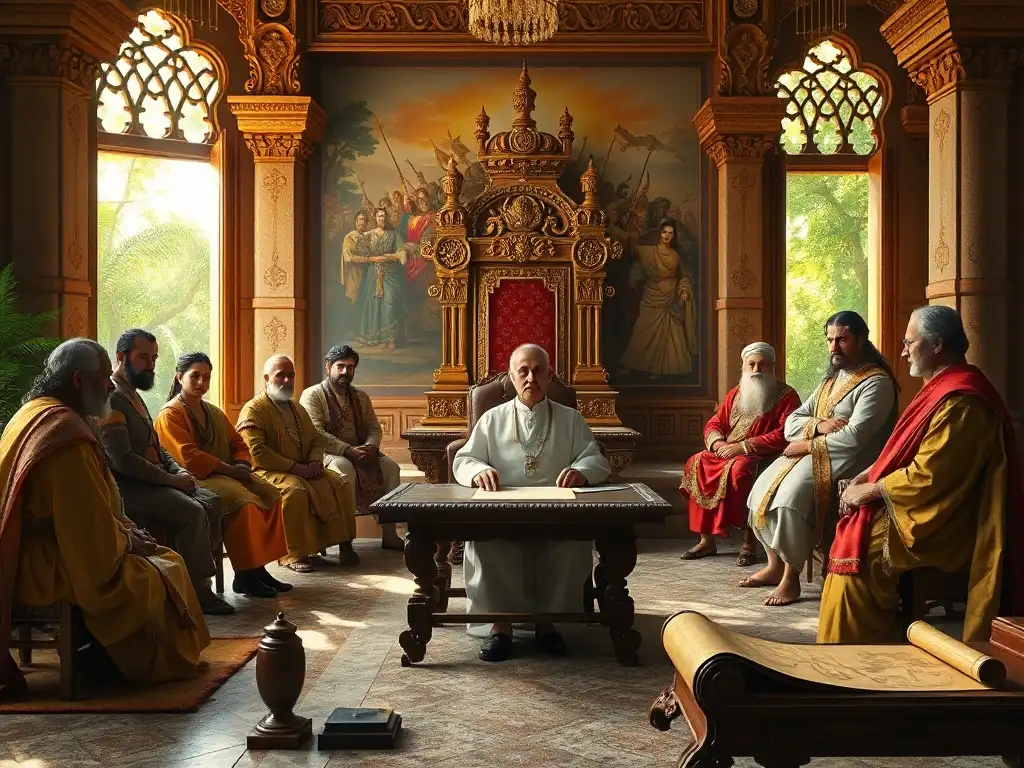
Welcome to Ancient India History! Here, we embark on a captivating journey through the rich tapestry of ancient Indian civilizations, uncovering their remarkable contributions and vibrant cultures. In this article, we delve into the intriguing world of political succession in the Maurya Empire, exploring how power was transferred and the intricacies that defined leadership during one of India's most influential eras. Prepare to uncover the secrets of governance that shaped a nation and sparked a legacy that resonates through time. Continue reading to unravel the fascinating dynamics of this ancient empire!

The Maurya Empire, one of the most significant and expansive empires in ancient India, is renowned not only for its vast territorial reach but also for its intricate political structures and succession practices. Understanding the political succession in the Maurya Empire provides insights into how power was transferred across generations, shaping the governance and stability of one of history's great civilizations.
This exploration delves into the mechanisms through which leadership was maintained, the roles of key figures, and the impact of their policies on the empire's legacy. By examining the political succession within the Maurya Empire, we uncover how these ancient rulers navigated the complexities of authority, lineage, and governance in a rapidly evolving sociopolitical landscape.
Introduction to Political Succession in the Maurya Empire
Political succession in the Maurya Empire was a critical aspect of its governance. The methods of transferring power, often influenced by familial ties, alliances, and military strength, determined the stability and longevity of the empire. Unlike many contemporary empires, the Maurya rulers employed a blend of strategic marriages, appointing capable administrators, and sometimes coercive tactics to ensure a smooth transition of power, thereby minimizing the potential for civil unrest.
Overview of the Maurya Empire's Political Structure
The political structure of the Maurya Empire was hierarchical and centralized, with the emperor at its apex. The empire was divided into provinces, each governed by a viceroy who reported directly to the emperor. This system facilitated efficient administration and effective governance across vast territories. Key features of the political structure included:
- Centralized Authority: The emperor wielded substantial power, making critical decisions regarding military, economic, and diplomatic matters.
- Bureaucratic System: A well-organized bureaucracy supported the emperor, composed of various officials responsible for tax collection, law enforcement, and public welfare.
- Provincial Administration: Provinces were strategically important, allowing for localized governance while maintaining allegiance to the central authority.
Importance of Political Succession in Ancient India
Political succession in ancient India, particularly within empires like Maurya, was vital for ensuring continuity and stability. The process of transferring power influenced:
- Legitimacy of Rule: Effective succession practices helped maintain the legitimacy of the ruling dynasty, fostering loyalty among subjects and officials.
- Prevention of Conflict: A clear line of succession reduced the likelihood of power struggles and civil wars, which were common in many ancient societies.
- Cultural and Administrative Legacy: Successful rulers established policies that long outlived them, influencing future generations and shaping the cultural landscape of India.
Key Figures in the Maurya Empire's Political Succession
The success of the Maurya Empire's political succession can be attributed to several key figures whose leadership styles and decisions left a lasting impact on the empire's trajectory.
Chandragupta Maurya: The Founder and His Legacy
Chandragupta Maurya, the founder of the Maurya Empire, was instrumental in establishing a unified Indian state. His strategic alliances and military prowess allowed him to overthrow the Nanda dynasty and lay the groundwork for a centralized empire. His legacy includes:
- Military Conquests: Chandragupta's campaigns expanded the empire and established its dominance in the Indian subcontinent.
- Administrative Reforms: He implemented a structured administration that set the foundation for future governance.
- Philosophical Influence: Inspired by Chanakya (Kautilya), he emphasized the importance of strategic governance and diplomacy.
Ashoka the Great: Transition and Transformation
Ashoka, perhaps the most renowned Mauryan ruler, succeeded his grandfather Chandragupta and transformed the empire's political landscape. His reign marked a significant shift towards:
- Buddhism and Non-Violence: Following the Kalinga War, Ashoka embraced Buddhism, promoting non-violence and ethical governance.
- Public Welfare Policies: He instituted various social and economic reforms aimed at improving the lives of his subjects, enhancing his legitimacy.
- Cultural Integration: Ashoka's support for the spread of Buddhism facilitated cultural exchanges across Asia, leaving a lasting legacy.
Successors of Ashoka: A Study of Political Continuity
After Ashoka's reign, the Maurya Empire faced challenges in maintaining political continuity. His successors, while inheriting a vast empire, struggled to uphold the standards set by Ashoka. Key aspects include:
- Fragmentation of Power: Subsequent rulers often faced challenges from local leaders and nobles, leading to a decline in central authority.
- Adaptation of Policies: Some successors attempted to revert to previous militaristic policies, which contrasted with Ashoka's peaceful approach.
- Legacy of Ashoka: Despite the challenges, the cultural and administrative frameworks established during Ashoka's reign continued to influence the political landscape of India long after the Maurya Empire's decline.
The political succession in the Maurya Empire reveals not only the mechanisms of power transfer but also the complex interplay between leadership, governance, and cultural development that defined one of ancient India's most influential empires.
Mechanisms of Political Succession in the Maurya Empire
The political succession in the Maurya Empire was governed by a complex interplay of hereditary principles, political alliances, and institutional frameworks. Power was typically transferred through established norms that promoted continuity while also addressing the evolving political landscape. The empire's vastness and diversity necessitated a nuanced approach to governance, where mechanisms of succession ensured stability amidst regional differences and external pressures. Understanding these mechanisms reveals the intricate balance the Mauryas maintained between tradition and the pragmatic needs of governance.
Hereditary Succession: Norms and Practices
Hereditary succession was the dominant mode of power transfer in the Maurya Empire. The principle was rooted in the belief that leadership should remain within the royal family, specifically among the male heirs of the reigning monarch. This practice was not only a reflection of dynastic stability but also a means of ensuring loyalty among the nobility and the populace.
The Mauryan royal lineage, particularly during the reign of Chandragupta Maurya and his grandson Ashoka, emphasized the importance of maintaining a direct bloodline. Succession was often predetermined through the designation of a crown prince, typically the eldest son, who was groomed for leadership from a young age. However, this practice was not without exceptions, as capable but younger siblings could also ascend to the throne if they demonstrated exceptional leadership qualities or if the designated heir was deemed unfit.
Role of the Council of Ministers in Power Transfer
The Council of Ministers, known as the "Mantriparishad," played a crucial role in facilitating political succession in the Maurya Empire. This council comprised trusted advisors and officials who assisted the monarch in governance and decision-making. Their influence extended to the succession process, where their approval and support could significantly impact the legitimacy of a new ruler.
When a monarch passed away or was incapacitated, the council often acted as a stabilizing force, guiding the transition of power and ensuring that the new ruler had the necessary backing. This collective decision-making body helped to mitigate potential conflicts among rival claimants, providing a structured approach to succession. In some instances, the council could even influence the selection of the successor, especially if there were concerns regarding the heir's capabilities or legitimacy.
Influence of Political Marriages on Succession
Political marriages were a strategic tool in the Maurya Empire, serving to strengthen alliances and secure loyalty among powerful families. Such unions often played a pivotal role in determining succession and influence within the royal court. By marrying off princesses to influential regional rulers or nobles, the Mauryan emperors could solidify their power base and ensure smoother transitions during succession.
These marriages not only fortified alliances but also created networks of loyalty that could be crucial in times of succession disputes. For example, the marriage of Ashoka to a princess from a prominent clan reinforced his position and helped quell dissent during his rise to power. Thus, political marriages functioned as a mechanism for both consolidating power and influencing the dynamics of succession within the empire.
Challenges to Political Succession in the Maurya Empire
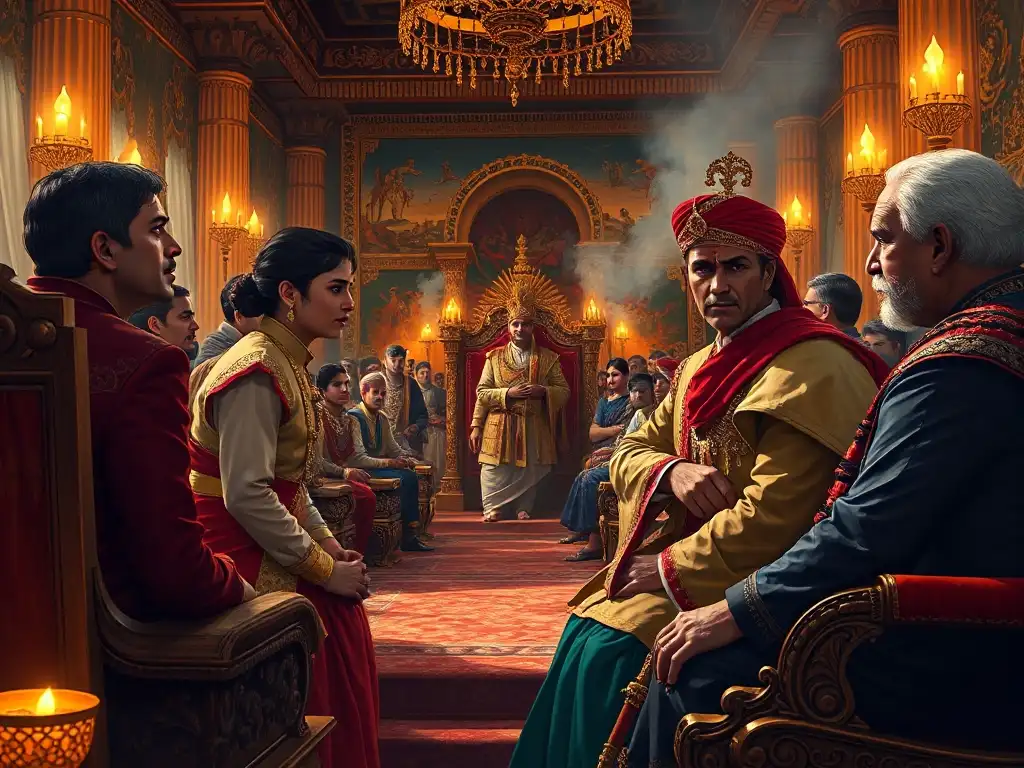
Despite the established mechanisms for political succession, the Maurya Empire faced numerous challenges that complicated the transfer of power. Internal strife, external threats, and the ever-present specter of assassination were significant factors that could disrupt the succession process and destabilize the empire.
Internal Conflicts and Succession Disputes
Internal conflicts, particularly among royal family members and factions within the nobility, were a recurring challenge to political succession. Disputes often arose over the rightful heir, especially when multiple candidates emerged from within the royal lineage. These conflicts could lead to civil unrest, as various factions sought to support their chosen successor, leading to potential power struggles.
Historical accounts suggest that the ascension of Ashoka was marked by such turmoil, where he faced significant opposition from his brothers. The resolution of these disputes often required strategic maneuvering, alliances, and at times, military intervention to secure the throne. Thus, internal conflicts posed a persistent threat to the stability of the empire during transitions of power.
External Threats and Their Impact on Power Transfer
The Maurya Empire was not only challenged by internal power struggles but also by external threats from rival kingdoms and invaders. These external pressures could significantly affect the political landscape and the process of succession. For instance, neighboring states might exploit periods of uncertainty during leadership transitions to assert their influence or launch invasions.
The influence of external threats was particularly evident during the later years of the Maurya Empire, where incursions by foreign powers heightened the stakes of political succession. The ability of a new ruler to respond effectively to these challenges often determined their legitimacy and acceptance by both the nobility and the populace.
The Role of Assassination in Political Succession
Assassination emerged as a dark but influential factor in the political succession of the Maurya Empire. Historical records indicate that the elimination of rivals was not uncommon, particularly in the context of power struggles within the royal family. The threat of assassination loomed large over potential heirs, prompting them to adopt protective measures to secure their positions.
The assassination of political figures could drastically alter the trajectory of succession, leading to abrupt changes in leadership and policy. Instances such as the alleged conspiracies against Ashoka’s brothers illustrate how the quest for power could lead to violent outcomes. Consequently, the fear of assassination not only shaped the actions of potential successors but also instigated a culture of mistrust among the ruling elite, complicating the already intricate process of political succession.
Comparative Analysis of Political Succession
The political succession in the Maurya Empire is a fascinating topic that reveals much about the governance and stability of one of ancient India's most powerful empires. To understand its nuances, it's essential to compare it with other ancient empires and draw lessons from its practices.
Political Succession in Other Ancient Empires
Political succession varied greatly across ancient civilizations, influenced by cultural, social, and political factors. For example, in the Roman Empire, succession was often marked by power struggles and civil wars, as seen in the transition from Julius Caesar to Augustus. The lack of a clear line of succession frequently led to conflict and instability, contrasting sharply with the Maurya Empire's more organized approach.
In contrast, the Persian Empire employed a hereditary system, where power was typically passed down within the royal family. However, this system also faced challenges, such as rival claims and the influence of noble families, which could undermine central authority. The Mauryan approach, particularly during the reign of Ashoka, emphasized merit and administrative capabilities alongside lineage, creating a more stable governance model.
The Chinese dynasties, such as the Qin and Han, also practiced hereditary succession, but with an emphasis on Confucian principles, which stressed moral governance and the ruler's virtue. In comparison, the Maurya Empire's succession practices reflected a blend of both hereditary and meritocratic elements, ensuring that capable individuals could ascend to power, thereby maintaining stability.
Lessons from the Maurya Empire's Succession Practices
The Maurya Empire offers several valuable lessons regarding political succession. Firstly, the emphasis on a well-defined line of succession helped to minimize power struggles. The use of councils and advisors during the transition of power was a significant factor in reducing the likelihood of civil unrest. By involving multiple stakeholders in the decision-making process, the Mauryan rulers could ensure continuity and stability.
Secondly, the Mauryan practice of recognizing capable individuals, regardless of their lineage, allowed for a more flexible and responsive governance structure. This meritocratic aspect ensured that leadership was not solely dependent on familial ties but also on the ability to govern effectively. Such practices can serve as a model for modern governance, highlighting the importance of competency in leadership roles.
Lastly, the Maurya Empire's focus on the welfare of its citizens during transitions of power demonstrated the importance of public support in maintaining authority. By prioritizing the well-being of the populace, the rulers were able to foster loyalty and stability, a lesson that remains relevant in today's political landscape.
Conclusion: The Legacy of Political Succession in the Maurya Empire
The legacy of political succession in the Maurya Empire is profound and far-reaching. It not only shaped the governance of the empire itself but also influenced subsequent Indian dynasties and their approaches to leadership transitions.
Reflection on the Importance of Political Stability
Political stability is crucial for the prosperity of any state. The Maurya Empire's structured and thoughtful approach to succession contributed significantly to its longevity and success. By ensuring that power transitions were orderly and based on both lineage and merit, the empire maintained a strong central authority capable of implementing extensive administrative reforms and public welfare initiatives.
The lessons drawn from the Maurya Empire emphasize that political stability is not merely about the transfer of power but about the systems and practices that support it. A well-defined succession plan can mitigate conflicts and enhance governance, ultimately leading to a more prosperous society.
The Influence of Maurya Succession on Subsequent Indian Empires
The principles of political succession established during the Maurya Empire had a lasting impact on subsequent Indian empires. For instance, the Gupta Empire, which followed the Mauryas, adopted similar practices that emphasized both hereditary rights and the importance of capable administration. This blend of tradition and innovation facilitated a period of remarkable cultural and political achievements.
Moreover, the Maurya legacy influenced regional kingdoms, promoting the idea that effective governance requires a balance between stability and adaptability. As various empires rose and fell throughout Indian history, the foundational practices of political succession laid down by the Mauryas continued to resonate, shaping the political landscape for centuries to come.
The Maurya Empire's approach to political succession not only ensured its stability and strength during its time but also left an indelible mark on the governance of future Indian civilizations.
Additional Insights
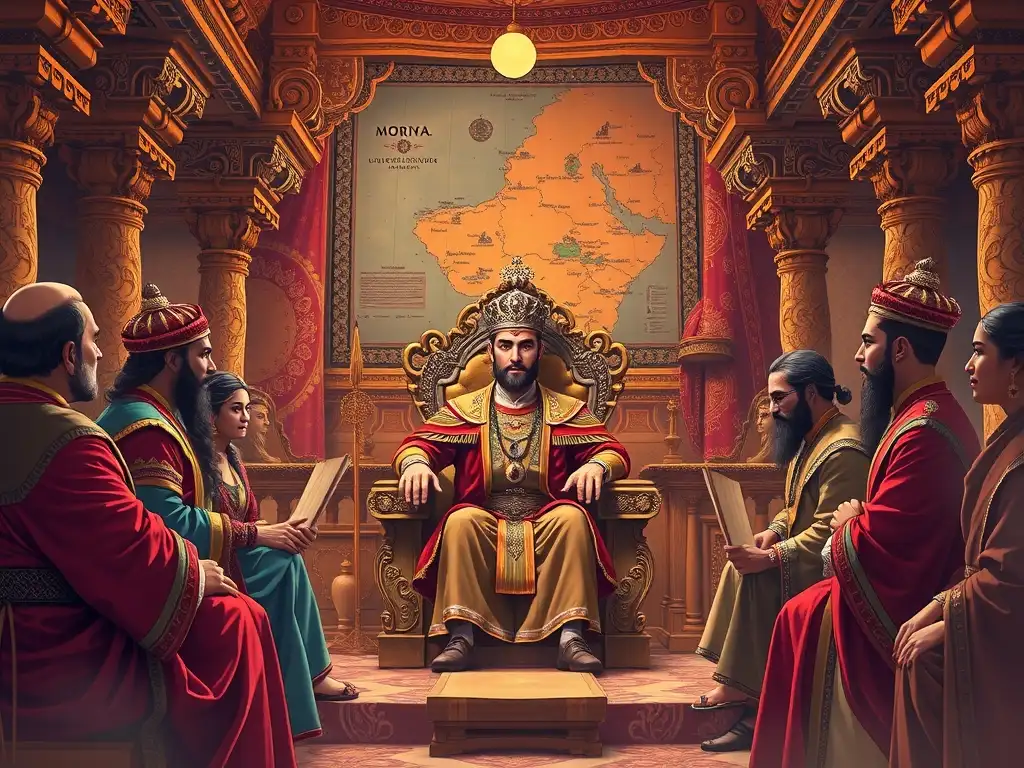
The political succession in the Maurya Empire was not merely a transition of power from one ruler to another; it was a complex interplay of strategic alliances, legitimacy, and governance practices that set the foundation for future Indian empires. The Maurya Empire, established by Chandragupta Maurya in 322 BCE, was marked by an organized administrative framework that allowed for effective rule over a vast territory. The succession practices during this period reflected the empire's emphasis on stability and continuity.
One notable aspect of political succession in the Maurya Empire was the role of the crown prince, who was often groomed for leadership from a young age. The selection of a successor was typically influenced by the ruler's personal choice, the advice of ministers, and the capabilities of the potential heirs. Thus, while primogeniture was a common practice, it was not a strict rule. This flexibility allowed for capable leaders to ascend to the throne, ensuring competent governance.
Additionally, the Maurya Empire saw the integration of diverse cultures and regions, which necessitated a political structure that could adapt to varying local customs and practices. The use of administrative councils and provincial governors (known as umra) played a significant role in maintaining order and promoting loyalty among subjects, further influencing the dynamics of political succession.
Future Research Directions on Maurya Empire Political Structure
Future research on the political structure of the Maurya Empire could delve deeper into the nuances of power transfer and its implications on governance. Key areas of interest might include:
- Comparative Analysis: Examining the political succession practices in the Maurya Empire alongside other contemporary empires, such as the Persian and Macedonian empires, could yield valuable insights into regional governance models and their impacts on stability.
- Role of Women in Succession: Investigating the influence of royal women in the succession process, such as their involvement in political decisions or the potential for female rulers, could provide a more comprehensive understanding of gender dynamics within the empire.
- Regional Variations: Studying how different regions within the Maurya Empire experienced political succession—especially in provinces with distinct cultural identities—could highlight the adaptive strategies employed by the central authority to maintain control.
- Impact of Religion and Philosophy: Exploring how religious beliefs and philosophical teachings, particularly those of Buddhism and Jainism, shaped the political ideologies surrounding succession can reveal the moral and ethical considerations that influenced rulers’ decisions.
Recommended Readings on Political Succession in Ancient India
To further explore the themes of political succession in the Maurya Empire, the following readings are recommended:
-
"The Maurya Empire: A Historical Overview" by R. C. Majumdar
This book provides a comprehensive overview of the Maurya Empire, including insights into its political structure and succession practices.
-
"Ancient Indian Political Thought" by S. R. Sharma
Sharma's work discusses the philosophical underpinnings of governance in ancient India, offering context on how these ideas influenced political succession.
-
"Chandragupta Maurya and the Birth of the Maurya Empire" by K. S. Narayanan
This biography details the life of Chandragupta Maurya and the establishment of the empire, shedding light on the early succession practices that shaped its future.
-
"The Political History of Ancient India: From the Earliest Times to the Rise of the Maurya Empire" by D. R. Bhandarkar
This scholarly work examines the political landscape of ancient India leading up to the Maurya Empire, providing context for understanding its political succession.
-
"The Mauryan State: A Study in Political Structure and Administration" by A. K. Mishra
Mishra analyzes the administrative framework of the Maurya Empire and its implications for political succession, making it an essential resource for understanding governance during this period.
These readings will deepen your understanding of political succession in the Maurya Empire and its broader implications within the context of ancient Indian civilizations.
- Introduction to Political Succession in the Maurya Empire
- Key Figures in the Maurya Empire's Political Succession
- Mechanisms of Political Succession in the Maurya Empire
- Challenges to Political Succession in the Maurya Empire
- Comparative Analysis of Political Succession
- Conclusion: The Legacy of Political Succession in the Maurya Empire
- Additional Insights
- Future Research Directions on Maurya Empire Political Structure
- Recommended Readings on Political Succession in Ancient India
- What was the Maurya Empire known for regarding its political succession?
- How did Ashoka impact political succession in the Maurya Empire?
- What were the main challenges in political succession during the Maurya Empire?
- How did the Gupta Empire differ from the Maurya Empire in terms of political succession?
- What role did religion play in political succession within the Maurya Empire?
Frequently Asked Questions
What was the Maurya Empire known for regarding its political succession?
The Maurya Empire is known for its structured political succession, which ensured a stable transition of power among its rulers, notably from Chandragupta Maurya to his son Bindusara.
How did Ashoka impact political succession in the Maurya Empire?
Ashoka, one of the most prominent rulers, emphasized non-violence and Buddhism, which influenced the political culture and succession practices, promoting a more benevolent approach to governance.
What were the main challenges in political succession during the Maurya Empire?
Challenges included court intrigues, rival claims to the throne, and the need to maintain loyalty among military leaders and officials, which sometimes led to conflicts and assassinations.
How did the Gupta Empire differ from the Maurya Empire in terms of political succession?
The Gupta Empire practiced a more hereditary form of succession while the Maurya Empire had a more meritocratic approach, with rulers often chosen based on their capabilities and political alliances.
What role did religion play in political succession within the Maurya Empire?
Religion, particularly Buddhism under Ashoka, played a crucial role in legitimizing rulers, fostering a sense of unity, and ensuring a peaceful transition of power through the promotion of moral governance.
Final Reflection: The Enduring Legacy of Political Succession in the Maurya Empire
The intricate web of political succession in the Maurya Empire remains a vital lens through which we can understand the dynamics of power and governance today. As we navigate the complexities of modern political landscapes, the lessons drawn from the Maurya Empire's methods of transferring power resonate with contemporary issues of leadership, stability, and succession planning. The historical significance of these practices not only informs our understanding of ancient governance but also serves as a mirror reflecting the challenges faced by modern states in ensuring smooth transitions of power.
Cultural and social landscapes are continuously shaped by the legacies of past empires, and the Maurya Empire is no exception. The careful orchestration of political succession, often marked by strategic marriages, alliances, and sometimes conflict, has influenced how societies perceive authority and legitimacy. As historian Romila Thapar noted, The Maurya Empire exemplifies how the foundations of governance can be both fragile and resilient, depending on the clarity of succession.
This observation underscores the ongoing relevance of these historical practices, reminding us that the principles of effective governance are timeless and can guide current and future leaders in their quest for stability.
As we reflect on the lessons of political succession in the Maurya Empire, I invite you to consider how these insights can be applied in your own life and community. What strategies can you adopt to ensure a smooth transition of leadership in your endeavors? Whether in personal projects, professional environments, or civic engagement, the principles of clear communication, planning, and collaboration are essential. Embrace the wisdom of the past as you forge your path forward, and let the legacy of the Maurya Empire inspire you to cultivate a culture of thoughtful succession and enduring leadership.
Unveil the Legacy of Power: Take Action Now!
Thank you for exploring the complexities of the Maurya Empire's political succession! Your interest has provided you with a deeper understanding of how power influenced the trajectory of Ancient India. Now, let’s channel that curiosity into actionable steps to further investigate this fascinating topic.
- Explore More: Dive into related articles on the political systems of other ancient empires to uncover comparisons and contrasts.
- Engage with the Community: Join discussions in our forum and share your insights or questions about the leadership of the Maurya Empire.
- Share Your Knowledge: Spread the word by sharing this article with friends or on social media, inspiring others to learn about this pivotal period in history.
What aspects of the Maurya Empire’s political succession intrigue you the most, and how do you believe they influenced the future of governance in India?