
The Representation of Historical Events in Gupta Art

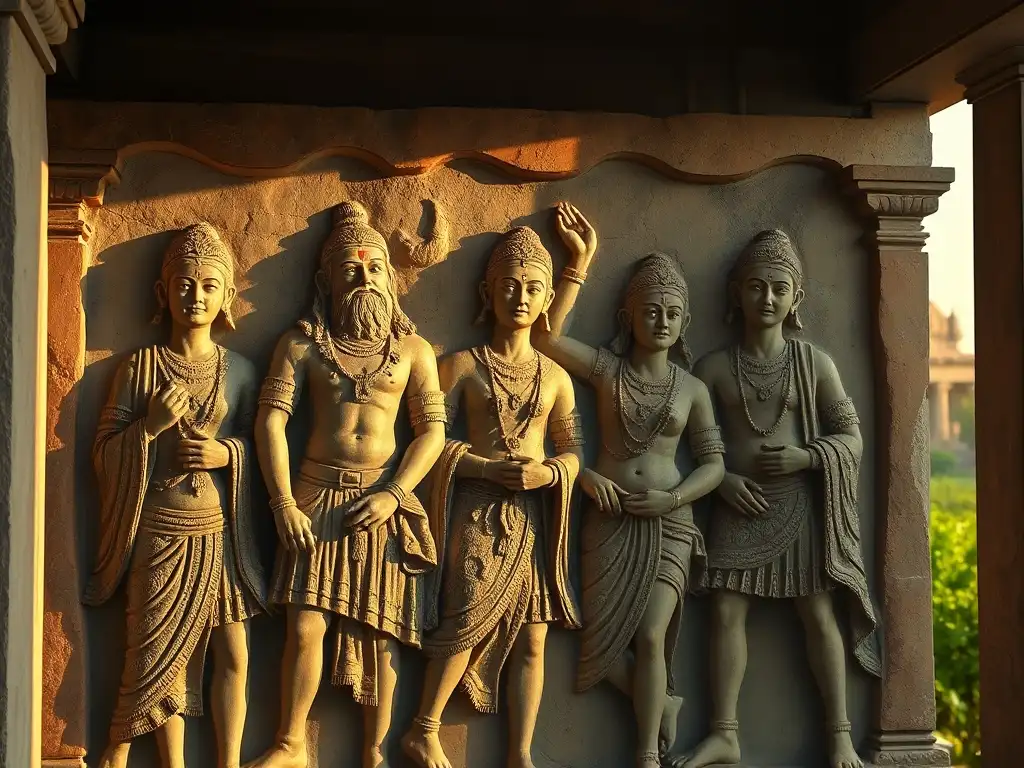
Welcome to Ancient India History, where we embark on a fascinating journey through the vibrant tapestry of ancient Indian civilizations. From the enigmatic Indus Valley to the illustrious Gupta Empire, our site delves deep into the rich history and cultural contributions that have shaped the subcontinent. In today’s spotlight, we examine the historical significance of Gupta art, exploring how this captivating form of expression mirrors the events and ideals of its time. Prepare to unlock the mysteries of the past and discover the artistry that defined an era—join us as we unveil the stories that await within!
Introduction to Gupta Art
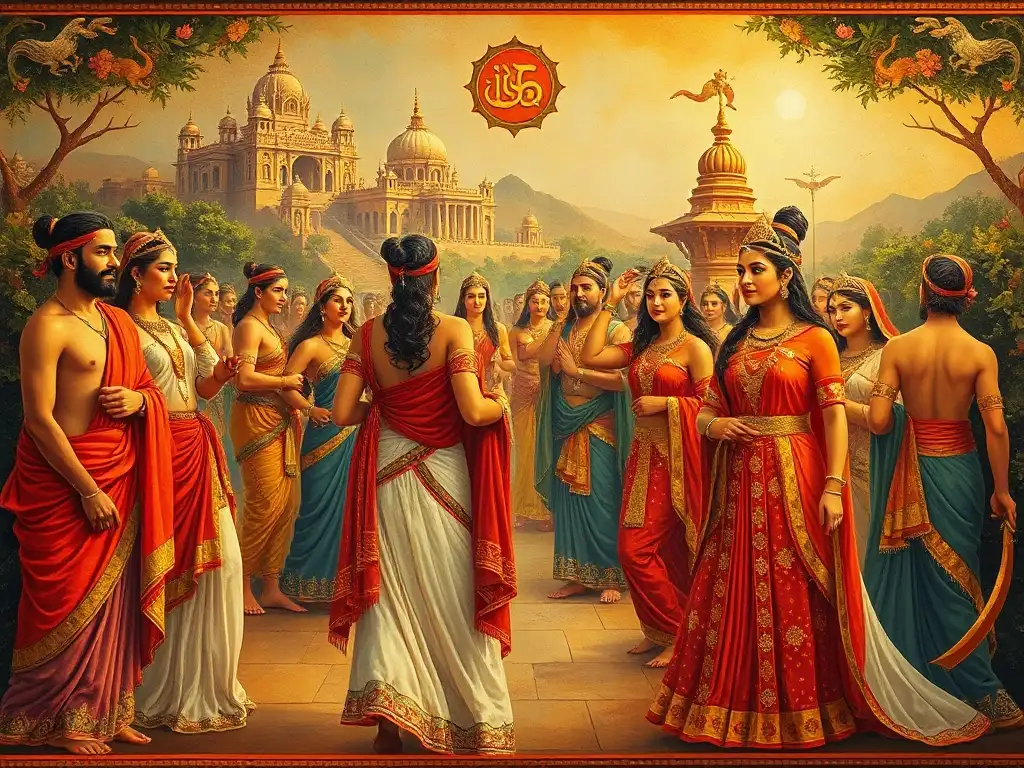
The Gupta Empire, often referred to as the Golden Age of India, flourished from approximately 320 to 550 CE. This era is renowned not only for its political stability and economic prosperity but also for its remarkable advancements in art and culture. Gupta art is particularly significant due to its ability to reflect the historical events and social dynamics of the time.
Through various artistic expressions, including sculpture, painting, and architecture, Gupta artists captured the essence of their society, illustrating religious narratives, royal patronage, and the daily lives of people. Understanding the representation of historical events in Gupta art allows us to appreciate how these artworks served as both historical records and cultural artifacts, providing insight into the values and beliefs of ancient Indian civilization.
Overview of Gupta Art Historical Significance
The historical significance of Gupta art is multifaceted. It encompasses not only the aesthetic qualities of the artworks but also their role as a medium for storytelling and cultural preservation. Gupta art is characterized by:
- Religious Themes: Many artworks depict Hindu and Buddhist motifs, showcasing the religious diversity and spiritual practices of the time.
- Royal Patronage: Art from this period often reflects the influence of royalty, as kings and nobles commissioned pieces to enhance their prestige, document their achievements, and promote their legacies.
- Cultural Exchange: The Gupta period was marked by significant interaction with other cultures, leading to a blend of styles and techniques that enriched Indian art.
The significance of Gupta art extends beyond its visual appeal; it is a vital source for understanding the historical narrative of the Gupta Empire and its contributions to Indian civilization.
Characteristics of Gupta Art and Culture
Gupta art is distinguished by its unique features that set it apart from preceding and succeeding artistic traditions. Key characteristics include:
- Naturalism: Artists of the Gupta period excelled in creating lifelike representations of human figures, animals, and nature, marked by graceful forms and intricate details.
- Iconography: The use of symbolism in depicting deities, celestial beings, and mythological events conveys profound spiritual meanings and reflects the religious beliefs of the time.
- Architectural Innovations: Gupta architecture introduced new styles, such as the use of stone in temples, elaborate carvings, and intricate relief work, which had a lasting influence on Indian architecture.
These characteristics not only highlight the artistic ingenuity of the Gupta period but also provide a lens through which we can explore the cultural and historical narratives embedded within the art.
Historical Context of the Gupta Empire
Understanding the historical context of the Gupta Empire is crucial for analyzing its art. The empire emerged during a time of transformation in India, marked by significant political, social, and economic changes.
The Rise of the Gupta Empire
The Gupta Empire was established by Maharaja Sri Gupta in the early 4th century CE, leading to a period of expansion under his successors, particularly Chandragupta I and Samudragupta. This rise was characterized by:
- Political Unification: The Gupta Empire united various regions of India, creating a centralized power that fostered stability and security.
- Economic Prosperity: The empire witnessed flourishing trade routes and agricultural advancements, which enhanced wealth and supported artistic endeavors.
- Cultural Flourishing: The stability of the Gupta period allowed for advancements in sciences, literature, and the arts, culminating in a vibrant cultural landscape.
Major Historical Events Influencing Gupta Art
Several historical events during the Gupta period profoundly influenced the artistic expressions of the time:
- Religious Developments: The rise of Hinduism and Buddhism as predominant religions led to the creation of numerous temples and sculptures that embodied these beliefs.
- Invasions and Conflicts: External pressures, such as invasions from the Huns, prompted artists to respond through their work, reflecting themes of resilience and cultural identity.
- Royal Patronage: The support of art by Gupta rulers resulted in the commissioning of monumental works that celebrated their reigns and solidified their authority.
By examining these historical events, we can better understand how Gupta art served as a reflection of the empire's dynamic and evolving narrative, immortalizing the significant moments that shaped its legacy.
Themes and Motifs in Gupta Art
Gupta art is characterized by its rich themes and motifs, reflective of the socio-political and religious dynamics of the Gupta Empire (circa 320-550 CE). This period is renowned for its artistic excellence, particularly in sculpture, painting, and architecture. The themes in Gupta art often intertwine religious narratives, royal patronage, and depictions of everyday life, illustrating the multifaceted nature of Gupta society.
Depictions of Religious Events
One of the most prominent themes in Gupta art is the depiction of religious events, particularly those associated with Hinduism and Buddhism. Artists meticulously crafted sculptures and paintings that illustrated key moments in religious texts, such as the Mahabharata and Ramayana, along with significant Buddhist events like the Jataka tales, which recount the previous lives of the Buddha.
These representations served not only as decorative elements but also as didactic tools, conveying moral and spiritual lessons to the viewer. Temples, such as those in Ajanta and Ellora, showcase elaborate carvings of divine figures engaged in various celestial activities, emphasizing the importance of devotion and the divine in the daily lives of the people.
Representation of Royal Figures and Historical Leaders
Gupta art also prominently features the representation of royal figures and historical leaders, reflecting the political structure and the divine right to rule. Sculptures of emperors, such as Chandragupta II and Samudragupta, are often depicted in regal postures, adorned with intricate jewelry and elaborate clothing, symbolizing their power and authority.
These artistic portrayals sometimes emphasize the king's role as a protector of dharma (cosmic law and order) and a patron of the arts, showcasing the close relationship between governance and cultural patronage. The reliefs and inscriptions found in various temples not only commemorate these leaders but also serve to legitimize their rule through divine association.
Illustrations of Daily Life in Gupta Society
In addition to religious and royal themes, Gupta art provides a glimpse into the daily life and culture of the Gupta society. Various artifacts illustrate scenes of domestic activities, agricultural practices, and social interactions, highlighting the everyday experiences of the common people.
For instance, pottery, coins, and sculptures depict farmers working in the fields, artisans engaged in craft-making, and families participating in festivals. These representations serve as valuable records of the socio-economic conditions, cultural practices, and the lifestyle of the people during the Gupta period, allowing historians to construct a more complete picture of ancient Indian civilization.
Techniques and Materials Used in Gupta Art
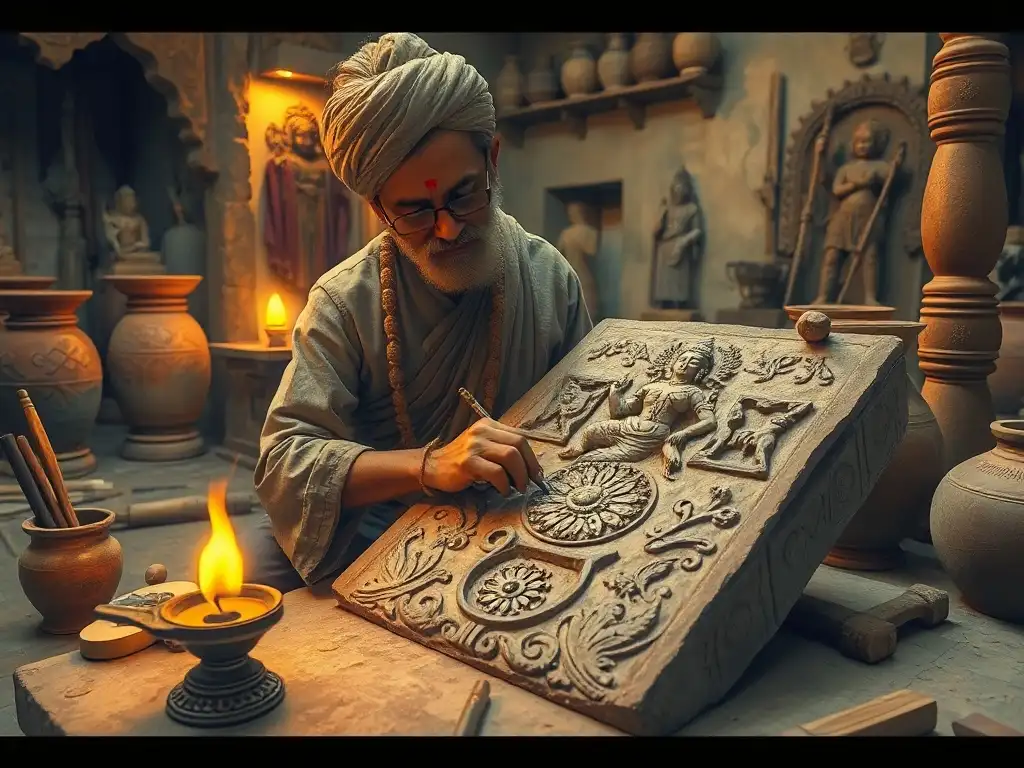
The techniques and materials employed in Gupta art significantly contributed to its historical significance and aesthetic appeal. The artists of this era showcased remarkable skills in various mediums, resulting in a distinctive style that continues to be celebrated today.
Sculpture Techniques in Gupta Art
Sculptural techniques in Gupta art are characterized by a high degree of realism and detail. Artists utilized schist, sandstone, and limestone to create intricate sculptures that often featured smooth surfaces and finely carved features.
The use of the lost-wax casting method was prevalent for metal sculptures, allowing for detailed expressions and dynamic poses. This technique enabled artists to achieve a level of sophistication in their work that conveyed both physical beauty and spiritual essence, reflecting the ideals of the time.
Use of Color and Form in Gupta Historical Representations
Color and form played a crucial role in Gupta artistic expression. The use of vibrant pigments in paintings, particularly in cave art, enhanced the visual narrative of religious and historical events. Artists employed natural materials such as minerals and plant extracts to create a rich palette that added depth and vibrancy to their works.
Forms in Gupta art often exhibit graceful proportions and flowing lines, embodying the ideals of beauty and harmony. This emphasis on aesthetic balance and proportion not only highlights the technical prowess of Gupta artists but also reflects the philosophical underpinnings of the time, where art was seen as a means to achieve spiritual transcendence and cultural identity.
Influence of Gupta Art on Subsequent Indian Art
The influence of Gupta art on subsequent Indian art is profound and multifaceted. Emerging during the Gupta Empire (approximately 320 to 550 CE), this artistic style laid the foundation for various forms of regional art that flourished in later periods. The hallmark of Gupta art is its emphasis on realism, grace, and expression, which became a template for artists in the centuries that followed.
One of the most significant aspects of Gupta art is its integration of spiritual themes with naturalistic representation. The sculptures and paintings from this period often showcased deities in dynamic poses, capturing a sense of divine presence that resonated with viewers. This approach influenced the depiction of religious figures in later Indian art, fostering a rich tradition of iconography that carried through to the medieval and even modern eras.
Moreover, the architectural innovations seen in Gupta temples, characterized by intricate carvings and structural harmony, inspired the design of later temples across India. The introduction of stone as a primary medium allowed for more durable and elaborate constructions, paving the way for regional styles such as the Dravidian and Nagara architecture, which would dominate Indian temple design in successive centuries.
Transition from Gupta Art to Post-Gupta Period
The transition from Gupta art to the post-Gupta period marks a significant evolution in artistic expression. Following the decline of the Gupta Empire, India experienced a period of fragmentation and regional diversification, which was reflected in its art. While the foundational elements of Gupta art remained influential, regional styles began to emerge, showcasing local materials, techniques, and cultural narratives.
In the post-Gupta era, art became increasingly influenced by local traditions and the patronage of regional rulers, leading to a greater diversity in themes and styles. For instance, the emergence of the Rashtrakuta and Chola dynasties saw the incorporation of new iconographies and narratives that reflected the changing sociopolitical landscape. This period also witnessed a fusion of Gupta motifs with influences from Buddhist, Hindu, and Jain iconography, resulting in artworks that were rich in symbolism and cultural significance.
Additionally, the arrival of Islamic influences in later centuries introduced new forms, such as intricate tile work and calligraphy, which began to integrate with traditional Indian motifs. Despite these changes, the elegance and compositional sophistication rooted in Gupta art continued to inform the visual language of Indian art, ensuring its legacy endured.
Lasting Impact on Indian Cultural Heritage
The lasting impact of Gupta art on Indian cultural heritage is evident in its enduring themes, styles, and techniques that continue to resonate throughout Indian visual arts today. The Gupta period's emphasis on harmony between form and content set a standard for artistic excellence that remains influential in contemporary practices.
One of the most significant contributions is the depiction of deities and mythological narratives, which continue to be central themes in Indian art, literature, and performance. The iconography developed during the Gupta period not only shaped religious art but also influenced folk and classical dance forms, theater, and literature, creating a rich tapestry of cultural expression.
Moreover, the architectural innovations of the Gupta period laid the groundwork for the design of temples and public buildings across India. The emphasis on symmetry, proportion, and decorative motifs can be seen in many of the country’s most revered structures, reflecting the values and aesthetics that originated in Gupta art.
The preservation and study of Gupta artworks have also fostered a deeper understanding of ancient Indian history and society. Museums and cultural institutions continue to showcase Gupta art, promoting awareness and appreciation of this critical period in Indian history, and ensuring that its contributions to culture and heritage are not forgotten.
Case Studies of Notable Gupta Artworks
The Sculptures of Sarnath: A Historical Perspective
The sculptures of Sarnath, particularly the famous Lion Capital of Ashoka, exemplify the artistic achievements of the Gupta period while also reflecting its historical context. Sarnath, a site of immense significance in Buddhism, became a focal point for artistic expression during the Gupta era, as it was here that Buddha delivered his first sermon.
The sculptures from this site are characterized by their intricate detailing and ability to convey profound spiritual narratives. The Lion Capital, with its four lions standing back-to-back, symbolizes strength and protection, serving as a national emblem of India today. This artistic representation not only showcases the technical skill of Gupta artisans but also their understanding of symbolism and cultural meaning in art.
Furthermore, the reliefs and carvings found at Sarnath depict various scenes from the life of Buddha, illustrating key events such as his enlightenment and teachings. These artworks are significant not only for their aesthetic qualities but also for their role in disseminating Buddhist philosophy and ethics, making them pivotal in the cultural landscape of ancient India.
The Ajanta Caves: Artistry and Representation of Events
The Ajanta Caves, a UNESCO World Heritage site, are among the most celebrated examples of Gupta art, showcasing the period's artistic mastery and narrative depth. Carved into the rock face of a cliff in Maharashtra, these caves date back to the 2nd century BCE but saw significant artistic development during the Gupta period (5th to 6th centuries CE).
The frescoes and sculptures within the Ajanta Caves are remarkable for their vibrant colors, intricate details, and dynamic compositions, depicting scenes from the life of Buddha, Jataka tales, and divine figures. The artistry of these works demonstrates the Gupta artists’ ability to blend spiritual themes with human emotions, creating relatable narratives that resonate with viewers.
One of the most notable aspects of the Ajanta Caves is their use of space and light to enhance the storytelling experience. The careful arrangement of figures and the interplay of light create a sense of depth and movement, drawing the viewer into the depicted events. This innovative approach to representation influenced not only subsequent Buddhist art but also the broader scope of Indian painting and sculpture.
The Ajanta Caves stand as a testament to the Gupta Empire's artistic legacy, reflecting the cultural and spiritual values of the time while influencing generations of artists who followed. The continued study and appreciation of these works underscore their significance in the broader narrative of Indian art history.
Conclusion: The Lasting Legacy of Gupta Art
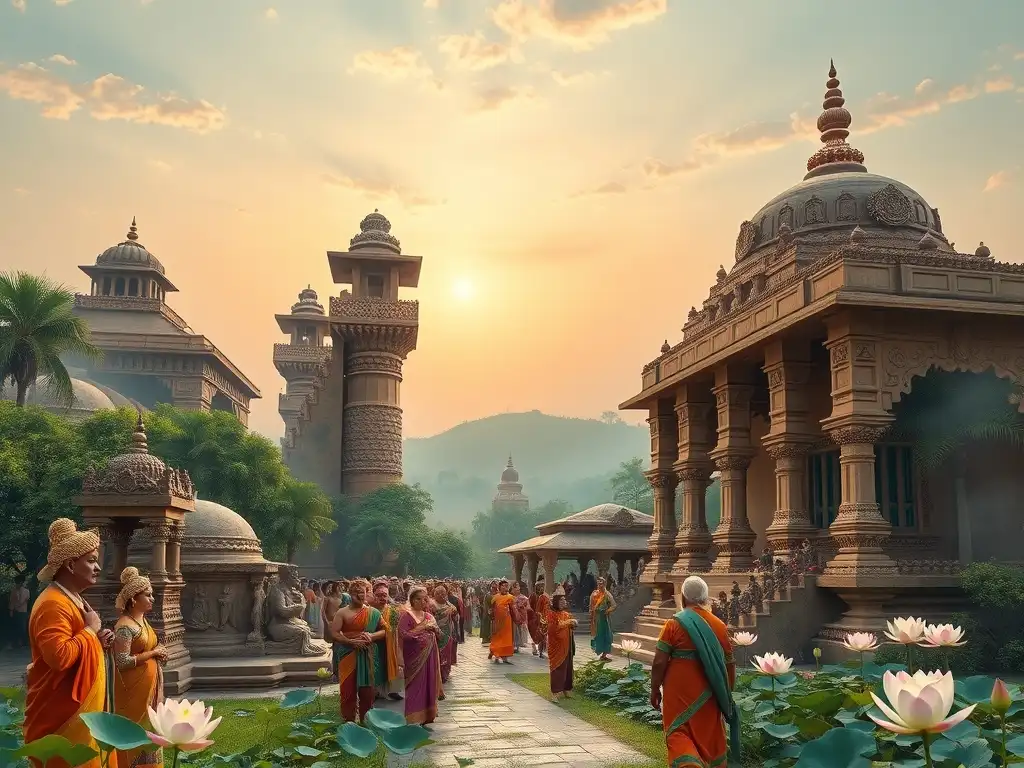
The art of the Gupta period, often regarded as a golden age of Indian culture, has left an indelible mark on the historical narrative of ancient India. It serves not only as a representation of aesthetic excellence but also as a vital conduit for understanding the socio-political and religious dynamics of the time. The intricate sculptures, murals, and architectural innovations from this era encapsulate the values, beliefs, and narratives that shaped the Gupta Empire.
The depiction of historical events in Gupta art provides an invaluable resource for historians and archaeologists, allowing them to piece together the complex tapestry of ancient Indian life. The legacy of Gupta art is reflected in its influence on subsequent artistic traditions in India, particularly during the medieval period. As such, it stands as a testament to the enduring human spirit of creativity and expression.
Reflection on Gupta Art Historical Significance Today
Today, the historical significance of Gupta art is recognized not only within the confines of India but also on a global scale. The sculptures and frescoes have become essential for understanding the evolution of artistic techniques and styles across cultures. Specifically, the Gupta period is noted for its advancements in iconography, where figures were imbued with greater realism and emotion, a stark contrast to earlier styles.
Moreover, the themes depicted in Gupta art, such as the narratives of Hindu epics and Buddhist philosophy, have continued to resonate throughout centuries, influencing modern representations of these stories. Art historians and cultural scholars often cite Gupta art as a critical reference point for examining the continuity and transformation of artistic traditions in South Asia. The revival of interest in ancient Indian art forms has led to a resurgence of study and appreciation for Gupta art, highlighting its relevance in contemporary discussions about identity, heritage, and cultural pride.
The Role of Gupta Art in Understanding Ancient Indian History
Gupta art plays a pivotal role in reconstructing the historical context of ancient India. The intricate carvings and frescoes offer visual documentation of the political, religious, and social landscapes of the Gupta Empire. For example, the representation of kings and deities in art not only reflects the political hierarchy but also illustrates the intertwining of governance and spirituality, a hallmark of Gupta rule.
Additionally, the art of this period provides insights into the daily lives of people, including their attire, professions, and cultural practices. The motifs found in Gupta sculptures often depict scenes of leisure, religious rituals, and community gatherings, enriching our understanding of societal norms and interactions during this time.
Furthermore, the geographical spread of Gupta art across various regions indicates the empire's extensive trade networks and cultural exchanges. This art serves as a bridge connecting disparate communities, showcasing a shared heritage that transcends local boundaries. By studying Gupta art, scholars can glean information about regional differences and commonalities, further enhancing our comprehension of ancient Indian civilization as a whole.
- Introduction to Gupta Art
- Historical Context of the Gupta Empire
- Themes and Motifs in Gupta Art
- Techniques and Materials Used in Gupta Art
- Influence of Gupta Art on Subsequent Indian Art
- Case Studies of Notable Gupta Artworks
- Conclusion: The Lasting Legacy of Gupta Art
- Reflection on Gupta Art Historical Significance Today
- The Role of Gupta Art in Understanding Ancient Indian History
Frequently Asked Questions
What is Gupta art, and why is it significant?
Gupta art refers to the artistic styles and cultural achievements during the Gupta Empire (c. 320-550 CE). It is significant for its innovative representations of historical events, religious themes, and the development of classical Indian aesthetics.
How does Gupta art reflect historical events?
Gupta art often illustrates historical narratives, including important battles and royal achievements, emphasizing valor and divinity. These representations serve to celebrate the empire's cultural and political milestones.
What are some key features of Gupta art?
Key features of Gupta art include intricate sculptures, detailed carvings, and the use of vibrant colors. It often showcases expressive facial features and dynamic poses, making it a remarkable representation of Indian cultural heritage.
How did Gupta art influence later Indian art forms?
Gupta art laid the groundwork for later Indian art forms by establishing stylistic conventions and themes that would be imitated and adapted in subsequent periods, particularly during the medieval era and beyond, influencing Buddhist and Hindu art.
What is the historical significance of Gupta art in relation to the empire?
The historical significance of Gupta art lies in its ability to reflect the political stability, economic prosperity, and cultural advancements of the Gupta Empire, showcasing how art can serve as a historical document of its time.
Final Reflection: The Enduring Legacy of Gupta Art's Historical Significance
The representation of historical events in Gupta art not only showcases the artistic prowess of the era but also serves as a vital link to understanding the cultural and social dynamics of ancient India. Today, as we navigate a world increasingly defined by visual culture, the lessons embedded in Gupta art remind us of the power of imagery to convey complex narratives and preserve collective memory. The intricate sculptures and frescoes from this period are not mere relics; they are vibrant testimonies to a civilization that valued storytelling through art.
The influence of Gupta art extends beyond its historical context, shaping contemporary artistic expressions and cultural identities. The themes depicted in these artworks resonate with modern audiences, inviting us to reflect on our own narratives and the ways we choose to represent them. As art historian John Marshall once said, Art is the most beautiful of all lies.
This notion underscores the idea that through artistic representation, we can explore deeper truths about ourselves and our histories, fostering a connection that transcends time.
As you ponder the significance of Gupta art in your own life, consider how the stories we tell through our creative expressions shape our understanding of the world. Reflect on the narratives you wish to convey and the impact they may have on future generations. Let the legacy of Gupta art inspire you to embrace your own artistic voice, ensuring that the stories of today are preserved for tomorrow.
Unveil the Richness of Gupta Art!
Thank you for taking the time to explore the fascinating world of Gupta art and its representation of historical events. By delving into this vibrant period, you've uncovered not just artistic achievements, but a tapestry of culture and history that shaped Ancient India.
Now, it’s time to take your newfound knowledge and make an impact! Here are a few ways you can dive deeper:
- Explore a Local Museum: Visit a nearby art museum or cultural center to view exhibits on Indian art and ancient civilizations. Experience the art firsthand and connect with its historical context.
- Join a Community Forum: Share your insights and thoughts on Gupta art in online communities. Engaging in discussions can lead to new perspectives and a deeper understanding of the subject.
- Create a Social Media Post: Share a post highlighting a specific piece of Gupta art that resonates with you. Use relevant hashtags to connect with others interested in Indian history or art.
How do you think the artistic expressions of Gupta art can influence our understanding of today’s cultural narratives?