
The Role of Animal Husbandry in the Technological Development of the Indus Valley

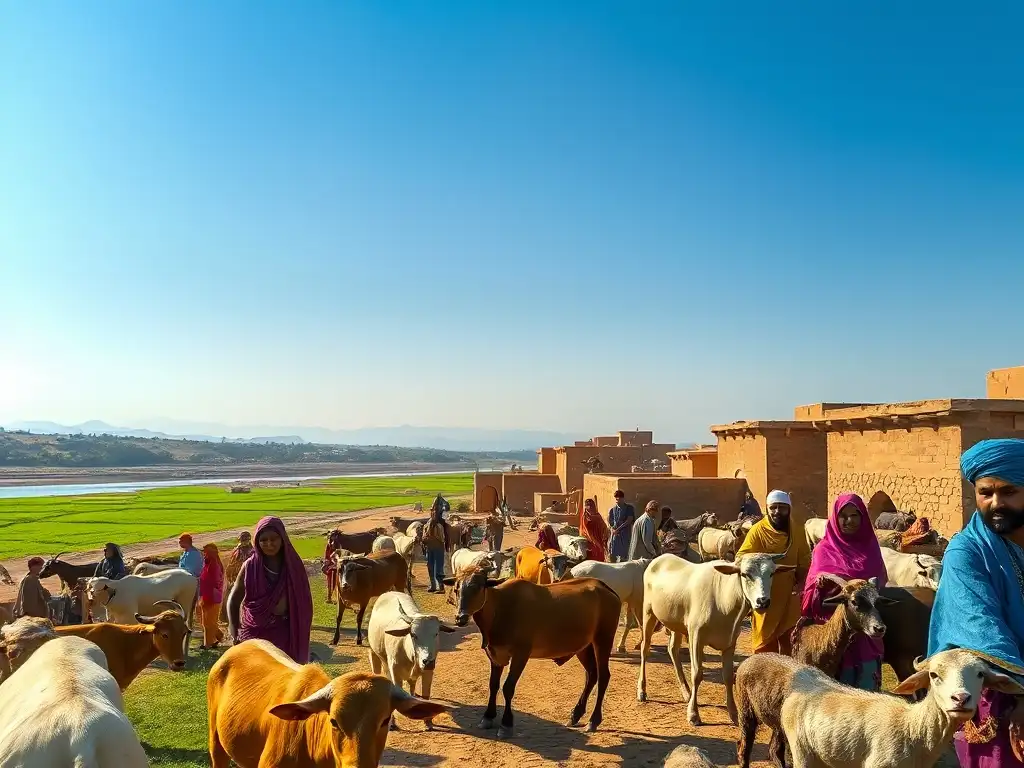
Welcome to Ancient India History, where we embark on a fascinating journey through the rich and diverse tapestry of ancient Indian civilizations. In this exploration, we delve into the pivotal role of Animal Husbandry in the Indus Valley, a subject that not only uncovers the agricultural innovations of the time but also reveals how these practices laid the groundwork for technological advancements that shaped society.
As you navigate through our content, prepare to discover how the domestication of animals influenced trade, culture, and everyday life in one of history's most enigmatic civilizations. Join us in unraveling the secrets of the Indus Valley and see how this ancient practice continues to resonate through time!
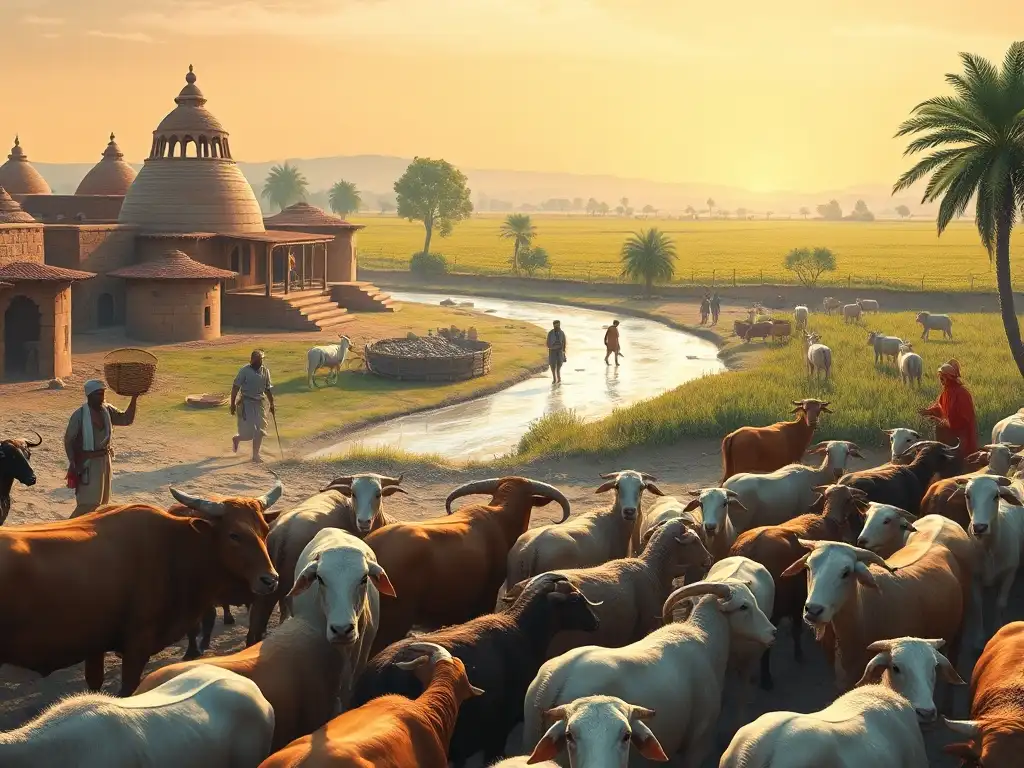
Animal husbandry played a pivotal role in shaping the technological advancements of the Indus Valley Civilization, one of the earliest urban cultures in the world, flourishing around 3300–1300 BCE. This civilization, known for its sophisticated urban planning, architecture, and trade networks, also relied heavily on animal husbandry as a cornerstone of its economy and daily life.
The domestication and management of livestock not only provided food and resources but also contributed significantly to agricultural efficiency, transportation, and trade, ultimately facilitating the overall development of this remarkable civilization. In this article, we will explore the significance of animal husbandry in the Indus Valley, examining its historical context and the specific practices that defined this essential aspect of life.
Introduction to Animal Husbandry in Indus Valley
Definition and Importance of Animal Husbandry
Animal husbandry refers to the breeding and care of livestock for various purposes, including food production, labor, and companionship. In the context of the Indus Valley, it encompassed the management of various domesticated animals that played a crucial role in agricultural practices and contributed to the civilization's economic stability. The importance of animal husbandry in the Indus Valley can be summarized as follows:
- Food Production: Livestock provided essential food sources, including meat, milk, and eggs.
- Agricultural Support: Animals were used for plowing, irrigation, and transportation of goods, enhancing agricultural productivity.
- Trade and Economy: The surplus produced from animal husbandry contributed to trade networks, allowing the exchange of goods beyond the region.
Overview of the Indus Valley Civilization's Technological Landscape
The Indus Valley Civilization is renowned for its advanced technological landscape, characterized by:
- Urban Planning: Cities like Mohenjo-Daro and Harappa featured grid-like layouts, sophisticated drainage systems, and standardized brick sizes.
- Agricultural Innovations: Irrigation techniques and crop rotation methods were implemented to maximize agricultural output.
- Material Culture: The civilization produced various artifacts, including pottery, seals, and tools, indicating a high level of craftsmanship.
Animal husbandry was intricately linked to these technological advancements, as the efficient management of livestock enabled the civilization to sustain its growing population and maintain its complex societal structure.
Historical Context of Animal Husbandry in the Indus Valley
Evolution of Animal Husbandry Practices
The practices of animal husbandry in the Indus Valley evolved over time, adapting to the changing environmental and social conditions. Key developments included:
- Domestication Techniques: Early inhabitants began to domesticate wild species, leading to a gradual shift from hunting-gathering to settled agricultural practices.
- Selective Breeding: The Indus Valley people likely practiced selective breeding to enhance desirable traits in livestock, improving productivity and resilience.
- Integration with Agriculture: The symbiotic relationship between crop cultivation and animal husbandry emerged, where livestock provided manure that enriched soil fertility.
Key Animal Species Domesticated in the Indus Valley
The Indus Valley Civilization saw the domestication of several key animal species, which were integral to its economy:
- Cattle: Used for plowing fields and as a source of milk and meat.
- Sheep and Goats: Important for wool, meat, and milk, these animals were well-suited to the region's arid conditions.
- Buffalo: Particularly valued for their strength in agricultural work and for producing milk.
- Dogs: Served as companions and protection, indicating a close relationship between humans and animals.
Together, these species formed the backbone of the Indus Valley's animal husbandry practices, supporting the civilization's technological and economic development.
Technological Innovations Driven by Animal Husbandry
Animal husbandry played a crucial role in the technological advancement of the Indus Valley Civilization. The domestication of animals such as cattle, sheep, goats, and pigs not only provided essential resources like meat, milk, and wool but also significantly influenced agricultural practices and tools. Innovations such as the plow, which was likely used in conjunction with oxen, allowed for more efficient land cultivation, leading to increased agricultural yields.
Additionally, the development of irrigation systems was facilitated by the labor provided by domesticated animals. The Indus Valley people harnessed the strength of their livestock to transport water for irrigation, ensuring a stable food supply. This ability to cultivate crops on a larger scale was essential for sustaining the growing population of urban centers like Harappa and Mohenjo-Daro.
Moreover, the use of animal dung as a fertilizer exemplifies the integration of animal husbandry into agricultural technology. This practice improved soil fertility and crop productivity, demonstrating an advanced understanding of sustainable farming techniques that would support the civilization's growth over centuries.
Agricultural Advancements Linked to Animal Husbandry
The relationship between animal husbandry and agriculture in the Indus Valley was symbiotic. The domestication of animals allowed for the introduction of new agricultural techniques, which were vital for the region's arid climate. Livestock provided manure that enriched the soil, enhancing crop growth.
The primary crops cultivated included wheat, barley, and pulses, which were often sown in crop rotations that benefited from animal grazing. The mobility of herds enabled farmers to manage their land more effectively, as livestock could graze on stubble after harvest, thus naturally fertilizing the fields.
Additionally, advancements in breeding practices led to healthier and more productive animal stocks. This not only increased the availability of animal products but also encouraged the development of specialized farming techniques that catered to the needs of both crops and livestock. The combination of these agricultural advancements resulted in a more resilient economy and food security for the Indus Valley's inhabitants.
Development of Animal-Related Industries
The rise of animal husbandry in the Indus Valley also spurred the development of various industries linked to livestock. The production of textiles from wool and cotton was a significant industry, with evidence suggesting the creation of elaborate weaving techniques that utilized animal fibers.
Furthermore, the trade of animal products, including hides, bones, and dairy, became an integral part of the economy. Artifacts such as seals depict livestock, indicating the importance of animals in trade relations with neighboring regions.
The establishment of workshops that specialized in processing animal by-products reflects a sophisticated understanding of resource utilization. This included tanning hides for leather goods, which were used for clothing, tools, and trade. The flourishing of these industries not only provided employment opportunities but also contributed to a thriving economy that was interlinked with the agricultural sector.
Socio-Economic Impact of Animal Husbandry
Animal husbandry significantly influenced the socio-economic framework of the Indus Valley Civilization. The practice allowed for more reliable food sources, which in turn supported population growth and urbanization. As communities became more settled, the role of livestock in daily life evolved, impacting both economic structures and social hierarchies.
Role of Animal Husbandry in Trade and Economy
The trade of livestock and animal products was a vital component of the Indus Valley's economy. Evidence suggests that animals were not only raised for local consumption but also for trade with other civilizations. The presence of standardized weights and measures indicates a sophisticated trading system, where livestock and animal-derived goods were exchanged for other commodities such as metals and textiles.
The surplus generated from animal husbandry allowed for the establishment of markets and trade routes, connecting the Indus Valley with regions as far as Mesopotamia. This trade network facilitated cultural exchanges and the diffusion of technological innovations, further enriching Indus Valley society.
Influence on Social Structures and Community Life
Animal husbandry also played a role in shaping social structures within Indus Valley communities. The ownership of livestock was often a reflection of wealth and status, with wealthier individuals likely possessing larger herds. This resulted in the formation of social hierarchies based on the possession and management of animals.
Communities often organized around pastoral and agricultural practices, fostering a sense of collective identity among those involved in animal husbandry. Festivals and rituals centered on livestock, such as those celebrating harvests or breeding cycles, reinforced community bonds and cultural traditions, showcasing the integral role of animals in daily life.
Animal Husbandry and Dietary Practices in Indus Valley
The dietary practices of the Indus Valley inhabitants were heavily influenced by animal husbandry. The domestication of cattle, goats, and sheep provided a rich source of protein through meat and dairy products. Archaeological findings indicate that milk was a staple in the diet, leading to the production of various dairy products such as yogurt and cheese.
Additionally, the consumption of animal products complemented the plant-based diet derived from agricultural practices, creating a balanced nutritional profile. The reliance on both crops and livestock highlights the advanced understanding of dietary needs and the importance of animal husbandry in sustaining the health and well-being of the population.
The role of animal husbandry in the Indus Valley was multifaceted, driving technological innovations, shaping socio-economic structures, and influencing dietary practices that contributed to the overall prosperity of this ancient civilization.
Comparative Analysis of Animal Husbandry Practices
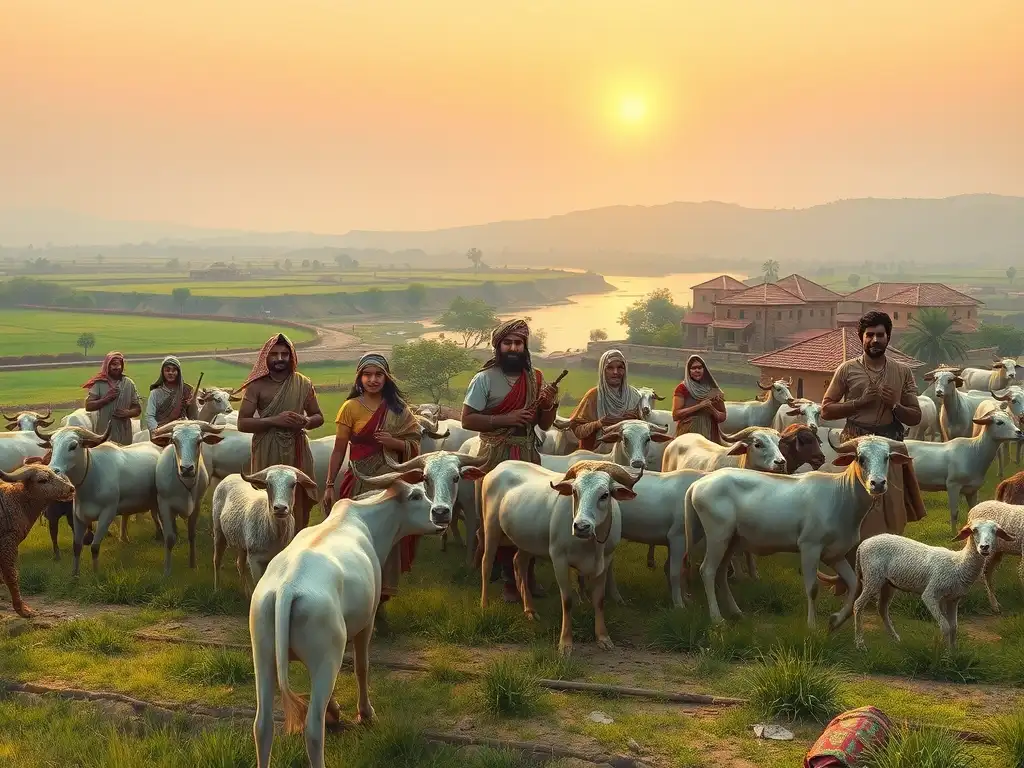
Animal husbandry in the Indus Valley Civilization (IVC) demonstrates a sophisticated integration of agricultural techniques and livestock management that set it apart from both contemporary civilizations and later agricultural societies. The inhabitants of the IVC utilized a diverse range of domesticated animals, including cattle, sheep, goats, and pigs, which played crucial roles in their daily lives, economy, and technological innovations.
Indus Valley farmers employed advanced husbandry techniques that optimized animal breeding, feeding, and care, which significantly contributed to food security and trade. Archaeological findings, such as animal bones and terracotta figurines, indicate that these practices were not only utilitarian but also reflected cultural significance, suggesting a deep reverence for animals in their society.
Comparison with Contemporary Civilizations
When comparing the animal husbandry practices of the Indus Valley with those of neighboring civilizations such as Mesopotamia and Ancient Egypt, several distinctions emerge. For instance, while Mesopotamia relied heavily on sheep and goats for wool and meat, the Indus Valley showcased a more balanced approach by integrating cattle for plowing and milk production, thereby enhancing agricultural efficiency.
Additionally, the Indus Valley's urban planning and infrastructure, such as the use of drainage systems, allowed for a more sustainable approach to managing livestock. In contrast, civilizations like Egypt primarily focused on large-scale livestock grazing along the Nile, which occasionally led to overgrazing and soil depletion. This comparative analysis highlights how the IVC's animal husbandry practices were not only innovative but were also adapted to their specific environmental and social contexts.
Unique Features of Indus Valley Animal Husbandry
Several unique features characterize animal husbandry in the Indus Valley. One of the most notable is the domestication of the zebu (hump-backed cattle), which was uniquely adapted to the region’s climate and terrain. This breed was integral for agricultural labor, providing traction for plowing and transportation.
Furthermore, evidence suggests that the Indus Valley people practiced selective breeding, leading to improvements in livestock quality. This is exemplified by the discovery of cattle with distinct physical traits in archaeological sites, indicating a deliberate effort to enhance desirable characteristics such as size, strength, and milk production.
The presence of specialized facilities such as cattle pens and feed storage areas indicates an organized approach to animal husbandry, ensuring the health and productivity of livestock. This level of sophistication in managing livestock sets the Indus Valley apart from its contemporaries, highlighting its innovative contributions to animal husbandry.
Challenges and Sustainability of Animal Husbandry in Ancient Times
Despite the advancements in animal husbandry, the Indus Valley faced several challenges that impacted the sustainability of their practices. These challenges included environmental factors and the broader implications of climate change, which influenced livestock management strategies.
Environmental Factors Affecting Animal Husbandry
The geography of the Indus Valley, characterized by fertile floodplains, created an ideal environment for agriculture and animal husbandry. However, this environment was not without its challenges. Seasonal flooding and the unpredictable nature of monsoon rains posed significant threats to both crop production and livestock health.
Moreover, the availability of grazing land was limited by the expansion of agricultural fields. As farming intensified, the competition for land between crops and livestock increased, necessitating a shift in management practices. The development of sustainable grazing practices became essential, as the IVC inhabitants sought to balance the needs of their livestock with the demands of agriculture.
Impact of Climate Change on Livestock Management
Climate change played a crucial role in shaping the practices of animal husbandry in the Indus Valley. Archaeological evidence indicates fluctuations in climate during the period of the IVC, which affected water availability and pasture conditions. Periods of drought would have necessitated adaptations in livestock management, such as the need for supplementary feeding and the establishment of water conservation practices.
The resilience of the Indus Valley civilization can be attributed to their ability to innovate in response to these challenges. Archaeologists suggest that the construction of reservoirs and canals for irrigation was not only beneficial for crops but also for sustaining livestock during dry spells. This adaptability highlights the interconnectedness of agriculture and animal husbandry, demonstrating how the people of the Indus Valley navigated environmental challenges to maintain their agricultural and pastoral systems.
Conclusion: Legacy of Animal Husbandry in Indus Valley Civilization
The legacy of animal husbandry in the Indus Valley Civilization (IVC) is profound and multifaceted, weaving itself into the very fabric of agricultural and technological advances of the time. The domestication of various animals, including cattle, sheep, goats, and pigs, not only played a crucial role in meeting the dietary needs of the population but also facilitated economic stability and trade. The IVC's expertise in animal husbandry laid a foundation for sustainable agricultural practices, influencing both social structures and economic activities.
Moreover, the advanced techniques developed by the Indus Valley people in managing livestock contributed to the growth of urban centers, with surplus produce supporting a burgeoning population. The integration of animal husbandry with agriculture fostered a symbiotic relationship that enabled communities to thrive for centuries. This legacy is evident in the continued significance of animal husbandry in subsequent Indian civilizations, showcasing the enduring influence of the IVC on agricultural practices and rural economies.
Lasting Contributions to Agricultural Practices
The contributions of animal husbandry to agricultural practices in the Indus Valley were critical in shaping the civilization’s success. The domesticated animals provided not only meat but also milk, wool, and hides, enhancing the nutritional and economic framework of the society. The use of oxen for plowing fields marked a significant technological advancement, leading to increased crop yields and the ability to cultivate more extensive areas of land.
In addition, the careful breeding of livestock allowed for the selection of traits that improved the efficiency and productivity of herds. This knowledge laid the groundwork for more sophisticated agricultural techniques that would be seen in later civilizations. The integration of animal husbandry practices, such as rotational grazing and mixed farming, demonstrated an advanced understanding of sustainability which has been emulated in modern agricultural practices.
Influence on Future Indian Civilizations
The influence of animal husbandry in the Indus Valley extended far beyond its own time, impacting future Indian civilizations significantly. The techniques and domesticated breeds established during the IVC were carried forward, influencing agricultural methods in the Vedic period and beyond. This included the continuation of cattle as a central element in agrarian societies, which eventually led to its revered status in later Hindu culture.
Furthermore, the economic models based on animal husbandry paved the way for trade networks that spanned the Indian subcontinent. The exchange of livestock and related products fostered economic relationships between different regions, contributing to the development of a complex trade system that would be seen in subsequent eras, including the Maurya and Gupta empires. The legacy of animal husbandry thus not only sustained the Indus Valley Civilization but also shaped the agricultural and economic landscape of ancient and medieval India.
References and Further Reading on Animal Husbandry in Indus Valley
Key Archaeological Findings
Several key archaeological findings highlight the significance of animal husbandry in the Indus Valley Civilization. Excavations at sites such as Harappa and Mohenjo-Daro have uncovered animal remains, including those of cattle, sheep, and goats, indicating their domestication and role in daily life. The presence of terracotta figurines depicting various animals further suggests their importance in the cultural and spiritual aspects of the civilization.
Moreover, the construction of pens and enclosures reflects a sophisticated understanding of animal care and management. These findings underscore the complexity of agricultural practices and the integration of animal husbandry into the broader economic system of the IVC.
Suggested Literature for In-Depth Exploration
For those interested in delving deeper into the role of animal husbandry in the Indus Valley Civilization, the following literature is recommended:
- "The Indus Civilization: A Contemporary Perspective": by Gregory L. Possehl - This book provides an overview of the archaeological findings and discusses the significance of animal husbandry in the broader context of the IVC.
- "Agriculture and Pastoralism in Ancient India" by Raghunandan Lal - An in-depth exploration of agricultural practices, including livestock management, in ancient Indian societies.
- "Animals and Ancestors: An Ethnography of the Santal": by S. K. Chatterjee - This work examines animal husbandry practices in relation to cultural traditions, offering insights into the historical continuity from the IVC to modern times.
These resources present a comprehensive view of the technological and cultural advancements related to animal husbandry in the Indus Valley, providing valuable context for understanding its lasting legacy.
- Introduction to Animal Husbandry in Indus Valley
- Historical Context of Animal Husbandry in the Indus Valley
- Technological Innovations Driven by Animal Husbandry
- Socio-Economic Impact of Animal Husbandry
- Comparative Analysis of Animal Husbandry Practices
- Challenges and Sustainability of Animal Husbandry in Ancient Times
- Conclusion: Legacy of Animal Husbandry in Indus Valley Civilization
- References and Further Reading on Animal Husbandry in Indus Valley
- What is the significance of animal husbandry in the Indus Valley civilization?
- What types of animals were commonly domesticated in the Indus Valley?
- How did animal husbandry contribute to technological development in the Indus Valley?
- Were there any specific practices associated with animal husbandry in the Indus Valley?
- How did animal husbandry influence the social structure of the Indus Valley civilization?
Frequently Asked Questions
What is the significance of animal husbandry in the Indus Valley civilization?
Animal husbandry played a crucial role in the economic stability and food security of the Indus Valley civilization, providing essential resources like meat, milk, and labor.
What types of animals were commonly domesticated in the Indus Valley?
The Indus Valley people primarily domesticated cattle, sheep, goats, and buffalo, which were integral to their agricultural practices and daily life.
How did animal husbandry contribute to technological development in the Indus Valley?
Innovations in animal husbandry led to advancements in farming techniques and the development of tools for agriculture, which enhanced productivity and trade.
Were there any specific practices associated with animal husbandry in the Indus Valley?
Yes, practices included breeding for desirable traits, herding, and creating enclosures, which showcased their skills in managing and optimizing animal resources.
Animal husbandry contributed to a specialized economy, allowing for the emergence of traders and artisans, which in turn fostered a more complex social hierarchy.
Final Reflection: The Enduring Legacy of Animal Husbandry in the Indus Valley
The exploration of animal husbandry in the Indus Valley reveals its profound significance in shaping not only agricultural practices but also the technological advancements of one of the world's earliest civilizations. Today, as we grapple with the challenges of sustainable agriculture and food security, the lessons from the Indus Valley remind us of the intricate relationship between livestock management and innovation. The legacy of this ancient practice continues to resonate, highlighting the importance of integrating traditional knowledge with modern techniques.
The impact of animal husbandry extends far beyond mere sustenance; it has woven itself into the cultural and social fabric of societies throughout history. The domestication of animals in the Indus Valley facilitated trade, enhanced agricultural productivity, and fostered community development. As we reflect on this, we are reminded of the words of historian David Wengrow: The past is not a foreign country; it is a part of our present, shaping our identities and futures.
This connection emphasizes how the practices of our ancestors continue to influence contemporary agricultural systems and societal structures.
As we move forward, let us take a moment to reflect on the lessons of animal husbandry in the Indus Valley and consider how these ancient practices can inform our approach to modern challenges. I invite you to explore how you can incorporate sustainable practices into your own life, whether through supporting local farmers, advocating for animal welfare, or simply being mindful of the food choices you make. By honoring the past, we can cultivate a more sustainable future, ensuring that the wisdom of the Indus Valley continues to inspire generations to come.
Uncover the Impact of Animal Husbandry on Indus Valley Innovation!
Thank you for diving into the fascinating world of the Indus Valley's technological development through animal husbandry! Your exploration of this critical element reveals how agriculture and livestock were intertwined with the civilization's advancements.
Now, it's your turn to take action and deepen your understanding:
- Continue your journey by researching the specific breeds of livestock cultivated by the people of the Indus Valley and their unique contributions to daily life.
- Share your insights! Engage with fellow history enthusiasts on our forum and discuss how animal husbandry laid the groundwork for future agricultural practices.
- Explore related articles on our site to discover more about the intricate relationship between technology and ancient societies.
What other aspects of ancient agricultural practices do you think played a vital role in shaping early civilizations? **We invite you to share your thoughts below! **