
The Role of Festivals in the Maurya Empire’s Governance Strategy

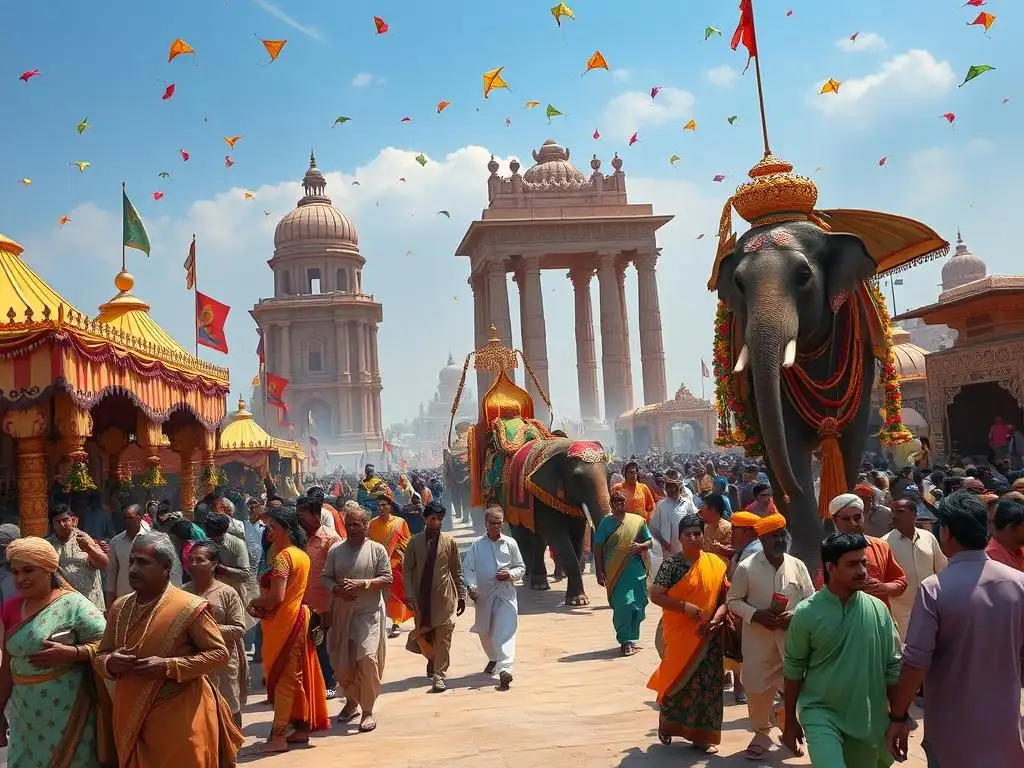
Welcome to Ancient India History, where we embark on a fascinating journey through the rich tapestry of ancient Indian civilizations. Dive into the captivating world of the Maurya Empire, where festivals were not just celebrations but pivotal elements in the governance strategy. Discover how these vibrant events shaped societal structures and influenced political dynamics, creating a legacy that resonates even today. Are you ready to explore the profound significance of festivals in Maurya Empire governance? Let’s unravel the layers of history together!
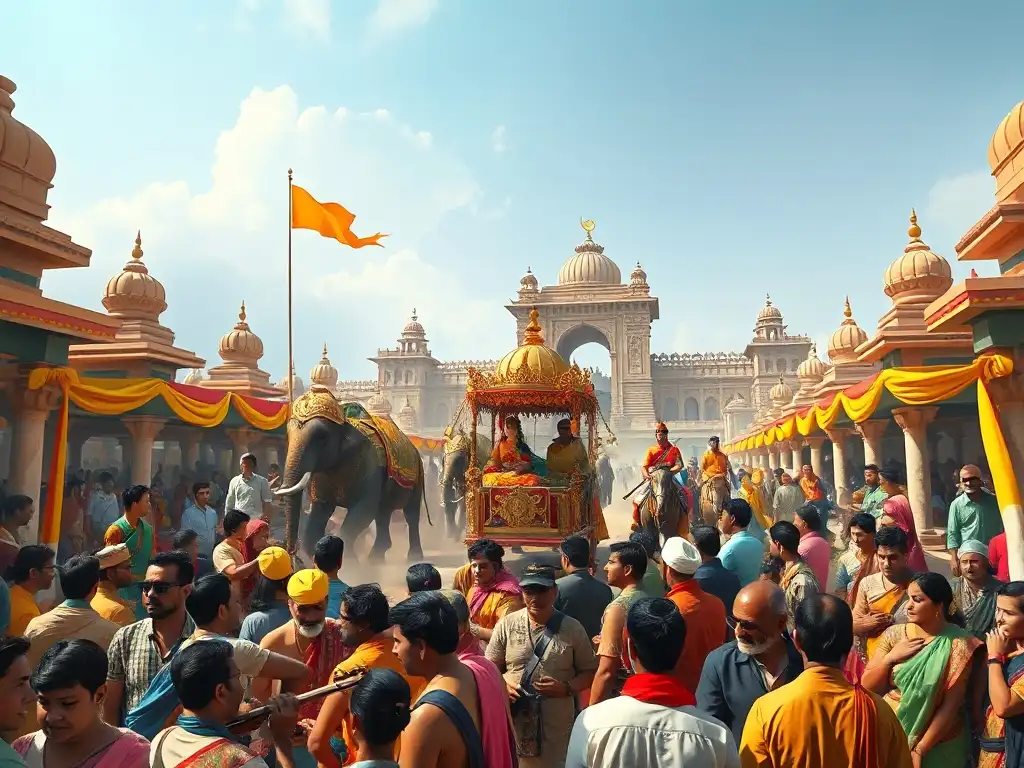
Introduction to Festivals in the Maurya Empire
The Maurya Empire, one of the most influential and expansive empires in ancient Indian history, thrived from approximately 322 to 185 BCE. Under the reign of notable rulers such as Chandragupta Maurya and his grandson Ashoka, the empire not only established a vast territory but also developed sophisticated governance strategies that integrated culture and politics. Among these strategies, festivals played a pivotal role, serving as essential instruments for governance that fostered unity, legitimized authority, and reinforced cultural identity. Understanding the significance of festivals in Maurya Empire governance provides valuable insights into the socio-political landscape of this remarkable civilization.
Overview of the Maurya Empire's Governance
The governance of the Maurya Empire was characterized by a centralized administration that effectively managed its vast territories. The empire implemented a bureaucratic system with various officials overseeing different regions, ensuring efficient tax collection, law enforcement, and public welfare. This structure allowed the Mauryan rulers to maintain control over diverse populations, each with its unique cultural practices and traditions. The integration of festivals into this governance framework was not merely a matter of cultural expression; it was a strategic move to maintain order and stability within the empire.
- Key Features of Mauryan Governance:
- Centralized authority under the emperor.
- A sophisticated bureaucracy for administration.
- Efficient tax systems and public welfare initiatives.
- Promotion of law and order across diverse regions.
Importance of Cultural Practices in Political Strategy
Cultural practices, including festivals, were vital to the political strategy of the Maurya Empire. They served as a means of communication between the rulers and the ruled, reinforcing loyalty and a sense of belonging among the populace. By participating in festivals, citizens felt connected not only to their local communities but also to the greater empire. This cultural engagement was essential for fostering a shared identity, which was crucial for the stability of such a vast and diverse empire.
The Significance of Festivals in Governance
Festivals in the Maurya Empire were not merely celebratory events; they played a significant role in the governance of the empire. Rulers strategically used these occasions to strengthen their rule and promote social harmony.
Festivals as Tools for Social Cohesion
The Mauryan rulers recognized that festivals could serve as powerful tools for fostering social cohesion. By sponsoring and participating in various cultural and religious festivals, they could bring together people from different backgrounds, promoting a sense of unity and shared identity. For instance, festivals related to agriculture, harvest, or seasonal changes were celebrated widely, allowing citizens to partake in communal activities that transcended regional and cultural differences.
- Examples of Festivals:
- Harvest Festivals: Celebrated to mark the beginning of the harvest season, promoting agricultural unity.
- Religious Festivals: Events like the celebration of Dharmaraja brought together different faiths under the Mauryan umbrella.
Festivals and Their Role in Legitimizing Authority
Beyond fostering unity, festivals also played a crucial role in legitimizing the authority of the Mauryan rulers. By associating themselves with important religious and cultural events, emperors could reinforce their divine right to rule. For instance, Ashoka's promotion of Buddhism and its associated festivals not only elevated his status as a ruler but also aligned his governance with moral and ethical principles, further solidifying his legitimacy in the eyes of his subjects.
- Key Aspects of Legitimization:
- Divine association: Rulers connected themselves with deities and religious practices.
- Moral governance: Festivals emphasized ethical principles aligned with the rulers' policies.
- Public displays of power: Grand celebrations showcased the wealth and stability of the empire, garnering public support.
By examining the role of festivals within the governance strategy of the Maurya Empire, we can appreciate how these cultural practices were intricately woven into the fabric of political life, shaping the identity and cohesion of one of ancient India's most remarkable civilizations.
Types of Festivals Celebrated in the Maurya Empire
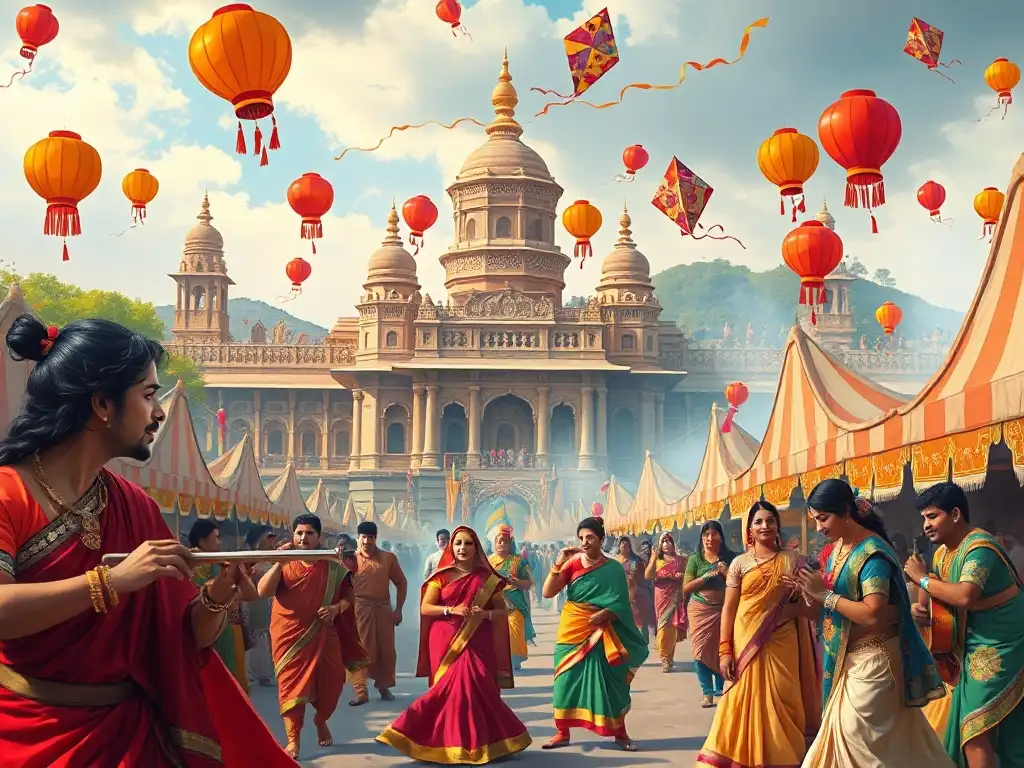
The Maurya Empire, renowned for its extensive territorial expanse and administrative sophistication, hosted a variety of festivals that reflected its diverse cultural landscape. These festivals can primarily be categorized into religious and secular celebrations, each playing a vital role in the governance and societal cohesion of the empire.
Major Religious Festivals and Their Impact
Religious festivals were pivotal in the Maurya Empire, serving as significant moments of communal unity and spiritual reflection. Among these, the celebration of Vaishakha Purnima, honoring the Buddha, held immense importance due to Emperor Ashoka’s conversion to Buddhism and his efforts to propagate its teachings. This festival not only reinforced the Buddhist faith among the populace but also demonstrated the state’s commitment to the moral and ethical governance espoused by Buddhist principles.
Another crucial religious festival was Maha Shivaratri, dedicated to Lord Shiva. This festival facilitated the engagement of various social strata, enabling the Mauryan administration to foster a sense of belonging and loyalty among its subjects. The participation of diverse communities in these celebrations often translated into political stability and reinforced the emperor’s authority as a divine ruler.
Secular Festivals and Administrative Significance
In addition to religious observances, secular festivals also played an essential role in the Maurya Empire's governance. Chhatrapati Jayanti, a festival celebrating the valor of local heroes and historical figures, allowed the Mauryan administration to promote a sense of nationalism and collective identity among its subjects. Such festivals served as a reminder of the empire's achievements and valor, helping to instill pride and loyalty.
Moreover, the celebration of agricultural festivals, such as Pongal, was crucial for the agrarian economy of the Maurya Empire. These events not only marked the seasonal harvest but also provided an opportunity for the state to distribute resources and aid to the farmers. By linking these festivities to administrative objectives, the Mauryan rulers could ensure the well-being of their subjects and maintain social order.
Festivals as a Means of Communication
Festivals in the Maurya Empire served as effective platforms for communication between the rulers and the ruled. They facilitated the dissemination of political messages and reinforced the connection between the state and its citizens.
Festivals as a Platform for Political Messaging
During festivals, emperors and officials often addressed the public, utilizing these gatherings to communicate important political messages. For instance, Ashoka used Buddhist festivals to advocate for his policies of Dhamma, emphasizing moral governance and social welfare. By associating these teachings with the celebration, the emperor could reinforce his authority while promoting a collective moral framework among his subjects.
Additionally, festivals provided an opportunity for the Mauryan rulers to showcase their power and wealth, further consolidating their political position. The grand displays of resources during these events not only captivated the populace but also served as a reminder of the emperor's capability to provide for and protect his subjects.
The Role of Festivals in Promoting State Ideologies
Festivals were instrumental in promoting state ideologies and values within the Maurya Empire. By aligning certain festivals with the empire's core principles, such as non-violence, respect for life, and community welfare, the rulers could cultivate a shared identity among their diverse subjects.
For example, during the celebration of Ashoka's Edicts, the themes of compassion and ethical governance resonated deeply with the populace. These festivals allowed citizens to engage with the empire’s ideological foundations, creating a sense of unity and belonging. By embedding state ideologies within the fabric of these celebrations, the Mauryan rulers effectively governed a vast and varied empire, ensuring loyalty and harmony among its people.
Economic Implications of Festivals in Governance
Festivals played a crucial role in the governance strategy of the Maurya Empire, not just as cultural events but as significant economic drivers. The Mauryan rulers leveraged these occasions to stimulate economic activity, enhance trade, and reinforce their political authority. Festivals served as a platform for the state to engage with its citizens, promote social cohesion, and ensure the flow of resources within the empire. By fostering an environment of celebration, the empire could maintain stability and discourage dissent, thereby securing the rulers' grip on power.
Festivals and Economic Activity
Festivals were central to economic life in the Maurya Empire. These occasions brought together diverse groups of people, creating opportunities for trade and commerce. Markets flourished during festivals, where artisans, merchants, and farmers showcased their goods, leading to increased economic interaction. The influx of visitors during major festivals also boosted local economies, as hospitality services thrived and local businesses experienced heightened demand.
Moreover, the state often organized these festivals, which helped regulate and control the economic activities surrounding them. By facilitating the flow of goods and services, the Mauryan rulers ensured that the economy remained robust, which was essential for the empire's overall stability and prosperity. The festivals not only celebrated culture and religion but also reinforced the economic fabric of the empire.
Taxation and Revenue Generation during Festivals
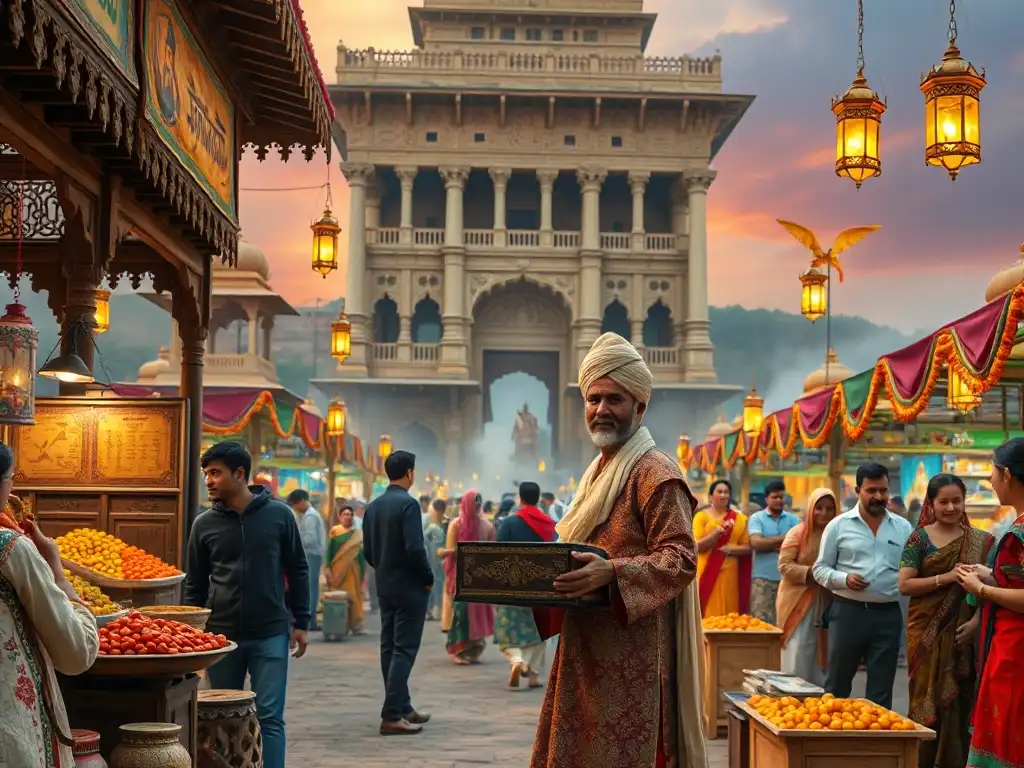
The Maurya Empire recognized the economic potential of festivals in terms of taxation and revenue generation. During these periods of heightened commerce, the state could implement temporary taxes on market activities, which contributed significantly to the royal treasury. This practice was particularly effective during large-scale celebrations, where the sheer volume of transactions allowed the government to collect substantial revenue.
Additionally, the state often sponsored some festivals, which meant that they could control the flow of money and, in turn, allocate resources for public projects. This symbiotic relationship between festivals and taxation not only increased revenue but also strengthened the legitimacy of the rulers, as they were seen as benefactors of culture and prosperity. Thus, festivals became a vital component of the Maurya Empire’s economic strategy.
Case Studies of Specific Festivals in the Maurya Empire
The Role of Ashoka’s Edicts and Festivals
Emperor Ashoka, one of the most notable rulers of the Maurya Empire, utilized festivals as a medium to disseminate his edicts and promote his vision of governance. His inscriptions often emphasized moral and ethical conduct, aligning these values with the celebrations of various festivals. By integrating his policies with the festive calendar, Ashoka ensured that his message reached a broad audience.
The festivals were not merely occasions for merriment; they served as a platform for Ashoka to reinforce the principles of Dhamma (moral law) among his subjects. This strategy helped solidify his authority and fostered a sense of unity among the diverse populations of the empire. Through these celebrations, Ashoka could effectively communicate the importance of non-violence, compassion, and social responsibility, making festivals a crucial component of his governance strategy.
Celebrations during Significant Military Victories
Military victories were pivotal moments in the Maurya Empire, often celebrated with grand festivals that served both celebratory and political purposes. These celebrations were not just about honoring the military achievements but also about reinforcing the strength and stability of the empire. They allowed the rulers to showcase their power and the loyalty of their subjects.
During these festivals, the state organized parades and public displays that highlighted the empire's military prowess. Such events were crucial for maintaining morale among the populace and for solidifying the loyalty of the army. The visibility of the ruler during these celebrations also served to enhance their legitimacy, as the populace could witness their leader's direct engagement with the community. Thus, military victory celebrations became an integral part of the governance strategy, intertwining military success with cultural and social identity.
The Legacy of Festivals in Maurya Governance
The Maurya Empire, one of the most significant ancient Indian civilizations, intricately wove festivals into its governance strategy. Festivals served not only as occasions of celebration but also as pivotal tools for administration and social cohesion. The Mauryan rulers, particularly under the reign of Emperor Ashoka, recognized the potential of festivals to foster loyalty among the populace and maintain peace across the vast empire.
Festivals in the Maurya Empire were marked by elaborate rituals, public gatherings, and community participation, which reinforced the legitimacy of the ruling class. They provided a platform for the dissemination of the emperor's policies and achievements. Public celebrations often included the distribution of alms and grains, which not only showcased the emperor’s benevolence but also ensured economic stability and the welfare of the citizens. By aligning religious and cultural festivities with state-sponsored events, the Mauryan rulers successfully bridged the gap between governance and public sentiment.
Furthermore, the legacy of these festivals extended beyond mere celebrations; they were instrumental in shaping the cultural landscape of ancient India. They facilitated the blending of regional traditions with the imperial ethos, fostering a sense of unity among diverse populations. As such, the festivals became emblematic of the Maurya Empire's governance, reflecting its values of dharma, social responsibility, and communal harmony.
Influence on Subsequent Indian Empires
The influence of the Maurya Empire’s governance through festivals can be seen in the administrative practices of subsequent Indian empires. The concept of integrating festivals into governance was embraced by later dynasties, such as the Gupta Empire, which continued to celebrate regional and religious festivals to promote loyalty and cultural identity among their subjects.
These festivals evolved into grand state-sponsored events that served as a means of political propaganda. Rulers would often participate in these celebrations, reinforcing their connection with the people and demonstrating their commitment to cultural preservation. The festivals also provided opportunities for the rulers to showcase their power, wealth, and military prowess, further solidifying their authority.
Moreover, the legacy of the Mauryan governance model highlighted the importance of festivals as a means of social cohesion. Subsequent empires utilized similar strategies to create a sense of belonging among diverse communities, ensuring stability and continuity in governance. This practice not only sustained the political fabric of these empires but also contributed significantly to the cultural richness of Indian civilization.
Preservation of Cultural Heritage through Festivals
Festivals during the Maurya Empire played a crucial role in the preservation of cultural heritage. They acted as a repository of traditions, rituals, and folklore that defined the identity of various communities within the empire. The Mauryan rulers endorsed and promoted these festivals, recognizing their significance in maintaining cultural continuity and promoting moral values.
By institutionalizing festivals, the Maurya Empire ensured that various art forms, music, dance, and local traditions were celebrated and passed down through generations. The inclusion of diverse cultural elements in state-sponsored festivities allowed for a rich tapestry of cultural expression that reflected the empire's pluralistic society.
Moreover, festivals served as occasions for storytelling, where bards and poets recounted tales of valor, ethics, and mythology, thereby preserving the historical narratives that shaped the collective consciousness of the people. This preservation of cultural heritage through festivals not only reinforced community bonds but also played a pivotal role in the broader socio-political landscape of ancient India.
Conclusion
Summary of the Role of Festivals in Maurya Empire Governance
Festivals were integral to the governance strategy of the Maurya Empire. They functioned as a means of social cohesion, political propaganda, and cultural preservation. By embracing festivals, the Mauryan rulers were able to foster loyalty among their subjects, promote the state’s values, and create a sense of unity across the diverse empire. The strategic use of festivals not only reflected the governance philosophy of the Mauryan rulers but also established a legacy that influenced future Indian empires.
The Lasting Impact of Festivals on Ancient Indian Civilization
The lasting impact of festivals initiated during the Maurya Empire is evident in the cultural fabric of ancient Indian civilization. These celebrations laid the groundwork for the rich tapestry of festivals that continue to thrive in contemporary Indian society. The integration of festivals into governance has become a hallmark of Indian civilization, emphasizing the importance of community, culture, and collective identity.
As a result, the festivals of the Maurya Empire have transcended their historical context, evolving into a vibrant aspect of Indian culture. They remain a testament to the enduring legacy of the Mauryan rulers and their innovative approach to governance, which recognized the power of cultural expression in shaping the lives of the people. Today, festivals continue to play a vital role in the social and cultural landscape of India, reflecting the values and traditions that have been cultivated since the time of the Maurya Empire.
- Introduction to Festivals in the Maurya Empire
- Overview of the Maurya Empire's Governance
- Importance of Cultural Practices in Political Strategy
- The Significance of Festivals in Governance
- Types of Festivals Celebrated in the Maurya Empire
- Festivals as a Means of Communication
- Economic Implications of Festivals in Governance
- Festivals and Economic Activity
- Taxation and Revenue Generation during Festivals
- Case Studies of Specific Festivals in the Maurya Empire
- The Legacy of Festivals in Maurya Governance
- Conclusion
- What were the main festivals celebrated during the Maurya Empire?
- How did festivals contribute to the governance of the Maurya Empire?
- Were festivals purely cultural in the Maurya Empire?
- How did the Mauryan rulers use festivals to promote their policies?
- What role did religion play in the festivals of the Maurya Empire?
Frequently Asked Questions
What were the main festivals celebrated during the Maurya Empire?
The Maurya Empire celebrated various festivals that were integral to their culture, including Ashvamedha and Panchayatan, which played a role in reinforcing social harmony and political unity.
How did festivals contribute to the governance of the Maurya Empire?
Festivals served as a tool for the Maurya rulers to promote loyalty among their subjects and foster a sense of community, thus aiding in effective administration and control.
Were festivals purely cultural in the Maurya Empire?
No, festivals in the Maurya Empire were not just cultural; they also had significant political implications, as they allowed rulers to engage with their citizens and showcase their power.
How did the Mauryan rulers use festivals to promote their policies?
The Mauryan rulers often used festivals to disseminate their policies and ideologies, creating a platform to educate the public about governance and encouraging compliance.
What role did religion play in the festivals of the Maurya Empire?
Religion was central to the festivals of the Maurya Empire, serving as a means to unify different communities and reinforce the divine right of rulers, thus strengthening their authority.
Final Reflection: The Enduring Legacy of Festivals in Governance
The exploration of festivals in the Maurya Empire’s governance strategy reveals a profound connection between cultural celebration and political authority. In today's world, we see a resurgence of interest in how cultural practices can influence societal cohesion and governance. The Maurya Empire's strategic use of festivals not only fostered unity among diverse populations but also reinforced the legitimacy of its rulers. This historical insight serves as a powerful reminder that cultural celebrations can be instrumental in shaping governance and community identity.
The impact of festivals extends far beyond mere celebration; they are a reflection of a society's values and aspirations. In the context of the Maurya Empire, festivals were not just events; they were tools of governance that promoted social harmony and loyalty to the state.
This idea resonates today, as we witness how modern societies utilize festivals to bridge divides and foster a sense of belonging. As Mahatma Gandhi once said, “A nation’s greatness is measured by how it treats its weakest members.” The festivals of the Maurya Empire exemplified this principle by bringing together people from various backgrounds, reinforcing the idea that unity in diversity is essential for a thriving society.
As we reflect on the lessons from the Maurya Empire, let us consider how we can incorporate the spirit of festivals into our own lives and communities. How can we use cultural celebrations to strengthen our bonds and enhance our governance structures? I invite you to embrace the power of festivals not just as occasions for joy, but as opportunities for engagement, understanding, and collective action. By doing so, we can honor the legacy of the past while actively shaping a more inclusive and harmonious future.
Unveil the Impact of Festivals on Governance!
Thank you for exploring the fascinating role that festivals played in the governance strategies of the Maurya Empire! Your interest in this vibrant aspect of history not only deepens your understanding but also connects you with the rich tapestry of ancient Indian culture. Now, it's time to take action!
Here are some steps you can take to further your exploration and engage in meaningful discussions:
- Dive deeper into history! Discover more articles about the Maurya Empire and its cultural practices on our website.
- Share your insights! Discuss with friends or on social media how you believe festivals can influence modern governance and foster community cohesion.
- Join the conversation! Participate in our forum to exchange ideas and learn from others who are passionate about ancient Indian history.
What unique festival experiences do you think have shaped governance in today’s societies?