
The Role of Rituals and Ceremonies in Mauryan Governance


Welcome to Ancient India History, where we embark on a fascinating journey through the rich and diverse tapestry of ancient Indian civilizations. Delve into the captivating world of the Mauryan Empire, where governance was not just a matter of politics, but a vibrant interplay of rituals and ceremonies. In our featured article, "The Role of Rituals and Ceremonies in Mauryan Governance," we uncover the significance of these rituals in shaping authority and cultural identity.
Prepare to be intrigued as we explore how these age-old practices continue to resonate in the fabric of modern society. Join us on this enlightening adventure and discover the profound impact of ancient governance that still echoes today!
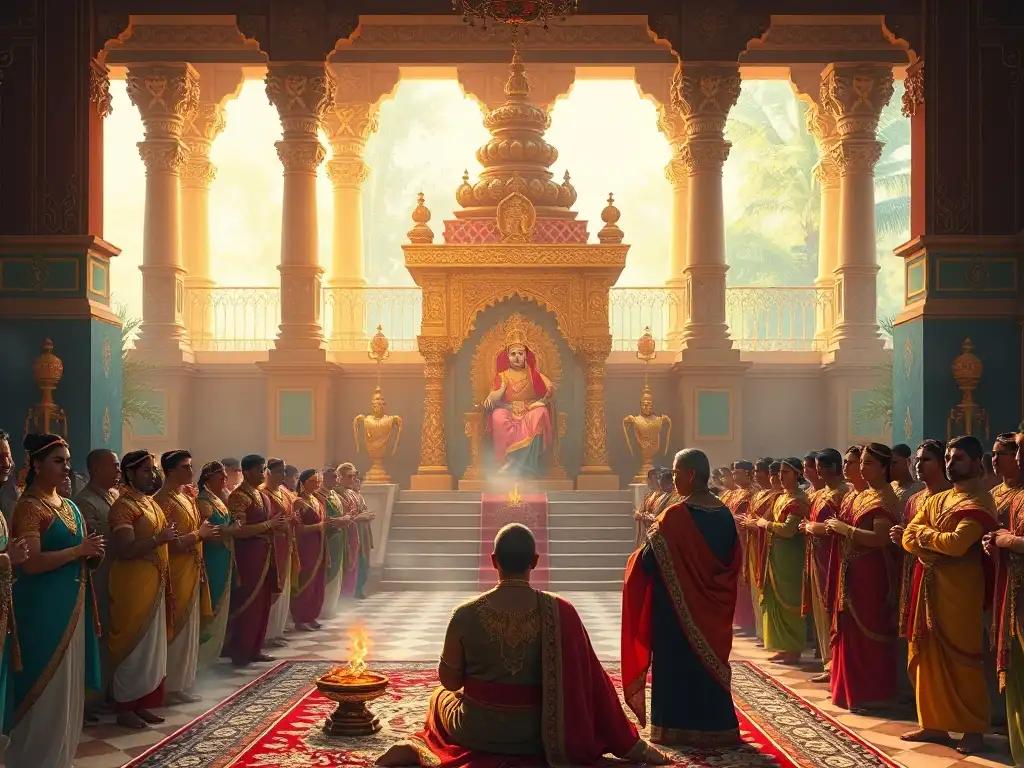
Introduction to Mauryan Governance
The Mauryan Empire, one of the most significant and expansive empires in ancient India, spanned from approximately 322 BCE to 185 BCE. Under the rule of notable emperors like Chandragupta Maurya and Ashoka the Great, the Mauryan administration established a sophisticated framework of governance that not only focused on political control but also deeply integrated religious and cultural dimensions.
The significance of Mauryan governance rituals lies in their ability to reinforce authority, promote social cohesion, and legitimize the power of the rulers. This article will delve into the various rituals and ceremonies that played a crucial role in maintaining the empire's governance structure, highlighting their importance in the broader context of ancient Indian civilization.
Overview of the Mauryan Empire
The Mauryan Empire emerged in a time of political fragmentation in India, consolidating power through strategic alliances and military conquests. At its zenith, it covered a vast territory that included present-day India, Pakistan, and parts of Afghanistan. The administration was characterized by a centralized governance system, with a well-organized bureaucratic structure that facilitated efficient rule. The Mauryan emperors employed various rituals and ceremonies to communicate their authority and reinforce their legitimacy.
- Key Features of the Mauryan Empire:
- Centralized governance with a hierarchical administrative system
- Strong military presence to maintain order and expand territory
- Promotion of trade and economic stability
- Cultural and religious patronage to unite diverse populations
Importance of Governance in Ancient India
Governance in ancient India was not merely a political concept; it was deeply intertwined with cultural and spiritual beliefs. Rulers were often seen as divine figures or representatives of the gods, and their legitimacy was bolstered through rituals that emphasized their sacred duty. The Mauryan Empire exemplified this connection between governance and spirituality, as rituals served to:
- Establish Authority: Rituals reinforced the emperor's position as a sovereign ruler, showcasing their divine right to govern.
- Promote Unity: Ceremonies often involved various social groups, fostering a sense of belonging among the populace.
- Legitimize Policies: By incorporating religious practices into governance, rulers could justify their decisions and policies as aligned with divine will.
Understanding the Significance of Rituals in Mauryan Governance
Definition of Rituals and Ceremonies
Rituals and ceremonies can be defined as structured and repeated actions that hold symbolic significance within a culture or society. In the context of Mauryan governance, these practices were not just ceremonial but served as practical tools for administration. They included:
- Coronations and Inaugurations: Formal ceremonies marking the ascension of a ruler, symbolizing the transfer of power.
- Sacrifices and Offerings: Religious practices aimed at appeasing deities for prosperity and success in governance.
- Public Festivals: Events that celebrated the empire's achievements and reinforced loyalty among subjects.
Historical Context of Rituals in Ancient India
The use of rituals in governance has deep historical roots in ancient Indian society, where spiritual beliefs and political authority were often interlinked. Various texts, such as the Vedas and the Arthashastra, provide insights into how rituals were used to maintain social order and political stability. During the Mauryan period, these practices evolved and adapted to the changing socio-political landscape, reflecting the empire's diverse cultural heritage.
- Significance of Rituals in Governance:
- Facilitated communication between the ruler and the ruled.
- Served as a means of cultural integration in a diverse empire.
- Reinforced the moral and ethical dimensions of governance, aligning rulers with dharma (righteousness).
In exploring the role of rituals and ceremonies in Mauryan governance, we gain a deeper understanding of how these practices shaped the political and cultural landscape of ancient India, leaving a lasting legacy that continues to be studied and revered today.
Key Rituals and Ceremonies in Mauryan Governance
The Mauryan Empire, one of the most significant ancient Indian civilizations, employed various rituals and ceremonies that played a pivotal role in governance. These rituals were not merely ceremonial but were intricately woven into the fabric of political life, serving both administrative and symbolic purposes. They facilitated the reinforcement of authority and legitimacy while also fostering social cohesion among diverse populations. Key rituals included the Ashvamedha Yagna, royal consecrations, and other elaborate ceremonies that underscored the divine right of kings.
The Ashvamedha Yagna, in particular, was a critical ritual that signified the ruler's sovereignty and his right to rule over the land. Through these ceremonies, the Mauryan emperors could project their power, assure their subjects of divine favor, and reinforce their position in the socio-political hierarchy.
The Role of Sacred Rituals in State Affairs
Sacred rituals in the Mauryan Empire served multiple functions in state affairs. Primarily, they were instruments of statecraft that helped maintain order and stability. By engaging in rituals that invoked divine blessings, rulers could communicate their commitment to dharma (moral duty) and governance.
For instance, the Rajasuya Yagna was performed by the emperor to establish his supremacy over other kings and to legitimize his authority. Such rituals were critical during the coronation of new emperors, as they not only marked a transition of power but also symbolized the continuity of the empire’s traditions. In this way, sacred rituals reinforced the political structure and ensured the loyalty of subjects and vassals.
Moreover, these rituals also facilitated the involvement of various social groups, including priests and local leaders, thereby integrating them into the governance framework. The participation of these groups enhanced the legitimacy of the rulers and fostered a sense of unity across the empire.
Ceremonial Events: Ashvamedha Yagna and Its Impact
The Ashvamedha Yagna was one of the most significant ceremonial events in the Mauryan governance structure. This horse sacrifice ritual involved the release of a consecrated horse to roam freely for a specified period, symbolizing the king's authority over the territories through which the horse traveled. If the horse was captured, it indicated a challenge to the ruler's sovereignty, necessitating military action to reaffirm control.
The impact of the Ashvamedha Yagna extended beyond mere territorial claims. It also served to enhance the ruler’s status in the eyes of his subjects and neighboring states. The successful completion of this ritual not only solidified the emperor's power but also reinforced the ideological underpinnings of his rule, linking it to divine approval. Furthermore, it acted as a unifying event, drawing nobles and commoners alike into a collective celebration of the empire's strength and stability.
The Influence of Buddhism on Governance Rituals
The rise of Buddhism during the Mauryan period profoundly influenced governance rituals. Emperor Ashoka, in particular, is noted for integrating Buddhist principles into statecraft, emphasizing ethical governance and social welfare. This shift marked a departure from traditional Vedic rituals towards more inclusive practices that resonated with the populace.
Buddhism promoted the idea of compassion and non-violence, which found expression in the rituals conducted during Ashoka's reign. For instance, the Dharma Yatra, or the tour of Dharma, saw Ashoka traveling to disseminate Buddhist teachings and moral guidelines, thus embedding the principles of Buddhism into the governance framework.
Additionally, Ashoka’s edicts, inscribed on pillars and rocks, served as a new form of ritual communication, reinforcing the idea that governance should be rooted in ethical conduct and concern for the welfare of all beings. This blend of Buddhist ideology with state rituals reflected a significant evolution in the governance narrative of the Mauryan Empire.
The Political Significance of Rituals in the Mauryan Empire
Rituals in the Mauryan Empire were not solely religious but held profound political significance. They were essential tools for consolidating power, establishing legitimacy, and navigating complex political landscapes. The strategic use of rituals facilitated the emperor's control over diverse cultural groups and reinforced the social hierarchy that characterized the empire.
Rituals as Tools for Legitimacy
Rituals served as powerful instruments for establishing and maintaining legitimacy in the Mauryan governance system. By engaging in elaborate ceremonies and invoking divine favor, emperors could assert their right to rule and demonstrate their commitment to the welfare of their subjects. The performance of state rituals, such as the Ashvamedha Yagna, underpinned the emperor’s authority and reinforced the belief in their divine mandate.
Moreover, these rituals often involved public participation, which helped to cultivate a sense of loyalty among the populace. The spectacle of ceremonies, coupled with the visible displays of power and wealth, ensured that subjects recognized the emperor’s position and authority. Thus, rituals became a critical mechanism for reinforcing the legitimacy of the Mauryan rulers in the eyes of their subjects and rival states.
The Relationship Between Rituals and Power Dynamics
The relationship between rituals and power dynamics in the Mauryan Empire was complex and multifaceted. While rituals were tools of legitimization, they also reflected the shifting power relations within the empire. For instance, the involvement of various social groups in state rituals often indicated their status and influence within the political hierarchy.
As emperors performed rituals, they often negotiated power with local leaders and regional kings, incorporating them into the ceremonial framework to ensure their allegiance. This dynamic was particularly evident during major rituals like the Rajasuya Yagna, where the participation of diverse nobility was essential to showcase the emperor’s authority over a vast array of territories and vassals.
Furthermore, the evolution of rituals over time mirrored the changing political landscape of the Mauryan Empire. As new ideologies emerged, such as Buddhism, the nature and significance of rituals adapted to reflect these shifts, showcasing the interplay between governance and socio-political change.
Rituals in the Context of Diplomatic Relations
In the Mauryan Empire, rituals also played a crucial role in diplomatic relations. Ceremonies were often used strategically to foster alliances, negotiate peace, and solidify relationships with neighboring states. Diplomatic gifts presented during rituals, such as during the Ashvamedha Yagna, served to signify goodwill and mutual respect.
Moreover, the performance of state rituals in the presence of foreign dignitaries enhanced the visibility of the Mauryan Empire’s power and cultural sophistication. These events acted as a stage for the emperor to project authority and establish a diplomatic presence, thereby influencing the political dynamics of the region.
The integration of rituals into diplomatic relations underscored their significance as tools for enhancing the empire's prestige and fostering stability in a diverse and often fractious political landscape. Through these ceremonial acts, the Mauryan emperors navigated the complexities of regional politics, ensuring that their influence extended beyond mere military might to encompass cultural and diplomatic spheres.
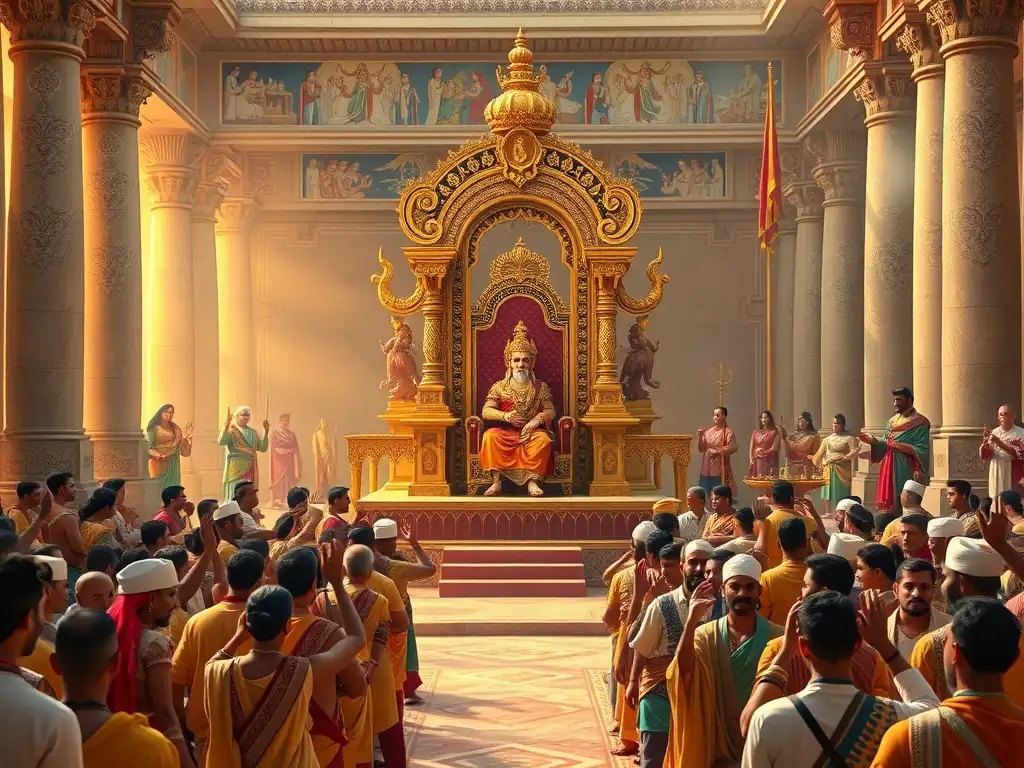
The rituals and ceremonies practiced during the Mauryan Empire were not merely ceremonial; they played a fundamental role in shaping the social fabric of the society. These rituals were deeply intertwined with the governance of the empire, establishing a connection between the rulers and the ruled. They served to reinforce the authority of the emperor while also promoting a sense of belonging among the subjects. The significance of these rituals extended beyond the political realm, influencing social norms and community interactions.
Community Involvement in Ceremonies
Community involvement in governance rituals was a crucial aspect of Mauryan society. The participation of various social groups in these ceremonies fostered a sense of unity and collective identity among the populace. For example, festivals commemorating royal events or significant victories were occasions for public gatherings where people from different backgrounds came together. This communal participation not only strengthened local bonds but also reinforced loyalty to the Mauryan state.
Through ceremonies such as the Ashvamedha Yagna (horse sacrifice), individuals across different strata of society were invited to partake, thereby elevating their status and involvement in the political narrative. Such inclusivity helped to legitimize the emperor's rule while ensuring that ordinary citizens felt connected to the governance process.
The Role of Rituals in Unifying Diverse Populations
The Mauryan Empire was vast and diverse, encompassing various linguistic, ethnic, and cultural groups. Rituals played a pivotal role in unifying these diverse populations under a single imperial identity. By promoting shared ceremonies and festivals, the Mauryan rulers were able to cultivate a common cultural heritage that transcended individual local traditions.
For instance, ceremonies such as the Chakravartin Rajya Abhisheka (the coronation of the emperor) were designed not only to celebrate the ruler's ascension but also to symbolize the unity of the empire. Such rituals provided a platform for different communities to come together, fostering a sense of belonging and shared purpose. The collective experience of these rituals reinforced the idea of a cohesive Mauryan identity, which was vital for maintaining stability in a diverse empire.
Impact on Social Hierarchies and Class Structures
Rituals in Mauryan governance also had a significant impact on social hierarchies and class structures. While they were meant to unify, they also reinforced existing social stratifications. High-ranking officials and the elite often played prominent roles in rituals, thus perpetuating their status and influence within society. However, the inclusion of lower classes in certain ceremonies allowed for a temporary subversion of traditional hierarchies, providing opportunities for social mobility and change.
The Rituals of the Ashoka Era, particularly, saw a shift towards more inclusive practices that aimed to bridge class divides. Emperor Ashoka’s emphasis on moral governance and promotion of Buddhist principles encouraged the participation of all social classes in communal rituals, thus challenging the rigid class structures that had previously dominated.
Case Studies of Notable Rituals in Mauryan Governance
Examining specific rituals within the Mauryan governance framework reveals much about their significance and outcomes in society. These case studies highlight how rituals were crafted to serve both political purposes and social cohesion.
Analysis of Specific Ceremonies and Their Outcomes
One of the most notable ceremonies was the Buddha’s Dhamma Day, which celebrated the teachings of Buddhism. Under Emperor Ashoka, this ritual became a platform for promoting moral governance and the principles of Dharma. The outcomes of such ceremonies were profound, leading to greater public engagement with Buddhist teachings and the promotion of non-violence, compassion, and ethical behavior across the empire.
Another significant ritual was the Rajasuya Yagna, which symbolized the emperor’s sovereignty. Through this elaborate ceremony, the emperor would assert his dominance and seek divine approval for his rule. The successful execution of this ritual not only reinforced the emperor's authority but also garnered support from local rulers and elites, thereby stabilizing the political landscape.
The Role of Emperor Ashoka in Promoting Rituals
Emperor Ashoka is perhaps the most illustrative figure when discussing the role of rituals in Mauryan governance. His reign marked a transformative period where rituals were utilized as tools for promoting social harmony and ethical governance. Ashoka’s commitment to Buddhism led him to endorse rituals that emphasized peace and communal welfare, contrasting sharply with the more militaristic approaches of his predecessors.
He implemented the Edicts of Ashoka, which served as moral guidelines for the populace, integrating ritualistic elements that encouraged public adherence to Buddhist principles. By promoting rituals that celebrated compassion and non-violence, Ashoka not only consolidated his power but also fostered a unique identity for the Mauryan Empire that resonated with its diverse population. His innovative approach to governance rituals underscored their significance in creating a more cohesive and ethical society.
Conclusion: The Lasting Legacy of Mauryan Governance Rituals
The Mauryan Empire, one of the most significant ancient Indian civilizations, demonstrated the profound interconnection between governance and rituals. The ceremonial practices during this period were not merely ornamental; they were integral to the political and social fabric of the empire. By embedding rituals into governance, the Mauryan rulers reinforced their authority, fostered unity among diverse populations, and promoted societal values. The legacy of these rituals extends beyond the Mauryan Empire, influencing subsequent Indian civilizations and their governance practices.
Summary of Key Points on Rituals and Their Significance
- Political Legitimacy: Rituals were crucial in legitimizing the power of Mauryan rulers. Ceremonies like the coronation and royal sacrifices were essential in establishing a ruler's divine right to govern.
- Social Cohesion: Through communal rituals, the Mauryan state fostered a sense of belonging and unity among its subjects, transcending regional and cultural divisions.
- Cultural Integration: The incorporation of various local customs into state rituals demonstrated a respect for cultural diversity, which helped maintain stability across the vast empire.
- Moral and Ethical Framework: Rituals instilled a sense of duty and morality among citizens, aligning their values with the state's governance principles.
Reflections on the Influence of Mauryan Governance Rituals on Later Indian Civilizations
The influence of Mauryan governance rituals is evident in subsequent Indian empires, where similar practices were adopted and adapted. The Gupta Empire, for instance, inherited and modified these rituals to enhance their own governance. The emphasis on ritual legitimacy persisted, reinforcing the connection between state authority and divine sanction. Furthermore, the integration of local traditions into state rituals can be seen in later dynasties, highlighting the Mauryan approach's role in shaping the socio-political landscape of India. The enduring nature of these rituals reflects a deep-rooted belief in their importance for governance, community cohesion, and cultural identity.
Further Reading and Resources
Suggested Books on Mauryan Governance and Rituals
- "The Mauryan Empire" by Romila Thapar: This book provides a comprehensive overview of the political and cultural aspects of the Mauryan Empire, with insights into its governance rituals.
- "India: A History" by John Keay: A detailed narrative that includes the role of rituals in various Indian empires, including the Mauryan period.
- "Asoka: The State and the Transformation of the Indian Society" by R. C. Sharma: This work delves into the life of Emperor Ashoka and the significance of rituals in his governance.
Online Resources for Ancient Indian History
- The Indian History Congress: An online platform that features a plethora of research papers and articles related to ancient Indian history, including the Mauryan Empire.
- Digital South Asia Library: A valuable resource for accessing texts and documents related to the rituals and governance of ancient Indian civilizations.
- The Archaeological Survey of India: Offers insights and findings related to the Mauryan Empire, including the significance of its rituals and ceremonies in governance.
- Introduction to Mauryan Governance
- Understanding the Significance of Rituals in Mauryan Governance
- Key Rituals and Ceremonies in Mauryan Governance
- The Political Significance of Rituals in the Mauryan Empire
- Social Implications of Governance Rituals in Mauryan Society
- Case Studies of Notable Rituals in Mauryan Governance
- Conclusion: The Lasting Legacy of Mauryan Governance Rituals
- Further Reading and Resources
- What were the key rituals in Mauryan governance?
- How did rituals contribute to the legitimacy of Mauryan rulers?
- What is the significance of ceremonies in the Mauryan Empire?
- How did the Gupta Empire differ in its use of rituals compared to the Mauryan Empire?
- Why are the rituals and ceremonies of the Mauryan period important for understanding ancient India?
Frequently Asked Questions
What were the key rituals in Mauryan governance?
The Mauryan governance rituals included ceremonies that symbolized the divine right of kings, emphasizing their authority and duty to uphold dharma, or righteousness.
How did rituals contribute to the legitimacy of Mauryan rulers?
Rituals played a crucial role in establishing the legitimacy of Mauryan rulers by connecting them to divine approval, reinforcing their power and influence over their subjects.
What is the significance of ceremonies in the Mauryan Empire?
Ceremonies served to unify the population, promote cultural identity, and strengthen the relationship between the ruler and the ruled, enhancing social cohesion within the empire.
How did the Gupta Empire differ in its use of rituals compared to the Mauryan Empire?
While both empires utilized rituals for governance, the Gupta Empire placed more emphasis on regional customs, allowing for greater local participation in ceremonial practices.
Why are the rituals and ceremonies of the Mauryan period important for understanding ancient India?
The rituals and ceremonies of the Mauryan period provide insight into the political, social, and spiritual fabric of ancient Indian society, illustrating how governance was intertwined with cultural practices.
Final Reflection: The Enduring Significance of Mauryan Governance Rituals
The exploration of Mauryan governance rituals reveals their profound significance in shaping not only the political landscape of ancient India but also their lasting impact on contemporary governance practices. The intricate ceremonies and rituals employed by the Mauryan Empire were not mere formalities; they were essential tools that reinforced authority, fostered unity, and legitimized power. In a world where governance often grapples with issues of legitimacy and public trust, the lessons from Mauryan rituals resonate with striking clarity.
Cultural and social landscapes are continually influenced by the rituals that define governance. The Mauryan Empire's use of ceremonies to connect with the populace and assert the ruler's divine right to govern serves as a powerful reminder of the role that symbolism plays in leadership. As we navigate our own complex political environments, it is essential to recognize that "rituals are the language of power," as they communicate values, beliefs, and social cohesion. In every society, rituals serve as a bridge between the past and the present, shaping our understanding of authority and community.
As we reflect on the significance of rituals in governance, I invite you to consider how these ancient practices can inform our modern lives. How can we incorporate meaningful rituals into our own communities to foster connection and trust? Embrace the lessons of the Mauryan Empire by recognizing the power of shared experiences and collective values in shaping a cohesive society. Let us honor the past while actively crafting a future where rituals serve not only as echoes of history but as vital components of our governance and community-building efforts.
Embrace the Power of Rituals in Governance!
Thank you for exploring the vital role of rituals and ceremonies in Mauryan governance! Your journey through this fascinating aspect of Ancient India has equipped you with valuable insights into how culture and leadership intertwined. Now, it’s time to take that knowledge and apply it in meaningful ways.
- Dive deeper: Research a specific Mauryan ritual or ceremony and explore its significance in today’s context. How can these ancient practices inspire modern governance?
- Share your thoughts: Discuss this article with friends or family and spark a conversation about the importance of culture in leadership today.
- Join the community: Follow our updates on Ancient Indian history and connect with fellow enthusiasts who value the heritage and impact of rituals.
What ritual or ceremony do you think holds the most relevance in today’s governance, and why? We’d love to hear your thoughts!