
Uncovering the Secrets of Indus Valley Urban Planning: How Did They Do It?

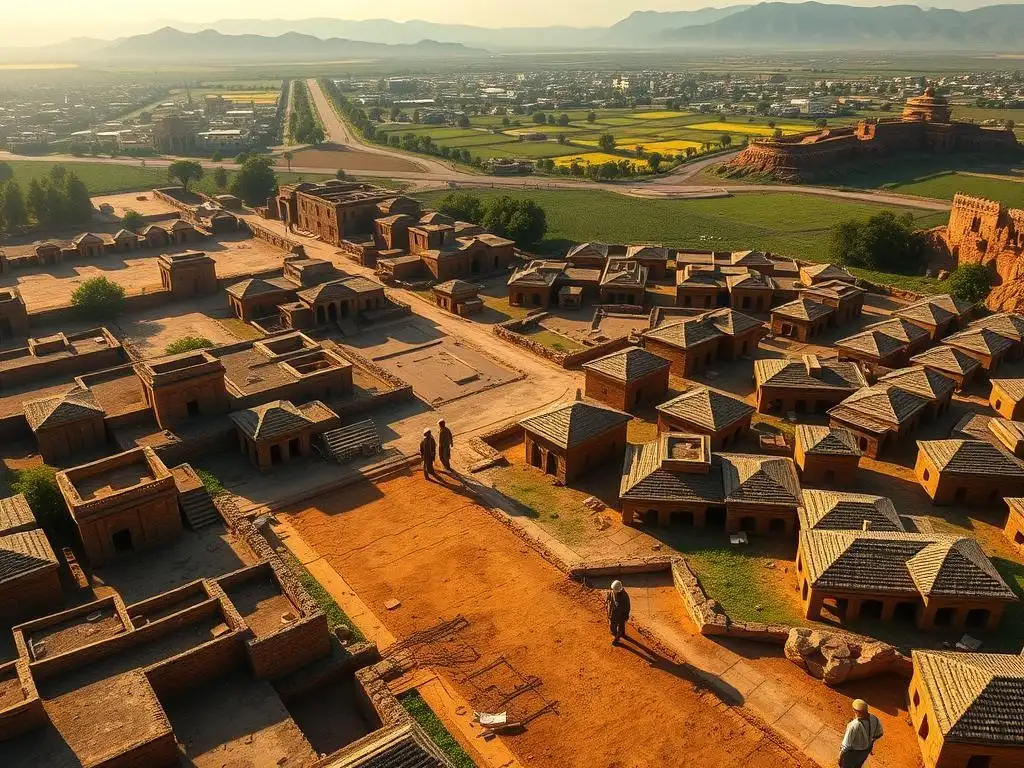
Welcome to Ancient India History, where we embark on a fascinating journey through the rich tapestry of ancient Indian civilizations. Delve into the remarkable achievements that shaped the cultural landscape of this vibrant region, and prepare to uncover the secrets of Indus Valley urban planning techniques. How did these early architects master the art of city design, creating urban spaces that resonate even today? Join us as we explore the ingenuity and innovations of the Indus Valley, revealing insights that may just surprise you. The adventure awaits—dive in to discover more!
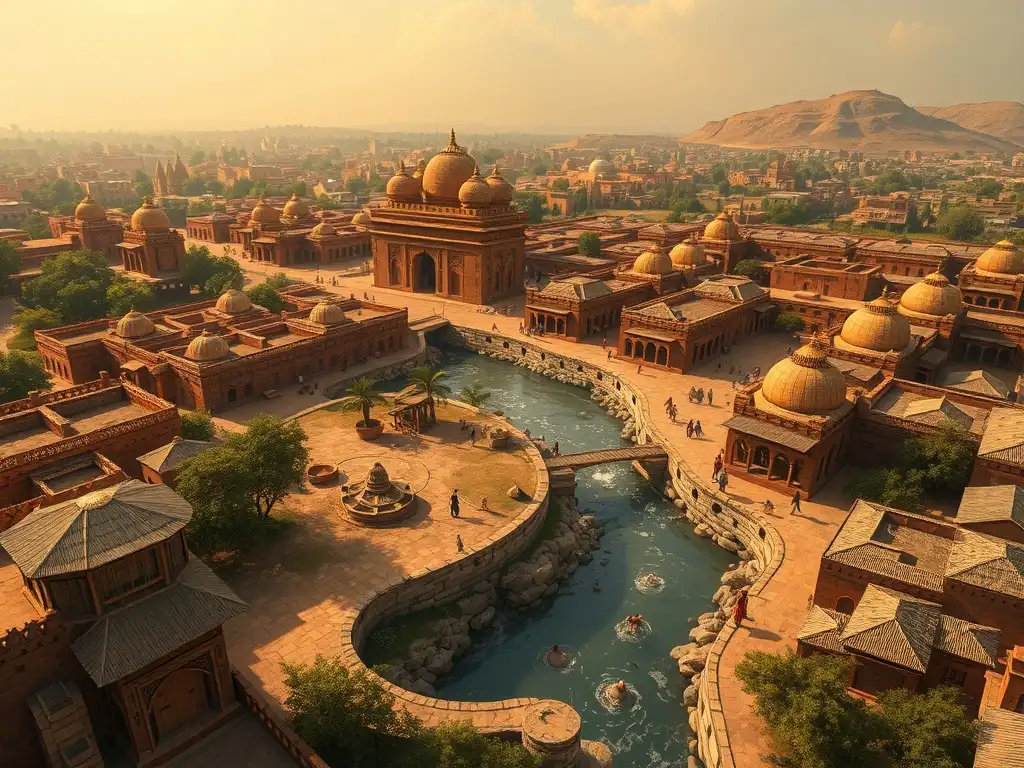
Introduction to Indus Valley Urban Planning
The Indus Valley Civilization, one of the world's earliest urban cultures, offers a fascinating glimpse into advanced urban planning techniques that emerged around 2500 BCE in what is now modern-day Pakistan and northwest India. This civilization flourished for over a millennium, characterized by its well-organized cities, intricate drainage systems, and standardized architecture. Understanding the Indus Valley urban planning techniques not only sheds light on the ingenuity of its people but also helps us appreciate the sophisticated societal structures that supported such advancements.
The cities of the Indus Valley, such as Mohenjo-Daro and Harappa, are often cited as remarkable examples of urban development, showcasing a level of planning that was unprecedented for their time. By exploring their methodologies, we can uncover how these ancient urban planners tackled challenges related to agriculture, sanitation, and trade, setting a benchmark for future civilizations.
Overview of the Indus Valley Civilization
The Indus Valley Civilization (IVC) is recognized for its remarkable achievements in various domains, including architecture, metallurgy, and art. Spanning an area of approximately 1,250,000 square kilometers, it was home to millions of people who engaged in agriculture, trade, and crafts. The civilization saw a variety of city layouts, but the most notable aspect was its systematic approach to urban planning.
Key characteristics include:
- Large urban centers with fortified walls.
- Well-planned streets arranged in a grid pattern.
- Public baths and granaries indicating a focus on communal facilities and storage.
These features highlight the civilization's advanced understanding of urban management and social organization, making it a subject of continuous study and admiration.
Importance of Urban Planning in Ancient Civilizations
Urban planning played a critical role in the success and sustainability of ancient civilizations. For the Indus Valley, effective planning facilitated:
- Economic growth through organized trade routes.
- Social cohesion by providing communal spaces and public amenities.
- Health and sanitation, crucial for maintaining a thriving population.
By examining how the Indus Valley Civilization approached urban planning, we can draw parallels with modern practices and appreciate the enduring legacy of their techniques.
Key Features of Indus Valley Urban Planning Techniques
The urban planning techniques of the Indus Valley Civilization were innovative and sophisticated. Here, we explore some of the key features that defined their approach:
Grid Layout of Cities
One of the most striking aspects of Indus Valley urban planning is the grid layout of their cities. This design facilitated:
- Efficient land use by maximizing available space.
- Ease of navigation with straight streets intersecting at right angles.
- Zoning for residential, commercial, and industrial areas, reflecting an organized societal structure.
The meticulous planning of cities like Mohenjo-Daro demonstrates a well-thought-out approach to urbanization, allowing for a functional and aesthetically pleasing environment.
Advanced Drainage and Sanitation Systems
The Indus Valley Civilization is renowned for its advanced drainage and sanitation systems, which were highly developed for their time. Key features include:
- Covered drainage systems that prevented flooding and sewage buildup.
- Private bathrooms in many homes, a rarity in ancient urban centers.
- Public latrines that showcased a community focus on hygiene.
These innovations indicate a profound understanding of public health and urban management, setting a standard for future civilizations in sanitation practices.
Use of Standardized Weights and Measures
Trade was essential to the economy of the Indus Valley Civilization, and the use of standardized weights and measures was crucial for facilitating commerce. This system allowed for:
- Fair trade practices, minimizing disputes among traders.
- Economic integration across different regions of the civilization.
- Efficient resource management, ensuring equitable distribution of goods.
The establishment of such standards reflects a sophisticated level of governance and economic strategy that was key to the civilization's prosperity.
The urban planning techniques of the Indus Valley Civilization not only reveal the ingenuity of its people but also provide valuable lessons for contemporary urban development. Their focus on organization, sanitation, and trade continues to influence modern practices, underscoring the importance of learning from our historical precedents.
Materials and Construction Methods in Indus Valley Urban Planning
The Indus Valley Civilization, flourishing around 2500 BCE, demonstrated remarkable advancements in urban planning and construction techniques. The materials utilized and the methods adopted played a crucial role in creating cities that were not only aesthetically pleasing but also functional and sustainable for their time. The primary materials included clay, wood, and stone, with a notable emphasis on the use of bricks. The construction methods were systematic and reflected a high level of organization and understanding of engineering principles.
One of the standout features of Indus Valley urban planning was the use of standardized fired bricks, which allowed for uniformity in construction. This standardization facilitated the creation of robust structures, including residential buildings, public baths, and granaries. The careful selection of materials and construction methods contributed significantly to the durability and resilience of the urban environments.
Brick Making Techniques
Brick making in the Indus Valley was a sophisticated process that involved several steps to ensure the quality and durability of the bricks. The clay, often sourced from riverbanks, was kneaded and shaped into rectangular forms. After shaping, the bricks were dried in the sun before being fired in kilns at high temperatures. This firing process made the bricks hard and water-resistant, which was essential for the region's climate and the urban infrastructure.
The bricks were notably uniform in size, measuring approximately 7.5 cm x 15 cm x 30 cm. This consistency allowed for ease of construction and contributed to the overall architectural integrity of the buildings. Additionally, the use of fired bricks for walls and pavements highlighted the advanced technological capabilities of the civilization, enabling them to create long-lasting structures that have survived for millennia.
Use of Fired Bricks vs. Unfired Bricks
The choice between fired and unfired bricks in the Indus Valley civilization was primarily influenced by the specific needs of the structures being built. Fired bricks were predominantly used for load-bearing walls, public buildings, and structures that required high durability. Their resistance to water and pests made them ideal for urban environments prone to flooding.
In contrast, unfired bricks, which were made by simply shaping clay and allowing it to dry in the sun, were often used in less critical applications, such as temporary structures or areas less exposed to the elements. This strategic use of materials reflects an advanced understanding of construction principles and resource management, showcasing the ingenuity of the Indus Valley builders.
Architectural Innovations in Urban Design
Indus Valley urban planning was characterized by innovative architectural designs that emphasized functionality and aesthetics. The cities were laid out in a grid pattern, which was a significant departure from the organic layouts of other contemporary civilizations. This grid system facilitated efficient movement and organization of space, allowing for the easy navigation of urban areas.
Moreover, the presence of advanced drainage systems was a hallmark of Indus Valley architecture. Streets were equipped with covered drains that channeled wastewater away from living areas, demonstrating a sophisticated approach to urban sanitation. Public facilities like the Great Bath in Mohenjo-Daro exemplified the civilization's emphasis on hygiene and communal space, reflecting a cultural value placed on cleanliness and public health.
Comparative Analysis of Indus Valley Urban Planning with Other Ancient Civilizations
The urban planning techniques of the Indus Valley Civilization can be contrasted with those of other ancient civilizations, such as Mesopotamia and Egypt. These comparisons reveal unique strengths and weaknesses in their respective approaches to urban design and infrastructure.
Indus Valley vs. Mesopotamian Urban Planning Techniques
While both the Indus Valley and Mesopotamian civilizations developed urban centers with complex layouts, their planning approaches differed significantly. Mesopotamian cities, such as Ur and Babylon, often featured ziggurats and palatial structures that dominated the skyline. The streets were typically narrow and irregular, reflecting a more organic growth pattern driven by the needs of trade and defense.
In contrast, the Indus Valley cities exhibited a highly organized grid layout with wide streets, which allowed for better traffic flow and accessibility. The emphasis on drainage systems in the Indus cities surpassed those found in Mesopotamian cities, highlighting a more advanced understanding of urban sanitation and public health. This strategic planning contributed to the longevity and resilience of the Indus Valley urban environment.
Indus Valley vs. Egyptian Urban Planning Practices
Egyptian urban planning, particularly in cities like Thebes and Memphis, was heavily influenced by the Nile River and often featured monumental architecture, such as temples and tombs. The urban layout was less uniform than that of the Indus Valley, with neighborhoods developing around significant religious and political structures.
The Indus Valley cities, however, were marked by their egalitarian layout, where residential and public spaces were integrated more harmoniously. Both civilizations utilized available resources effectively, but the Indus Valley's focus on uniformity and advanced drainage set it apart. This comparison underscores the diverse approaches to urban planning shaped by environmental, cultural, and political factors in ancient civilizations.
Lessons Learned from Indus Valley Urban Design
The urban planning techniques of the Indus Valley Civilization offer several valuable lessons for contemporary urban design. Their commitment to sanitation, organization, and the use of durable materials remains relevant today. The grid layout, for instance, can be seen in modern urban planning, promoting efficiency and accessibility.
Furthermore, the emphasis on public health through advanced drainage systems highlights the importance of incorporating hygiene into urban infrastructure. Modern cities can draw inspiration from the Indus Valley's careful consideration of environmental factors and community needs, advocating for sustainable and resilient urban planning practices that prioritize both functionality and quality of life.
The Indus Valley urban planning techniques reflect a sophisticated understanding of architecture and city management that continues to influence urban design principles today. By studying these ancient practices, modern urban planners can glean insights that promote sustainable and healthy living environments.
The Role of Geography and Environment in Indus Valley Urban Planning
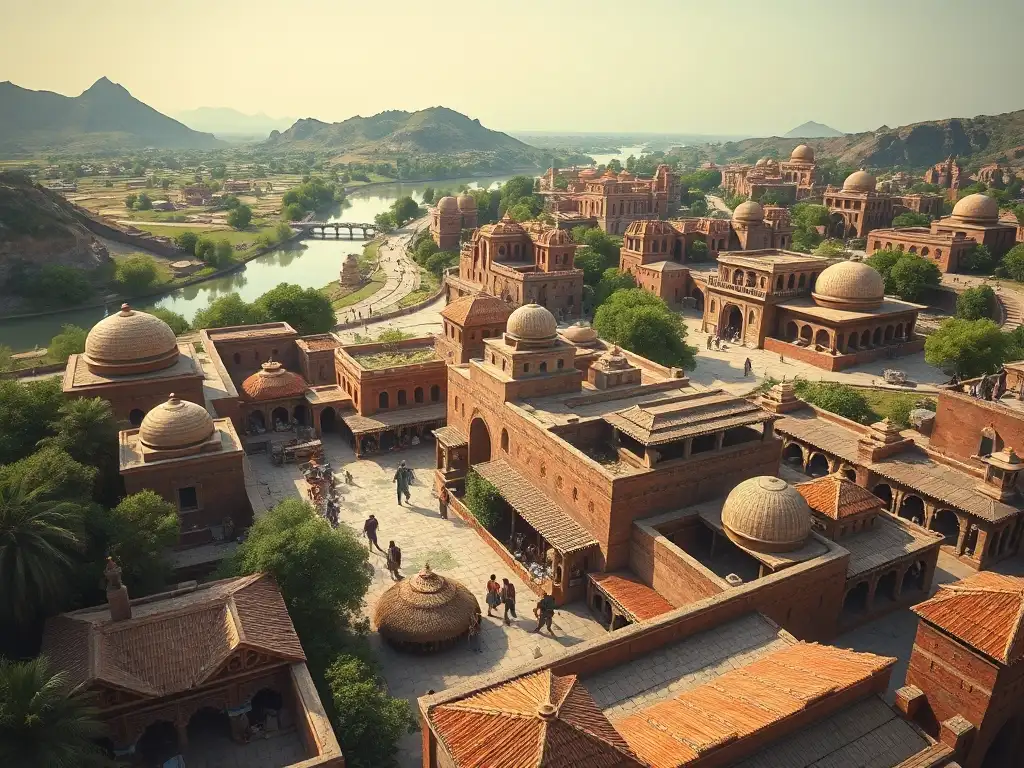
The Indus Valley Civilization, flourishing from approximately 3300 to 1300 BCE, is renowned for its advanced urban planning techniques that were intricately linked to its geography and environment. The cities, such as Harappa and Mohenjo-Daro, were designed with remarkable foresight, showcasing a deep understanding of local conditions. The choice of location near the Indus River not only provided access to a reliable water source but also facilitated irrigation, agriculture, and transportation. This strategic positioning allowed the civilization to thrive in a predominantly arid landscape, shaping the development of complex urban centers.
In addition to the proximity to the Indus River, the diverse topography of the region, comprising fertile plains and surrounding hills, influenced construction materials and methods. The availability of clay for bricks and timber from nearby forests played a crucial role in building durable structures. Moreover, the geographical features like the Thar Desert to the southeast and the Himalayas to the north acted as natural barriers, offering protection from invasions and fostering a sense of stability that contributed to urban growth.
Impact of the Indus River on City Layout
The Indus River served as a lifeline for the Indus Valley Civilization, impacting the urban layout significantly. Cities were often situated on the riverbanks, enabling easy access to water for drinking, bathing, and agricultural irrigation. The river’s seasonal flooding also provided nutrient-rich silt that enhanced agricultural productivity, which in turn supported larger populations.
The layout of the cities reflects a systematic approach to urban planning with straight streets running in a grid pattern, often oriented north-south and east-west. This organization allowed for efficient movement of people and goods. Additionally, the presence of well-planned drainage systems, including covered drains and soak pits, demonstrates the importance of sanitation and hygiene in the urban design, a testament to the advanced engineering skills of the civilization.
Adaptation to Climate and Natural Resources
The climate of the Indus Valley, characterized by hot summers and winter rains, necessitated innovative urban planning solutions. The inhabitants adapted their architecture to withstand the heat by designing houses with thick walls, flat roofs, and small windows, which helped to keep interiors cool. The use of baked bricks, a local resource, provided thermal mass, further regulating indoor temperatures.
Furthermore, the strategic placement of public buildings and homes took into consideration the prevailing winds and solar exposure, enhancing ventilation and natural light. The design of the Great Bath in Mohenjo-Daro, believed to have religious significance, illustrates the civilization's understanding of public health and water management. This adaptation to the environment not only facilitated comfortable living conditions but also showcased their advanced environmental awareness.
The urban planning of the Indus Valley Civilization was not solely a product of environmental considerations; it was also deeply influenced by social and economic factors. As one of the earliest urban societies, the structure of the community played a pivotal role in shaping the cities.
Population Density and Urbanization
As the civilization grew, urbanization became a significant factor in the layout of cities. Population density led to the development of densely populated neighborhoods with multi-storied houses, indicating a sophisticated understanding of space utilization. The planning of the cities allowed for efficient housing arrangements that could accommodate a growing population while ensuring access to essential services.
The concentration of people in urban areas also fostered a vibrant cultural exchange, contributing to the development of arts and crafts, trade skills, and social organization. The presence of public granaries and storage facilities highlights the community-oriented approach to resource management, ensuring that food supplies were adequate for the entire population.
Trade Routes and Economic Exchanges
Trade was a cornerstone of the Indus Valley Civilization's economy, significantly influencing urban planning. The strategic positioning of cities along major trade routes facilitated economic exchanges with neighboring regions, including Mesopotamia and Persia. Harappa and Mohenjo-Daro served as crucial trade hubs, where goods such as cotton textiles, beads, and pottery were produced and exchanged.
The planning of these cities included dedicated marketplaces where merchants could conduct business, showcasing an organized approach to commerce. This economic activity not only supported urban growth but also led to the establishment of a complex social hierarchy, further influencing the layout and infrastructure of the cities.
Community Planning and Public Spaces
Community planning played a vital role in the urban design of the Indus Valley cities. The presence of communal spaces, such as the Great Bath and public assemblies, illustrates the importance of social cohesion and community activities. These public spaces were strategically located to ensure accessibility for all residents, promoting social interaction and communal gatherings.
Moreover, the cities featured a network of streets and lanes that encouraged movement and connectivity among different neighborhoods. The careful planning of residential areas, administrative buildings, and public facilities indicates a sophisticated understanding of urban dynamics, reflecting the civilization's commitment to enhancing the quality of life for its inhabitants. This emphasis on community planning laid the groundwork for future urban developments in the region.
The Legacy of Indus Valley Urban Planning Techniques
The Indus Valley Civilization (IVC), which thrived between 3300 and 1300 BCE, is renowned for its advanced urban planning techniques, which set a benchmark for subsequent civilizations. The cities of Harappa and Mohenjo-Daro, among others, exhibit remarkable planning that combines functionality with aesthetic considerations. The use of a grid pattern for streets, sophisticated drainage systems, and standardized fired-brick construction are hallmarks of IVC urban planning. These innovations not only catered to the needs of the population at the time but also demonstrated a level of civic organization and foresight that was unprecedented in the ancient world.
The legacy of these urban planning techniques can be seen in the way they influenced urban development in later Indian civilizations. The principles of planned cities, sanitation, and public infrastructure were integral aspects of urban life that continued to be relevant long after the decline of the Indus Valley Civilization. This legacy is a testament to the ingenuity of the IVC in creating urban environments that prioritized both efficiency and health, thus laying a foundation for future urban planning in the Indian subcontinent.
Influence on Subsequent Indian Urban Development
The influence of Indus Valley urban planning techniques can be traced through various historical periods in India. Following the decline of the IVC, the subsequent civilizations, such as the Maurya and Gupta Empires, adopted and adapted many of these urban planning elements. For instance, the Mauryan capital of Pataliputra showcased a well-planned layout with wide roads, public buildings, and advanced drainage systems reminiscent of IVC cities.
Furthermore, the influence extended beyond mere replication; it inspired innovations in urban design that catered to the evolving needs of society. The concept of city planning was pivotal in the construction of medieval cities, such as Delhi and Agra, where organized layouts and public works reflected the underlying principles established by the IVC. This continuity in urban planning illustrates the enduring impact of the IVC's methodologies on Indian urban development throughout history.
Modern Relevance of Ancient Urban Planning Principles
Today, the principles of urban planning established by the Indus Valley Civilization resonate strongly in the context of modern urban development. As cities grapple with challenges such as overcrowding, pollution, and insufficient infrastructure, the sustainable practices seen in IVC cities offer valuable lessons. The emphasis on drainage systems and waste management in IVC urban planning is particularly relevant as contemporary cities strive for improved sanitation and environmental sustainability.
Moreover, the grid layout of Indus Valley cities can be seen in many modern urban designs, which prioritize accessibility and navigability. The concept of integrating natural elements within urban settings, such as public parks and green spaces, can also be traced back to the holistic approach of the IVC towards creating harmonious living environments. By revisiting these ancient techniques, urban planners can draw on the wisdom of the past to address the pressing issues of today.
Conclusion: The Significance of Indus Valley Urban Planning Techniques
The significance of Indus Valley urban planning techniques extends far beyond their immediate historical context. These methods were not only innovative for their time but also laid the groundwork for future urban planning practices in India and across the world. The IVC’s commitment to creating organized, efficient, and sustainable urban environments reflects a deep understanding of human needs and environmental harmony — principles that remain critical in modern urban planning discourse.
Reflection on the Achievements of the Indus Valley Civilization
Reflecting on the achievements of the Indus Valley Civilization, it is evident that their urban planning techniques were a remarkable blend of foresight, practicality, and aesthetics. The meticulous planning of cities demonstrates an advanced level of social organization and civic responsibility that contributed to the well-being of their inhabitants. The effective management of resources, including water and waste, speaks to a civilization that not only thrived but also sought to sustain itself over time.
This reflection prompts a deeper appreciation for the Indus Valley Civilization as a pioneering force in urbanization, setting standards that would influence future cultures and civilizations. Their legacy continues to inspire modern urban planners and architects who look to ancient wisdom to solve contemporary challenges.
Future Research Directions in Indus Valley Urban Studies
Future research directions in the study of Indus Valley urban planning techniques hold great promise. Scholars are encouraged to explore the technological advancements of the time, such as the tools and methods used for construction and infrastructure development. Interdisciplinary approaches that integrate archaeology, anthropology, and environmental science can yield new insights into the social dynamics and environmental adaptations of the IVC.
Moreover, comparative studies between Indus Valley cities and contemporary urban centers can illuminate how ancient practices can inform modern urban challenges. Investigating the socio-political structures that supported such advanced urban planning will also contribute to a more holistic understanding of the IVC's achievements. Overall, continued exploration of this fascinating civilization promises to enrich our understanding of urban planning and its evolution through time.
- Introduction to Indus Valley Urban Planning
- Key Features of Indus Valley Urban Planning Techniques
- Materials and Construction Methods in Indus Valley Urban Planning
- Comparative Analysis of Indus Valley Urban Planning with Other Ancient Civilizations
- The Role of Geography and Environment in Indus Valley Urban Planning
- Social and Economic Factors Influencing Urban Planning
- The Legacy of Indus Valley Urban Planning Techniques
- Conclusion: The Significance of Indus Valley Urban Planning Techniques
- What were the key features of Indus Valley urban planning?
- How did the drainage systems work in Indus Valley cities?
- What was the significance of standardized bricks in urban planning?
- Did the Indus Valley civilization influence modern urban planning?
- How does the Indus Valley's urban planning compare to other ancient civilizations?
Frequently Asked Questions
What were the key features of Indus Valley urban planning?
The Indus Valley civilization showcased advanced urban planning with features like grid layouts, sophisticated drainage systems, and standardized brick sizes, indicating high levels of organization.
How did the drainage systems work in Indus Valley cities?
The drainage systems in Indus Valley cities were remarkably advanced, with covered drains running along the streets, ensuring effective waste management and hygiene, which was vital for urban living.
What was the significance of standardized bricks in urban planning?
The use of standardized bricks allowed for uniformity in construction, contributing to the stability and aesthetic appeal of structures, which was essential for the planned cities of the Indus Valley.
Did the Indus Valley civilization influence modern urban planning?
Yes, the Indus Valley civilization laid foundational principles of urban planning that resonate today, particularly in the use of zoning, public sanitation, and infrastructure layout.
How does the Indus Valley's urban planning compare to other ancient civilizations?
Compared to contemporaneous civilizations, the Indus Valley's urban planning was notably more advanced, characterized by its meticulously planned cities and comprehensive public infrastructure, setting a benchmark for future societies.
Final Reflection: The Enduring Legacy of Indus Valley Urban Planning Techniques
The remarkable sophistication of the Indus Valley urban planning techniques serves as a testament to the ingenuity of ancient civilizations. Today, as we grapple with rapid urbanization and sustainability challenges, the principles of design, organization, and community integration that characterized Indus Valley cities resonate more than ever. Their ability to create functional and harmonious urban environments offers us invaluable lessons in how to approach modern city planning.
The influence of Indus Valley urban planning techniques extends beyond historical curiosity; it shapes our understanding of urban development and sustainability. The meticulous layout of cities like Mohenjo-Daro and Harappa, with their advanced drainage systems and grid patterns, reflects a deep understanding of environmental adaptation and social cohesion. As architect and urban planner Jan Gehl once said, “First life, then spaces, then buildings – the other way around never works.” This philosophy echoes the principles of the Indus Valley, reminding us that successful urban planning must prioritize the needs of its inhabitants.
As we reflect on the lessons from the Indus Valley, let us challenge ourselves to incorporate these timeless principles into our own lives and communities. Consider how you can advocate for thoughtful urban design that prioritizes sustainability, accessibility, and community well-being. By embracing the wisdom of the past, we can forge a future where our cities are not only functional but also nurturing spaces that foster connection and resilience.
Unlock the Secrets of Ancient Urban Planning Today!
Thank you for exploring the fascinating world of Indus Valley urban planning with us! By diving into history, you've uncovered critical insights into how ancient civilizations thrived in harmony with their environment. Now, it’s time to take that knowledge and put it into action!
Here are a few steps you can take to further immerse yourself in this ancient wisdom:
- Dive deeper: Read more about various ancient civilizations and their urban planning techniques. Discover how different cultures approached city layouts and infrastructure.
- Share your newfound knowledge: Discuss your insights with friends or share them on social media. You might even consider starting an online discussion group focused on ancient history!
- Explore archaeological sites: If you have the opportunity, visit local museums or archaeological sites that feature exhibits on the Indus Valley or similar topics.
How do you think the strategies from ancient urban planning could influence our modern cities today? Let’s discuss!