
Innovations of the Gupta Empire: How Ancient India Shaped Modern Science

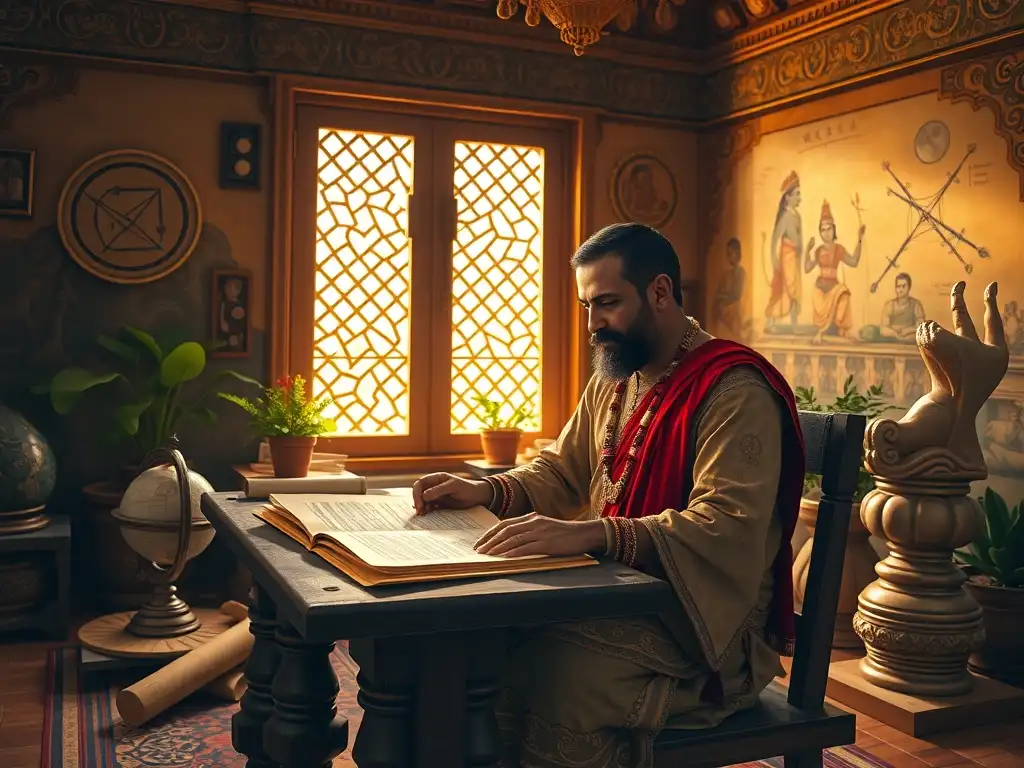
Welcome to Ancient India History, where we embark on a captivating journey through the rich tapestry of ancient Indian civilizations. Here, you'll delve into the Gupta Empire, a remarkable period renowned for its groundbreaking contributions to science that laid the foundation for modern advancements. Are you curious about how the innovations of this extraordinary era influenced the world we know today? Join us as we explore the transformative discoveries and intellectual achievements that continue to inspire and intrigue. Your adventure into the depths of ancient wisdom starts now!

Introduction to the Gupta Empire
The Gupta Empire, often referred to as the Golden Age of India, was a period marked by remarkable advancements in science, mathematics, astronomy, and medicine. Spanning from approximately 320 to 550 CE, this era was characterized by political stability, economic prosperity, and a flourishing of intellectual pursuits.
The contributions of the Gupta Empire to science not only laid the groundwork for future generations but also shaped the course of various fields that continue to influence modern knowledge today. Through the exploration of the Gupta Empire's innovations, we can gain insight into how ancient Indian civilizations have profoundly impacted contemporary scientific thought and practice.
Overview of the Gupta Empire's Historical Context
The Gupta Empire emerged in northern India, succeeding the Mauryan Empire and establishing a new political framework that promoted cultural and scientific advancements. Under the leadership of influential rulers such as Chandragupta I and his grandson, Samudragupta, the empire expanded its territories through military conquests and strategic alliances. This period witnessed the consolidation of power and the establishment of a centralized administration, which facilitated trade and communication across vast regions.
The empire's capital, Pataliputra, became a vibrant center of learning and culture, attracting scholars, artists, and thinkers from various backgrounds. The support of the royal patronage for the arts and sciences led to an environment where intellectual pursuits flourished, ultimately culminating in a legacy that would resonate throughout history.
Importance of the Gupta Empire in Ancient Indian Civilization
The Gupta Empire holds a significant place in the annals of ancient Indian civilization due to its profound influence on various aspects of life, including governance, culture, and education. The period is often celebrated for its contributions to literature, philosophy, and the visual arts. However, its most enduring legacy may lie in the realm of science and mathematics.
During this era, the foundations of several scientific disciplines were laid, with scholars making groundbreaking discoveries that would later be built upon by future civilizations. The Gupta Empire's emphasis on rational thought, empirical observation, and systematic inquiry can be seen as pivotal in the evolution of scientific methodology. This period not only shaped the intellectual climate of ancient India but also contributed significantly to global scientific heritage.
Gupta Empire Contributions to Science
The contributions of the Gupta Empire to science are manifold, showcasing the brilliance of its scholars and the innovative spirit of the age. Various fields, including mathematics, astronomy, and medicine, were significantly advanced during this time.
Major Scientific Advancements During the Gupta Period
- Mathematics:
- The concept of zero as a numeral was developed, revolutionizing numerical representation and calculations.
- The decimal system was codified, allowing for more efficient computation and record-keeping.
- Astronomy:
- Aryabhata, a renowned astronomer and mathematician, proposed theories on the heliocentric model of the solar system and accurately calculated the Earth's circumference.
- The introduction of trigonometric functions and advancements in celestial navigation enhanced the understanding of astronomy.
- Medicine:
- Sushruta, known as the father of surgery, authored the "Sushruta Samhita," which detailed surgical techniques and the importance of hygiene in medical practice.
- The Gupta period saw the categorization of diseases and the development of herbal medicines, laying the groundwork for Ayurveda.
These advancements not only illustrate the innovative spirit of the Gupta Empire but also highlight its role in shaping scientific thought that is foundational to modern disciplines.
The Role of Scholars in the Gupta Empire
Scholars of the Gupta Empire played a crucial role in the advancements made during this golden age. Institutions of learning, such as the famous Nalanda University, served as hubs for intellectual discourse and research. These scholars were characterized by their dedication to knowledge and inquiry, often collaborating across disciplines.
Key Figures:
- Aryabhata: His work in mathematics and astronomy remains influential even today.
- Varahamihira: A polymath who made significant contributions to astrology, mathematics, and meteorology.
- Sushruta: His medical texts laid foundations for surgical practices that are still relevant in contemporary medicine.
The collaborative atmosphere fostered by the Gupta rulers not only allowed these scholars to flourish but also ensured that their discoveries were documented and disseminated, creating a rich tapestry of scientific knowledge that has endured through the centuries.
Mathematics and Astronomy in the Gupta Empire
The Gupta Empire, often referred to as the Golden Age of India, witnessed remarkable advancements in various fields, particularly mathematics and astronomy. Scholars of this era laid the groundwork for many modern scientific concepts, significantly influencing the way mathematics and astronomy are perceived today. The innovations that emerged during this period were not only instrumental in shaping the scientific thought of their time but also had a lasting impact on future generations across the globe.
Innovations in Mathematics: The Concept of Zero
One of the most significant contributions of the Gupta Empire to mathematics is the formalization of the concept of zero. Indian mathematicians, particularly Brahmagupta, played a crucial role in developing a numeral system that included zero as a number. This revolutionary idea enabled more complex calculations and paved the way for the decimal system that is widely used today.
The use of zero as a placeholder allowed for the representation of large numbers and simplified arithmetic operations, fundamentally transforming mathematics. This innovation was so profound that it later spread to the Arab world and eventually made its way to Europe, influencing mathematics globally.
Contributions to Astronomy: Aryabhata and His Discoveries
Aryabhata, one of the most renowned mathematicians and astronomers of the Gupta period, made groundbreaking contributions that have had a lasting influence on the field of astronomy. His work, "Aryabhatiya," presented a comprehensive system for calculating the positions of celestial bodies and predicting eclipses. Aryabhata proposed that the Earth rotates on its axis, a concept that was revolutionary at the time and contradicted the prevailing geocentric models.
He also calculated the value of π (pi) with remarkable accuracy and introduced the concept of the sine function, which is still foundational in trigonometry today. Aryabhata's insights and methodologies laid the groundwork for future astronomers and mathematicians, helping to advance the study of the cosmos.
Influence of Gupta Astronomy on Modern Scientific Thought
The advancements in astronomy during the Gupta Empire have had a profound influence on modern scientific thought. The empirical methods and mathematical approaches established by Gupta scholars provided a foundation for the scientific method that is now a cornerstone of contemporary science. The principles of observation, calculation, and prediction that were emphasized during this period have persisted in scientific inquiry.
Additionally, the translations and adaptations of Indian astronomical texts into Arabic and later into Latin facilitated the exchange of knowledge across cultures, enabling the scientific advancements of the Middle Ages and the Renaissance in Europe. Thus, the Gupta Empire's contributions to astronomy continue to resonate within the modern scientific landscape.
Medicine and Health Sciences in the Gupta Empire
The Gupta Empire was not only a beacon of mathematical and astronomical innovation but also made significant strides in the field of medicine. The era is marked by the development of Ayurveda, a holistic system of medicine that emphasizes balance in bodily systems and the use of natural remedies. Gupta medical practices laid the groundwork for many contemporary health practices, integrating a rich understanding of the human body and its ailments.
Ayurvedic Practices and Their Development
Ayurveda flourished during the Gupta period, as scholars compiled extensive texts outlining various treatments, herbal remedies, and surgical procedures. This holistic approach to health focused on the prevention of illness and the promotion of overall well-being. Ayurvedic practitioners emphasized the interconnectedness of body, mind, and spirit, advocating for lifestyle choices that foster harmony. Treatments included dietary guidelines, herbal medicines, yoga, and detoxification practices, which are still prevalent in modern alternative medicine. The systematic documentation of these practices during the Gupta Empire ensured the preservation and continuation of Ayurvedic knowledge through the ages.
Notable Medical Texts from the Gupta Period
Several key medical texts emerged during the Gupta Empire, establishing an enduring legacy in the field of medicine. One of the most notable is the "Sushruta Samhita," attributed to the physician Sushruta, which is considered one of the foundational texts of surgery. It encompasses detailed descriptions of surgical techniques, anatomy, and surgical instruments, showcasing the advanced medical knowledge of the time.
Another important text, the "Charaka Samhita," focuses on internal medicine and includes discussions on diagnosis, treatment, and patient care. These texts not only contributed to medical practice in ancient India but also influenced medical traditions beyond its borders, shaping the understanding of health and wellness in various cultures.
Impact of Gupta Medicine on Contemporary Health Practices
The medical advancements made during the Gupta Empire have had a lasting impact on contemporary health practices. Ayurvedic principles continue to be integrated into modern wellness and alternative medicine, emphasizing natural healing and preventive care. The surgical techniques and methodologies described in ancient texts have influenced various medical practices and training programs around the world.
Furthermore, the holistic approach to health that originated in this era resonates with current trends in integrative medicine, which seeks to combine traditional healing practices with modern medical science. The Gupta Empire's contributions to medicine underscore the importance of historical knowledge in shaping contemporary health practices and emphasize the enduring relevance of ancient wisdom in today’s world.
Engineering and Architecture Innovations

The Gupta Empire, often referred to as the Golden Age of India, was marked by significant advancements in engineering and architecture. This period, spanning from approximately 320 to 550 CE, witnessed the emergence of sophisticated techniques and designs that not only served practical purposes but also reflected the rich cultural ethos of the time. The innovations in this domain laid the groundwork for future developments in engineering and set high standards for architectural aesthetics.
Architectural Marvels of the Gupta Era
During the Gupta period, architecture reached new heights with the construction of magnificent temples, stupas, and palaces. One of the most notable examples is the Ajanta Caves, a series of rock-cut Buddhist caves adorned with exquisite frescoes and sculptures. These caves showcase the artistic prowess of Gupta builders and their mastery in creating intricate designs that narrated religious tales.
Another significant architectural achievement is the Sanchi Stupa, which stands as a testament to the architectural ingenuity of the era. Its circular dome and elaborately carved gateways, known as toranas, exemplify the Gupta style, characterized by its harmony and balance. Furthermore, temples such as the Dashavatara Temple in Deogarh display the intricate stone carvings and the use of detailed iconography that were hallmarks of Gupta architecture. These structures not only served religious purposes but also acted as cultural hubs for the thriving civilization.
Engineering Techniques and Their Significance
The engineering techniques employed during the Gupta Empire were groundbreaking for their time. Builders utilized advanced methods in stone masonry, enabling them to create durable structures that have withstood the test of time. The use of arch and vault techniques allowed for the construction of larger and more complex buildings, enhancing the structural integrity and aesthetic appeal of temples and civic structures.
Additionally, the Gupta period saw the implementation of sophisticated water management systems, including tanks and reservoirs, which were crucial for urban settlements. The engineering of these systems demonstrated an understanding of hydraulics and environmental management that was advanced for its time. This focus on infrastructure not only improved the quality of life for inhabitants but also facilitated trade and agricultural development, contributing to the empire's prosperity.
Lasting Influence of Gupta Architecture on Modern Structures
The architectural innovations of the Gupta Empire have left a lasting legacy that can be observed in modern structures. Elements such as intricate carvings, domes, and the use of symmetry continue to influence contemporary architecture in India and beyond. For instance, the principles of temple design established during the Gupta period have been integrated into modern Hindu temples, preserving cultural continuity.
Moreover, the engineering techniques developed during this time have informed modern construction practices. The use of arches and vaults can be seen in various modern buildings, showcasing the enduring nature of Gupta engineering. Overall, the Gupta Empire's architectural contributions serve as a bridge linking ancient practices with modern architectural achievements.
Gupta Empire's Impact on Future Scientific Developments
The Gupta Empire not only excelled in arts and architecture but also made significant contributions to science that influenced future generations. Scholars of this era laid the groundwork for various fields, including mathematics, astronomy, and medicine, contributing immensely to the global body of knowledge.
How Gupta Contributions Shaped Subsequent Scientific Thought
The advancements in mathematics during the Gupta Empire were particularly noteworthy. The mathematician Aryabhata made groundbreaking contributions, such as the introduction of the concept of zero and the decimal system. His works, including the Aryabhatiya, provided insights into algebra and trigonometry that would later be foundational in the development of mathematics worldwide.
In astronomy, Gupta scholars proposed ideas regarding the heliocentric model of the solar system long before it gained acceptance in the Western world. These theories were crucial in shaping subsequent astronomical studies and influenced scholars across different cultures. The meticulous observations and calculations made during this period laid the groundwork for the scientific method that would emerge in later centuries.
The Influence of Gupta Scholars on Global Knowledge Exchange
The Gupta Empire was a center of learning and scholarship, attracting intellectuals from various regions. The exchange of knowledge during this time significantly impacted the development of science and philosophy in other cultures. Gupta scholars traveled and shared their findings, which influenced Islamic scholars during the medieval period, further propagating Indian scientific thought across the globe.
Additionally, texts from the Gupta period were translated into Arabic and Latin, facilitating a cross-cultural exchange that enriched the scientific discourse of the time. This knowledge exchange played a pivotal role in ushering in the Renaissance in Europe, highlighting the Gupta Empire's contributions to global scientific progress. The legacy of Gupta scholars continues to resonate in modern scientific endeavors, underscoring the empire's significance in the annals of history.
Conclusion
The Gupta Empire, often referred to as the Golden Age of India, left an indelible mark on the world of science and technology. The era was characterized by remarkable advancements in various fields, including mathematics, astronomy, medicine, and metallurgy. These innovations not only enhanced the quality of life during that time but also laid foundational principles that are still relevant in contemporary science.
Recap of the Gupta Empire’s Lasting Legacy in Science
The Gupta Empire's contributions to science can be categorized into several key areas. In mathematics, the introduction of the concept of zero and the decimal system revolutionized numerical representation and calculations. Aryabhata's astronomical theories and calculations offered insights into planetary motion and eclipses, influencing future astronomers globally.
The field of medicine also saw significant advancements, with Charaka and Sushruta establishing principles of surgery and herbal medicine that are considered precursors to modern medical practices. Furthermore, the Gupta period's advancements in metallurgy, particularly with the production of high-quality iron and the Iron Pillar of Delhi, showcased the technical prowess of ancient Indian artisans.
The legacy of the Gupta Empire is evident not only in the direct contributions to various scientific fields but also in the cultural embrace of inquiry, innovation, and education that flourished during this period. This environment fostered thinkers and inventors whose ideas transcended geographical boundaries and time, influencing civilizations across the globe.
Final Thoughts on Ancient India’s Contributions to Modern Science
The innovations of the Gupta Empire serve as a testament to the profound impact ancient India had on the development of science and technology. As modern society continues to grapple with complex challenges, revisiting the scientific principles and methodologies established during the Gupta period can provide valuable perspectives. The emphasis on empirical observation, systematic experimentation, and the quest for knowledge remains relevant today. Recognizing and appreciating these contributions not only honors the rich heritage of ancient India but also inspires future generations to pursue scientific inquiry with the same fervor.
References
Key Texts and Studies on Gupta Empire Contributions to Science
- "The History of Mathematics in Ancient India" by Kim Plofker - This text delves into the mathematical advancements made during the Gupta period, highlighting key figures and their contributions.
- "Aryabhata: The First of the Great Indian Mathematicians": by C. K. Raju - A comprehensive study of Aryabhata's life, works, and his significant impact on mathematics and astronomy.
- "Science and Technology in Ancient India" by R. N. Sinha - This book explores various scientific domains during the Gupta Empire, offering insights into technological innovations and their implications.
Suggested Further Reading on Ancient Indian Civilizations
- "The Wonder That Was India" by A. L. Basham - A classic work that provides an overview of Indian civilization, touching on its contributions to various fields, including science.
- "Ancient Indian History and Culture" by S. N. Sen - This text offers an in-depth exploration of the historical context of ancient Indian civilizations, with a focus on their cultural and scientific contributions.
- "The Art and Architecture of Ancient India" by John C. Huntington and Dina Bangdel - While focusing on art and architecture, this book also discusses the technological advancements that supported these creations, providing a broader view of ancient Indian ingenuity.
- Introduction to the Gupta Empire
- Gupta Empire Contributions to Science
- Mathematics and Astronomy in the Gupta Empire
- Medicine and Health Sciences in the Gupta Empire
- Engineering and Architecture Innovations
- Gupta Empire's Impact on Future Scientific Developments
- Conclusion
- References
- What were the major contributions of the Gupta Empire to science?
- How did the Gupta Empire influence mathematics?
- What role did astronomy play during the Gupta period?
- How did Gupta advancements in medicine shape future practices?
- Why is the Gupta Empire considered a golden age for science and culture?
Frequently Asked Questions
What were the major contributions of the Gupta Empire to science?
The Gupta Empire is known for its pioneering advancements in mathematics, astronomy, and medicine, which laid the groundwork for modern scientific thought.
How did the Gupta Empire influence mathematics?
The Gupta scholars introduced the concept of zero and the decimal system, which are fundamental to contemporary mathematics and calculations.
What role did astronomy play during the Gupta period?
Astronomers like Aryabhata made significant strides in understanding planetary movements and calculated the circumference of the Earth, influencing future astronomical studies.
How did Gupta advancements in medicine shape future practices?
The Gupta Empire developed Ayurveda, an ancient system of medicine that emphasized natural remedies and holistic health, which continues to influence modern wellness practices.
Why is the Gupta Empire considered a golden age for science and culture?
The period is marked by remarkable achievements in arts, literature, and sciences, fostering a rich intellectual environment that encouraged exploration and innovation.
Final Reflection: The Enduring Legacy of the Gupta Empire's Contributions to Science
The innovations of the Gupta Empire are not merely relics of the past; they are the foundation upon which modern science stands today. As we navigate the complexities of contemporary scientific challenges, it is essential to recognize how the Gupta Empire's advancements in mathematics, astronomy, and medicine continue to resonate in our lives. The brilliance of ancient Indian scholars reminds us that the pursuit of knowledge transcends time and geography, shaping the very fabric of our understanding of the universe.
The impact of the Gupta Empire's contributions to science is profound and ongoing, influencing not just academic fields but also our cultural and social landscapes. As we delve into the rich tapestry of history, we uncover the threads of innovation that connect us to our ancestors. The principles of zero and the decimal system, for instance, have revolutionized mathematics and technology worldwide. The greatest discoveries are those that are made by those who dare to think differently.
This quote encapsulates the spirit of the Gupta scholars, whose daring ideas laid the groundwork for future generations to build upon.
As we reflect on the lessons from the Gupta Empire, I invite you to consider how you can apply this legacy of innovation in your own life. Embrace curiosity, challenge conventions, and seek knowledge with the same fervor as those ancient thinkers. Let the Gupta Empire's contributions inspire you to explore new ideas, foster creativity, and contribute to the ever-evolving narrative of human progress. The past is not just a history lesson; it is a call to action for all of us to innovate and shape the future.
Unveil the Secrets of Ancient Innovation!
Thank you for diving into the fascinating world of the Gupta Empire with us! You've explored how these ancient pioneers contributed to our understanding of science and technology. Now, let’s take your interest to the next level!
Here’s how you can actively engage with the incredible legacy of Gupta innovations:
- Explore further: Delve into more articles about ancient Indian discoveries that transformed the world. Check out our comprehensive guide on ancient Indian mathematics at ancientindiahistory.com .
- Share your insights: Discuss what you've learned with friends or on social media! Start a conversation about which Gupta innovations you believe have had the most lasting impact.
- Join our community: Subscribe to our newsletter for weekly updates on the latest research and discoveries in ancient history, and connect with other history enthusiasts!
Which aspect of Gupta innovations do you think holds the most significance in today’s world? We invite you to share your thoughts and join the conversation!