
How Buddhism Influenced Art and Architecture in Ancient India

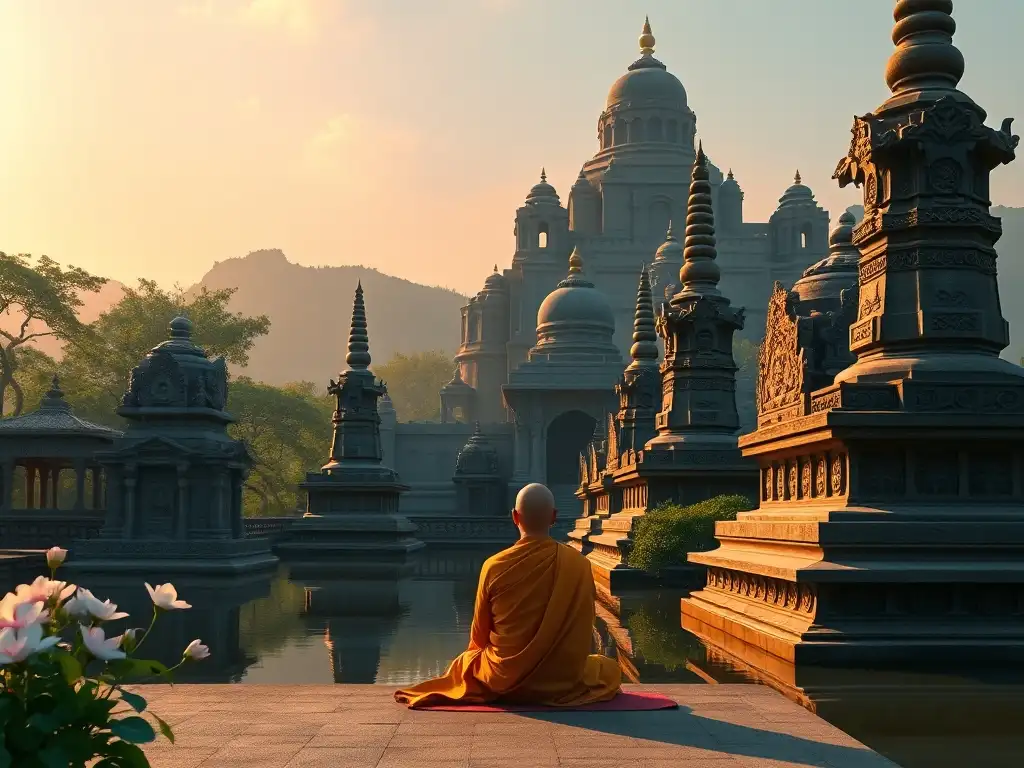
Welcome to Ancient India History, where we invite you to embark on a fascinating journey through the rich tapestry of ancient Indian civilizations. In today’s exploration, we delve into the captivating world of Buddhism art and architecture in ancient India, uncovering the profound influence this religion has had on the creative expressions of the time. From the intricate carvings of stupas to the serene sculptures of Buddha, each element tells a story waiting to be discovered.
Are you ready to unlock the secrets of how spirituality shaped the artistic landscape of ancient India? Dive deeper with us to unravel the beauty and significance of this transformative era!
- Introduction to Buddhism and Its Impact on Ancient Indian Art and Architecture
- The Emergence of Buddhist Art in Ancient India
- Major Influences of Buddhism on Art Forms
- Architectural Innovations Inspired by Buddhism
- Regional Variations in Buddhist Art and Architecture
- The Legacy of Buddhist Art and Architecture in Ancient India
- Conclusion: The Enduring Impact of Buddhism on Ancient Indian Art and Architecture
-
Frequently Asked Questions
- What is the significance of Buddhism in ancient Indian art and architecture?
- How did Buddhism influence the development of sculptural art in ancient India?
- What are some examples of Buddhist architecture found in ancient India?
- How did Buddhism affect the cultural landscape of ancient India?
- What are key features of Buddhist art and architecture in ancient India?
- Final Reflection: The Enduring Legacy of Buddhism in Art and Architecture
- Unveil the Beauty of Buddhist Art in Your Life!
Introduction to Buddhism and Its Impact on Ancient Indian Art and Architecture
Buddhism, a profound spiritual and philosophical tradition that emerged in ancient India during the 5th century BCE, has left an indelible mark on the cultural landscape of the region. As the teachings of Siddhartha Gautama, known as the Buddha, spread across the Indian subcontinent, they not only transformed religious practices but also significantly influenced the realms of art and architecture.
This article delves into the intricate relationship between Buddhism and the artistic expressions that flourished in ancient India, examining how Buddhist principles were translated into various forms of creative output. From the serene sculptures of the Buddha to the grandeur of stupas and monasteries, the influence of Buddhism on art and architecture is a testament to its enduring legacy.
Overview of Buddhism in Ancient India
Buddhism originated in the northeastern part of the Indian subcontinent, primarily in present-day Nepal and India. Founded by the Buddha, it emphasizes the Four Noble Truths and the Eightfold Path as a means to attain enlightenment, known as Nirvana.
- Key Historical Phases:
- Early Development (6th Century BCE): The initial teachings of the Buddha and the formation of monastic communities.
- Mauryan Period (322-185 BCE): Under Emperor Ashoka, Buddhism gained state support, leading to the establishment of stupas and rock-cut caves.
- Gupta Empire (c. 320-550 CE): A flourishing period for Buddhist art and architecture, marked by the creation of intricate sculptures and grand temples.
The spread of Buddhism beyond India, particularly to regions such as Central Asia, China, and Southeast Asia, further enriched its artistic traditions, leading to a fusion of styles and influences.
Significance of Art and Architecture in Cultural Expression
Art and architecture during ancient times served as vital conduits for cultural expression, and Buddhism profoundly affected these domains.
- Functions of Buddhist Art:
- Spiritual Representation: Statues and images of the Buddha and bodhisattvas served as focal points for meditation and devotion.
- Narrative Storytelling: Relief sculptures and murals depicted Jataka tales, illustrating the previous lives of the Buddha and imparting moral lessons to the viewer.
- Community Cohesion: Monasteries and stupas functioned as community centers, fostering a sense of belonging among practitioners.
- Architectural Marvels:
- Stupas: These dome-shaped structures, such as the Sanchi Stupa, symbolized the Buddha's presence and served as reliquaries for sacred artifacts.
- Cave Complexes: The Ajanta and Ellora Caves are prime examples of rock-cut architecture that housed monastic cells and elaborate frescoes, showcasing the artistic prowess of the time.
In essence, Buddhist art and architecture not only served religious purposes but also reflected the socio-political dynamics and cultural narratives of ancient Indian civilization. The enduring influence of these artistic expressions continues to be felt, echoing through the ages as a significant aspect of India’s rich historical tapestry.
The Emergence of Buddhist Art in Ancient India
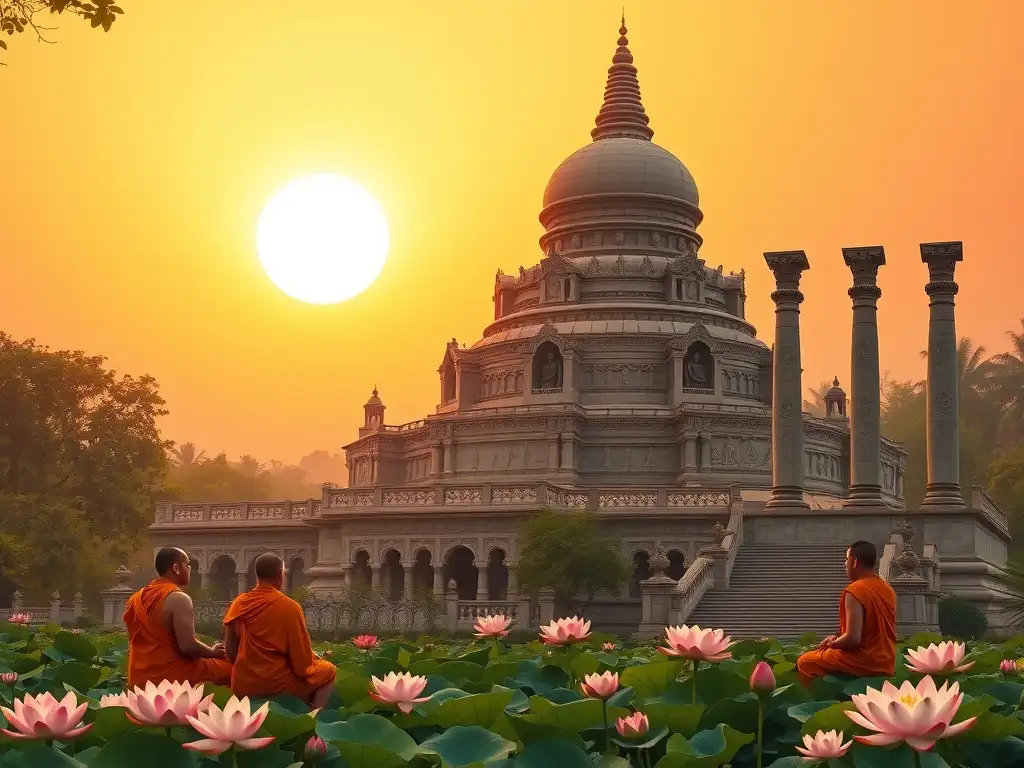
Historical Context of Buddhism in India
Buddhism emerged in the 5th century BCE, during a period of significant socio-political change in ancient India. This era was marked by the rise of urban centers, increased trade, and the flourishing of various philosophical systems. Siddhartha Gautama, known as the Buddha, sought to provide a path to enlightenment that contrasted sharply with the prevailing religious practices centered around Vedic rituals and sacrifices.
As Buddhism gained followers, it began to influence various aspects of Indian society, including art and architecture. The Mauryan Empire, especially under Emperor Ashoka in the 3rd century BCE, played a crucial role in propagating Buddhist ideas. Ashoka's patronage led to the establishment of numerous stupas and monasteries, which served as both religious and cultural centers. This expansion marked the beginning of a distinctive Buddhist artistic style that would evolve over the centuries.
Key Characteristics of Early Buddhist Art and Architecture
Early Buddhist art and architecture were deeply intertwined with the spiritual and philosophical tenets of Buddhism. Unlike the anthropocentric themes prevalent in Hindu art, early Buddhist art emphasized symbolic representations of the Buddha, his teachings, and the path to enlightenment.
Some key characteristics include:
- Symbolism: The Buddha was often represented through symbols such as the lotus flower, the dharma wheel, and the Bodhi tree, rather than through direct human representation.
- Narrative Reliefs: Sculptures depicted key events from the Buddha’s life, such as his birth, enlightenment, and sermons, often carved in relief on stupas and monastic walls.
- Architectural Styles: The use of stupas and viharas became prominent, each serving distinct religious functions and often constructed with intricate stone carvings and stupendous scale.
Stupas: Symbolic Structures of Buddhism
Stupas are dome-shaped structures that serve as reliquaries, housing sacred relics of the Buddha and other significant figures. Their design is imbued with symbolism, representing the universe and the path to enlightenment.
Key features of stupas include:
- Dome Shape: The hemispherical dome symbolizes the universe, with the mound (anda) representing the cosmic egg from which creation arises.
- Harmika: A square railing at the top of the stupa symbolizes the abode of the gods and serves as a focal point for worship.
- Chhatra: The umbrella-like structure on top signifies protection and is often linked to royalty and divine authority.
Notable stupas, such as the Sanchi Stupa and the Great Stupa at Amaravati, showcase the exquisite craftsmanship and artistic sensibilities of ancient Indian artisans, reflecting the deep spiritual significance of these structures within Buddhism.
Viharas: Monastic Complexes in Ancient India
Viharas were monastic complexes that served as residential quarters for monks, playing a crucial role in the spread of Buddhism. These structures were designed to accommodate communal living, meditation, and teaching.
Characteristics of viharas include:
- Layout: Typically, viharas consisted of a central courtyard surrounded by cells for monks, with a hall for gatherings and teaching.
- Architectural Features: Many viharas featured intricately carved pillars, rock-cut caves, and spacious prayer halls, designed to facilitate learning and meditation.
- Cave Viharas: Notable examples can be found in places like Ajanta and Ellora, where monks carved entire monastic complexes out of rock, showcasing advanced craftsmanship and artistic vision.
The architectural design of viharas contributed significantly to the establishment of Buddhist communities, serving as centers for learning and cultural exchange that influenced various facets of ancient Indian civilization.
Through understanding the emergence of Buddhist art and architecture in ancient India, we can appreciate how these forms not only reflect religious beliefs but also represent a significant contribution to the cultural heritage of the subcontinent. The interplay of architecture and art in monastic and sacred spaces continues to be a testament to Buddhism's rich legacy in shaping ancient Indian civilization.
Major Influences of Buddhism on Art Forms

Buddhism had a profound influence on various art forms in ancient India, shaping not only the visual language of the region but also its cultural and spiritual identity. The emergence of Buddhist art can be traced back to the 3rd century BCE, with the reign of Emperor Ashoka, who played a crucial role in propagating Buddhism across the Indian subcontinent. This art form evolved over centuries, reflecting the teachings and philosophies of Buddhism while incorporating local artistic traditions.
Sculpture and Iconography in Buddhist Art
Sculpture became one of the most significant mediums for expressing Buddhist themes and teachings. The intricate sculptures of Buddha and other figures served as didactic tools, enabling practitioners and followers to connect with the spiritual messages conveyed.
Depictions of Buddha: Styles and Symbolism
Buddhist sculptures often depict the Buddha in various postures, known as "mudras," each symbolizing different teachings:
- Dhyana Mudra (Meditation): Represented by the Buddha seated with hands in his lap, symbolizing deep meditation.
- Abhaya Mudra (Fearlessness): Characterized by the Buddha raising his right hand, signifying protection and peace.
- Bhumisparsha Mudra (Earth Touching): Illustrated by the Buddha touching the earth with his right hand, symbolizing the moment of enlightenment.
The stylistic evolution of these depictions can be classified into several regional schools, such as:
| Style | Characteristics | Period |
|---|---|---|
| Gandhara | Greco-Buddhist influence, realistic figures | 1st century BCE |
| Mathura | Indigenous style, robust and expressive forms | 1st century BCE |
| Gupta | Idealized forms, serene expressions | 4th-6th century CE |
These styles not only reflect the aesthetic sensibilities of their time but also serve as a visual lexicon for the teachings of Buddhism, allowing devotees to engage with the divine through art.
Bodhisattvas and Their Role in Art
The concept of Bodhisattvas—enlightened beings who delay their own Nirvana to assist others—became an integral part of Buddhist iconography. Sculptures of Bodhisattvas, such as Avalokiteshvara and Manjushri, exhibit a blend of compassion and wisdom:
- Avalokiteshvara: Often depicted with multiple arms, symbolizing the capacity to help countless beings simultaneously.
- Manjushri: Characterized by his sword and text, representing the wisdom of discernment.
These figures not only enhanced the spiritual narrative within Buddhist art but also inspired a rich array of iconographic representations that celebrated the virtues of compassion and enlightenment.
Frescoes and Murals: The Vibrancy of Buddhist Themes
Frescoes and murals became another prominent form of Buddhist expression, providing a dynamic visual narrative that adorned the walls of stupas, monasteries, and caves. These vibrant artworks often illustrated Jataka tales—stories of the Buddha's previous lives—offering moral lessons and insights into Buddhist teachings.
Notable Examples of Buddhist Frescoes in Ancient India
Several remarkable sites in ancient India showcase the exquisite craftsmanship of Buddhist frescoes:
- Ajanta Caves: Dating back to the 2nd century BCE to 6th century CE, the Ajanta frescoes depict intricate scenes from the Jataka tales and the life of the Buddha. The use of natural pigments and detailed expressions brings these narratives to life.
- Bagh Caves: These caves, dating from the 5th to 6th centuries CE, feature vibrant murals that illustrate Buddhist themes, including the Bodhisattva Avalokiteshvara and scenes of celestial beings.
- Khandariya Mahadeva Temple: While primarily a Hindu temple, its murals reflect the influence of Buddhist iconography, showcasing the intermingling of religious themes in ancient Indian art.
These frescoes not only serve as a testament to the artistic skills of their creators but also highlight the central themes of Buddhism, emphasizing compassion, wisdom, and the journey towards enlightenment.
The impact of Buddhism on art and architecture in ancient India is a rich tapestry woven with spirituality, cultural exchange, and artistic innovation, leaving a legacy that continues to inspire and inform contemporary artistic practices.
Architectural Innovations Inspired by Buddhism
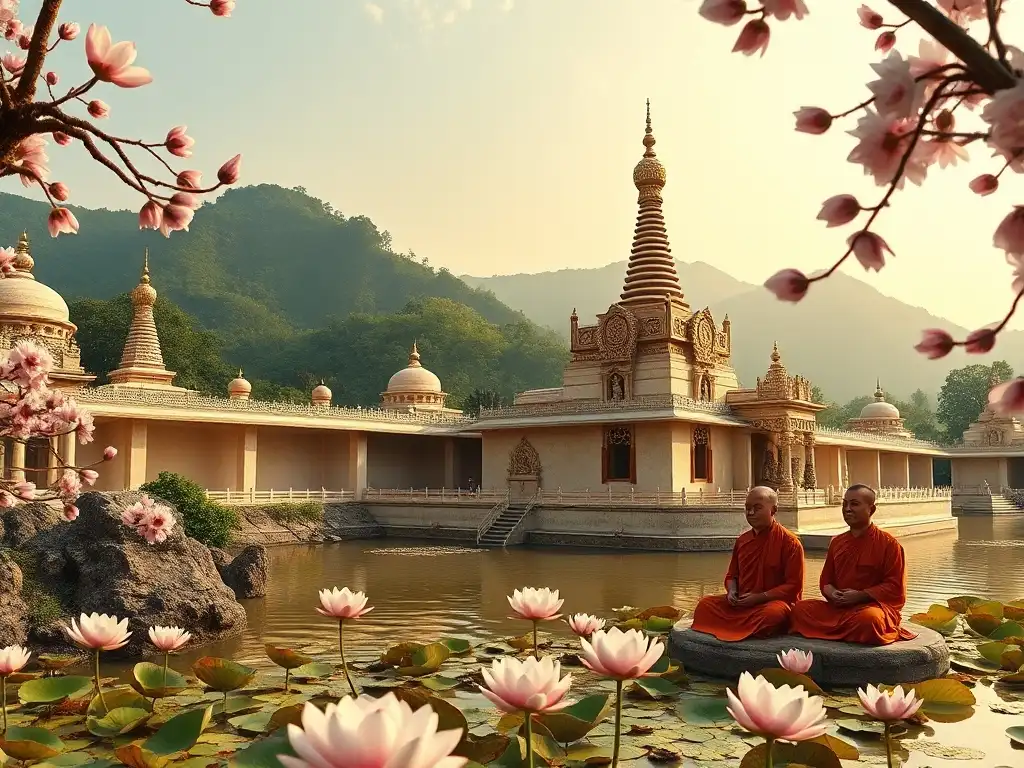
Buddhism played a significant role in shaping the architectural landscape of ancient India, leading to a series of innovations that reflected its teachings and cultural ethos. The influence of Buddhism on architecture is evident in the development of unique structures, forms, and designs that were not only functional but also symbolically rich. These innovations served as physical embodiments of Buddhist philosophy, promoting the ideals of peace, meditation, and enlightenment.
Buddhist architecture is characterized by several key features that differentiate it from other architectural styles of the time. Key elements include the use of stupas, monasteries, and rock-cut caves, which collectively created a distinct architectural grammar. The architectural innovations inspired by Buddhism not only served religious purposes but also facilitated community gatherings and the spread of Buddhist teachings across the Indian subcontinent.
The Stupa: A Unique Architectural Form
The stupa is perhaps the most iconic structure associated with Buddhism in ancient India. Initially conceived as a burial mound, the stupa evolved into a complex architectural form that symbolizes the universe and the path to enlightenment. Its hemispherical dome represents the cosmos, while the square base signifies the earth. The stupa's design elements are rich in symbolism, making it a focal point for Buddhist worship and meditation.
Stupas served various functions, including housing relics of the Buddha, serving as places for circumambulation, and acting as focal points for pilgrimage. The architectural form of the stupa significantly influenced subsequent religious architecture in India and beyond, paving the way for similar structures in other cultures.
Evolution of Stupa Design Through the Ages
The design of stupas evolved significantly from the early centuries of Buddhism to later periods.
- Early Stupas (3rd century BCE): The earliest stupas, such as the Sanchi Stupa, were simple in form, often made of brick or stone and covered with mud. These stupas emphasized functionality and served as reliquaries.
- Mature Stupa Designs (1st century BCE to 1st century CE): As Buddhism spread, stupas became more elaborate. The Great Stupa at Sanchi features a dome, a harmika (a platform for ritual), and a chhatra (umbrella) symbolizing the Buddha's presence.
- Gupta Period (4th to 6th century CE): The stupas of this era displayed intricate carvings and embellishments, reflecting the flourishing of Buddhist art. The stupas at Amaravati are notable for their detailed narrative reliefs depicting scenes from the Buddha's life.
The evolution of the stupa's design illustrates the adaptability of Buddhist architecture to regional contexts and the changing needs of its practitioners.
Rock-Cut Architecture: Caves and Temples
Rock-cut architecture represents another significant innovation influenced by Buddhism in ancient India. This architectural style involved excavating solid rock to create monastic complexes, temples, and sculptures. The rock-cut caves served as living quarters for monks and spaces for meditation, teaching, and worship.
The caves not only showcased the skill of ancient artisans but also provided a serene environment conducive to spiritual practice.
Key Sites: Ajanta and Ellora Caves
Among the most renowned examples of rock-cut architecture are the Ajanta and Ellora Caves, both UNESCO World Heritage Sites.
- Ajanta Caves (2nd century BCE to 6th century CE): The Ajanta Caves are famed for their exquisite frescoes and intricate sculptures that narrate the Jataka tales and depict the life of the Buddha. The caves served as monastic retreats and were functional spaces for meditation and teaching, showcasing a blend of architecture and artistry.
- Ellora Caves (5th to 10th century CE): The Ellora Caves represent a unique amalgamation of three religious traditions: Buddhism, Hinduism, and Jainism. The Buddhist caves, particularly the impressive Kailasa Temple, exhibit remarkable engineering and artistry, with colossal sculptures carved directly from the rock face. The intricate carvings and elaborate designs reflect the zenith of rock-cut architecture in ancient India.
These sites exemplify how Buddhism influenced not just architecture but also the artistic expressions of the time, leaving a lasting legacy that continues to inspire and educate future generations.
Regional Variations in Buddhist Art and Architecture
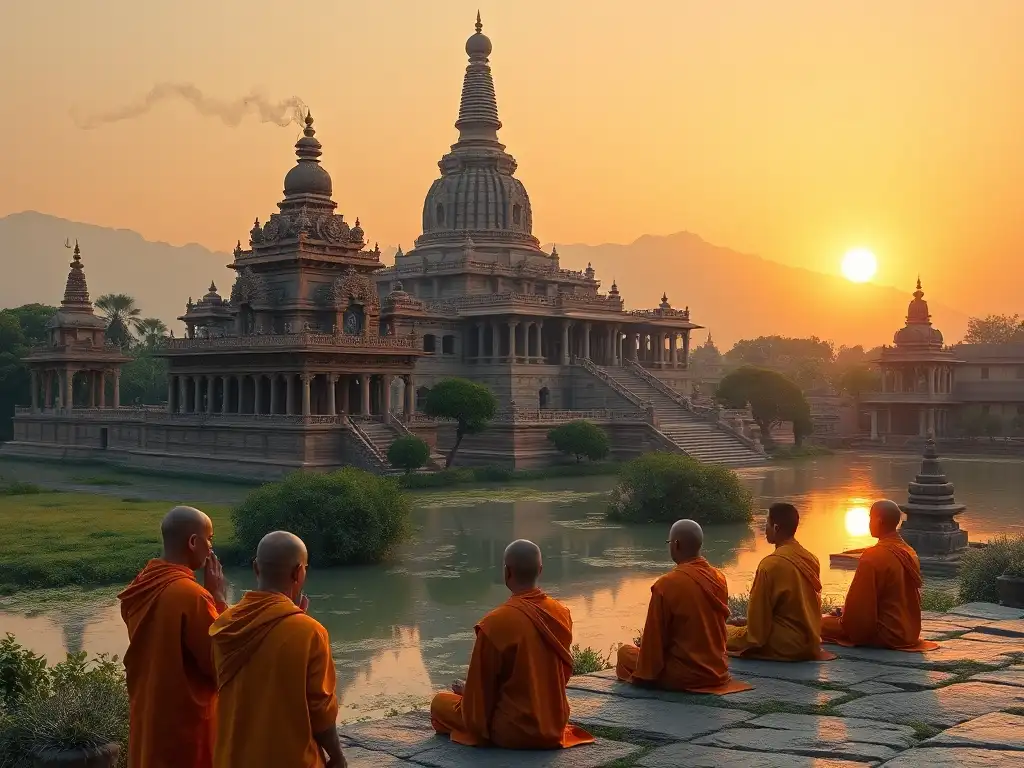
Northern India: Gandhara and Mathura Schools
The Gandhara and Mathura schools of art emerged as the two prominent styles of Buddhist art in Northern India, each illustrating unique characteristics and regional influences.
Gandhara School
The Gandhara school, flourishing from the 1st century CE to the 5th century CE in present-day Pakistan and Afghanistan, is renowned for its distinctive blend of Hellenistic and Indian styles. This fusion is largely attributed to the influence of the Greco-Bactrian culture following Alexander the Great’s conquests. Key features of Gandharan art include:
- Realistic Human Forms: Sculptures exhibit detailed anatomical precision, with intricate drapery that mimics Greek styles.
- Narrative Reliefs: Walls and stupas are adorned with narrative scenes from the life of the Buddha, employing a storytelling technique that captivates viewers.
- Iconography: The depiction of the Buddha is often characterized by a youthful form, with elongated earlobes and a serene expression, reflecting his enlightened status.
Key sites, such as Taxila and Peshawar, house magnificent examples of this art form, illustrating the profound impact of Buddhism on art and architecture in ancient India.
Mathura School
In contrast, the Mathura school, which developed around the same time, is marked by its indigenous Indian influences. Emerging in the region of Mathura, this school is known for:
- Stylized Representations: Unlike the realistic approach of Gandhara, Mathura art features more stylized forms, with a focus on spiritual expression over realism.
- Vivid Iconography: The Buddha is depicted in various mudras (hand gestures), emphasizing different aspects of his teachings.
- Use of Red Sandstone: This local material allowed for a unique texture and warmth in sculptures, making them visually striking.
The Mathura school significantly contributed to the establishment of the Buddha's iconography that became standardized in later Buddhist art across India.
Southern India: Influence of Buddhism on Dravidian Architecture
In Southern India, the influence of Buddhism on architecture manifested through the construction of rock-cut caves and stupas, particularly during the Mauryan and Post-Mauryan periods.
Rock-Cut Caves
The most significant examples of Buddhist rock-cut architecture are the Ajanta and Ellora Caves, dating back to the 2nd century BCE to the 6th century CE. These caves represent:
- Monastic Complexes: Designed as viharas (monasteries) and chaityas (prayer halls), they reflect the communal aspect of Buddhism.
- Intricate Carvings: Walls and ceilings are adorned with elaborate frescoes and sculptures depicting the Jataka tales—stories of the Buddha's previous lives.
- Innovative Engineering: The caves showcase advanced engineering techniques, with massive stone structures carved from solid rock, illustrating the skill of ancient artisans.
Stupas and Temples
Additionally, stupas such as the Stupa at Amaravati and the Dhanyakataka Stupa highlight the spread of Buddhism in the region. These structures served as reliquaries and pilgrimage sites, characterized by:
- Hemispherical Domes: Symbolizing the universe, these stupas were often surrounded by prayer halls and monastic cells.
- Sophisticated Ornamentation: The use of carved stone railings and sculptural friezes added to the visual appeal, making these stupas important architectural achievements in ancient India.
Eastern India: The Bihar and Bengal Contributions
Eastern India, particularly the regions of Bihar and Bengal, made significant contributions to Buddhist art and architecture, especially during the Mauryan and Gupta periods.
Bihar: The Cradle of Buddhism
Bihar is often regarded as the birthplace of Buddhism, with Bodh Gaya being the site of the Buddha's enlightenment. The architectural features of this region include:
- Mahabodhi Temple Complex: A UNESCO World Heritage Site, it features an ancient stupa that dates back to the 5th century CE, showcasing intricate carvings and a towering structure that symbolizes enlightenment.
- Monastic Architecture: Ancient universities like Nalanda and Vikramshila served as important centers for learning, with large monastic complexes that featured lecture halls, dormitories, and stupas.
Bengal: The Artistic Flourish
In Bengal, Buddhist art thrived under various dynasties, producing distinctive styles that included:
- Sculptural Techniques: The use of terracotta and stone carvings exemplified the region's craftsmanship, with figurative representations of the Buddha and Bodhisattvas.
- Stupas and Monasteries: The Paharpur Stupa is a notable example of the architectural blend in Bengal, showcasing a unique tiered design and elaborate stonework that reflects the sophistication of ancient Indian architecture.
The contributions of Bihar and Bengal to Buddhist art and architecture not only helped shape the local aesthetic but also influenced the broader narrative of Buddhism art architecture in ancient India, enriching the cultural tapestry of the subcontinent.
The Legacy of Buddhist Art and Architecture in Ancient India
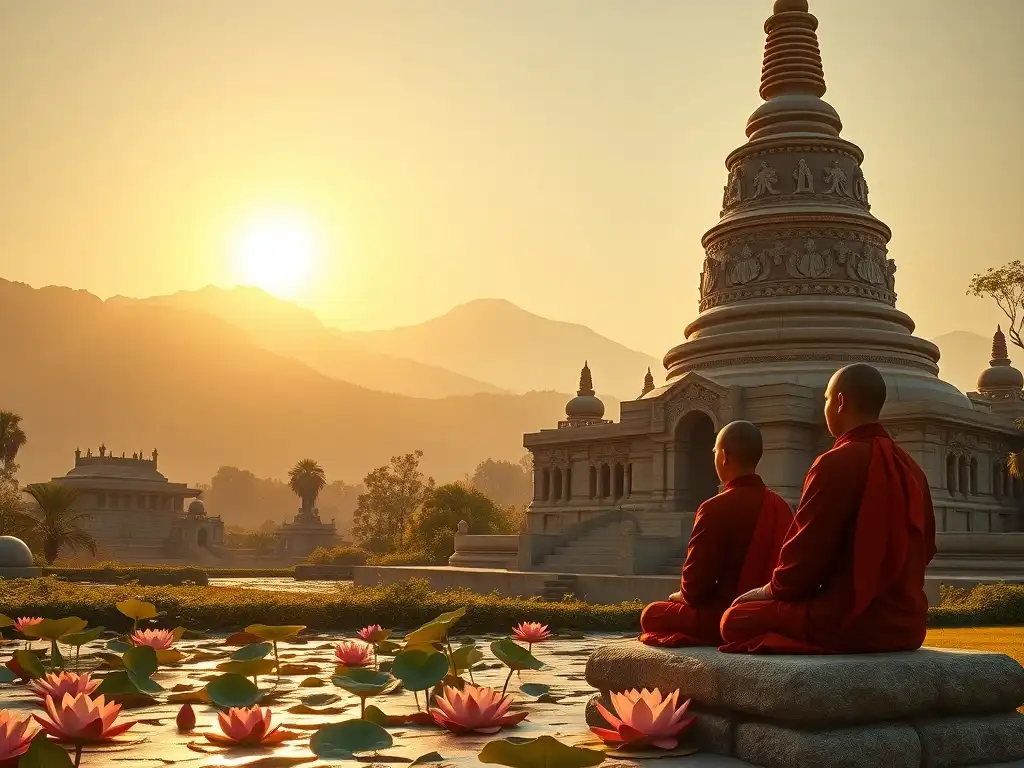
Buddhism, emerging in the 5th century BCE, significantly transformed the artistic and architectural landscape of ancient India. This transformation was not merely a reflection of religious beliefs but also a manifestation of the socio-political environment of the time. The art and architecture associated with Buddhism were instrumental in communicating its teachings and ideals, thereby influencing both followers and the broader cultural milieu.
Lasting Influence on Subsequent Indian Art Forms
The influence of Buddhism on art and architecture in ancient India can be seen in various forms, with many elements persisting well beyond the decline of Buddhism itself.
- Stupas and Viharas: The architectural form of stupas, which served as reliquaries for the remains of the Buddha and other significant figures, became a hallmark of Buddhist architecture. The Great Stupa at Sanchi, dating back to the 3rd century BCE, exemplifies this with its impressive dome and intricate carvings. These structures inspired later Indian architecture, including Hindu temples, which adopted dome-like shapes and intricate relief work.
- Iconography: Buddhist iconography established specific artistic conventions, such as the representation of the Buddha in various mudras (hand gestures) and postures. This iconography influenced later Indian art, particularly in the depiction of Hindu deities, who were often portrayed with similar stylistic elements. The melding of Buddhist and Hindu motifs is particularly evident in the sculptures of the Gupta period, where figures exhibit both grace and dynamism, a legacy of Buddhist artistic principles.
- Narrative Reliefs: The storytelling aspect of Buddhist art, prominently featured in the narrative reliefs of the Sanchi and Ajanta caves, laid the groundwork for later Indian narrative traditions. These reliefs depicted scenes from the Buddha's life and Jataka tales, emphasizing moral lessons. This approach to storytelling through art can be traced in later Indian artworks, where narratives were similarly woven into temple architecture.
The blend of various artistic styles and techniques fostered by Buddhism led to a rich tapestry of artistic expression that permeated subsequent Indian art forms.
The Role of Buddhism in the Cultural Fabric of Ancient Indian Civilization
Buddhism not only shaped art and architecture but also played a crucial role in the broader cultural fabric of ancient Indian civilization. Its teachings and practices sought to promote ethical living and community welfare, which resonated deeply with various social strata.
- Patronage and Community Building: The support from rulers, such as Emperor Ashoka, who championed Buddhism, facilitated the establishment of monasteries and stupas across the subcontinent. These institutions became centers of learning and cultural exchange, fostering a sense of community among followers. The architectural grandeur of these structures served as a testament to the state's endorsement of Buddhist principles, intertwining religion with governance.
- Cross-Cultural Exchanges: Buddhism's spread beyond India to regions such as Central Asia and Southeast Asia facilitated cross-cultural interactions that enriched Indian art and architecture. The Silk Road, for example, acted as a conduit for the transfer of artistic ideas, leading to the integration of foreign elements into Indian art. This cross-pollination is evident in the sculptures and decorative motifs found in places like Gandhara, where Greco-Roman influences merged with Indian styles.
- Philosophical Underpinnings: The philosophical tenets of Buddhism, such as the concepts of impermanence (anicca) and non-attachment (anatta), permeated artistic expressions. Artists began to explore themes of transience and the human condition, leading to profound works that captured the essence of life’s impermanence. This philosophical approach not only shaped Buddhist art but also influenced the broader artistic narrative in ancient India.
The legacy of Buddhist art and architecture in ancient India is profound, with lasting impacts on subsequent artistic traditions and cultural practices. Through its innovative forms and profound philosophical insights, Buddhism helped to weave a rich tapestry of cultural identity that continues to resonate in the artistic and architectural heritage of India today.
Conclusion: The Enduring Impact of Buddhism on Ancient Indian Art and Architecture
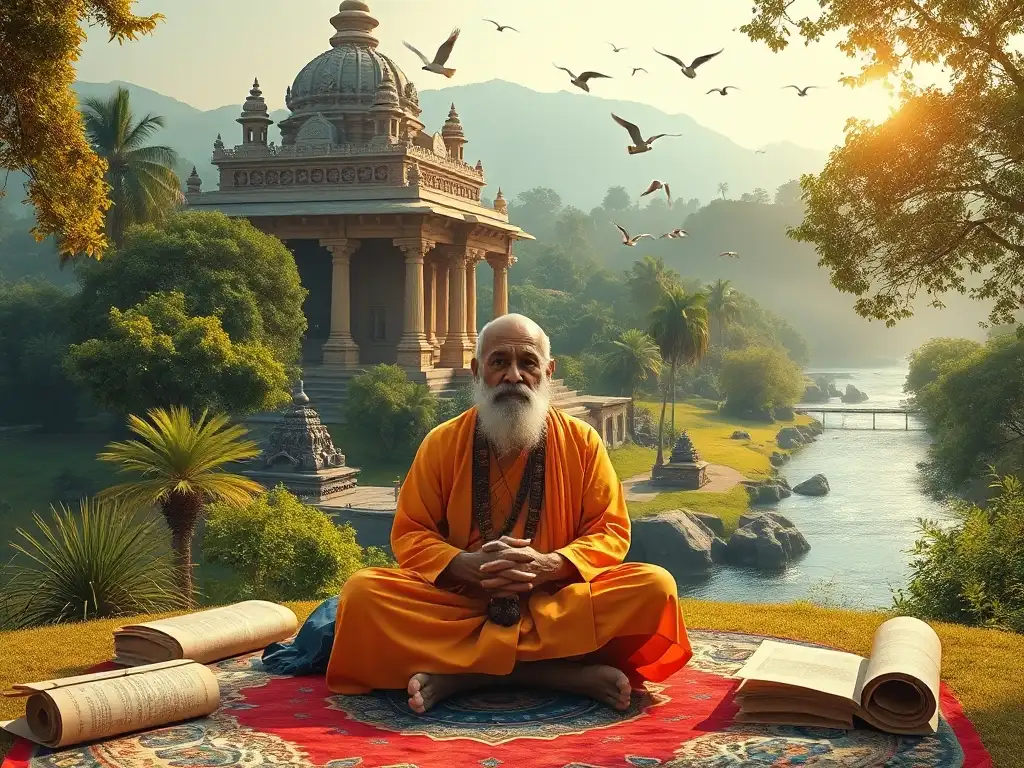
The influence of Buddhism on art and architecture in ancient India is profound and enduring, leaving an indelible mark that resonates through the centuries. The emergence of Buddhism around the 6th century BCE coincided with the flourishing of artistic expression and architectural innovation, leading to the creation of iconic structures and artworks that reflect the values and teachings of the religion.
From the intricate carvings of the Ajanta Caves to the monumental stupas of Sanchi and the exquisite sculptures of the Gandhara style, Buddhist art and architecture served not only as a means of religious expression but also as a vehicle for cultural exchange across regions. The architectural innovations introduced by Buddhism, such as the stupa and the vihara (monastic complex), transformed the landscape of ancient India, integrating art and spirituality in ways that were both accessible and inspiring to the populace.
Reflection on the Contributions of Buddhism to Indian Heritage
Buddhism's contributions to Indian heritage are multifaceted, encompassing not only religious teachings but also advancements in art and architecture that reflect a blend of local traditions and influences from abroad. Key elements include:
- Symbolism and Iconography: Buddhist art is rich in symbolism, with motifs such as the lotus, the wheel of dharma, and representations of the Buddha himself, each conveying deep philosophical meanings. These elements have become essential components of Indian artistic tradition.
- Architectural Innovations: The architectural forms introduced by Buddhism, especially the stupa, served as a template for later religious structures across various Indian religions. The Great Stupa at Sanchi, for instance, is a testament to the architectural prowess of that era, showcasing elaborate gateways and detailed relief carvings.
- Cultural Synthesis: Buddhism facilitated a cross-cultural dialogue that enriched Indian art. The Gandhara style, influenced by Hellenistic art, demonstrates this synthesis, blending Greek and Indian elements to create a unique artistic language.
- Preservation of Knowledge: Many Buddhist monasteries functioned as centers of learning, preserving ancient texts and artistic techniques that contributed to the broader cultural and intellectual landscape of ancient India.
Future Research Directions in Buddhist Art and Architecture Studies
The study of Buddhism's influence on art and architecture in ancient India is a vibrant field, with numerous avenues for future research. Areas that warrant further exploration include:
- Regional Variations: Investigating how different regions, such as South India and Northeast India, adopted and adapted Buddhist architectural styles and artistic expressions can provide insight into local interpretations of Buddhist principles.
- Material Culture: Analyzing the materials used in Buddhist art and architecture can reveal information about trade networks, technological advancements, and the socio-economic context of the time.
- Interdisciplinary Approaches: Integrating methodologies from archaeology, anthropology, and art history can yield a more comprehensive understanding of the socio-cultural dynamics that shaped Buddhist art and architecture.
- Impact of Modern Interpretations: Examining how contemporary artists and architects draw inspiration from Buddhist art and architecture could illuminate the ongoing relevance of these ancient traditions in today's cultural landscape.
The exploration of Buddhism's impact on art and architecture in ancient India not only enriches our understanding of the past but also highlights the enduring legacy of these contributions in shaping the cultural identity of the region. As research continues to evolve, new discoveries will undoubtedly shed light on the intricate relationship between Buddhism and the artistic heritage of ancient India.
Frequently Asked Questions
What is the significance of Buddhism in ancient Indian art and architecture?
Buddhism played a crucial role in shaping artistic styles and architectural forms in ancient India, leading to the creation of stupas, monasteries, and intricate sculptures that conveyed spiritual teachings.
How did Buddhism influence the development of sculptural art in ancient India?
Buddhism introduced iconography that depicted the life of the Buddha and various bodhisattvas, significantly impacting the stylistic evolution of sculptural art across regions such as the Gandhara and Mathura schools.
What are some examples of Buddhist architecture found in ancient India?
Prominent examples include the Sanchi Stupa, Ajanta Caves, and Nalanda University, which showcase the religious significance and architectural innovation of Buddhist structures during that period.
How did Buddhism affect the cultural landscape of ancient India?
The spread of Buddhism led to the establishment of monastic communities that fostered artistic patronage, influencing not just architecture, but also literature, philosophy, and other aspects of Indian culture.
What are key features of Buddhist art and architecture in ancient India?
Key features include the use of symbolism, the depiction of lotus motifs, the construction of viharas (monasteries), and the creation of elaborate frescoes and reliefs that narrate Buddhist stories and teachings.
Final Reflection: The Enduring Legacy of Buddhism in Art and Architecture
Buddhism's profound influence on art and architecture in ancient India remains a testament to the power of spirituality in shaping cultural identity. As we navigate a world increasingly driven by materialism, the intricate designs and symbolic representations found in ancient Buddhist art remind us of the deeper meanings that can be expressed through creativity. The stunning stupas, serene sculptures, and vibrant frescoes not only serve as historical artifacts but also as enduring reminders of the values and philosophies that continue to resonate today.
The impact of Buddhism on the cultural and social landscape of ancient India is palpable, as it fostered a unique blend of artistic expression that transcended mere aesthetics. The intricate carvings and architectural innovations reflect a society deeply engaged with spiritual inquiry and communal harmony. As the renowned art historian John Marshall once said, The art of India is the art of the spirit; it is the expression of a profound and abiding faith.
This observation underscores how Buddhist art and architecture were not just about form but were imbued with meaning, serving as a bridge between the divine and the everyday lives of the people.
As we reflect on the lessons of Buddhism's artistic legacy, I invite you to consider how these principles can inspire your own creative endeavors. How can you infuse your work with deeper meaning and purpose? Whether you are an artist, architect, or simply someone who appreciates beauty, let the teachings of Buddhism guide you in your journey. Embrace the idea that art can be a powerful vehicle for connection, reflection, and transformation. In doing so, you honor the rich heritage of ancient India while contributing to a future where art continues to inspire and uplift the human spirit.
Unveil the Beauty of Buddhist Art in Your Life!
Thank you for diving into the fascinating world of how Buddhism shaped the art and architecture of ancient India! You’ve explored a rich landscape of creativity and spirituality, and now it's time to embrace this influence in your own journey.
Here’s how you can take the next step and immerse yourself deeper:
- Visit a local museum or online gallery that showcases Buddhist art to experience its beauty firsthand.
- Create your own art piece inspired by Buddhist themes, whether it’s through painting, sculpture, or digital artistry.
- Share your insights with friends and family or start an engaging discussion online about how this artistic tradition resonates with you.
Are you ready to let the elegance of Buddhist art inspire your everyday life? Which elements of this ancient tradition will you incorporate into your personal creative expression?