
The Significance of Pilgrimage in Hindu Philosophy and Spirituality

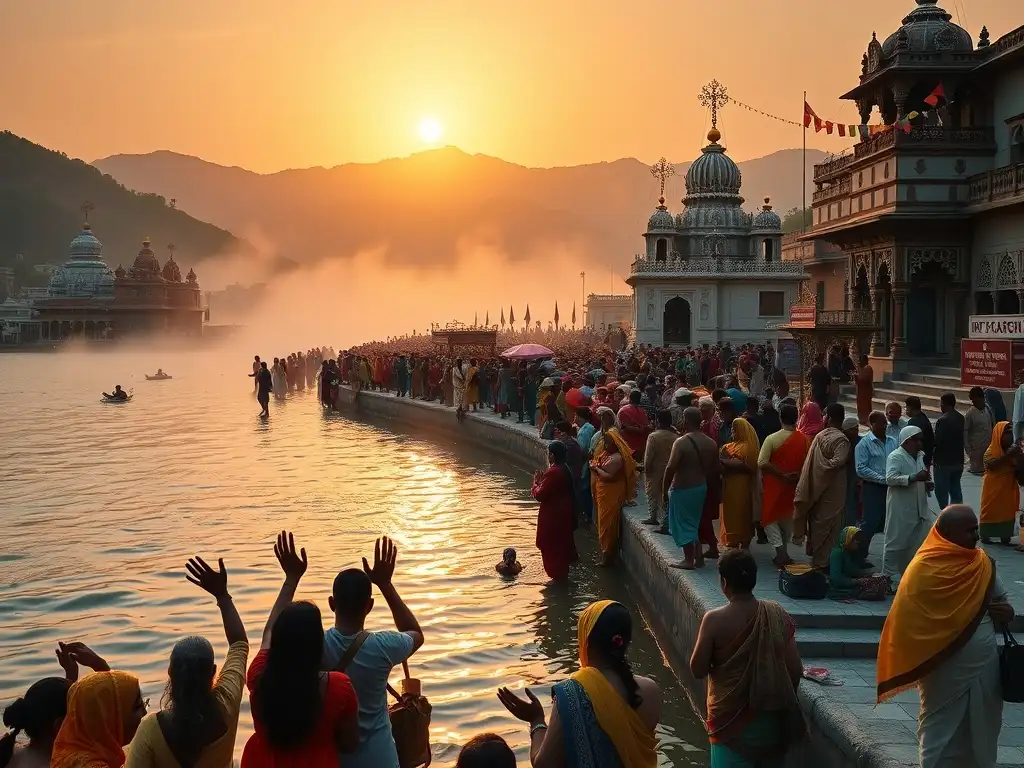
Welcome to Ancient India History! Here, we invite you to embark on a fascinating journey through time, exploring the rich tapestry of ancient Indian civilizations and their profound contributions to culture and spirituality.
In our featured article, "The Significance of Pilgrimage in Hindu Philosophy and Spirituality," we delve into the intricate history and meaning behind Hindu pilgrimage, revealing how these sacred journeys have shaped the spiritual landscape of India. Prepare to uncover the layers of tradition and belief that define this remarkable aspect of ancient Indian religions, and let your curiosity lead you deeper into the wonders of our past!
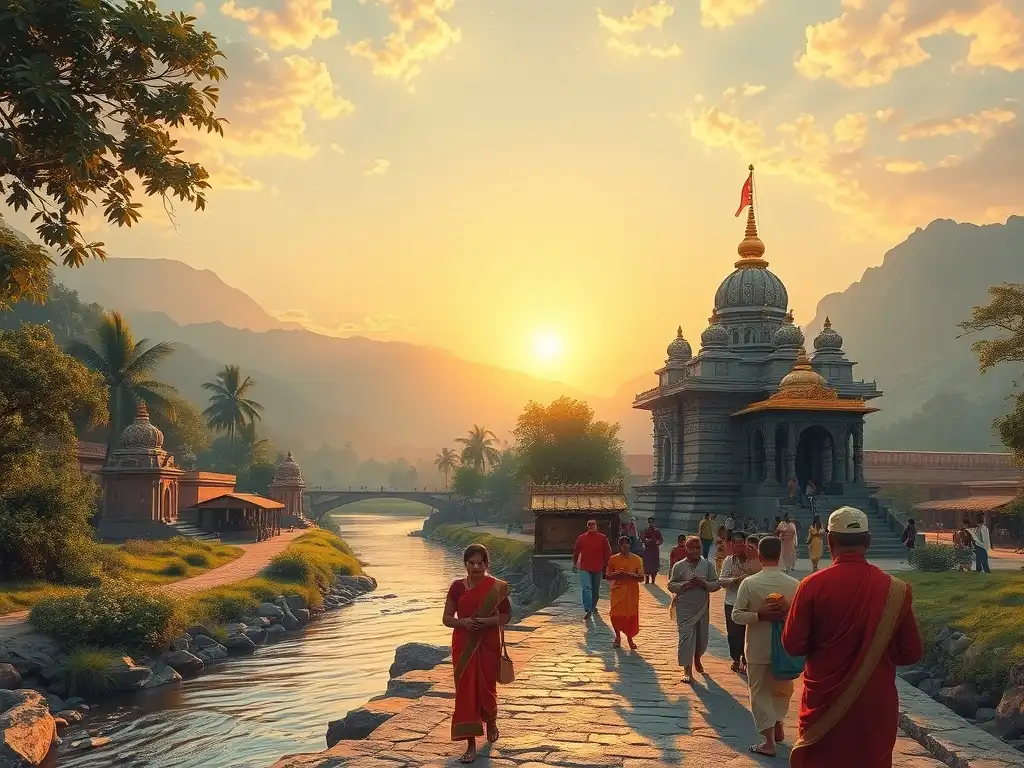
Introduction to Hindu Pilgrimage
Hindu pilgrimage, or tirtha yatra, holds profound significance within the broader context of Hindu philosophy and spirituality. It serves not merely as a physical journey to sacred sites but as a spiritual endeavor that fosters personal growth, community bonding, and a deeper connection to the divine. Pilgrimage in Hinduism encompasses a complex interplay of mythology, ritual, and personal aspiration, reflecting the diverse beliefs and practices that characterize the religion. This exploration of pilgrimage significance reveals how these journeys contribute to the rich tapestry of Hindu cultural and spiritual life, shaping the identity of millions of devotees across generations.
Definition of Pilgrimage in Hinduism
In Hinduism, pilgrimage is defined as a sacred journey undertaken to visit holy places, often associated with deities, significant events, or historical figures. These sites, known as tirthas, are believed to possess spiritual power and are often located near rivers, mountains, or temples. Pilgrimage serves multiple purposes, including:
- Spiritual Cleansing: Many Hindus believe that visiting sacred sites purifies the soul and alleviates sins.
- Seeking Blessings: Pilgrims often seek divine favor or blessings for personal needs, health, or prosperity.
- Community and Identity: Pilgrimage fosters a sense of belonging and community among devotees, reinforcing shared beliefs and practices.
Overview of Hindu Pilgrimage Sites
Hindu pilgrimage sites are vast and varied, each rich with unique history and significance. Some of the most prominent pilgrimage destinations include:
- Varanasi: One of the oldest continuously inhabited cities, Varanasi is revered for its ghats along the Ganges River, where pilgrims perform rituals to honor their ancestors.
- Haridwar: Located at the foothills of the Himalayas, this site is famous for the Kumbh Mela, attracting millions of devotees seeking spiritual renewal.
- Rameswaram: Known for the Ramanathaswamy Temple, this site is significant for its connection to the epic Ramayana.
- Badrinath: Nestled in the Himalayas, this temple is dedicated to Lord Vishnu and is part of the Char Dham pilgrimage circuit.
Historical Context of Hindu Pilgrimage
The practice of pilgrimage has deep historical roots in ancient India, evolving through various cultural, religious, and social changes over millennia. The historical context of Hindu pilgrimage provides valuable insights into its significance in shaping religious practices and community life.
Origins of Pilgrimage in Ancient India
The origins of pilgrimage in ancient India can be traced back to the Vedic period, where the concept of sacred spaces began to take form. Texts such as the Rigveda and Atharvaveda allude to the importance of holy rivers and hills as places of worship. Over time, these locations became associated with specific deities and rituals, laying the groundwork for the pilgrimage culture that would flourish in later periods.
- Vedic Rituals: Early rituals involved offerings to natural elements, which were often performed at sacred sites.
- Mythological Connections: Many pilgrimage sites are linked to Hindu mythology, particularly the epics Mahabharata and Ramayana, which shaped the spiritual geography of India.
Evolution of Pilgrimage Practices Through the Ages
As Hinduism evolved, so did the practices surrounding pilgrimage. The influence of various dynasties, regional customs, and the establishment of temples played a crucial role in shaping modern pilgrimage practices.
- Medieval Period: With the rise of powerful kingdoms, many temples were built, becoming focal points for pilgrimage. This period saw the formalization of rituals and the establishment of pilgrimage routes.
- Bhakti Movement: The Bhakti movement emphasized personal devotion, leading to increased accessibility of pilgrimage for all classes of society, regardless of caste.
- Modern Era: Today, pilgrimage continues to adapt, with the integration of contemporary transportation, technology, and social media, allowing for greater participation and connection among devotees.
The significance of pilgrimage in Hindu philosophy and spirituality is thus deeply rooted in history, evolving through time while maintaining its core essence as a transformative spiritual journey.
The Philosophical Underpinnings of Pilgrimage
Hindu philosophy deeply intertwines with the concept of pilgrimage, where it transcends mere travel to sacred sites. At its core, pilgrimage represents an essential aspect of the human quest for meaning and connection to the divine. This journey is perceived as both a physical and metaphysical endeavor, fostering spiritual growth and introspection.
The philosophical underpinnings of pilgrimage can be traced to ancient texts such as the Vedas and Upanishads, which emphasize the importance of dharma (righteousness) and moksha (liberation). Pilgrimage is seen as a means to fulfill one's dharma by seeking spiritual merit and cleansing oneself of sins, ultimately leading toward liberation from the cycles of birth and death.
The journey itself serves as a metaphor for the inner path of self-realization, reflecting the belief that the outer pilgrimage mirrors the inner spiritual journey. Each step taken toward a sacred site symbolizes the dedication to personal transformation and the pursuit of higher consciousness. The act of pilgrimage is thus an embodiment of devotion, where the pilgrim's intentions can lead to profound insights into their existence, purpose, and connection to the universe.
Spiritual Significance of Pilgrimage in Hindu Philosophy
The spiritual significance of pilgrimage in Hindu philosophy is multifaceted, encompassing aspects of devotion, purification, and community. Hindus believe that visiting sacred sites can purify the mind and body, allowing individuals to shed their worldly attachments and distractions. This purification process is vital for engaging in prayer and meditation, which are integral to spiritual practice. The act of pilgrimage is perceived as a way to seek blessings from deities and gain spiritual merit, further enhancing one's spiritual journey.
Additionally, pilgrimage fosters a sense of community among participants. When pilgrims travel together, they share experiences and foster connections that strengthen communal bonds. This shared journey enhances the spiritual experience, as the collective devotion amplifies the energy and sanctity of the pilgrimage. Moreover, many sacred sites are associated with profound historical and mythological narratives, deepening the pilgrims' understanding of their faith and the cultural heritage of Hinduism.
Pilgrimage as a Journey of Self-Discovery and Transformation
Pilgrimage in Hinduism is not just a physical journey but a profound journey of self-discovery and transformation. As pilgrims traverse various terrains and sacred sites, they confront their inner challenges and vulnerabilities. The arduous nature of pilgrimage often serves as a catalyst for personal reflection and growth. This transformative experience allows individuals to step away from their daily lives and engage in a deeper exploration of their beliefs, values, and aspirations.
The process of pilgrimage encourages pilgrims to engage in practices such as meditation, prayer, and self-reflection, all of which contribute to their personal development. The hardships faced during the journey, whether physical or emotional, teach resilience and foster a greater understanding of the self. Many pilgrims return with a renewed sense of purpose and clarity, having experienced a spiritual awakening that alters their perspectives on life and their place within it.
Major Hindu Pilgrimage Sites and Their Significance
Hindu pilgrimage sites are steeped in rich history and cultural significance, drawing millions of devotees each year. These sacred places not only hold spiritual importance but also serve as vital centers for cultural exchange and continuity. Each site is imbued with unique legends, rituals, and practices, making them integral to the fabric of Hindu spirituality.
Kashi (Varanasi) - The City of Light
Kashi, also known as Varanasi, is one of the oldest living cities in the world and holds immense significance in Hindu philosophy. It is believed that a pilgrimage to Kashi leads to liberation from the cycle of rebirth, making it a highly revered destination. The city is home to the sacred Ganges River, where pilgrims perform rituals to cleanse their souls. The belief is that dying in Kashi allows one to attain moksha, or liberation from the material world, thus making it a focal point for spiritual seekers.
The ghats of Varanasi, where rituals and ceremonies are conducted, are lined with temples and ashrams that resonate with centuries of spiritual practices. The vibrant atmosphere of Kashi, filled with the chants of prayers and the scent of incense, creates an unparalleled environment for introspection and spiritual connection.
Haridwar - The Gateway to the Gods
Haridwar, meaning "Gateway to the Gods," is a major pilgrimage site located at the foothills of the Himalayas. It is one of the seven holiest places in Hinduism and is particularly famous for the Kumbh Mela, a grand religious festival that attracts millions of devotees. Pilgrims flock to Haridwar to take a ritual bath in the Ganges River, which is believed to wash away sins and grant divine blessings.
The spiritual significance of Haridwar is further enhanced by its association with several sacred temples, including the Har Ki Pauri ghat, where the Ganges is worshipped as a goddess. The vibrant atmosphere during the Ganga Aarti, a ritual of worship using light, creates an extraordinary experience for pilgrims, deepening their connection to the divine.
Rameshwar - The Sacred Abode of Lord Shiva
Rameshwar, located in Tamil Nadu, is a significant pilgrimage site dedicated to Lord Shiva. It is believed to be the place where Lord Rama worshipped Shiva to seek forgiveness for killing Ravana, a devotee of Shiva. The temple here, known as the Ramanathaswamy Temple, is one of the twelve Jyotirlingas, which are considered highly auspicious in Hindu belief.
The site is not only revered for its spiritual significance but also for its unique architectural beauty. Pilgrims visit Rameshwar to perform rituals and seek spiritual solace, especially during the auspicious times of festivals. The intertwining of mythology and devotion makes Rameshwar a vital part of the Hindu pilgrimage landscape.
Other Notable Pilgrimage Sites in Hinduism
In addition to Kashi, Haridwar, and Rameshwar, several other pilgrimage sites hold great significance in Hinduism:
- Tirupati: Home to the famous Tirumala Venkateswara Temple, it attracts millions of devotees seeking blessings from Lord Vishnu.
- Puri: Known for the Jagannath Temple, Puri is famous for its annual Rath Yatra (chariot festival) that draws vast crowds.
- Badrinath: Nestled in the Himalayas, this site is dedicated to Lord Vishnu and is part of the Char Dham pilgrimage.
- Dwarka: The legendary city associated with Lord Krishna, Dwarka is essential for those seeking to connect with Krishna's divine presence.
These pilgrimage sites not only reflect the spiritual diversity within Hinduism but also serve as cultural hubs that preserve ancient traditions and practices, enriching the overall landscape of Hindu philosophy and spirituality.
The Rituals and Practices of Pilgrimage
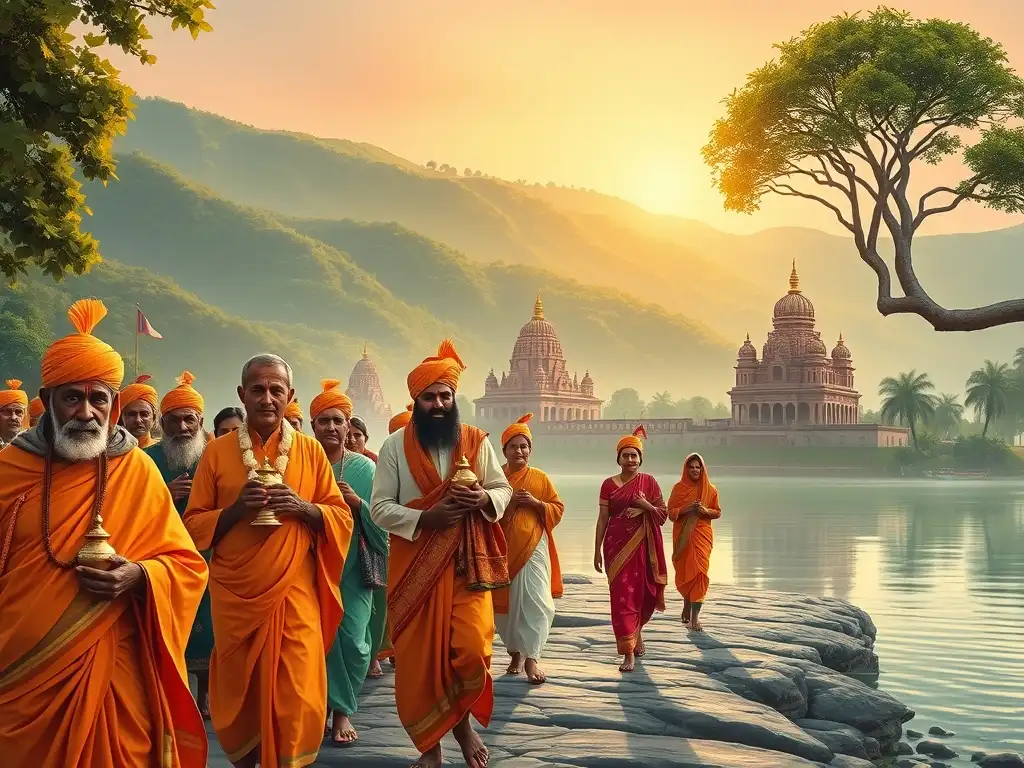
Hindu pilgrimage, known as Tirtha Yatra, is a deeply rooted tradition that encompasses a series of rituals and practices aimed at spiritual growth and community engagement. The journey to sacred sites is not merely a physical endeavor but a holistic experience that involves preparation, participation, and reflection. The significance of these rituals lies in their ability to connect the devotee to the divine and foster a sense of belonging within the larger Hindu community.
Pre-Pilgrimage Preparations and Purification
Before embarking on a pilgrimage, devotees engage in various preparations that emphasize purity and devotion. These preparations often include:
- Ritual Bathing: Pilgrims typically perform a ritual bath at home to cleanse themselves physically and spiritually. This act symbolizes the washing away of sins and impurities.
- Fasting and Sadhana: Many choose to fast or engage in specific spiritual practices (sadhana) to purify their minds and bodies. This may involve prayers, meditation, and reading sacred texts like the Bhagavad Gita or Vedas.
- Seeking Blessings: Devotees often seek blessings from elders or spiritual leaders, which is believed to provide protection and guidance during their journey.
These preparatory rituals set a sacred tone for the pilgrimage, marking it as a significant spiritual undertaking.
Rituals Performed During the Pilgrimage Journey
Throughout the pilgrimage, various rituals are performed that enhance the spiritual experience. These include:
- Pradakshina: This involves circumambulating a temple or sacred site, which is a gesture of reverence and devotion. It is believed to bring the pilgrim closer to the divine.
- Offerings and Worship: Pilgrims often make offerings (puja) at temples or sacred rivers, which may include flowers, fruits, and incense. Worshipping deities at these sites reinforces their connection to the divine.
- Collective Chanting and Prayers: Engaging in group chants (bhajans) or prayers fosters a sense of community among pilgrims, creating a shared spiritual atmosphere.
These rituals not only serve to honor the divine but also facilitate personal reflection and collective bonding with fellow devotees.
Post-Pilgrimage Reflections and Offerings
Upon returning from a pilgrimage, devotees engage in reflections and rituals that help integrate their experiences into daily life:
- Sharing Experiences: Pilgrims often share their experiences with family and friends, discussing the insights gained and the significance of the journey.
- Offerings at Home: Many make offerings at home altars or temples, expressing gratitude for the blessings received during the pilgrimage.
- Continued Spiritual Practices: The pilgrimage often inspires renewed commitment to spiritual practices such as daily prayers, meditation, and community service.
These post-pilgrimage rituals solidify the spiritual growth experienced during the journey and encourage ongoing devotion.
Hindu pilgrimage plays a crucial role in shaping cultural and social dynamics within society. It is not only a personal spiritual journey but also a catalyst for community building and economic development.
Pilgrimage and Community Building in Hindu Society
The act of pilgrimage fosters a sense of unity and belonging among Hindus. It serves as a communal experience that strengthens social ties and cultural identity:
- Shared Experiences: Pilgrims traveling together share stories, traditions, and cultural practices, reinforcing community bonds and enhancing cultural continuity.
- Festivals and Gatherings: Major pilgrimage sites often host festivals that attract large gatherings, allowing communities to come together in celebration and worship. Events like the Kumbh Mela exemplify this, where millions participate in collective rituals.
- Inter-Community Relations: Pilgrimage can also promote inter-community relationships, where different sects of Hinduism come together, fostering dialogue and understanding.
Through these communal interactions, pilgrimage becomes a fundamental aspect of Hindu cultural identity and social cohesion.
Economic Impact of Pilgrimage on Local Communities
The influx of pilgrims to sacred sites significantly contributes to the local economy. This impact manifests in various ways:
- Tourism and Hospitality: Pilgrimage sites often become tourist destinations, leading to the establishment of hotels, restaurants, and shops that cater to the needs of visitors. This helps generate income for local businesses and entrepreneurs.
- Employment Opportunities: The demand for services in pilgrimage areas creates job opportunities for residents, enhancing their livelihoods and economic stability.
- Infrastructure Development: Increased foot traffic often prompts improvements in infrastructure, such as public transportation, roads, and sanitation facilities, benefiting both pilgrims and local residents.
Overall, the economic ramifications of pilgrimage can elevate local communities, making it a vital aspect of the broader significance of Hindu pilgrimage in society.
Myths and Realities of Hindu Pilgrimage
Hindu pilgrimage, or Tirtha Yatra, has been a significant aspect of Hindu spirituality, steeped in rich traditions and diverse practices. However, the narratives surrounding pilgrimage often encompass both myths and realities that shape perceptions and experiences. Understanding these aspects is essential to appreciate the significance of pilgrimage in Hindu philosophy.
Common Misconceptions About Hindu Pilgrimage
One prevalent misconception is that Hindu pilgrimage is merely a ritualistic activity devoid of deeper meaning. Many perceive it as a checklist of sites to visit, often overlooking the spiritual intent behind these journeys. In reality, pilgrimage in Hinduism is viewed as an opportunity for self-discovery and spiritual awakening.
Another common myth is the notion that pilgrimages are only for the elderly or the devout. In truth, people of all ages embark on these journeys, driven by diverse motivations ranging from seeking blessings and purification to connecting with their cultural roots. There is also a belief that only certain sacred sites hold significance. However, every location associated with Hindu deities or historical events can be a Tirtha, making the landscape of pilgrimage vast and varied.
The Reality of Pilgrimage Experiences
The experiences of pilgrims can be profoundly transformative, often characterized by introspection and community engagement. Pilgrimage provides a unique opportunity for individuals to immerse themselves in rituals that connect them with their spiritual heritage. The act of journeying to sacred sites fosters a sense of belonging and continuity with the past, allowing pilgrims to engage with the teachings of ancient sages.
Moreover, the shared experiences among pilgrims can create a powerful sense of community and collective spirituality. The vibrant atmosphere of sacred festivals, the chanting of mantras, and the communal prayers contribute to a heightened spiritual awareness and emotional upliftment. This reality underscores that Hindu pilgrimage is not merely a physical journey, but rather a multidimensional experience that integrates mind, body, and spirit.
Conclusion: The Enduring Legacy of Pilgrimage in Hindu Spirituality
The legacy of pilgrimage in Hindu spirituality is profound and enduring, serving as a bridge between ancient traditions and contemporary practices. Pilgrimage continues to play a pivotal role in shaping individual spiritual journeys and communal identities.
The Role of Pilgrimage in Contemporary Hinduism
In contemporary Hinduism, pilgrimage remains a vital aspect of spiritual life. Modern advancements in travel have made sacred sites more accessible, leading to an increase in the number of pilgrims. This accessibility has also facilitated the growth of pilgrimage tourism, where individuals seek not only spiritual fulfillment but also cultural enrichment.
Additionally, contemporary pilgrimages often incorporate social and environmental consciousness, with many pilgrims participating in initiatives aimed at preserving sacred sites and promoting sustainable practices. This adaptation reflects the dynamic nature of Hindu spirituality, as it evolves in response to modern challenges and societal changes.
Future of Pilgrimage Practices in the Context of Modernity
As society continues to evolve, the future of pilgrimage practices in Hinduism is likely to reflect broader shifts in cultural and spiritual paradigms. The integration of technology, such as virtual pilgrimages and digital platforms for sharing experiences, may redefine what it means to embark on a Tirtha Yatra.
Moreover, as younger generations seek personal meanings in spirituality, there may be a reimagining of pilgrimage practices that prioritize individual experiences over traditional routes. This evolution can lead to a richer understanding of Hindu pilgrimage significance, ensuring its relevance and vitality in the modern world while honoring its historical roots.
The significance of Hindu pilgrimage is woven into the fabric of spiritual practice, embodying a legacy that embraces both ancient traditions and contemporary realities. As pilgrims continue to traverse sacred landscapes, they carry forward the rich heritage of Hindu philosophy, ensuring that the essence of pilgrimage remains vibrant for generations to come.
- Introduction to Hindu Pilgrimage
- Historical Context of Hindu Pilgrimage
- The Philosophical Underpinnings of Pilgrimage
- Major Hindu Pilgrimage Sites and Their Significance
- The Rituals and Practices of Pilgrimage
- Cultural and Social Impact of Pilgrimage
- Myths and Realities of Hindu Pilgrimage
- Conclusion: The Enduring Legacy of Pilgrimage in Hindu Spirituality
Frequently Asked Questions
What is the historical significance of Hindu pilgrimages?
Hindu pilgrimages have deep historical roots, representing a journey not just to sacred sites but also a way to connect with ancient traditions and spiritual beliefs.
How do Hindu pilgrimages contribute to cultural identity?
Pilgrimages serve as a cultural anchor, reinforcing community bonds and shared values among participants, thereby fostering a strong sense of identity.
What are some major pilgrimage sites in Hinduism?
Notable sites include Varanasi, Kashi, and the Char Dham, which are revered for their spiritual significance and historical connections to Hindu mythology.
How do Hindu pilgrimages influence spirituality?
Pilgrimage is viewed as a means to attain spiritual growth and purification, allowing individuals to deepen their faith and enhance their understanding of life.
What role do rituals play in Hindu pilgrimages?
Rituals during pilgrimages are essential, as they serve to honor deities, seek blessings, and create a profound spiritual experience for devotees.
Final Reflection: The Enduring Significance of Hindu Pilgrimage
The exploration of Hindu pilgrimage reveals its profound relevance in today’s world, as it serves as a bridge connecting ancient traditions with contemporary spiritual practices. In an era where many seek meaning and purpose amidst the chaos of modern life, the significance of pilgrimage stands as a testament to the enduring quest for spiritual fulfillment. Pilgrimages are not merely journeys to sacred sites; they are transformative experiences that invite individuals to reflect on their beliefs, values, and connections to the divine.
Hindu pilgrimage has shaped cultural identities and fostered communal bonds throughout history, and its influence continues to resonate in our society today. The act of pilgrimage encourages a sense of belonging and shared purpose among devotees, transcending geographical and social boundaries. As Mahatma Gandhi once said, "> The best way to find yourself is to lose yourself in the service of others." This sentiment encapsulates the essence of pilgrimage, where the journey often leads to self-discovery and a deeper understanding of one’s place in the universe.
As you reflect on the significance of Hindu pilgrimage in your own life, consider the lessons it imparts about devotion, community, and personal growth. Embrace the spirit of pilgrimage, whether through physical journeys to sacred sites or metaphorical journeys within your own heart. Let the teachings of this ancient practice inspire you to seek deeper connections with yourself, others, and the divine, and carry forward the rich legacy of spiritual exploration that has defined Hindu philosophy for centuries.
Embrace the Journey of Reflection and Growth!
Thank you for exploring the profound significance of pilgrimage in Hindu philosophy and spirituality! By delving into this rich tradition, you've taken a significant step towards understanding its cultural and spiritual impact. Now, it’s time to put that knowledge into action!
Here are some meaningful ways to deepen your connection:
- Plan your own pilgrimage: Choose a sacred destination that resonates with you, and start preparing for a journey that could transform your spiritual outlook.
- Engage with others: Share your insights from this exploration with friends or family, and discuss the importance of pilgrimage in today's world.
- Explore further: Discover literature or documentaries about significant pilgrimage sites and traditions to enhance your understanding.
As you contemplate your next steps, consider this: What pilgrimage experience can you embark upon that will deepen your spiritual journey and personal growth?