
The Global Jain Community: Preserving Ancient Traditions Around the World

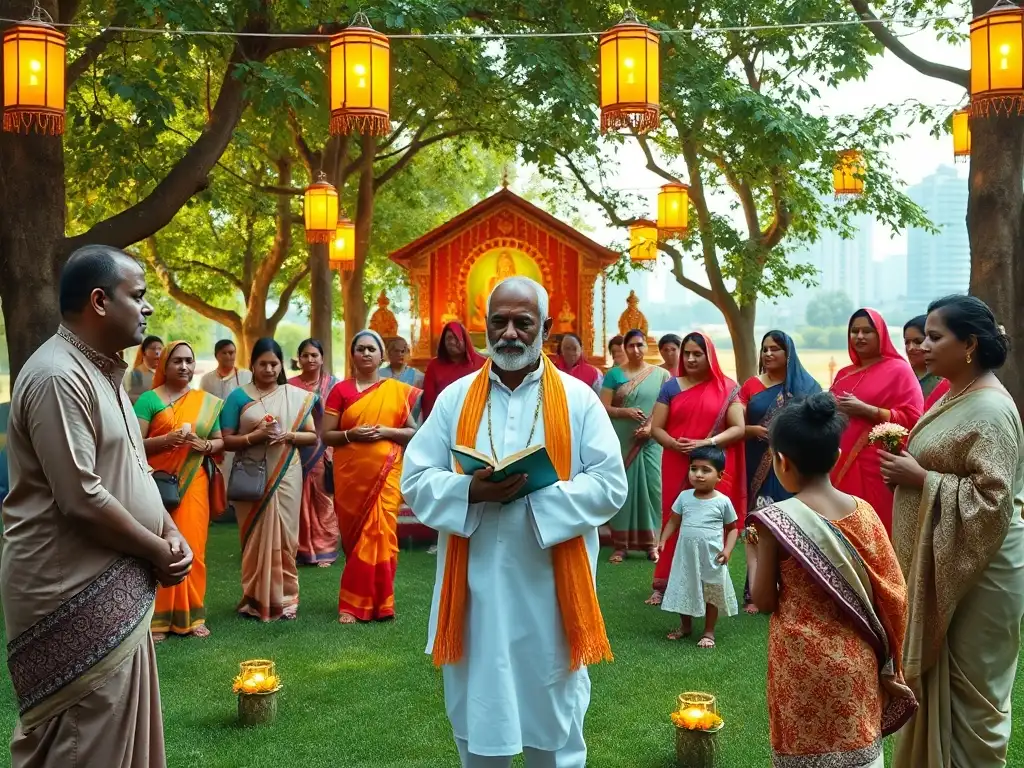
Welcome to Ancient India History, where we embark on a journey through time to uncover the rich tapestry of ancient Indian civilizations. In this exploration, we delve into the fascinating Jain traditions in global culture, revealing how these ancient practices have transcended borders and influenced societies worldwide. Prepare to be captivated as we unveil the timeless teachings and contributions of the Jain community, which continue to shape cultural narratives today. Join us as we unlock the secrets of this enduring heritage and discover the profound impact of Jainism on the global stage.
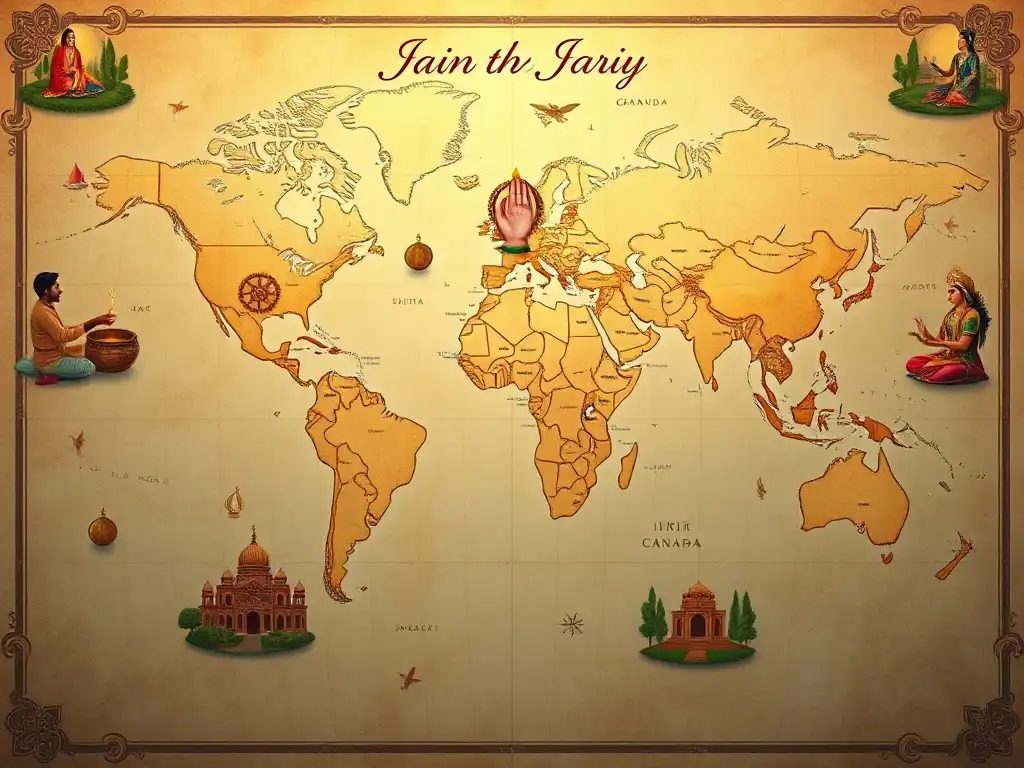
Introduction to Jain Traditions in Global Culture
Jainism, an ancient Indian religion with roots deeply embedded in the culture and philosophy of the subcontinent, has significantly influenced global culture through its profound teachings and practices. With a rich tapestry of beliefs centered around non-violence (ahimsa), truth (satya), and asceticism, Jain traditions have transcended geographical boundaries, establishing a vibrant global community committed to preserving these ancient values. The exploration of Jain traditions in global culture is not just about their historical significance but also about their contemporary relevance in promoting peace, sustainability, and ethical living in a rapidly changing world.
Overview of Jainism and Its Global Influence
Jainism emerged around the 6th century BCE, primarily in the Indian subcontinent, with its foundational principles emphasizing respect for all living beings. The global influence of Jainism can be seen in various aspects:
- Cultural Practices: Festivals like Paryushana and Mahavir Jayanti are celebrated worldwide, showcasing the community's vibrant traditions.
- Philosophical Contributions: Jain teachings on non-violence and truth have found resonance in global ethical discourses, influencing leaders like Mahatma Gandhi.
- Community Engagement: The Jain diaspora has established numerous organizations that promote education, environmental sustainability, and humanitarian efforts globally.
Significance of Preserving Ancient Jain Traditions
Preserving Jain traditions is crucial for several reasons:
- Cultural Identity: For the Jain community, these traditions serve as a connection to their historical roots and cultural identity.
- Ethical Framework: Jain principles contribute to discussions on environmental ethics, animal rights, and sustainable living, which are increasingly relevant today.
- Interfaith Dialogue: The preservation of Jain traditions fosters interfaith understanding and dialogue, promoting peace and coexistence in diverse societies.
Historical Context of Jain Traditions
Origins of Jainism in Ancient India
The origins of Jainism trace back to the teachings of Lord Mahavira in the 6th century BCE, although its philosophical underpinnings are often linked to the teachings of earlier Tirthankaras. The early Jain community developed in the socio-political milieu of ancient India, advocating for a life of renunciation and spiritual progress through non-violence and self-discipline.
Key Historical Figures in Jainism
Throughout its history, Jainism has been shaped by several pivotal figures:
- Mahavira: The 24th Tirthankara, who is often credited with formalizing Jain doctrines and practices.
- Parshva: The 23rd Tirthankara, known for promoting non-violence and meditation.
- Rishabhanatha: The first Tirthankara, who laid the foundation for Jain teachings and community structures.
Major Historical Milestones in Jain Traditions
Jainism has witnessed several significant milestones that have contributed to its evolution:
- Formation of the Jain Sangha: Establishing a monastic community that played a crucial role in the dissemination of Jain teachings.
- Development of Sacred Texts: The compilation of texts such as the Agamas and the Siddhanta, which codified Jain philosophy and ethics.
- Global Diaspora: The migration of Jains to various parts of the world, especially during the colonial period, leading to the establishment of vibrant Jain communities in countries like the United States, the United Kingdom, and Canada.
The ongoing commitment of the global Jain community to preserve these ancient traditions ensures that the rich heritage of Jainism continues to thrive and inspire future generations.
Jain Traditions and Their Global Spread
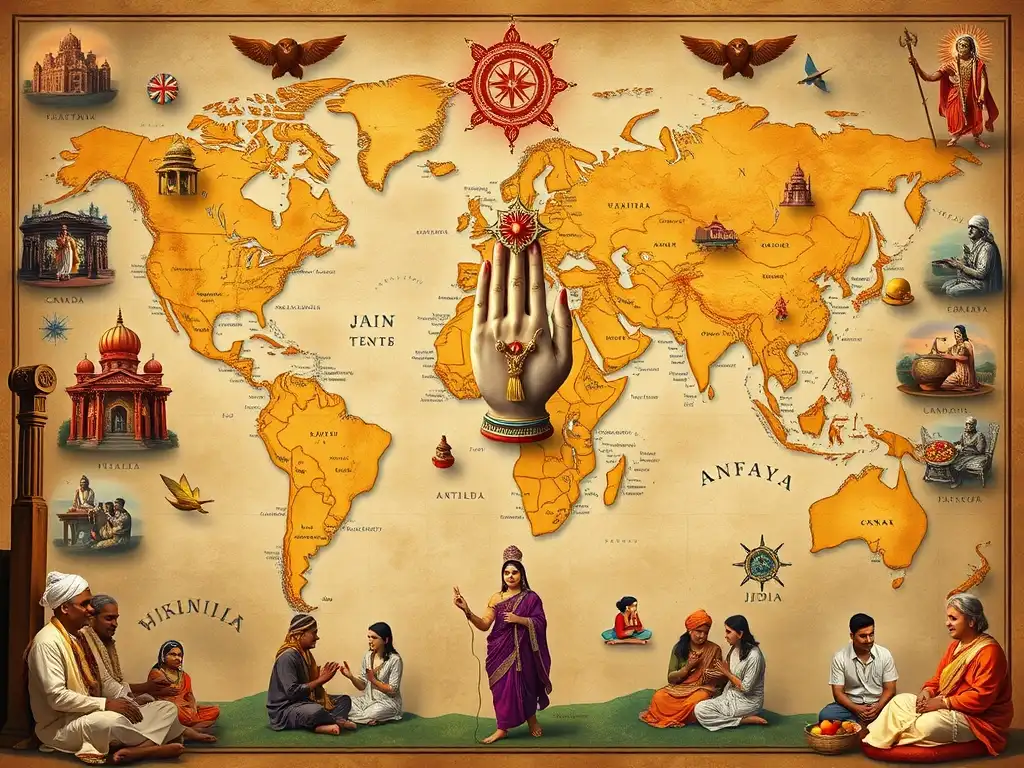
Jain traditions have transcended geographical boundaries and have found a place in various cultures around the world. As one of the oldest religions originating from India, Jainism promotes principles such as non-violence, truth, and asceticism. The global spread of Jain traditions can be attributed to various historical migrations and the establishment of Jain communities in different countries. This global presence not only highlights the resilience of Jain culture but also showcases its ability to adapt and influence other cultures while maintaining its core values.
Migration and Diaspora of Jain Communities
The migration of Jain communities can be traced back to several key periods in history. Initially, during the time of the Mauryan Empire, Jains began to spread beyond their homeland. However, significant waves of migration occurred during the British colonial period, when many Jains moved to various parts of the world, including Africa, Europe, and North America, often seeking economic opportunities.
Today, the Jain diaspora is a vibrant community that continues to flourish. Major Jain populations can be found in countries such as the United States, Canada, the United Kingdom, Australia, and Kenya. These communities have established temples, cultural organizations, and educational institutions, which serve to preserve and promote Jain traditions while also integrating into the local culture.
Jain Traditions in Different Countries
Jain traditions manifest uniquely in different countries owing to local influences and cultural contexts.
- United States: The Jain community has established numerous temples that serve as cultural hubs, hosting festivals such as Paryushana and Mahavir Jayanti, which are celebrated with great fervor. Educational initiatives also aim to introduce Jain philosophy and ethics to a broader audience.
- Canada: In Canada, especially in Toronto and Vancouver, Jains actively participate in interfaith dialogues, promoting the principles of non-violence and respect for all life. They also engage in charitable activities, showcasing the Jain commitment to social responsibility.
- United Kingdom: The Jain community in the UK has made significant contributions to the cultural landscape, with vibrant celebrations of Jain festivals and the establishment of institutions that promote Jain philosophy. The community also engages in environmental initiatives, reflecting the Jain commitment to ecological sustainability.
- Kenya: In Kenya, Jains have integrated aspects of local culture while maintaining their religious practices. Festivals are often celebrated with a unique blend of traditional Jain rituals and local customs, highlighting the adaptability of Jain traditions.
Cultural Adaptations of Jain Practices Worldwide
As Jain communities have settled in diverse cultural contexts, they have adapted their practices while retaining their core principles. This cultural adaptation is evident in several aspects:
- Festivals: While traditional festivals such as Diwali and Paryushana remain central to Jain practice, they are often infused with local customs and celebrations. For instance, in the United States, Jains may include American cultural elements in their festivities.
- Cuisine: Jain dietary practices, which emphasize vegetarianism and non-violence, have adapted to include local foods and ingredients. In many countries, Jains promote vegan alternatives, aligning with global trends towards plant-based diets.
- Language and Communication: Jains in the diaspora often use local languages to communicate and share their teachings. This linguistic adaptation helps in reaching a broader audience and facilitating interfaith dialogues.
Core Principles of Jain Traditions
The core principles of Jainism serve as a guiding framework for Jains around the world, influencing their daily lives and interactions within various cultural contexts. These principles emphasize ethical living, respect for all forms of life, and the pursuit of spiritual enlightenment.
Ahimsa (Non-violence) as a Universal Value
Ahimsa, or non-violence, is the cornerstone of Jain philosophy and is recognized globally as a fundamental ethical principle. Jains practice ahimsa not only in their interactions with other humans but also in their relationship with all living beings. This commitment to non-violence resonates with many across different cultures and religions, fostering a deeper understanding of compassion and empathy.
The global appeal of ahimsa has influenced various movements, including the teachings of Mahatma Gandhi, who incorporated Jain principles into his philosophy of non-violent resistance. Today, the concept of ahimsa continues to inspire individuals and organizations advocating for peace and social justice worldwide.
Anekantavada (Multiplicity of Views) in Global Context
Anekantavada, the principle of multiplicity of views, is another significant tenet of Jain philosophy that emphasizes understanding and tolerance. This principle asserts that reality is complex and can be perceived from multiple perspectives. In a globalized world, where diverse opinions and beliefs coexist, anekantavada encourages dialogue and understanding among different cultures and communities.
Jains promote the idea that embracing diverse viewpoints can lead to more harmonious coexistence. This principle has found resonance in interfaith dialogues and multicultural initiatives, fostering an environment of respect and acceptance.
Aparigraha (Non-possessiveness) and Its Relevance Today
Aparigraha, or non-possessiveness, advocates for detachment from material possessions and encourages a simple, contented lifestyle. In today's consumer-driven society, the relevance of aparigraha is increasingly recognized as a counterbalance to overconsumption and environmental degradation.
Jains embody this principle through sustainable living practices, advocating for minimalism and mindful consumption. The concept of aparigraha resonates with movements focused on environmental sustainability, social equity, and the promotion of a more balanced approach to life. As global awareness of these issues grows, the teachings of aparigraha offer valuable insights into how individuals can lead more fulfilling lives while contributing positively to society and the planet.
Preservation of Jain Traditions Across Generations
Jain traditions have a rich historical lineage that has been meticulously preserved across generations, ensuring that the principles and practices of Jainism continue to thrive within the global community. Central to this preservation is the transmission of oral teachings, rituals, and values from elders to younger members. Traditional storytelling, often facilitated through family gatherings and community events, serves as a critical vehicle for imparting knowledge about Jain ethical principles, such as ahimsa (non-violence) and aparigraha (non-possessiveness).
Moreover, Jain families actively engage in practices that reinforce their cultural identity. Regular participation in rituals, prayers, and festivals imbues a sense of continuity and belonging. Educational institutions, particularly Jain schools and colleges, play a pivotal role in this preservation by incorporating Jain philosophy into their curricula, thus educating the youth about their heritage in a structured manner.
The preservation efforts are further bolstered by international Jain organizations, which create platforms for cultural exchange and collaboration. These organizations not only facilitate the sharing of knowledge but also provide resources to help community members maintain their traditions in a modern context. As a result, the core teachings of Jainism are not only retained but also adapted to meet the evolving needs of the global Jain community.
Role of Jain Temples and Community Centers
Jain temples and community centers serve as the heart of the Jain community, acting as both spiritual and cultural hubs. These sacred spaces are not merely places of worship; they are venues for community gatherings, educational workshops, and cultural events. Temples often have rich architectural heritage, showcasing intricate carvings and sculptures that tell the story of Jain philosophy and history.
Within these centers, various programs are organized to promote Jain traditions among community members. Classes on Jain philosophy, language, and art are frequently offered, allowing individuals to deepen their understanding of their heritage. Additionally, community centers often host events during significant religious occasions, fostering a sense of unity and collective identity among Jains worldwide.
Jain temples also play a crucial role in charity and social welfare, aligning with the core Jain principle of ahimsa. They serve as platforms for outreach programs that encourage community service, helping to instill values of compassion and community support in younger generations. By creating a nurturing environment for cultural and spiritual development, Jain temples and community centers significantly contribute to the preservation of Jain traditions.
Educational Initiatives for Jain Heritage
Educational initiatives focused on Jain heritage are instrumental in ensuring that future generations remain connected to their cultural roots. Numerous organizations and institutions have developed curricula that emphasize the teachings of Jainism, providing students with a comprehensive understanding of their history, philosophy, and ethics.
Workshops, seminars, and conferences dedicated to Jain studies are regularly organized, attracting scholars, practitioners, and enthusiasts alike. These events foster dialogue and knowledge sharing, reinforcing the importance of Jain traditions in contemporary society. Additionally, many universities now offer programs in religious studies that include Jainism, thus providing an academic platform for exploring its rich traditions.
Moreover, digital resources and online courses have emerged as valuable tools for educating a global audience about Jain heritage. With the advent of technology, virtual platforms allow individuals from diverse backgrounds to access teachings and engage with Jain culture, breaking geographical barriers. This innovative approach not only aids in preserving Jain traditions but also promotes a broader understanding of its contributions to global culture.
Influence of Technology on Jain Cultural Preservation
The impact of technology on the preservation of Jain culture is profound and multifaceted. Digital platforms, including social media, websites, and mobile applications, have transformed the way Jain traditions are disseminated and celebrated. These tools facilitate the sharing of religious texts, teachings, and cultural practices, making them accessible to a global audience.
Virtual events and webinars have become increasingly popular, especially in the wake of global disruptions like the COVID-19 pandemic. Through these online gatherings, Jain communities can connect, share experiences, and celebrate festivals together, regardless of physical location. This technological adaptation has fostered a sense of global unity among Jains, reinforcing their cultural identity while embracing modernity.
Moreover, the use of multimedia in educational initiatives has enriched the learning experience for younger generations. Interactive content, such as videos and podcasts, engages learners more effectively, making the teachings of Jainism relevant and relatable. As technology continues to evolve, it presents new opportunities for the Jain community to innovate in its preservation efforts, ensuring that ancient traditions remain vibrant in a rapidly changing world.
Celebrations and Festivals of Jain Traditions Worldwide
Celebrations and festivals hold a special place in Jain culture, serving as vital expressions of faith and community. These events are not only religious observances but also opportunities for social bonding and cultural reaffirmation. Festivals such as Paryushana, Mahavir Jayanti, and Diwali are celebrated with great enthusiasm, showcasing the rich tapestry of Jain traditions worldwide.
Each festival encapsulates unique rituals and customs that reflect the core values of Jainism, such as non-violence, forgiveness, and self-discipline. Through these celebrations, Jains reaffirm their commitment to ethical living and communal harmony, making them essential to the ongoing vitality of their cultural heritage.
Major Jain Festivals and Their Cultural Significance
The significance of major Jain festivals extends beyond mere observance; they embody the teachings and values of Jainism. Paryushana, for instance, is a time for reflection and spiritual growth, where adherents engage in fasting, prayer, and self-examination. Similarly, Mahavir Jayanti, celebrating the birth of Lord Mahavira, emphasizes the principles of ahimsa and truth, fostering a sense of devotion and reverence.
Each festival is steeped in rituals that vary by region but universally highlight key Jain tenets. These celebrations often include communal meals, prayers, and cultural performances, reinforcing social ties and a shared sense of identity. The joy and vibrancy of these festivals create an atmosphere where community members can come together, renewing their commitment to their heritage and beliefs.
Global Participation in Jain Celebrations
As the global Jain community continues to expand, participation in Jain celebrations transcends geographical boundaries. Jains living in diverse countries, from the United States to Canada, Australia, and the United Kingdom, actively engage in their cultural festivities, reflecting the universal appeal of Jain values.
Local Jain organizations often organize events that mirror traditional celebrations, adapting them to the context of their new environments. This not only preserves the essence of the festivals but also fosters intercultural exchange, allowing Jains to share their rich heritage with non-Jain communities. The participation of Jains in global celebrations showcases the adaptability of their traditions in contemporary society while reinforcing their connection to their roots.
Unique Regional Variations of Jain Festivals
While Jain festivals share common themes, regional variations add a unique flavor to their observance. For example, the celebration of Diwali is marked by different customs across communities; in some regions, it also commemorates the liberation of Lord Mahavira's soul. In contrast, Paryushana may be observed with varying lengths of fasting and rituals, depending on community traditions.
These regional adaptations reflect the diverse cultural landscapes in which Jains reside, blending local customs with traditional Jain practices. Such variations enhance the richness of Jain celebrations, allowing them to resonate with a wider audience while maintaining their core philosophical tenets. This dynamic interplay between tradition and regional influence exemplifies the vitality and resilience of Jain culture in a globalized world.
Challenges Facing the Global Jain Community
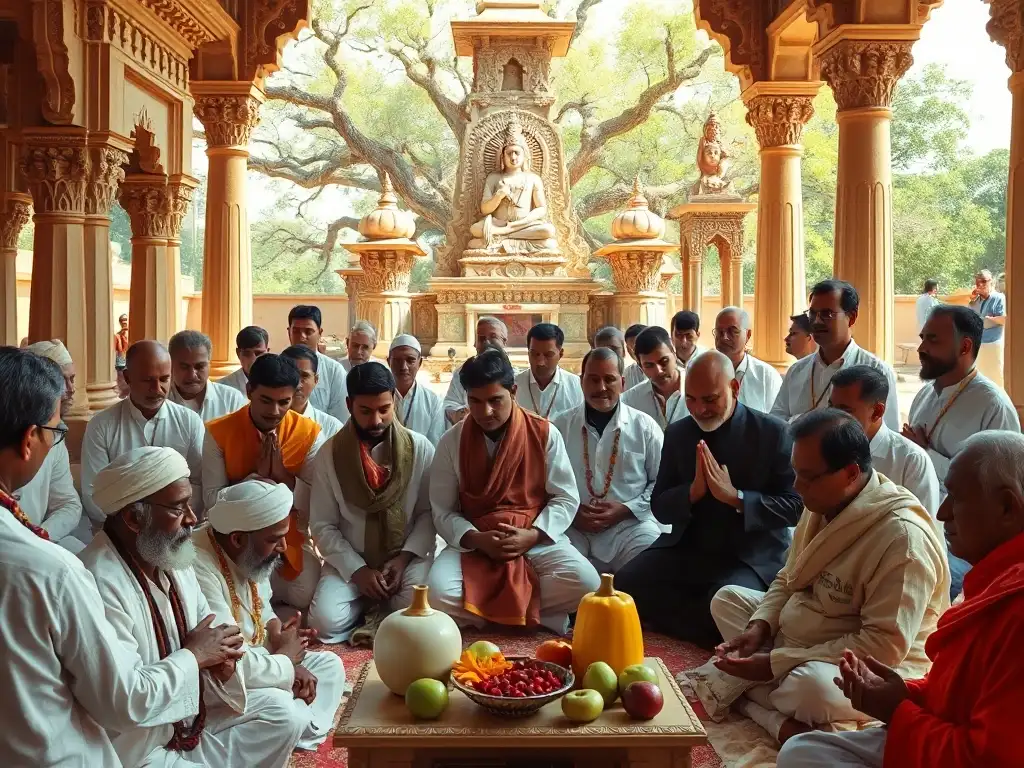
The global Jain community faces a variety of challenges that threaten the preservation and practice of its ancient traditions. As Jains spread across the world, particularly into Western countries, they encounter a landscape that often prioritizes modernization and urbanization. This shift brings both opportunities and obstacles, particularly in maintaining the distinct cultural and religious identity that has characterized Jainism for centuries. Among the most pressing challenges are the impacts of modernization, the preservation of language and literature, and the need to address misconceptions about Jain practices.
Modernization and Its Impact on Jain Traditions
Modernization has profoundly affected the way Jain traditions are practiced and perceived. As communities become more integrated into the globalized world, traditional practices may be overshadowed by contemporary lifestyles and values. This phenomenon can lead to a dilution of rituals, festivals, and customs that define Jain identity.
For instance, the communal gatherings that are central to Jain festivals might become less frequent as individuals prioritize work or social activities that align more closely with modern societal norms. Young Jains, in particular, may feel the pull of modern values and may not fully engage with the traditions of their ancestors, risking a generational gap in cultural transmission.
Moreover, the increasing use of technology can both help and hinder the preservation of Jain practices. While social media and online platforms can facilitate the spread of Jain teachings and community events, they might also create distractions that divert attention from traditional practices.
Preservation of Language and Literature in Jainism
Language plays a crucial role in the transmission of Jain philosophy and literature. Many texts central to Jain beliefs, including the Agamas and various commentaries, are written in Prakrit and Sanskrit. However, as younger generations gravitate towards dominant global languages like English, the proficiency in these ancient languages is declining.
This decline poses significant risks for the preservation of Jain literature, as many texts may not be translated or understood by the current and future generations. Additionally, the lack of resources and educational programs dedicated to these languages can lead to the further erosion of Jain literary heritage.
Efforts are being made within the global Jain community to revive interest in these languages, including the establishment of classes and workshops focused on Jain texts. However, more extensive initiatives are needed to ensure that this rich literary tradition is not lost.
Addressing Misconceptions about Jain Practices
Misconceptions about Jainism often arise from a lack of understanding of its tenets, practices, and values. Many people outside the Jain community may perceive Jainism solely through the lens of its dietary restrictions, particularly the emphasis on vegetarianism and non-violence. While these aspects are indeed essential, they do not represent the entirety of Jain philosophy.
To combat these misconceptions, it is essential for the global Jain community to engage in educational outreach, illustrating the broader principles of Jainism, such as ahimsa (non-violence), anekantavada (non-absolutism), and aparigraha (non-possessiveness).
Community leaders and members can participate in interfaith dialogues, cultural exchanges, and public discussions to present a more holistic view of Jain traditions, fostering understanding and appreciation among diverse audiences.
Conclusion: The Future of Jain Traditions in Global Culture
The future of Jain traditions in global culture hinges on the ability of the community to navigate the challenges posed by modernization, language preservation, and misconceptions. By actively engaging with these issues, the global Jain community can ensure that its rich heritage remains vibrant and relevant in a rapidly changing world.
Importance of Interfaith Dialogue and Cultural Exchange
Interfaith dialogue and cultural exchange are vital for the preservation of Jain traditions in a globalized context. Engaging with other religious communities fosters mutual respect and understanding, encouraging the sharing of ideas and practices that can enrich the Jain experience.
Such dialogue not only helps dispel misconceptions but also highlights the shared values among various faiths, such as compassion, respect for life, and the pursuit of truth. By participating in interfaith initiatives, Jains can advocate for their beliefs while demonstrating their commitment to a peaceful and harmonious coexistence with others.
Call to Action for the Global Jain Community
The global Jain community is encouraged to take proactive steps in preserving its traditions while adapting to the dynamics of modern society. This can include:
- Establishing educational programs focused on Jain philosophy and languages.
- Promoting cultural events that celebrate Jain festivals and rituals.
- Encouraging interfaith collaborations to enhance understanding and respect for Jain principles.
By fostering a strong sense of identity and community engagement, Jains around the world can continue to uphold their ancient traditions while contributing positively to the global culture. Embracing both heritage and innovation will ensure that Jainism remains a thriving part of the world's spiritual tapestry.
References and Further Reading on Jain Traditions
The study of Jain traditions and their influence on global culture is a fascinating area that encompasses a wide range of topics, including philosophy, ethics, art, and community practices. Here are some essential resources to deepen your understanding of Jainism and its global presence.
Suggested Books and Articles on Jainism
-
"The Jains" by Paul Dundas
This comprehensive book offers an insightful overview of Jain beliefs, practices, and history. Dundas discusses the core tenets of Jainism and its evolution through the ages, providing a clear perspective on its role within Indian religions and its influence on global culture.
-
"Jainism: A Guide for the Perplexed" by Sherry Fohr
Fohr’s accessible text serves as an introduction to Jainism for newcomers. It delves into the fundamental teachings, rituals, and community life of Jains, making it an excellent resource for understanding how these traditions are preserved and practiced in various parts of the world.
-
"Jain Philosophy: A Comparative Study" by Dr. Nirmal Kumar
This scholarly work compares Jain philosophy with other major Indian philosophies, highlighting its unique contributions. It examines the ethical implications of Jain teachings and their relevance in contemporary society.
-
"Living Jainism: An Ethical Science" by Dr. John Cort
Cort explores how Jain traditions inform ethical living and environmental sustainability. His work discusses the modern-day applications of Jain principles, emphasizing their importance in a global context.
Online Resources for Learning About Jain Culture
-
Jainpedia
An extensive online resource that offers a wealth of information on Jain texts, art, history, and contemporary practices. Jainpedia is an invaluable tool for researchers and anyone interested in the cultural aspects of Jainism.
-
The Institute of Jainology
This organization provides various educational resources, including articles, lectures, and events aimed at promoting Jain culture and traditions. Their website features a variety of materials that cater to different levels of interest.
-
Jain World
A comprehensive online platform that covers a range of topics related to Jainism, from historical texts to current events in the Jain community. It includes multimedia resources, making it suitable for learners of all ages.
-
YouTube Channels and Documentaries
Channels dedicated to Jainism often feature documentaries, lectures, and discussions with scholars and practitioners, providing visual and engaging content to explore Jain traditions. Notable channels include "Jainism Explained" and "Jain Heritage," which offer a variety of perspectives on Jain culture.
These resources collectively contribute to a greater understanding of Jain traditions and their significance in global culture, fostering appreciation for the rich heritage of the Jain community around the world.
- Introduction to Jain Traditions in Global Culture
- Overview of Jainism and Its Global Influence
- Significance of Preserving Ancient Jain Traditions
- Historical Context of Jain Traditions
- Jain Traditions and Their Global Spread
- Core Principles of Jain Traditions
- Preservation of Jain Traditions Across Generations
- Celebrations and Festivals of Jain Traditions Worldwide
- Challenges Facing the Global Jain Community
- Conclusion: The Future of Jain Traditions in Global Culture
- References and Further Reading on Jain Traditions
Frequently Asked Questions
What are Jain traditions and their significance?
Jain traditions encompass a rich set of beliefs and practices centered around non-violence, truth, and asceticism. They emphasize spiritual development and the importance of living in harmony with all living beings.
How has the global Jain community influenced culture?
The global Jain community has significantly influenced various cultures through their principles of ahimsa (non-violence) and sustainable living. This has led to greater awareness of environmental issues and ethical consumption practices.
What are some key Jain festivals celebrated around the world?
Major Jain festivals include Paryushana, which focuses on forgiveness and self-reflection, and Mahavir Jayanti, celebrating the birth of Lord Mahavir. These festivals are celebrated with great enthusiasm in various countries.
How do Jain traditions contribute to global culture?
Jain traditions contribute to global culture by promoting peace, tolerance, and environmental stewardship. Their teachings encourage individuals to adopt more compassionate lifestyles, impacting societies worldwide.
In what ways are ancient Jain texts preserved today?
Ancient Jain texts are preserved through meticulous manuscript copying, digital archiving, and the efforts of Jain scholars. These texts provide insights into Jain philosophy, ethics, and history, ensuring their relevance in contemporary society.
Final Reflection: Preserving Jain Traditions in a Globalized World
In an era where cultures often blend and traditions risk fading into obscurity, the Jain community stands as a beacon of resilience and commitment to preserving their ancient traditions. The exploration of Jain traditions in global culture reveals not only the richness of these practices but also their relevance in today's interconnected society. As we navigate through modernity, the values of non-violence, compassion, and respect for all living beings that Jainism embodies resonate more than ever, reminding us of the importance of maintaining our cultural heritage amidst rapid change.
The influence of Jain traditions extends far beyond the confines of their community, shaping the cultural and social landscape in profound ways. The principles of Jainism have inspired countless individuals and movements advocating for peace and sustainability. As we witness a growing global consciousness around ethical living and environmental stewardship, the teachings of Jainism offer a guiding light. The greatness of a nation and its moral progress can be judged by the way its animals are treated.
– Mahatma Gandhi. This quote encapsulates the essence of Jain philosophy, emphasizing the interconnectedness of all life and the moral imperative to protect it.
As we reflect on the significance of Jain traditions, I invite you to consider how these ancient teachings can be woven into your own life. Embrace the opportunity to learn from the Jain community and apply their values of compassion and non-violence in your daily interactions. Whether through mindful consumption, fostering empathy towards others, or advocating for environmental sustainability, each of us can contribute to a more harmonious world. Let us honor the legacy of the Jain community by actively engaging with their traditions and ensuring that their wisdom continues to thrive in our global culture.
Join the Movement to Preserve Jain Traditions!
Thank you for exploring the rich heritage of the Jain community! Your interest is vital in helping us keep these ancient traditions alive. Now, let’s take action together to honor and promote this incredible culture.
- Engage with your local Jain community: Attend events or volunteer—your participation can truly make a difference!
- Share this article with friends and family to spread awareness about the beautiful practices and philosophies of Jainism.
- Consider trying a traditional Jain recipe at home; it’s a delicious way to connect with the culture!
What aspect of Jain traditions do you find most inspiring, and how might you incorporate it into your daily life?