
The Symbolism of the Jain Flag: A Deep Dive into Its Meaning


Welcome to Ancient India History, where we embark on an enthralling journey through the vibrant tapestry of India's past! Here, we delve into the remarkable civilizations that shaped the subcontinent—from the enigmatic Indus Valley to the illustrious Gupta Empire. In our featured article, "The Symbolism of the Jain Flag: A Deep Dive into Its Meaning," we uncover the profound layers of meaning behind this emblem of Jainism, revealing insights that connect spirituality and culture in ancient India.
Prepare to be captivated as we explore the intricate symbolism and significance that this flag holds, inviting you to discover more about the rich heritage of ancient Indian religions. Your adventure starts now!
- Introduction to Jain Flag Symbolism and Meaning
- Historical Context of the Jain Flag
- Components of the Jain Flag: A Symbolic Breakdown
- Jain Flag Symbolism and Meaning Explained
- The Jain Flag in Contemporary Practices
- Conclusion: The Enduring Legacy of the Jain Flag
- Additional Resources on Jain Flag Symbolism and Meaning
- Frequently Asked Questions
- Final Reflection: The Profound Significance of Jain Flag Symbolism
- Unveil the Significance of the Jain Flag Today!
Introduction to Jain Flag Symbolism and Meaning
The Jain flag, a vibrant and meaningful representation of Jainism, serves as a profound symbol of the principles and beliefs held by this ancient Indian religion. Understanding the symbolism and meaning of the Jain flag not only sheds light on the visual aspects of Jain culture but also helps to grasp the underlying philosophies that have shaped Jainism over the centuries. This exploration will delve into the intricate details of the flag's design, colors, and the rich history that surrounds it, illuminating the significance of its elements in the context of Jain values and teachings.
As we embark on this journey, we will uncover how the Jain flag stands as a beacon of peace, non-violence, and spiritual enlightenment, reflecting the core tenets of Jain philosophy. By examining the cultural and historical relevance of this emblem, readers will gain a deeper appreciation for the profound legacy of Jainism and its contributions to ancient Indian civilization.
Overview of Jainism and Its Cultural Significance
Jainism, one of the oldest religions in the world, has its roots in ancient India, dating back to at least the 6th century BCE. It is characterized by its emphasis on ahimsa (non-violence), truth, and asceticism. Jains believe in the existence of an eternal soul and follow a path of spiritual development that aims to free the soul from the cycle of birth and rebirth (samsara).
The religion has produced a rich tapestry of cultural contributions, including:
- Philosophy: Jains have developed a unique worldview that emphasizes the interconnectedness of all living beings.
- Art and Architecture: Jain temples are renowned for their intricate carvings and elaborate designs, reflecting the devotion and artistic prowess of Jain artisans.
- Literature: Jain texts include significant philosophical works, historical accounts, and poetic compositions that highlight ethical living.
Jainism's cultural significance extends beyond its religious practices; it has influenced various aspects of Indian society, including social norms, vegetarianism, and ecological awareness.
Importance of Symbols in Jain Culture
Symbols play a crucial role in Jain culture, serving as visual representations of complex philosophical ideas and teachings. The Jain flag is one of the most prominent symbols, encompassing various elements that convey deep meanings:
- Colors: Each color of the Jain flag—yellow, white, and blue—represents different aspects of Jain philosophy:
- Yellow symbolizes peace and spiritual purity.
- White represents truth and the pursuit of knowledge.
- Blue signifies the infinite and the vastness of the universe.
- Design Elements: The flag features the swastika, a symbol of auspiciousness and good fortune, alongside the Jain mantra "Ahimsa Paramo Dharma," emphasizing the paramount importance of non-violence.
The Jain flag serves not only as a representation of the faith but also as a reminder of the core values that guide the lives of Jains. Its symbolism fosters a sense of unity and identity among practitioners, reinforcing their commitment to the principles of Jainism. Understanding the flag's symbolism is essential for appreciating the depth and richness of Jain culture and its enduring legacy within ancient Indian history.
Historical Context of the Jain Flag

The Jain flag, a significant emblem of the Jain community, encapsulates the rich history and philosophy of Jainism. Understanding the historical context of the Jain flag involves exploring its origins and its evolution through various phases of Jain history.
Origins of the Jain Flag
The origins of the Jain flag can be traced back to the early teachings of Jainism, which emphasize non-violence, truth, and asceticism. The flag itself serves as a representation of these core principles encapsulated in Jain philosophy. Traditionally, the Jain flag comprises five colors: yellow, white, blue, orange, and green, each symbolizing different facets of Jain beliefs.
- Yellow represents the path of knowledge and enlightenment.
- White symbolizes purity and non-violence.
- Blue stands for the spiritual world and the liberation of the soul.
- Orange signifies sacrifice and asceticism.
- Green reflects the importance of nature and environmental harmony.
The flag is often adorned with the swastika, a symbol of auspiciousness, and the Jain emblem, which features the hand with the word "Ahimsa" inscribed, denoting the principle of non-violence.
Evolution of the Jain Flag in Jain History
The Jain flag has undergone various transformations throughout Jain history, reflecting the community's evolving identity and social status. Initially, the flag was used in religious ceremonies and gatherings, symbolizing unity among Jains. Over time, it became a broader symbol of the Jain community's collective ethos and resilience.
- Medieval Period: During the medieval period, the Jain flag gained prominence as Jain merchants and rulers sought to establish their identity amidst the diverse Indian landscape. The flag often appeared in the courts of Jain kings, serving as a reminder of their commitment to Jain values and principles.
- Colonial Era: The colonial era ushered in significant changes for the Jain community. The flag became a focal point for unity and resistance against colonial rule. Jains rallied around the flag during social and political movements, using it as a symbol of their cultural pride and religious identity.
- Modern Times: In contemporary times, the Jain flag continues to hold immense significance. It is prominently displayed during religious festivals, processions, and community events. The use of the flag has expanded beyond religious ceremonies to represent the Jain community's commitment to environmental sustainability, social justice, and peace.
The Jain flag symbolism and meaning have evolved significantly over the centuries, reflecting the rich tapestry of Jain history and the enduring values of the Jain community. Its colors and symbols serve as a reminder of the foundational principles of Jainism and the ongoing journey towards spiritual enlightenment and harmony.
Components of the Jain Flag: A Symbolic Breakdown

The Jain flag is a profound representation of Jain philosophy and beliefs, encapsulating various elements that convey intricate meanings. Each component of the flag plays a vital role in symbolizing the key tenets of Jainism, reflecting the religion's core values of non-violence, truth, and spiritual purity. Let's explore the main elements that constitute the Jain flag, delving into their significance and the messages they convey.
Color Significance in the Jain Flag
The Jain flag is characterized by its distinct colors, each carrying a specific meaning that resonates with Jain teachings.
- White: The white color, occupying the central part of the flag, is a symbol of purity and peace. It represents the ultimate goal of Jainism—achieving liberation (moksha) from the cycle of birth and rebirth, which is the essence of a pure soul free from karmic bonds.
- Yellow: The top band of the flag is yellow, signifying knowledge and enlightenment. This color encourages followers to pursue wisdom and understanding in their spiritual journey, aligning with the Jain commitment to learning and self-discovery.
- Blue: The blue band at the bottom of the flag represents the eternal and infinite nature of the universe. It serves as a reminder of the vastness of existence and the interconnectedness of all living beings, which is a fundamental aspect of Jain philosophy.
- Black: The black color, found on the left side of the flag, symbolizes the dark nature of ignorance. It encourages practitioners to overcome ignorance through right knowledge and right faith, striving for a deeper understanding of the self and the world.
- Red: The right side features a red band, which symbolizes the active pursuit of truth and non-violence (ahimsa). It embodies the Jain commitment to ethical living and the importance of compassion towards all living beings.
Together, these colors form a cohesive narrative that communicates the essence of Jainism—purity, knowledge, interconnectedness, overcoming ignorance, and the active pursuit of truth.
The Emblem: The Hand with a Wheel
At the center of the Jain flag lies the emblematic representation of a hand, often depicted with a wheel (chakra) in its palm. This symbol holds significant meaning in Jainism.
- The Hand: The hand symbolizes the principle of ahimsa (non-violence). It serves as a reminder for Jains to practice non-violence in thought, word, and deed, emphasizing the importance of compassion and respect for all forms of life.
- The Wheel: The wheel represents the eternal cycle of life, symbolizing the continuous process of birth, death, and rebirth (samsara). It also reflects the teachings of Jainism on the importance of following the right path (marga) to attain liberation.
This emblem conveys a strong message of non-violence and the importance of ethical living, urging practitioners to engage in actions that promote harmony and peace in the world.
The Role of the Swastika in Jain Symbolism
The swastika is an integral element of the Jain flag, often used to symbolize auspiciousness and spiritual progress.
- Symbol of Good Fortune: In Jainism, the swastika is a sign of good luck and prosperity. It represents the four possible states of existence that a soul can attain: heavenly beings, human beings, hellish beings, and plant and animal life. This reflects the Jain belief in the cyclic nature of life and the potential for spiritual advancement.
- Path to Liberation: The four arms of the swastika symbolize the four-fold path of spiritual development in Jainism: right faith, right knowledge, right conduct, and right meditation. These principles guide practitioners toward achieving liberation from the cycle of samsara.
- Connection to the Universe: The swastika is also seen as a representation of the universe, with its arms extending outward, symbolizing the expansion of consciousness and the interconnectedness of all beings.
Incorporating the swastika into the Jain flag reinforces the significance of auspiciousness and the continuous journey toward spiritual enlightenment, making it a powerful emblem of Jain beliefs and values.
Jain Flag Symbolism and Meaning Explained

Spiritual Significance of the Jain Flag
The Jain flag, a vibrant tapestry of colors and symbols, serves as a profound representation of Jain beliefs and principles. Each element of the flag carries deep spiritual significance, reflecting the core tenets of Jainism. The flag is typically composed of five horizontal stripes, which are colored saffron, white, green, yellow, and blue, in that order from top to bottom.
- Saffron: This color symbolizes renunciation, purity, and the quest for truth. It represents the path of Jain ascetics who renounce worldly pleasures to attain spiritual liberation.
- White: Standing for peace and purity, the white stripe emphasizes the importance of a peaceful existence and the pursuit of a tranquil mind free from impurities.
- Green: Representing harmony and growth, the green stripe signifies the importance of nature and the interconnectedness of all living beings.
- Yellow: Associated with knowledge and joy, the yellow stripe denotes the pursuit of wisdom and enlightenment, essential for spiritual growth within Jainism.
- Blue: This color symbolizes the infinite nature of the universe and the essence of the soul’s journey towards liberation.
In addition to the colors, the emblem of the flag often features the Jain symbol, which includes a hand with a wheel (the Dharma Chakra) in the center. This represents the principle of Ahimsa (non-violence) and the continuous cycle of birth and rebirth, emphasizing the importance of ethical conduct in one’s spiritual journey.
Representation of Non-Violence and Peace
At the heart of Jainism lies the principle of Ahimsa, or non-violence, which is intricately woven into the symbolism of the Jain flag. The colors and symbols of the flag serve to remind followers of their commitment to non-violence in thoughts, words, and actions.
- The Dharma Chakra embodies the ethical code that Jains strive to live by, promoting compassion and respect for all living beings. It is a powerful reminder that each action has consequences and that violence, in any form, disrupts the cycle of karma.
- The flag itself is often displayed during significant religious occasions and festivals, serving as a visual representation of peace and harmony. It acts as a unifying symbol for Jains around the world, promoting a collective commitment to non-violence.
Furthermore, the colors of the flag reflect the peaceful coexistence of diverse communities, illustrating that Jainism advocates for harmony not only among individuals but also among all forms of life. This emphasis on peace is critical in a world often marred by conflict and strife.
Connection to Jain Principles: Ahimsa and Satya
The principles of Ahimsa (non-violence) and Satya (truth) are foundational to Jain philosophy and are vividly illustrated in the symbolism of the Jain flag.
- Ahimsa:
- The presence of the hand symbol in the flag underscores the commitment to non-violence. It serves as a call to action for Jains to practice compassion towards all sentient beings.
- This principle encourages followers to adopt a lifestyle that minimizes harm, promoting vegetarianism and ethical living.
- Satya:
- Truthfulness is another core value that the Jain flag represents. The white stripe embodies purity and honesty, which are essential virtues in the pursuit of righteousness.
- Jains believe that to achieve spiritual liberation, one must live in accordance with the truth, which involves both speaking and acting in ways that reflect honesty and integrity.
The interplay between Ahimsa and Satya in the context of the Jain flag symbolizes a holistic approach to spirituality, where ethical conduct is paramount. This dual emphasis on non-violence and truth creates a framework for Jains to navigate their lives thoughtfully and purposefully, striving for both inner peace and social harmony.
The Jain flag serves as a powerful emblem of the core values of Jainism, encapsulating the principles of non-violence and truth in its rich symbolism. Through its colors and design, it continues to inspire millions to embody these ideals in their daily lives, fostering a deeper understanding of Jain philosophy and its relevance in the contemporary world.
The Jain Flag in Contemporary Practices

Use of the Jain Flag in Religious Ceremonies
The Jain flag plays a significant role in various religious ceremonies among followers of Jainism. This flag, characterized by its unique design and colors, serves as a visual representation of key Jain principles. The flag consists of five horizontal stripes, alternating in the colors of white, red, yellow, black, and green, each carrying symbolic meaning.
- Ritual Significance: During important religious ceremonies such as Paryushana and Mahavir Jayanti, the Jain flag is prominently displayed. This not only signifies the occasion but also fosters a collective sense of identity among the community. The flag is often carried in processions, adorned with flowers, and is a focal point during prayers.
- Symbol of Unity: The Jain flag is a powerful symbol of unity and non-violence, principles that are central to Jain beliefs. When displayed during ceremonies, it acts as a reminder of the collective commitment to these values. Followers often chant prayers and hymns while the flag is present, reinforcing the spiritual atmosphere of the gathering.
- Educational Tool: In some instances, the flag is used to educate younger generations about Jain values and heritage. By explaining the colors and their meanings, elders instill a sense of pride and responsibility towards preserving their cultural identity.
The Jain Flag as a Cultural Identity Marker
The Jain flag transcends mere decoration; it is a profound marker of cultural identity for Jains around the world. Its symbolism resonates deeply with the community, making it an integral part of their cultural expression.
-
Representation of Jain Values: Each color on the flag signifies important Jain principles:
- White symbolizes purity and peace.
- Red represents the emotional nature of humans.
- Yellow stands for the pursuit of knowledge.
- Black signifies the darkness of ignorance.
- Green symbolizes prosperity and harmony.
This color symbolism encapsulates the core tenets of Jainism, making the flag a powerful educational tool for conveying the philosophy to both adherents and outsiders.
-
Community Pride: In many Jain communities, the flag is displayed in homes and temples, reinforcing a sense of pride and belonging. It serves as a constant reminder of their shared history and values, fostering a strong communal bond.
-
Global Recognition: As Jain communities spread across the globe, the flag has become a symbol of cultural identity in diaspora settings. It helps maintain connections with their roots and traditions, allowing Jains to celebrate their identity irrespective of geographic location.
-
Participation in Secular Events: The Jain flag is also used during secular events and public gatherings, asserting the community's identity while promoting values such as non-violence and tolerance. This visibility helps to educate the broader society about Jainism and its contributions to Indian culture and philosophy.
The Jain flag is not just a religious emblem but a dynamic symbol of cultural identity that plays a crucial role in contemporary Jain practices. Through its various uses, it reinforces the values, unity, and pride of the Jain community, making it an indispensable part of their heritage.
Conclusion: The Enduring Legacy of the Jain Flag
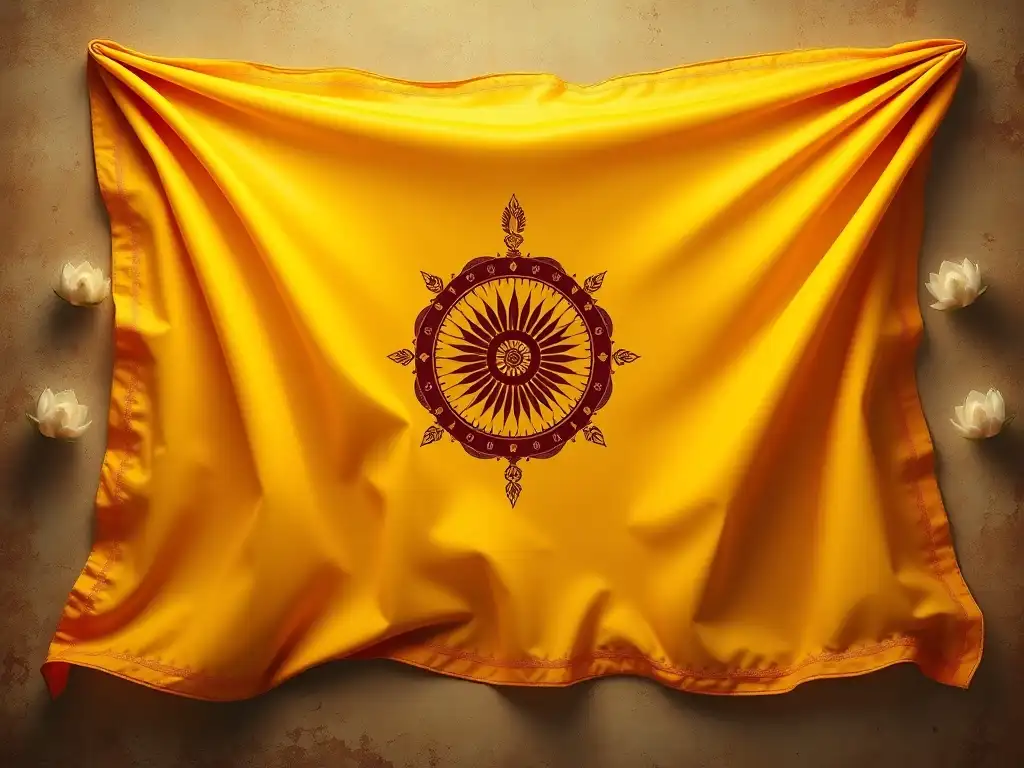
Summarizing the Symbolism of the Jain Flag
The Jain flag is a powerful emblem that encapsulates the core tenets of Jainism, reflecting its rich philosophical foundations. Comprising five horizontal stripes, each in distinct colors—yellow, white, blue, orange, and green—the flag serves not only as a symbol of identity but also as a representation of the Jain community's values.
- Yellow: Represents the principle of ahimsa (non-violence), a cornerstone of Jain ethics.
- White: Symbolizes purity and the quest for spiritual enlightenment.
- Blue: Stands for the vastness of the sky, representing the infinite nature of the soul.
- Orange: Reflects the vibrancy of life and the vitality of the Jain teachings.
- Green: Represents peace and harmony, signifying the importance of coexisting with all living beings.
The emblem at the center of the flag, depicting the Jain symbol of the hand with a wheel (representing the cycle of life and karma), reinforces the message of ahimsa and the pursuit of spiritual liberation. This multifaceted symbolism not only unites Jains across the globe but also serves as a reminder of their commitment to ethical living and spiritual growth.
The Jain Flag’s Role in Promoting Jain Values and Teachings
The Jain flag is more than a mere representation; it plays a pivotal role in promoting the values and teachings of Jainism. Its visibility during festivals, rituals, and community gatherings serves as a constant reminder of the principles that Jains hold dear.
- Community Identity: The flag fosters a sense of belonging among Jains. When displayed, it reinforces communal ties and a shared commitment to the values of Jainism.
- Educational Tool: The flag serves as an educational tool, sparking conversations about Jain philosophy and ethics among both Jains and non-Jains. This can lead to a broader understanding and appreciation of Jainism.
- Inspiration for Ethical Living: The symbolism of the flag encourages adherents to embody the virtues represented by its colors, inspiring them to lead lives characterized by compassion, truth, and non-violence.
- Cultural Heritage: As a representation of Jain culture, the flag contributes to the preservation of traditions and teachings passed down through generations. It serves as a cultural anchor, reminding the community of its historical roots.
The Jain flag is a profound symbol that embodies the teachings of Jainism, promoting its core values while fostering unity and cultural pride within the Jain community. Its enduring legacy continues to inspire Jains to live in accordance with their rich heritage and principles.
Additional Resources on Jain Flag Symbolism and Meaning
Recommended Readings on Jainism and Its Symbols
To gain a deeper understanding of Jain flag symbolism and meaning, it is essential to explore literature that delves into the intricate beliefs, practices, and visual representations within Jainism. Here are some recommended readings:
-
"The Jains" by Paul Dundas
This book provides a comprehensive overview of Jain philosophy, rituals, and symbols, including an in-depth analysis of the Jain flag and its significance.
-
"Jainism: An Introduction" by Jeffery D. Long
A thorough introduction to Jain beliefs, this text includes discussions on the symbolism of Jain emblems, including the flag, and their relevance in modern practice.
-
"The Sacred Art of Jainism" by R. C. Sharma
This work explores various forms of sacred art in Jain culture, offering insights into how symbols, including the Jain flag, play a role in expressing Jain values and teachings.
-
"Jain Symbols and Their Meanings" by K. C. Jain
A focused exploration of the symbols used in Jainism, this book discusses the Jain flag's components and their significance in the context of Jain philosophy.
Educational Resources for Further Exploration of Jain Culture
For those looking to broaden their knowledge of Jain culture, several educational resources are available that provide valuable insights into Jain practices, rituals, and historical context:
-
Online Courses on Jainism
Platforms like Coursera and edX offer courses that cover Jain philosophy, ethics, and art, often featuring discussions on the symbolism of the Jain flag.
-
Documentaries and Lectures
Websites such as YouTube host documentaries and expert lectures on Jainism, where the symbolism of the Jain flag and its historical context are frequently explored.
-
Museums and Cultural Centers
Visiting local museums or cultural centers that focus on Indian religions can provide firsthand experience with Jain artifacts, including flags and their representations.
-
Jain Community Events
Attending events hosted by Jain communities can offer immersive experiences where the significance of the Jain flag is discussed and celebrated in a cultural context.
By engaging with these resources, individuals can deepen their understanding of Jain flag symbolism and meaning, enriching their appreciation of Jainism and its contributions to ancient Indian history.
Frequently Asked Questions
What does the Jain flag represent?
The Jain flag symbolizes the principles of Jainism, including non-violence, truth, and asceticism. Each color and emblem on the flag holds significant meaning related to Jain beliefs.
What are the colors of the Jain flag, and what do they signify?
The Jain flag consists of five colors: yellow, white, blue, red, and green. Each color represents different aspects of Jain philosophy and the five great vows followed by Jains.
What is the significance of the Jain emblem on the flag?
The emblem on the Jain flag features the swastika and the hand with a wheel, symbolizing peace and ahimsa (non-violence). This highlights the spiritual journey of Jains towards liberation.
How is the Jain flag used in religious practices?
The Jain flag is often used during religious ceremonies, festivals, and processions. It serves as a representation of Jain identity and is a reminder of the community's values and teachings.
Can anyone display the Jain flag?
Yes, the Jain flag can be displayed by anyone who wishes to honor Jain values and contribute to the spread of Jain teachings. It is a symbol of unity and spirituality within the Jain community.
Final Reflection: The Profound Significance of Jain Flag Symbolism
The symbolism of the Jain flag resonates deeply in today's world, illustrating the timeless values of non-violence, peace, and spiritual growth. As we navigate through a society often marked by conflict and division, the Jain flag stands as a beacon of hope, reminding us of the power of compassion and the importance of living harmoniously with all beings. This emblem not only represents a rich cultural heritage but also serves as a call to action for individuals seeking a more meaningful existence.
Culture and social dynamics are continually shaped by symbols that reflect our values and aspirations. The Jain flag, with its intricate design and profound meanings, influences not only the Jain community but also those who encounter its message of universal love and respect. As Mahatma Gandhi once said, “The best way to find yourself is to lose yourself in the service of others.” This quote encapsulates the essence of the Jain flag's symbolism, urging us to embrace selflessness and contribute positively to the world around us.
As you reflect on the insights shared in this article, consider how the principles embodied by the Jain flag can inspire your own life. Challenge yourself to embody the values of non-violence and compassion in your daily interactions. By doing so, you not only honor the rich traditions of Jainism but also contribute to a more peaceful and understanding world. Let the symbolism of the Jain flag guide you on your journey toward personal growth and collective harmony.
Unveil the Significance of the Jain Flag Today!
Thank you for taking the time to explore the rich symbolism behind the Jain flag. Your interest in its profound meaning is a step towards deeper cultural understanding. Now, let’s transform that knowledge into action!
- Dive Deeper: Research more about Jainism and its teachings to fully grasp the values represented by each color and symbol.
- Share the Wisdom: Discuss your newfound insights with friends or family to ignite conversations about the importance of cultural symbols.
- Join a Community: Connect with local Jain groups or online forums to engage with others who share your passion for exploring ancient traditions.
What intrigues you the most about the symbolism of the Jain flag, and how do you see it reflecting contemporary values?