
The Impact of Dhammapala: The Philosopher Who Preserved Buddhist Texts

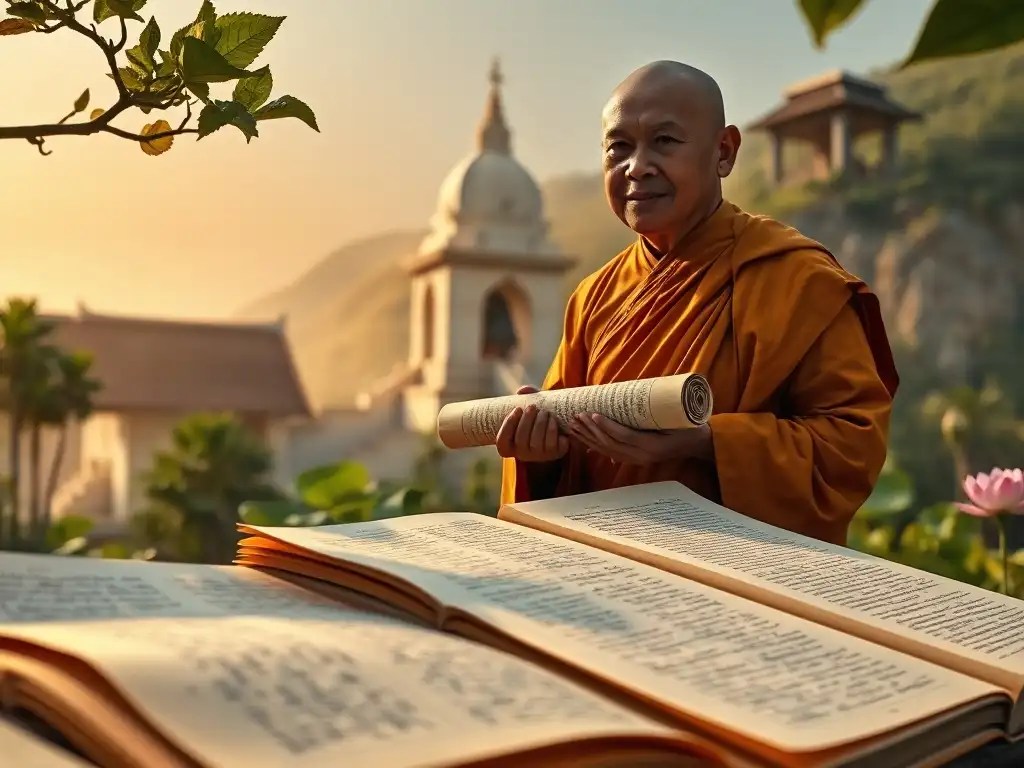
Welcome to Ancient India History, where we embark on a fascinating journey through the rich tapestry of ancient Indian civilizations. Here, we delve deep into the impact of Dhammapala on Buddhism, revealing the profound influence this remarkable philosopher had on the preservation of Buddhist texts and teachings. As you explore the intricate connections between culture, religion, and history, prepare to uncover stories that have shaped not only a civilization but also a faith that continues to resonate today. Join us as we unravel the mysteries of the past and discover the enduring legacy of ancient India.
- Introduction to Dhammapala and His Significance in Buddhism
- Early Life and Education of Dhammapala
- Dhammapala's Role in Preserving Buddhist Texts
- The Philosophical Contributions of Dhammapala
- Dhammapala's Impact on Buddhist Practices
- The Legacy of Dhammapala in Modern Buddhism
- Conclusion: The Enduring Impact of Dhammapala on Buddhism
- Frequently Asked Questions
- Final Reflection: The Enduring Legacy of Dhammapala on Buddhism
- Uncover the Wisdom of Dhammapala Today!
Introduction to Dhammapala and His Significance in Buddhism
Dhammapala, a revered philosopher and scholar of ancient India, holds a pivotal place in the annals of Buddhist history. His contributions to the preservation and interpretation of Buddhist texts have significantly shaped the understanding and practice of Buddhism as we know it today. Emerging during a time of both cultural flourishing and turmoil, Dhammapala's work was instrumental in ensuring that the wisdom of the Buddha was not only preserved but also made accessible to future generations.
By meticulously compiling and commenting on various Buddhist scriptures, he played a crucial role in the transmission of Buddhist thought across different regions and cultures. This article delves into the profound impact of Dhammapala on Buddhism, exploring his historical context, the breadth of his contributions, and the lasting legacy he left behind.
Overview of the Impact of Dhammapala on Buddhism
Dhammapala's influence on Buddhism can be observed through several key aspects:
-
Textual Preservation:
Dhammapala was instrumental in preserving vital Buddhist texts, particularly during a period when many scriptures were at risk of being lost or forgotten. His efforts ensured that foundational teachings remained intact, allowing subsequent scholars and practitioners to draw upon these essential texts.
-
Interpretative Commentary:
His commentaries provided deep insights into the teachings of the Buddha, making complex concepts more accessible to a broader audience. This interpretative work not only clarified existing texts but also contributed to the development of new philosophical ideas within Buddhism.
-
Cultural Transmission:
By disseminating Buddhist teachings beyond the Indian subcontinent, Dhammapala helped establish Buddhism in new regions, particularly in Sri Lanka and Southeast Asia. His role as a bridge between cultures facilitated the spread of Buddhist philosophy and practice.
-
Influence on Later Scholars:
Dhammapala's writings have inspired countless Buddhist scholars and practitioners throughout history. His methods of textual analysis and interpretation set a standard that influenced future generations of Buddhist thinkers.
The Historical Context of Dhammapala's Contributions
To fully appreciate the impact of Dhammapala on Buddhism, it is essential to consider the historical context in which he operated.
-
The Decline of Buddhist Institutions:
During Dhammapala's lifetime, many Buddhist monastic institutions faced challenges, including political upheaval and competition from other religious traditions. This environment made his work to preserve and promote Buddhist teachings even more critical.
-
The Rise of Commentarial Traditions:
The period was marked by a burgeoning interest in commentarial literature, as scholars sought to elucidate and interpret the teachings of the Buddha. Dhammapala emerged as a leading figure in this movement, contributing significantly to the evolution of Buddhist philosophical thought.
-
Cultural Syncretism:
The interaction between different religious and philosophical systems during this era provided a rich backdrop for Dhammapala's work. His ability to engage with various schools of thought allowed him to articulate Buddhist teachings in a way that resonated with diverse audiences.
Dhammapala's contributions were not only vital for the preservation of Buddhist texts but also significant for the cultural and philosophical development of Buddhism in ancient India and beyond. His legacy continues to influence the study and practice of Buddhism today, making him a key figure in the history of ancient Indian religions.
Early Life and Education of Dhammapala

Dhammapala's Background and Influences
Dhammapala, a pivotal figure in the preservation and propagation of Buddhist texts, emerged during a transformative period in Buddhist history. Born in the 6th century CE in the region of present-day Sri Lanka, he was likely influenced by the rich tapestry of religious and cultural dynamics characteristic of ancient Indian societies. His family background remains somewhat obscure, yet it is generally accepted that he hailed from a lineage that valued education and religious scholarship.
Growing up in a society deeply intertwined with Buddhist teachings, Dhammapala was exposed to various schools of thought and practices from an early age. The influence of his environment played a crucial role in shaping his intellectual pursuits. The cultural milieu of ancient Sri Lanka, marked by interactions with Indian traders and scholars, provided a fertile ground for the exchange of ideas. This interaction not only enriched his understanding of Buddhist doctrines but also exposed him to a range of philosophical perspectives.
Dhammapala's journey as a scholar began in earnest when he sought formal education under the guidance of esteemed monks and philosophers. The monastic institutions of the time were centers of learning where he would have engaged with the Pali Canon and other significant texts. His commitment to scholarship and deep contemplation laid the foundation for his later contributions to Buddhism.
Key Philosophical Influences on Dhammapala
Dhammapala's philosophical development was significantly shaped by several key influences, both textual and contextual. Among these, the following stand out:
- Pali Canon: The foundational texts of Theravada Buddhism profoundly impacted Dhammapala. His close study of the Sutta Pitaka and Vinaya Pitaka allowed him to grasp the core teachings of the Buddha, including the Four Noble Truths and the Eightfold Path. His ability to interpret these texts would later facilitate their preservation.
- Abhidhamma Philosophy: Dhammapala was deeply influenced by Abhidhamma texts that delve into the intricate analysis of mind and matter. His engagement with these philosophical frameworks helped him articulate complex Buddhist concepts, contributing to a deeper understanding of Buddhist metaphysics.
- Indian Philosophical Traditions: The broader intellectual environment of ancient India, characterized by various philosophical schools such as Nyaya, Vaisheshika, and Vedanta, also left its mark on Dhammapala. His exposure to these traditions encouraged him to engage in comparative analysis, enabling him to defend and articulate Buddhist positions effectively against competing ideologies.
- Monastic Community: The monastic community played a crucial role in Dhammapala's philosophical development. His interactions with fellow monks and scholars allowed for the exchange of ideas and debates that refined his thought processes. The communal aspect of monastic life fostered collaborative learning, which was essential in shaping his contributions to Buddhist scholarship.
- Cultural Context: The socio-political landscape of his time, including the patronage of various kings and the establishment of Buddhist monastic institutions, created an environment conducive to the flourishing of Buddhist thought. Dhammapala's philosophical work can be seen as a response to the challenges and opportunities presented by this context.
The impact of Dhammapala on Buddhism is deeply rooted in his early life and education. His background and various influences not only shaped his philosophical outlook but also equipped him with the necessary tools to preserve and enhance the Buddhist texts that remain integral to the tradition today. Dhammapala's legacy as a philosopher and scholar continues to resonate within the Buddhist community, underscoring the importance of his contributions to the understanding and practice of Buddhism.
Dhammapala's Role in Preserving Buddhist Texts

Dhammapala, a pivotal figure in the history of Buddhism, played a crucial role in the preservation and transmission of Buddhist texts during a time when the teachings were at risk of being lost. His contributions spanned various aspects of Buddhist literature, philosophy, and practice, particularly during the 5th to 6th centuries CE. As a scholar and monk, Dhammapala ensured that key texts were not only preserved but also adapted for future generations, influencing the trajectory of Buddhist thought and practice.
One of the most significant aspects of Dhammapala’s work was his involvement with the Pali Canon, which includes the earliest records of Buddha's teachings. He was instrumental in the compilation, commentary, and translation of various texts, ensuring that the foundational doctrines of Buddhism were maintained in their original form while also making them accessible to a broader audience. His efforts were particularly vital at a time when the oral tradition of passing down teachings faced challenges due to sociopolitical changes and the rise of competing philosophies.
The Importance of Text Preservation in Buddhism
Preserving Buddhist texts is essential for several reasons:
- Authenticity of Teachings: Maintaining accurate versions of texts ensures that the original teachings of the Buddha are preserved. This authenticity is crucial for followers seeking to understand and practice Buddhism in its true form.
- Cultural Continuity: Texts serve as a bridge between ancient beliefs and contemporary practices. By preserving these writings, future generations can connect with their cultural heritage, fostering a sense of identity and continuity within the Buddhist community.
- Intellectual Development: The preservation of texts allows for the analysis and interpretation of Buddhist philosophy over time. Scholars can build upon previous teachings, leading to a deeper understanding and evolution of Buddhist thought.
- Spiritual Guidance: Texts provide teachings that guide practitioners in their spiritual journey. They offer insights into meditation, ethics, and the nature of reality, which are essential for personal growth and enlightenment.
- Response to Challenges: Throughout history, Buddhism has faced various challenges, including external influences and internal schisms. Preserving texts allows the tradition to respond to these challenges with clarity and conviction.
Methods Used by Dhammapala for Text Preservation
Dhammapala employed several methods to ensure the preservation of Buddhist texts:
- Commentaries: He wrote extensive commentaries on existing texts, elucidating complex ideas and ensuring that the teachings remained relevant to contemporary audiences. His commentaries often clarified difficult passages, making them accessible to monks and laypeople alike.
- Compilation of Texts: Dhammapala was involved in compiling various texts into cohesive collections. This organization made it easier for practitioners to study and reference teachings, thus promoting their use in monastic education.
- Translation Efforts: His work included translating important Buddhist literature from Sanskrit and other languages into Pali. This was crucial for making texts available to a wider audience, especially in regions where Pali was the lingua franca of Buddhism.
- Establishment of Monastic Centers: Dhammapala played a significant role in establishing monastic centers dedicated to the study and preservation of Buddhist texts. These centers became hubs of learning, where monks could engage in scholarly activities, including the transcription of texts.
- Oral Transmission: Alongside written preservation, Dhammapala understood the importance of oral tradition. He emphasized the training of monks in the oral recitation of texts, ensuring that teachings could be passed down through generations even in the absence of written materials.
Dhammapala’s multifaceted approach to text preservation significantly influenced the development of Buddhism, ensuring that its core teachings endured and evolved, shaping the practice for centuries to come. His legacy highlights the critical role of scholars and monks in maintaining the integrity and continuity of Buddhist thought through diligent preservation efforts.
The Philosophical Contributions of Dhammapala
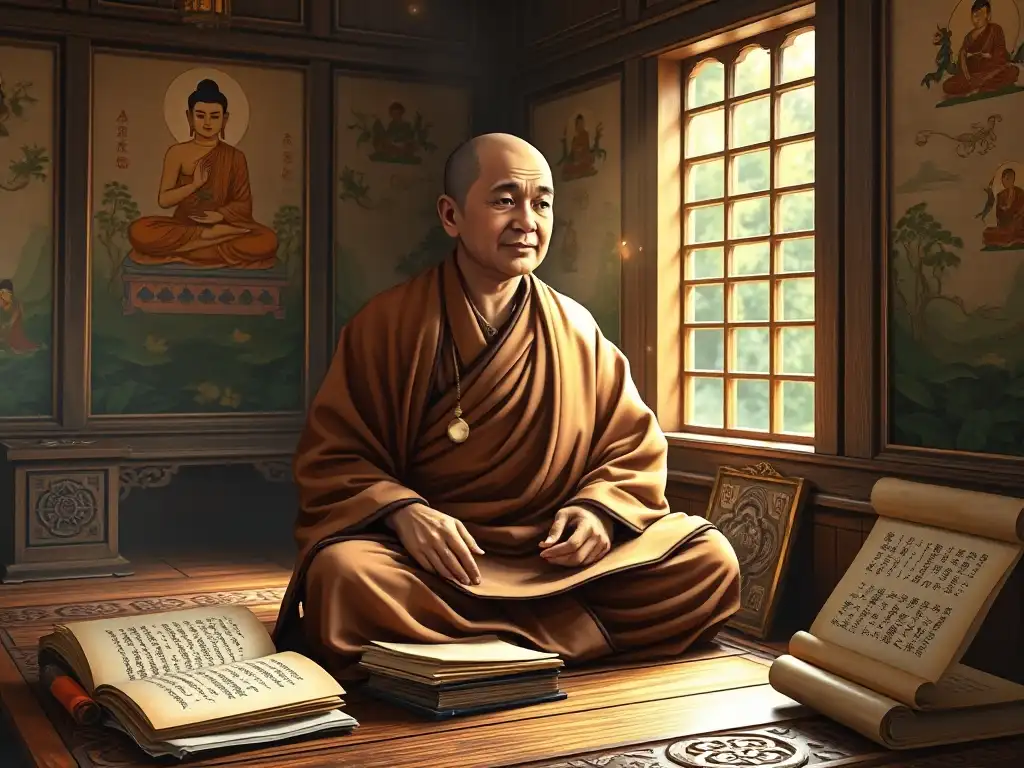
Dhammapala's Key Philosophical Ideas
Dhammapala, a prominent figure in the preservation and dissemination of Buddhist texts during the 5th to 6th centuries CE, is renowned for his vital contributions to Buddhist philosophy. His philosophical ideas are primarily encapsulated in his commentaries, which provide deep insights into the teachings of the Buddha.
- Interpretation of the Abhidharma: Dhammapala's commentary on the Abhidharma texts emphasizes the importance of understanding the nature of reality and the mind. He argues for a nuanced view of consciousness, categorizing mental states and their ethical implications. This detailed analysis helps practitioners discern between wholesome and unwholesome states, guiding them towards enlightenment.
- Emphasis on Merit and Karma: Another significant aspect of Dhammapala's philosophy is his exploration of karma and merit-making. He asserts that intentional actions, whether good or bad, yield consequences that shape future rebirths. This perspective encourages followers to engage in virtuous deeds, cultivating a sense of responsibility over their actions.
- The Role of Compassion: Dhammapala underscores the significance of compassion (karuna) in Buddhist practice. He believes that genuine compassion is integral for spiritual development and that it fosters a sense of interconnectedness among all beings. His teachings advocate for the cultivation of loving-kindness (metta), positioning it as a foundation for ethical living.
- Philosophical Rigor: Dhammapala's works reflect a high level of intellectual rigor. He often engages in dialectical reasoning, addressing philosophical disputes and clarifying doctrinal points. This method not only preserves Buddhist teachings but also makes them accessible to a broader audience, encouraging critical thought among practitioners.
Influence of Dhammapala's Philosophy on Later Buddhist Thought
The impact of Dhammapala on Buddhism extends far beyond his lifetime. His philosophical insights laid the groundwork for various schools of thought within Buddhism and significantly influenced later thinkers.
- Integration into Mahayana Buddhism: Dhammapala's emphasis on compassion and merit-making resonated deeply with Mahayana Buddhist practitioners. His ideas were integrated into the broader Mahayana context, influencing the development of the Bodhisattva ideal, where the pursuit of enlightenment is coupled with the commitment to assist all sentient beings.
- Preservation of Texts: Dhammapala's role as a commentator was crucial in the preservation of numerous Buddhist texts, particularly the Pali Canon. His efforts ensured that important teachings were not only maintained but also interpreted in ways that remained relevant for subsequent generations of Buddhists.
- Development of Scholastic Tradition: The rigorous analytical approach employed by Dhammapala contributed to the establishment of a scholarly tradition within Buddhism. His influence is evident in the works of later scholars who engaged in similar dialectical methods, further enriching Buddhist philosophy and practice.
- Cultural Transmission: Dhammapala's teachings played a pivotal role in the cultural transmission of Buddhism across regions. His ideas reached various Buddhist communities, including those in Sri Lanka and Southeast Asia, shaping their understanding of key concepts and practices.
The impact of Dhammapala on Buddhism is profound and multi-faceted. His philosophical contributions not only preserved the teachings of the Buddha but also inspired countless practitioners and scholars, ensuring the continuity and relevance of Buddhist philosophy throughout the ages.
Dhammapala's Impact on Buddhist Practices

Changes in Monastic Practices Due to Dhammapala
Dhammapala, an influential philosopher and scholar of the 5th to 6th century CE, played a critical role in shaping Buddhist monastic practices during his time. His contributions are particularly notable in the context of the Mahayana tradition, which sought to adapt and preserve Buddhist values amid changing cultural landscapes.
-
Standardization of Monastic Rules
Dhammapala is credited with standardizing the Vinaya, the code of monastic discipline that governs the conduct of monks and nuns. By emphasizing adherence to these rules, he strengthened the monastic community's integrity. The resulting structure allowed for a more disciplined approach to monastic life, which in turn fostered a conducive environment for meditation and study.
-
Promotion of Scholarly Study
Under Dhammapala's influence, there was a significant shift towards the formal study of Buddhist texts within monasteries. He advocated for the establishment of learning centers that prioritized the preservation and interpretation of sacred scriptures. This scholarly emphasis not only enhanced the monks' understanding of Buddhist teachings but also helped to ensure the continuity of these texts for future generations.
-
Integration of Local Practices
Dhammapala recognized the importance of integrating local cultural practices into the monastic framework. By doing so, he made Buddhism more accessible to lay followers, thereby expanding its reach. This adaptability contributed to the growth of monastic communities that were not only centers of religious practice but also hubs of cultural exchange.
Dhammapala's Influence on Buddhist Rituals and Teachings
Dhammapala's impact on Buddhist rituals and teachings is profound, as he laid the groundwork for many practices that are still observed today. His approach to ritualistic elements reflects a blend of traditional Buddhist values and innovative adaptations that catered to the needs of contemporary practitioners.
-
Ritualization of Meditation
One of Dhammapala's significant contributions was the ritualization of meditation practices. He advocated for structured meditation sessions that included specific postures, breathing techniques, and mantras. This formalization not only enhanced the effectiveness of meditation but also made it a more communal activity, fostering a sense of unity among practitioners.
-
Emphasis on Compassion and Altruism
Dhammapala redefined the teachings of compassion and altruism, encouraging monks and lay practitioners alike to engage actively in acts of kindness and service. His teachings emphasized that true enlightenment involves not only personal spiritual growth but also the welfare of the community. This perspective helped to solidify the role of Buddhism as a socially responsible religion.
-
Rituals for Lay Followers
Understanding the importance of lay engagement, Dhammapala introduced rituals that catered specifically to the needs of lay followers. These included ceremonies for blessings, protection, and merit transfer, allowing laypersons to participate actively in the Buddhist community. Such rituals not only enriched the spiritual lives of the laity but also reinforced their connection to the monastic community.
The impact of Dhammapala on Buddhism is multifaceted, encompassing significant changes in both monastic practices and the broader ritualistic framework. His legacy continues to resonate within contemporary Buddhist traditions, demonstrating the enduring relevance of his teachings and practices.
The Legacy of Dhammapala in Modern Buddhism

The legacy of Dhammapala continues to resonate profoundly within modern Buddhism, primarily through his pivotal role in preserving and transmitting Buddhist texts. As a scholar and monk in the 5th century CE, Dhammapala dedicated himself to the meticulous compilation and annotation of the Pali Canon and other important scriptures. His contributions have created a lasting foundation for contemporary Buddhist practice and scholarship.
How Dhammapala's Impact is Felt Today
Dhammapala's impact is noticeable in several key areas:
- Textual Preservation: The texts that Dhammapala helped preserve serve as critical resources for Buddhist practitioners and scholars. His efforts ensured that core teachings, discourses, and rituals were accurately recorded and transmitted. This preservation has facilitated a deeper understanding of Buddhist philosophy and ethics in today's world.
- Educational Institutions: The monastic universities established during Dhammapala's time, particularly in Sri Lanka, laid the groundwork for future Buddhist educational systems. Modern Buddhist universities often draw inspiration from these ancient institutions, promoting the study of texts and philosophy that Dhammapala championed.
- Revival Movements: In the 19th and 20th centuries, as Buddhism experienced revivals, particularly in the Theravada tradition, Dhammapala's writings were rediscovered and became influential. His interpretations of the Dhamma have been integral to contemporary movements that seek to reconcile traditional teachings with modern values.
- Interfaith Dialogue: Dhammapala's emphasis on compassion and ethical conduct has found a place in interfaith dialogues, allowing Buddhists to engage with practitioners of other religions. His teachings encourage a spirit of harmony and understanding, promoting peace and coexistence in a diverse world.
Continuing Relevance of Dhammapala's Teachings
Dhammapala's teachings remain relevant today due to their universal themes and practical applications. Here are a few aspects of his philosophy that continue to impact modern thought and practice:
- Moral Ethics: The ethical principles articulated by Dhammapala resonate with contemporary discussions on morality. His emphasis on right action, intention, and mindfulness reflects the increasing awareness of ethical living in today's society.
- Meditative Practices: Dhammapala’s teachings on meditation and mental discipline have influenced modern mindfulness practices. His insights into the nature of the mind and the importance of concentration and insight are foundational to many modern meditation techniques.
- Ecological Awareness: The interconnectedness of life that Dhammapala emphasized aligns with current ecological concerns. His teachings advocate for compassion towards all sentient beings, promoting a sense of responsibility towards the environment.
- Global Buddhism: As Buddhism spreads across the globe, Dhammapala's legacy encourages adaptations of traditional practices to fit various cultural contexts. His works inspire a dialogue about the relevance of ancient teachings in addressing contemporary challenges.
The impact of Dhammapala on Buddhism is not merely historical; it continues to shape and inform the practices, ethics, and teachings of modern Buddhism. His legacy, rooted in textual preservation and profound philosophical insights, serves as a bridge between ancient wisdom and contemporary life.
Conclusion: The Enduring Impact of Dhammapala on Buddhism

Summary of Dhammapala's Contributions to Buddhism
Dhammapala, a prominent figure in the Buddhist tradition, played a pivotal role in the preservation and propagation of Buddhist texts during a transformative period in ancient India. His contributions can be categorized into several key areas:
-
Textual Preservation:
Dhammapala was instrumental in the meticulous transcription and preservation of various Buddhist scriptures. His dedication ensured that key texts, such as the Pali Canon, were safeguarded against the ravages of time and political upheaval. This effort was crucial in maintaining the integrity of Buddhist teachings.
-
Commentary and Interpretation:
He authored comprehensive commentaries on essential Buddhist texts. These commentaries not only clarified complex doctrines but also provided contextual insights that facilitated a deeper understanding of the teachings. Dhammapala's works often served as a bridge between ancient texts and contemporary interpretations.
-
Cultural Integration:
Dhammapala's efforts extended beyond mere textual preservation; he also worked to integrate Buddhist principles into the broader cultural fabric of ancient Indian society. By promoting dialogue between Buddhism and other prevalent philosophies, he helped foster a more inclusive environment for spiritual discourse.
-
Educational Initiatives:
He established monastic schools and centers of learning that became vital hubs for Buddhist scholarship. These institutions not only educated monks but also engaged laypeople, ensuring the continuation of Buddhist teachings across generations.
Reflection on the Importance of Dhammapala in Ancient Indian History
Dhammapala stands as a significant figure in ancient Indian history, particularly in the context of Buddhism. His impact can be understood through several lenses:
-
Cultural Resilience:
The preservation of Buddhist texts during a period of decline for Buddhism in India speaks volumes about Dhammapala's commitment. His work ensured that Buddhism would not only survive but thrive in other regions, laying the groundwork for its spread across Asia.
-
Intellectual Legacy:
The commentaries authored by Dhammapala remain influential in Buddhist studies to this day. They serve as critical resources for scholars and practitioners seeking to understand the nuances of Buddhist philosophy. His insights have shaped the academic discourse around Buddhism, enhancing its relevance in modern times.
-
Spiritual Influence:
Dhammapala's dedication to education and dissemination of Buddhist teachings has had a lasting effect on the spiritual landscape of Asia. His efforts contributed to the establishment of a robust monastic community that continues to inspire practitioners and scholars alike.
The impact of Dhammapala on Buddhism is profound and multifaceted. His contributions to textual preservation, commentary, cultural integration, and education have left an indelible mark on the history of Buddhism, ensuring its teachings endure through the ages. His legacy is a testament to the power of scholarship and dedication in the face of adversity.
Frequently Asked Questions
What was Dhammapala's role in preserving Buddhist texts?
Dhammapala was a prominent philosopher and scholar who played a crucial role in the preservation and interpretation of Buddhist texts, ensuring their survival through meticulous documentation.
How did Dhammapala influence Buddhist philosophy?
Dhammapala contributed significantly to Buddhist philosophy by synthesizing various teachings and providing commentaries that clarified complex concepts, making them more accessible to followers.
What are some key works attributed to Dhammapala?
Dhammapala is best known for his commentaries on the Pali Canon, particularly the Visuddhimagga, which outlines the path to purification and enlightenment in Buddhism.
In what ways did Dhammapala's work impact the spread of Buddhism?
His efforts in preserving texts and developing philosophical frameworks helped strengthen the Buddhist community, facilitating the spread of Buddhism across different regions.
Why is Dhammapala considered a significant figure in Buddhist history?
Dhammapala is considered significant due to his dedication to preserving Buddhist teachings and his role in shaping the intellectual landscape of Buddhism during his time.
Final Reflection: The Enduring Legacy of Dhammapala on Buddhism
The impact of Dhammapala on Buddhism is not just a historical footnote; it resonates profoundly in our contemporary understanding of Buddhist philosophy and practice. As we navigate a world increasingly in need of compassion and mindfulness, the teachings preserved by Dhammapala serve as a guiding light, reminding us of the timeless wisdom that can help us confront modern challenges. His work underscores the importance of safeguarding spiritual heritage, illustrating how one individual's dedication can shape the course of an entire tradition.
Dhammapala's influence extends beyond ancient texts; it permeates the very fabric of Buddhist culture and thought today. His efforts to compile and preserve key teachings have allowed generations to access the profound insights of Buddhism, fostering a sense of continuity and community among practitioners. As the Dalai Lama once said, The purpose of our lives is to be happy.
Dhammapala's contributions remind us that happiness is deeply rooted in understanding and applying the teachings of the Buddha, which continue to inspire countless individuals on their spiritual journeys.
As we reflect on the significance of Dhammapala's work, I invite you to consider how his legacy can inspire your own life. Take a moment to explore the teachings of Buddhism and see how they can enrich your understanding of yourself and the world around you. Whether through meditation, study, or community engagement, let Dhammapala's commitment to preserving wisdom encourage you to seek out and share knowledge that uplifts and transforms. The impact of Dhammapala is not confined to the past; it is a living force that can guide us toward a more compassionate and enlightened future.
Uncover the Wisdom of Dhammapala Today!
Thank you for diving into the fascinating world of Dhammapala and the vital role he played in preserving Buddhist texts. Your interest not only enriches your understanding but also contributes to the ongoing conversation about the importance of cultural heritage. Now, let’s take it a step further and apply this newfound knowledge!
Here are some inspiring actions you can take to deepen your exploration:
- Engage with Buddhist Philosophy: Join a local meditation group or an online community to practice the teachings of Dhammapala and connect with like-minded individuals.
- Explore Ancient Texts: Read a translation of one of the preserved Buddhist texts and reflect on its meanings as well as its relevance to your own life.
- Share Your Insights: Discuss your learnings with friends or share them on social media to inspire others to appreciate the rich history and philosophy of Buddhism!
What aspect of Dhammapala's teachings resonates most with you, and how do you envision it influencing your life?