
The Influence of Buddhism on Martial Arts: Philosophy in Motion

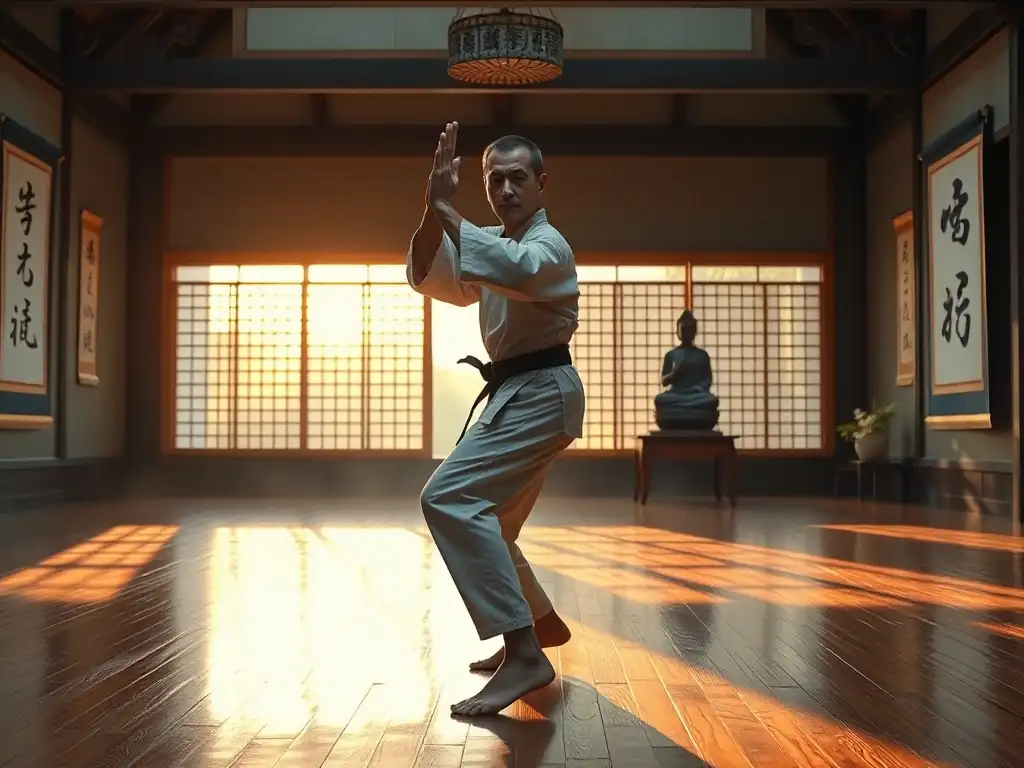
Welcome to Ancient India History, where we embark on an enlightening journey through the rich tapestry of ancient Indian civilizations. In our featured article, we delve into the intriguing intersection of Buddhism and martial arts, exploring how the profound philosophies of this ancient religion have shaped and influenced combat practices over the centuries. Have you ever wondered how the principles of mindfulness and peace found in Buddhism can coexist with the discipline of martial arts?
Join us as we unravel this fascinating connection and uncover the legacy that continues to inspire practitioners today. Your adventure into the depths of ancient wisdom awaits!
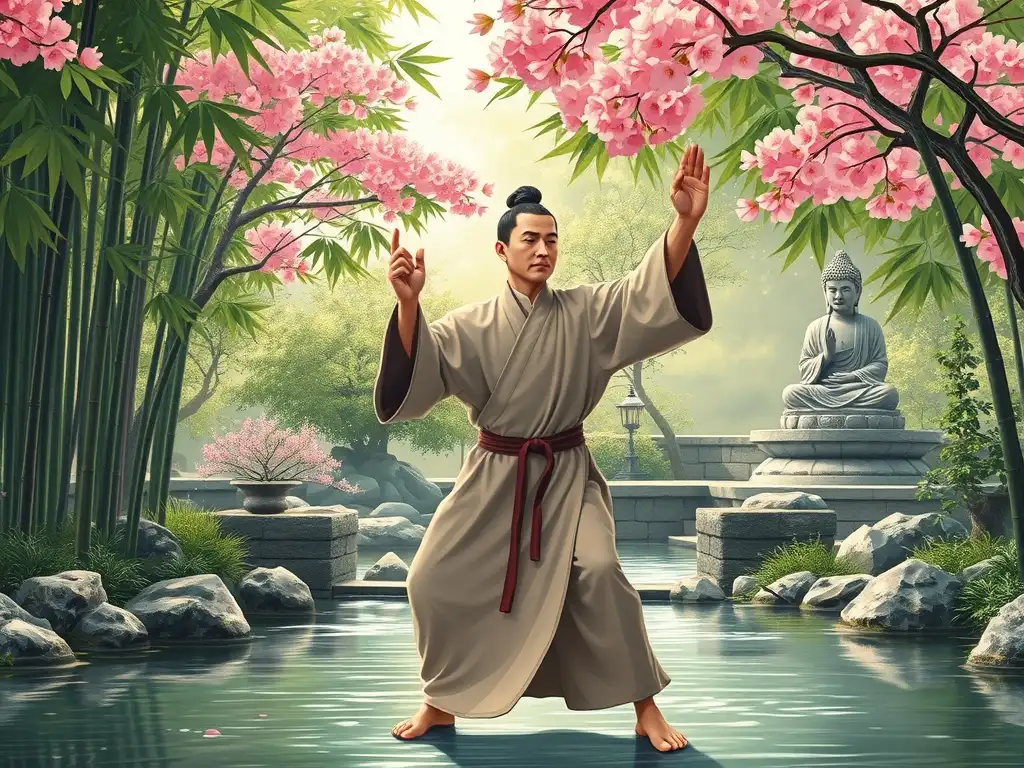
Buddhism, a profound philosophy that emerged in ancient India, has significantly influenced various aspects of life, including the development and practice of martial arts. This article explores the intricate relationship between Buddhism and martial arts, examining how Buddhist principles and teachings have shaped the philosophies underpinning martial disciplines.
From the meditative practices that enhance focus and discipline to the ethical teachings that guide practitioners, the influence of Buddhism on martial arts is both profound and multifaceted. As we delve into this topic, we will uncover the historical context, core principles, and the enduring legacy of Buddhism on martial arts, revealing a story of philosophy in motion.
Introduction to Buddhism and Martial Arts
Overview of Buddhism as a Philosophy
Buddhism, founded by Siddhartha Gautama (the Buddha) in the 5th century BCE, emphasizes the path to enlightenment through ethical living, meditation, and wisdom. It challenges individuals to transcend suffering and ignorance to achieve Nirvana. Key tenets of Buddhism include the Four Noble Truths and the Eightfold Path, which provide a framework for personal development and ethical conduct. These teachings not only influence spiritual practices but also permeate various cultural aspects, including the martial arts traditions that developed in India and beyond.
The Origins of Martial Arts in Ancient India
Martial arts in ancient India can be traced back to the Vedic period, where combat skills were essential for warriors and were often accompanied by spiritual practices. Kalaripayattu, one of the oldest fighting systems, emerged in Kerala, incorporating physical techniques alongside principles of meditation and mindfulness. The amalgamation of physical prowess and spiritual discipline in these martial arts laid the groundwork for future practices influenced by Buddhist teachings, promoting a holistic approach to combat that values mental and emotional balance alongside physical strength.
The Core Principles of Buddhism
Key Teachings of Buddhism
Central to Buddhism are concepts such as compassion (karuna), non-violence (ahimsa), and the impermanence of life (anicca). These teachings have a profound impact on martial arts, encouraging practitioners to approach combat not merely as a means of defeating an opponent but as an opportunity for personal and spiritual growth. The ethical implications of these teachings challenge martial artists to cultivate a mindset of respect and humility, transforming their practice into a journey of self-discovery rather than mere physical competition.
Mindfulness and Meditation in Buddhism
Mindfulness and meditation are integral components of Buddhist practice. These disciplines enhance focus, emotional regulation, and self-awareness, all of which are crucial for martial artists. By incorporating meditation into their training, martial artists can develop a deeper connection to their bodies and minds, enabling them to respond with clarity and composure during combat. This synergy between Buddhist meditation and martial arts not only improves performance but also fosters a sense of inner peace and balance, reflecting the true essence of both practices.
In the following sections, we will further explore the specific ways in which Buddhism has shaped martial arts, providing insights into the philosophical and practical implications of this rich cultural exchange.
The Intersection of Buddhism and Martial Arts
The relationship between Buddhism and martial arts is a fascinating exploration of how spiritual practices can influence physical disciplines. Buddhism, which originated in India around the 5th century BCE, emphasizes the importance of discipline, mindfulness, and ethical conduct—principles that resonate deeply within martial arts. Over centuries, as Buddhism spread through Asia, it intertwined with various martial traditions, particularly in countries like China, Japan, and Thailand. This intersection is not merely about fighting techniques; it encompasses a holistic approach to self-cultivation, where the mind and body work in harmony.
In many martial arts, the philosophies of Buddhism are reflected in the training regimens that stress self-control, humility, and respect for others. The teachings of Buddhism encourage practitioners to look beyond mere physical prowess and to seek a deeper understanding of themselves and their actions. This duality of martial arts as both a physical practice and a philosophical journey is what makes this intersection so significant.
Historical Context of Buddhism's Influence on Martial Arts
The historical development of martial arts in relation to Buddhism can be traced back to the early encounters of Buddhist monks with local cultures and combat styles. One of the earliest examples is the Shaolin Temple in China, where Buddhist monks not only practiced meditation but also developed martial arts as a means of physical discipline. The famed Shaolin monks are credited with creating a system of martial arts that incorporated Buddhist teachings, emphasizing the importance of meditation and mental clarity.
As Buddhism spread to other regions, such as Japan and Southeast Asia, it influenced local martial arts traditions. For instance, the practice of Kendo in Japan draws philosophical elements from Zen Buddhism, emphasizing mindfulness and presence in the moment. The historical context reveals a continuous dialogue between spiritual and martial practices, where each has shaped the other over time.
How Buddhist Philosophy Shapes Martial Arts Training
Buddhist philosophy profoundly shapes martial arts training through concepts such as non-attachment, compassion, and the pursuit of enlightenment. Practitioners are encouraged to approach their training with an open heart and mind, recognizing that every encounter—whether in competition or practice—provides an opportunity for personal growth. The principle of non-attachment teaches martial artists to let go of the desire for victory, focusing instead on the journey of self-improvement.
Moreover, the emphasis on compassion and respect within Buddhist teachings fosters a sense of community among practitioners. This is evident in many martial arts schools, where the focus is not solely on individual achievement but also on supporting fellow students. The integration of these philosophies into training creates a rich environment where martial arts become a pathway to both physical skill and spiritual development.
The Role of Mindfulness in Martial Arts Practices
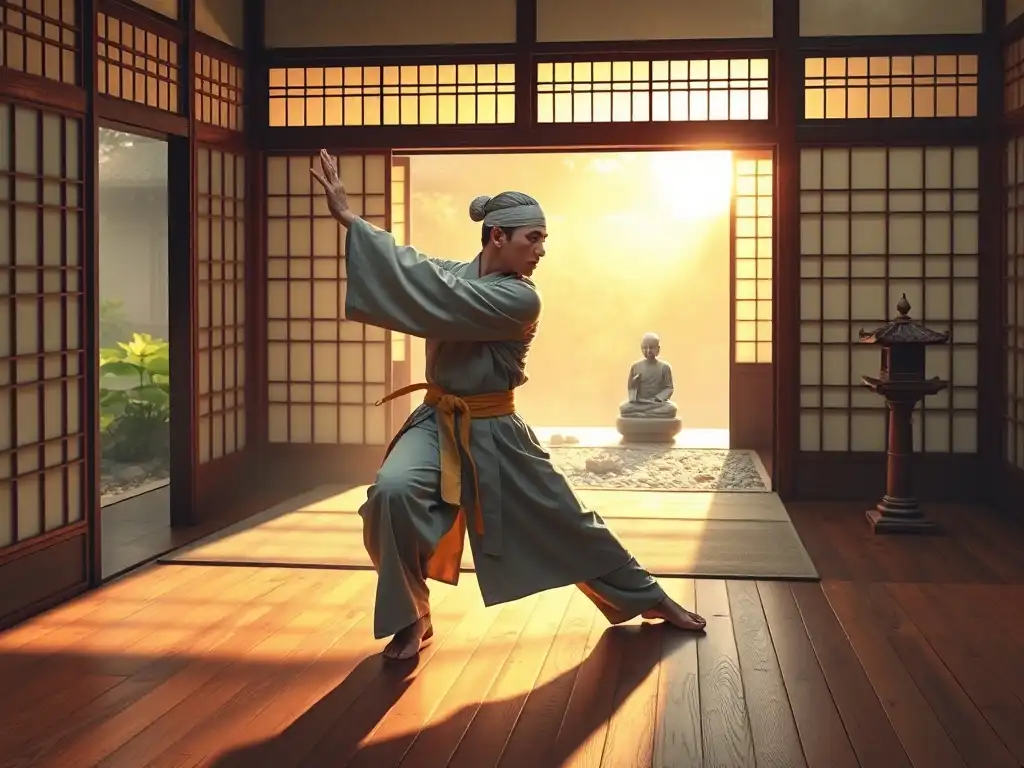
Mindfulness, a core aspect of Buddhist practice, plays a pivotal role in martial arts. It involves maintaining a moment-to-moment awareness of thoughts, feelings, and bodily sensations, which is crucial in enhancing performance and achieving a deeper understanding of oneself. The practice of mindfulness in martial arts fosters a heightened sense of awareness during training and combat, allowing practitioners to respond with precision and clarity rather than reacting impulsively.
In martial arts, mindfulness helps practitioners remain grounded in the present moment, reducing anxiety and distractions that can hinder performance. This mental discipline not only improves physical capabilities but also cultivates a sense of inner peace and balance, which is central to both martial arts and Buddhist philosophy.
The Importance of Mindfulness in Martial Arts
The importance of mindfulness in martial arts extends beyond mere technique; it is about cultivating a mindset that values awareness, intention, and presence. Mindfulness allows practitioners to observe their thoughts and emotions without judgment, fostering a greater understanding of their responses during training. This self-awareness can lead to improved decision-making and a more thoughtful approach to conflict resolution.
Additionally, mindfulness practices enhance emotional regulation, which is essential in high-pressure situations often encountered in martial arts competitions. By maintaining a calm and composed mind, martial artists can perform at their best, utilizing their training effectively while also adhering to the ethical principles of their practice.
Techniques for Incorporating Mindfulness into Training
Incorporating mindfulness into martial arts training can be achieved through various techniques that promote awareness and intentionality. Here are some effective methods:
- Breath Awareness: Practitioners can focus on their breath before and during training sessions. This helps anchor their attention and promotes relaxation, which is essential for effective performance.
- Slow Practice: Engaging in slow, deliberate movements allows practitioners to pay closer attention to their techniques and form, fostering a deeper connection to their bodies and actions.
- Meditation: Regular meditation can enhance mindfulness by training the mind to focus and remain present. This practice can be integrated into warm-ups or cool-downs.
- Body Scan: Practicing body scans during training can help individuals become more aware of bodily sensations, tension, and areas needing release, facilitating a more mindful approach to movement.
- Reflective Journaling: Keeping a journal to reflect on training experiences can help practitioners observe their growth and areas for improvement, reinforcing the lessons learned through mindful practice.
By embracing these techniques, martial artists can deepen their practice, enriching both their physical training and their understanding of the philosophical underpinnings that guide their journey.
Case Studies: Buddhist Martial Arts Traditions
Buddhism has profoundly influenced various martial arts traditions across Asia, intertwining spiritual and physical practices. The core teachings of Buddhism, such as mindfulness, compassion, and the pursuit of enlightenment, have shaped the philosophies behind these martial arts forms. Here, we explore two significant case studies: the impact of Buddhism on Shaolin Kung Fu and the influence of Buddhism on Japanese martial arts.
The Impact of Buddhism on Shaolin Kung Fu
Shaolin Kung Fu is arguably one of the most renowned martial arts that has roots deeply embedded in Buddhist philosophy. Originating from the Shaolin Monastery in Henan Province, China, this martial art combines physical discipline with spiritual practice.
- Historical Context: The connection between Shaolin Kung Fu and Buddhism dates back to the 5th century, when the Indian monk Bodhidharma traveled to China and introduced Zen Buddhism to the Shaolin monks. He emphasized the importance of physical training alongside meditation, believing that a strong body could support a strong mind.
- Philosophical Integration: Shaolin Kung Fu practitioners are taught to embody the teachings of Buddhism. The principles of compassion and non-violence are paramount, guiding practitioners to use their skills for self-defense rather than aggression. The emphasis on mindfulness during training enhances focus and control, aligning with the meditative practices of Buddhism.
- Techniques and Forms: The martial techniques themselves often reflect Buddhist concepts. For example, forms like "The Five Animals" mimic the movements of various creatures, symbolizing different virtues. The soft and fluid movements of certain styles embody the idea of yielding and harmony, echoing the Buddhist understanding of balance and flow in life.
The Influence of Buddhism on Japanese Martial Arts
Japanese martial arts also showcase significant Buddhist influence, particularly in disciplines such as Kendo, Judo, and Aikido. Each of these arts incorporates Buddhist principles, emphasizing mental discipline and ethical conduct.
- Zen and the Samurai: The samurai class in Japan, heavily influenced by Zen Buddhism, incorporated meditation practices into their training regimens. This integration fostered a mindset of calmness and clarity, crucial for martial success. The practice of Zen in martial arts helps practitioners cultivate awareness, allowing them to react instinctively and effectively in combat situations.
- Philosophical Teachings: In Japanese martial arts, concepts such as "wa" (harmony) and "rei" (respect) are fundamental. These values are derived from Buddhist teachings that promote inner peace and ethical behavior. The philosophy of "no mind" (mushin) in martial arts emphasizes the idea of acting without hesitation or distraction, a state that can be cultivated through meditation.
- Training and Rituals: Rituals in Japanese martial arts, such as bowing before entering the dojo or before each match, reflect a deep respect for the practice and its spiritual roots. This practice echoes Buddhist rituals, reinforcing the connection between martial training and spiritual development.
Comparative Analysis of Buddhism and Other Philosophies in Martial Arts
When examining the influence of Buddhism on martial arts, it is essential to compare it with other philosophical systems, such as Taoism and Confucianism. Each of these philosophies offers unique insights and approaches to martial practice.
Buddhism vs. Taoism: Different Paths in Martial Arts
Buddhism and Taoism have both significantly influenced martial arts, but they offer different paths and philosophies.
- Buddhism: As discussed, Buddhist martial arts emphasize mindfulness, mental clarity, and the ethical use of power. The focus is on self-discipline, inner peace, and compassion, promoting a non-violent approach to conflict resolution.
- Taoism: In contrast, Taoist martial arts, such as Tai Chi, focus on harmony with the natural world and the flow of energy (Qi). The teachings of Taoism encourage practitioners to be adaptable and to align themselves with the rhythms of nature, which is reflected in the fluid movements and breathing techniques characteristic of many Taoist martial arts.
- Philosophical Divergence: While both philosophies value harmony and balance, Buddhism often emphasizes overcoming the self and detaching from desires, whereas Taoism encourages embracing the natural flow of life. This fundamental difference shapes how practitioners approach their training and the underlying motivations behind their martial practices.
The Influence of Confucianism on Martial Arts Practices
Confucianism, with its focus on social harmony, moral integrity, and respect for authority, has also played a role in shaping martial arts, particularly in East Asia.
- Ethical Conduct: Confucian ideals promote the importance of virtue and ethical behavior, guiding martial artists to conduct themselves with honor and respect. This ethical framework complements the teachings of Buddhism, creating a holistic approach to martial training.
- Discipline and Hierarchy: In many martial arts schools, the hierarchical structure reflects Confucian values. Senior students are expected to mentor juniors, fostering a sense of community and respect within the practice. This mentorship mirrors the Confucian emphasis on education and respect for elders.
- Cultural Integration: The blending of Confucian values with Buddhist teachings in martial arts creates a rich tapestry of philosophical influences, emphasizing not only personal development but also social responsibility. This dual influence encourages martial artists to cultivate both their skills and their character, striving for excellence in both areas.
The influence of Buddhism on martial arts is profound and multifaceted, shaping the philosophies, techniques, and ethical frameworks of various martial traditions. Through the lens of case studies and comparative analysis, it becomes evident that martial arts serve as a dynamic expression of Buddhist principles, promoting a path of mindfulness, discipline, and respect.
Modern Adaptations of Buddhist Principles in Martial Arts
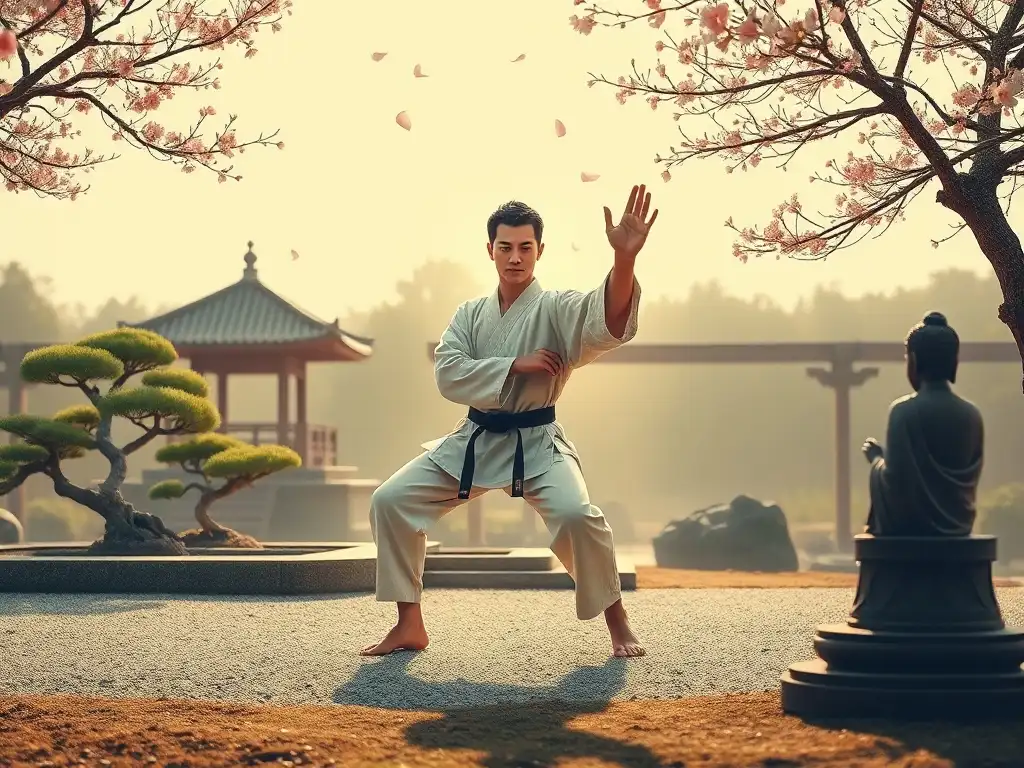
The synthesis of Buddhism and martial arts has evolved significantly over the centuries, leading to modern adaptations that incorporate core Buddhist principles into training and practice. These adaptations emphasize mindfulness, compassion, and inner peace, which resonate deeply with the foundational teachings of Buddhism. Today, many martial arts schools integrate meditation and philosophical discussions into their curriculum, allowing practitioners to explore the spiritual dimensions of their training.
One notable adaptation is the focus on mindfulness practices, which are now commonplace in various martial arts, such as karate and judo. Practitioners are encouraged to cultivate awareness of their bodies and movements while also being present in the moment. This approach not only enhances physical performance but also fosters emotional resilience and mental clarity, aligning closely with Buddhist ideals.
Moreover, the concept of non-violence, or Ahimsa, which is central to Buddhist philosophy, has been reinterpreted within martial arts. While traditional martial arts may focus on self-defense techniques, modern interpretations often prioritize conflict resolution, emphasizing that martial arts should be a means of self-improvement rather than aggression. This shift reflects a broader understanding of martial arts as a practice that can promote peace and harmony rather than solely a method of combat.
Integrating Buddhist Teachings in Contemporary Martial Arts
In contemporary martial arts, the integration of Buddhist teachings serves as a foundation for both physical training and personal development. Schools and instructors often utilize Buddhist concepts such as impermanence, compassion, and the interconnectedness of all beings to guide their teachings. This creates a holistic approach where students learn not just the techniques of martial arts but also the ethical and philosophical underpinnings that accompany their practice.
For instance, many dojos encourage practitioners to engage in meditation before or after training sessions. This practice helps to center the mind, reduce stress, and cultivate a deeper understanding of oneself and others. Additionally, discussions around the Eightfold Path are increasingly incorporated into martial arts philosophy, guiding students on how to apply these principles to their daily lives, thus promoting ethical behavior both on and off the mat.
Furthermore, the use of rituals and forms, often rooted in Buddhist traditions, enhances the spiritual aspect of martial arts training. The respect shown to instructors and fellow students, as well as the mindfulness practiced during kata (formal exercises), reflects the deep-seated Buddhist values of respect and humility. This integration fosters a sense of community and shared purpose among practitioners, enhancing their commitment to both martial arts and the teachings of Buddhism.
The Global Spread of Buddhism and Its Impact on Martial Arts Training
The global spread of Buddhism, particularly during the 20th century, has had a profound impact on martial arts training across the world. As Buddhism reached various cultures, it transformed local martial arts practices, leading to a blend of techniques, philosophies, and training methodologies. This cross-cultural exchange has enriched martial arts, making them more inclusive and diverse.
In Western countries, for example, the introduction of martial arts such as karate and kung fu has often been accompanied by an emphasis on the philosophical aspects of these disciplines. Many practitioners have embraced Buddhist concepts, integrating them into their training routines and personal philosophies. This has led to the emergence of schools that not only teach physical techniques but also prioritize the mental and spiritual development of their students.
Moreover, as martial arts gained popularity globally, there has been a growing recognition of the importance of ethics and personal growth in practice. This awareness has prompted many martial arts organizations to emphasize the teachings of Buddhism, promoting values such as respect, humility, and non-violence in their training programs. As a result, martial arts today often serve as a conduit for spreading Buddhist philosophy, encouraging practitioners to engage with these teachings on a deeper level.
Conclusion: The Lasting Legacy of Buddhism on Martial Arts
The influence of Buddhism on martial arts is profound and enduring, shaping the way practitioners approach their training and personal development. The integration of Buddhist principles into martial arts not only enhances physical skills but also fosters a deeper understanding of oneself and one’s relationship with others. This legacy continues to thrive, enriching the lives of students and teachers alike.
Reflection on the Philosophy in Motion
Martial arts embody a dynamic interplay between physicality and philosophy, where the teachings of Buddhism serve as a guiding light. Reflecting on this philosophy in motion reveals how martial arts can be a powerful tool for personal transformation. Practitioners are encouraged to cultivate qualities such as patience, mindfulness, and compassion, which are essential for both martial arts and everyday life. This ongoing journey reflects the essence of Buddhism, where the path to enlightenment is as important as the destination itself.
Future Perspectives on Buddhism’s Influence in Modern Martial Arts
Looking ahead, the influence of Buddhism on modern martial arts is likely to continue evolving. As global awareness of mindfulness and mental health grows, more practitioners may seek to incorporate Buddhist teachings into their training. This could lead to the development of new styles and approaches that emphasize not only physical prowess but also emotional and spiritual well-being.
Additionally, the increasing popularity of wellness practices such as yoga and meditation may further intertwine with martial arts, creating a more holistic approach to training. By merging physical technique with philosophical inquiry, the future of martial arts could offer deeper insights into the human experience, promoting a balanced life rooted in the teachings of Buddhism. In this way, the legacy of Buddhism will not only endure but flourish, shaping the next generation of martial artists and their journeys.
References
Key Texts and Resources for Further Reading on Buddhism and Martial Arts
-
The Heart of the Buddha's Teaching by Thich Nhat Hanh
This book provides a comprehensive overview of Buddhist philosophy, emphasizing mindfulness and compassion, which are foundational principles that have influenced various martial arts.
-
Buddhism and Martial Arts: A Study of Their Interrelation by John McRae
An insightful exploration of how Buddhist teachings have permeated martial arts practices, this text delves into the historical context and philosophical connections.
-
The Tao of Jeet Kune Do by Bruce Lee
Although primarily focused on martial arts, this work reflects Lee's deep understanding of Eastern philosophies, including Buddhism, showcasing how these teachings shape combat techniques and mental discipline.
-
The Zen Way to the Martial Arts by Taisen Deshimaru
This book elucidates the relationship between Zen Buddhism and martial arts, highlighting how Zen practices enhance a practitioner's focus, presence, and overall skills in combat.
-
Buddhism and the Martial Arts by David R. McMahan
This resource presents a scholarly analysis of the influence of Buddhist principles on various martial arts traditions, examining both historical developments and contemporary practices.
Notable Figures in the History of Buddhism and Martial Arts
-
Bodhidharma
Often credited with introducing Buddhism to China and the founder of Chan (Zen) Buddhism, Bodhidharma is also associated with the origins of Shaolin Kung Fu. His teachings emphasized meditation and physical training, merging spiritual and martial disciplines.
-
Miyamoto Musashi
A legendary Japanese swordsman, Musashi’s writings, particularly in "The Book of Five Rings," reflect the influence of Zen Buddhism on his martial philosophy, emphasizing mindfulness, strategy, and the spiritual aspects of combat.
-
Gichin Funakoshi
The founder of modern karate, Funakoshi integrated Zen principles into karate training, promoting the idea that martial arts should not merely be about physical prowess but also about cultivating character and spirit.
-
Jigoro Kano
The founder of Judo, Kano was deeply influenced by Buddhist concepts of mutual welfare and respect, which shaped his philosophy of judo as a way of life rather than merely a competitive sport.
-
Masutatsu Oyama
The founder of Kyokushin Karate, Oyama incorporated Buddhist meditation practices into his training regimen, emphasizing the importance of mental discipline and spiritual growth alongside physical training.
These figures exemplify how the teachings of Buddhism have permeated martial arts throughout history, fostering a unique blend of physical skill and philosophical depth.
- Introduction to Buddhism and Martial Arts
- The Core Principles of Buddhism
- The Intersection of Buddhism and Martial Arts
- The Role of Mindfulness in Martial Arts Practices
- Case Studies: Buddhist Martial Arts Traditions
- Comparative Analysis of Buddhism and Other Philosophies in Martial Arts
- Modern Adaptations of Buddhist Principles in Martial Arts
- Conclusion: The Lasting Legacy of Buddhism on Martial Arts
- References
- What is the connection between Buddhism and martial arts?
- How did Buddhism spread its philosophical teachings to martial arts?
- What role did monasteries play in the development of martial arts influenced by Buddhism?
- How does Buddhism influence the mindset of martial artists today?
- Are there specific martial arts that are heavily influenced by Buddhism?
Frequently Asked Questions
What is the connection between Buddhism and martial arts?
Buddhism has significantly influenced martial arts through its philosophy, emphasizing discipline, mindfulness, and ethical conduct, which are essential elements in training and practice.
How did Buddhism spread its philosophical teachings to martial arts?
As Buddhism spread from India to other regions, its teachings were incorporated into local martial arts systems, promoting a holistic approach that integrates spirituality with physical training.
What role did monasteries play in the development of martial arts influenced by Buddhism?
Monasteries served as centers of learning, where monks practiced and taught martial arts alongside Buddhist teachings, fostering a unique blend of combat skills and spiritual growth.
How does Buddhism influence the mindset of martial artists today?
The Buddhist principles of mindfulness, compassion, and self-awareness help martial artists cultivate a focused and balanced mindset, enhancing their performance and personal development.
Are there specific martial arts that are heavily influenced by Buddhism?
Yes, several styles, such as Shaolin Kung Fu and Tibetan martial arts, showcase the profound impact of Buddhism, integrating its philosophical concepts into their training methodologies.
Final Reflection: The Enduring Legacy of Buddhism in Martial Arts
The profound connection between Buddhism and martial arts continues to resonate in today's world, illustrating how ancient philosophies shape modern practices. As we navigate a fast-paced and often chaotic society, the principles of mindfulness, discipline, and inner peace found in Buddhist teachings provide a much-needed counterbalance. The integration of these philosophies into martial arts not only enhances physical prowess but also cultivates a deeper understanding of oneself and the world around us.
The influence of Buddhism on martial arts extends beyond the dojo, permeating various aspects of our cultural and social landscape. From the meditative practices that foster mental clarity to the ethical frameworks that guide practitioners, the teachings of Buddhism encourage a holistic approach to personal development. As the renowned martial artist Bruce Lee once said, The successful warrior is the average man, with laser-like focus.
This focus, rooted in Buddhist philosophy, empowers individuals to harness their potential and pursue their passions with unwavering determination.
As you reflect on the teachings explored in this article, consider how you can incorporate the principles of Buddhism into your own life, whether through martial arts or other avenues of self-discovery. Embrace the journey of personal growth, and let the philosophies of mindfulness and compassion guide your actions. By doing so, you not only honor the rich legacy of Buddhism's influence on martial arts but also contribute to a more harmonious and balanced existence in your daily life.
Unveil the Harmony of Mind and Motion!
Thank you for diving into the fascinating intersection of Buddhism and martial arts! You've uncovered insights that blend philosophy with dynamic practice, deepening your understanding of both disciplines. Now it's time to take action and experience this synergy firsthand.
Here are some ways you can continue your journey:
- Join a local martial arts class that incorporates Eastern philosophies into its training—experience mindfulness in movement!
- Participate in a meditation session to enhance your mental focus and complement your physical training.
- Discuss your insights from this article with friends or in community groups—sparking conversation can unveil new perspectives!
What aspect of combining mindfulness with physical discipline intrigues you the most?