
Jain Monasticism: The Path of Asceticism in Ancient Indian Society

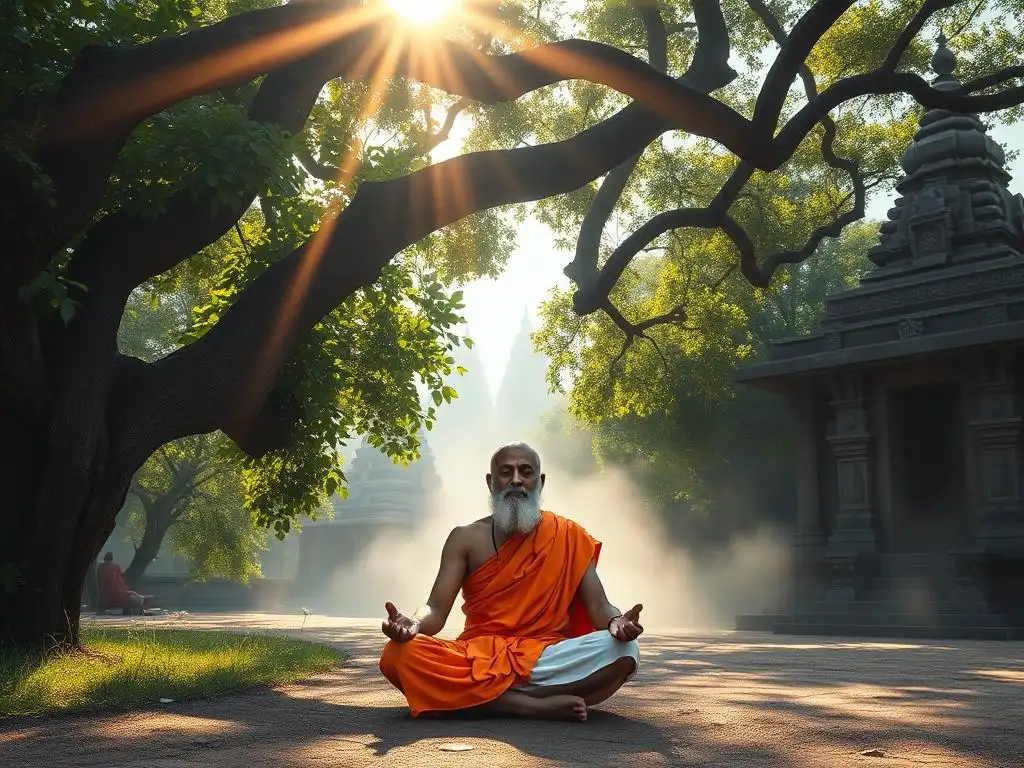
Welcome to Ancient India History, where we invite you to embark on a journey through time, exploring the intricate tapestry of ancient Indian civilizations. Delve into the profound depths of Jain monasticism in ancient India, a fascinating practice that shaped the spiritual landscape and ethical frameworks of its era. Discover how asceticism not only influenced individual lives but also left an indelible mark on society as a whole.
As you navigate through our articles, prepare to uncover the secrets of a rich cultural heritage that continues to resonate today. Your exploration of this remarkable path begins now—read on to illuminate the essence of Jain monasticism!
-
Jain Monasticism in Ancient India: An Overview of Ascetic Practices
- Historical Context of Jain Monasticism
- Principles of Jain Monasticism
- Structure of Jain Monastic Communities
- Daily Life of Jain Monks and Nuns
- Influence of Jain Monasticism on Ancient Indian Society
- Challenges Faced by Jain Monasticism
- Conclusion: The Legacy of Jain Monasticism in Ancient Indian Culture
- Frequently Asked Questions
- Final Reflection: The Enduring Legacy of Jain Monasticism in Ancient India
- Embrace the Spiritual Legacy of Jain Monasticism!
Jain Monasticism in Ancient India: An Overview of Ascetic Practices

Jain monasticism is a profound and integral aspect of ancient Indian society, representing a spiritual journey characterized by rigorous ascetic practices and profound philosophical insights. Rooted in the teachings of Mahavira, the 24th Tirthankara, Jain monasticism emerged as a response to the spiritual and ethical dilemmas prevalent in ancient India. It emphasizes a life of renunciation, discipline, and non-violence, which has left an indelible mark on the cultural and religious fabric of the subcontinent.
This article explores the historical roots, principles, and evolution of Jain monasticism, shedding light on its significance and contributions to ancient Indian society. By examining the ascetic practices that define Jain monastic life, we can gain a deeper understanding of how these traditions not only shaped individual lives but also influenced broader societal norms.
Historical Context of Jain Monasticism
Origins of Jainism in Ancient India
Jainism traces its origins back to the 6th century BCE, a time when India was witnessing significant religious and philosophical developments. The teachings of Mahavira, who advocated for a path of non-violence and truth, became the cornerstone of Jain philosophy. The early followers of Jainism established communities that valued spiritual purity and ethical living, laying the groundwork for monastic traditions.
Evolution of Monastic Practices in Jain Tradition
Over the centuries, Jain monasticism evolved, reflecting changing societal contexts and spiritual needs. The establishment of monastic orders, such as the Shvetambara and Digambara sects, highlighted the diversity within Jain practices. Monks and nuns adopted ascetic lifestyles, forsaking material possessions and societal ties to pursue spiritual enlightenment. This evolution not only shaped individual paths but also influenced the broader religious landscape of ancient India.
Principles of Jain Monasticism
Key Tenets of Jain Asceticism
At the heart of Jain monasticism are several key tenets that guide ascetic practices. These include:
- Ahimsa (Non-violence): The paramount principle that dictates the behavior of Jains towards all living beings.
- Satya (Truthfulness): The commitment to truth in thought, word, and deed.
- Aparigraha (Non-possessiveness): The practice of detachment from material wealth and desires.
- Brahmacharya (Celibacy): The renunciation of sexual activity as a means to attain spiritual purity.
These tenets form the foundation of a monastic lifestyle that emphasizes discipline and ethical living.
The Role of Ahimsa (Non-violence) in Monastic Life
Ahimsa is not merely a principle but a way of life for Jain monks and nuns. It encompasses dietary restrictions, careful movement to avoid harming even the smallest creatures, and a profound respect for all forms of life. This commitment to non-violence extends beyond personal conduct, influencing social interactions and broader ethical considerations within ancient Indian society.
The Importance of Renunciation in Jain Monasticism
Renunciation is considered essential in Jain monasticism, as it represents a conscious choice to abandon worldly attachments in pursuit of spiritual goals. Monks and nuns engage in rigorous practices, including fasting and meditation, to cultivate detachment and achieve liberation (moksha). This renunciatory path not only signifies personal sacrifice but also serves as a powerful example for lay followers, inspiring them to lead more ascetic lives.
Jain monasticism is a rich and complex tradition that has profoundly shaped the spiritual landscape of ancient India, driven by a commitment to ascetic practices and ethical living.
Structure of Jain Monastic Communities
Jain monastic communities, known as sanghas, are characterized by a hierarchical structure that reflects the principles of Jainism and its emphasis on asceticism. These communities are primarily composed of monks ( sadhus) and nuns ( sadhvīs), who dedicate their lives to spiritual pursuits and adherence to Jain teachings. The organization of these communities is vital for maintaining discipline, accountability, and the preservation of Jain traditions.
The structure within these communities often includes senior monks and nuns, who provide guidance and leadership to junior members. This hierarchy is not only spiritual but also functional, as senior monks are responsible for teaching and mentoring younger members, ensuring that the core tenets of Jainism are upheld. The monastic communities may also be divided into sects, such as the Digambara and Svetambara, each with its unique practices and interpretations of Jain philosophy.
Hierarchical Organization of Jain Monks and Nuns
The hierarchical organization within Jain monastic communities is typically structured as follows:
- Acharya: The leader of the monastic community, responsible for the spiritual guidance of the monks and nuns.
- Upadhyaya: A teacher who instructs junior monks and nuns in religious texts and practices.
- Sadhu/Sadhvi: Monks and nuns who have taken vows of asceticism and live according to Jain principles. They engage in rigorous spiritual practices.
- Shravaka/Shravika: Lay followers who support the monastic community but do not partake in the same level of ascetic practice. Their role is vital in sustaining the monastic order.
This hierarchical organization emphasizes respect and obedience, with each level playing a crucial role in the preservation of Jain teachings and practices. The dynamic between the monastic and lay communities fosters a symbiotic relationship that strengthens Jainism's presence in society.
The Role of Lay Followers in Supporting Monasticism
Lay followers, known as shravakas (men) and shravikas (women), play a pivotal role in the support of Jain monasticism. They provide the necessary resources, such as food, clothing, and financial assistance, essential for the sustenance of monks and nuns who renounce worldly possessions. This relationship is built on a foundation of mutual respect and shared spiritual goals.
Lay supporters also engage in various religious practices that align with Jain principles, including:
- Donations and Alms: Providing material support to monks and nuns, which is considered a meritorious act.
- Participation in Rituals: Engaging in communal worship and ceremonies that reinforce the teachings of Jainism.
- Adhering to Ethical Principles: Many lay followers strive to live in accordance with Jain ethical standards, such as non-violence ( ahimsa) and truthfulness ( satya), thereby creating a harmonious environment that supports monastic practices.
The interaction between lay followers and the monastic community is crucial for the sustainability and propagation of Jainism throughout history.
Daily Life of Jain Monks and Nuns
The daily life of Jain monks and nuns is marked by rigorous ascetic practices, spiritual discipline, and a commitment to non-violence. Their lifestyle is meticulously structured to promote spiritual growth and adherence to Jain teachings.
Monks and nuns engage in a variety of daily activities that reflect their spiritual commitments, including meditation, study of sacred texts, and participation in communal rituals. They also adhere to strict routines that regulate their behavior and interactions with the world, ensuring that they remain focused on their spiritual objectives.
Rituals and Practices in Jain Monastic Life
Rituals and practices form the backbone of daily life for Jain monks and nuns. Key components of their rituals include:
- Pratikraman: A ritual of repentance and reflection performed daily, allowing monks and nuns to acknowledge and atone for any wrongdoings.
- Samayik: A practice of meditation and contemplation, aimed at achieving a state of equanimity and spiritual clarity.
- Daily Prayers and Chants: Recitations of sacred texts and mantras, which reinforce their commitment to non-violence and spiritual growth.
These rituals not only serve as a means of personal purification but also foster a sense of community among the monastic members.
Dietary Restrictions and Ascetic Practices
Dietary restrictions are a significant aspect of Jain monastic life, reflecting the core principle of non-violence. Monks and nuns adhere to a strictly vegetarian diet, avoiding any food that may harm living beings. Their dietary practices include:
- Avoidance of Root Vegetables: To prevent harm to plants and microorganisms, monks and nuns refrain from consuming root vegetables, which disrupts the plant’s life cycle.
- Limited Consumption: Meals are often limited to one or two times per day, and consumption is mindful and restrained, promoting asceticism.
- Fasting: Fasting is a common practice, particularly during religious festivals, as a means to purify the body and mind and strengthen spiritual resolve.
These dietary restrictions and ascetic practices are essential for cultivating a lifestyle that aligns with Jain values and enhances spiritual discipline.
Meditation and Spiritual Disciplines in Jainism
Meditation is a fundamental aspect of Jain monastic life, serving as a tool for attaining spiritual insight and inner peace. Monks and nuns engage in various forms of meditation, including:
- Dhyana: Focused meditation aimed at achieving mental clarity and emotional stability.
- Anupreksha: Reflective meditation that encourages practitioners to contemplate impermanence and the nature of existence, fostering detachment from worldly desires.
In addition to meditation, spiritual disciplines such as self-restraint, non-attachment, and ethical living are integral to Jain monasticism. These practices not only contribute to personal enlightenment but also play a crucial role in the overall mission of Jainism to promote peace and harmony within society.
Through these rigorous disciplines, Jain monks and nuns embody the principles of asceticism and non-violence, serving as exemplars of Jain ideals in ancient Indian society.
Influence of Jain Monasticism on Ancient Indian Society
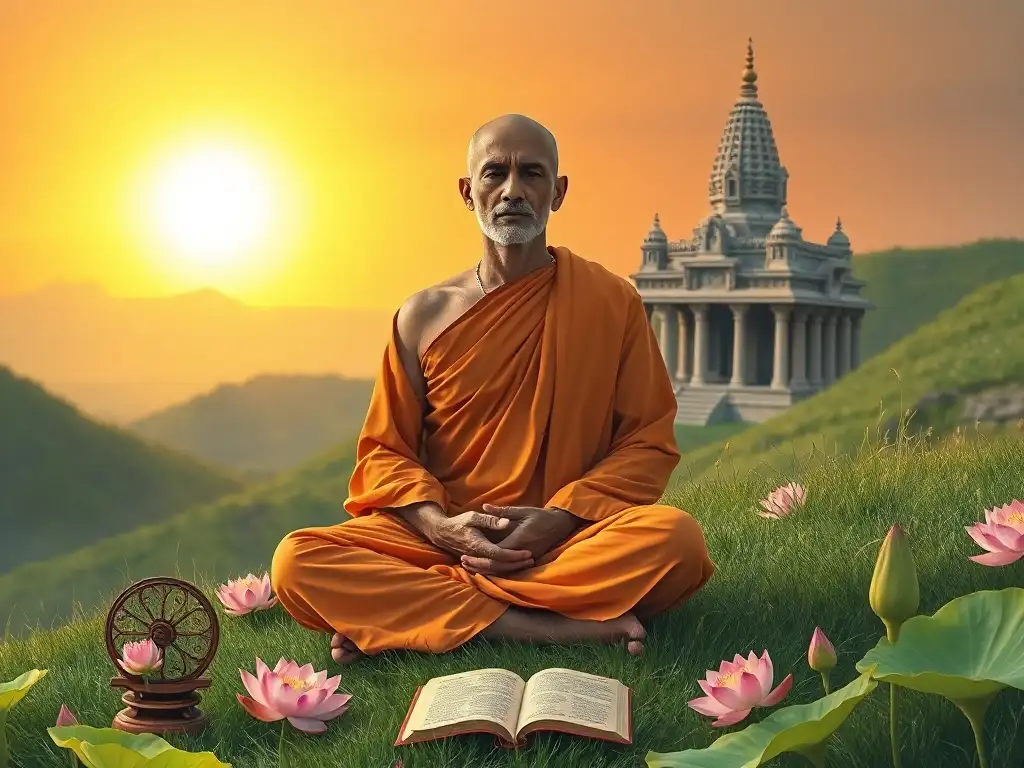
Jain monasticism played a pivotal role in shaping ancient Indian society, influencing various aspects of culture, ethics, and social structures. The ascetic practices of Jain monks and nuns, which emphasized non-violence (ahimsa), truth (satya), and self-discipline, instilled a deep moral consciousness among followers and the wider community. These values permeated various layers of society, leading to a gradual transformation in social norms and individual behaviors.
Jain monastic communities established a framework of religious authority that encouraged lay followers to engage in philanthropic activities, such as supporting the establishment of temples and educational institutions. This interaction between monastic leaders and laypersons fostered a communal spirit that was integral to the dissemination of Jain values and practices. As a result, Jain monasticism not only nurtured an ethical lifestyle but also contributed to the socio-economic stability of ancient Indian regions where Jain communities flourished.
Contributions to Art, Literature, and Philosophy
The influence of Jain monasticism is evident in the rich tapestry of ancient Indian art and literature. Jain monks were instrumental in the creation of exquisite temples, sculptures, and frescoes that depicted key Jain teachings and narratives. Temples such as the Dilwara Temples in Rajasthan showcase intricate carvings and architectural brilliance, reflecting the deep spiritual dedication of the Jain community.
In literature, Jain scholars contributed significantly to the canon of ancient Indian texts. The Tattvartha Sutra, authored by Umaswati, is a seminal work that outlines Jain philosophy and ethics, becoming a cornerstone for both Jain practitioners and scholars of Indian thought. Additionally, the Kalpa Sutra, a biographical account of Lord Mahavira, serves as a critical text that encapsulates the principles of Jain monasticism and its relevance to the ascetic lifestyle.
Philosophically, Jain monasticism introduced concepts such as anekantavada (the doctrine of manifold perspectives) and syādvāda (conditional predication), which encouraged intellectual discourse and dialogue with other philosophical schools in ancient India. This contributed to a more pluralistic understanding of reality, emphasizing the importance of compassion and tolerance.
Interactions with Other Religious Traditions in Ancient India
Jain monasticism coexisted and often interacted with other religious traditions in ancient India, including Buddhism and Hinduism. These interactions led to both mutual influence and distinct separations in beliefs and practices. Jain ascetics were known for their rigorous adherence to non-violence, which sometimes contrasted with the more flexible interpretations of ahimsa found in other traditions.
The debates between Jain and Buddhist monks were particularly notable, as both sought to articulate their views on asceticism, karma, and liberation. Jain texts often reflect these exchanges, showcasing a rich tradition of philosophical inquiry. Moreover, the Jain emphasis on non-possessiveness (aparigraha) and environmental stewardship resonated with emerging ecological concerns that were also present in Hindu teachings.
These interactions contributed to a vibrant religious landscape in ancient India where ideas were exchanged, leading to a more nuanced understanding of spirituality and ethics across different sects. The coexistence of Jain monasticism with other faiths enriched the cultural fabric of ancient Indian society, fostering dialogues that shaped the evolution of religious thought.
Jain Monasticism and Social Reform Movements
Jain monasticism has historically been at the forefront of social reform movements in ancient India. The ascetic ideals promoted by Jain monks inspired various social changes, particularly in promoting ethical conduct and social justice. The emphasis on non-violence and compassion led to the rejection of practices such as animal sacrifice, significantly influencing social norms and ethical standards in broader society.
Furthermore, Jain monks often took on roles as mediators and advisors in local governance, advocating for the welfare of the underprivileged and marginalized communities. Their teachings encouraged a sense of responsibility among lay followers, prompting them to engage in charitable activities and support social upliftment initiatives.
During periods of social unrest or moral decay, Jain monastic leaders emerged as reformers, rallying communities to return to ethical living and spiritual discipline. This proactive stance not only helped in preserving the integrity of Jain values but also inspired similar movements within other religious traditions, fostering a collective effort towards societal improvement.
Challenges Faced by Jain Monasticism
Despite its significant influence and contributions, Jain monasticism faced various challenges throughout history, which impacted its practice and followers.
Historical Challenges and Decline
Jain monasticism encountered several historical challenges that led to periods of decline. One of the primary factors was the changing political landscape in ancient India, particularly during the rise of empires such as the Mauryas and Guptas, which shifted the power dynamics and patronage systems. The decline of royal patronage for Jain institutions diminished the resources available for monastic communities, leading to decreased visibility and influence.
Additionally, external invasions and the spread of other religious ideologies, particularly Islam, posed significant threats to the survival of Jain monastic practices. The destruction of temples and monasteries during invasions led to a loss of cultural heritage and community cohesion. Furthermore, the internal divisions within the Jain community, such as the schism between the Digambara and Svetambara sects, also contributed to weakening the unified front of Jain monasticism.
Modern-Day Relevance and Revival of Jain Ascetic Practices
In recent years, there has been a resurgence of interest in Jain monasticism and its ascetic practices, reflecting a broader global trend towards spirituality and ethical living. Modern-day Jains are revisiting their monastic traditions, emphasizing the relevance of Jain teachings in addressing contemporary issues such as environmental degradation, social justice, and personal well-being.
Initiatives aimed at reviving traditional ascetic practices have gained momentum, with increased participation in meditation retreats, ethical living workshops, and community service projects. This revival is not only fostering a renewed commitment to Jain principles but also attracting interest from individuals outside the Jain faith, who seek a more meaningful and mindful way of living.
The adaptability of Jain monasticism to modern contexts demonstrates its enduring legacy and the potential it holds for guiding contemporary society towards a more compassionate and ethical future. As the world grapples with complex challenges, the ascetic practices and teachings of Jain monasticism offer valuable insights into cultivating a harmonious coexistence with oneself and the environment.
Conclusion: The Legacy of Jain Monasticism in Ancient Indian Culture
Jain monasticism has left an indelible mark on the cultural and spiritual landscape of ancient India. This ascetic tradition, characterized by rigorous practices, deep philosophical insights, and a commitment to non-violence, has shaped not only the religious practices of Jain communities but also influenced broader aspects of Indian society. The emphasis on asceticism and self-discipline fostered a profound respect for all forms of life, which is a core tenet of Jain philosophy.
The legacy of Jain monasticism is evident in the numerous temples, texts, and teachings that continue to inspire millions. Monks and nuns who adhere to these practices have historically served as spiritual guides, educators, and community leaders, promoting ethical living and spiritual development. Their contributions have enriched the intellectual discourse in India, particularly in the realms of philosophy, ethics, and cosmology.
Moreover, the principles rooted in Jain monasticism, such as ahimsa (non-violence), aparigraha (non-possessiveness), and anekantavada (non-absolutism), have transcended the boundaries of Jainism and found resonance in various aspects of Indian culture, including art, literature, and social ethics. This enduring influence underscores the significance of Jain monasticism in shaping not just a religious tradition but a holistic way of life that advocates peace, compassion, and spiritual enlightenment.
Lasting Impact on Contemporary Jain Practices and Beliefs
The impact of ancient Jain monasticism is vividly reflected in contemporary Jain practices and beliefs. Many modern Jains continue to uphold the ascetic values and rituals established by their ancestors. While not all Jains are monks or nuns, the ideals of asceticism permeate the lifestyle choices of laypeople, influencing dietary habits, ethical consumption, and environmental consciousness.
For instance, the practice of vegetarianism is a widespread norm among Jains, deeply rooted in the principle of ahimsa. Additionally, community events and religious festivals often emphasize the teachings of revered ascetics, showcasing the commitment to spiritual upliftment and communal harmony.
Furthermore, the structure of Jain monastic institutions has adapted to modern contexts, with many monasteries engaged in educational and philanthropic efforts. These institutions serve as centers for learning and social service, reflecting the dual commitment to spiritual practice and community welfare. The legacy of asceticism thus continues to play a pivotal role in shaping the identity of contemporary Jainism, ensuring that the principles of ancient monasticism remain relevant and influential.
Reflection on the Importance of Asceticism in Today's Society
In today's fast-paced world, the importance of asceticism can often be overlooked. However, as society grapples with issues such as environmental degradation, social inequality, and mental health challenges, the teachings of Jain monasticism offer valuable insights. The practice of asceticism encourages individuals to cultivate self-discipline, mindfulness, and a deep sense of responsibility towards oneself and the community.
Moreover, ascetic practices foster a greater appreciation for simplicity and sustainability, urging individuals to reflect on their consumption patterns and lifestyle choices. In an era characterized by consumerism, the Jain emphasis on aparigraha serves as a poignant reminder of the virtues of non-attachment and minimalism.
As more individuals seek paths to holistic well-being, the principles of Jain monasticism can inspire a balanced approach to life that harmonizes spiritual growth with ethical living. By embracing these ancient teachings, contemporary society can strive for a more compassionate and sustainable future, enriching not only individual lives but also the collective human experience.
Frequently Asked Questions
What is Jain monasticism?
Jain monasticism refers to the ascetic practices and lifestyle followed by monks and nuns in Jainism, emphasizing spiritual purity and non-violence.
How did Jain monasticism influence ancient Indian society?
Jain monasticism played a significant role in shaping ethical values and promoting ahimsa (non-violence), impacting the social and cultural fabric of ancient India.
What are the key practices of Jain monks and nuns?
Jain monks and nuns practice strict asceticism, including fasting, meditation, and renunciation, to attain spiritual liberation and moksha.
Who were some notable figures in Jain monasticism?
Prominent figures include Mahavira, the 24th Tirthankara, who redefined Jain teachings, and Gautama Swami, his chief disciple, who spread Jain philosophy.
How did Jain monasticism coexist with other religious practices in ancient India?
Jain monasticism coexisted with Buddhism and Hinduism, often sharing philosophical concepts while maintaining distinct practices, fostering religious pluralism in ancient India.
Final Reflection: The Enduring Legacy of Jain Monasticism in Ancient India
Jain monasticism in ancient India serves as a profound testament to the power of ascetic practices and their relevance in today's world. As we navigate a society increasingly driven by materialism and distraction, the principles of self-discipline and non-attachment that Jain monasticism embodies resonate more than ever. The teachings of Jain monks remind us that true fulfillment is not found in external possessions but in the inner journey of self-realization and ethical living.
The influence of Jain monasticism extends far beyond its historical context, shaping the cultural and spiritual landscape of India and beyond. The commitment to non-violence, truth, and compassion continues to inspire individuals and communities seeking a more harmonious existence. As Mahatma Gandhi once said, "> The greatness of a nation and its moral progress can be judged by the way its animals are treated." This quote encapsulates the essence of Jain philosophy, urging us to consider the ethical implications of our actions and their impact on all living beings.
As we reflect on the teachings of Jain monasticism, I invite you to explore how these ancient principles can be integrated into your own life. Consider the ways in which you can cultivate mindfulness, compassion, and simplicity in your daily routines. Let the legacy of Jain ascetics inspire you to embark on your own path of self-discovery and ethical living, fostering a deeper connection with yourself and the world around you. Together, we can honor the wisdom of the past while paving the way for a more conscious and compassionate future.
Embrace the Spiritual Legacy of Jain Monasticism!
Thank you for diving deep into the fascinating world of Jain monasticism! We hope this article has illuminated the profound paths of asceticism that shaped ancient Indian society and inspired you to explore this spiritual journey further.
Now, it’s time to take that inspiration and turn it into action! Here are some steps you can take to deepen your understanding and engagement with Jain philosophy:
- Join a Local Jain Community: Connect with like-minded individuals and participate in events, discussions, or meditation sessions to enhance your practices and insights.
- Visit a Jain Temple or Museum: Experience the rich culture and architecture firsthand—explore the spiritual environment that embodies Jain values.
- Explore Key Jain Texts: Delve into important scriptures and writings to gain a more comprehensive understanding of their philosophies and teachings.
Which aspect of Jain asceticism resonates with you the most, and how do you plan to incorporate it into your own life? We're excited to hear your thoughts!