
The Relationship Between Buddhism and Hinduism: A Complex Interplay


Welcome to Ancient India History, where we embark on a fascinating journey through the rich tapestry of ancient Indian civilizations. In this exploration, we delve into the intricate relationship between Buddhism and Hinduism, two monumental faiths that have shaped the spiritual landscape of India. As we unravel the complex interplay between these religions, you’ll discover how their histories intertwine, influence each other, and contribute to the cultural legacy of the subcontinent.
Are you ready to uncover the profound connections that define this captivating relationship? Let's dive deeper into the world of Ancient Indian Religions and enrich your understanding of these time-honored traditions!
Introduction to Buddhism and Hinduism
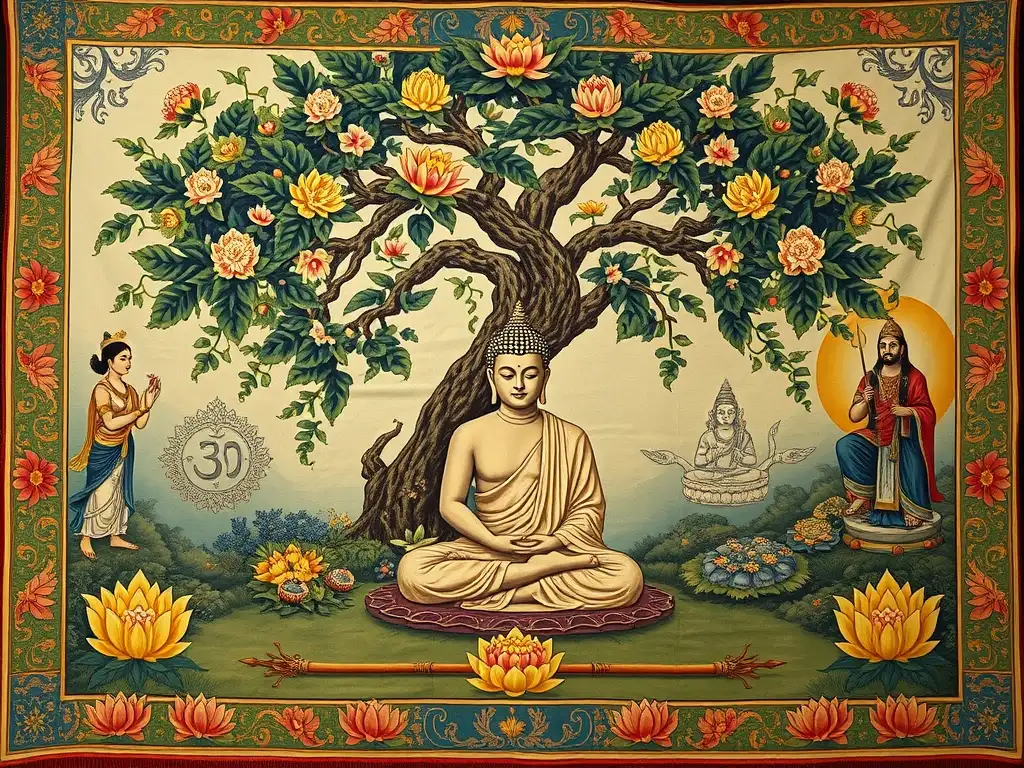
The relationship between Buddhism and Hinduism is a fascinating and intricate tapestry that reflects the profound cultural and spiritual evolution of ancient India. Both religions have significantly shaped the philosophical landscape of the Indian subcontinent, and understanding their interplay is crucial for appreciating the rich history and diversity of Indian spirituality.
While Buddhism emerged as a distinct tradition in the 5th century BCE, it shares a deep-rooted connection with Hinduism, which can be traced back thousands of years. This article delves into the complexities of their relationship, exploring how these two religions, while distinct in their beliefs and practices, have influenced and interacted with one another throughout history.
Overview of Buddhism and Hinduism
Buddhism and Hinduism, while often seen as opposing forces, are deeply intertwined in their origins and development.
- Hinduism is one of the oldest religions in the world, characterized by a diverse range of beliefs, rituals, and practices. Its core tenets include concepts such as dharma (duty/ethics), karma (action and consequence), and moksha (liberation from the cycle of rebirth).
- Buddhism, founded by Siddhartha Gautama (the Buddha), arose as a reform movement within the context of Hindu thought. With principles such as the Four Noble Truths and the Eightfold Path, Buddhism emphasizes the cessation of suffering through personal experience and enlightenment.
Despite their differences, both religions share foundational ideas such as karma and samsara (the cycle of birth, death, and rebirth), which highlight their interconnectedness.
Historical Context of Both Religions
To understand the relationship between Buddhism and Hinduism, it is essential to contextualize their historical backgrounds.
- Hinduism has evolved over millennia, absorbing various cultural influences and adapting to the changing social landscape. Ancient texts such as the Vedas, Upanishads, and Puranas form the philosophical and spiritual foundation of Hindu thought.
- Buddhism, emerging in the 6th century BCE, arose during a time of significant social and religious upheaval in India. Siddhartha Gautama's teachings were a response to the ritualistic practices and caste system prevalent in Hindu society.
This historical backdrop reveals how both religions have been shaped by their surroundings and have, in turn, influenced each other over the centuries.
Importance of Understanding Their Relationship
Exploring the relationship between Buddhism and Hinduism is vital for several reasons:
- Cultural Exchange: The interactions between the two religions have led to a rich exchange of ideas, practices, and beliefs, contributing to the spiritual heritage of India.
- Philosophical Insights: Understanding their interplay offers insights into the evolution of philosophical thought in ancient India, highlighting the dialogues and debates that have shaped religious consciousness.
- Contemporary Relevance: In today's globalized world, the historical relationship between Buddhism and Hinduism continues to inform contemporary spiritual practices and interfaith dialogue.
Historical Development of Buddhism and Hinduism
Origins of Hinduism: Key Beliefs and Practices
Hinduism's origins can be traced back to the ancient Indus Valley civilization, with its roots embedded in the Vedic traditions. Key aspects include:
- Vedas: The foundational texts comprising hymns, rituals, and philosophical discourses.
- Caste System: A social hierarchy that has played a significant role in shaping Hindu society.
- Deities: A vast pantheon of gods and goddesses, each representing various aspects of life and nature.
These elements have contributed to a complex religious framework that has evolved over centuries.
The Emergence of Buddhism: Siddhartha Gautama's Influence
The emergence of Buddhism is marked by the life and teachings of Siddhartha Gautama, who, upon achieving enlightenment, sought to share his insights on suffering and liberation. Key points include:
- Four Noble Truths: Central to Buddhist philosophy, outlining the nature of suffering and the path to its cessation.
- Eightfold Path: A practical guide to ethical and mental development aimed at achieving enlightenment.
Buddhism's emphasis on personal experience and the rejection of rigid rituals resonated with many, leading to its rapid spread throughout ancient India.
Historical Timeline: Buddhism's Growth Within Hinduism's Framework
The historical development of Buddhism within the context of Hinduism can be summarized in a timeline highlighting key events:
| Year (Approx.) | Event |
|---|---|
| 1500 BCE | Formation of early Vedic traditions. |
| 600 BCE | Birth of Siddhartha Gautama and the establishment of Buddhism. |
| 300 BCE | Ashoka the Great promotes Buddhism across India. |
| 1st Century CE | The rise of Mahayana Buddhism, further diversifying Buddhist thought. |
| 5th Century CE | Decline of Buddhism in India, yet it flourishes in other regions, influenced by Hindu practices. |
This timeline illustrates the dynamic relationship between Buddhism and Hinduism as they coexisted and evolved, shaping the spiritual landscape of ancient India.
Key Concepts in Buddhism and Hinduism
Buddhism and Hinduism, two of the major religions that originated in ancient India, share several key concepts while also diverging in significant ways. Understanding these concepts is crucial to grasping the complex relationship between the two belief systems. Both religions emphasize the importance of Dharma (moral duty), Karma (the law of cause and effect), and the cycle of Rebirth (Samsara), yet they interpret these concepts differently.
In Buddhism, the focus is on the Four Noble Truths and the Eightfold Path as a means to escape the cycle of suffering (Dukkha) and achieve Nirvana. Conversely, Hinduism presents a more diverse range of beliefs regarding the nature of the self (Atman) and the ultimate reality (Brahman), with various paths (Yogas) leading towards spiritual liberation (Moksha).
The interplay of these concepts reveals both the shared heritage and the distinct philosophical frameworks that characterize Buddhism and Hinduism.
Core Beliefs: Dharma, Karma, and Rebirth
In both Buddhism and Hinduism, Dharma represents duty, righteousness, and moral law. However, while Hindu Dharma is often tied to one's caste and societal role, in Buddhism, it emphasizes ethical conduct and the pursuit of enlightenment.
Karma, the principle that actions have consequences, is central to both religions. In Hinduism, it is linked to the cycle of rebirth, where good or bad deeds influence one's future lives. Buddhism, while also acknowledging Karma, places greater emphasis on intentionality and the present moment, highlighting that one can change their future by transforming their current actions and mindset.
Rebirth, or Samsara, is a shared belief in both traditions. However, Buddhism reinterprets this concept by focusing on the transient nature of existence and the possibility of achieving Nirvana, a state beyond the cycle of rebirth, whereas Hinduism views it more as a continuous journey towards Moksha, or liberation from the cycle.
The Concept of God in Hinduism and Buddhism
Hinduism is inherently theistic, with a vast pantheon of gods and goddesses representing various aspects of the divine. The ultimate reality, Brahman, is considered the source of all existence, manifesting in numerous deities that believers worship.
In contrast, Buddhism is often considered non-theistic. The historical Buddha, Siddhartha Gautama, did not emphasize the worship of gods, focusing instead on personal spiritual development and the understanding of suffering. While later forms of Buddhism embraced deities and bodhisattvas, the core teachings revolve around individual enlightenment rather than devotion to a god or gods.
This fundamental difference in the concept of divinity illustrates the varying paths each religion offers for understanding the universe and the self.
Meditation and Spiritual Practices: Similarities and Differences
Both Buddhism and Hinduism place significant emphasis on meditation and spiritual practices, albeit with different objectives and methodologies.
In Hinduism, meditation (Dhyana) is often a means to connect with the divine and achieve self-realization, using various techniques such as mantra chanting and visualization of deities. Practices like Yoga serve as pathways to attain spiritual growth and union with Brahman.
Buddhism, however, focuses on mindfulness meditation (Vipassana) and concentration techniques (Samatha) to cultivate awareness and insight into the nature of reality. The ultimate aim is to understand the impermanence of life and eliminate suffering.
While both traditions value introspection and discipline, their approaches reflect their unique philosophical underpinnings and spiritual goals.
The Interplay Between Buddhism and Hinduism
The relationship between Buddhism and Hinduism has evolved over centuries, marked by both influence and opposition. This interplay has shaped the development of doctrines, practices, and cultural expressions in the Indian subcontinent.
Influence of Hinduism on Early Buddhism
Buddhism emerged in a cultural milieu heavily influenced by Hindu thought. Many of the early teachings of the Buddha were shaped by existing Hindu concepts, such as the ideas of Dharma and Karma. The Buddha's teachings were often a response to the ritualistic practices and the caste system prevalent in Hindu society.
Additionally, the use of Sanskrit in early Buddhist texts reflected the linguistic and cultural context of Hinduism. The incorporation of certain Hindu rituals and concepts, albeit in modified forms, demonstrates the significant influence Hinduism had on the formation of early Buddhist philosophy.
How Buddhism Challenged Hindu Traditions
Buddhism presented a radical departure from several entrenched Hindu traditions, particularly the caste system and the emphasis on ritualistic practices. The Buddha rejected the notion that enlightenment was accessible only to the elite or the priestly class, promoting a more inclusive view that allowed anyone, regardless of caste, to seek spiritual awakening.
Moreover, Buddhist teachings critiqued the reliance on rituals and sacrifices, advocating instead for personal experience and understanding as the path to enlightenment. This challenge led to significant philosophical debates and shifts within the broader context of Indian spirituality.
Mutual Influences: Art, Literature, and Philosophy
The interaction between Buddhism and Hinduism has profoundly influenced Indian art, literature, and philosophy. Artistic expressions, such as sculptures and temple architecture, often reflect a synthesis of Buddhist and Hindu motifs, showcasing shared cultural values and aesthetics.
Literature from both traditions has drawn from one another, with stories, parables, and philosophical discourses blending themes and ideas. Philosophers and scholars from both religions have engaged in dialogues that enriched the intellectual landscape of ancient India.
This mutual influence is evident in the development of various schools of thought, where concepts like compassion, non-attachment, and the nature of reality have transcended the boundaries of both religions, contributing to a rich tapestry of Indian philosophical discourse.
Historical Conflicts and Resolutions
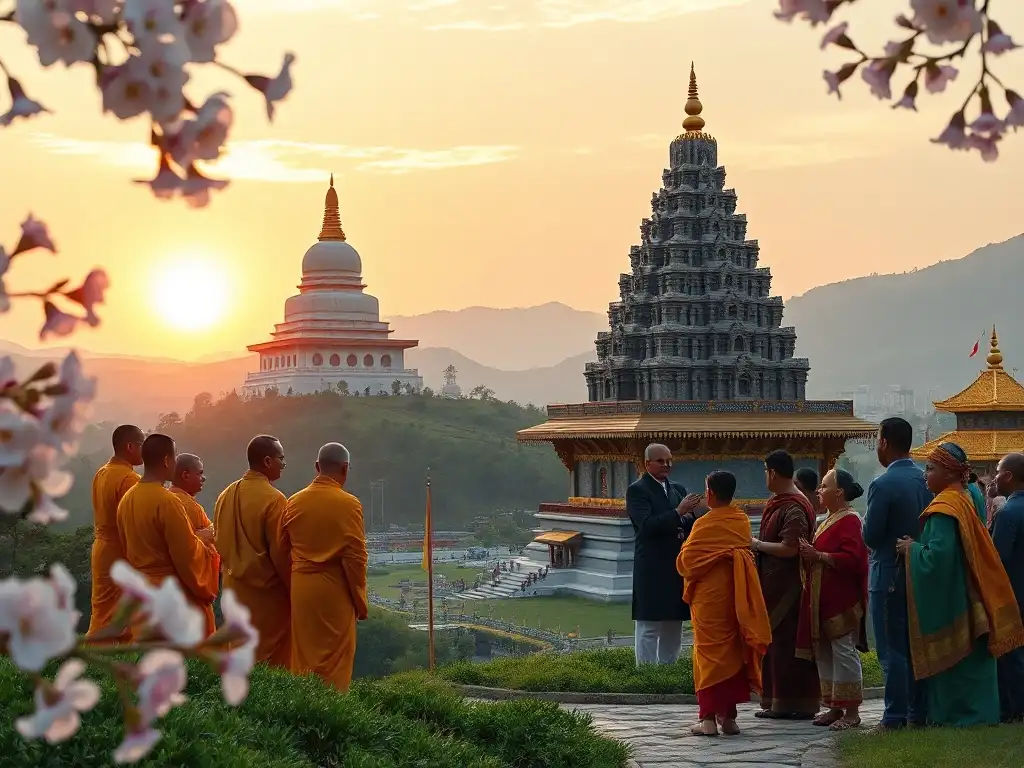
The relationship between Buddhism and Hinduism has been marked by periods of both conflict and resolution throughout history. Initially, Buddhism emerged in the 6th century BCE as a reformative movement within the broader context of Hindu spiritual practices. While both religions share a common cultural and philosophical heritage, they have diverged in significant ways, leading to tensions over beliefs, rituals, and societal roles.
During the early centuries of Buddhism, the two religions coexisted relatively peacefully, with many practices and philosophies overlapping. However, as Buddhism gained prominence, particularly during the reign of Emperor Ashoka in the 3rd century BCE, it began to challenge the existing social and religious order dominated by Hinduism. This led to a reactionary response by Hindu leaders who sought to reassert their authority, often leading to conflicts over temple patronage, philosophical interpretations, and social status.
Over time, the two religions found avenues for reconciliation, often through syncretism—blending elements of each tradition to create new forms of worship and belief systems. For example, many Hindu deities were incorporated into Buddhist iconography, and vice versa, demonstrating a complex interplay rather than outright opposition.
The Role of Political Power in Shaping Relationships
Political power has played a crucial role in shaping the relationship between Buddhism and Hinduism throughout Indian history. Monarchs and rulers often influenced religious dynamics through their personal beliefs and the policies they enacted. For instance, the Mauryan Empire under Ashoka is a prime example of how a ruler's conversion to Buddhism significantly impacted the religion's spread and acceptance.
Conversely, during periods when Hindu rulers regained power, such as during the Gupta Empire, there was a resurgence of Hinduism that often marginalized Buddhism. This fluctuation in political support directly impacted the status of both religions, leading to periods of flourishing and decline.
Additionally, political patronage often determined which religious institutions received funding and support, further entrenching the divide between the two traditions. The rise of sectarian conflicts in later centuries can also be traced back to the motivations of political leaders who sought to consolidate their power by aligning themselves with one tradition over the other.
Case Study: Ashoka's Support for Buddhism
Emperor Ashoka, who ruled from 268 to 232 BCE, is often credited with the spread of Buddhism across India and beyond. After converting to Buddhism following the Kalinga War, Ashoka embraced non-violence and moral governance, promoting the teachings of the Buddha as a means to achieve social harmony and ethical conduct.
Ashoka's support for Buddhism was marked by the establishment of stupas and monasteries, as well as the commissioning of edicts that emphasized Buddhist moral values. His efforts not only fostered the growth of Buddhism but also sought to integrate it within the existing social framework of Hinduism.
This case study illustrates how political influence can lead to significant religious shifts, impacting the broader landscape of Indian spirituality. Ashoka's reign is often seen as a golden age for Buddhism, demonstrating the potential for cooperation between the two traditions under enlightened leadership.
The Decline of Buddhism in India: Hindu Resurgence
Despite its early success, Buddhism began to decline in India by the end of the first millennium CE, largely due to a resurgence of Hinduism. Several factors contributed to this decline, including the reassertion of Hindu philosophies and practices that began to overshadow Buddhist teachings.
Hindu reform movements, particularly those led by figures such as Adi Shankaracharya, emphasized the importance of a personal god and ritualistic practices, drawing followers away from Buddhist monasticism and its more ascetic lifestyle. Additionally, the rise of devotional movements, which focused on bhakti (devotion) to deities, further diminished Buddhism's appeal.
The decline was also accelerated by the destruction of Buddhist monasteries and stupas during invasions and the consolidation of power by Hindu kings who sought to re-establish Hindu dominance. By the 12th century, Buddhism had largely disappeared from India, though it continued to thrive in other parts of Asia.
Contemporary Perspectives on Buddhism and Hinduism

In modern times, the relationship between Buddhism and Hinduism continues to evolve, shaped by historical legacies and contemporary socio-political contexts. Both religions now coexist in India, often influencing one another in various ways.
Modern Interpretations of Their Relationship
Contemporary scholars and practitioners often emphasize the shared philosophical roots between Buddhism and Hinduism, focusing on concepts such as karma, dharma, and moksha. This perspective encourages dialogue and understanding, highlighting how both religions can coexist harmoniously despite their differences.
Furthermore, modern interpretations also consider the impact of globalization, which has led to the exchange of ideas and practices across cultures, enriching both religions. This has resulted in a growing interest in Buddhist meditation practices within Hindu communities, as well as the incorporation of Hindu rituals into Buddhist ceremonies.
The Influence of Globalization on Both Religions
Globalization has significantly impacted the spread and practice of both Buddhism and Hinduism. The migration of practitioners and the rise of the internet have facilitated cross-cultural exchanges, allowing for a blending of traditions that was previously less common.
For example, Western interest in mindfulness and yoga has drawn extensively from both Buddhist and Hindu practices, leading to new interpretations and adaptations of these ancient traditions. This phenomenon reflects a broader trend where the boundaries between the two religions become increasingly porous, fostering a spirit of collaboration rather than competition.
Ongoing Interactions in Modern India
In modern India, Buddhism and Hinduism continue to interact in various ways, from religious festivals to social movements. Events such as the Buddha Purnima, which celebrates the birth of the Buddha, are often observed within a Hindu context, showcasing the syncretic nature of contemporary religious practices.
Moreover, social and political movements, such as those advocating for the rights of Dalits (formerly considered untouchables), often draw on both Buddhist and Hindu philosophies. Figures like B.R. Ambedkar, who converted to Buddhism as a means of social reform, illustrate how the two religions can inform and support one another in addressing modern societal challenges.
The relationship between Buddhism and Hinduism is complex and multifaceted, shaped by historical events, political power dynamics, and contemporary interpretations. As both religions continue to evolve, their interactions remain a rich area of study and reflection in understanding India's spiritual landscape.
Conclusion: The Complex Relationship Between Buddhism and Hinduism
The relationship between Buddhism and Hinduism is intricate, marked by both shared beliefs and significant divergences. Emerging in the context of ancient Indian society, Buddhism arose as a reformative movement within a landscape dominated by Vedic traditions. Despite their common cultural and philosophical roots, the two religions developed distinct identities and practices over time. The interplay between them has influenced religious thought, social structures, and cultural expressions throughout history, leading to a rich tapestry of interactions that continue to shape their narratives today.
One of the defining features of this relationship is the way Buddhism adopted and adapted various concepts from Hinduism, while simultaneously challenging certain orthodox beliefs and rituals. For instance, both religions emphasize karma and dharma, yet their interpretations and the significance attributed to these concepts differ. Additionally, the emergence of different Buddhist sects, such as Mahayana and Theravada, reflects the diverse philosophical approaches that have evolved in response to Hindu teachings.
Understanding this complex relationship is essential not only for historical scholarship but also for appreciating the broader cultural heritage of India. As both traditions continue to coexist and interact in contemporary society, their historical interplay offers valuable insights into the dynamics of religious pluralism.
Summary of Key Points on Buddhism and Hinduism Relationship History
- Origins and Historical Context: Buddhism emerged in the 6th century BCE as a reform movement within the broader context of ancient Indian spirituality, heavily influenced by the prevailing Vedic traditions of Hinduism.
- Core Beliefs: Both religions share foundational beliefs such as karma and samsara (the cycle of birth and rebirth), but they diverge significantly in their understanding of liberation (moksha in Hinduism vs. nirvana in Buddhism).
- Philosophical Exchange: The two traditions have engaged in a philosophical dialogue over centuries, leading to mutual influences in areas like meditation practices and ethical teachings.
- Cultural Interactions: Historical interactions between Buddhist and Hindu communities have shaped art, literature, and social customs, underscoring a shared cultural heritage.
- Modern Dynamics: In contemporary times, the dialogue continues, with both religions influencing each other and addressing contemporary social issues, such as caste and gender.
The Importance of Continued Dialogue Between the Two Traditions
The ongoing dialogue between Buddhism and Hinduism is vital for fostering mutual understanding and respect. As both traditions continue to evolve, engaging in discussions about their shared heritage can promote interfaith harmony and collaboration. This dialogue can also address contemporary challenges faced by adherents of both religions, such as social inequality and environmental concerns.
Furthermore, the exchange of ideas can enrich each tradition's practices and beliefs, encouraging a more nuanced understanding of spirituality that transcends rigid boundaries. By exploring common ground while acknowledging differences, both Buddhism and Hinduism can contribute to a more inclusive and comprehensive vision of spirituality that reflects the diversity of human experience.
Future Directions for Research on Buddhism and Hinduism
Future research on the relationship between Buddhism and Hinduism should focus on several key areas:
- Historical Analysis: More comprehensive studies of historical texts and archaeological findings can provide deeper insights into the interactions between the two traditions across different periods.
- Philosophical Comparisons: Exploring the philosophical underpinnings of each religion can illuminate how they have influenced each other's ethical and metaphysical frameworks.
- Sociocultural Impact: Investigating how Buddhism and Hinduism have shaped social structures and cultural practices in various regions can reveal the nuances of their interplay in different contexts.
- Contemporary Issues: Examining how both traditions address modern societal challenges can foster greater collaboration and understanding in a rapidly changing world.
- Interfaith Initiatives: Researching interfaith dialogues and initiatives can highlight successful models of cooperation and understanding between the two communities.
References
Suggested Readings on Buddhism and Hinduism
- "The Heart of the Buddha's Teaching" by Thich Nhat Hanh: A comprehensive introduction to Buddhist teachings that also addresses its roots in Indian spirituality.
- "Hinduism and Buddhism: An Historical Sketch" by Charles Eliot: This work offers historical insights into the development and interaction of both traditions.
- "Buddhism and Hinduism in India" by John M. Koller: A detailed exploration of the philosophical connections and divergences between the two religions.
Key Texts and Historical Sources on Their Relationship
- The Pali Canon: The foundational texts of Theravada Buddhism that provide insights into early Buddhist teachings, many of which were responses to prevailing Hindu ideas.
- Bhagavad Gita: A central text in Hindu philosophy that also reflects the spiritual milieu in which Buddhism emerged.
- Ashoka's Edicts: These inscriptions from Emperor Ashoka provide historical context for the spread of Buddhism and its interactions with Hindu practices during the Mauryan Empire.
- "The Mahabharata" and "The Ramayana": Epic texts that not only outline Hindu beliefs but also contain references to early forms of Buddhist thought, showcasing the cultural exchanges in ancient India.
- Introduction to Buddhism and Hinduism
- Historical Development of Buddhism and Hinduism
- Key Concepts in Buddhism and Hinduism
- The Interplay Between Buddhism and Hinduism
- Historical Conflicts and Resolutions
- The Role of Political Power in Shaping Relationships
- Case Study: Ashoka's Support for Buddhism
- The Decline of Buddhism in India: Hindu Resurgence
- Contemporary Perspectives on Buddhism and Hinduism
- Conclusion: The Complex Relationship Between Buddhism and Hinduism
- References
- What is the main focus of the article on Buddhism and Hinduism?
- How did Buddhism originate in relation to Hinduism?
- What are the key similarities between Buddhism and Hinduism?
- How have Buddhism and Hinduism influenced each other?
- What role did the Gupta Empire play in the relationship between the two religions?
Frequently Asked Questions
What is the main focus of the article on Buddhism and Hinduism?
The article explores the complex interplay between Buddhism and Hinduism, detailing their historical connections, cultural exchanges, and the impact they have had on each other over time.
How did Buddhism originate in relation to Hinduism?
Buddhism originated in the 6th century BCE as a reform movement within the broader context of Hindu religious practices, seeking to address issues such as suffering and the cycle of rebirth.
What are the key similarities between Buddhism and Hinduism?
Both religions share concepts such as karma, samsara (rebirth), and meditation practices, although they have distinct beliefs regarding the nature of the divine and the path to liberation.
How have Buddhism and Hinduism influenced each other?
Throughout history, both religions have engaged in a mutual exchange of ideas, with Buddhism borrowing elements from Hindu philosophy and vice versa, leading to a rich tapestry of cultural and spiritual practices.
What role did the Gupta Empire play in the relationship between the two religions?
During the Gupta Empire (c. 320-550 CE), there was significant patronage for both Buddhism and Hinduism, which fostered an environment of coexistence and dialogue, influencing art, architecture, and philosophy in ancient India.
Final Reflection: Understanding the Intricate Tapestry of Buddhism and Hinduism
The relationship between Buddhism and Hinduism is not just a historical curiosity; it is a living testament to the complexities of spiritual evolution and cultural exchange. Today, as we navigate an increasingly interconnected world, the interplay between these two ancient traditions offers profound insights into how belief systems can coexist, adapt, and influence one another. This dynamic relationship challenges us to reconsider our own perspectives on faith, identity, and the shared human experience.
Cultivating an understanding of the historical ties between Buddhism and Hinduism enriches our cultural landscape and fosters a sense of unity in diversity. The teachings, philosophies, and practices of these two religions continue to resonate with millions, shaping not only individual lives but also societal values. As the renowned scholar Karen Armstrong once said, The great religions are not about believing things; they are about behaving differently.
This observation underscores the importance of recognizing the shared ethical frameworks and spiritual aspirations that transcend doctrinal differences, encouraging us to embrace a more inclusive worldview.
As we reflect on the intricate relationship between Buddhism and Hinduism, let us take a moment to consider how these teachings can inform our own lives. I invite you to explore the values of compassion, mindfulness, and interconnectedness that both traditions espouse.
By engaging with the lessons of these rich spiritual heritages, we can cultivate a deeper sense of empathy and understanding in our interactions with others. In a world often marked by division, the wisdom gleaned from the relationship between Buddhism and Hinduism can inspire us to build bridges, foster dialogue, and create a more harmonious existence for all.
Unveil the Depths of Spiritual Connection!
Thank you for exploring the intricate relationship between Buddhism and Hinduism. We hope you found valuable insights into their shared heritage and unique distinctions. Now is the perfect time to take these insights further and discover the profound impacts these traditions can have on your life and community.
Here’s how you can continue your journey:
- Engage with the Texts: Choose a foundational Buddhist or Hindu text, read it, and reflect on its teachings. You might uncover perspectives that resonate with your own spiritual journey.
- Join a Local Community: Connect with a nearby meditation or spiritual group. Engaging with others can deepen your understanding and provide support on your path.
- Share Your Insights: Initiate a discussion with friends or on social media about what you've learned. Every conversation fosters greater understanding within your community.
What resonates with you most from Buddhism and Hinduism, and how can you integrate those teachings into your daily life?