
The Importance of Forgiveness in Jainism: A Path to Inner Peace


Welcome to Ancient India History, where we embark on a captivating journey through the rich tapestry of India's past. As we delve into the profound teachings of Jainism, you’ll discover how the concept of forgiveness serves as a powerful catalyst for inner peace and spiritual growth. What can the ancient wisdom of Jain philosophers teach us about forgiving ourselves and others?
Join us as we unravel the intricate connections between forgiveness and harmony, and explore how these age-old principles still resonate in our lives today. Prepare to be enlightened and inspired as you dive deeper into the world of Ancient Indian Religions!

Forgiveness is a fundamental aspect of Jainism, a religion that emphasizes the importance of compassion, non-violence, and self-discipline. In the context of Jain teachings, forgiveness is not merely a moral virtue; it is a profound spiritual practice that fosters inner peace and harmony within oneself and with others.
The teachings of Jainism advocate for the transformation of negative emotions into positive actions, encouraging practitioners to embrace forgiveness as a pathway to liberation from the cycle of birth and death. This article delves into the teachings of forgiveness in Jainism, exploring its definitions, historical context, and its spiritual significance in achieving inner tranquility.
Understanding Forgiveness in Jainism Teachings
Definition of Forgiveness in Jainism
In Jain philosophy, forgiveness is often referred to as "Kshama." It embodies the idea of letting go of anger and resentment towards those who have wronged us. This act of releasing negative feelings is seen as essential for personal growth and spiritual evolution. Forgiveness in Jainism is not simply an emotional response; it is a deliberate choice to cultivate compassion and understanding, thus aligning oneself with the core values of Jain teachings.
- Key Aspects of Forgiveness in Jainism:
- Letting Go of Resentment: Releasing grudges and ill will.
- Compassion: Understanding the motivations behind others' actions.
- Personal Growth: Using forgiveness as a tool for self-improvement.
Historical Context of Forgiveness in Jain Philosophy
The historical roots of forgiveness in Jainism can be traced back to the teachings of Lord Mahavira, the 24th Tirthankara. He emphasized the importance of forgiveness as a means to attain spiritual purity and enlightenment. The ancient texts, such as the Tattvartha Sutra and Acharanga Sutra, elucidate forgiveness as a crucial virtue that enables individuals to overcome their karmic burdens.
- Influential Texts:
- Tattvartha Sutra - Highlights the significance of forgiveness in the pursuit of liberation.
- Acharanga Sutra - Discusses practical applications of forgiveness in daily life.
The Role of Forgiveness in Jainism
Spiritual Significance of Forgiveness
Forgiveness holds immense spiritual significance in Jainism, serving as a catalyst for personal transformation. It allows individuals to transcend negative emotions, fostering a deeper connection with their inner selves and the universal spirit. By practicing forgiveness, one can purify the soul, reduce karmic attachments, and move closer to achieving Moksha, or liberation.
- Spiritual Benefits of Forgiveness:
- Inner Purification: Cleansing the soul of negative karmas.
- Enhanced Spiritual Awareness: Gaining insights into one's true nature.
- Connection with the Divine: Aligning with the principles of Jainism.
Forgiveness as a Means to Inner Peace
The practice of forgiveness in Jainism is a profound means to achieve inner peace. By letting go of anger and resentment, individuals create mental space for tranquility and harmony. This practice not only benefits the individual but also fosters peaceful relationships within the community, promoting a culture of understanding and compassion.
- Steps to Achieve Inner Peace Through Forgiveness:
- Reflect on Grievances: Acknowledge feelings of hurt or anger.
- Cultivate Compassion: Practice empathy towards those who have caused pain.
- Make a Conscious Choice: Decide to forgive and release negative emotions.
Forgiveness in Relation to Ahimsa (Non-violence)
In Jainism, forgiveness is intrinsically linked to the principle of Ahimsa, or non-violence. The act of forgiving is seen as a non-violent response to aggression, promoting peace instead of conflict. By embracing forgiveness, Jains uphold the sanctity of life and the interconnectedness of all beings, reinforcing their commitment to non-violence in thoughts, words, and actions.
- Connection Between Forgiveness and Ahimsa:
- Non-violent Response: Choosing forgiveness over retaliation.
- Promoting Harmony: Fostering peaceful coexistence among all living beings.
- Living the Teachings: Embodying the principles of Jainism in everyday life.
Forgiveness in Jainism is a multifaceted concept that plays a pivotal role in the spiritual journey of individuals. It not only acts as a means of personal liberation but also embodies the principles of compassion and non-violence that are central to Jain teachings. Through the practice of forgiveness, one can cultivate inner peace, contributing to a harmonious existence within the broader community.
Key Teachings on Forgiveness in Jainism
Forgiveness is a fundamental principle in Jainism, deeply ingrained in its teachings and philosophy. At its core, the concept of forgiveness in Jainism emphasizes the importance of letting go of anger, resentment, and the desire for revenge. Jains believe that harboring negative emotions can lead to karmic consequences, which ultimately hinder spiritual progress. By practicing forgiveness, individuals free themselves from the cycle of negativity and contribute to their own inner peace.
Jain teachings advocate for Aparigraha, or non-possessiveness, which extends to emotional attachments, including grudges and bitterness. This principle encourages practitioners to release their emotional burdens and cultivate a mindset of compassion and understanding. Furthermore, the concept of Ahimsa, or non-violence, is inherently linked to forgiveness, as it promotes the idea of treating all beings with kindness, even those who may have wronged us.
Jain Scriptures on Forgiveness
The Jain scriptures contain several references to forgiveness, highlighting its significance within the faith. The Tattvartha Sutra, a key Jain text, emphasizes the importance of forgiveness as a virtue that leads to purification of the soul. It teaches that to attain liberation, one must overcome negative emotions and embrace a forgiving nature.
Another important scripture, the Acharanga Sutra, outlines the ethical conduct expected of Jains, which includes forgiveness as a critical component. The teachings found in these texts encourage followers to practice forgiveness not only towards others but also towards themselves, fostering a holistic approach to emotional well-being.
Prominent Jain Figures and Their Perspectives on Forgiveness

Throughout history, many prominent Jain figures have emphasized the importance of forgiveness in their teachings and writings. One notable figure is Mahavira, the 24th Tirthankara, who is often regarded as the most influential proponent of Jain philosophy. Mahavira taught that true strength lies in the ability to forgive, urging his followers to cultivate compassion and understanding towards all living beings.
Another significant figure is Gandhi, who, although not a Jain himself, was deeply influenced by Jain principles. He often spoke about the power of forgiveness and its role in achieving social harmony. His practices mirrored the Jain philosophy of non-violence and forgiveness, demonstrating how these principles can be applied in real-life situations.
Stories and Parables Illustrating Forgiveness in Jainism
Jain literature is rich with stories and parables that illustrate the power and necessity of forgiveness. One famous parable is that of King Shrenik, who, upon realizing the harm caused by his anger, sought forgiveness from a sage. The sage's response highlighted that true forgiveness comes from the heart and requires a sincere effort to let go of past grievances.
Another poignant story involves Lord Mahavira, who, despite facing hostility and persecution, showed compassion and forgiveness towards his adversaries. These narratives serve not only as moral lessons but also as inspirations for Jains to embody forgiveness in their daily lives.
Practices of Forgiveness in Jainism
Practicing forgiveness in Jainism is not merely a theoretical concept but an integral part of daily life. Jains engage in various practices that reinforce the teachings of forgiveness, allowing individuals to cultivate this virtue actively.
Rituals and Ceremonies Emphasizing Forgiveness
Jain rituals often incorporate themes of forgiveness. One such ceremony is Paryushana, an annual spiritual observance where Jains focus on introspection and self-improvement. During this time, practitioners seek forgiveness from family, friends, and even foes, emphasizing reconciliation and harmony. The rituals encourage participants to reflect on their actions and seek to mend relationships through sincere apologies and forgiveness.
Daily Practices for Cultivating Forgiveness
In their daily lives, Jains are encouraged to practice forgiveness through simple yet profound actions. This includes daily affirmations of forgiveness, where individuals consciously let go of any grudges they may hold. Additionally, Jains often engage in charitable acts and selfless service, reinforcing the idea that kindness and compassion can replace negative emotions.
The Role of Meditation and Reflection in Forgiveness
Meditation plays a crucial role in fostering forgiveness within Jainism. Practitioners are encouraged to meditate on the principles of Ahimsa and forgiveness, allowing them to cultivate a peaceful mindset. Regular meditation sessions help individuals reflect on their actions and cultivate empathy towards others, facilitating the process of letting go of past hurts.
Forgiveness in Jainism is a multifaceted concept deeply rooted in its teachings and practices. Through scriptures, influential figures, and daily rituals, Jains are guided towards leading a life characterized by compassion, understanding, and inner peace.
The Impact of Forgiveness on Individual and Community
Forgiveness in Jainism is not merely a moral obligation but a profound way to achieve inner peace and promote communal harmony. This principle is deeply embedded in the teachings of Lord Mahavira, emphasizing that forgiveness is essential for personal growth and societal well-being. By practicing forgiveness, individuals can liberate themselves from the burdens of anger and resentment, leading to emotional healing and spiritual advancement.
Personal Transformation through Forgiveness in Jainism
In Jain teachings, personal transformation through forgiveness is viewed as a crucial aspect of spiritual development. When followers forgive, they engage in a process that allows them to transcend negative emotions, fostering a deeper connection with their own inner self. This transformation often manifests in several ways:
- Emotional Healing: Forgiveness helps individuals release feelings of hurt and anger, leading to a more peaceful state of mind.
- Enhanced Compassion: By understanding the importance of forgiveness, Jains cultivate compassion not just for others but for themselves, which is essential in the journey toward spiritual enlightenment.
- Strengthened Resolve: The act of forgiving others reinforces the strength and resilience of individuals, enabling them to face life's challenges with a positive attitude.
Overall, personal transformation through forgiveness is viewed as a pathway to achieving a more harmonious and fulfilling life in accordance with Jain values.
Forgiveness and Its Effects on Community Harmony
Forgiveness plays a pivotal role in fostering community harmony within Jain society. The collective practice of forgiveness helps to create an environment where disputes can be resolved amicably, thus promoting social cohesion. Key effects include:
- Conflict Resolution: Forgiveness allows for the resolution of conflicts without hostility, fostering an atmosphere of understanding and cooperation.
- Social Bonds: When individuals practice forgiveness, it strengthens relationships and builds trust among community members, leading to a more unified society.
- Cultural Preservation: The emphasis on forgiveness in Jain teachings contributes to the preservation of cultural values that promote peace and harmony, which are vital for the continuity of the community.
In essence, forgiveness acts as a glue that binds individuals together, creating a more resilient and harmonious community.
Case Studies of Forgiveness in Jain Communities
Real-world examples illustrate the profound impact of forgiveness in Jain communities. One notable case is the response of Jain organizations during communal tensions in various regions of India. Instead of seeking revenge, these communities often engage in dialogues and meditative practices that emphasize reconciliation and forgiveness.
Another example is the annual rituals conducted by some Jain groups where members publicly forgive those who have wronged them in the past. This practice not only serves as a personal catharsis but also sets a precedent for others in the community, reinforcing the value of forgiveness as a communal principle.
These case studies highlight how forgiveness is not just a theoretical concept in Jainism but a practiced value that has tangible effects on individuals and the community as a whole.
Challenges and Misunderstandings of Forgiveness in Jainism
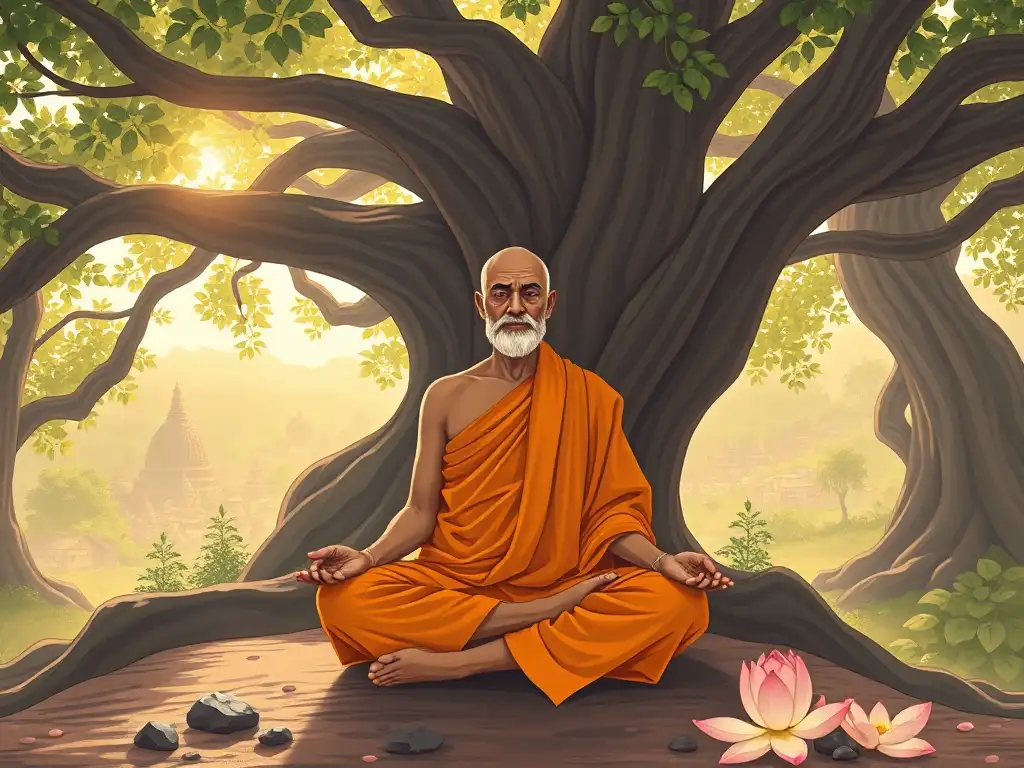
Despite its significance, the concept of forgiveness in Jainism faces various challenges and misunderstandings. These obstacles can hinder individuals from fully embracing the practice of forgiveness, leading to emotional and social strife.
Common Misconceptions about Forgiveness in Jain Teachings
One prevalent misconception is that forgiveness equates to condoning harmful actions or behaviors. Many people believe that forgiving someone implies that the wrongdoing is acceptable, which can deter them from practicing forgiveness. In Jain teachings, however, forgiveness is about releasing negative feelings rather than excusing the action.
Another misunderstanding is that forgiveness is a sign of weakness. In reality, Jainism teaches that forgiving requires immense strength and courage, as it involves overcoming deeply rooted emotional responses. This misconception can lead to reluctance in engaging with forgiveness, ultimately hindering personal and communal growth.
Overcoming Barriers to Practicing Forgiveness
To overcome the barriers to practicing forgiveness, Jains are encouraged to engage in self-reflection and spiritual practices, such as meditation and prayer, that enhance their understanding of compassion and empathy. Community workshops focused on the teachings of forgiveness can also help dispel myths and provide practical guidance on how to implement forgiveness in daily life.
Additionally, open discussions about the nature of forgiveness can promote a more profound understanding of its role in personal and community well-being. By addressing these challenges, individuals can embrace forgiveness, leading to a more harmonious existence in line with Jain values.
Conclusion: Embracing Forgiveness for Inner Peace
Forgiveness in Jainism is not merely a moral choice; it is a profound spiritual practice that fosters inner peace and promotes harmony within oneself and with the world. By embracing forgiveness, followers of Jainism cultivate compassion, understanding, and humility, which are essential for personal growth and enlightenment. This path encourages individuals to release the burdens of anger and resentment, paving the way for genuine happiness and tranquility.
The teachings of Jainism emphasize that forgiveness is a crucial aspect of the soul's journey towards liberation (moksha). The practice of forgiveness nurtures a mindset that prioritizes love and compassion over animosity, ultimately leading to a more harmonious existence. As individuals learn to forgive, they not only liberate themselves but also contribute to the collective peace of society.
Summary of Key Points on Forgiveness in Jainism Teachings
- Centrality of Forgiveness: Forgiveness is a fundamental principle in Jainism, deeply rooted in the religion's core teachings and ethos.
- Ahimsa (Non-violence): The practice of forgiveness aligns with the principle of ahimsa, which advocates for non-violence in thought, word, and deed.
- Karma and Liberation: Forgiveness helps to mitigate negative karma, facilitating the soul's journey towards liberation by fostering a state of purity and harmony.
- Compassionate Living: Jains are encouraged to embody compassion not just towards fellow beings but also towards themselves, acknowledging human imperfections.
- Emotional Healing: Engaging in forgiveness serves as a therapeutic tool, enabling individuals to heal emotionally and spiritually, thereby reducing suffering.
- Community Harmony: The collective practice of forgiveness in community fosters stronger bonds and a sense of belonging among members of the Jain community.
Final Thoughts on the Journey towards Forgiveness and Inner Peace
The journey towards forgiveness in Jainism is a transformative process that requires dedication and mindfulness. It is a conscious effort to let go of past grievances and embrace a future filled with compassion and understanding. As practitioners navigate this path, they discover that true forgiveness is not just about absolving others but also about freeing oneself from the shackles of negativity.
Ultimately, the teachings of Jainism guide individuals towards recognizing the interconnectedness of all life. By embracing forgiveness, they align themselves with a higher purpose, contributing to their spiritual evolution and the well-being of the universe. This journey is not only about achieving inner peace but also about fostering a more peaceful world, making forgiveness an essential aspect of a fulfilled and harmonious life.
- Understanding Forgiveness in Jainism Teachings
- The Role of Forgiveness in Jainism
- Key Teachings on Forgiveness in Jainism
- Jain Scriptures on Forgiveness
- Prominent Jain Figures and Their Perspectives on Forgiveness
- Stories and Parables Illustrating Forgiveness in Jainism
- Practices of Forgiveness in Jainism
- The Impact of Forgiveness on Individual and Community
- Challenges and Misunderstandings of Forgiveness in Jainism
- Conclusion: Embracing Forgiveness for Inner Peace
- Summary of Key Points on Forgiveness in Jainism Teachings
- Final Thoughts on the Journey towards Forgiveness and Inner Peace
- What is the significance of forgiveness in Jainism teachings?
- How does forgiveness contribute to personal growth in Jain philosophy?
- Are there any specific Jain rituals associated with forgiveness?
- How does forgiveness relate to the concept of ahimsa in Jainism?
- Can practicing forgiveness lead to improved relationships, according to Jain teachings?
Frequently Asked Questions
What is the significance of forgiveness in Jainism teachings?
In Jainism, forgiveness is considered a vital virtue that promotes inner peace and helps individuals overcome negative emotions like anger and resentment.
How does forgiveness contribute to personal growth in Jain philosophy?
Practicing forgiveness allows individuals to cultivate compassion and understanding, leading to greater self-awareness and a more harmonious existence.
Are there any specific Jain rituals associated with forgiveness?
Yes, Jains often observe rituals such as pratikraman, which involves self-reflection and seeking forgiveness from others, reinforcing the importance of this virtue in their daily lives.
How does forgiveness relate to the concept of ahimsa in Jainism?
In Jainism, forgiveness is deeply intertwined with ahimsa (non-violence), as forgiving others helps to prevent emotional harm and promotes a peaceful mindset.
Can practicing forgiveness lead to improved relationships, according to Jain teachings?
Absolutely. By embracing forgiveness, individuals can mend relationships, fostering a supportive community and reducing conflict, which aligns with Jain values of harmony and cooperation.
Final Reflection: The Transformative Power of Forgiveness in Jainism
Forgiveness in Jainism teachings is not merely a religious tenet; it is a profound pathway to achieving inner peace and harmony in our lives. In a world often marred by conflict and resentment, the principles of forgiveness as espoused in Jainism resonate with an urgent need for healing and reconciliation. The teachings remind us that letting go of grudges and embracing compassion can lead to a more serene existence, both individually and collectively.
Culturally and socially, the impact of forgiveness in Jainism extends far beyond its religious roots. It encourages a mindset that values empathy and understanding, fostering a community where individuals can thrive together. As we navigate our daily lives, the teachings of Jainism inspire us to reflect on our relationships and the burdens we carry. Forgiveness is the fragrance that the violet sheds on the heel that has crushed it.
This quote encapsulates the essence of forgiveness as a powerful act that liberates not only the one who forgives but also the one who is forgiven, creating a ripple effect of peace and goodwill.
As you contemplate the lessons of forgiveness in Jainism, I invite you to consider how you can incorporate these teachings into your own life. Reflect on the relationships that may benefit from forgiveness, and take the courageous step to mend what has been broken. By embracing forgiveness, you not only honor the wisdom of Jainism but also embark on a transformative journey towards inner peace, ultimately contributing to a more compassionate world.
Embrace Forgiveness for Your Inner Peace!
Thank you for taking the time to explore the transformative power of forgiveness. By delving into this profound practice, you've unlocked valuable insights that can help you cultivate inner serenity and harmony in your life. Now, let's take the next step together and embrace forgiveness wholeheartedly!
Here’s how you can make a difference:
- Start your forgiveness journey today: Reflect on someone you might need to forgive and consider writing a letter to them, even if you choose not to send it. 📝
- Join a local meditation group: Connect with others who are also seeking peace through forgiveness and share your experiences to foster a supportive environment. 🤝
- Share this wisdom: Discuss the importance of forgiveness with your friends or family to create a ripple effect of healing within your community! 💬
How might your life change if you decided to fully embrace forgiveness today?