
The Practice of Meditation in Jainism: Ancient Techniques for Modern Minds

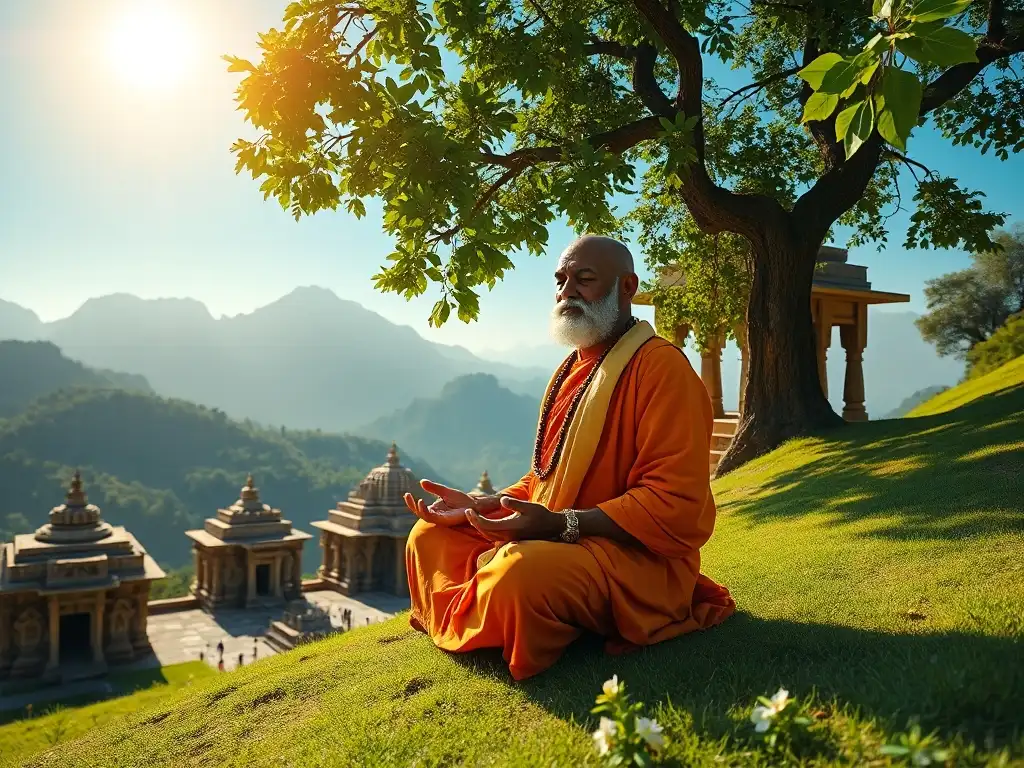
Welcome to Ancient India History, where we embark on a captivating journey through the rich tapestry of ancient Indian civilizations. Here, we delve deep into the intricacies of culture, philosophy, and spirituality, illuminating the profound contributions that have shaped our world. In our featured article, "The Practice of Meditation in Jainism: Ancient Techniques for Modern Minds," we uncover the mystical art of ancient Jain meditation techniques.
Discover how these timeless practices can enrich your contemporary life, and prepare to be inspired as you explore the serenity and wisdom that has transcended centuries. Join us as we unveil the secrets of meditative traditions that continue to resonate today!
Introduction to Jainism and Meditation
The practice of meditation in Jainism is not merely a spiritual exercise; it represents a profound philosophy that intertwines with the core tenets of one of the oldest religions in India. Jainism, with its roots tracing back to the 6th century BCE, emphasizes non-violence, truth, and asceticism. These principles are not only foundational to Jain beliefs but also serve as guiding pillars for the various meditation techniques developed within this tradition.
As we explore ancient Jain meditation techniques, we uncover a rich tapestry of practices aimed at cultivating inner peace, self-discipline, and a deeper understanding of the self and the universe. This exploration reveals how these timeless methods remain relevant in today’s fast-paced world, offering pathways to mindfulness and clarity.
Overview of Jainism as an Ancient Indian Religion
Jainism is one of the most ancient religions of India, characterized by its unique approach to spirituality and ethics. Central to Jain belief is the concept of ahimsa, or non-violence, which extends beyond mere physical actions to include thoughts and words. Jains follow the teachings of Tirthankaras, spiritual teachers who have attained liberation and guide others on the path to enlightenment. The most revered of these is Mahavira, the 24th Tirthankara, whose teachings significantly shaped Jain philosophy and practice.
Key aspects of Jainism include:
- Karma: The law of cause and effect, influencing the cycle of birth and rebirth.
- Anekantavada: The doctrine of non-absolutism, acknowledging multiple perspectives.
- Syādvāda: The theory of conditional predication, promoting a nuanced understanding of truth.
This framework lays the foundation for meditation practices that encourage practitioners to reflect on their thoughts, actions, and the nature of existence itself.
Significance of Meditation in Jain Philosophy
In Jain philosophy, meditation serves as a crucial tool for spiritual development and self-realization. It is seen as a means to purify the soul, detach from worldly desires, and cultivate virtues such as compassion and humility. Meditation not only aids in the control of the mind but also fosters a deep connection with the principles of Jainism.
The significance of meditation can be encapsulated in the following points:
- Self-Discipline: Regular meditation practices instill discipline, aligning one's thoughts and actions with Jain values.
- Inner Peace: Meditation helps alleviate mental disturbances, leading to a state of tranquility and focus.
- Spiritual Progress: It is a pathway to achieving higher states of consciousness and ultimately, liberation (moksha).
Thus, meditation is not just a practice but a way of life integral to the Jain path.
Keywords and Concepts Related to Jain Meditation
When discussing ancient Jain meditation techniques, several key terms and concepts emerge that are essential for understanding the practice:
- Dhyana: The practice of focused meditation, essential for spiritual growth.
- Samadhi: A state of meditative consciousness where the practitioner experiences a profound connection with the universe.
- Vairagya: Detachment from material possessions and desires, facilitating deeper meditation.
- Shanti: Inner peace achieved through meditation, which is vital for personal and collective harmony.
These concepts not only provide insight into the nature of Jain meditation but also highlight its relevance in modern contexts, where mindfulness and self-awareness are increasingly sought after.
Historical Context of Jain Meditation Techniques
To fully appreciate the ancient Jain meditation techniques, it is essential to explore their historical context. These practices have evolved over centuries, influenced by religious, cultural, and philosophical developments within and beyond Jainism.
Origins of Ancient Jain Meditation Practices
The origins of Jain meditation can be traced back to the teachings of early Tirthankaras, who emphasized self-discipline and mental control. As Jainism developed, meditation became a structured practice, with techniques being codified to enhance the spiritual journey of practitioners.
The earliest references to meditation can be found in Jain texts such as the Tattvartha Sutra, which outlines the principles of Jain philosophy, including meditation as a means to achieve liberation.
Key Texts and Scriptures on Jain Meditation
Several key texts and scriptures serve as foundational sources for understanding Jain meditation techniques:
| Text Name | Description |
|---|---|
| Tattvartha Sutra | A comprehensive guide to Jain philosophy, discussing meditation and its significance. |
| Samayasara | Written by Acharya Kundakunda, it elaborates on the nature of the soul and meditation practices. |
| Acharanga Sutra | Focuses on the ethical and meditative practices essential for spiritual growth. |
These texts not only provide theoretical insights but also practical guidance for practitioners seeking to deepen their meditation practice.
Influence of Jainism on Other Ancient Indian Philosophies
Jain meditation techniques have significantly influenced other ancient Indian philosophies, particularly Buddhism and Hinduism. While retaining distinct characteristics, the meditative practices across these traditions often share common themes, such as mindfulness and the quest for enlightenment.
For instance, the emphasis on non-attachment in Jainism resonates with Buddhist teachings on detachment and suffering, illustrating a shared philosophical landscape. Furthermore, the meditative techniques found in the Yoga Sutras of Patanjali reflect elements that parallel Jain practices, showcasing the rich interconnections between these ancient Indian religions.
Through this exploration, we uncover the enduring legacy of Jain meditation techniques, which continue to inspire and inform modern practices aimed at achieving mental clarity and spiritual fulfillment.
Core Principles of Jain Meditation
Jain meditation is deeply rooted in the foundational principles of Jainism, which emphasizes a path of spiritual enlightenment through self-discipline, non-attachment, and non-violence. The core principles guiding Jain meditation are integral not only to the practice itself but also to the overarching philosophy of Jainism. These principles include:
- Ahimsa (Non-violence): The foremost principle, where practitioners strive to avoid harm to all living beings, both in thought and action. This foundational tenet fosters a sense of compassion and empathy, essential for a peaceful meditative state.
- Aparigraha (Non-attachment): This principle encourages individuals to detach from material possessions and desires, allowing them to focus on inner peace and spiritual growth. By practicing non-attachment, meditators can cultivate a clearer and more focused mind.
- Self-discipline (Samyama): Jain meditation requires rigorous self-control. Practitioners engage in disciplined habits that include fasting, ethical living, and maintaining a balanced lifestyle, which are all conducive to achieving deeper states of meditation.
These principles collectively guide the practitioner towards achieving a state of tranquility and enlightenment, ultimately leading to the liberation of the soul.
The Concept of Ahimsa (Non-violence) in Meditation
Ahimsa, or non-violence, is not only a moral guideline in Jainism but also a critical aspect of meditation practice. This principle emphasizes the need for compassion towards all forms of life, which significantly influences the meditative mindset.
In the context of meditation, Ahimsa manifests in the following ways:
- Mental Clarity: By consciously avoiding violent thoughts, practitioners can cultivate a mind that is clear and peaceful, which is essential for effective meditation.
- Compassionate Focus: Meditators often develop a compassionate perspective towards others, facilitating a deeper connection with their own inner self and the universe.
- Emotional Balance: Practicing Ahimsa helps in managing emotions, reducing anger and hostility, which can disrupt the meditative state.
The commitment to non-violence extends beyond personal practice, encouraging meditators to foster harmony in their environment and relationships, thus creating a conducive atmosphere for meditation.
The Role of Self-discipline in Ancient Jain Meditation
Self-discipline, or Samyama, plays a pivotal role in the practice of Jain meditation. It serves as a framework that supports the meditator's journey towards self-realization and spiritual progress. The importance of self-discipline in ancient Jain meditation can be summarized as follows:
- Consistency in Practice: Regular meditation practice demands commitment and consistency, which are fostered through self-discipline. This dedication is crucial for progressing in meditation and achieving deeper states of consciousness.
- Control over Desires: Self-discipline aids in overcoming distractions and desires that can hinder meditative focus. By controlling impulses, practitioners can maintain a serene and undistracted mind.
- Structured Lifestyle: Jain meditation often involves a holistic approach that includes dietary restrictions, ethical living, and regular spiritual practices, all of which require a disciplined lifestyle to support meditation efforts.
Through the cultivation of self-discipline, practitioners not only enhance their meditation experience but also promote personal growth and development, aligning with the broader goals of Jain philosophy.
Understanding the Mind and Self through Meditation
A key aspect of Jain meditation is the exploration of the mind and self. This process involves introspection and self-awareness, allowing practitioners to gain insight into their thoughts, emotions, and behaviors. Here’s how meditation aids in understanding the mind and self:
- Self-reflection: Meditation provides a space for self-reflection, enabling practitioners to observe their thoughts without attachment or judgment. This practice fosters a deeper understanding of one’s inner workings.
- Awareness of Thoughts: Through meditation, individuals can develop mindfulness, recognizing patterns in their thinking and emotional responses. This awareness is pivotal in transforming negative thought patterns.
- Connection to the Self: Jain meditation encourages a journey inward, helping practitioners connect with their true self, beyond the physical and mental layers. This connection is essential for spiritual growth and liberation.
By engaging in these practices, meditators can cultivate a profound sense of awareness that not only enhances their meditation experience but also enriches their daily lives.
Ancient Jain Meditation Techniques
Ancient Jain meditation techniques are diverse and rooted in the philosophy of Jainism. These techniques aim to facilitate spiritual growth, inner peace, and self-realization. Understanding these methods can provide valuable insights into how ancient practices can be applied to modern lives. Some of the notable techniques include:
- Dhyana (Meditative Absorption): A deep state of meditation focusing on a single point or concept, allowing practitioners to transcend ordinary consciousness.
- Samadhi (Trancelike State): Achieved through prolonged meditation, Samadhi is a state of heightened awareness where the self merges with the object of meditation.
- Pranayama (Breath Control): This technique involves controlling breath to harmonize the body and mind, facilitating deeper meditative states.
These ancient techniques offer a framework for cultivating a meditative practice that aligns with the principles of Jainism and can be beneficial for modern practitioners seeking peace and clarity.
Detailed Exploration of Key Meditation Techniques
The key meditation techniques in Jainism are designed to lead practitioners toward spiritual enlightenment. Here’s a detailed exploration of some prominent techniques:
- Saman (Equanimity): This technique emphasizes achieving a balanced state of mind through the practice of equanimity, which helps in reducing emotional upheaval and promotes tranquility.
- Anupreksha (Contemplation): Involves reflecting on the transient nature of life and the importance of detachment, which helps in cultivating non-attachment and deeper mindfulness.
- Shukla Dhyana (White Meditation): A meditative practice that focuses on envisioning a pure, white light, symbolizing purity and spiritual clarity, aiding in the purification of the mind.
Each of these techniques provides a unique approach to meditation, allowing practitioners to explore different avenues of inner peace and spiritual awakening.
The Use of Mantras and Visualization in Jain Meditation
Mantras and visualization are integral components of Jain meditation practices. They serve as tools to enhance concentration and deepen the meditative experience.
- Mantras: Reciting sacred sounds or phrases, known as mantras, helps in focusing the mind and creating a vibrational energy conducive to meditation. Common Jain mantras, such as "Om" or the Navkar Mantra, are often employed to invoke spiritual energy and enhance mindfulness.
- Visualization: Practitioners may visualize symbols, such as the Jain emblem or the Tirthankaras, during meditation. This practice aids in fostering a sense of connection to Jain teachings and principles, enhancing the overall meditative experience.
By incorporating mantras and visualization, Jain meditation techniques become more dynamic, allowing practitioners to engage deeply with their spirituality while cultivating a calm and focused mind.
Benefits of Ancient Jain Meditation Techniques
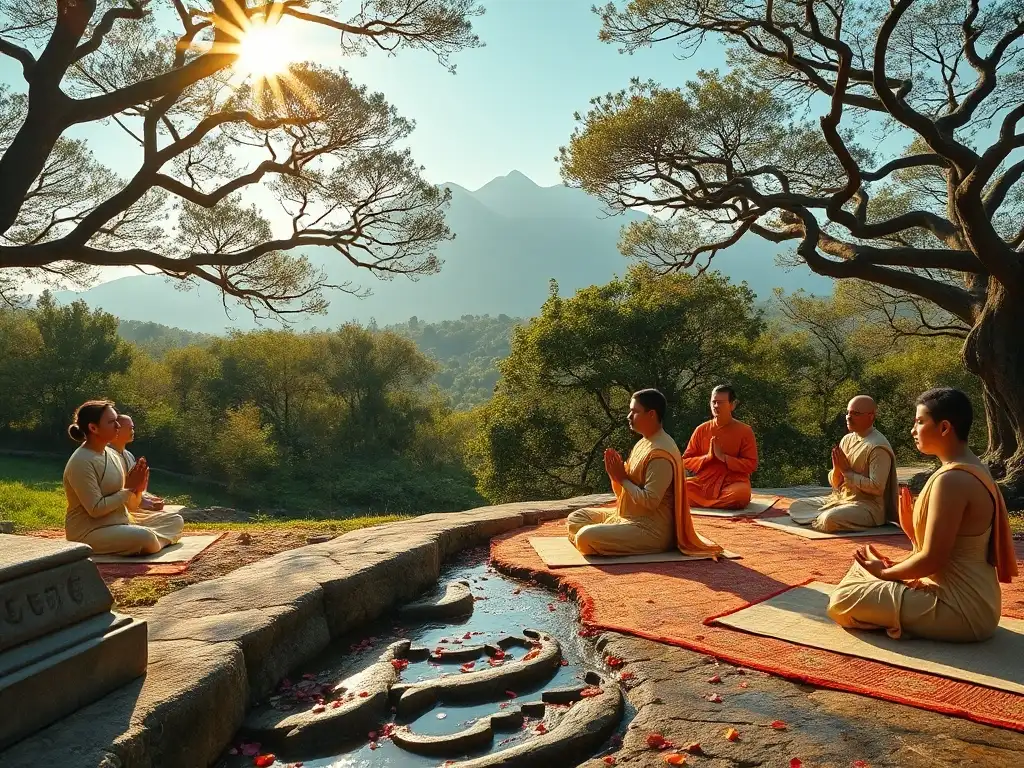
The ancient Jain meditation techniques offer a plethora of benefits that extend beyond the spiritual realm, influencing mental, emotional, and physical well-being. Rooted in the principles of non-violence and self-discipline, these practices encourage practitioners to cultivate a harmonious relationship with themselves and the world around them. As modern society grapples with stress, anxiety, and disconnection, the wisdom embedded in Jain meditation serves as a guiding light, facilitating a return to inner balance and clarity.
Mental and Emotional Benefits of Jain Meditation
Engaging in Jain meditation can significantly enhance mental clarity and emotional stability. The techniques often emphasize deep breathing, concentration, and visualization, which can help reduce stress levels and promote relaxation. Regular practice enables individuals to:
- Manage Anxiety: By focusing on breath and mindfulness, practitioners can diminish anxiety and cultivate a sense of calm.
- Enhance Focus: Jain meditation encourages the development of concentration skills, allowing practitioners to improve their attention span and cognitive abilities.
- Emotional Resilience: Through self-reflection and understanding, individuals can learn to navigate their emotions better, leading to increased emotional intelligence.
These mental and emotional benefits not only contribute to personal well-being but also foster healthier relationships with others, as individuals become more empathetic and understanding.
Spiritual Growth and Enlightenment through Meditation
Spiritual growth is a cornerstone of Jain philosophy, and meditation is a vital tool for achieving enlightenment. Jain meditation techniques focus on self-realization and the purification of the soul, guiding practitioners toward a deeper understanding of themselves and the universe. Key aspects include:
- Self-Discovery: Meditation encourages introspection, helping individuals to uncover their true nature and purpose.
- Karma Purification: By practicing meditation, Jains believe they can mitigate past karmas, leading to spiritual liberation or moksha.
- Connection with the Divine: Jain meditation fosters a profound connection with the eternal soul, allowing practitioners to transcend mundane experiences and achieve a state of bliss.
Through these spiritual practices, individuals can embark on a transformative journey toward enlightenment, aligning their actions with the principles of Jainism.
Enhancing Mindfulness and Inner Peace
The practice of Jain meditation is intrinsically linked to mindfulness, a state of active, open attention to the present moment. By cultivating mindfulness, practitioners can foster inner peace, leading to a more fulfilling and balanced life. The benefits include:
- Increased Awareness: Mindfulness meditation enhances awareness of thoughts, feelings, and bodily sensations, allowing individuals to respond thoughtfully rather than react impulsively.
- Reduction of Negative Thoughts: Regular meditation practice can help diminish negative thinking patterns, promoting a more positive outlook on life.
- Cultivation of Compassion: Jain meditation emphasizes non-violence and compassion, encouraging practitioners to extend kindness towards themselves and others.
These elements contribute to a peaceful mindset, enabling individuals to navigate life's challenges with grace and equanimity.
Integrating Ancient Jain Meditation Techniques into Modern Practice
As the world evolves, so too must the ways we integrate ancient practices into our contemporary lives. The timeless techniques of Jain meditation can be adapted to suit modern lifestyles, allowing individuals to reap the benefits without losing the essence of the practice.
Adapting Jain Meditation Techniques for Contemporary Lifestyles
To effectively incorporate Jain meditation into daily life, practitioners can modify traditional techniques to fit their schedules and environments. Suggestions include:
- Short Sessions: Begin with brief meditation sessions of 5-10 minutes, gradually increasing the duration as comfort grows.
- Mindful Moments: Integrate mindfulness into everyday activities, such as eating or walking, to cultivate a meditative state throughout the day.
- Use of Technology: Utilize meditation apps or online resources that offer guided Jain meditation sessions, making it accessible and convenient.
These adaptations ensure that the practice remains relevant and manageable in today's fast-paced world.
Tips for Beginners: Starting Your Jain Meditation Journey
Embarking on a Jain meditation journey can be both exciting and daunting for beginners. Here are some practical tips to get started:
- Create a Dedicated Space: Designate a quiet, comfortable area for meditation to help cultivate a peaceful environment.
- Establish a Routine: Consistency is key; set aside a specific time each day for meditation to develop a habit.
- Be Patient: Meditation is a skill that takes time to develop. Approach your practice with patience and an open mind.
By following these tips, beginners can lay a strong foundation for their Jain meditation practice, fostering growth and understanding.
The Relevance of Ancient Techniques in Today's Fast-Paced World
In an era characterized by rapid change and constant stimulation, the ancient techniques of Jain meditation offer a sanctuary of peace and insight. The principles of mindfulness, compassion, and self-awareness are more relevant than ever as individuals seek to reconnect with their inner selves amidst external chaos. Embracing these techniques can lead to:
- Stress Reduction: In the face of modern stressors, Jain meditation provides effective tools for relaxation and mental clarity.
- Holistic Well-Being: The integration of physical, mental, and spiritual aspects of life promotes overall health and wellness.
- Cultural Resilience: By honoring ancient practices, individuals can cultivate a deeper sense of identity and connection to their heritage.
Ultimately, the ancient Jain meditation techniques serve not only as a means for personal growth but also as a bridge connecting the past with the present, offering timeless wisdom for navigating the complexities of modern life.
Conclusion
The practice of meditation in Jainism is not just a set of techniques but a profound spiritual discipline that has existed for millennia. Ancient Jain meditation techniques emphasize self-discipline, mindfulness, and the pursuit of spiritual purity. By integrating these practices into modern life, individuals can cultivate inner peace, enhance self-awareness, and foster a deeper connection with their spiritual selves.
Recap of Ancient Jain Meditation Techniques and Their Importance
Ancient Jain meditation techniques, such as Samayika, Pratikramana, and Dhyana, serve as essential tools for achieving spiritual growth and mental clarity. These methods focus on:
- Mindfulness: Being aware of one's thoughts and actions.
- Self-Reflection: Engaging in introspection to understand one’s motivations and behaviors.
- Detachment: Cultivating a sense of non-attachment to material possessions and desires.
The significance of these techniques lies in their ability to promote non-violence ( Ahimsa), truthfulness ( Satya), and compassion ( Karuna), which are core tenets of Jain philosophy. By practicing these techniques, individuals can contribute to their own spiritual development while also fostering a more harmonious world.
Encouragement to Explore and Practice Jain Meditation
For those interested in exploring ancient Jain meditation techniques, it is encouraged to start with simple practices that can be integrated into daily routines. Beginners might consider:
- Setting aside quiet time to focus on breathing and reflection.
- Joining local Jain communities or meditation groups to gain insights and guidance.
- Utilizing guided meditations based on Jain principles that can help deepen understanding and practice.
By delving into these ancient practices, individuals can experience their transformative effects firsthand, leading to greater emotional balance and spiritual insight.
Final Thoughts on the Legacy of Jainism and Its Meditation Practices
The legacy of Jainism, particularly its meditation practices, continues to resonate in today’s fast-paced world. Ancient Jain meditation techniques not only offer pathways to spiritual enlightenment but also provide practical tools for managing stress and enhancing mental well-being. As modern society seeks solace in mindfulness and meditation, the teachings of Jainism serve as a timeless resource, reminding us of the importance of inner peace and ethical living. Embracing these ancient practices may lead to a more fulfilling and conscious life.
References
Suggested Readings on Jain Meditation and Philosophy
- "The Jain Path: Ancient Wisdom for a Modern World" by John Smith
- "Meditation in Jainism: Principles and Practices" by Aditi Sharma
- "The Essence of Jain Meditation" by Ramesh Kumar
Notable Authors and Scholars in Jain Studies
- Dr. Natubhai Shah: A prominent scholar known for his extensive research on Jain philosophy.
- Professor Padmanabh Jaini: Renowned for his work on the historical and philosophical aspects of Jainism.
- Dr. Hermann Jacobi: A pioneering figure in studying Jain texts and their significance.
- Introduction to Jainism and Meditation
- Historical Context of Jain Meditation Techniques
- Core Principles of Jain Meditation
- Ancient Jain Meditation Techniques
- Benefits of Ancient Jain Meditation Techniques
- Integrating Ancient Jain Meditation Techniques into Modern Practice
- Conclusion
- References
- What are ancient Jain meditation techniques?
- How do Jain meditation techniques differ from other forms of meditation?
- Can modern individuals benefit from ancient Jain meditation techniques?
- What is the significance of meditation in Jainism?
- Are there specific practices associated with Jain meditation?
Frequently Asked Questions
What are ancient Jain meditation techniques?
Ancient Jain meditation techniques focus on inner peace, self-discipline, and spiritual growth. These practices aim to cultivate mindfulness and a deep understanding of one's self and the universe.
How do Jain meditation techniques differ from other forms of meditation?
Jain meditation emphasizes non-violence (ahimsa) and detachment from material possessions, setting it apart from other traditions. This approach encourages practitioners to focus on spiritual liberation through introspection and self-reflection.
Can modern individuals benefit from ancient Jain meditation techniques?
Yes, modern individuals can find value in these techniques for achieving stress relief, mental clarity, and emotional balance. The principles of Jain meditation can be easily integrated into contemporary lifestyles.
What is the significance of meditation in Jainism?
Meditation in Jainism is considered essential for attaining moksha (liberation from the cycle of rebirth). It fosters a deep connection with the soul and promotes a life of virtue and ethical conduct.
Are there specific practices associated with Jain meditation?
Yes, Jain meditation includes practices such as pratikraman, syadvada, and dhyana, which involve contemplation, breathing exercises, and mantra repetition. These techniques are designed to enhance concentration and spiritual awareness.
Final Reflection: Embracing Ancient Jain Meditation Techniques for Modern Minds
The practice of meditation, particularly the ancient Jain meditation techniques, remains profoundly relevant in our fast-paced, modern world. As we navigate the complexities of daily life, the wisdom embedded in these time-honored practices offers a sanctuary for the mind and spirit. The ability to cultivate inner peace and mindfulness through meditation is not just a relic of the past; it is a vital tool for enhancing our well-being today.
The influence of Jain meditation techniques extends far beyond individual practice; it resonates within the broader cultural and social landscape. As more people seek solace from the chaos of contemporary life, these ancient methods provide a pathway to self-awareness and compassion. The teachings of Jainism remind us that mindfulness is not merely a personal journey but a collective responsibility. In the midst of movement and chaos, keep stillness inside of you.
— Deepak Chopra. This quote encapsulates the essence of Jain meditation, urging us to find tranquility amidst the noise of our surroundings.
As you reflect on the insights shared in this article, I invite you to consider how you can integrate these ancient Jain meditation techniques into your own life. Take a moment to pause, breathe, and connect with your inner self. Whether through dedicated meditation sessions or simply moments of mindfulness throughout your day, let these practices guide you toward a deeper understanding of yourself and your place in the world. Embrace the teachings of Jainism as a source of inspiration, and allow them to illuminate your path toward peace and harmony in an ever-evolving landscape.
Embrace the Serenity of Meditation Today!
Thank you for diving deep into the enriching world of meditation practices. We hope you’ve discovered valuable insights about these ancient techniques that can bring peace and clarity to your modern life. Now is the perfect time to take what you've learned and put it into action!
Here are a few steps you can take to get started:
- Begin a daily meditation practice based on traditional principles—set aside just 10 minutes each morning or evening to reflect and breathe.
- Join a local or online meditation group to share experiences and deepen your understanding with others who are on a similar journey.
- Explore more about philosophical teachings by reading relevant texts or watching documentaries that delve into various meditation practices.
What unique meditation techniques are you excited to try that could transform your daily routine?