
The Tirthankaras: Exploring the Life Stories of Jainism's Spiritual Leaders


Welcome to Ancient India History, where we embark on a fascinating journey through the timeless tales and profound contributions of ancient Indian civilizations. Today, we delve into the life stories of Tirthankaras, the revered spiritual leaders of Jainism who have shaped the philosophical landscape of ancient India. Their teachings not only illuminate the path of righteousness but also offer a glimpse into the rich tapestry of cultural and religious life during their era.
Ready to uncover the wisdom and legacies of these remarkable figures? Join us as we explore their inspiring stories and the enduring impact they have left on the world.
- Introduction to the Tirthankaras in Jainism
- The Life Stories of Tirthankaras
- Common Themes in the Life Stories of Tirthankaras
- The Significance of Tirthankaras in Jain Worship
- Conclusion: The Enduring Legacy of Tirthankaras
- References and Further Reading on Tirthankaras and Jainism
- Frequently Asked Questions
- Final Reflection: The Enduring Legacy of the Tirthankaras
- Unveil the Wisdom of the Tirthankaras Today!
Introduction to the Tirthankaras in Jainism
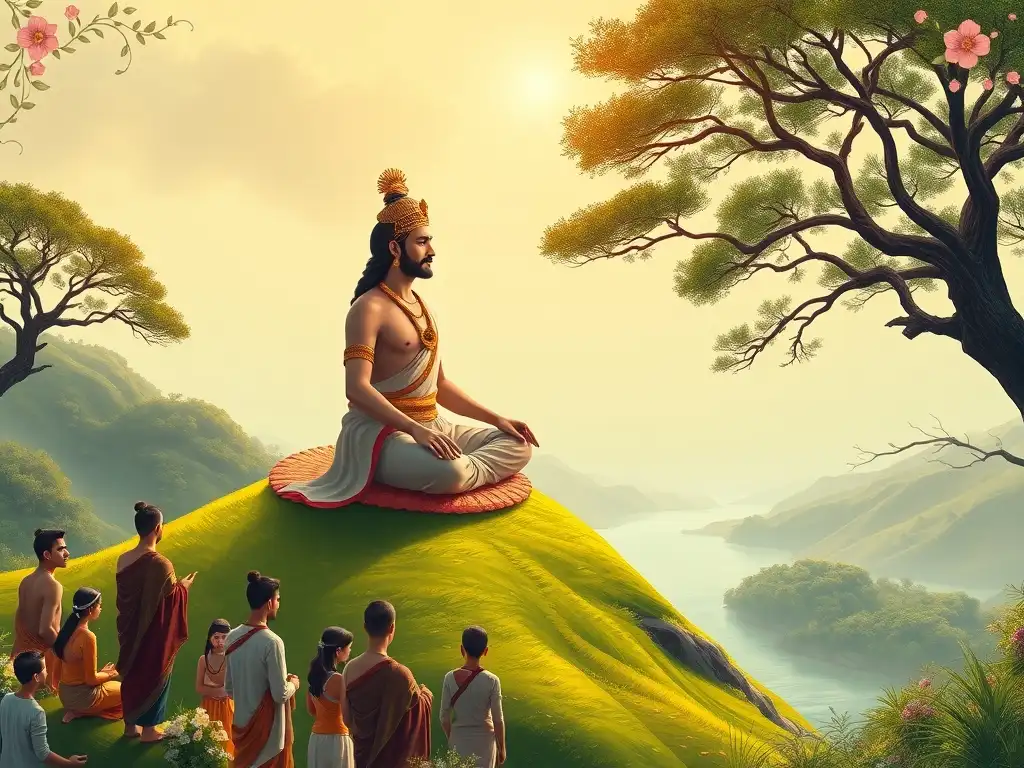
The Tirthankaras are central figures in Jainism, representing a lineage of spiritual teachers who have attained liberation and enlightenment. Their life stories provide profound insights into the principles and values of Jain philosophy, which emphasizes non-violence, truth, and asceticism. Understanding the lives of these revered leaders is essential for comprehending the moral and ethical frameworks that guide the Jain community.
This article aims to explore the rich tapestry of the Tirthankaras' lives, their teachings, and their enduring impact on Jainism and Indian culture. By delving into their narratives, we can appreciate the significance of these spiritual leaders in shaping the religion's core beliefs and practices.
Understanding the Concept of Tirthankaras
In Jainism, the term Tirthankara translates to "ford-maker," symbolizing a spiritual guide who helps others cross the turbulent waters of worldly existence to reach liberation (moksha). There are 24 Tirthankaras in Jain tradition, each representing a unique aspect of spiritual enlightenment. Among them, Mahavira, the 24th Tirthankara, is perhaps the most well-known, having lived during the 6th century BCE.
The life stories of Tirthankaras are characterized by their remarkable journeys towards achieving Kevala Jnana (absolute knowledge) and their commitment to spreading the principles of Jainism. Each Tirthankara's narrative is filled with lessons that highlight the virtues of compassion, humility, and self-discipline.
- Characteristics of Tirthankaras:
- They are usually depicted with a serene expression, symbolizing their enlightened state.
- Each Tirthankara is associated with specific symbols that represent their qualities and teachings.
- Their stories often emphasize the importance of Dharma (righteousness) and Ahimsa (non-violence).
Importance of Tirthankaras in Jain Philosophy
The significance of Tirthankaras in Jain philosophy extends beyond their historical existence; they are seen as the ultimate role models for Jains. Their teachings offer guidance on living a life aligned with the principles of right belief, right knowledge, and right conduct, collectively known as the Three Jewels of Jainism.
- Moral Guidance: Each Tirthankara's life story serves as a moral compass for followers, illustrating the ideals of ethical living and spiritual growth.
- Spiritual Inspiration: The Tirthankaras' experiences of overcoming personal challenges inspire Jains to pursue their own spiritual journeys, fostering resilience and dedication.
- Cultural Impact: The teachings of Tirthankaras have significantly influenced the cultural and philosophical landscape of India, contributing to dialogues on ethics, ecology, and social justice.
The life stories of Tirthankaras not only shape the spiritual framework of Jainism but also resonate with universal themes of morality and enlightenment, making them timeless figures in the history of ancient Indian religions.
The Life Stories of Tirthankaras

The Tirthankaras are revered spiritual leaders in Jainism, representing the pinnacle of ethical and spiritual attainment. Their life stories are not merely historical accounts but serve as guiding principles for millions of followers. Each Tirthankara embodies a unique path to liberation (moksha), and their teachings continue to inspire devotion and philosophical inquiry. This section delves into the life stories of the Tirthankaras, emphasizing their impact on Jain philosophy and culture.
Overview of the Twenty-Four Tirthankaras
Jainism recognizes a total of twenty-four Tirthankaras, each of whom played a crucial role in propagating the principles of Jain philosophy. The first Tirthankara, Rishabhanatha, set the stage for ethical living, while the last, Mahavira, finalized and elaborated on these teachings.
The Tirthankaras are depicted in various forms of art and sculpture, often characterized by their serene postures and symbols. Here is a brief overview of the twenty-four Tirthankaras:
| Tirthankara | Symbol | Time Period |
|---|---|---|
| Rishabhanatha | Bull | Prehistoric Era |
| Ajitanatha | Elephant | Ancient Era |
| Sambhavanatha | Horse | Ancient Era |
| Abhinandananatha | Monkey | Ancient Era |
| ... | ... | ... |
| Mahavira | Lion | 6th Century BCE |
Each Tirthankara is believed to have attained Kevala Jnana (absolute knowledge) and subsequently guides others toward spiritual awakening. Their lives exemplify the principles of non-violence (ahimsa), truth (satya), and asceticism (tapas).
Mahavira: The Last Tirthankara
Mahavira, known as Vardhamana, is the most prominent Tirthankara in Jainism, regarded as the founder of modern Jain philosophy. His life story is a testament to the pursuit of spiritual truth and ethical living.
Early Life of Mahavira
Mahavira was born into a royal family in Kundagrama, near modern-day Bihar, around 599 BCE. His early life was marked by luxury and privilege, yet he felt a profound discontent with worldly pleasures. At the age of 30, he renounced his royal heritage and embarked on a path of rigorous asceticism.
During the next twelve years, Mahavira practiced extreme self-discipline, meditation, and reflection. He faced numerous challenges, including physical hardships and temptations, which he overcame through unwavering commitment to his spiritual journey.
Key Teachings and Contributions
Mahavira's teachings emphasized the core tenets of Jainism, which include:
- Ahimsa (Non-violence): The absolute sanctity of all living beings.
- Aparigraha (Non-possessiveness): Detachment from material possessions and desires.
- Satya (Truth): The importance of truthfulness in thought, word, and deed.
- Brahmacharya (Celibacy): The necessity of celibacy for spiritual advancement.
His teachings are compiled in the Agamas, the canonical scriptures of Jainism, which outline the philosophy and ethical practices that followers adhere to.
Legacy of Mahavira in Jainism
Mahavira’s legacy is deeply embedded in the fabric of Jain culture and philosophy. His life and teachings have inspired countless followers, establishing Jainism as a significant religious tradition in India and beyond.
- Festivals: Mahavira Jayanti, the celebration of his birth, is an important festival for Jains worldwide.
- Temples: Numerous temples are dedicated to Mahavira, serving as centers of worship and learning.
- Philosophy: His teachings have influenced various aspects of Indian philosophy, ethics, and environmentalism, promoting a lifestyle of respect for all forms of life.
The life stories of the Tirthankaras, especially Mahavira, highlight the spiritual richness of Jainism, showcasing a path toward liberation that emphasizes ethical living, self-discipline, and compassion. Through their stories, followers are encouraged to seek wisdom and cultivate an understanding of their place in the universe.
Parsvanatha: The Twenty-Third Tirthankara
Historical Context of Parsvanatha
Parsvanatha, revered as the twenty-third Tirthankara in Jainism, is believed to have lived around the 8th century BCE, during a period marked by significant philosophical developments in ancient India. He is often considered a precursor to Mahavira, the twenty-fourth Tirthankara, who came approximately two centuries later. Parsvanatha's life is shrouded in historical ambiguity, but his teachings laid the groundwork for many Jain principles. He is often associated with the Jagatguru, a leader in asceticism and spirituality, who emphasized the importance of self-discipline and non-violence.
Major Life Events and Teachings
Parsvanatha's life is filled with notable events that highlight his commitment to the Jain path. Born into a royal family in Varanasi, he renounced worldly pleasures at the age of 30 to pursue spiritual enlightenment. His ascetic practices included deep meditation and rigorous self-discipline, which earned him a significant following.
His core teachings centered around the four main vows of Jainism: non-violence (Ahimsa), truthfulness (Satya), not stealing (Asteya), and celibacy (Brahmacharya). Parsvanatha also introduced the concept of non-possession (Aparigraha), advocating a minimalist lifestyle to achieve spiritual liberation. His life story emphasizes the pursuit of personal transformation and the importance of ethical living.
Impact on Jain Practices and Beliefs
Parsvanatha’s teachings significantly influenced Jain practices and beliefs. His emphasis on non-violence and compassion not only shaped the moral framework of Jainism but also had a broader impact on Indian culture, promoting peaceful coexistence. The doctrines he established became foundational for subsequent generations of Jains, leading to the formalization of the monastic community and the establishment of rituals that continue to be practiced today. His legacy is commemorated annually in Jain festivals, where followers reflect on his teachings and contributions to spiritual life.
Rishabhanatha: The First Tirthankara
Life and Times of Rishabhanatha
Rishabhanatha, acknowledged as the first Tirthankara, is thought to have lived during a time that predates recorded history, with estimates placing him around the 3rd millennium BCE. He is often depicted as a pioneering figure who established the basic tenets of Jainism. According to Jain tradition, Rishabhanatha was born to King Nabhiraja and Queen Vimalā in Ayodhya. His life narrative emphasizes the transition from a life of luxury to one of asceticism, as he renounced his royal duties at the age of 30.
Rishabhanatha is credited with the introduction of various arts and sciences, including agriculture, music, and medicine, which reflect the historical context of his time when societal structures were evolving. His teachings and actions aimed to cultivate a balanced life, harmonizing spiritual and material existence.
Philosophical Contributions and Teachings
Rishabhanatha's philosophical contributions are foundational to Jainism, particularly his teachings on the concept of dualism and the nature of the soul (Jiva). He emphasized the importance of self-realization and the pursuit of truth, which resonates throughout Jain philosophy. His teachings on karma and its impact on the soul's journey towards liberation were revolutionary, advocating for a life of purity and ethical conduct.
Moreover, Rishabhanatha is known for advocating the significance of ascetic practices, which include fasting, meditation, and the observance of vows. His teachings encourage followers to pursue a life of discipline and moral integrity, laying the groundwork for Jain asceticism.
Rishabhanatha’s Influence on Jain Traditions
The influence of Rishabhanatha on Jain traditions is profound and enduring. As the first Tirthankara, he is often viewed as a symbol of spiritual enlightenment and ethical living. His teachings have been integral in shaping the Jain community's rituals, festivals, and moral codes.
Rishabhanatha's legacy is celebrated through various religious practices, including the performance of specific rituals and the observance of religious festivals such as Paryushana, where Jains reflect on the teachings of all Tirthankaras, particularly Rishabhanatha. His life serves as an inspiration, motivating followers to strive for spiritual progress and uphold the values of compassion, non-violence, and truthfulness in their daily lives.
Common Themes in the Life Stories of Tirthankaras
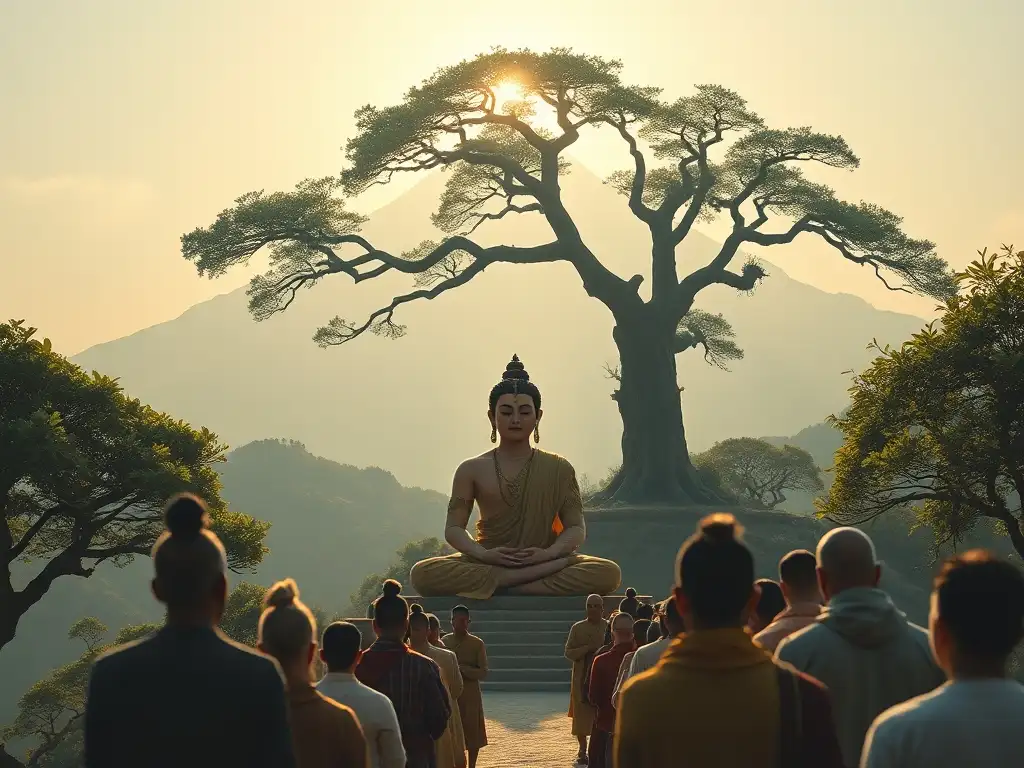
The life stories of the Tirthankaras, the spiritual leaders of Jainism, are rich with profound themes that emphasize the moral and ethical foundations of this ancient religion. These themes not only outline the path to spiritual liberation but also serve as guiding principles for millions of followers. Among the most prominent themes are asceticism and renunciation, non-violence (Ahimsa), and the role of meditation and spiritual practice.
Asceticism and Renunciation
Asceticism and renunciation are fundamental aspects of the Tirthankaras’ life stories, reflecting their commitment to a path of self-discipline and spiritual purity. Each Tirthankara demonstrated varying degrees of ascetic practices, which often included:
- Fasting: Many Tirthankaras undertook extended periods of fasting to purify the body and mind, reinforcing their commitment to detachment from worldly pleasures.
- Simplicity: They lived lives devoid of material possessions, often wearing minimal clothing or practicing nudity as a testament to their rejection of physical comforts.
- Seclusion: Retreating into solitude was common, allowing the Tirthankaras to focus on inner reflection and the pursuit of enlightenment.
For instance, Mahavira, the 24th Tirthankara, practiced extreme asceticism, which included enduring harsh weather conditions and limiting his interactions with others. His life exemplifies the Jain philosophy that renouncing the material world leads to spiritual liberation.
Non-Violence (Ahimsa) as a Central Tenet
Ahimsa, or non-violence, stands as a central tenet in the teachings of the Tirthankaras and underscores the ethical framework of Jainism. This principle manifests in several critical ways:
- Compassion for All Living Beings: The Tirthankaras taught that all forms of life, from the smallest insects to larger animals, possess a soul and deserve respect. This belief fosters a deep sense of compassion and empathy among Jains.
- Dietary Practices: The commitment to non-violence is evident in the strict vegetarianism observed by Jains. Following the teachings of the Tirthankaras, adherents avoid harming any living creatures, which extends beyond dietary choices to their daily actions and interactions.
- Conflict Resolution: The Tirthankaras encouraged peaceful coexistence and conflict resolution through dialogue rather than violence, embodying their teachings in their own lives.
Mahavira’s teachings, which emphasized Ahimsa, have had a lasting impact on followers, inspiring movements for peace and non-violence that resonate even in contemporary society.
The Role of Meditation and Spiritual Practice
Meditation and spiritual practices are vital components of the Tirthankaras' life stories, illustrating their paths to enlightenment and liberation. These practices include:
- Meditative Techniques: The Tirthankaras utilized various forms of meditation to cultivate inner peace and awareness. This often involved focusing on the breath, visualizing spiritual ideals, and reflecting on their teachings.
- Self-Discipline: The rigorous self-discipline that accompanied their meditation practices served as a means to transcend material desires and develop a deeper connection to the soul.
- Community Engagement: While individual meditation was crucial, Tirthankaras also emphasized the importance of community practices, encouraging followers to engage in collective rituals and discussions that foster spiritual growth.
The life of Parshvanatha, the 23rd Tirthankara, highlights these practices, as he is known for advocating meditation as a way to achieve tranquility and insight. His teachings laid the groundwork for subsequent Jain practices, emphasizing the balance between individual and communal spiritual experiences.
The life stories of Tirthankaras are imbued with themes of asceticism, non-violence, and meditation, each playing a pivotal role in shaping Jain beliefs and practices. These elements not only define the Tirthankaras' paths to enlightenment but continue to inspire millions of adherents today, guiding them on their own spiritual journeys.
The Significance of Tirthankaras in Jain Worship
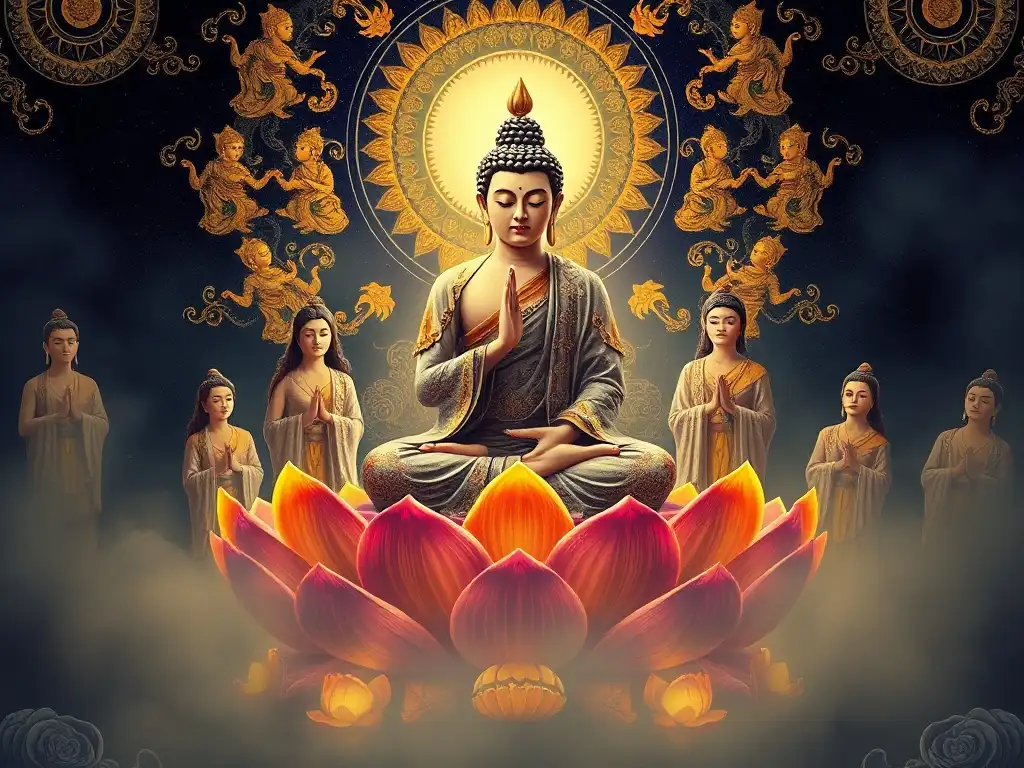
The Tirthankaras hold a central place in Jain worship and philosophy, embodying the core principles of Jainism. They are revered as spiritual teachers who have attained Kevala Jnana (absolute knowledge) and guide followers toward liberation (Moksha). Each Tirthankara symbolizes the path to enlightenment and provides a moral framework for Jain practitioners.
Jain worship often involves the veneration of Tirthankara images and idols, which serve as reminders of their teachings and virtues. The Tirthankaras are seen not just as historical figures but as divine beings who have transcended the cycle of birth and death. This duality enhances their significance in the spiritual lives of Jains, fostering a deep sense of reverence and devotion.
The principle of Ahimsa (non-violence) is most vividly exemplified through the lives of Tirthankaras, particularly Mahavira, the 24th Tirthankara, whose teachings emphasized compassion and respect for all living beings. By following their life stories, Jains aspire to cultivate virtues such as truthfulness, self-discipline, and detachment from material possessions.
The Tirthankara Statues and Iconography
The statues of Tirthankaras are intricate representations that carry profound spiritual symbolism. Each Tirthankara is depicted with unique attributes that signify their teachings and qualities:
- Posture: Most Tirthankara statues are shown in a meditative posture, symbolizing their path to enlightenment.
- Mudras: Specific hand gestures (mudras) convey different meanings:
- The Dharmachakra Mudra represents the teaching of the Dharma.
- The Abhaya Mudra symbolizes fearlessness and protection.
- Attributive Symbols:
- Mahavira, for instance, is often depicted with a lion, embodying strength and courage.
- Parshva, the 23rd Tirthankara, is associated with a snake, representing protection and vigilance.
These statues are not only objects of worship but also serve as educational tools, helping followers to internalize the teachings of each Tirthankara. The artistry involved in creating these images reflects the rich cultural heritage of Jainism and its emphasis on craftsmanship.
Festivals Celebrating the Tirthankaras
Festivals play a vital role in Jain culture, with several dedicated to the veneration of Tirthankaras. These celebrations foster community spirit and reinforce the teachings of Jainism. Key festivals include:
- Mahavir Jayanti: Celebrated as the birth anniversary of Mahavira, this festival involves processions, prayers, and community service. It highlights the principles of non-violence and compassion.
- Paryushana: This is a significant festival lasting eight days, during which Jains reflect on their actions and seek forgiveness. Each day is often dedicated to the teachings of a specific Tirthankara, allowing devotees to deepen their understanding of Jain philosophy.
- Das Lakshana: This festival emphasizes the ten virtues exemplified by the Tirthankaras, such as self-control and truthfulness. It is marked by rituals and teachings that encourage adherents to embody these virtues in their daily lives.
These festivals serve not only as religious observances but also as opportunities for education and community bonding, reinforcing the values imparted by the Tirthankaras.
Pilgrimage Sites Associated with Tirthankaras
Jainism is rich in pilgrimage traditions, with numerous sacred sites dedicated to Tirthankaras. These sites are often regarded as Tirthas (crossing places) that facilitate the journey towards spiritual liberation. Some of the notable pilgrimage sites include:
- Shravanabelagola: Home to one of the largest monolithic statues of Bahubali (Gommateshwara), this site attracts thousands of pilgrims. The statue symbolizes the ideals of self-control and renunciation.
- Palitana: This temple complex houses numerous temples dedicated to the Tirthankaras, with a mountain pilgrimage that offers spiritual rewards for those who ascend its steps.
- Ranakpur: Known for its stunning marble temples, Ranakpur is dedicated to Tirthankara Adinatha and features intricate carvings that depict the life stories of various Tirthankaras.
These pilgrimage sites are not only significant for their spiritual value but also for their architectural beauty, attracting scholars and tourists alike. Each site serves as a reminder of the teachings of the Tirthankaras and offers a space for reflection and devotion.
The life stories of Tirthankaras are vital to understanding Jainism's spiritual framework and cultural heritage. Through worship, festivals, and pilgrimage, followers continue to honor these revered figures, ensuring their teachings remain alive in the hearts of practitioners.
Conclusion: The Enduring Legacy of Tirthankaras

The legacy of the Tirthankaras extends far beyond their lifetimes, shaping the spiritual landscape of Jainism and influencing countless followers through their teachings and examples. These spiritual leaders are revered as the enlightened ones who have paved the path to liberation (moksha) and have provided a comprehensive framework for ethical living and spiritual growth.
The Tirthankaras emphasized the importance of personal experience in understanding the nature of reality. Their life stories, rich with lessons of compassion, self-discipline, and non-violence (ahimsa), resonate deeply with the principles of Jainism. Each Tirthankara's journey serves as a guiding light for individuals seeking to cultivate inner peace and harmony with the world around them.
The teachings of the Tirthankaras also foster a sense of community among Jains, encouraging followers to live according to the principles of right faith, right knowledge, and right conduct. These foundational aspects of Jain philosophy continue to inspire millions, encouraging a life of simplicity, meditation, and ethical responsibility.
Reflection on the Life Stories of Tirthankaras
The life stories of Tirthankaras are not merely historical accounts; they are profound narratives that encapsulate the essence of Jain philosophy. Each Tirthankara’s journey is characterized by significant life events that illustrate their quest for enlightenment and the challenges they faced along the way.
- Compassion and Non-Violence: The Tirthankaras exemplified the principles of compassion and non-violence through their actions and teachings. For instance, Lord Mahavira, the 24th Tirthankara, is known for his unwavering commitment to ahimsa, inspiring generations to embrace this fundamental tenet of Jainism.
- Renunciation and Asceticism: The stories also highlight the Tirthankaras' commitment to renunciation and asceticism, showcasing their journey from worldly life to spiritual awakening. Their transformations serve as powerful reminders of the potential for personal growth through dedication and discipline.
- Moral and Ethical Guidance: The teachings of the Tirthankaras provide a moral compass for adherents. Their life stories impart essential lessons on truthfulness, humility, and restraint, encouraging Jains to embody these virtues in their daily lives.
The Continuing Influence of Tirthankaras on Modern Jainism
The influence of the Tirthankaras remains palpable in contemporary Jain practices and beliefs. Their teachings continue to inspire and shape the values of modern Jains around the world.
- Rituals and Celebrations: Many Jain rituals and festivals are centered around the Tirthankaras, commemorating their lives and teachings. Festivals like Paryushana and Mahavir Jayanti serve as opportunities for devotees to reflect on their principles and renew their commitment to Jain values.
- Education and Community Building: Jain educational institutions often emphasize the teachings of the Tirthankaras, instilling their principles in younger generations. This educational focus fosters a strong sense of community and shared values among Jains.
- Global Influence: As Jainism spreads across the globe, the lessons of the Tirthankaras resonate with a broader audience. The emphasis on non-violence and ethical living appeals to wider movements advocating for peace and sustainability, aligning with contemporary global challenges.
The life stories of the Tirthankaras are not just historical narratives; they are living legacies that continue to guide and inspire the Jain community today. Their teachings endure as cornerstones of Jain philosophy, influencing the spiritual journeys of many and shaping a future rooted in compassion and understanding.
References and Further Reading on Tirthankaras and Jainism
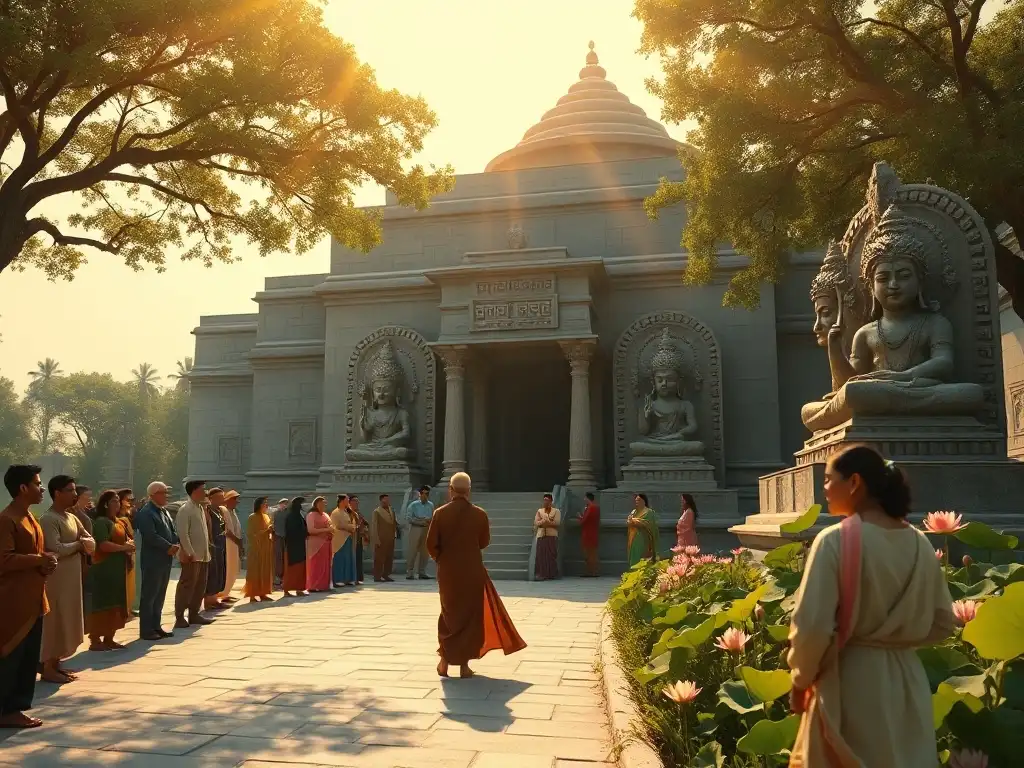
The study of Tirthankaras is a vital part of understanding Jainism, a philosophy steeped in rich traditions and teachings. Numerous resources, both textual and digital, can help deepen one's knowledge about these spiritual leaders and their contributions to Jain philosophy.
Recommended Texts on Jain Philosophy and History
To gain a thorough understanding of Jainism and its spiritual leaders, the following texts are highly recommended:
- "Jain Philosophy: A Comparative Study" by Dr. N. D. Sanghvi
- This book provides a comprehensive overview of Jain philosophy and its principles. It explores the core teachings of the Tirthankaras, emphasizing their relevance in contemporary contexts.
- "The Tirthankaras of Jainism" by Dr. S. M. Jain
- A detailed examination of the life stories of the Tirthankaras, this text narrates their teachings and the historical significance of their contributions to Jainism.
- "Jainism: An Introduction" by Dr. Padmanabh Jaini
- This introductory text covers the foundational aspects of Jain thought, including the life stories of key Tirthankaras and their philosophical implications.
- "The Jains" by Dr. Paul Dundas
- Dundas provides an insightful analysis of Jain history, culture, and the spiritual significance of Tirthankaras. It is particularly useful for those new to Jain studies.
- "Jainism: A Religion of Non-Violence" by Dr. A. N. Upadhye
- This book explores the ethical dimensions of Jainism, focusing on the teachings of the Tirthankaras regarding non-violence and compassion.
Online Resources for Exploring Jainism and Tirthankaras
In addition to traditional texts, there are numerous online resources that can enhance your understanding of Jainism and the life stories of Tirthankaras:
- Jainpedia: An interactive resource offering a wealth of information on Jain texts, history, and philosophy. It includes sections dedicated to the Tirthankaras, featuring articles, images, and videos.
- The Jain Community Website: A platform that serves as a hub for Jain teachings, traditions, and practices. It provides access to various resources about the Tirthankaras and their teachings.
- Academia.edu: A database of scholarly articles and papers where researchers publish their work on Jainism. A search for "Tirthankaras" yields a plethora of academic studies and interpretations.
- YouTube Channels: Various channels dedicated to Jain philosophy and teachings often feature lectures and discussions on the Tirthankaras. Channels like "Jainism and Beyond" and "Jain Wisdom" are notable for their in-depth content.
- Online Jain Forums: Platforms like "Jain World" and "Jain Center of America" provide spaces for discussions among practitioners and scholars, offering insights into the life stories and teachings of Tirthankaras.
These resources collectively provide a comprehensive foundation for anyone interested in exploring the life stories of Tirthankaras and the broader context of Jain philosophy.
Frequently Asked Questions
What are Tirthankaras in Jainism?
Tirthankaras are spiritual leaders in Jainism who have attained liberation and provide guidance on the path to enlightenment. They are revered figures, with Mahavira being the most well-known.
How many Tirthankaras are there in Jainism?
There are a total of 24 Tirthankaras in Jainism, each contributing to the spiritual teachings and principles of the religion. Their life stories serve as inspiration for adherents.
What are the key teachings of the Tirthankaras?
The Tirthankaras emphasize non-violence, truthfulness, and asceticism. Their teachings guide followers to practice compassion and to seek spiritual growth through self-discipline.
How do the life stories of Tirthankaras influence Jain culture?
The life stories of Tirthankaras serve as foundational narratives that shape Jain ethics, rituals, and community practices. They inspire followers to live a life of virtue and spirituality.
Who is the most prominent Tirthankara and why?
Mahavira is the most prominent Tirthankara, known for his role in shaping the philosophy and doctrines of Jainism. His life story exemplifies the ideals of detachment, forgiveness, and truth.
Final Reflection: The Enduring Legacy of the Tirthankaras
The life stories of the Tirthankaras resonate profoundly in today's world, reminding us of the timeless values of compassion, non-violence, and spiritual enlightenment. As we navigate the complexities of modern life, the teachings and experiences of these spiritual leaders offer a guiding light, illuminating paths toward inner peace and ethical living. The relevance of their stories extends beyond religious boundaries, inviting individuals from all walks of life to reflect on their own journeys and the impact of their actions on the world around them.
Cultural and social landscapes are continually shaped by the principles espoused by the Tirthankaras. Their teachings encourage a deeper understanding of interconnectedness and the importance of living harmoniously with all beings. In the words of Mahatma Gandhi, “The greatness of a nation and its moral progress can be judged by the way its animals are treated.” This quote encapsulates the essence of Jain philosophy, urging us to consider the ethical implications of our choices and to cultivate a mindset of respect and kindness towards all forms of life.
As you reflect on the life stories of the Tirthankaras, I invite you to embrace their teachings in your daily life. Consider how you can embody the principles of non-violence and compassion in your interactions with others.
Each small action contributes to a larger tapestry of change, and by integrating these values into your life, you not only honor the legacy of the Tirthankaras but also inspire those around you to embark on their own journeys of spiritual growth and ethical living. Let their stories be a source of inspiration as you navigate your path forward, fostering a world that reflects the beauty of their teachings.
Unveil the Wisdom of the Tirthankaras Today!
Thank you for diving deep into the fascinating lives of the Tirthankaras with us! Your interest in these spiritual leaders not only enriches your understanding of Jainism but also opens doors to profound insights for personal growth.
Now, let's put that knowledge into action! Here are a few ways you can embrace the wisdom of the Tirthankaras:
- Reflect on their teachings: Choose one Tirthankara whose philosophy resonates with you and take a moment each day to meditate on their key messages.
- Engage with the community: Join local or virtual Jain discussions and share your insights about the Tirthankaras, fostering dialogue that inspires others.
- Try unique practices: Explore traditional Jain customs, such as preparing plant-based meals inspired by their principles, and share your creations with friends and family!
What aspect of the Tirthankaras' teachings do you find most relevant to your life today? Join the conversation below!