
How the Vedas Addressed the Social Issues of Ancient India


Welcome to Ancient India History, where we embark on a captivating journey through the rich and diverse tapestry of ancient Indian civilizations. Here, we delve into the profound social issues in Ancient India, exploring how the revered texts of the Vedas not only documented but also addressed these challenges. As you navigate through this intricate landscape of culture, philosophy, and social dynamics, prepare to uncover the wisdom of the ancients and understand how their insights continue to resonate today.
Join us as we unravel the layers of history that shaped a civilization, and discover the compelling narrative that awaits in our featured article, "How the Vedas Addressed the Social Issues of Ancient India." Your exploration begins now!
- Introduction to Social Issues in Ancient India
- Understanding the Vedas: Context and Content
- Key Social Issues Addressed in the Vedas
- Ethical Teachings and Social Harmony in the Vedas
- Case Studies of Social Issues in Vedic Texts
- The Legacy of Vedic Solutions to Social Issues
- Conclusion: The Vedas as a Reflection of Ancient Indian Society
-
Frequently Asked Questions
- What are the Vedas in the context of Ancient India?
- How did the Vedas contribute to addressing social issues?
- What social issues are specifically mentioned in the Vedas?
- Did the Vedas promote equality among different social groups?
- How are the teachings of the Vedas relevant to contemporary social issues?
- Final Reflection: Understanding the Roots of Social Issues in Ancient India
- Unveil the Wisdom of the Vedas: Take Action Today!
The exploration of social issues in ancient India reveals a complex tapestry of beliefs, practices, and societal norms that shaped the lives of millions. The Vedas, as the oldest sacred texts of Hinduism, not only reflect the spiritual and philosophical thoughts of the time but also serve as crucial documents that address various social issues prevalent in ancient Indian society. From caste distinctions to family dynamics, and gender roles, the Vedas offer insights into how these issues were understood and managed.
By delving into the teachings within these texts, we can gain a better understanding of how ancient Indian civilizations navigated their social structures, and the implications of these interpretations for contemporary society. This article aims to shed light on the social issues in ancient India as articulated in the Vedas, illustrating their relevance and significance in shaping the historical narrative of Indian culture.
Overview of Ancient Indian Society
Ancient Indian society was characterized by a diverse and multi-layered structure that evolved over centuries. At its core, it was heavily influenced by religious doctrines, regional variations, and the prevailing economic conditions.
- Social Hierarchy: The caste system, a fundamental aspect of ancient Indian society, divided individuals into distinct groups based on their occupation and roles. This hierarchy profoundly influenced social interactions and individual opportunities.
- Family Structures: Families were typically patriarchal, with lineage and inheritance passed down through male members. Women often held subordinate roles, yet their contributions to family and society were significant and multifaceted.
- Cultural Practices: Festivals, rituals, and daily practices reflected a rich cultural heritage that emphasized community participation. The interplay between religion and daily life fostered a sense of belonging and identity among individuals.
The Vedas encapsulate many of these societal aspects, providing a lens through which we can examine the dynamics of ancient Indian life and the challenges faced by its people.
The Vedas hold a paramount position in the understanding of ancient Indian thought and philosophy, and they provide crucial insights into the social challenges of their time.
- Philosophical Underpinnings: The Vedas offer profound philosophical insights that address moral and ethical dilemmas, guiding individuals toward righteous living. Concepts such as Dharma (duty/righteousness) are deeply interwoven with social responsibility.
- Rituals and Practices: Specific rituals outlined in the Vedas were designed to promote social harmony and mitigate conflict. They played a crucial role in reinforcing community bonds and addressing social grievances.
- Gender Roles: The texts often reflect the prevailing attitudes toward gender, highlighting both the limitations and the potential for women's roles within society. For instance, while women were often relegated to domestic spheres, certain verses celebrate female wisdom and strength.
By examining the Vedas, we can discern how these ancient texts sought to address and navigate the social issues of their time, ultimately contributing to a richer understanding of ancient Indian civilization. The implications of these teachings continue to resonate, offering valuable lessons for contemporary discussions on social justice and equality.
Understanding the Vedas: Context and Content
Definition and Origin of the Vedas
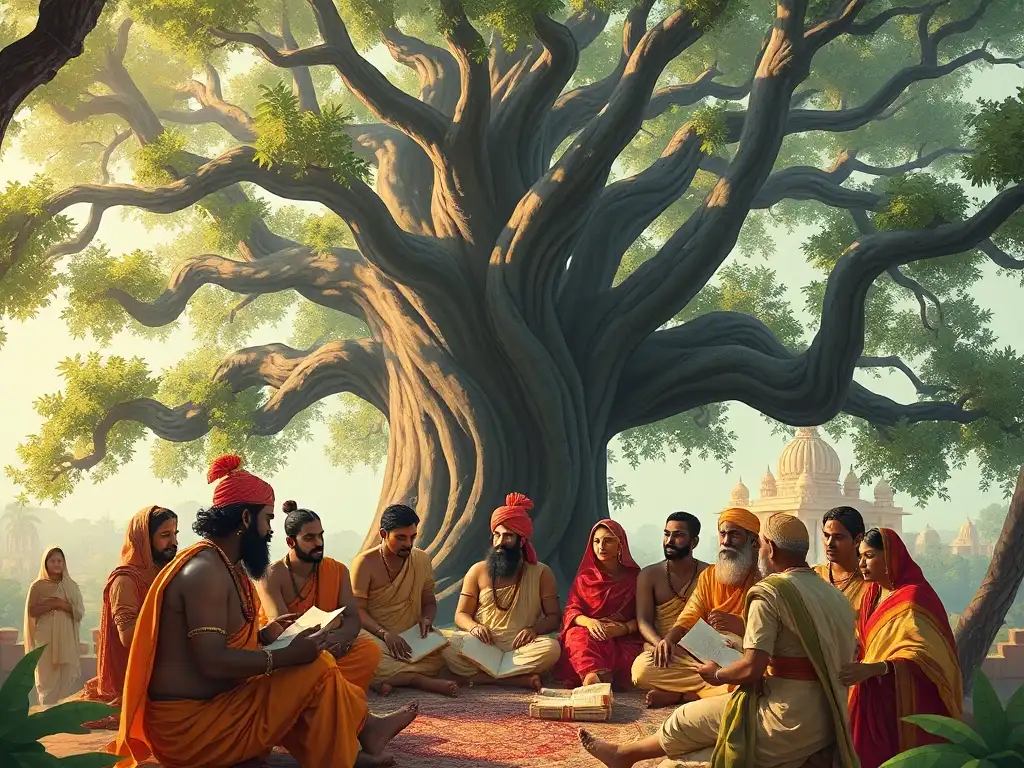
The Vedas are a collection of ancient sacred texts that form the cornerstone of Hindu philosophy and spirituality. Composed in Sanskrit, they are recognized as some of the oldest religious texts in the world, dating back to approximately 1500-500 BCE. The term "Veda" translates to "knowledge" in Sanskrit, highlighting their significance as a source of wisdom.
The Vedas are divided into four main texts:
- Rigveda - A collection of hymns dedicated to various deities, emphasizing the importance of rituals and offerings.
- Samaveda - Primarily a liturgical text, it consists of chants and melodies that accompany the rituals in the Rigveda.
- Yajurveda - This text contains prose mantras and instructions for performing sacrificial rituals, bridging the gap between hymns and practical application.
- Atharvaveda - A unique text that includes hymns, magic spells, and philosophical reflections, addressing everyday life and practical concerns.
The Vedas were transmitted orally for centuries before being written down, reflecting the oral tradition prevalent in ancient Indian society. This method ensured the preservation of the texts and their teachings through generations. The context of the Vedas encompasses not only religious and spiritual knowledge but also social, political, and cultural elements that influenced the fabric of ancient Indian civilization.
The Role of the Vedas in Ancient Indian Civilization
The Vedas played a multifaceted role in shaping various aspects of ancient Indian civilization, particularly regarding social issues. They served as a guiding framework for:
- Rituals and Sacrifices: The Vedas prescribed specific rituals that were essential for maintaining harmony in society. These rituals were believed to appease the gods and ensure prosperity, thus addressing the societal need for stability and security.
- Social Hierarchy: The Vedas are instrumental in outlining the varna system, which categorized society into four main groups: Brahmins (priests), Kshatriyas (warriors), Vaishyas (merchants), and Shudras (laborers). This classification established a social structure that, while controversial, provided a sense of order and organization in ancient India.
- Ethical Guidelines: The Vedas imparted ethical teachings that guided individual behavior and social interactions. Concepts such as dharma (duty/righteousness) encouraged individuals to act in accordance with their societal roles, thus contributing to social cohesion.
- Philosophical Inquiry: Beyond rituals and social structure, the Vedas also inspired philosophical thought. The Upanishads, which are part of the Vedic corpus, explore profound questions about existence, the self, and the universe, addressing existential concerns that resonated with the populace.
- Cultural Identity: The Vedas fostered a shared cultural identity among ancient Indians. Their recitation and adherence to Vedic teachings fostered a sense of belonging and unity, reinforcing communal bonds.
The Vedas were not merely religious texts; they were integral to addressing social issues in ancient India, providing guidance on rituals, societal roles, ethics, and cultural identity. Their influence extended beyond spirituality, shaping the very structure of ancient Indian life.

Explanation of the Varna System
The Vedas, particularly the Rigveda, contain references to a structured social system known as the Varna system, which categorizes society into four primary groups: Brahmins (priests and scholars), Kshatriyas (warriors and rulers), Vaishyas (merchants and landowners), and Shudras (laborers and service providers). This system, while initially intended to organize society based on occupational functions, gradually evolved into a rigid caste system.
The classification was not solely based on birth but also on qualities (guna) and actions (karma), as outlined in texts like the Bhagavad Gita. The Varna system aimed to promote social harmony and efficiency by ensuring that each group performed its designated duties; however, over time, it became increasingly hereditary, leading to severe social stratification and discrimination.
Critiques and Support within Vedic Texts
While the Vedas acknowledge the Varna system, they also present critiques and discussions surrounding its implications. For instance, some hymns suggest a more fluid social structure where individuals could rise through merit rather than being confined to their birth.
However, other Vedic texts reinforce the hierarchy. The Rigveda includes verses like the Purusha Sukta, which describes the creation of society from the cosmic being Purusha, suggesting a divine sanctioning of the caste hierarchy. This duality reflects ongoing debates in ancient India about the nature of social organization, indicating that while the Vedic texts provided a framework for social order, they also laid the groundwork for subsequent critiques and reforms.
Gender Roles and Women's Status
Representation of Women in the Vedas
The Vedic literature offers a complex picture of women in ancient Indian society. Women are often depicted as knowledgeable and respected figures. For instance, several female sages (rishikas) are mentioned in the Rigveda, contributing hymns and participating in rituals. This indicates a level of intellectual freedom and spiritual authority that women could attain.
However, other verses reflect more restrictive views, emphasizing traditional roles associated with motherhood and domesticity. The dichotomy in representation suggests that women's status was variable, influenced by regional practices and evolving social norms.
Social Norms and Responsibilities of Women
The Vedas outline specific social norms and responsibilities for women, often focusing on their roles within the household. The idealized woman is depicted as a devoted wife and mother, upholding family honor and maintaining household rituals.
In texts such as the Manusmriti, which emerged later, these norms are codified into more prescriptive laws, often positioning women in subordinate roles relative to men. However, there are also instances in the Vedic texts where women are encouraged to engage in learning and spiritual practices, illustrating a tension between progressive views on gender and the emerging patriarchal structures.
The Vedas, with their multifaceted discussions on social issues in ancient India, provide critical insights into the evolving dynamics of caste and gender roles, reflecting both the complexities and contradictions of ancient Indian society. Understanding these aspects helps illuminate the rich tapestry of social interactions that shaped the cultural foundations of India.
Economic Disparities and Class Relations
Economic disparities and class relations were significant aspects of ancient Indian society, particularly during the Vedic period. The Vedas, as foundational texts, provide insights into how these issues were perceived and addressed within the social fabric of the time. The societal structure was primarily divided into four varnas, which were not merely social classes but also reflected economic roles. These varnas—Brahmins (priests and scholars), Kshatriyas (warriors and rulers), Vaishyas (traders and agriculturists), and Shudras (laborers and service providers)—illustrated a hierarchical system that influenced economic interactions.
The Vedic texts highlight the dynamics of wealth accumulation and the responsibilities associated with different varnas. For instance, the Brahmins were expected to maintain spiritual and educational roles, while the Kshatriyas were responsible for protection and governance. In contrast, the Vaishyas were tasked with trade and agriculture, and the Shudras provided essential services. This division brought about a structured economic system but also led to inherent disparities based on one's birth and occupation.
Vedic Perspectives on Wealth and Poverty
The Vedas articulate a nuanced understanding of wealth and poverty, recognizing both as integral components of societal dynamics. Wealth was often associated with dharma (righteousness) and was seen as a means to perform rituals and support the community, which emphasized the importance of social responsibility among the affluent. The Rigveda, for example, offers prayers for prosperity, indicating that wealth was desired not just for personal gain but for the welfare of the community.
Conversely, poverty was viewed through the lens of social duty and moral conduct. The Vedic texts suggest that those in poverty should receive assistance, aligning with the principles of charity and community support. The concept of dana (donation) is prevalent in the Vedas, underscoring the value placed on sharing wealth with those less fortunate. This perspective encouraged a form of social equity, where the wealthy were expected to support the poor, thus fostering a sense of communal harmony amidst economic disparities.
The Role of Trade and Economy in Vedic Society
Trade and economy played a crucial role in the Vedic society, significantly influencing its social structure and interactions. The Vedas detail various forms of commerce, including bartering and the exchange of goods, which were essential for economic sustenance. The emergence of trade routes facilitated not only the exchange of commodities but also cultural and social interactions between different regions.
Agriculture was a cornerstone of the Vedic economy, with texts like the Atharvaveda highlighting the importance of agricultural practices for societal prosperity. The agricultural surplus allowed for the development of trade, leading to the rise of crafts and specialized occupations. This diversification of the economy contributed to the establishment of a more complex social structure, where economic roles were vital in determining social status and relationships.
Furthermore, the Vedic texts emphasize the significance of ethical trade practices and fair dealings. The principles outlined in these texts paved the way for a moral economy, where honesty and integrity in transactions were valued. This focus on ethical conduct in economic activities helped mitigate some of the disparities that arose from wealth accumulation, fostering a sense of accountability within the society.
The Vedas provide a comprehensive view of the economic disparities and class relations in ancient India, reflecting a society that was both structured and dynamic, with an inherent understanding of the social responsibilities tied to wealth and poverty.

The Vedas, as the foundational texts of Hinduism, provide a comprehensive framework for understanding ethical teachings and social harmony in ancient Indian society. Their verses encompass a plethora of philosophies and guidelines that address social issues, ensuring a cohesive and functioning community. Through their emphasis on dharma, societal roles, and collective responsibilities, the Vedas played a crucial role in shaping the moral compass of ancient India.
Dharma: The Concept of Duty and Righteousness
Dharma, often translated as "duty" or "righteousness," is a central theme in Vedic literature. It encapsulates the ethical and moral principles that govern individual conduct as well as social interactions.
-
Varna System: The Vedas advocate for a structured society through the varna system, which classifies individuals into four primary groups:
- Brahmins (priests and teachers)
- Kshatriyas (warriors and rulers)
- Vaishyas (merchants and landowners)
- Shudras (laborers and service providers)
Each group has its own duties and responsibilities, which fosters a sense of order and mutual respect among different societal roles.
-
Collective Well-being: The Vedic texts emphasize that fulfilling one’s dharma contributes not only to personal growth but also to the welfare of the entire community. For instance, the Rigveda highlights the importance of selflessness and civic responsibility through verses that call for individuals to act in the interest of societal harmony.
-
Moral Guidance: The Vedas provide various narratives and hymns that illustrate the consequences of deviating from dharma. Stories of legendary figures serve as moral exemplars, guiding individuals toward righteous living and ethical decision-making.
Vedic literature underscores the significance of social responsibilities as a means to address social issues in ancient India. The texts not only delineate personal duties but also advocate for broader social obligations.
- Rituals and Sacrifices: The performance of rituals and sacrifices (yajnas) is a recurring theme in the Vedas. These practices are seen as communal activities that reinforce social ties. They serve as a reminder of the interconnectedness of individuals and their responsibilities towards one another and the cosmos.
- Education and Knowledge: The Vedas place a high value on education, advocating for the dissemination of knowledge across all varnas. This emphasis on learning aims to empower individuals, enabling them to fulfill their social roles effectively and make informed decisions that benefit society.
- Charity and Almsgiving: Acts of charity (dana) and almsgiving are promoted as essential social responsibilities. The Vedic texts encourage individuals to share their wealth and resources with those in need, thereby addressing issues of poverty and inequality.
- Social Cohesion: The ideals of unity and cooperation are woven throughout Vedic teachings. By encouraging adherence to dharma and communal responsibilities, the Vedas sought to create a society where individuals work together for the common good, minimizing conflicts and fostering peace.
The Vedas not only serve as religious scriptures but also as vital instruments for addressing social issues in ancient India. Through their teachings on dharma and social responsibilities, they provided a framework for ethical conduct that promoted harmony and stability within the community, laying the groundwork for the rich tapestry of Indian civilization.

The Vedas, as ancient Indian scriptures, provide a profound insight into the social issues of their time. Through various hymns and verses, they mirror the complexities of ancient society, addressing issues such as caste dynamics, gender roles, and social justice. By examining specific hymns and verses, we can discern how these texts not only reflected but also sought to influence the socio-cultural landscape of ancient India.
Examination of Specific Hymns or Verses
Several hymns within the Vedic texts highlight the social issues prevalent during their composition. For instance, the Rigveda, one of the oldest texts, includes verses that touch on themes of equality and social harmony. A notable hymn is Rigveda 10.90, known as the Purusha Sukta, which describes the cosmic being (Purusha) from whom all castes emerged. This hymn underscores the idea of a unified society derived from a single source, suggesting a philosophical underpinning that could promote social cohesion:
“When they divided the Purusha, into how many parts did they divide him? What became of his mouth? What of his two arms? What of his thighs and feet?”
This verse reflects an early conceptualization of caste, yet its inclusive language points to the idea that all societal roles are integral to the whole.
Another example can be found in the Atharvaveda, which addresses social justice and the welfare of the community. Hymn Atharvaveda 7.52 explicitly calls for the protection of the weak and the establishment of fairness within society:
“May the weak be protected from the strong, may the oaths of the powerful be fulfilled.”
This plea for justice resonates with modern social concerns, indicating that the Vedic texts were aware of the vulnerabilities within their social structure.
Analysis of Historical Context and Relevance
To fully appreciate the significance of these Vedic verses, it is crucial to analyze their historical context. The Vedic period, spanning from approximately 1500 BCE to 500 BCE, was marked by significant social stratification and evolving cultural practices. The emergence of the varna system (social classes) during this time created a framework that would later solidify into the caste system, impacting social dynamics for centuries.
The Vedas served not merely as religious texts but as societal commentaries that reflected and shaped the values of the time. The emphasis on dharma (duty) and rta (cosmic order) in the Vedic literature illustrates a deep concern for maintaining social order and ethics. This is particularly relevant when considering the role of women in Vedic society, where texts such as the Rigveda acknowledge the existence and agency of women in various roles, albeit within a patriarchal framework.
Moreover, the social issues addressed in the Vedas resonate even today. Modern readers and scholars often revisit these texts to draw parallels with contemporary social justice movements, gender equality, and caste-related issues. The Vedic perspectives on social welfare highlight an enduring legacy that continues to influence discussions on social issues in India.
The Vedic texts provide a rich tapestry of insights into the social issues of ancient India, revealing a complex interplay between societal norms, ethical considerations, and the quest for justice. By examining specific hymns and understanding their historical context, we gain a deeper appreciation for how these ancient scriptures addressed the challenges of their time, offering lessons that remain relevant in today's discourse on social issues in ancient India.

The Vedas, as the foundational texts of Hinduism, provide crucial insights into the social fabric of ancient India. Their teachings reflect a deep understanding of the complexities surrounding social issues, including caste dynamics, gender roles, and community responsibilities. The solutions proposed within these sacred texts laid the groundwork for a philosophical discourse that permeated later Indian thought.
The Vedic society was characterized by a stratified social order, primarily organized around the four varnas: Brahmins (priests), Kshatriyas (warriors), Vaishyas (traders), and Shudras (laborers). The Vedas addressed these divisions, not merely as rigid categories but as functional roles that contributed to the overall harmony of society. For instance, the Rigveda underscores the importance of cooperation among these varnas, advocating that each group fulfills its duties to ensure societal balance.
Moreover, the Vedas emphasized dharma, or duty, as a guiding principle. This concept provided a framework for individuals to navigate their responsibilities within their prescribed roles, promoting social stability. The teachings of the Vedas encouraged ethical conduct and communal harmony, which were essential in addressing social discord and inequality.
Influence on Later Philosophical and Religious Texts
The Vedic texts significantly influenced subsequent philosophical and religious writings in ancient India. Key texts like the Upanishads and the Dharma Shastras drew heavily from Vedic principles, further developing ideas related to social order and ethics.
- Upanishads: These mystical texts expanded on Vedic philosophy, delving deeper into concepts such as the self (Atman) and the ultimate reality (Brahman). They emphasized the idea that transcending societal divisions leads to a higher understanding of unity. This philosophical shift encouraged individuals to look beyond their social roles, fostering a more inclusive approach to spirituality and social issues.
- Dharma Shastras: Works such as Manusmriti codified social norms and duties based on Vedic teachings. While some interpretations of these texts have been criticized for perpetuating inequality, they nonetheless reflect an evolution of Vedic thought regarding social structure. The Dharma Shastras aimed to provide guidelines for ethical behavior and governance, addressing the need for order and justice in society.
- Bhagavad Gita: This epic dialogue integrates Vedic teachings into a narrative format, discussing the moral dilemmas faced by individuals in fulfilling their social duties. The Gita’s exploration of karma and duty resonates with the Vedic emphasis on dharma, reinforcing the idea that social responsibilities must be balanced with personal integrity.
The influence of Vedic thought on these later texts indicates a continuous dialogue within Indian philosophy about the nature of social issues and the ethical frameworks needed to address them.
In modern times, the teachings of the Vedas on social issues continue to resonate, offering insights that can be applied to contemporary challenges. The Vedic emphasis on unity, duty, and ethical conduct can serve as a guiding framework for addressing various social concerns today.
- Caste Dynamics: The Vedic perspective on varnas, when interpreted in a flexible manner, can inspire discussions about inclusivity and social mobility. Recognizing the functional nature of these roles rather than rigid classifications allows for a more egalitarian approach to societal organization.
- Gender Roles: Vedic literature also contains references to women’s roles in society. While some interpretations may seem restrictive, other passages celebrate the contributions of women, suggesting a more nuanced understanding of gender in ancient texts. Modern interpretations can draw from these insights to advocate for gender equality and empowerment.
- Environmental Ethics: The Vedic texts emphasize living in harmony with nature, which is increasingly relevant in today’s context of environmental degradation. The principle of stewardship over nature, as articulated in the Vedas, can inform contemporary ecological initiatives.
- Community and Cooperation: The Vedic call for collective responsibility and community welfare remains pertinent. In an age marked by individualism, the Vedas remind us of the importance of social cohesion and mutual support.
The legacy of the Vedas regarding social issues in ancient India extends far beyond their time. Their teachings continue to inspire philosophical discourse and practical solutions to social challenges, demonstrating the enduring relevance of these ancient texts in modern society.
Conclusion: The Vedas as a Reflection of Ancient Indian Society
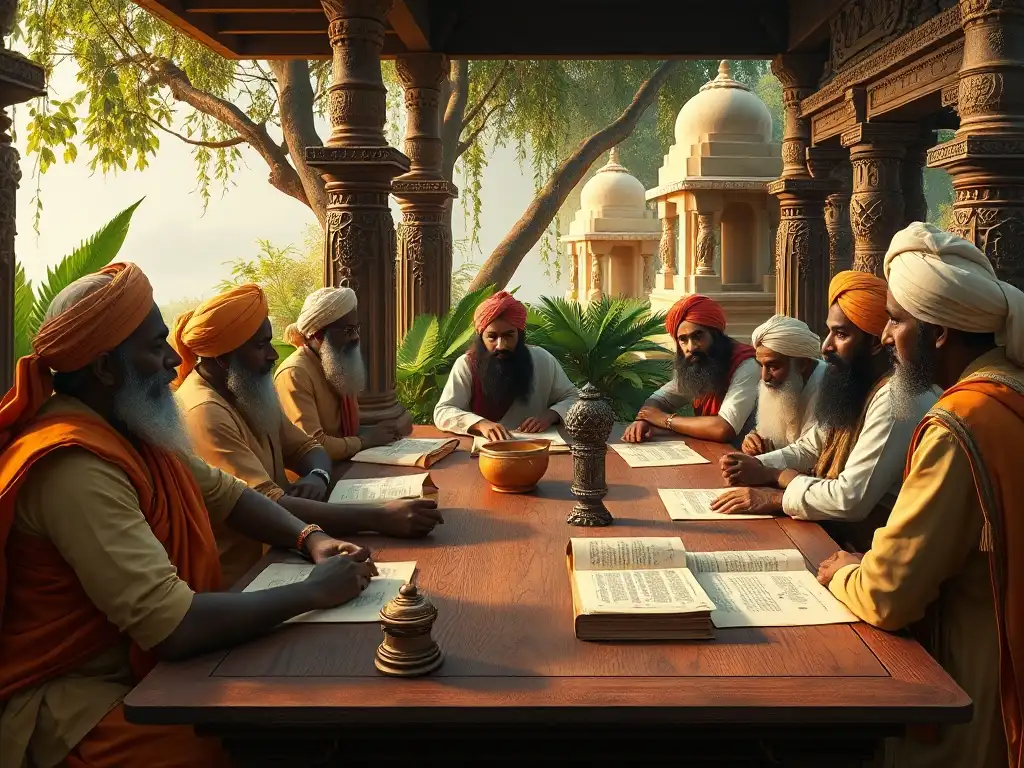
The Vedas, as ancient Indian scriptures, provide a comprehensive insight into the social fabric of early Indian civilization. They not only encompass spiritual teachings but also reflect the prevailing social norms, values, and challenges faced by society. Here are some critical insights derived from Vedic texts regarding Social Issues in Ancient India:
-
Caste System: The Vedas outline the early framework of the caste system, dividing society into four primary categories:
- Brahmins (priests and teachers)
- Kshatriyas (warriors and rulers)
- Vaishyas (traders and agriculturists)
- Shudras (laborers and service providers)
This classification was initially based on occupational roles but gradually evolved into a rigid social hierarchy, impacting social mobility and interpersonal relationships.
-
Gender Roles: The scriptures often reflect patriarchal norms prevalent during ancient times. While the Vedas acknowledge the importance of women in rituals and family life, they also reinforce certain limitations on their social roles, emphasizing marriage and motherhood as primary duties.
-
Ritual Practices: The Vedic texts detail numerous rituals and ceremonies that served to address social cohesion and community welfare. These rituals often required communal participation, highlighting the importance of collective identity in overcoming social challenges.
-
Ethical Guidelines: The Vedas provide ethical teachings, such as the principles of Dharma (righteousness) and Rta (cosmic order), which guided individuals in their personal and social lives. These concepts aimed to foster harmony and justice within society.
-
Social Justice Themes: While the Vedas primarily focus on rituals and duties, they sometimes touch upon themes of fairness and justice, advocating for the protection of the weaker sections of society. This includes references to the treatment of women and the poor, suggesting an early awareness of social justice concepts.
The Vedas serve as a crucial lens through which we can understand the social issues of ancient India. They illustrate how spiritual beliefs intertwined with societal structures, influencing everyday life.
- Adaptation and Evolution: Over time, the interpretations of Vedic teachings regarding social issues have undergone significant changes. Scholars and practitioners have re-evaluated these texts to align with contemporary values, demonstrating the dynamic nature of Vedic philosophy.
- Legacy of Inclusivity: Although the Vedic period laid the groundwork for certain social stratifications, the subsequent philosophical developments in Hinduism, particularly through the Upanishads and later texts, have sought to promote inclusivity and spiritual equality.
- Modern Relevance: The discussions initiated in the Vedas regarding social issues remain relevant today, as they encourage ongoing dialogue about caste, gender, and ethical conduct in modern society. Engaging with these texts can offer valuable insights into addressing contemporary social challenges.
The Vedas not only illuminate the social issues of their time but also invite reflection on how these issues have evolved and continue to resonate in today's discourse on social justice and equality. Understanding the Vedic perspective enables us to appreciate the complexities of ancient Indian civilization and its lasting impact on modern society.
Frequently Asked Questions
What are the Vedas in the context of Ancient India?
The Vedas are the oldest sacred texts of Hinduism, composed in Sanskrit, which address various social issues and provide guidelines for moral and ethical living.
The Vedas offered insights on social norms, rituals, and the roles of different classes, helping to shape the social structure and address issues like caste and gender roles within ancient societies.
The Vedas discuss issues such as dharma (duty), ritual purity, and the responsibilities of various social classes, which reflect the complex social hierarchy of ancient India.
While the Vedas recognize different roles, they often reinforce the hierarchical structure, which can lead to inequalities among various social classes in ancient Indian society.
The Vedic teachings provide a historical perspective on social issues, offering insights that can inform current discussions about caste, gender, and social justice in modern India.
The exploration of how the Vedas addressed the social issues of ancient India reveals not only the complexities of a bygone era but also their striking relevance in today's world. As we navigate contemporary social challenges, it becomes evident that the wisdom embedded in these ancient texts offers profound insights into human behavior, societal structure, and ethical living. The Vedas serve as a reminder that the quest for social harmony and justice is not a modern invention but a timeless pursuit that has shaped civilizations throughout history.
The influence of the Vedas on the cultural and social landscape of India is undeniable and continues to resonate in our lives today. Their teachings on duty, morality, and community underscore the importance of collective well-being over individual desires. As we reflect on the ongoing struggles for equality, justice, and social cohesion, we can draw inspiration from the Vedic principles that advocate for a balanced society. The Vedas remind us that true knowledge is not just about understanding the world but about transforming it.
This enduring message encourages us to engage with our communities and challenge the social issues that persist.
As we conclude this exploration, I invite you to reflect on the lessons of the Vedas and consider how they can be applied in your own life. What role can you play in addressing the social issues that affect your community? By embracing the values of compassion, responsibility, and unity, we can contribute to a more equitable society. Let us take the wisdom of the past and use it as a guiding light for our actions today, fostering a future where social harmony is not just an ideal but a reality we actively create together.
Unveil the Wisdom of the Vedas: Take Action Today!
Thank you for exploring the profound insights of the Vedas and their relevance to social issues in ancient India. Your curiosity is the first step toward understanding how these ancient philosophies can resonate in our modern lives. Now, it’s time to put that knowledge into action!
Here are a few steps you can take to deepen your understanding and share this wisdom:
- Explore a Vedic Text: Choose a Vedic scripture and read a chapter or two. Reflect on its teachings and consider how they relate to contemporary issues.
- Share Your Insights: Discuss your findings with friends or on social media. Initiate a conversation about the valuable lessons we can learn from ancient wisdom.
- Join a Community: Look for local or online groups focused on ancient Indian history or Vedic studies. Engaging with others will enhance your understanding and provide new perspectives.
Which aspect of the Vedas do you believe holds the most relevance for addressing today’s social challenges? We invite you to join the conversation below!