
Architectural Innovations in Ancient India: From Arches to Domes


Welcome to Ancient India History, where we embark on a captivating journey through the rich tapestry of ancient Indian civilizations. From the intricate designs of the Indus Valley to the majestic structures of the Gupta Empire, this website invites you to explore the profound architectural innovations that have shaped our understanding of art, architecture, and philosophy.
In our featured article, "Architectural Innovations in Ancient India: From Arches to Domes," you'll uncover the remarkable advancements that not only defined a culture but also laid the groundwork for future generations. Prepare to be intrigued as we delve deeper into the legacy of these ancient builders and their timeless contributions to humanity.

Introduction to Ancient Indian Architectural Innovations
The architectural landscape of ancient India is a testament to the ingenuity and creativity of its civilizations. Spanning thousands of years, from the sophisticated urban planning of the Indus Valley Civilization to the majestic structures of the Gupta Empire, ancient Indian architectural innovations reveal a rich tapestry of cultural and technological advancements.
This article delves into the various innovations that shaped the architectural identity of ancient India, highlighting significant features such as arches, domes, and intricate carvings that not only enhanced aesthetic appeal but also served functional purposes. By exploring these innovations, we can gain insights into the historical context and the remarkable engineering skills that defined the architectural marvels of this era.
Overview of Ancient Indian Architecture
Ancient Indian architecture is characterized by a diverse range of styles and techniques that evolved over centuries, influenced by geography, culture, and religious beliefs. Some of the most notable features include:
- Stupas: These hemispherical structures, often containing relics, represent some of the earliest forms of monumental architecture in India.
- Temples: From rock-cut caves to intricately carved stone temples, the spiritual significance of these structures reflects the diverse religious practices prevalent in ancient India.
- Fortifications: The construction of imposing forts and walls, particularly during the Mauryan and Gupta periods, showcases advanced military architecture.
Each of these elements contributes to the understanding of how ancient Indian societies not only built for functionality but also for spiritual and communal purposes.
Importance of Architectural Innovations in History
The architectural innovations of ancient India hold significant historical importance for several reasons:
- Cultural Expression: They provide insights into the values, beliefs, and artistic expressions of ancient civilizations.
- Technological Advancements: Innovations such as the use of arches and domes demonstrate the advanced engineering skills and understanding of materials that existed at the time.
- Influence on Future Generations: Ancient Indian architecture has influenced various architectural styles worldwide, contributing to the global architectural heritage.
Understanding these innovations is crucial for appreciating the complexity of ancient Indian civilizations and their contributions to the world.
The Evolution of Architectural Techniques in Ancient India
The evolution of architectural techniques in ancient India reflects a gradual progression from simple structures to complex designs that incorporated innovative elements. This evolution can be categorized into distinct periods marked by significant advancements.
Early Structures: The Indus Valley Civilization
The Indus Valley Civilization (c. 3300–1300 BCE) is known for its well-planned cities and advanced urban infrastructure. Key features of this period include:
- Grid Layout: Cities like Mohenjo-Daro and Harappa were laid out in a grid pattern, showcasing an early understanding of urban planning.
- Drainage Systems: The use of sophisticated drainage and sanitation systems highlights the civilization's commitment to hygiene and public health.
- Brick Construction: The use of standardized baked bricks allowed for the uniformity and durability of structures.
These early innovations set the foundation for subsequent architectural developments in ancient India.
The Transition to Monumental Architecture in Ancient India
As India entered the period of monumental architecture, especially during the Mauryan (c. 322–185 BCE) and Gupta (c. 240–550 CE) empires, significant advancements were made:
- Introduction of Arches and Domes: The incorporation of these elements allowed for larger and more complex structures, transforming the architectural landscape.
- Cave Architecture: The rock-cut caves, such as those at Ajanta and Ellora, illustrate the intricate craftsmanship and artistic expression of the time.
- Temple Construction: The evolution of temple architecture, particularly with the emergence of Nagara and Dravidian styles, marked a significant shift towards more elaborate and decorative structures.
This transition not only exemplifies the architectural prowess of ancient Indian civilizations but also reflects the socio-political and religious dynamics of the time.
By exploring these architectural innovations, we can appreciate the enduring legacy of ancient India's contributions to the world of architecture and design.
Key Innovations in Ancient Indian Architecture
Ancient India was a cradle of architectural innovation, showcasing a blend of artistic creativity and engineering prowess. This period saw significant advancements that not only defined the aesthetic appeal of structures but also improved functionality. Key innovations included the use of columns, intricate carvings, and advanced construction techniques like the corbel arch and dome. These innovations laid the groundwork for future architectural developments, influencing both regional styles and the broader architectural landscape across Asia.
One of the most notable features of ancient Indian architecture is the integration of religious symbolism into structural design. Temples and stupas were often aligned with celestial bodies, demonstrating a sophisticated understanding of astronomy. Additionally, the use of materials like stone, brick, and later, iron allowed for the construction of more durable structures, contributing to the longevity of these architectural marvels.
The Introduction of Arches in Indian Architecture
The introduction of arches in Indian architecture marked a transformative period, allowing for the creation of larger and more stable openings in buildings. Initially seen in the Indo-Islamic architectural style, arches enabled the construction of expansive doorways and windows, enhancing both the structural integrity and aesthetic appeal of monuments.
The corbel arch, which predates the true arch, was utilized extensively in ancient Indian structures. This technique involved stacking stones in a manner that created an arch-like effect without the use of keystones. Over time, the true arch—formed by a series of wedge-shaped stones—emerged, allowing for greater span and height. Notable examples include the Qutub Minar and the Tughlaqabad Fort, where arches provided not only functional support but also intricate decorative elements, reflecting the artistic sensibilities of the time.
The Development of Domes in Ancient Indian Architecture
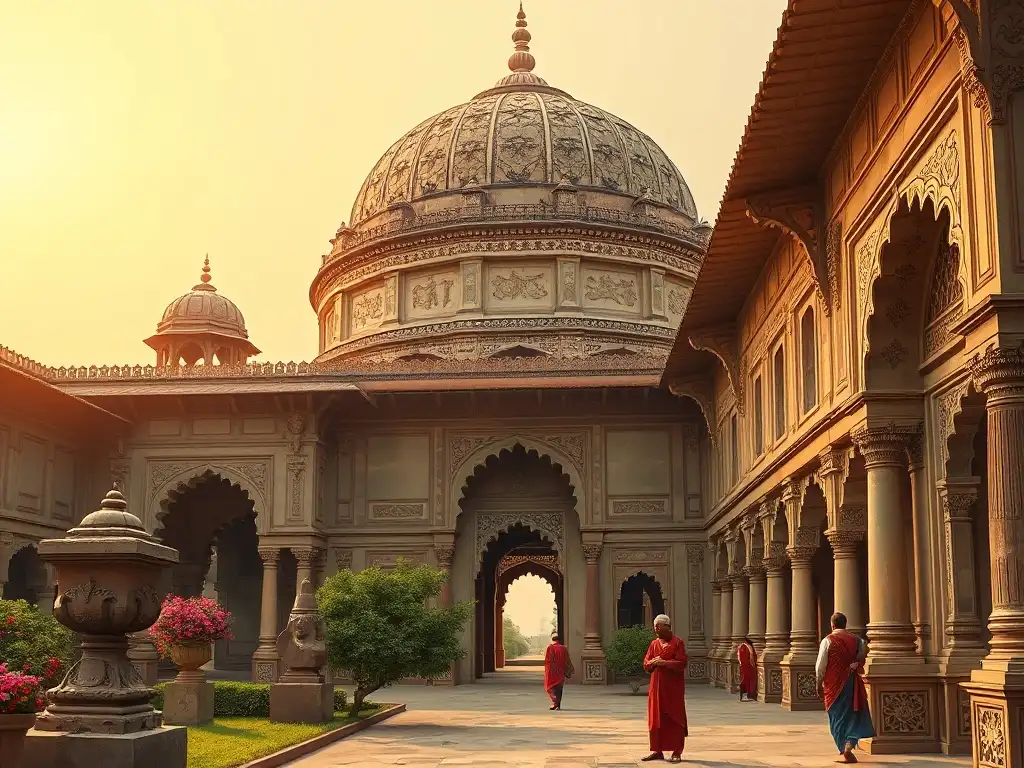
Domes represent one of the most significant architectural advancements in ancient India, enabling the creation of grand and imposing structures. The development of the dome can be traced back to the Buddhist stupas, which featured semi-dome structures symbolizing the universe. This form evolved over time, influenced by various cultural exchanges with Persian and Central Asian architectures.
The most famous examples of domes in ancient Indian architecture are found in the Mughal architecture of the 16th and 17th centuries. The Taj Mahal, with its magnificent white marble dome, exemplifies the zenith of dome construction in India. This architectural style integrated intricate floral patterns and calligraphy, showcasing the fusion of art and engineering. The use of domes not only allowed for spacious interiors but also contributed to the iconic skylines of Indian cities, marking a significant shift in architectural design.
Regional Variations in Architectural Innovations
Architectural innovations in ancient India were not uniform; they varied significantly across regions, each showcasing distinct styles and techniques influenced by local cultures, religious practices, and geographical conditions. This regional diversity led to the emergence of unique architectural languages that enriched India's architectural heritage.
Architectural Innovations in Northern India
Northern India is known for its monumental stone structures characterized by intricate carvings and grand designs. The Hindu temples of Khajuraho and the Buddhist caves of Ajanta and Ellora are prime examples of the region's architectural prowess. The use of sandstone and marble allowed artisans to create detailed sculptures that adorned temple facades, reflecting the region's rich cultural and religious narratives. Moreover, the Indo-Islamic architecture that flourished during the Delhi Sultanate and Mughal Empire introduced elements like large domes and minarets, further diversifying Northern Indian architectural styles.
Southern Indian Architectural Styles and Innovations
In contrast, Southern India boasts a distinctive architectural style heavily influenced by Dravidian principles. This style is characterized by towering gopurams (gateway towers) adorned with intricate sculptures depicting deities and mythological scenes. Notable examples include the Brihadeeswarar Temple in Thanjavur and the Meenakshi Temple in Madurai. The use of granite and laterite stones not only provided durability but also allowed for the construction of expansive temple complexes that served as cultural and religious hubs. The architectural innovations in this region emphasized verticality and elaborate ornamentation, showcasing the artistic finesse of Southern Indian craftsmen.
Eastern and Western Indian Contributions to Architecture
Eastern India, particularly through its Buddhist heritage, contributed significantly to the architectural landscape with structures like the Great Stupa at Sanchi and the rock-cut caves of Udayagiri. These sites feature stupas and monasteries that reflect the principles of Buddhist architecture, focusing on simplicity and spiritual symbolism.
Western India, on the other hand, is renowned for its caves and forts, such as the Ajanta and Ellora Caves and the Kumbhalgarh Fort. The use of carved rock architecture in this region illustrates a blend of functionality and artistry, where defensive structures were intricately designed and ornamented. The fusion of different cultural influences, including Jain and Hindu styles, enriched the architectural narrative of Western India, showcasing a diverse heritage that continues to inspire modern architecture.
Materials and Techniques Used in Ancient Indian Architectural Innovations
Ancient Indian architectural innovations were characterized by a unique blend of materials and construction techniques that reflected the region's rich cultural heritage and technological advancements. The use of locally sourced materials played a crucial role in the sustainability and durability of structures. Builders and architects demonstrated remarkable ingenuity in leveraging these materials to create lasting monuments that still stand today.
Common Building Materials in Ancient India
The selection of building materials in ancient India was influenced by geographic availability and climatic conditions. Some of the most common materials included:
- Stone: Stone was the primary material for monumental architecture, especially in temples and forts. Sandstone and granite were favored for their durability. The intricately carved temples of Khajuraho and the monumental structures of Hampi are prime examples of stone usage.
- Brick: Fired and mud bricks were widely used, particularly in urban settlements like the Indus Valley Civilization. The uniform size of these bricks facilitated precise construction methods, as evidenced in the ancient cities of Mohenjo-Daro and Harappa.
- Wood: While wood was less common in permanent structures due to its susceptibility to decay, it was extensively used for roofs, doors, and temporary constructions. The temples in South India often featured wooden pillars adorned with intricate carvings.
- Mud and Clay: Mud was a fundamental building material for rural homes and smaller structures. It provided excellent insulation and was readily available, making it an ideal choice for vernacular architecture.
Construction Techniques and Their Impact on Architecture
The construction techniques employed in ancient India were sophisticated and varied, reflecting both local traditions and innovations. Key techniques included:
- Load-bearing walls: This technique involved using thick walls to support the weight of the structure. The Great Stupa at Sanchi exemplifies this method, showcasing its massive dome supported by solid walls.
- Arches and domes: The introduction of arches and domes allowed for larger and more open interior spaces. The use of corbel arches, as seen in many temples, enabled builders to create impressive ceilings without the need for extensive support.
- Carving and sculpture: Intricate carvings were not just ornamental; they contributed to the structural integrity of buildings. The detailed relief work on temple walls provided both aesthetic appeal and functional support.
- Water management systems: Advanced water management techniques, including stepwells and drainage systems, played a significant role in urban planning and influenced architectural designs, especially in cities like Dholavira.
Influences on Ancient Indian Architectural Innovations
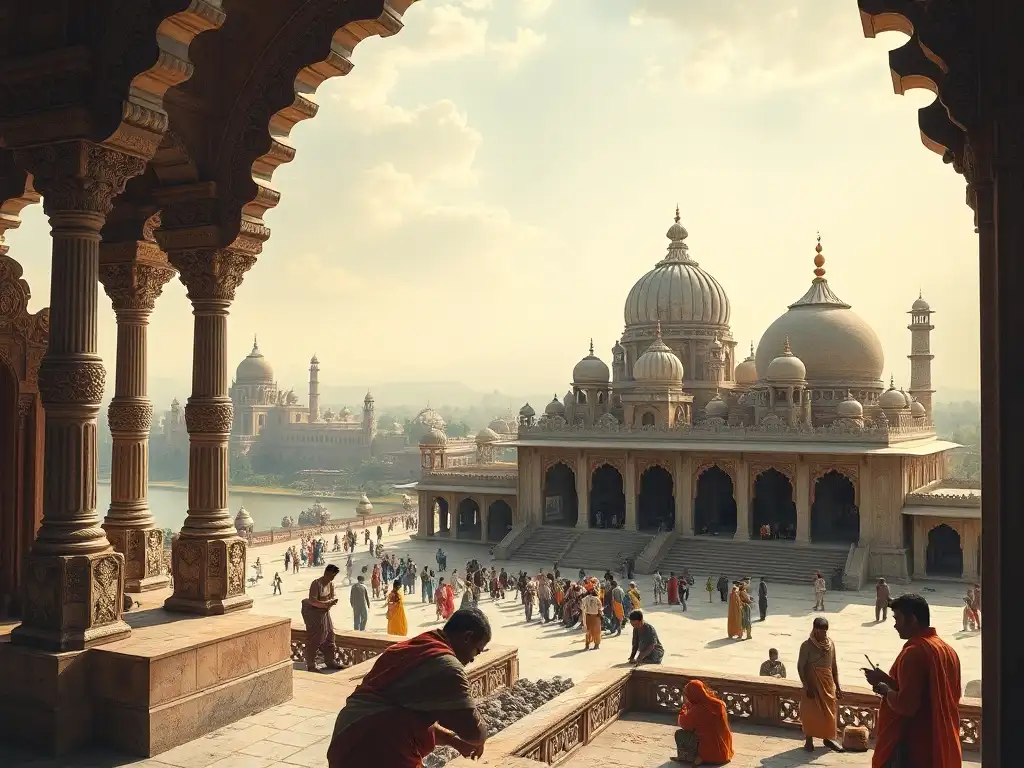
Ancient Indian architecture was not developed in isolation; it was shaped by various influences that contributed to its evolution over the centuries. These influences stemmed from religious beliefs and cultural exchanges with neighboring civilizations.
The Role of Religion in Shaping Architectural Designs
Religion had a profound impact on the architectural landscape of ancient India. Temples, stupas, and monasteries were constructed not only as places of worship but also as manifestations of religious beliefs and practices. Key aspects include:
- Hindu Temples: The intricate layout of Hindu temples, including the sanctum sanctorum (garbhagriha) and towering shikharas, reflects cosmic symbolism. The Brihadeeswarar Temple in Thanjavur showcases this with its grand architecture and detailed sculptures depicting deities.
- Buddhist Architecture: Stupas and monasteries were pivotal in Buddhist architecture. The Sanchi Stupa is a prime example, designed to house relics and serve as a pilgrimage site, emphasizing the spiritual significance of the structure.
- Jain Temples: Jain architecture is noted for its elaborate carvings and attention to detail. The Dilwara Temples in Rajasthan illustrate the aesthetic beauty and spiritual depth of Jain architectural principles.
Cross-Cultural Influences on Indian Architecture
Ancient Indian architecture was also influenced by interactions with other cultures, leading to a rich tapestry of architectural styles. Notable influences include:
- Persian Influence: The Achaemenid Empire's architectural elements, such as the use of columns and intricate ornamentation, can be seen in structures like the rock-cut caves of Ajanta and Ellora.
- Greco-Roman Influence: The spread of Hellenistic art and architecture in India, particularly during the Mauryan period, introduced new styles, including the use of pillars and sculptures that depicted human figures in dynamic poses.
- Islamic Influence: The arrival of Islamic architecture brought innovations like domes and minarets. The Qutub Minar and the Indo-Islamic architectural fusion seen in the Taj Mahal highlight this significant cultural exchange.
These influences collectively shaped the architectural innovations of ancient India, resulting in a diverse and remarkable legacy that continues to inspire modern architecture.
Legacy of Ancient Indian Architectural Innovations
The legacy of ancient Indian architectural innovations is profound and far-reaching, influencing not only the subcontinent but also extending to various regions across Asia. From the intricate designs of the Indus Valley Civilization to the monumental structures of the Gupta Empire, ancient Indian architects and builders showcased remarkable ingenuity and creativity. One of the most notable features of their architecture is the use of distinctive materials and construction techniques that enabled the creation of resilient structures capable of withstanding the test of time.
The introduction of elements such as vaulted ceilings, sophisticated drainage systems, and elaborate stone carvings reflects a deep understanding of both aesthetics and functionality. Moreover, the development of temples, stupas, and forts highlighted the spiritual and socio-political dimensions of architecture in ancient India. These structures not only served religious purposes but also acted as symbols of power and cultural identity, leaving a lasting imprint on subsequent architectural styles throughout the centuries.
Influence on Modern Architecture
Ancient Indian architectural innovations continue to influence modern architecture in various ways. The use of arches, domes, and intricate stonework has been adopted and adapted by contemporary architects. For example, the principles of load distribution exemplified in ancient Indian arches are foundational to modern engineering and construction techniques. The aesthetic appeal of ancient temples, with their detailed carvings and sculptural elements, inspires modern designs that seek to integrate natural beauty with structural integrity.
In many urban settings across India, contemporary buildings reflect the grandeur of ancient styles by incorporating traditional motifs and materials. Furthermore, the emphasis on sustainability and harmony with the environment found in ancient architecture resonates with today's architectural practices that prioritize ecological considerations and energy efficiency. Thus, the marriage of ancient wisdom and modern technology continues to shape the built environment, creating a dialogue between the past and the present.
Preservation of Ancient Architectural Techniques
Preserving ancient architectural techniques is essential for maintaining the cultural heritage of India. Various organizations and institutions are dedicated to restoring and conserving ancient structures, ensuring that the knowledge of traditional craftsmanship is passed down through generations. Techniques such as stone carving, masonry, and fresco painting are being documented and taught in workshops and educational programs, allowing artisans to hone their skills while keeping these ancient practices alive.
Moreover, the use of indigenous materials in restoration activities not only reinforces the authenticity of the structures but also supports local economies. By promoting traditional building methods, architects and historians alike advocate for a more sustainable approach to construction, drawing inspiration from the resilient practices of ancient Indian builders. This preservation effort serves as a vital link to the past, enriching contemporary society with a sense of identity and continuity.
Conclusion: The Significance of Ancient Indian Architectural Innovations
The significance of ancient Indian architectural innovations cannot be overstated. They represent a unique blend of artistic expression, technical skill, and cultural significance that has shaped not only the architectural landscape of India but also influenced various global architectural movements. The innovations made by ancient Indian builders laid the groundwork for future developments and fostered an enduring legacy that continues to inspire and educate.
Recap of Key Innovations and Their Impact
Among the key innovations are the introduction of the arch and dome, which revolutionized interior spaces and allowed for more ambitious structures. The development of intricate stone carving techniques and the use of vast courtyards in temple designs facilitated a unique interplay of light and space, enhancing the spiritual experience of worshippers. These innovations not only transformed the architectural practices of the time but also set examples that would resonate in later architectural endeavors across the world.
The impact of these innovations is evident in the way they have shaped regional styles and influenced the architectural vernacular of various cultures. The principles established by ancient Indian architects have informed the design of buildings ranging from mosques in the Middle East to temples in Southeast Asia, showcasing the universal appeal of their techniques.
The Continuing Relevance of Ancient Indian Architectural Heritage
Ancient Indian architectural heritage remains relevant today, serving as a source of inspiration and a reminder of the rich cultural history that has shaped modern society. As urbanization accelerates, the lessons learned from ancient practices in sustainability, community design, and craftsmanship offer valuable insights for contemporary architects. The principles of harmony with nature, attention to detail, and respect for historical context are increasingly recognized as essential components of responsible architecture.
Furthermore, the preservation of ancient sites not only contributes to cultural tourism but also fosters a sense of pride and identity among local communities. Engaging with this heritage encourages new generations to appreciate their architectural roots, ensuring that the innovations of ancient India will continue to resonate in the ever-evolving narrative of architecture.
- Introduction to Ancient Indian Architectural Innovations
- The Evolution of Architectural Techniques in Ancient India
- Key Innovations in Ancient Indian Architecture
- The Introduction of Arches in Indian Architecture
- The Development of Domes in Ancient Indian Architecture
- Regional Variations in Architectural Innovations
- Materials and Techniques Used in Ancient Indian Architectural Innovations
- Influences on Ancient Indian Architectural Innovations
- Legacy of Ancient Indian Architectural Innovations
- Conclusion: The Significance of Ancient Indian Architectural Innovations
- What are some key architectural innovations in ancient India?
- How did the Indus Valley Civilization contribute to architecture?
- What role did the Gupta Empire play in architectural advancements?
- How did ancient Indian architecture influence other cultures?
- Are there any modern examples of ancient Indian architectural styles?
Frequently Asked Questions
What are some key architectural innovations in ancient India?
Ancient India is renowned for its innovative structures, including the use of arches and domes. These elements were pivotal in the evolution of Indian architecture and influenced later designs.
How did the Indus Valley Civilization contribute to architecture?
The Indus Valley Civilization showcased advanced urban planning, including drainage systems and grid layouts. Their innovations set a foundation for later architectural developments in India.
What role did the Gupta Empire play in architectural advancements?
During the Gupta Empire, there was a significant emphasis on temple architecture, characterized by intricate carvings and the development of the shikhara style, enhancing the spiritual and aesthetic aspects of structures.
How did ancient Indian architecture influence other cultures?
The architectural innovations of ancient India, such as the use of stupas and temples, influenced neighboring cultures in Southeast Asia, leading to the spread of Indian architectural styles across the region.
Are there any modern examples of ancient Indian architectural styles?
Yes, many modern structures in India draw inspiration from ancient styles, particularly in the use of domes and arches. This blend reflects the enduring legacy of ancient Indian architectural innovations.
Final Reflection: The Enduring Legacy of Ancient Indian Architectural Innovations
The architectural innovations of ancient India, from intricate arches to majestic domes, are not just relics of the past; they are a testament to the ingenuity and creativity that continue to influence modern design. Today, as we navigate an era of rapid urbanization and technological advancement, the principles embedded in these ancient structures remind us of the importance of harmony between functionality and aesthetics. The lessons learned from ancient Indian architecture are more relevant than ever, urging us to create spaces that resonate with cultural significance and environmental sustainability.
The impact of these architectural innovations extends far beyond their physical structures; they have shaped cultural identities and social practices throughout history. The intricate designs and engineering marvels of ancient Indian architecture reflect a deep understanding of materials, climate, and community needs. As we look around us, we can see echoes of these innovations in contemporary architecture, where the blend of tradition and modernity is celebrated. Architecture is the thoughtful making of space.
– Louis Kahn. This quote encapsulates the essence of how ancient Indian architects approached their craft, creating spaces that were not only functional but also spiritually uplifting.
As we conclude our exploration of ancient Indian architectural innovations, I invite you to reflect on how these timeless principles can inspire your own life and work. Consider how you can incorporate elements of balance, beauty, and sustainability into your surroundings. Whether you are an architect, a designer, or simply someone who appreciates the built environment, let the legacy of ancient India guide you in creating spaces that honor the past while embracing the future. Together, we can carry forward the wisdom of our ancestors and contribute to a world that values both innovation and tradition.
Unveil the Marvels of Ancient Indian Architecture!
Thank you for immersing yourself in the captivating world of architectural innovations in ancient India! You've discovered how ingenious designs like arches and domes shaped the landscapes of history. Now, it's time to take the next step in your architectural journey!
Here’s how you can dive deeper and celebrate this rich heritage:
- Explore a local historical site: Visit a nearby monument or museum that showcases the remarkable craftsmanship of ancient Indian architecture and appreciate it in person.
- Share your newfound knowledge: Discuss this fascinating topic with friends and family, or post your insights on social media using the hashtag #AncientIndianArchitecture.
- Join a community: Seek out forums or online groups where history enthusiasts gather to discuss architectural wonders and share their experiences.
Which aspect of ancient Indian architecture sparks your curiosity the most, and how can you explore it further? Let’s inspire each other in the comments!