
The Architectural Techniques That Defined Ancient Indian Urban Centers

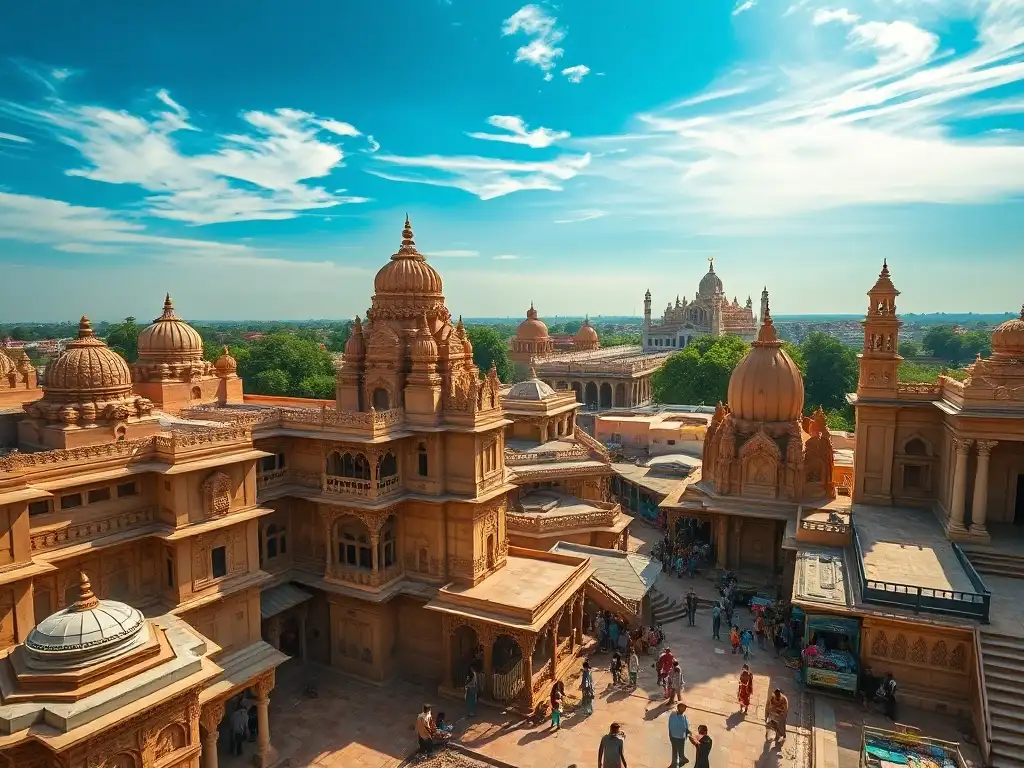
Welcome to Ancient India History, where we embark on a captivating journey through time to uncover the rich and diverse tapestry of ancient Indian civilizations. In this exploration, we delve into the remarkable architectural techniques that defined urban centers, revealing how these innovations not only shaped landscapes but also influenced culture and philosophy. Join us as we unlock the secrets behind the majestic structures of the past, igniting your curiosity and inspiring a deeper appreciation for the brilliance of ancient Indian architecture. Get ready to discover the stories etched in stone and the ingenuity that continues to resonate today!
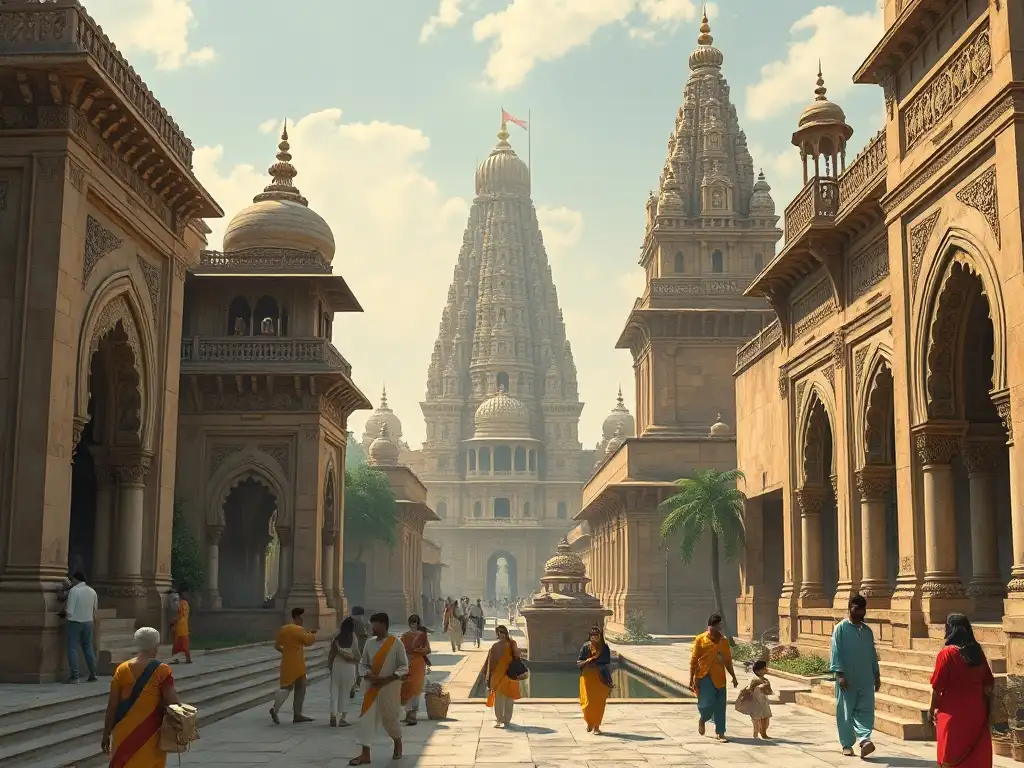
Introduction to Ancient Indian Architectural Techniques
Ancient Indian architectural techniques represent a remarkable fusion of art, science, and cultural expression that flourished across various civilizations in the Indian subcontinent. From the meticulously planned cities of the Indus Valley to the majestic temples of the Gupta Empire, these architectural marvels not only served practical purposes but also reflected the spiritual and social values of their time. This article delves into the sophisticated techniques that distinguished ancient Indian urban centers, examining how they were shaped by geography, resources, and the innovative spirit of their creators.
Overview of Ancient Indian Urban Centers
Ancient India was home to several prominent urban centers, each characterized by unique architectural styles and urban planning techniques. Notable examples include:
- Harappa and Mohenjo-Daro: The twin cities of the Indus Valley Civilization, known for their grid layouts and advanced drainage systems.
- Pataliputra: The capital of the Mauryan Empire, renowned for its extensive fortifications and palatial structures.
- Ayodhya and Varanasi: Significant religious centers that showcased intricate temple architecture, reflecting the spiritual ethos of the time.
These urban centers served as hubs of trade, culture, and governance, with their architectural techniques playing a crucial role in their functionality and aesthetic appeal.
Importance of Architecture in Ancient Indian Civilizations
Architecture in ancient India was not merely about constructing buildings; it was a reflection of the civilization's cultural identity and technological prowess. The significance of these architectural techniques can be summarized as follows:
- Cultural Expression: Structures often embodied the religious and philosophical beliefs of the society, with temples and monuments designed to inspire awe and reverence.
- Urban Development: Well-planned urban layouts facilitated trade, social interaction, and efficient governance.
- Technological Advancement: Innovations in construction techniques demonstrated the advanced understanding of materials and engineering principles.
Key Architectural Techniques in Ancient India
Urban Planning and Layout in Ancient Indian Cities
The urban planning of ancient Indian cities was characterized by a systematic approach that emphasized functionality and aesthetics. Key features included:
- Grid Patterns: Cities like Mohenjo-Daro were laid out in a grid pattern, with streets aligned at right angles, providing efficient movement and organization.
- Zoning: Different zones were designated for residential, commercial, and religious purposes, reflecting a sophisticated understanding of urban dynamics.
- Water Management Systems: Advanced drainage systems, wells, and reservoirs highlighted the importance of water management in urban planning, ensuring hygiene and sustainability.
Construction Materials Used in Ancient Indian Architecture
Ancient Indian architects utilized a variety of materials, each selected for its availability and suitability. Common materials included:
- Brick: Fired and un-fired bricks were extensively used, particularly in the Indus Valley Civilization, where their standardization contributed to uniformity in construction.
- Stone: Local stone types, such as sandstone and granite, were employed for monumental structures, including temples and forts, showcasing their durability and aesthetic qualities.
- Wood: Timber was used in various structures, including residential homes and temple roofs, often intricately carved to enhance visual appeal.
Advanced Techniques in Ancient Indian Structures
The ingenuity of ancient Indian architects is evident in several advanced construction techniques that defined their structures:
- Corbelled Arch: This technique involved stacking stones in a manner that created a structural arch, allowing for wider openings without the need for complex support systems.
- Cave Architecture: Carving intricate designs into rock faces, as seen in the Ajanta and Ellora caves, demonstrated both artistic skill and an understanding of structural integrity.
- Stupas and Temples: The design of stupas and temples involved meticulous planning, with features like elaborate domes and intricate sculptures that conveyed religious narratives.
By exploring these architectural techniques, we gain insight into the rich tapestry of ancient Indian civilization and its profound contributions to the field of architecture. The legacy of these techniques continues to inspire modern architecture, reflecting the timelessness of ancient Indian ingenuity.
Architectural Marvels of Ancient Indian Urban Centers
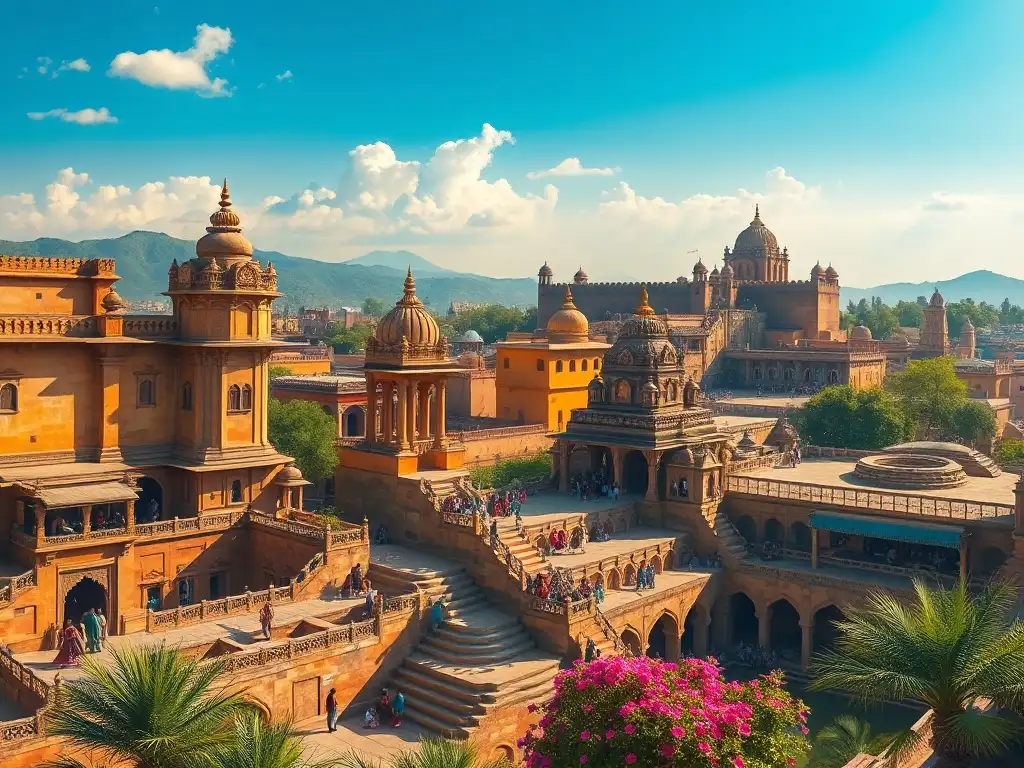
Ancient Indian urban centers are celebrated for their architectural marvels that showcase the ingenuity and artistry of their builders. These cities were not merely places of habitation; they were intricate ecosystems that reflected the cultural, social, and economic dynamics of the time.
From intricate drainage systems to grand temples and palatial complexes, the architectural techniques employed in these urban centers reveal a sophisticated understanding of materials, environment, and aesthetic principles. Key urban centers such as Mohenjo-Daro, Pataliputra, and those during the Gupta period demonstrate a remarkable blend of functionality and beauty, setting a precedent for future architectural endeavors in the region.
The Indus Valley Civilization: A Study of Mohenjo-Daro
Mohenjo-Daro, one of the most prominent cities of the Indus Valley Civilization, exemplifies the advanced urban planning and architectural techniques of ancient India. The city was meticulously laid out in a grid pattern, featuring wide streets and well-defined blocks, which facilitated efficient movement and organization. One of the most remarkable features of Mohenjo-Daro is its sophisticated drainage system, where covered drains ran along the streets, effectively managing waste and enhancing sanitation.
The use of standardized baked bricks, which were uniform in size, allowed for the construction of robust structures, including residential buildings and public baths. The Great Bath, a large public water tank, is a testament to the importance of ritual cleanliness and social interaction in this civilization. Additionally, the presence of granaries and warehouses indicates a strong economic foundation, underscoring the city's role as a center of trade and commerce.
The Mauryan Empire: Innovations in Urban Design
The Mauryan Empire, particularly during the reign of Emperor Ashoka, marked a significant evolution in urban design and architecture in ancient India. Cities like Pataliputra, the Mauryan capital, showcased grand palaces and well-planned public spaces that were designed to accommodate a growing population and facilitate governance.
Innovations during this period included the use of stone in construction, which was a departure from the earlier reliance on mud and brick. The introduction of monumental structures, such as stupas and pillars adorned with intricate carvings, reflected both aesthetic sensibilities and religious significance. The Ashoka Pillars, notable for their polished sandstone and inscriptions, exemplify the blend of functionality with artistic expression.
Urban design emphasized the integration of green spaces, water supply systems, and marketplaces, promoting a vibrant urban life. The careful planning of these cities not only provided for the needs of the populace but also symbolized the power and reach of the Mauryan Empire.
Gupta Period: A Flourishing of Art and Architecture
The Gupta period is often referred to as the Golden Age of India, characterized by remarkable advancements in art, science, and architecture. During this era, urban centers such as Ujjain and Varanasi flourished, showcasing exquisite temple architecture that demonstrated both technical skill and spiritual devotion.
One of the hallmark architectural techniques of the Gupta period was the construction of temples with intricate carvings, shikhara (tower), and mandapas (pillared halls). Temples such as the Dashavatara Temple in Deogarh are excellent examples of the intricate stone carving and iconography that flourished during this time.
Furthermore, the use of brick and stone in construction allowed for the creation of more durable and grand structures. The architectural techniques of this period not only enhanced the aesthetic appeal of urban centers but also played a crucial role in the promotion of cultural and religious activities, fostering a sense of community and identity.
Cultural Significance of Architectural Techniques
The architectural techniques employed in ancient Indian urban centers were not merely functional; they were deeply intertwined with the cultural values and societal norms of the time. The design and layout of these cities reflected the ethos of the communities that inhabited them, serving as a canvas for their beliefs, aspirations, and lifestyles.
Reflection of Societal Values in Urban Design
The design of ancient Indian urban centers often mirrored the values of order, harmony, and community. The careful planning of streets, public spaces, and residential areas facilitated social interaction and cohesion among inhabitants. For instance, the grid layout of Mohenjo-Daro not only optimized space but also promoted a sense of equality among residents, as each block was designed to be similar in size and function.
Moreover, the inclusion of public baths and communal areas in urban planning emphasized the significance of cleanliness and community life. These architectural choices reflected an inherent understanding of the human need for social engagement and collaboration, showcasing how urban design can influence societal behavior.
Influence of Religion on Architectural Choices
Religion played a pivotal role in shaping the architectural landscape of ancient Indian urban centers. Temples, stupas, and other religious structures were often the focal points of these cities, serving as both spiritual sanctuaries and community gathering places. The architectural techniques employed in these religious edifices were designed to evoke reverence and awe, incorporating intricate carvings, towering spires, and expansive courtyards.
The diversity of religious beliefs in ancient India also contributed to a variety of architectural styles, as different faiths expressed their spirituality through unique forms and designs. For example, the evolution of Hindu temple architecture from simple structures to elaborate designs during the Gupta period illustrates the profound influence of religious ideology on architectural practices. This interplay between architecture and religion not only enriched the urban landscape but also fostered a deep cultural heritage that continues to inspire contemporary architecture in India today.
Conclusion: Legacy of Ancient Indian Architectural Techniques
The architectural techniques developed in ancient Indian urban centers have left an indelible mark on the landscape of architecture, not just in India but across the world. The ingenuity of these methods, characterized by intricate designs, advanced engineering, and harmonious integration with the natural environment, showcases the rich heritage of ancient Indian civilizations. From the urban planning of the Indus Valley cities, which featured sophisticated drainage systems and grid layouts, to the grand temples of the Gupta period that exemplified intricate sculptural work, these techniques reflect a deep understanding of aesthetics and functionality.
The legacy of ancient Indian architectural techniques is not merely historical; it continues to inspire contemporary architects and urban planners. Concepts such as Vastu Shastra, which emphasizes spatial arrangement and natural energy, still influence modern architectural practices. The sustainability principles inherent in ancient designs, like the use of local materials and climate-responsive building techniques, resonate with today’s emphasis on eco-friendly construction.
Lasting Impact on Modern Indian Architecture
The impact of ancient Indian architectural techniques is vividly visible in modern Indian architecture. Many contemporary structures draw inspiration from traditional styles, incorporating elements like ornate carvings, jali work (lattice screens), and temple motifs. The revival of heritage architecture in urban development projects reflects a growing appreciation for these historical techniques.
Moreover, the principles of modular construction and the use of natural ventilation, which were prevalent in ancient designs, are being re-examined in light of sustainable practices. The fusion of ancient techniques with modern materials and technologies creates a unique architectural dialogue that bridges the past with the present. Cities like Jaipur and Varanasi showcase this blend, where historical structures coexist with modern developments, emphasizing continuity in cultural identity.
Preservation and Study of Ancient Techniques Today
The preservation and study of ancient Indian architectural techniques are crucial for understanding the cultural narrative of India. Various organizations, including the Archaeological Survey of India (ASI), actively work to conserve ancient sites and promote research into traditional building practices. Initiatives aimed at documenting and restoring ancient structures not only protect these sites from degradation but also serve as educational resources for future generations.
Academic institutions and historical societies are increasingly engaging in the study of ancient architecture, utilizing advanced technologies such as 3D scanning and digital modeling. This research facilitates a deeper comprehension of construction methods, material usage, and the socio-political context of architectural developments. Workshops and seminars focused on traditional crafts and techniques also encourage a new generation of craftsmen and architects to explore and revive these ancient practices.
References and Further Reading
Recommended Books on Ancient Indian Architecture
-
"The Great Age of Indian Architecture" by John Marshall
This book provides a comprehensive overview of the evolution of Indian architecture from ancient times, emphasizing major architectural styles and significant monuments.
-
"Indian Architecture: Buddhist and Hindu Periods" by James Fergusson
Fergusson’s work is a classic that details the architectural developments during the Buddhist and Hindu periods, showcasing the techniques and styles that emerged.
-
"Temples of India: A Comprehensive Guide" by R. Champakalakshmi
This guide explores the architectural features of Indian temples, focusing on the intricacies of design and the cultural significance behind them.
-
"Vastu Shastra: The Ancient Indian Science of Architecture" by B. R. Singh
An insightful resource on the principles of Vastu Shastra and their application in ancient and modern architecture.
Online Resources for Exploring Architectural Techniques in Ancient India
- Archaeological Survey of India (ASI): The official website provides extensive resources, articles, and updates on archaeological findings and conservation efforts related to ancient Indian architecture.
- India Heritage Portal: A rich source of information on India's architectural heritage, featuring articles, photographs, and discussions about various architectural styles and techniques.
- Digital India: This initiative includes various projects focusing on the preservation of cultural heritage, including online exhibitions and resources related to ancient Indian architecture.
- YouTube Channels: Channels such as "Heritage India" and "The Indian Architect" offer documentaries and lectures on ancient architectural techniques, showcasing the richness of India's architectural history.
These resources serve as valuable tools for anyone interested in delving deeper into the architectural marvels of ancient India, fostering a greater understanding of their significance and enduring legacy.
- Introduction to Ancient Indian Architectural Techniques
- Overview of Ancient Indian Urban Centers
- Importance of Architecture in Ancient Indian Civilizations
- Key Architectural Techniques in Ancient India
- Architectural Marvels of Ancient Indian Urban Centers
- Cultural Significance of Architectural Techniques
- Conclusion: Legacy of Ancient Indian Architectural Techniques
- References and Further Reading
- What were some key architectural techniques used in ancient Indian urban centers?
- How did the Indus Valley Civilization influence architectural practices?
- What is the significance of the Gupta Empire in the context of architecture?
- Were there any unique materials used in ancient Indian architecture?
- How have ancient Indian architectural techniques influenced modern architecture?
Frequently Asked Questions
What were some key architectural techniques used in ancient Indian urban centers?
Ancient Indian urban centers employed advanced techniques such as brick making, drainage systems, and urban planning, which showcased their engineering prowess.
How did the Indus Valley Civilization influence architectural practices?
The Indus Valley Civilization is noted for its well-planned cities and sophisticated drainage systems, setting a foundation for future urban architecture in India.
What is the significance of the Gupta Empire in the context of architecture?
The Gupta Empire is often referred to as a golden age of Indian architecture, characterized by the development of temples and sculptural techniques that influenced later styles.
Were there any unique materials used in ancient Indian architecture?
Yes, ancient Indian architects utilized local materials like sandstone, limestone, and brick, which contributed to the durability and distinctive style of their structures.
How have ancient Indian architectural techniques influenced modern architecture?
Many ancient techniques such as ventilation systems, natural light use, and environmentally friendly materials continue to inspire modern architectural practices in India and beyond.
Final Reflection: The Enduring Legacy of Ancient Indian Architectural Techniques
The architectural techniques that defined ancient Indian urban centers are not just relics of the past; they are a testament to the ingenuity and creativity that shaped civilizations. Today, as we navigate the complexities of urbanization and sustainable development, these ancient methods offer invaluable insights into harmonious living and community building. The wisdom embedded in these techniques serves as a reminder of the profound relationship between architecture and culture, urging us to reconsider how we design our modern spaces.
The influence of ancient Indian architectural techniques continues to resonate in our cultural and social landscapes, inspiring contemporary architects and urban planners alike. The principles of sustainability, community integration, and aesthetic beauty found in these ancient practices challenge us to rethink our approach to modern architecture. Architecture is the thoughtful making of space.
– Louis Kahn. This quote encapsulates the essence of how ancient techniques were not merely about constructing buildings but about creating environments that fostered community and connection.
As we reflect on the lessons from ancient Indian architectural techniques, I invite you to consider how these principles can be applied in your own life and surroundings. What can you learn from the past to enhance your present? Whether it's embracing sustainable practices, fostering community ties, or appreciating the beauty in simplicity, let us take inspiration from these ancient masters to create spaces that honor both our heritage and our future.
Unveil the Secrets of Ancient Indian Urban Design!
Thank you for immersing yourself in the fascinating world of ancient Indian architecture! You've discovered how innovative techniques shaped vibrant urban centers that thrived throughout history. Now, it’s your turn to dive deeper and uncover more about these remarkable designs.
Here are a few actions you can take right now:
- Explore ancient city sites or ruins in your area or through online resources to experience their architectural brilliance firsthand.
- Share this article with friends or on social media— let the wisdom of ancient design inspire others!
- Join a local history group or forum to discuss and learn more about India’s rich architectural heritage.
What aspect of ancient Indian urban planning fascinates you the most, and how can you apply valuable lessons from the past to today's urban landscapes?