
Exploring the Forts of Rajasthan: Architectural Wonders and Their Histories

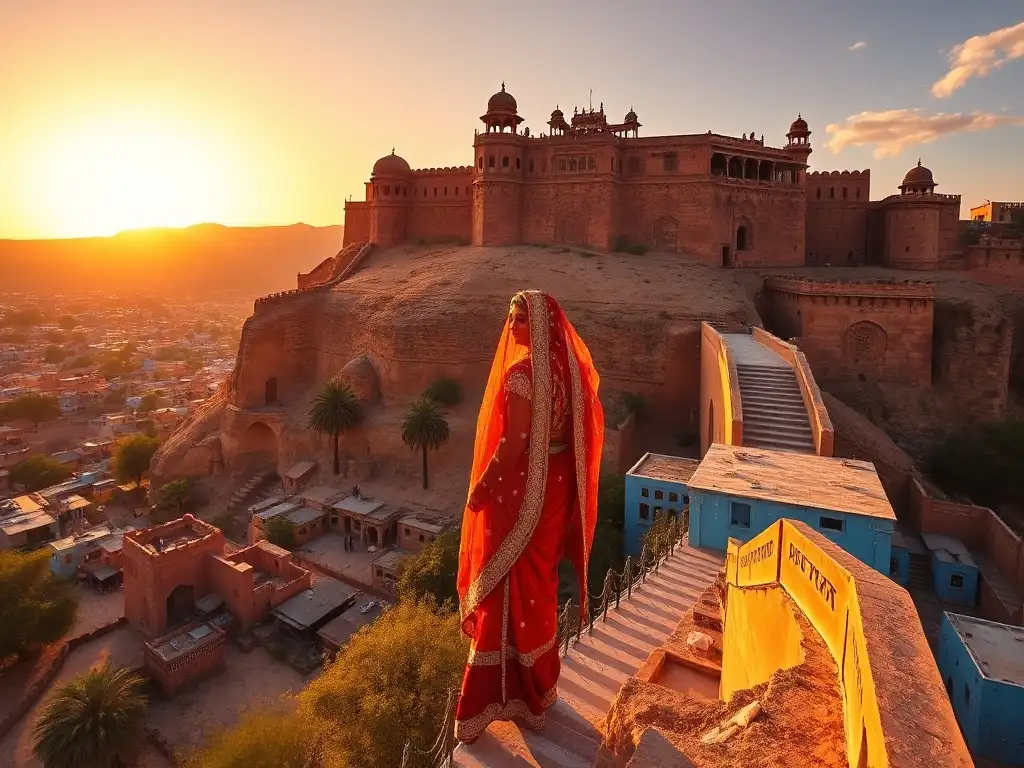
Welcome to Ancient India History, where we embark on a fascinating journey through the ages! Today, we delve into the architectural wonders of Rajasthan, uncovering the historical significance of its forts that have stood the test of time. These magnificent structures are not merely remnants of the past; they are storytellers of the rich tapestry of ancient Indian civilization.
Prepare to be captivated as we explore the tales hidden within their walls, revealing the artistry, strategy, and cultural heritage that shaped an era. Join us as we unlock the secrets of these monumental fortresses and discover their profound impact on history!
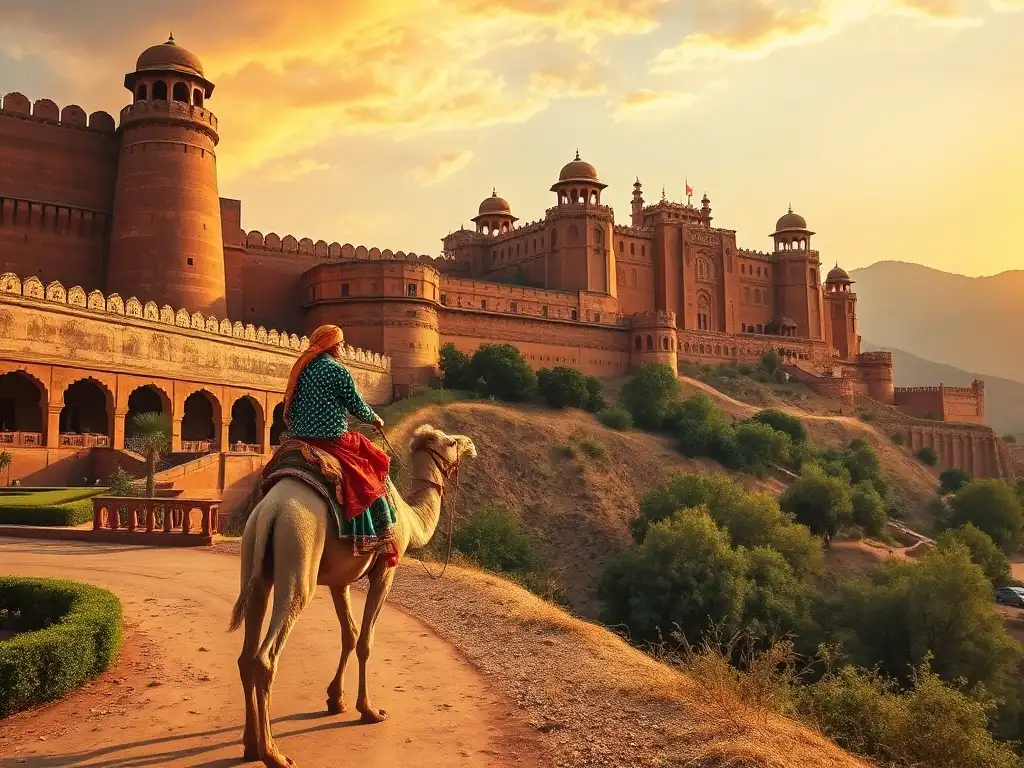
Introduction to Rajasthan Forts Historical Significance
Rajasthan, a land steeped in history and culture, is renowned for its majestic forts that stand as testaments to the architectural genius and strategic foresight of ancient Indian civilizations. The forts of Rajasthan not only reflect the grandeur of past dynasties but also serve as vital markers of the region's historical significance.
These imposing structures, which dot the arid landscape, resonate with tales of valor, artistry, and resilience. From the formidable walls of Mehrangarh Fort to the ethereal beauty of Amber Fort, each fort encapsulates a unique narrative, making them indispensable to the understanding of Rajasthan's heritage and the broader tapestry of ancient Indian history.
Overview of Rajasthan's Rich Architectural Heritage
Rajasthan boasts a diverse architectural heritage that is a synthesis of various styles influenced by the region's history, culture, and geography. The forts, palaces, and temples in Rajasthan exemplify this rich heritage, characterized by intricate carvings, expansive courtyards, and striking frescoes. The architectural styles vary significantly across different periods and dynasties, reflecting the evolution of art and design over centuries.
- Key Forts in Rajasthan:
- Mehrangarh Fort: Known for its towering walls and rich history.
- Amber Fort: Famous for its stunning blend of Hindu and Mughal architecture.
- Jaipur's City Palace: A symbol of royal heritage.
These structures not only served military purposes but also acted as centers of administration and culture, contributing to the social and political dynamics of their times.
Importance of Forts in Ancient Indian History
Forts in Rajasthan played crucial roles in the defense and protection of kingdoms against invasions, reflecting the turbulent history of the region. They were often strategically positioned on hills or along trade routes, ensuring the security of the inhabitants and their resources. Moreover, these forts were not just military bastions; they were also the epicenters of royal life, where art, culture, and politics intertwined.
- Roles of Forts:
- Military Defense: Protecting regions from invasions.
- Cultural Hubs: Centers for art, music, and literature.
- Political Strongholds: Sites for administration and governance.
The forts stand as historical archives, preserving the stories of the rulers, battles fought, and the cultural exchanges that shaped the region.
Architectural Marvels of Rajasthan
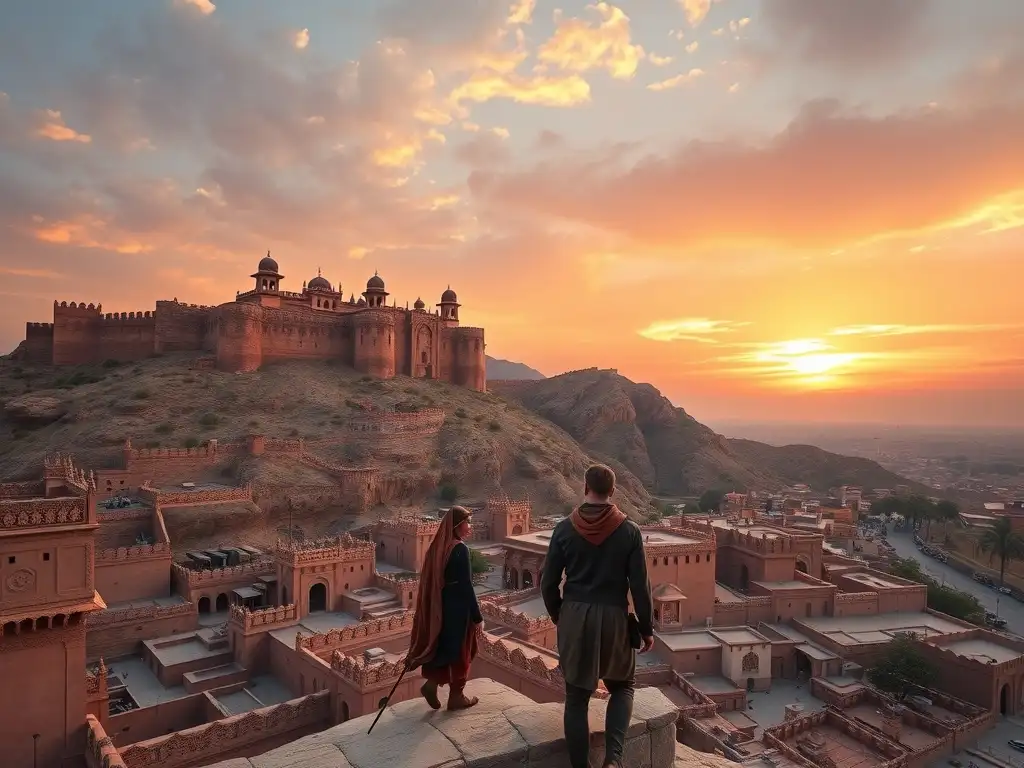
Rajasthan's forts are not merely structures of stone; they are architectural marvels that embody the ingenuity and craftsmanship of their creators. Each fort showcases unique features that distinguish it from others, making them significant both historically and aesthetically.
Unique Features of Rajasthan Forts
The forts of Rajasthan are characterized by distinctive architectural elements that highlight their historical and cultural importance. Some unique features include:
- Massive Gates: Often adorned with intricate carvings, they served as the first line of defense.
- Watch Towers: Elevated structures that provided a vantage point for monitoring enemy movements.
- Palatial Residences: Luxurious living quarters for royalty, often decorated with exquisite frescoes.
These features not only enhance the forts' defensive capabilities but also reflect the artistic sensibilities of the time.
Styles of Architecture in Rajasthan Forts
The architectural styles of Rajasthan forts are a blend of various influences, primarily Rajput, Mughal, and Indo-Saracenic. Each style contributes to the overall aesthetic and functionality of the forts:
- Rajput Architecture: Known for its grandeur and intricate carvings, emphasizing valor and strength.
- Mughal Influence: Incorporating elements like gardens and courtyards, reflecting a synthesis of beauty and utility.
- Indo-Saracenic Style: A fusion of Indian and Islamic styles, characterized by arches and domes.
This rich tapestry of architectural styles not only reflects the history of Rajasthan but also its cultural amalgamation.
Materials Used in the Construction of Forts
The construction of Rajasthan's forts utilized local materials, reflecting the region's environmental resources and the ingenuity of its builders. Common materials include:
- Sandstone: Predominantly used for its durability and availability.
- Marble: Employed in the construction of palatial areas, adding elegance and grandeur.
- Lime Mortar: Used for binding stones, ensuring the structural integrity of the forts.
Understanding the materials used provides insights into the construction techniques and the sustainability practices of ancient builders, showcasing their adaptability to the harsh desert climate.
This comprehensive overview sets the stage for a deeper exploration of the forts of Rajasthan, their architectural marvels, and their enduring historical significance in the narrative of ancient India.
Major Forts of Rajasthan and Their Historical Significance
Rajasthan is renowned for its majestic forts that serve as a testament to the architectural brilliance and historical significance of the region. These forts not only showcase the grandeur of Rajputana architecture but also encapsulate the rich narratives of battles, royal lives, and cultural exchanges. Each fort has a unique story to tell, revealing the sociopolitical dynamics of its time and the resilience of the people who inhabited these structures. The forts of Rajasthan are not merely relics of the past; they are living embodiments of the region's historical journey, attracting historians, architects, and tourists alike.
Amer Fort: A Blend of Rajput and Mughal Architecture
Amer Fort, located near Jaipur, is a stunning example of the fusion between Rajput and Mughal architectural styles. Constructed in the 16th century by Raja Man Singh, the fort is characterized by its intricate carvings, expansive courtyards, and magnificent gardens. The fort's most notable feature is the Sheesh Mahal (Mirror Palace), which reflects the craftsmanship of its builders.
Amer Fort's strategic location on a hilltop provided a defensive advantage, making it a crucial site for the Kachwaha dynasty. The fort’s historical significance lies not only in its architectural grandeur but also in its role as a royal residence, where many important decisions and events unfolded.
Mehrangarh Fort: The Defiance of History
Perched atop a rocky hill in Jodhpur, Mehrangarh Fort is one of the largest and most formidable forts in India. Founded in 1459 by Rao Jodha, the fort exemplifies the Rajput ethos of bravery and resilience. The fort's walls, towering 36 meters high, have withstood numerous sieges and battles, earning it a reputation as a symbol of defiance.
Inside, the fort houses an impressive collection of artifacts, including weapons, costumes, and paintings that narrate the history of the Marwar region. Mehrangarh Fort's historical significance is further underscored by its continuous role in the governance of the region, serving as a seat of power for the Rathore rulers.
Jaisalmer Fort: The Living Fort of Rajasthan
Jaisalmer Fort, also known as Sonar Quila or the Golden Fort, is unique in that it is one of the few living forts in the world. Built in 1156 by Rawal Jaisal, this fort is constructed from yellow sandstone, which gives it a golden hue, especially at sunset. It is not just a historical monument; it is home to a thriving community of around 4,000 residents who live and work within its walls.
The fort's intricate architecture, including finely carved facades and narrow alleys, reflects the rich cultural heritage of the region. Jaisalmer Fort’s historical significance is tied to its role in trade, as it served as a key stop on the Silk Route, facilitating economic and cultural exchanges between India and Central Asia.
Chittorgarh Fort: A Testament to Valor and Sacrifice
Chittorgarh Fort is an emblem of courage and sacrifice, deeply embedded in the narrative of Rajasthan’s history. This fort, the largest in India, was the capital of the Mewar kingdom and witnessed several fierce battles, including the infamous sieges led by Alauddin Khilji. The fort is renowned for its majestic palaces, temples, and the iconic Vijay Stambha (Tower of Victory), built to commemorate the victory over the Mahmud Khilji.
The tales of Rani Padmini and the valor of the Rajput warriors during these sieges add to the fort's legendary status. Chittorgarh Fort stands as a poignant reminder of the sacrifices made by the Rajputs and their unwavering commitment to honor and dignity.
Ranthambore Fort: Nature and History Intertwined
Ranthambore Fort, located within the Ranthambore National Park, is a remarkable blend of history and nature. Originally built in the 10th century, the fort has witnessed the rise and fall of various dynasties and served as a strategic military outpost. Its ruins offer a glimpse into the architectural styles of the time, with temples, baoris (step-wells), and palaces scattered throughout.
The fort's location within a wildlife sanctuary highlights the unique relationship between history and conservation, making it a site of ecological and historical significance. Ranthambore Fort’s historical relevance is enhanced by its role as a lookout point for monitoring trade routes and its connection to the legendary tales of the Rajputs.
The Role of Forts in the Sociopolitical Landscape of Rajasthan
The forts of Rajasthan played a pivotal role in shaping the sociopolitical landscape of the region. They were not merely defensive structures but served as centers of administration, culture, and power. The forts facilitated the governance of vast territories, acted as hubs for trade and commerce, and influenced the social dynamics of the communities surrounding them.
Forts as Centers of Power and Governance
Rajasthan's forts were the epicenters of power, where rulers made critical decisions about governance, defense, and diplomacy. Each fort, with its strategic location and architectural design, was constructed to serve as a bastion of authority. For instance, the fortification of Amer served as a royal palace and administrative center for the Kachwaha rulers, allowing them to consolidate power and manage their territories effectively. The forts also served as venues for royal courts and gatherings, reinforcing the social hierarchies and political alliances of the time.
The Strategic Importance of Forts in Warfare
Forts in Rajasthan were strategically vital in the context of warfare and defense. Their elevated positions provided a tactical advantage over enemies, making them formidable barriers against invasions. The design and construction of these forts incorporated advanced military architecture, such as thick walls, battlements, and watchtowers. During conflicts, they served as refuge points for the local populace and military forces. The historical accounts of battles fought around these forts illustrate their importance as strongholds in the defense of Rajputana against various invaders, including Mughal and Afghan forces.
Social and Economic Impact of Forts on Local Communities
The presence of forts significantly impacted the social and economic fabric of local communities. They acted as catalysts for trade, with many forts located along crucial trade routes. This facilitated commerce and cultural exchanges, leading to the growth of towns around them.
The forts also contributed to the local economy through agriculture, crafts, and tourism in contemporary times. Additionally, forts provided a sense of identity and pride for the local populace, becoming symbols of their heritage and history. The festivals, rituals, and cultural practices associated with these forts continue to thrive, reflecting their enduring legacy in the lives of the people of Rajasthan.
Preservation and Restoration of Rajasthan Forts
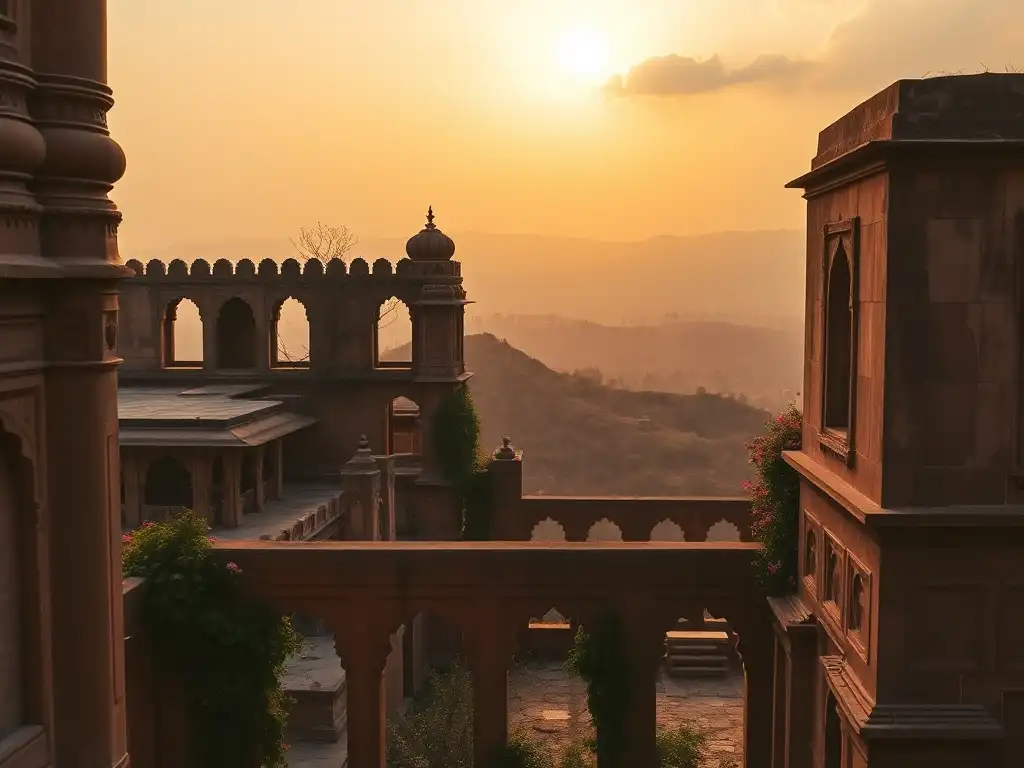
The forts of Rajasthan are not merely architectural wonders; they are also custodians of history, reflecting the rich cultural heritage of the region. Preservation and restoration efforts are crucial in maintaining the structural integrity and historical significance of these monumental sites. Various organizations, both governmental and non-governmental, are actively involved in the conservation of these forts, ensuring they remain a vital part of India’s historical narrative.
Preservation efforts often include meticulous restoration of original materials and architectural techniques, which can be challenging given the weathering effects of time and environmental conditions. Techniques such as traditional stone masonry and the use of locally sourced materials help in retaining the authenticity of the structures. Furthermore, awareness campaigns and educational programs are essential to foster a sense of responsibility among locals and visitors alike regarding the importance of these historical sites.
Current Efforts in Fort Conservation
Currently, various initiatives are underway to conserve the forts of Rajasthan. The Archaeological Survey of India (ASI) plays a pivotal role in these efforts, often collaborating with local governments and heritage organizations. Some notable projects include:
- Restoration Projects: Forts like Amer Fort and Mehrangarh Fort have undergone extensive restoration to repair damages and preserve their original beauty.
- Funding and Grants: National and international grants have been allocated specifically for the conservation of Rajasthan's architectural heritage, facilitating necessary repairs and maintenance.
- Community Involvement: Local communities are increasingly involved in conservation efforts, ensuring that the knowledge of traditional construction methods is passed down through generations.
These current efforts underscore a collective commitment to preserving the historical essence of Rajasthan's forts.
Challenges in Maintaining Historical Integrity
Despite ongoing conservation efforts, maintaining the historical integrity of Rajasthan's forts poses several challenges. One significant issue is the balance between restoration and authenticity. Overzealous restoration can lead to the loss of original features and materials, which diminishes the site's historical value.
Additionally, environmental factors such as pollution, erosion, and climate change threaten the structural integrity of these ancient monuments.
- Urban Development: The rapid urbanization around these forts often puts them at risk, as new constructions can encroach upon their surroundings and disrupt the historical landscape.
- Funding Limitations: Financial constraints can hinder comprehensive restoration projects, limiting the scope of necessary conservation work.
Addressing these challenges requires a multifaceted approach, involving not just restoration experts but also urban planners, environmentalists, and local communities.
The Role of Tourism in Fort Preservation
Tourism plays a dual role in the preservation of Rajasthan's forts. On one hand, it provides essential funding and awareness for conservation efforts. Entrance fees and donations from visitors can be directed toward maintenance and restoration projects. On the other hand, the influx of tourists poses challenges, such as wear and tear on the structures and the potential for environmental degradation.
To mitigate these issues, sustainable tourism practices are being adopted. This includes:
- Visitor Education: Informing tourists about the historical significance and the need for preservation helps foster respect for these sites.
- Controlled Access: Implementing visitor limits during peak seasons can reduce stress on the infrastructure and allow for necessary restoration work.
By striking a balance between tourism and preservation, Rajasthan's forts can thrive as both historical landmarks and viable tourist destinations.
Conclusion: The Enduring Legacy of Rajasthan Forts
The forts of Rajasthan are not just remnants of the past; they are vibrant symbols of the region's rich history and cultural legacy. Their architectural grandeur and historical significance continue to inspire awe and admiration, making them essential components of India's heritage.
Reflection on the Historical Significance of Rajasthan Forts
The historical significance of Rajasthan's forts is multifaceted. They served not just as military strongholds but also as centers of administration, culture, and commerce. Each fort tells a unique story of the era it was built in, reflecting the sociopolitical dynamics of the time. From the intricate carvings of Jaisalmer Fort to the imposing walls of Chittorgarh Fort, these structures encapsulate the artistic and architectural prowess of ancient Indian civilizations.
The forts also hold immense cultural value as they are linked to various legends, battles, and royal histories, thus becoming integral to the identity of Rajasthan.
Future Prospects for Rajasthan's Architectural Wonders
Looking ahead, the future of Rajasthan's forts appears promising yet requires concerted efforts for their preservation. With increasing global interest in heritage tourism and a growing awareness of the importance of cultural conservation, there is potential for enhanced funding and support for these historical sites.
Innovative approaches, such as the integration of technology in conservation practices and the promotion of sustainable tourism, can further bolster efforts in maintaining these architectural marvels. By prioritizing preservation, Rajasthan can ensure that its forts continue to narrate their rich histories and inspire future generations.
Additional Resources on Rajasthan Forts and Their Significance
To fully appreciate the historical and architectural significance of Rajasthan's forts, a range of resources is available for enthusiasts and scholars alike. From in-depth books to engaging articles, these materials offer valuable insights into the rich narratives that these monumental structures hold. Whether you are a student of history or a curious traveler, these resources will deepen your understanding of Rajasthan’s forts and their place in India’s heritage.
Recommended Books and Articles for Further Reading
-
"Rajasthan: An Illustrated History" by Rima Hooja
This comprehensive book delves into the political, cultural, and architectural history of Rajasthan, with detailed segments dedicated to its iconic forts. Hooja’s engaging narrative brings to life the stories behind these structures and their historical contexts.
-
"Forts of Rajasthan" by Shyam Sundar
A visually stunning publication that captures the essence of Rajasthan's forts through photographs and illustrations, paired with rich historical commentary. This book serves as both a guide and an educational resource.
-
"The Forts of India: A Historical Survey" by K. R. Qureshi
This scholarly work provides a broader perspective on the forts across India, including a significant focus on Rajasthan. It examines their architectural styles, strategic importance, and roles in regional politics.
-
Articles from Journals like the "Indian Historical Review"
Various articles focusing on specific forts, such as Mehrangarh and Chittorgarh, offer critical analyses and in-depth discussions about their historical relevance and architectural features.
-
Online Resources and Documentaries
Websites dedicated to Indian history and culture often host articles and documentaries that explore the significance of Rajasthan's forts. Platforms like "National Geographic" and "BBC History" provide visual storytelling that enhances the understanding of these magnificent structures.
Suggested Visits for Exploring Rajasthan's Forts
When planning a visit to Rajasthan, several forts stand out as must-see destinations that encapsulate the region's rich history and architecture. Here are some suggested locations:
-
Amber Fort, Jaipur
A UNESCO World Heritage Site, Amber Fort is renowned for its stunning architecture and intricate mirror work. Visitors can explore its vast courtyards and gardens, while enjoying panoramic views of the surrounding landscape.
-
Mehrangarh Fort, Jodhpur
Perched atop a hill, Mehrangarh Fort is one of the largest forts in India and offers an impressive collection of artifacts and museum exhibits. The fort's massive walls and beautifully decorated palaces reflect the grandeur of its past.
-
Chittorgarh Fort, Chittorgarh
Another UNESCO World Heritage Site, Chittorgarh Fort is famous for its historical significance and architectural beauty. The fort complex houses numerous temples, palaces, and reservoirs, each telling a story of valor and sacrifice.
-
Jaisalmer Fort, Jaisalmer
Known as the "Golden Fort," Jaisalmer Fort is unique because it is a living fort with shops, hotels, and residences. Its yellow sandstone architecture glows in the desert sun, making it a captivating sight.
-
Kumbhalgarh Fort, Udaipur
Famous for its massive walls, which are among the longest in the world, Kumbhalgarh Fort offers breathtaking views of the Aravalli Range. The fort is also known for its temples and intricate carvings, providing visitors with a glimpse into its storied past.
Exploring these forts not only allows for an appreciation of their architectural marvels but also offers an immersive experience into the history that shaped Rajasthan and its people.
- Introduction to Rajasthan Forts Historical Significance
- Overview of Rajasthan's Rich Architectural Heritage
- Importance of Forts in Ancient Indian History
- Architectural Marvels of Rajasthan
- Major Forts of Rajasthan and Their Historical Significance
- The Role of Forts in the Sociopolitical Landscape of Rajasthan
- Preservation and Restoration of Rajasthan Forts
- Conclusion: The Enduring Legacy of Rajasthan Forts
- Additional Resources on Rajasthan Forts and Their Significance
Frequently Asked Questions
What is the historical significance of the forts in Rajasthan?
The forts of Rajasthan are emblematic of the region's rich history, showcasing the architectural prowess and cultural heritage of ancient Indian civilizations, particularly during the Rajput era.
Which are the most famous forts in Rajasthan?
Some of the most notable forts include Amber Fort, Mehrangarh Fort, and Chittorgarh Fort, each representing unique architectural styles and historical narratives that reflect the glory of Rajasthan.
How did the forts contribute to the defense of Rajasthan?
These fortifications were strategically built to protect against invasions, serving as military strongholds and residential palaces for royal families, thus playing a crucial role in the region's defense.
What architectural styles are represented in Rajasthan's forts?
Rajasthan's forts exhibit a blend of Rajput, Mughal, and Indo-Saracenic architectural styles, characterized by intricate carvings, grand palaces, and expansive courtyards that highlight the artistic legacy of ancient India.
How can visitors explore the forts of Rajasthan today?
Visitors can explore these historical landmarks through guided tours, exhibitions, and cultural programs that aim to preserve and promote the historical significance of these architectural wonders.
Final Reflection: The Enduring Legacy of Rajasthan's Forts
The architectural wonders of Rajasthan are not merely relics of the past; they are vibrant testaments to the region's rich history and cultural significance. Today, as we navigate an increasingly globalized world, the stories embedded within these forts remind us of the importance of preserving our heritage. The majestic forts of Rajasthan stand as symbols of resilience, artistry, and the intricate narratives that shaped the region, inviting us to explore their historical significance in our contemporary lives.
Cultural landmarks like the forts of Rajasthan continue to influence our understanding of identity and heritage. Their towering walls and intricate designs echo the tales of valor and artistry that have transcended generations. As we witness a resurgence of interest in historical preservation and tourism, it becomes evident that these forts are not just sites to visit; they are living museums that foster a deeper connection to our past. History is not a burden on the memory but an illumination of the soul.
This quote resonates deeply as we reflect on how these structures illuminate our understanding of cultural continuity and change.
As you contemplate the stories and histories encapsulated within the forts of Rajasthan, I invite you to take action in your own life. Consider how you can engage with your local history and heritage, whether through visiting historical sites, supporting preservation efforts, or simply sharing the stories of your own community.
Let the forts of Rajasthan inspire you to appreciate the architectural wonders around you and to recognize the profound significance they hold in shaping our identities and futures. Embrace the call to explore, learn, and preserve, for in doing so, we honor the legacies of those who came before us.
Unveil the Majesty of Rajasthan's Forts!
Thank you for joining us on this journey through the remarkable forts of Rajasthan! We hope you feel inspired to explore these architectural masterpieces and their rich histories. Now, it’s time to take that inspiration and turn it into action!
Here are a few ways you can dive deeper into the wonders of Rajasthan's forts:
- Plan your next adventure: Visit a nearby fort or embark on a trip to Rajasthan to experience the grandeur in person!
- Share your knowledge: Discuss what you've learned with friends and family, or start a blog to inspire others with your insights!
- Engage with history enthusiasts: Join online forums or local meetups to connect with others who share your passion for history and architecture!
Which fort in Rajasthan would you love to visit, and what aspect of its history intrigues you the most? We invite you to share your thoughts in the comments below!