
The Art of IndoSaracenic Architecture: Blending Cultures Over Centuries

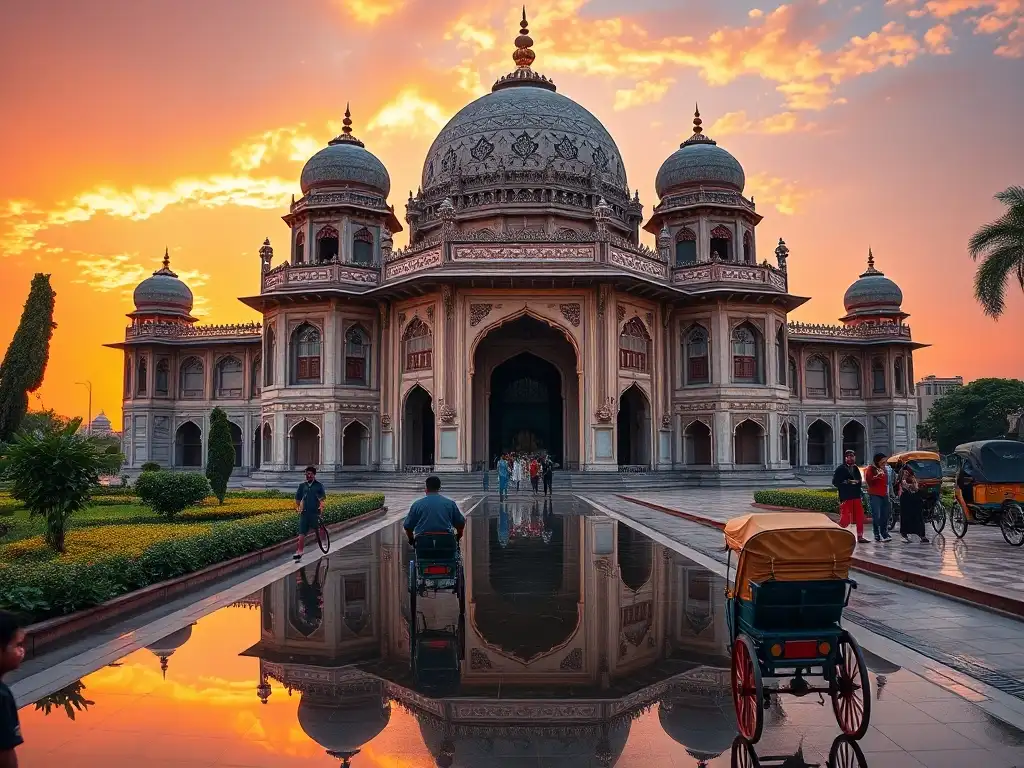
Welcome to Ancient India History, where we embark on a fascinating journey through the intricacies of India's rich cultural tapestry! In our featured article, "The Art of IndoSaracenic Architecture: Blending Cultures Over Centuries," we delve into the captivating world of IndoSaracenic architectural influences, exploring how diverse civilizations intertwined to create a unique and enduring legacy. Prepare to uncover the stories behind magnificent structures and the profound cultural exchanges that shaped them. Join us as we illuminate the past and invite you to explore the art, architecture, and philosophy that define ancient India. Your adventure begins now!

IndoSaracenic architecture stands as a testament to the intricate tapestry of cultural exchanges that have shaped the Indian subcontinent over centuries. This distinctive architectural style emerged during the British colonial era, reflecting a seamless fusion of Indian and Islamic artistic traditions. By exploring IndoSaracenic architectural influences, we can gain insight not only into the aesthetic principles that define this style but also into the broader historical narratives of cultural interaction, adaptation, and innovation.
The term "IndoSaracenic" itself encapsulates the rich heritage of architectural evolution, tracing its roots back to the grand edifices of the Indus Valley civilization and extending through the magnificent structures of the Gupta Empire, ultimately culminating in the hybrid architectural marvels of the colonial period. This article will delve into the multifaceted layers of IndoSaracenic architecture, examining its defining features, historical significance, and the diverse influences that contributed to its development.
Introduction to IndoSaracenic Architecture
Definition of IndoSaracenic Architecture
IndoSaracenic architecture is characterized by its unique blend of Indian and Islamic architectural styles, often incorporating elements from Gothic and Mughal designs. This style primarily flourished in the 19th and early 20th centuries, particularly in India, and is marked by the use of intricate decorative patterns, large domes, and expansive arches. The term "Saracenic" refers to the artistic influences derived from Islamic culture, while "Indo" signifies the Indian context in which these styles were integrated. Together, they create a rich architectural language that speaks to the complexities of colonial history and cultural syncretism.
Historical Context and Significance
The emergence of IndoSaracenic architecture can be traced back to the British colonial period when there was a growing interest in creating monumental buildings that symbolized imperial power and prestige. As British architects sought to establish a sense of identity in India, they drew inspiration from both local traditions and Islamic architecture.
This period witnessed the construction of several iconic structures, including railway stations, universities, and government buildings, that showcased the grandeur of IndoSaracenic design. The significance of this architectural style lies not only in its aesthetic appeal but also in its role as a cultural bridge that facilitated dialogue between diverse artistic traditions.
Key Characteristics of IndoSaracenic Styles
IndoSaracenic architecture is renowned for its distinctive features, which include:
- Domes and Arches: Large, bulbous domes and pointed arches are prevalent, creating a sense of grandeur.
- Decorative Elements: Intricate carvings, tile work, and jali screens reflect the craftsmanship of both Indian and Islamic artisans.
- Materials: The use of locally sourced materials, such as sandstone and marble, contributes to the style's unique visual identity.
- Spatial Composition: Emphasis on expansive courtyards and gardens, promoting a harmonious relationship between interior and exterior spaces.
The Influences Behind IndoSaracenic Architecture
Historical Overview of Cultural Blending
The roots of IndoSaracenic architecture can be traced back to centuries of cultural exchanges between India and other civilizations, particularly during the Mughal era. The arrival of the Mughals in India in the 16th century brought significant Islamic architectural influences, which were further enriched by the arrival of European colonial powers. This historical context laid the groundwork for the IndoSaracenic style, where diverse architectural elements coalesced, resulting in structures that were both functional and aesthetically pleasing.
Islamic Architectural Elements in IndoSaracenic Structures
Islamic architecture has profoundly influenced the IndoSaracenic style, evident in features such as:
- Calligraphy and Geometric Patterns: The use of ornamental calligraphy and geometric designs adds depth and complexity to IndoSaracenic buildings.
- Minarets and Chhatris: The incorporation of minarets and chhatris (elevated dome-shaped pavilions) reflects Islamic design principles while adapting to local contexts.
- Courtyards: The inclusion of spacious courtyards promotes social interaction and connection to nature, a common feature in both Islamic and Indian architecture.
Indigenous Indian Architectural Features
IndoSaracenic architecture also embraces indigenous Indian elements, which include:
- Hindu Symbolism: The integration of motifs and symbols from Hindu temple architecture enhances the cultural resonance of the structures.
- Regional Styles: Variations in design reflect local architectural traditions, ensuring that IndoSaracenic buildings resonate with their geographical context.
- Functionality: The practical aspects of Indian architecture, such as climate-responsive design and adaptability to local materials, play a vital role in shaping the IndoSaracenic aesthetic.
By examining these influences, we can appreciate how IndoSaracenic architecture serves as a cultural dialogue, merging diverse traditions and creating a unique architectural legacy that continues to inspire.
Prominent Examples of IndoSaracenic Architecture
IndoSaracenic architecture, a unique blend of Indian and Islamic architectural styles, has left an indelible mark on many significant structures across India. Among the most prominent examples is the Victoria Terminus (now Chhatrapati Shivaji Maharaj Terminus) in Mumbai, designed by architect Frederick William Stevens. Completed in 1888, it showcases intricate stone carvings, pointed arches, and a grand dome, reflecting the fusion of Gothic and Mughal elements.
Another notable example is the Chhatrapati Shivaji Maharaj Vastu Sangrahalaya (formerly the Prince of Wales Museum) in Mumbai, which combines IndoSaracenic elements with a Victorian influence. Its detailed façade and domed structure highlight the architectural dialogues of the era.
The Jawahar Kala Kendra in Jaipur serves as an exemplary model of this architectural style, featuring a design that integrates traditional Rajasthani motifs with Islamic arches and domes, embodying the cultural synthesis that characterizes IndoSaracenic architecture.
Major Structures and Their Architectural Significance
The architectural significance of these structures lies in their ability to narrate the history of cultural amalgamation in India. The Ministry of Railways Building in New Delhi, for instance, is another iconic IndoSaracenic structure. With its bold arches, domes, and intricate decorative work, it stands as a testament to the architectural ambitions of the British during the colonial era while respecting local aesthetics.
Similarly, the Haji Ali Dargah in Mumbai, built in the early 20th century, showcases the IndoSaracenic style through its serene location and stunning architecture that harmonizes with the surrounding sea. The dargah’s blend of Hindu and Islamic architectural features reflects the spiritual confluence present in IndoSaracenic structures.
The Taj Mahal Palace Hotel, also in Mumbai, is a prime example of how IndoSaracenic architecture can be interpreted in luxurious formats. Its design incorporates elements from Mughal architecture, such as domes and archways, while also integrating European styles, showcasing the versatility and richness of this architectural genre.
The Evolution of IndoSaracenic Architectural Influences

IndoSaracenic architecture did not emerge overnight; rather, it evolved through several historical phases influenced by various socio-political dynamics. Initially, the style began taking shape during the Mughal Empire when Islamic architectural practices were introduced to India, leading to the construction of grand structures that integrated local craftsmanship and aesthetics.
The British colonial period marked a significant turning point in the evolution of this architectural style. Architects like Sir Edward Lutyens and Sir Herbert Baker began to experiment with traditional Indian elements, creating a blend of styles that would later be classified as IndoSaracenic.
Changes Over Time: From Early to Modern Periods
The transition from early IndoSaracenic architecture to modern interpretations reflects broader changes in societal values and artistic expressions. In its formative years, the style was characterized by a strict adherence to Mughal design principles, with an emphasis on symmetry, intricate ornamentation, and grand scale.
As the 19th century progressed, the introduction of new materials and construction techniques led to a more eclectic approach. The use of iron and glass in buildings allowed for larger structures with expansive interiors, shifting the focus from purely aesthetic elements to functionality and innovation. This period saw the emergence of more simplified designs that still paid homage to traditional motifs but were adapted to meet the needs of modern urban life.
The Role of Colonialism in Shaping IndoSaracenic Architecture
Colonialism played a pivotal role in shaping IndoSaracenic architecture, driving the fusion of British and Indian building practices. The British sought to establish their presence in India through monumental structures that reflected their power and influence, leading to the integration of local styles into colonial architecture.
This architectural dialogue was marked by the adaptation of Indian elements into the predominantly Gothic Revival style favored by the British. Buildings such as the Victoria Memorial in Kolkata exemplify this trend, where European classical features are seamlessly blended with Indian motifs, creating a narrative of cultural coalescence.
The interplay of colonial ambitions and local traditions resulted in a unique architectural legacy that continues to influence contemporary design in India and beyond.
Contemporary Interpretations of IndoSaracenic Styles
In recent years, there has been a resurgence of interest in IndoSaracenic architecture, with contemporary architects drawing inspiration from its rich history to create innovative designs. Modern interpretations often feature a blend of environmental sustainability and traditional aesthetics, showcasing how past influences can inform present-day practices.
Architects like B.V. Doshi and Charles Correa have incorporated IndoSaracenic elements into their works, marrying modern techniques with historical references to create structures that resonate with cultural significance. Their designs often emphasize local materials, traditional craftsmanship, and climate-responsive architecture, ensuring that the essence of IndoSaracenic style remains alive.
Additionally, the revival of public interest in heritage conservation has led to the restoration of many IndoSaracenic buildings, reinforcing their importance as cultural landmarks. This ongoing dialogue between the past and the present continues to enrich India’s architectural landscape, ensuring that the influences of IndoSaracenic architecture remain relevant in contemporary discourse.
Cultural Impact of IndoSaracenic Architecture
IndoSaracenic architecture represents a unique fusion of indigenous Indian styles and Islamic design principles, primarily emerging during the British colonial period. This architectural style is characterized by its eclectic use of elements from various traditions, including Mughal, Gothic, and Indian vernacular architecture. The cultural impact of IndoSaracenic architecture can be seen in its ability to bridge diverse communities and serve as a symbol of synthesis between different religious and cultural backgrounds.
One of the most significant aspects of IndoSaracenic architecture is its role in shaping the urban landscape of major Indian cities. Structures such as the Victoria Terminus in Mumbai and the Jawaharlal Nehru University in New Delhi showcase the grandeur and intricacy of this style, with their ornate domes, intricate carvings, and expansive courtyards. These buildings not only serve functional purposes but also act as cultural landmarks, attracting both tourists and locals and fostering a sense of pride and identity.
Contributions to Indian Identity and Heritage
IndoSaracenic architecture has played a pivotal role in shaping modern Indian identity. By incorporating elements from various cultural backgrounds, it reflects the country's historical narrative of coexistence and adaptation. The style is often viewed as a testament to India's pluralistic ethos, where various influences have merged to create something uniquely Indian.
Moreover, many IndoSaracenic structures have been designated as heritage sites, recognizing their artistic and historical significance. This acknowledgment fosters a sense of belonging and continuity among communities, allowing future generations to connect with their rich past. In many ways, these buildings serve as reminders of a time when art and architecture transcended cultural boundaries, promoting dialogue and understanding among diverse groups.
Influence on Modern Architectural Practices
The influence of IndoSaracenic architecture extends beyond historical buildings into contemporary architectural practices. Modern architects continue to draw inspiration from the style's hallmark features, integrating them into new designs. The use of domes, arches, and intricate ornamentation can be seen in various public and private structures across India today.
Furthermore, the principles of IndoSaracenic architecture encourage sustainability and the use of local materials. This focus on environmentally friendly practices resonates with current global movements toward sustainable architecture. As a result, many architects are reinterpreting IndoSaracenic elements to create modern buildings that honor tradition while addressing contemporary needs.
Preservation Efforts of IndoSaracenic Structures
Efforts to preserve IndoSaracenic structures are crucial in maintaining India's architectural heritage. Various organizations and government bodies are actively involved in restoration projects aimed at safeguarding these historical buildings from decay and urban development pressures. These initiatives often include research, funding, and community engagement to raise awareness about the importance of preserving such sites.
Additionally, the inclusion of IndoSaracenic structures in cultural heritage tourism has amplified their significance. By promoting these buildings as attractions, stakeholders emphasize their historical value and encourage preservation efforts. Engaging local communities in these initiatives also fosters a sense of ownership and responsibility toward maintaining their architectural legacy.
Conclusion: The Legacy of IndoSaracenic Architectural Influences
IndoSaracenic architecture stands as a testament to the rich tapestry of cultural influences that have shaped India's architectural landscape. Its legacy is not only evident in the stunning buildings that dot the country but also in the ongoing dialogue between tradition and modernity that it inspires.
Summary of Key Points
- IndoSaracenic architecture blends indigenous and Islamic design elements, symbolizing cultural synthesis.
- It contributes significantly to Indian identity and heritage, acting as a bridge between communities.
- The style influences contemporary architecture, encouraging sustainable practices and local material use.
- Preservation efforts are vital to safeguarding these historical structures for future generations.
Future of IndoSaracenic Architecture in the Context of Globalization
As globalization continues to influence architectural trends worldwide, IndoSaracenic architecture faces both challenges and opportunities. On one hand, the influx of modern design paradigms may overshadow traditional styles; on the other hand, there is a growing appreciation for heritage conservation that can lead to revitalization of IndoSaracenic elements in contemporary architecture.
Architects and planners are increasingly recognizing the importance of integrating cultural heritage into urban development. This trend could foster a renaissance of IndoSaracenic architecture, where new constructions honor traditional aesthetics while meeting modern requirements. The challenge lies in finding a balance between preserving heritage and embracing innovation, ensuring that the legacy of IndoSaracenic architectural influences continues to thrive in an ever-evolving global context.
References and Further Reading
Indo-Saracenic architecture represents a fascinating confluence of various cultural influences, particularly between Indian and Islamic styles. To delve deeper into this architectural marvel, the following resources will provide a comprehensive understanding of its evolution, features, and significance.
Recommended Books on IndoSaracenic Architecture
-
"Indo-Saracenic Architecture: The Art of the Indo-Saracenic Style" by James Fergusson
This seminal work provides a detailed exploration of the Indo-Saracenic style, discussing its origins, characteristics, and notable examples across India.
-
"The Architecture of the Indian Subcontinent" by James C. Harle
Harle's book is an essential read for understanding the broader context of Indian architecture, including the Indo-Saracenic style, its historical backdrop, and its lasting impact on modern architecture.
-
"Islamic Architecture in India" by Michael Brand
This book offers insights into the Islamic influences that shaped Indo-Saracenic architecture, detailing key structures and their architectural significance.
-
"Art and Architecture in the Indian Subcontinent" by Caroline Stone
This comprehensive guide covers various artistic expressions in the Indian subcontinent, with a dedicated section on Indo-Saracenic architecture, highlighting its unique features and cultural significance.
-
"The Indo-Saracenic Style of Architecture in India" by Arvind Rajagopal
Rajagopal's work emphasizes the socio-political context in which Indo-Saracenic architecture flourished, featuring a rich visual documentation of prominent buildings.
Articles and Journals for In-depth Study
-
"The Fusion of Cultures: Indo-Saracenic Architecture in India" – Journal of Asian Architecture and Building Engineering
This article examines the historical and cultural exchanges that led to the development of Indo-Saracenic architecture and provides case studies of prominent structures.
-
"Architectural Hybridization: A Study of Indo-Saracenic Architecture" – Architectural Research Quarterly
This journal article delves into the architectural elements that define the Indo-Saracenic style and its synthesis of indigenous and foreign influences.
-
"Indo-Saracenic Architecture: An Evolutionary Perspective" – South Asian Studies
This research paper traces the evolution of Indo-Saracenic architecture, analyzing its significance in the context of colonial India and its enduring legacy.
-
"Cultural Syncretism in Indo-Saracenic Architecture" – International Journal of Art and Design
This article discusses the interplay between various artistic traditions within Indo-Saracenic architecture, showcasing how these influences manifested in design and ornamentation.
Online Resources for Exploring Architectural Marvels
-
The Great Buildings Collection
This online database offers an extensive collection of images, descriptions, and architectural details of various Indo-Saracenic buildings, making it a valuable resource for enthusiasts and scholars alike.
-
ArchNet
ArchNet is a comprehensive online platform dedicated to architecture in the Islamic world, featuring extensive resources on Indo-Saracenic architecture, including articles, photographs, and architectural plans.
-
The British Library Digital Archives
This resource provides access to historical documents, photographs, and maps related to Indo-Saracenic architecture, allowing researchers to explore the architectural landscape of colonial India.
-
YouTube Channels: "Architecture Walks" and "Heritage India"
These channels offer virtual tours and documentaries showcasing Indo-Saracenic buildings, providing visual insights into their design and historical context.
-
The Architectural Heritage of India – Online Exhibitions
Various museums and institutions offer online exhibitions focusing on Indo-Saracenic architecture, featuring detailed narratives and high-resolution images of significant structures.
- Introduction to IndoSaracenic Architecture
- The Influences Behind IndoSaracenic Architecture
- Prominent Examples of IndoSaracenic Architecture
- Major Structures and Their Architectural Significance
- The Evolution of IndoSaracenic Architectural Influences
- Cultural Impact of IndoSaracenic Architecture
- Conclusion: The Legacy of IndoSaracenic Architectural Influences
- References and Further Reading
- What is IndoSaracenic architecture?
- How did IndoSaracenic architecture influence modern architecture in India?
- What are some notable examples of IndoSaracenic architecture?
- How did the cultural exchange contribute to the development of IndoSaracenic architecture?
- Why is understanding IndoSaracenic architecture important for appreciating Indian history?
Frequently Asked Questions
What is IndoSaracenic architecture?
IndoSaracenic architecture is a style that emerged in India during the late 19th century, combining elements from Indian, Islamic, and Gothic styles to create distinctive structures, particularly in public buildings.
How did IndoSaracenic architecture influence modern architecture in India?
The style laid the foundation for modern architectural practices in India, promoting a unique blend of local and foreign elements that are still evident in contemporary designs and urban planning.
What are some notable examples of IndoSaracenic architecture?
Prominent examples include the Victoria Terminus in Mumbai and the Chhatrapati Shivaji Maharaj Vastu Sangrahalaya, showcasing intricate design and a rich cultural fusion in their structures.
How did the cultural exchange contribute to the development of IndoSaracenic architecture?
The cultural exchange between British colonial influences and local Indian traditions led to the integration of various architectural elements, resulting in a rich and diverse aesthetic that reflects India's history.
Why is understanding IndoSaracenic architecture important for appreciating Indian history?
Understanding this style helps to appreciate the complex interactions of cultures in India, revealing how historical events shaped the country’s architectural landscape and its cultural identity.
Final Reflection: Embracing the Legacy of IndoSaracenic Architectural Influences
The intricate beauty of IndoSaracenic architecture serves as a powerful reminder of how cultures can intertwine to create something truly unique. Today, as we navigate a world that is increasingly globalized yet divided, the lessons from this architectural style resonate more than ever. It stands as a testament to the potential of collaboration and mutual respect among diverse cultures. The enduring legacy of IndoSaracenic architecture is not just in its physical structures but in the spirit of unity it embodies.
The influence of IndoSaracenic architecture extends far beyond its aesthetic appeal; it has shaped our cultural and social landscapes in profound ways. This architectural style has inspired countless artists, architects, and historians, encouraging a dialogue about identity and heritage. As we reflect on its impact, we are reminded of the words of architect Charles Correa: Architecture is not just about building; it is about creating a sense of place and belonging.
This sentiment echoes the importance of understanding our roots while embracing the richness that comes from cultural exchange.
As we move forward, let us take a moment to reflect on how we can incorporate the principles of IndoSaracenic architecture into our own lives. Consider how you can foster connections with those from different backgrounds, celebrate diversity, and create spaces that honor our shared humanity. By doing so, we not only pay homage to the artistry of the past but also pave the way for a future where collaboration and understanding thrive. Embrace the lessons of IndoSaracenic architecture, and let them inspire you to build bridges in your own community.
Embrace the Legacy of Indo-Saracenic Architecture!
Thank you for diving into the fascinating world of Indo-Saracenic architecture with us! You've uncovered the rich blend of cultures and artistic expressions that have shaped this unique architectural style. Now, let’s turn that inspiration into action!
- Start a conversation: Share your insights about Indo-Saracenic architecture with friends, family, or on social media. Which elements of this architectural style resonate with you the most?
- Plan a visit: Explore local examples of Indo-Saracenic architecture or plan a trip to renowned heritage sites known for this style. Picture your next adventure as you discover these magnificent structures!
- Engage with a community: Join forums or groups dedicated to architecture and history. Your perspective is valuable—let’s inspire each other!
What insights do you think the Indo-Saracenic style reveals about the cultures it embodies? We would love to hear your thoughts below!