
The Legacy of Ancient Indian Art in Contemporary Education

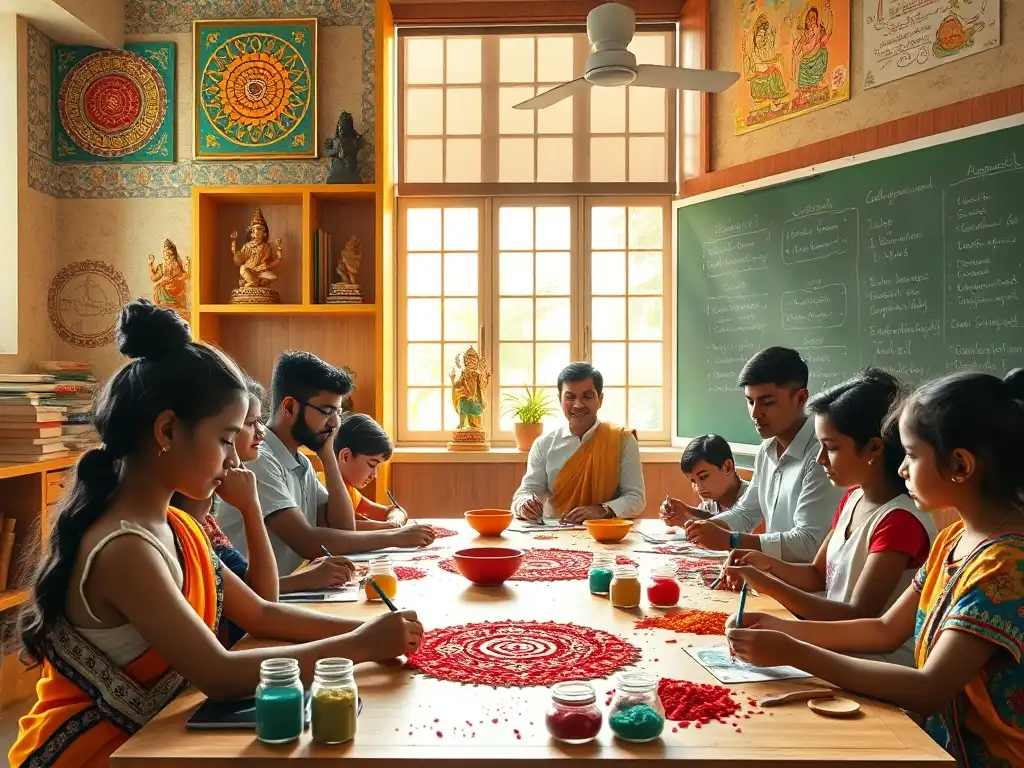
Welcome to Ancient India History, where we embark on a fascinating journey through the rich tapestry of ancient Indian civilizations. Our exploration reveals the profound impact of these cultures, particularly in the realm of art education. In our featured article, "The Legacy of Ancient Indian Art in Contemporary Education," we delve into how the artistic philosophies and techniques developed thousands of years ago continue to shape educational practices today.
Curious about how the masterpieces of the past influence modern learning? Join us as we uncover the intricate connections between ancient art and today's educational landscape—your adventure into history starts here!
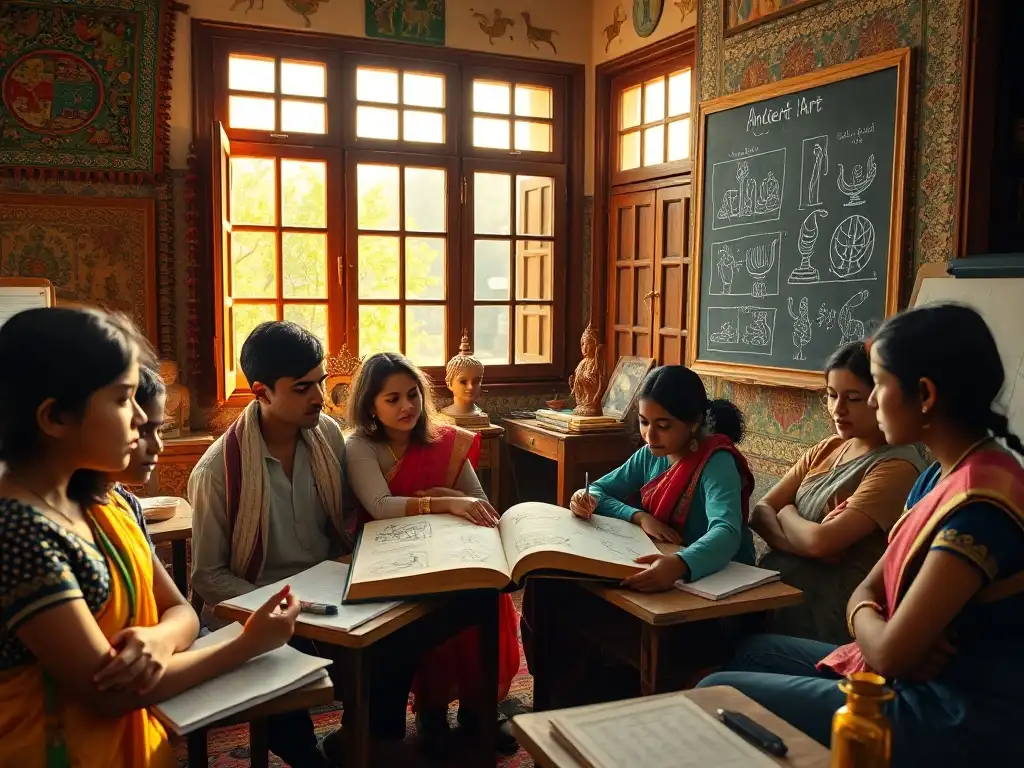
Introduction to Ancient Indian Art Education
The legacy of ancient Indian art is a profound testament to the country’s rich cultural heritage and historical significance. It encompasses a vast array of artistic expressions that have evolved over millennia, reflecting the diverse influences, philosophies, and socio-political contexts of the time.
In contemporary education, the integration of ancient Indian art education serves not only to preserve these time-honored traditions but also to inspire creativity, critical thinking, and a deeper appreciation for cultural diversity among students. By exploring this legacy, educators can cultivate a more nuanced understanding of history and art, highlighting how ancient practices continue to inform modern artistic endeavors.
Understanding the Importance of Ancient Indian Art
Ancient Indian art encompasses various forms, including sculpture, painting, pottery, textiles, and architecture. The significance of these art forms lies in their ability to convey stories, beliefs, and values of the time.
- Cultural Reflection: Ancient Indian art serves as a mirror of society, revealing the daily lives, religious practices, and social structures of past civilizations.
- Educational Value: Incorporating ancient art into education promotes interdisciplinary learning, allowing students to explore connections between art, history, philosophy, and religion.
- Creativity and Innovation: Exposure to traditional art forms can encourage students to think creatively and innovate, drawing inspiration from the techniques and themes of ancient artists.
Overview of Ancient Indian Art Forms
Ancient Indian art is characterized by its diversity and regional variations. Some notable forms include:
- Sculpture: From the intricate carvings of the Ajanta and Ellora caves to the detailed figures of the Gupta period, sculpture plays a pivotal role.
- Mural Paintings: The frescoes of ancient temples and palaces depict mythological stories and historical events, showcasing the skill and creativity of artists.
- Textile Arts: The art of weaving, dyeing, and embroidery has deep roots in Indian culture, with techniques passed down through generations.
- Pottery: Ancient pottery not only served functional purposes but also featured aesthetic designs, often representing the daily life of the people.
Historical Context of Ancient Indian Art
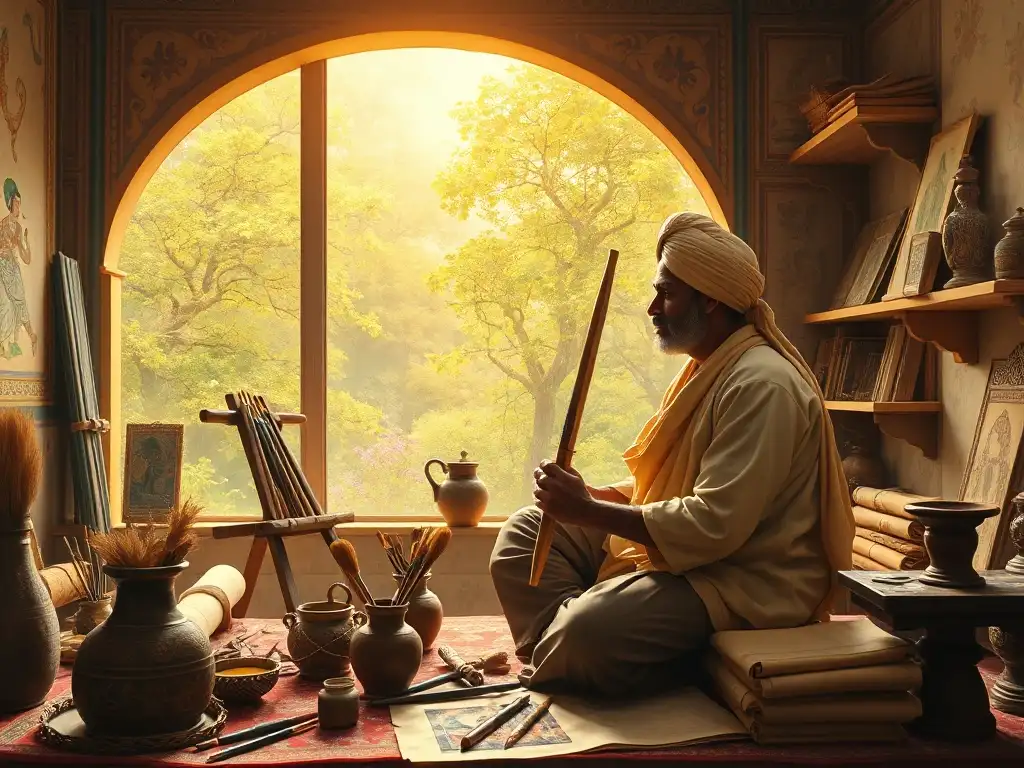
Understanding the historical context of ancient Indian art is essential for appreciating its evolution and enduring legacy.
Evolution of Art in Ancient Indian Civilizations
The evolution of art in ancient India can be traced back to the Indus Valley Civilization, where early forms of craftsmanship emerged, characterized by terracotta figurines and seals. As civilizations progressed, art began to flourish under the influence of various dynasties:
- Mauryan Period: Influenced by Buddhism, this era saw the creation of iconic stupas and intricate sculptures like the famous Lion Capital of Ashoka.
- Gupta Empire: Known as the "Golden Age" of India, this period witnessed remarkable advancements in art, particularly in sculpture and painting, with themes centered around religion and mythology.
Key Art Movements and Their Influence on Education
Several key art movements have profoundly influenced the educational landscape:
- Buddhist Art: The spread of Buddhism led to the creation of significant artistic works that not only educated the masses about spiritual beliefs but also served as aesthetic milestones.
- Hindu Temple Architecture: The architectural brilliance of Hindu temples serves as a study subject in education, illustrating the integration of art, philosophy, and devotion.
- Regional Art Forms: The diversity of regional art, such as Madhubani and Warli, offers rich content for educational curricula, promoting local traditions and contemporary relevance.
By integrating these elements into contemporary education, we can ensure that the legacy of ancient Indian art continues to inspire future generations, fostering a profound appreciation for the cultural richness of India.
The Role of Ancient Indian Art in Contemporary Education
Ancient Indian art, with its rich tapestry of cultural motifs, techniques, and philosophies, plays a significant role in shaping contemporary educational frameworks. This influence is not merely confined to art classes but extends across various disciplines, encouraging a multidisciplinary approach to learning. By integrating ancient art forms into education, students gain a deeper understanding of historical contexts, social values, and the spiritual philosophies that have shaped Indian civilization.
Moreover, the exploration of ancient Indian art fosters critical thinking and creativity, as students analyze complex artworks, decipher symbolism, and appreciate the craftsmanship involved. This engagement with art promotes cultural literacy, allowing students to connect with their heritage while cultivating a sense of identity and belonging. Additionally, ancient Indian art serves as a source of inspiration for contemporary artists and designers, bridging traditional practices with modern techniques and perspectives.
Integrating Ancient Indian Art into Modern Curriculum
Integrating ancient Indian art into modern curricula involves a strategic approach that encompasses various subjects. Art education can focus on traditional techniques such as fresco painting, pottery, and sculpture, encouraging students to explore these mediums through hands-on workshops. History classes can incorporate discussions on the evolution of art forms, examining how they reflect societal changes and cultural beliefs over time.
Furthermore, literature and language studies can draw on ancient texts that describe artistic practices, allowing students to engage with the philosophical underpinnings of these art forms. For instance, the study of Sanskrit literature can reveal insights into the aesthetics and symbolism of ancient Indian art. This interdisciplinary approach not only enriches the learning experience but also highlights the interconnectedness of art with other fields of knowledge.
Benefits of Studying Ancient Indian Art in Schools
The benefits of studying ancient Indian art in schools are manifold. Firstly, it enhances cultural awareness, fostering respect and appreciation for India’s diverse heritage. As students learn about various art forms, such as Warli painting, Madhubani art, and classical dance, they develop an understanding of the cultural narratives and traditions that inform these practices.
Secondly, engaging with ancient art promotes creativity and innovation. Students are encouraged to think outside the box, experiment with different materials, and apply traditional techniques to contemporary projects. This creative exploration can lead to unique artistic expressions and new interpretations of historical themes.
Additionally, the study of ancient Indian art cultivates critical analytical skills. Students learn to observe, interpret, and critique artworks, which sharpens their ability to express opinions and engage in discussions. This analytical framework is valuable not only in art education but also in other academic and professional pursuits.
Case Studies: Successful Implementation of Ancient Indian Art Education
National School of Drama's Focus on Traditional Indian Art Forms
The National School of Drama (NSD) has successfully integrated traditional Indian art forms into its curriculum, emphasizing the importance of cultural heritage in performance arts. Through workshops and training programs, students are exposed to various styles of folk theatre, puppetry, and classical dance forms like Kathak and Bharatanatyam. This approach not only preserves these art forms but also allows students to explore their contemporary relevance.
NSD's emphasis on storytelling through traditional art fosters a deeper understanding of the narratives that have shaped Indian culture. By engaging with these forms, students develop a sense of pride in their heritage while honing their skills as performers. The school's initiatives have inspired many graduates to pursue careers that celebrate and promote traditional Indian art, ensuring its legacy continues to thrive.
University of Delhi's Ancient Indian Art History Curriculum
The University of Delhi has developed a comprehensive curriculum focused on the history of ancient Indian art, providing students with a robust academic framework to study this subject. The program covers various aspects, including the evolution of art forms, regional styles, and the socio-political contexts that influenced artistic expression throughout history.
Through lectures, seminars, and field studies, students gain insights into the techniques and materials used by ancient artisans. The curriculum also encourages critical engagement with primary sources, such as ancient texts and archaeological findings, allowing students to form a nuanced understanding of the subject. This focus on ancient Indian art not only enriches the academic environment but also positions the university as a leader in the field of art history education in India.
Challenges in Incorporating Ancient Indian Art into Education
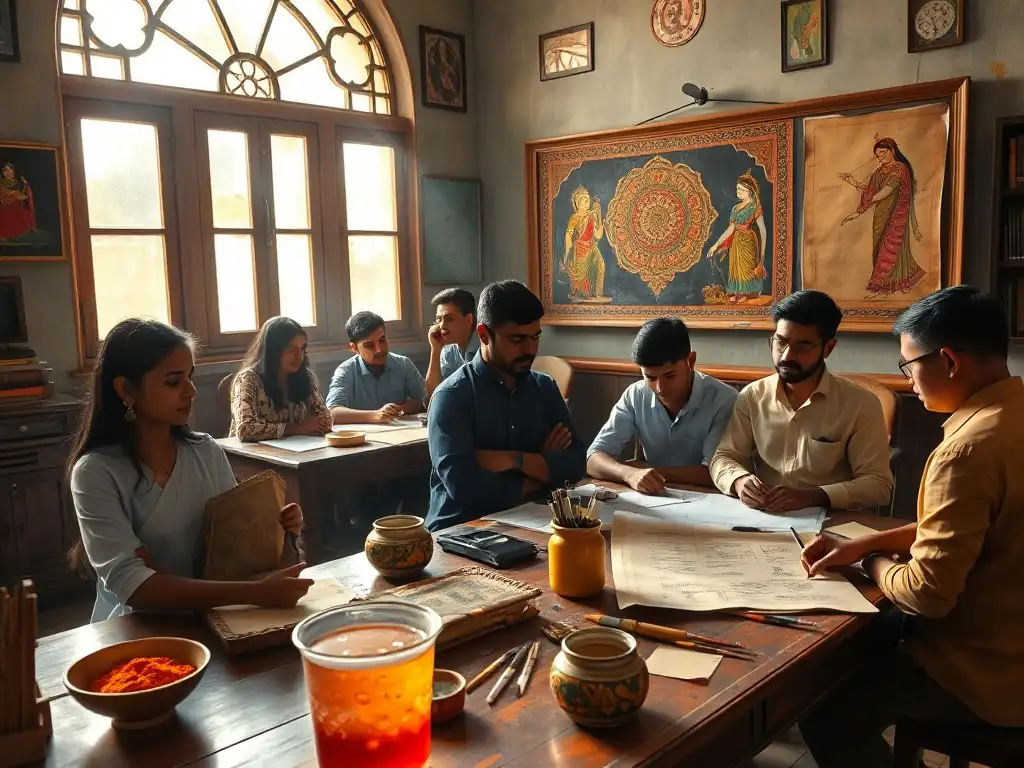
Incorporating ancient Indian art into contemporary education presents several challenges that need to be addressed for effective integration. These challenges can stem from various factors, including a lack of resources, insufficient training for educators, and cultural misunderstandings. Understanding and overcoming these challenges is essential to ensure that the rich heritage of ancient Indian art is effectively conveyed to students.
Lack of Resources and Training for Educators
One of the significant hurdles in teaching ancient Indian art is the lack of adequate resources and training for educators. Many schools and educational institutions struggle to provide teachers with the necessary materials and professional development opportunities to effectively teach these subjects.
- Curriculum Gaps: Often, the existing curriculum does not include comprehensive modules on ancient Indian art, leading to a superficial understanding of its importance and context.
- Resource Availability: Access to high-quality resources, such as textbooks, visual aids, and art supplies that reflect ancient Indian techniques and styles, is often limited. This scarcity can hinder educators’ ability to create engaging lesson plans.
- Professional Development: Many educators may not have received formal training in ancient Indian art, leaving them ill-equipped to teach it. Workshops and courses that focus specifically on ancient art forms and their educational significance are essential for building teacher confidence and expertise.
Overcoming Cultural Misunderstandings in Art Education
Cultural misunderstandings can pose significant challenges in the education of ancient Indian art. These misunderstandings often arise from a lack of familiarity with the cultural context and significance of various art forms.
- Contextual Awareness: Ancient Indian art is deeply intertwined with cultural and religious narratives. Without proper context, students might misinterpret the symbolism and significance of artworks. Educators need to emphasize the historical and cultural backgrounds of these art forms to foster a deeper appreciation.
- Diverse Interpretations: Different regions of India have their unique art styles and traditions. Educators must address these regional diversities and avoid presenting a monolithic view of ancient Indian art. This involves incorporating multiple perspectives and interpretations within the curriculum.
- Promoting Inclusivity: Encouraging students from diverse backgrounds to share their interpretations and experiences related to ancient Indian art can help bridge cultural gaps. This inclusivity promotes a richer dialogue and enhances understanding among students.
Future Directions for Ancient Indian Art Education
To ensure that ancient Indian art continues to thrive in contemporary education, future efforts must focus on innovative teaching methods and integrating technology. By embracing these changes, educators can enhance engagement and foster a deeper understanding of ancient art forms.
Innovations in Teaching Ancient Indian Art
Innovation in teaching methods is crucial for making ancient Indian art relevant to today’s learners.
- Interdisciplinary Approaches: Integrating ancient Indian art with other subjects such as history, literature, and philosophy can create a more holistic educational experience. This approach can help students draw connections between different fields of study and appreciate the multifaceted nature of ancient Indian culture.
- Hands-On Learning: Encouraging hands-on projects where students can create their own artworks inspired by ancient techniques can be an effective teaching method. This not only promotes creativity but also helps students develop a personal connection with the art form.
- Cultural Exchange Programs: Establishing partnerships with institutions that specialize in ancient Indian art can provide students with opportunities for cultural exchange. Such interactions can enrich their understanding and appreciation of the art forms.
The Role of Technology in Reviving Ancient Art Forms
Technology plays a pivotal role in reviving and teaching ancient Indian art in contemporary education.
- Digital Resources: Online platforms can provide access to virtual galleries, documentaries, and educational videos that showcase ancient Indian art. These resources can enhance engagement and allow students to explore art forms that may not be physically accessible.
- Augmented Reality (AR) and Virtual Reality (VR): Utilizing AR and VR technologies can create immersive experiences that allow students to interact with ancient art in innovative ways. For instance, students can virtually visit historical sites and view art within its original context.
- Online Workshops and Courses: Offering online courses and workshops led by experts in ancient Indian art can provide educators and students with valuable insights and skills. This accessibility can greatly enhance the educational landscape surrounding ancient Indian art.
By addressing these challenges and embracing innovative methods, the legacy of ancient Indian art can continue to thrive and inspire future generations through education.
Conclusion: The Enduring Influence of Ancient Indian Art on Education
The legacy of ancient Indian art continues to resonate within contemporary education, shaping not only artistic practices but also fostering critical thinking, cultural appreciation, and a sense of identity among students. By integrating ancient Indian art forms into educational curricula, educators can provide students with a rich tapestry of history and creativity that transcends time. This influence is evident in various educational initiatives that aim to revive traditional art forms, ensuring that they remain relevant in a modern context.
Moreover, the philosophical underpinnings of ancient Indian art, which often emphasize harmony, balance, and spirituality, can enhance the educational experience. These principles encourage students to explore their own creativity while fostering an appreciation for diverse cultural expressions. As contemporary education increasingly values interdisciplinary approaches, ancient Indian art serves as a bridge connecting history, culture, and creativity, enriching the learning experience.
Summary of Key Points
- Cultural Relevance: Ancient Indian art reflects the historical and cultural narratives that are vital for understanding India's diverse heritage. Integrating these forms into education nurtures a sense of identity and belonging among students.
- Interdisciplinary Learning: The study of ancient Indian art promotes an interdisciplinary approach, allowing students to connect art with history, philosophy, and social studies. This holistic perspective enhances critical thinking and problem-solving skills.
- Creative Expression: Engaging with ancient art techniques encourages students to explore their own creativity, providing them with tools to express their thoughts and emotions through various mediums.
- Preservation of Heritage: Incorporating ancient art forms into education helps to preserve and promote cultural heritage, ensuring that these invaluable traditions are passed down to future generations.
The Importance of Preserving Ancient Indian Art Heritage in Education
Preserving ancient Indian art heritage within education is crucial for several reasons. First, it safeguards the rich traditions and techniques that have been developed over centuries. By teaching these art forms in schools and universities, educators can inspire a new generation of artists and historians who appreciate and understand their cultural roots.
Second, the preservation of ancient art forms fosters cultural diversity and inclusivity within educational settings. Students from various backgrounds can learn about the significance of these art forms, promoting mutual respect and understanding. This cultural exchange enriches the educational environment and prepares students to engage in a globalized world.
Moreover, the inclusion of ancient Indian art in education can stimulate interest in other aspects of Indian culture, such as literature, dance, and music. This interconnected approach allows students to appreciate the broader cultural landscape and its relevance to contemporary society.
Lastly, by emphasizing the importance of ancient Indian art heritage in education, institutions can advocate for the conservation and support of traditional artisans and craftspeople. This not only helps sustain local economies but also ensures that these time-honored practices continue to thrive, benefiting both communities and students alike.
- Introduction to Ancient Indian Art Education
- Understanding the Importance of Ancient Indian Art
- Overview of Ancient Indian Art Forms
- Historical Context of Ancient Indian Art
- The Role of Ancient Indian Art in Contemporary Education
- Case Studies: Successful Implementation of Ancient Indian Art Education
- Challenges in Incorporating Ancient Indian Art into Education
- Future Directions for Ancient Indian Art Education
- Conclusion: The Enduring Influence of Ancient Indian Art on Education
- What is the significance of ancient Indian art education?
- How did the Indus Valley civilization contribute to art education?
- What are some key features of ancient Indian art?
- How does ancient Indian art influence modern educational practices?
- What role do temples and sculptures play in ancient Indian art education?
Frequently Asked Questions
What is the significance of ancient Indian art education?
Ancient Indian art education plays a crucial role in preserving and promoting the rich artistic traditions of India, which can inspire contemporary artists and students alike.
How did the Indus Valley civilization contribute to art education?
The Indus Valley civilization showcased advanced artistic techniques and craftsmanship, influencing subsequent generations in their approach to art and education.
What are some key features of ancient Indian art?
Ancient Indian art is characterized by its intricate craftsmanship, spiritual themes, and use of vibrant colors, reflecting the cultural diversity of its time.
How does ancient Indian art influence modern educational practices?
Ancient Indian art informs modern educational practices by integrating traditional techniques and themes into art curricula, fostering a deeper understanding of cultural heritage.
What role do temples and sculptures play in ancient Indian art education?
Temples and sculptures serve as significant educational resources, providing insights into religious beliefs, social structures, and artistic techniques of ancient Indian civilizations.
Final Reflection: Embracing the Legacy of Ancient Indian Art in Modern Education
The exploration of ancient Indian art education reveals a profound connection between our past and present, emphasizing the importance of integrating traditional artistic practices into contemporary learning environments. As we navigate an increasingly digital world, the timeless wisdom embedded in ancient Indian art offers invaluable insights into creativity, cultural identity, and holistic education. The legacy of these artistic traditions is not merely a relic of history; it is a vibrant source of inspiration that can enrich our educational frameworks today.
The influence of ancient Indian art extends far beyond the canvas, shaping cultural narratives and fostering a sense of belonging in diverse communities. The principles of balance, harmony, and storytelling inherent in these art forms resonate with the values we seek to instill in our students. As we reflect on this ongoing impact, we are reminded of the words of the renowned artist and educator, Rabindranath Tagore: The highest education is that which does not merely give us information but makes our life in harmony with all existence.
This perspective underscores the need for a curriculum that honors our artistic heritage while preparing students for a more interconnected world.
As we stand at the crossroads of tradition and innovation, I invite you to reflect on how the lessons of ancient Indian art can be woven into your own educational practices or personal life. Consider how you can incorporate these rich artistic traditions into your teaching, learning, or creative endeavors. By embracing this legacy, we not only honor our cultural heritage but also cultivate a deeper understanding of ourselves and our place in the world. Let us commit to nurturing a future where ancient wisdom and contemporary education coexist, inspiring generations to come.
Embrace the Legacy: Transform Education through Ancient Art
Thank you for diving into the rich tapestry of Ancient Indian Art and its remarkable influence on modern education! By exploring this timeless legacy, you've uncovered pathways to inspire creativity and critical thinking in today's learners. Now, let's take the next step together and transform this knowledge into action.
Here are some ways you can get involved and make a tangible difference:
- Incorporate ancient art principles in your classroom: Use traditional Indian art techniques to enrich your teaching methods and engage students in meaningful learning experiences.
- Organize a community workshop: Share your passion for ancient art by inviting local artists or educators to conduct workshops that highlight its significance and applications in contemporary education.
- Join a discussion group: Connect with fellow educators or art enthusiasts online to exchange ideas, resources, and effective practices for integrating ancient art into modern curricula.
How do you envision using ancient Indian art to enhance the learning experiences of your students or community? **We'd love to hear your thoughts and ideas! **